Overcast Sky Mood
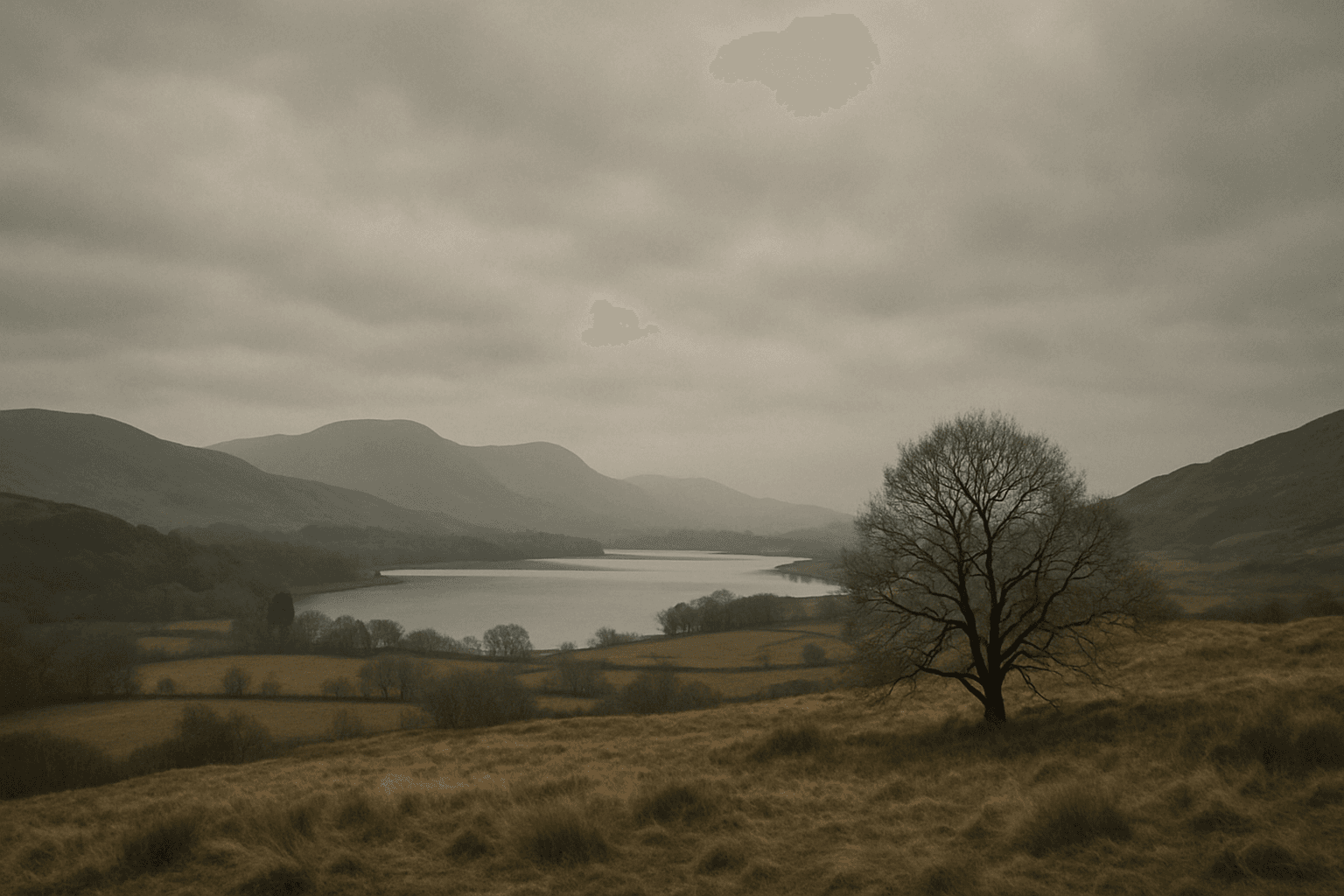
The 'Overcast Sky Mood' keyword is essential for generating AI images that simulate the soft, evenly distributed light characteristic of cloudy days. Unlike direct sunlight, overcast lighting reduces strong shadows and bright reflections, allowing subjects to appear evenly lit with a flattering, natural softness. This mood is valuable for creating serene, introspective scenes in landscapes, portraits, and urban environments. It lends itself well to editorial and commercial imagery requiring a refined, premium look without the starkness of harsh light, making compositions feel calm, balanced, and authentic.
Definition
The 'Overcast Sky Mood' keyword guides AI art generators to simulate the atmospheric and lighting conditions of a cloudy sky. This includes diffused lighting, soft shadowing, and a muted color palette dominated by cool grays and subdued tones. It transforms image moods to feel calm, melancholic, or naturally balanced, changing how light interacts with subjects and landscapes. For beginners, adding this keyword to prompts helps achieve realistic, soft outdoor lighting effects often seen in professional photography and premium editorial images.
- Creates diffuse, shadow-less lighting
- Introduces a cool, muted color temperature
- Evokes calm, contemplative atmosphere
Prompt Formula
Use specific descriptive phrases paired with 'overcast sky mood' to build consistent prompts. Combine weather and lighting terms with subject details for best effect.
- [Subject] under overcast sky mood, soft diffuse lighting, muted colors
- [Scene], cloudy atmosphere, overcast sky mood, subtle shadows
- Detailed shot, overcast sky mood, cool tones, atmospheric haze
Best Use Cases
- Moody landscape photography with soft natural light
- Portraits requiring flattering, even illumination
- Subdued product photography minimizing glare and reflections
Common Mistakes
A frequent error is pairing 'overcast sky mood' with conflicting keywords like 'sunny' or 'bright sunset,' causing muddled lighting effects. Avoid over-saturating colors or increasing contrast, which undermines the subtlety of overcast lighting. Overusing vague terms like 'cloudy' without specifying mood can yield generic, flat images lacking depth. Instead, focus prompts on soft lighting characteristics and nuanced atmospheric details to maintain realism.
- Avoid contradictory lighting terms (e.g., sunny, harsh shadows)
- Don't over-saturate colors or boost contrast
- Use precise atmospheric details instead of vague descriptors
Advanced Techniques
Refine overcast sky mood prompts by adding specifics such as humidity levels, time of day (e.g., early morning fog), or environmental effects like light drizzle or mist. Combine with material descriptors (wet pavement, matte surfaces) to enhance realism. Experiment with lens-specific effects like soft focus or muted bokeh to mimic photography techniques under overcast conditions.
- Add atmospheric effects: light drizzle, mist, fog
- Specify time for mood shifts: dawn, dusk overcast
- Use textures: wet surfaces, matte finishes for authenticity
- Include lens effects: soft focus, subtle bokeh
Professional Workflow
Begin by briefing the intended mood and lighting desired, clarifying the use of 'overcast sky mood' with additional details like time, environment, and weather effects. Generate multiple iterations with varying degrees of softness and color balance. Select images showcasing subtle light diffusion, soft shadows, and atmospheric realism. Refine by adjusting prompt adjectives or adding modifiers for clarity, optimizing for both aesthetic quality and image utility in editorial or commercial contexts.
- Define mood and environment clearly in brief
- Generate variations emphasizing lighting softness
- Review images for natural light diffusion and shadow quality
- Iterate prompts to fine-tune color temperature and atmosphere
Related Styles
- Soft Natural Light
- Cloudy Atmosphere
- Muted Color Palette
Model-Specific Tips
Most advanced AI image models respond well to clear, descriptive keywords combined with atmospheric conditions. When using 'overcast sky mood,' avoid overly complex syntax; instead, use straightforward adjective clusters. Combine with photographic terms (e.g., diffused light, soft shadows) for improved realism. Test prompt variations to find the best balance between detail and creativity while steering clear of contradictory lighting cues that can confuse AI interpretation.
- Use clear, concise descriptive phrases
- Combine with photographic lighting terms
- Avoid contradictory or complex lighting syntax
- Experiment to find effective prompt balance
FAQ
How does 'Overcast Sky Mood' affect image color tones?
It generally mutes color saturation and shifts tones to cooler, grayish hues to simulate the diffused lighting conditions of an overcast sky.
Can I use 'Overcast Sky Mood' with indoor scenes?
While primarily suited for outdoor lighting, it can be used indoors if the scene is meant to be lit by diffused natural light from a cloudy sky through windows.
Continue Exploring
Related Prompts
Muted Foggy Morning Mood
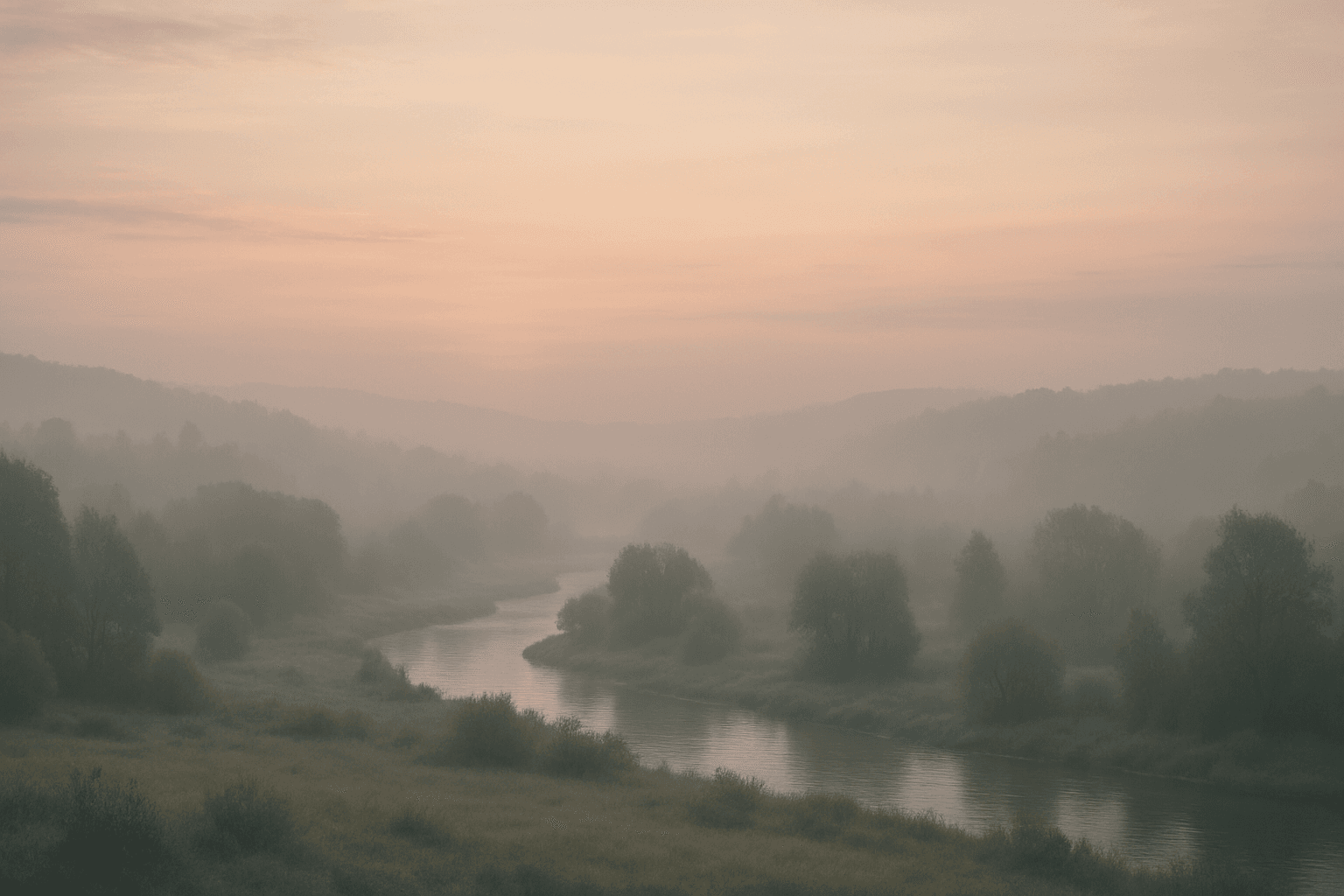
The Muted Foggy Morning Mood keyword is used in AI image generation to create serene and atmospheric scenes reminiscent of early dawn shrouded in fog. This mood captures the softness of natural light diffused through moisture in the air, resulting in gentle shadows and muted colors. It is ideal for conveying tranquility and subtle mystery, making images feel calm and introspective. When added to prompts, it guides the AI to emphasize hazy atmospherics and subdued palettes, often softening outlines and textures. This keyword excels in landscape, nature, and urban scenes where a peaceful early morning ambiance is desired, and it aligns well with minimalistic and natural aesthetics.
Dusk Twilight Mood
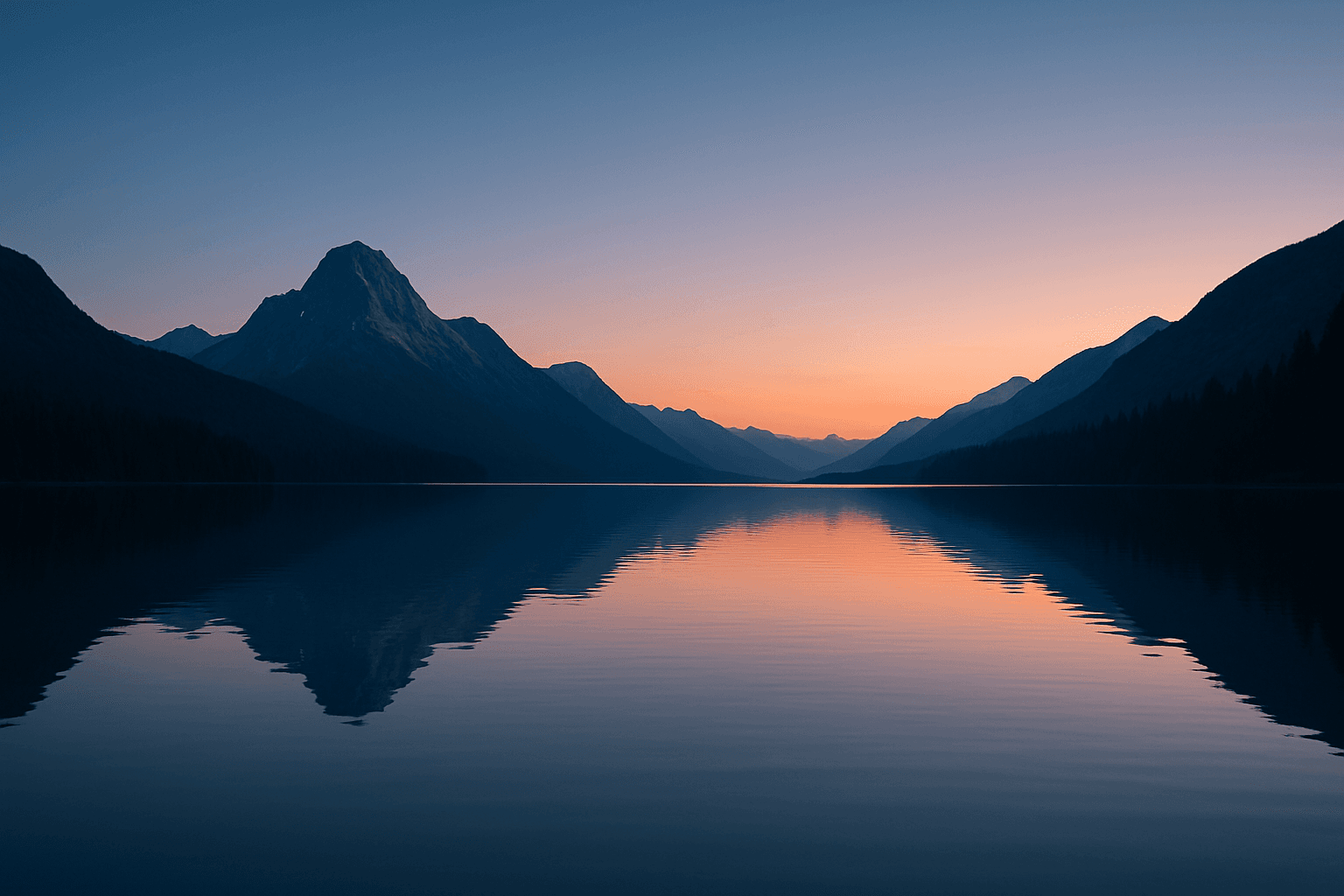
Dusk Twilight Mood captures the enchanting moments shortly after sunset when natural light softens and the sky transitions into peaceful gradients of blue and orange hues. This keyword enhances AI-generated images by infusing subtle warmth and fading daylight effects, creating contemplative and gentle moods. Its application suits a wide range of subjects from landscapes drenched in pastel skies to intimate portraits highlighted by soft shadows. The mood encourages a sense of calm and introspection, often reflecting the day's end and the approach of night. Using this keyword, artists can simulate realistic twilight lighting with refined contrast and balanced saturation, delivering evocative images with a premium editorial quality.

Misty Forest Atmosphere
The Misty Forest Atmosphere keyword is used in AI art generation to evoke a tranquil and mysterious mood within wooded landscapes. By simulating the presence of early morning fog or mist shrouding trees and underbrush, this prompt detail adds soft depth and a sense of calm isolation to images. The low contrast and de-saturated tones typical of misty scenes create a dreamy, almost otherworldly feel that is visually compelling. Artists and designers use this atmosphere to craft scenes that are both peaceful and evocative, often serving as backgrounds for stories, nature art, or mood boards. It works well in both photorealistic and stylized compositions, enhancing the emotional resonance through natural environmental effects.
Serene Lakeside Mood
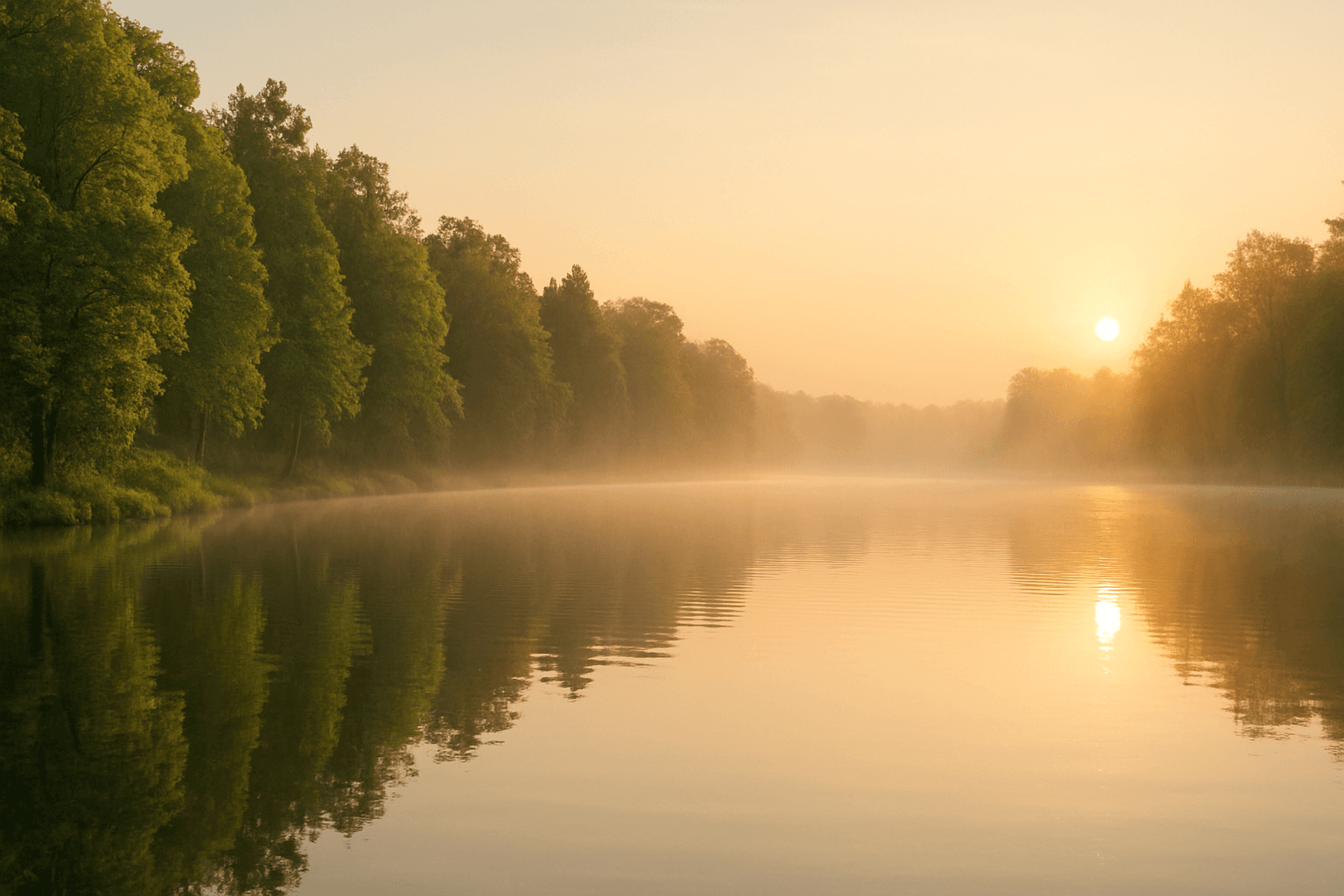
'Serene Lakeside Mood' is an atmospheric keyword focusing on rendering peaceful lakeside environments with a meditative and calming effect. This prompt element prioritizes soft lighting, still water, and natural tranquility to evoke feelings of relaxation and escape. It can bring out delicate details such as subtle water ripples, gentle fog or mist hovering over the lake surface, and vibrant but subdued greenery framing the scene. Artists and creators use this keyword to craft images suitable for wellness, meditation, nature storytelling, or emotional ambiance where serenity is central.
Soft Ambient Fog
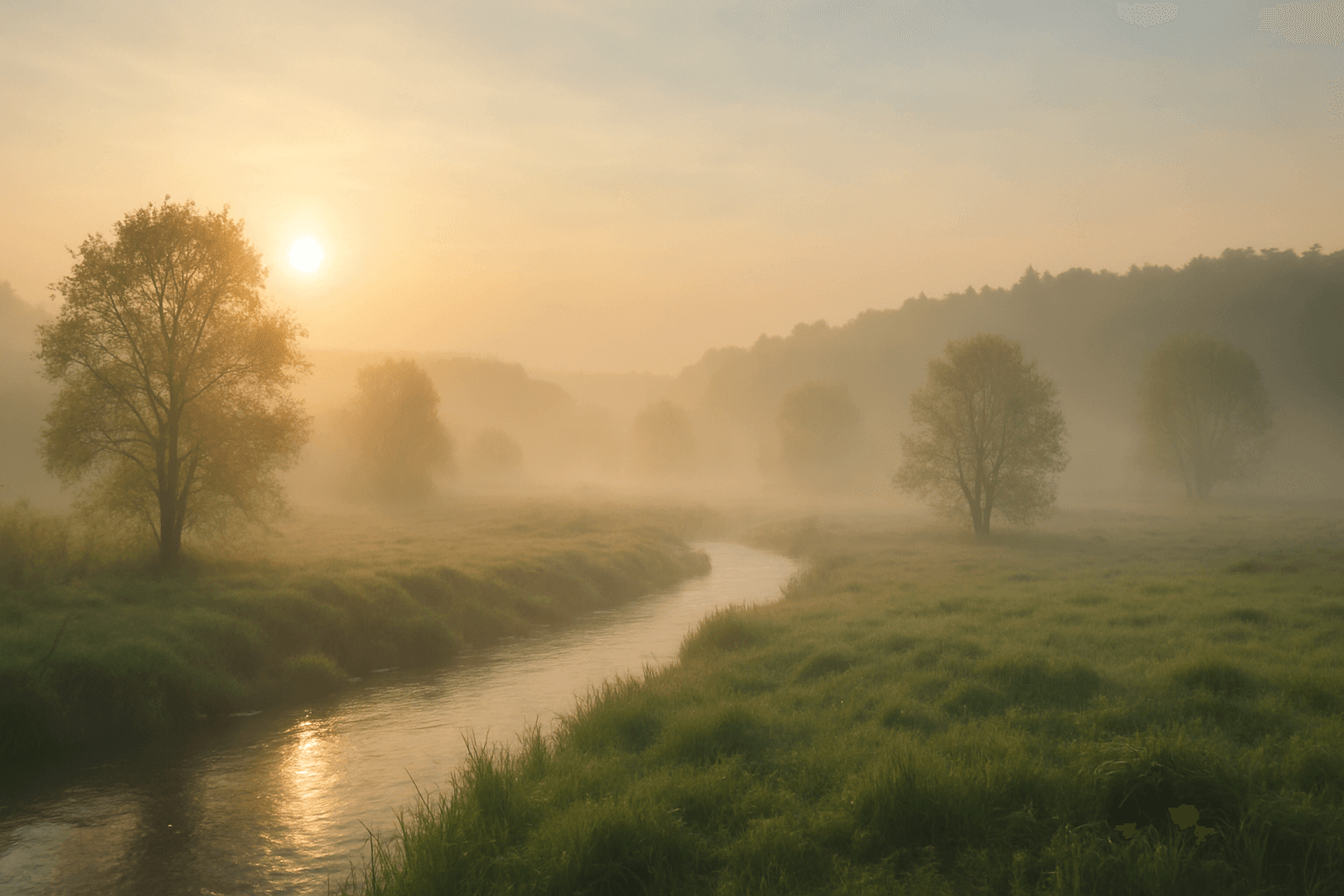
Soft Ambient Fog is a valuable prompt parameter that adds a subtle layer of atmospheric haze to images, transforming ordinary scenes with gentle diffusion and mood elevation. Unlike heavy fog or thick mist, this effect remains understated, allowing details to remain visible while enriching spatial depth and lighting texture. It evokes quietness and a sense of calm or mystery, making images appear more immersive and realistic. The presence of soft ambient fog interacts with light sources to produce smooth light transitions and a harmonious color palette, ideal for natural landscapes, portraits, or architectural shots. This nuanced atmospheric element helps creative projects achieve a premium, polished aesthetic with realistic environmental ambiance.

Morning Sunlight Atmosphere
The 'Morning Sunlight Atmosphere' keyword brings a distinctive mood to AI-generated images by simulating the unique lighting found during sunrise hours. This atmosphere bathes scenes in soft golden tones, creating natural warmth and subtle shadow play that enhances textures and depth. It's particularly effective in landscapes, architectural shots, and portraits, where the interplay between light and early morning freshness conveys optimism, tranquility, and renewal. Using this keyword helps shift an image's palette toward warm ambers and gentle highlights, contributing to compelling compositions with emotional resonance and visual balance.