Autumn Forest Atmosphere
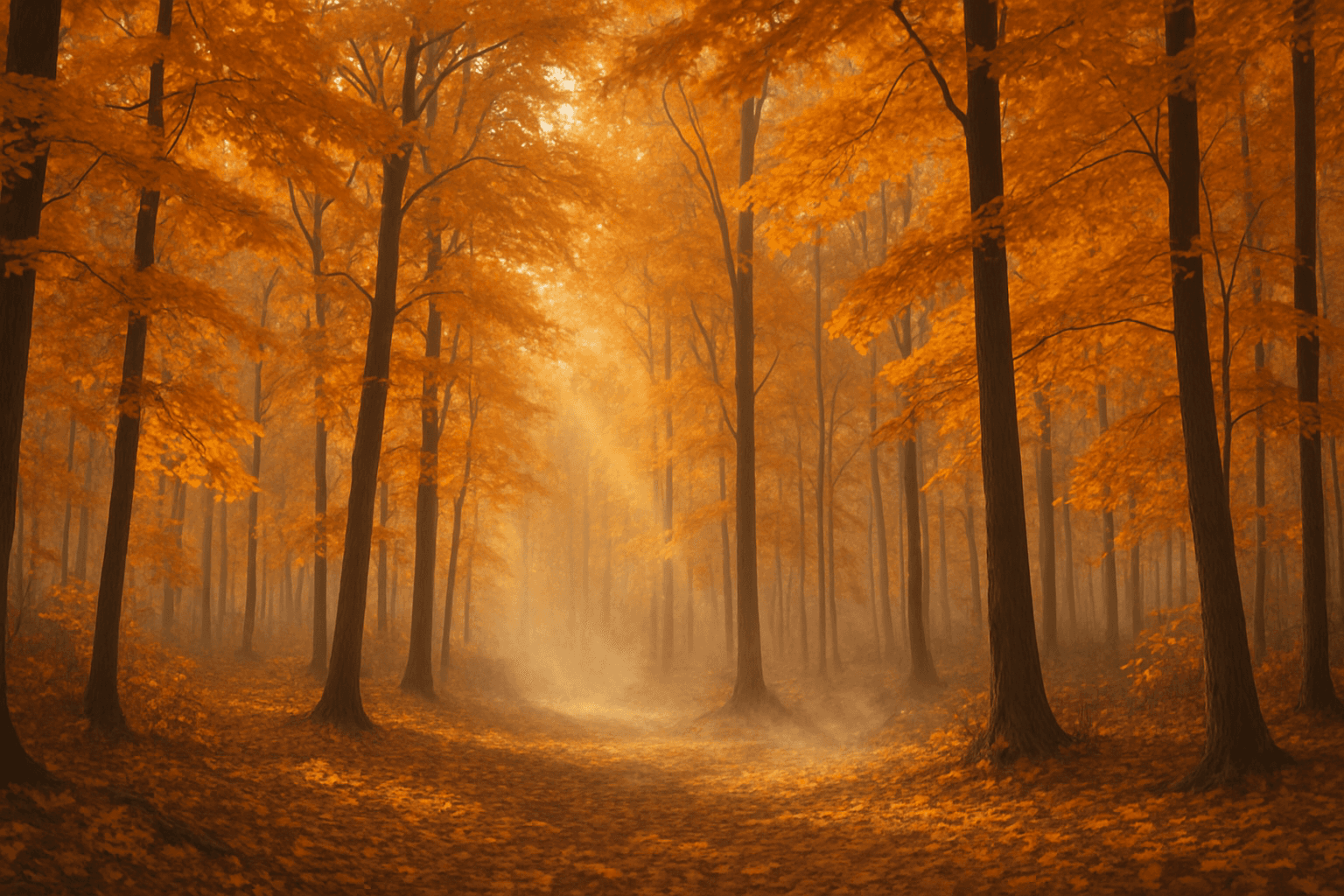
Autumn Forest Atmosphere refers to the visual and emotional qualities associated with forests during the fall season. When incorporated into AI image prompts, it helps produce scenes rich in warm hues like amber, crimson, and gold. The lighting tends to be soft, mimicking early morning or late afternoon sunlight filtered through foliage. This keyword also introduces elements such as fallen leaves, bare branches, and sometimes mist to evoke a serene yet dynamic environment. The atmosphere feels nostalgic, calm, and reflective, perfect for storytelling, seasonal marketing, and artistic nature representations.
Definition
'Autumn Forest Atmosphere' is a prompt keyword used to instruct AI image models to recreate the specific mood and visual elements of forests during the autumn season. It focuses on the color palette associated with autumn—warm reds, oranges, and yellows—alongside natural lighting cues like soft diffused sunlight or morning mist. This keyword helps shift a generic forest scene toward an evocative autumnal setting, enhancing emotional resonance and seasonal context for viewers.
Prompt Formula
Use this formula to craft your Autumn Forest Atmosphere prompts: 1. Start with a subject: "A forest scene" or "A woodland path" 2. Add seasonal descriptor: "in autumn" or "during fall" 3. Specify atmosphere: "with golden leaves" or "bathed in soft morning light" 4. Include quality modifiers: "photorealistic", "high detail", "cinematic lighting" Example: 'A forest path in autumn with fallen golden leaves, soft mist, photorealistic, cinematic lighting'
Best Use Cases
- Creating seasonal marketing visuals and advertisements
- Designing book covers or editorial illustrations with nature themes
- Developing backgrounds or wallpapers for wellness and mindfulness apps
Common Mistakes
Several pitfalls can reduce the impact of the Autumn Forest Atmosphere keyword: - Overloading the prompt with conflicting seasons or unrelated weather (e.g., snow or summer heat) that confuse the atmosphere. - Using vague descriptors like "nice forest" without specifying autumn elements, leading to generic results. - Adding too many artificial effects such as excessive saturation or unrealistic lighting, which can harm realism. To avoid these, focus on consistent autumnal colors, natural lighting, and subtle atmospheric details like mist or leaf fall.
Advanced Techniques
For seasoned prompt writers, combining 'Autumn Forest Atmosphere' with environmental or stylistic constraints enhances image quality: - Layer in time-of-day specifics, such as "early morning golden sun rays" or "twilight with soft amber glow." - Add weather nuances like "light fog drifting between trees" or "gentle wind moving colorful leaves." - Control color temperature and tone by requesting "warm earth tones with muted shadows" or "subtle lens flare from sunlight filtering through canopy." These nuanced additions guide the model toward richer, more atmospheric compositions.
Professional Workflow
A concise workflow to produce Autumn Forest Atmosphere AI images includes: 1. Research: Gather reference images highlighting autumn colors, textures, and lighting. 2. Prompt drafting: Use the prompt formula to build initial prompts emphasizing mood, season, and quality. 3. Generation: Run multiple iterations on an AI model, tweaking descriptors for desired color balance and atmosphere. 4. Selection: Review outputs for mood authenticity, detail, and photo quality. 5. Refinement: Use inpainting or re-generation with targeted adjustments, such as enhancing leaf detail or removing unwanted elements. 6. Finalizing: Export images at high resolution suitable for commercial or editorial use.
FAQ
What elements define the Autumn Forest Atmosphere in AI images?
Key elements include warm-colored leaves (reds, oranges, yellows), soft diffused lighting often resembling early morning or late afternoon sun, mist or fog, and textures like fallen leaves or slightly bare branches to evoke the autumn season authentically.
Can I use Autumn Forest Atmosphere for styles other than photorealistic?
Yes, while it is commonly paired with photorealism for natural scenes, this keyword can enhance painterly or stylized artworks by providing seasonal context and mood, adjusting colors and lighting appropriate to autumn.
Continue Exploring
Related Prompts

Misty Forest Atmosphere
The Misty Forest Atmosphere keyword is used in AI art generation to evoke a tranquil and mysterious mood within wooded landscapes. By simulating the presence of early morning fog or mist shrouding trees and underbrush, this prompt detail adds soft depth and a sense of calm isolation to images. The low contrast and de-saturated tones typical of misty scenes create a dreamy, almost otherworldly feel that is visually compelling. Artists and designers use this atmosphere to craft scenes that are both peaceful and evocative, often serving as backgrounds for stories, nature art, or mood boards. It works well in both photorealistic and stylized compositions, enhancing the emotional resonance through natural environmental effects.
Mystic Forest Atmosphere
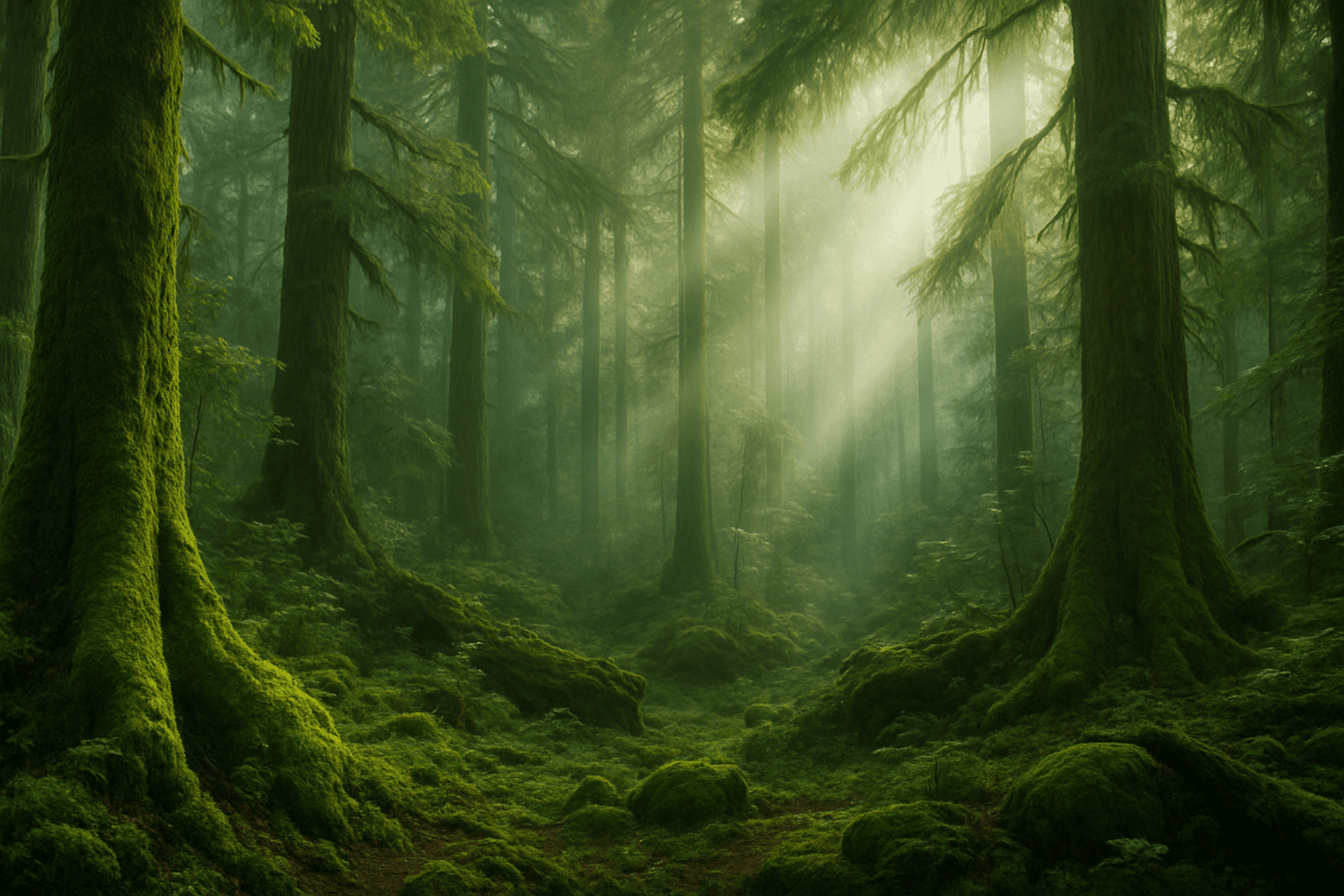
The Mystic Forest Atmosphere keyword brings an enchanting, otherworldly vibe to AI-generated images by conjuring scenes rich with natural mystery and subdued lighting. This atmosphere typically involves densely packed trees interspersed with mist or gentle fog that softens the scene and creates a sense of depth and intrigue. Light often filters through the canopy in dappled or diffuse beams that highlight textures and shadows, lending a dreamlike quality. Artists and creators use this atmosphere to evoke emotion, suggest fantasy realms, or produce contemplative natural landscapes. When added to an AI image prompt, it shifts the focus to mood over detail and sophistication over simplicity, making the scene feel immersive and timeless.

Calm Beach Atmosphere
Using the 'Calm Beach Atmosphere' keyword in AI image prompts directs the model to depict serene and peaceful beach scenes. This atmosphere is defined by soft lighting, subdued color palettes often featuring gentle blues and warm beiges, and minimal activity or dynamic motion. It reduces visual noise and prioritizes elements that signal tranquility, such as calm water surfaces, empty beaches, and clear skies at dawn or dusk. This keyword is ideal when crafting images that aim to evoke relaxation, peacefulness, and contemplative moods associated with seaside escapes. It contrasts strongly with more energetic beach atmospheres like vibrant sunsets or crowded vacations, focusing instead on calmness and subtle beauty.
Foggy Morning Atmosphere
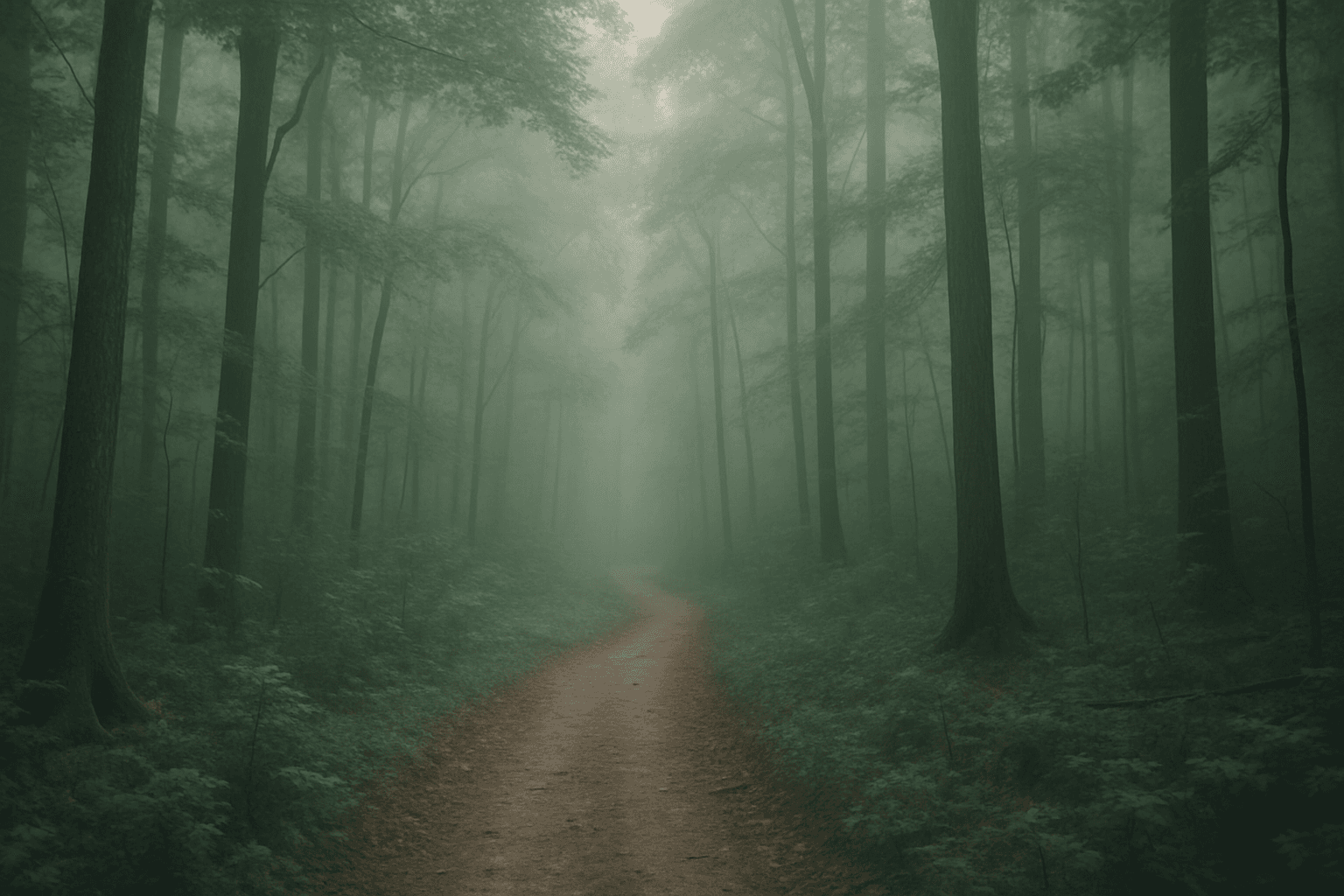
Foggy mornings are a quintessential atmospheric setting that transforms landscapes and scenes with diffused light and gentle haze. Using "Foggy Morning Atmosphere" in AI image prompts guides the model to simulate these unique conditions, creating visuals with muted tones, gentle contrasts, and a dreamy mood. This effect works exceptionally well for nature shots, serene urban scenes, or introspective portraits. Employing this atmosphere enriches storytelling by adding depth and emotion, often implying tranquility, mystery, or a fresh start to the day. The subtlety in light and shadow allows for creative compositions where subjects emerge softly from the mist, fostering a poetic visual narrative.
Stormy Weather Atmosphere
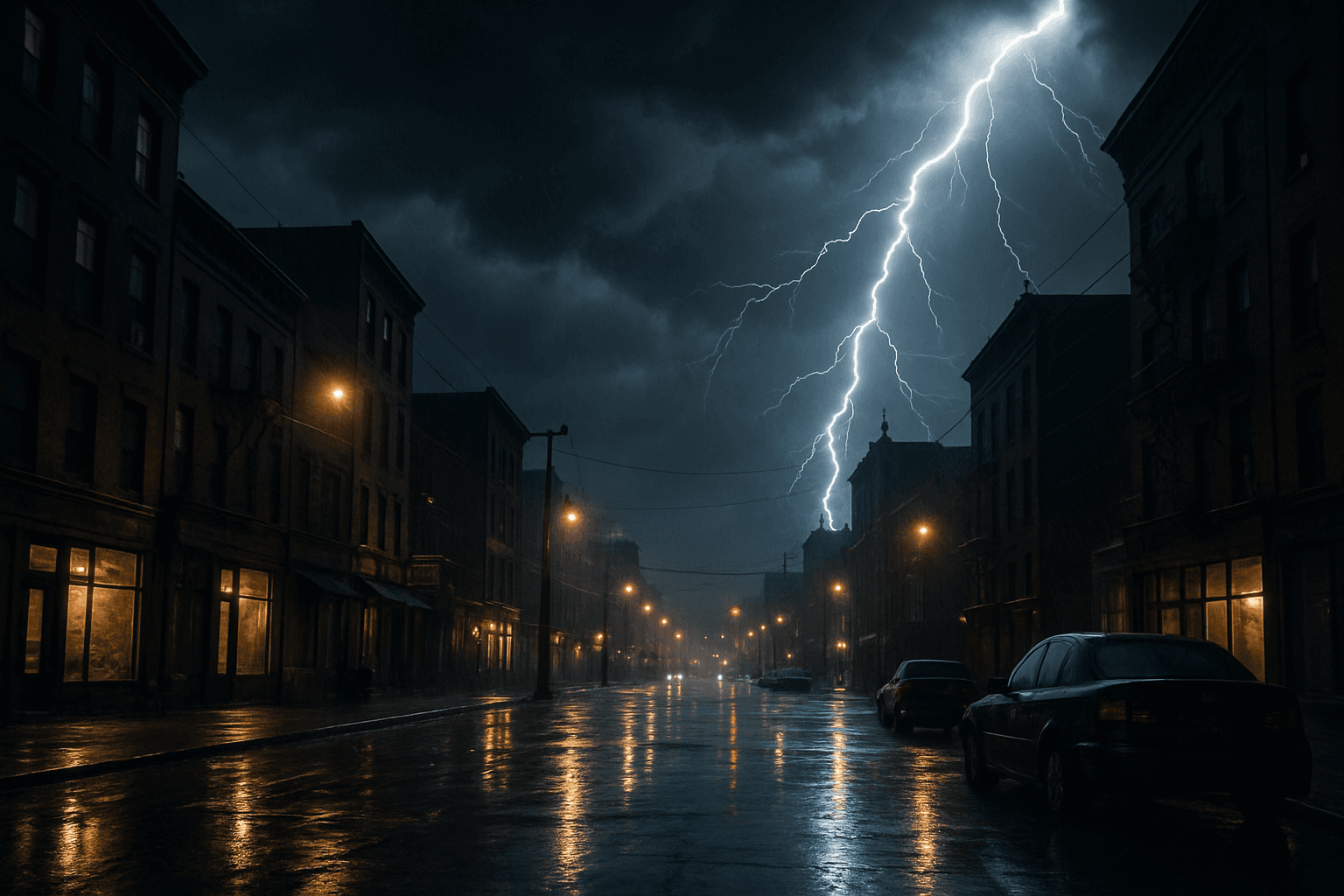
Stormy Weather Atmosphere is a powerful keyword for AI image generation that evokes dramatic and intense environmental conditions. By prompting the AI to include storm-related elements like ominous rain clouds, flashes of lightning, and turbulent skies, artists and creators can achieve scenes rich in tension and emotional impact. This atmosphere shifts the mood drastically from calm or sunny depictions, lending itself well to narratives involving conflict, intensity, or natural power. Incorporating storm characteristics enhances depth and realism, especially when paired with subtle reflections, wind-affected natural elements, or wet surfaces. It's ideal for compelling hero images, editorial visuals, or storytelling backdrops requiring a heightened sense of drama or unpredictability.
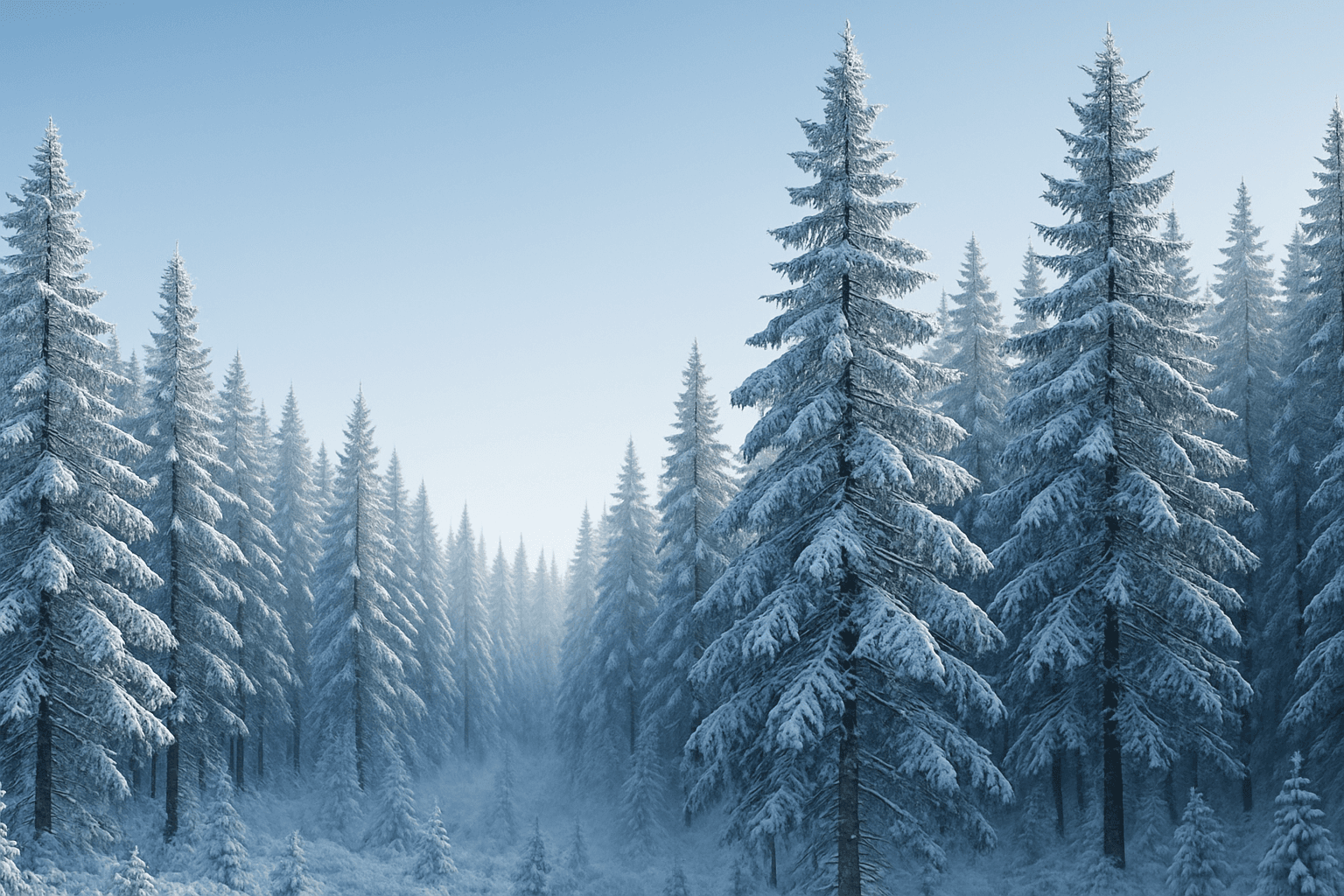
Crisp Winter Air Atmosphere
The 'Crisp Winter Air Atmosphere' keyword is essential for generating AI images that reflect the invigorating qualities of cold winter days. It infuses scenes with clarity and sharpness, often emphasizing cool light and minimal haze to produce a sense of fresh, cool air typical of early winter mornings or snowy landscapes. This atmosphere enhances compositions by adding emotional depth—evoking calmness, freshness, and renewal—while maintaining visual crispness suitable for editorial, advertising, and premium stock imagery. Using this keyword helps achieve refined lighting and realistic material effects without over-saturation or artificial haze.