Birds Eye View
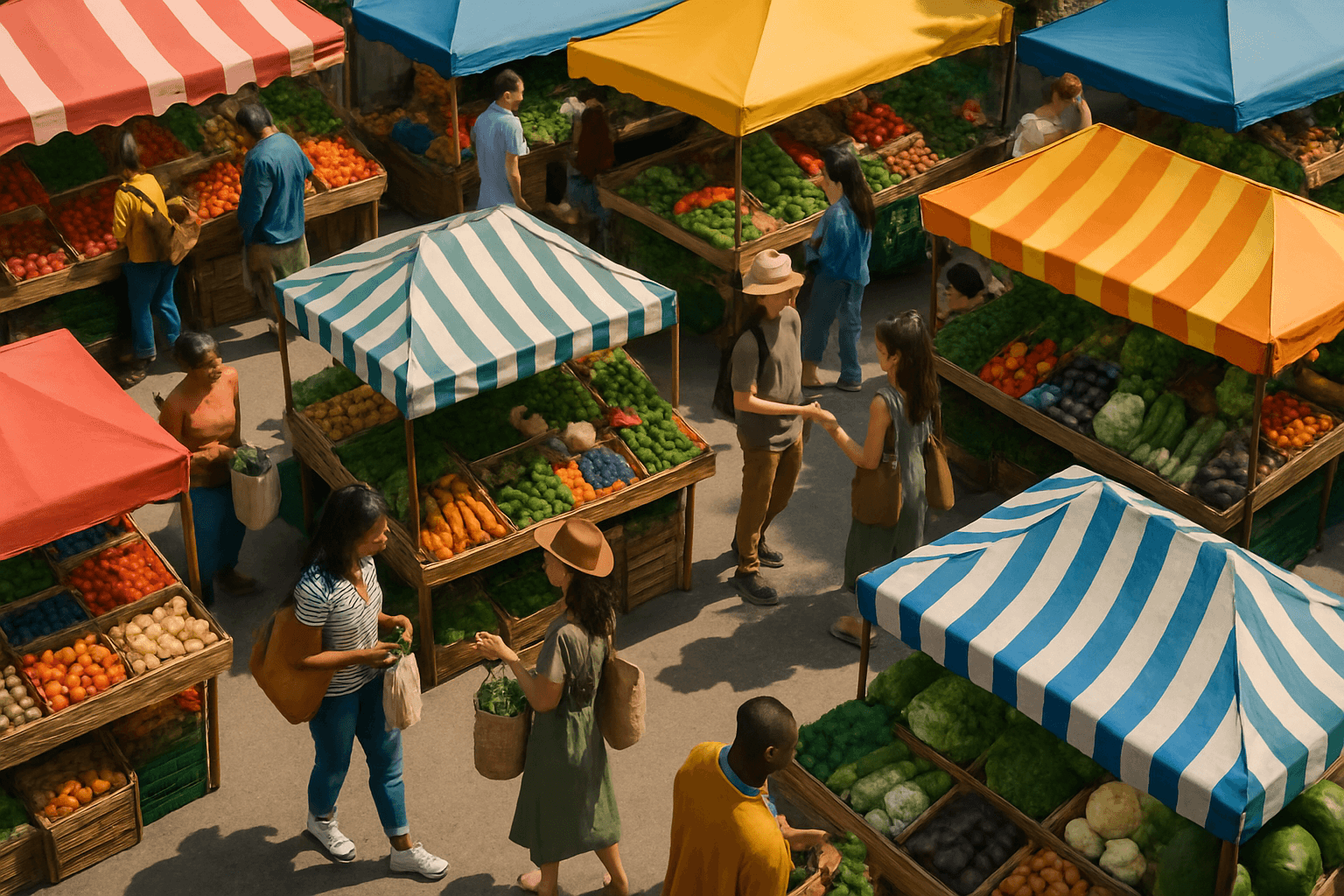
The Birds Eye View composition technique offers a unique vantage point by capturing scenes from directly above the subject. This overhead perspective allows viewers to observe spatial arrangements, patterns, and relationships in a way that typical eye-level shots cannot. It is commonly used in photography, filmmaking, cartography, and design to present environments, objects, or activities with clarity and abstraction. By removing depth cues and flattening the image plane, the Birds Eye View highlights shapes, lines, and symmetry, often resulting in visually striking and informative imagery. This technique enhances storytelling by offering a comprehensive overview, making it particularly useful for scenes involving multiple subjects or complex layouts.
Definition
Birds Eye View is a photographic or illustrative composition where the subject is viewed from directly above, providing a top-down perspective that reveals spatial relationships and patterns not visible from ground level.
Visual Characteristics
- Top-down perspective looking straight down
- Emphasizes layout and spatial organization
- Creates abstract or map-like visuals
Best Use Cases
- Urban landscape photography to showcase city layouts
- Food photography focusing on plate arrangements
- Event documentation showing crowd formations
Prompt Examples
- A vibrant farmers market captured from a birds eye view, colorful stalls and busy shoppers
- A modern office workspace seen from above, desks and employees arranged neatly
- A sushi platter displayed from birds eye perspective with detailed textures and vibrant colors
Adobe Stock Potential
Birds Eye View visuals are highly valued on stock image platforms like Adobe Stock due to their versatility and clarity. They cater to a wide range of industries, including advertising, editorial, real estate, and design. Such images effectively communicate spatial relationships and narratives, making them useful for backgrounds, hero images, and infographics. Their abstract yet informative nature also appeals to creatives looking for unique compositions that stand out. With increasing demand for fresh, engaging content, Birds Eye View photography and illustrations hold strong commercial potential in stock marketplaces.
FAQ
What equipment is needed to capture a Birds Eye View image?
You can use drones, tall ladders, or overhead rigs with cameras. Even smartphones mounted on selfie sticks or poles can achieve this angle.
How is Birds Eye View different from aerial photography?
While both involve elevated viewpoints, Birds Eye View specifically refers to a direct top-down angle, whereas aerial photography can include angled shots from above.
Can Birds Eye View be achieved without a drone or high vantage point?
Yes, by photographing flat materials on a table or creating digital renders, you can simulate the Birds Eye View perspective.
Continue Exploring
Related Prompts
Worms Eye View
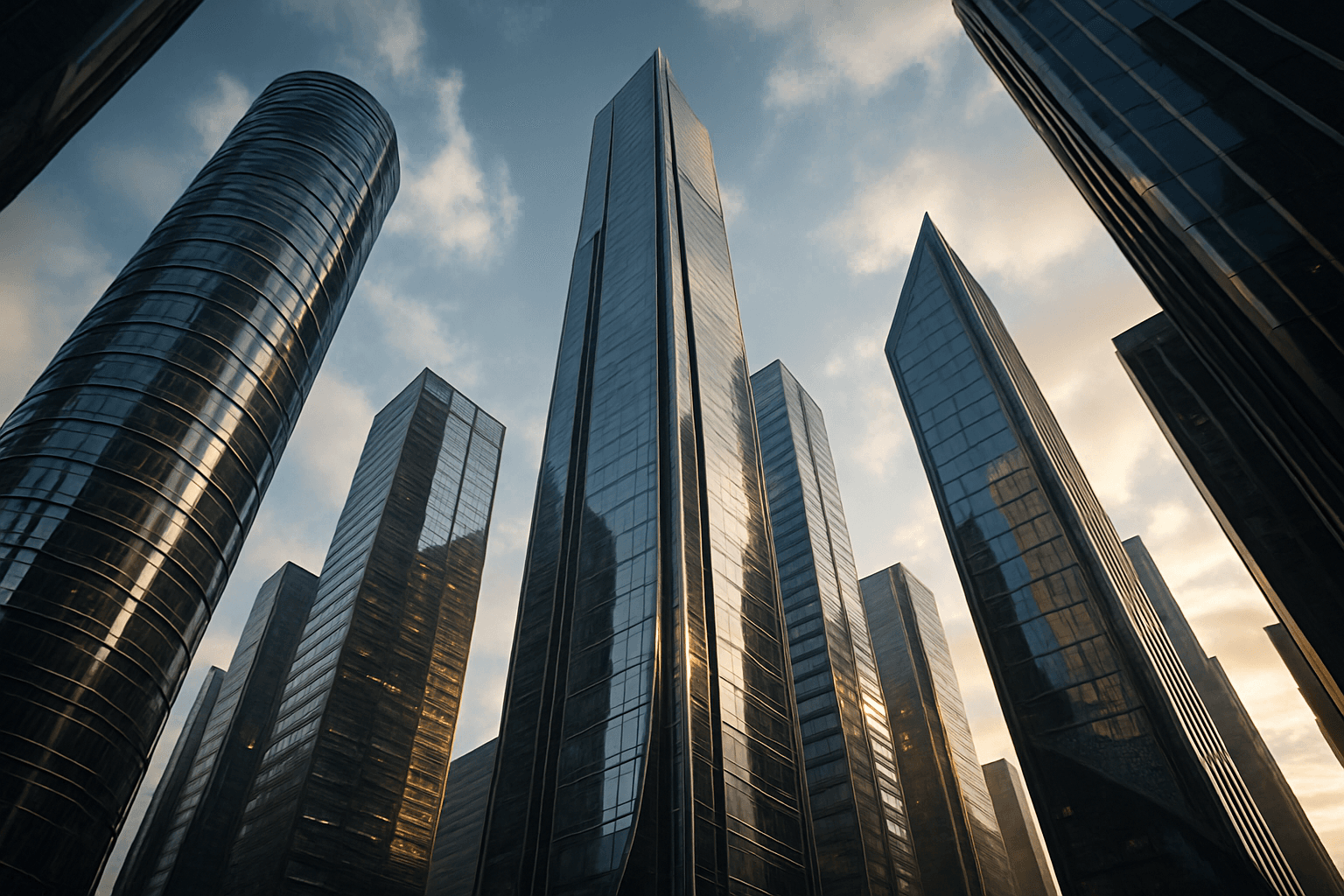
The Worms Eye View composition is a powerful tool in photography, cinematography, and visual arts that enables creators to capture scenes from a dramatically low angle. By positioning the viewpoint close to the ground and aiming upward, this technique magnifies the stature and dominance of subjects, adding a sense of awe, power, or grandeur. It is often employed to emphasize architecture towering above, majestic trees, towering characters, or other vertical elements. This viewpoint challenges the common eye-level framing, making compositions more dynamic and immersive. In AI image generation, it serves as an essential prompt keyword to achieve impactful low-angle scenes with realistic depth and scale.
Flat Lay Composition
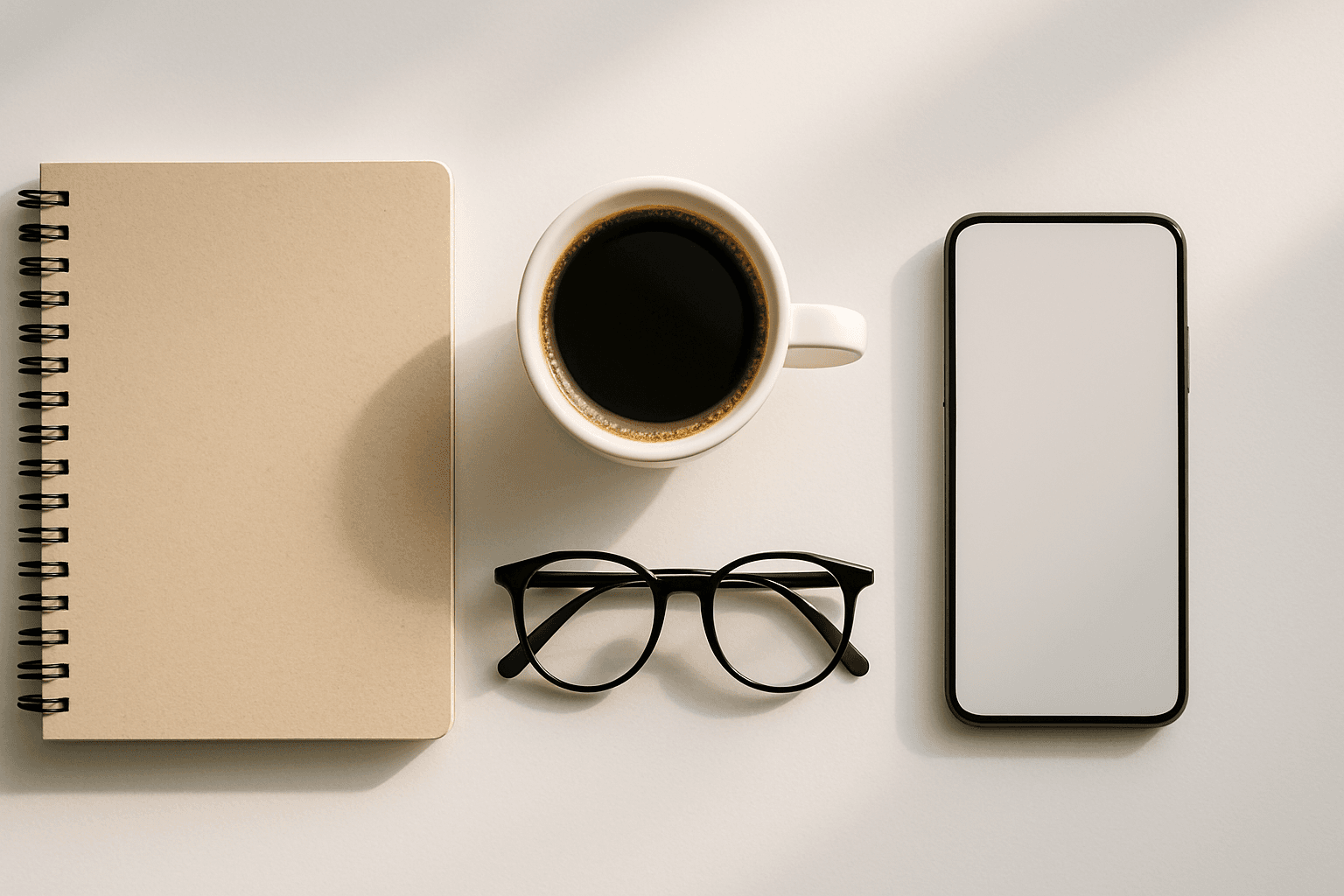
Flat lay composition is a popular style in photography and design where subjects are arranged on a flat surface and captured from above. This approach highlights details, textures, and relationships between objects, often resulting in visually appealing and organized images. It is widely used in product photography, social media content, and editorial spreads to present multiple items cohesively. The flat lay style helps viewers grasp all elements at once, making it ideal for storytelling or showcasing diverse products in a single frame. Lighting is typically even and soft to reduce shadows, enhancing clarity and realism.

Diagonal Composition
Diagonal composition is a popular and effective technique used in photography, painting, and design to enhance visual interest. By positioning important elements along diagonal lines instead of horizontal or vertical axes, the image gains a dynamic flow that naturally draws the viewer’s eyes through the scene. This approach breaks away from static layouts, injecting energy and a sense of motion. Using diagonals can also create depth by suggesting perspective or distance within flat images. Photographers often look for strong lines in the environment—like roads, rivers, or architectural details—to compose their shots diagonally. The result is an engaging, well-balanced image that feels both harmonious and lively, suitable for a variety of creative contexts.
Layered Composition
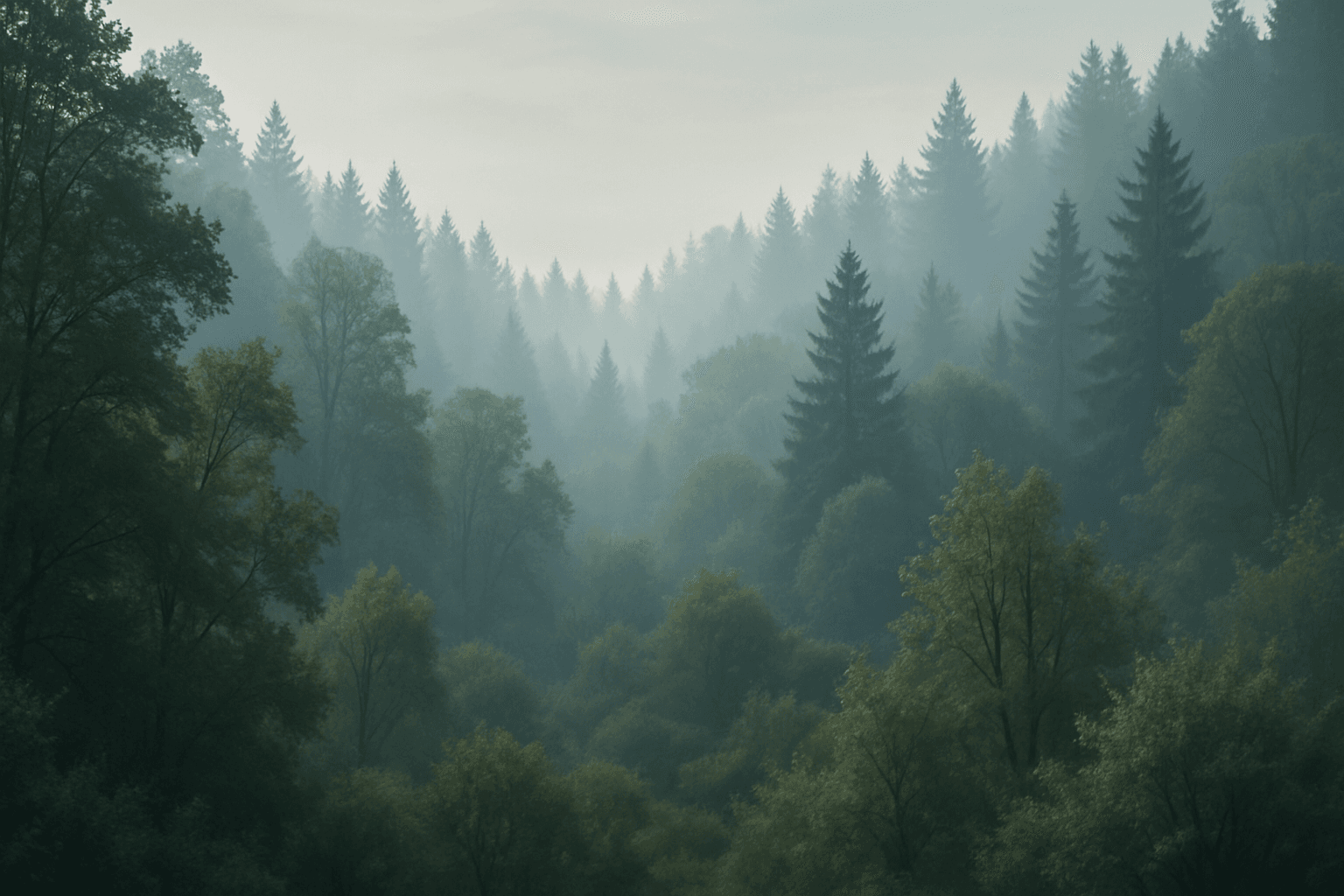
Layered Composition is a foundational technique in photography, graphic design, and digital art used to add dimensionality to images. By strategically layering visual elements, artists create scenes that feel immersive and dynamic rather than flat. This technique leverages natural cues like perspective and lighting contrasts along with careful arrangement to differentiate layers. It helps convey complex narratives effectively, as each layer contributes unique information or mood. Modern digital tools further allow nuanced control over layering with adjustable opacity and blending modes, enhancing refinement. Layered compositions captivate viewers by guiding their attention sequentially through scenes with depth, fostering richer engagement and storytelling potential.
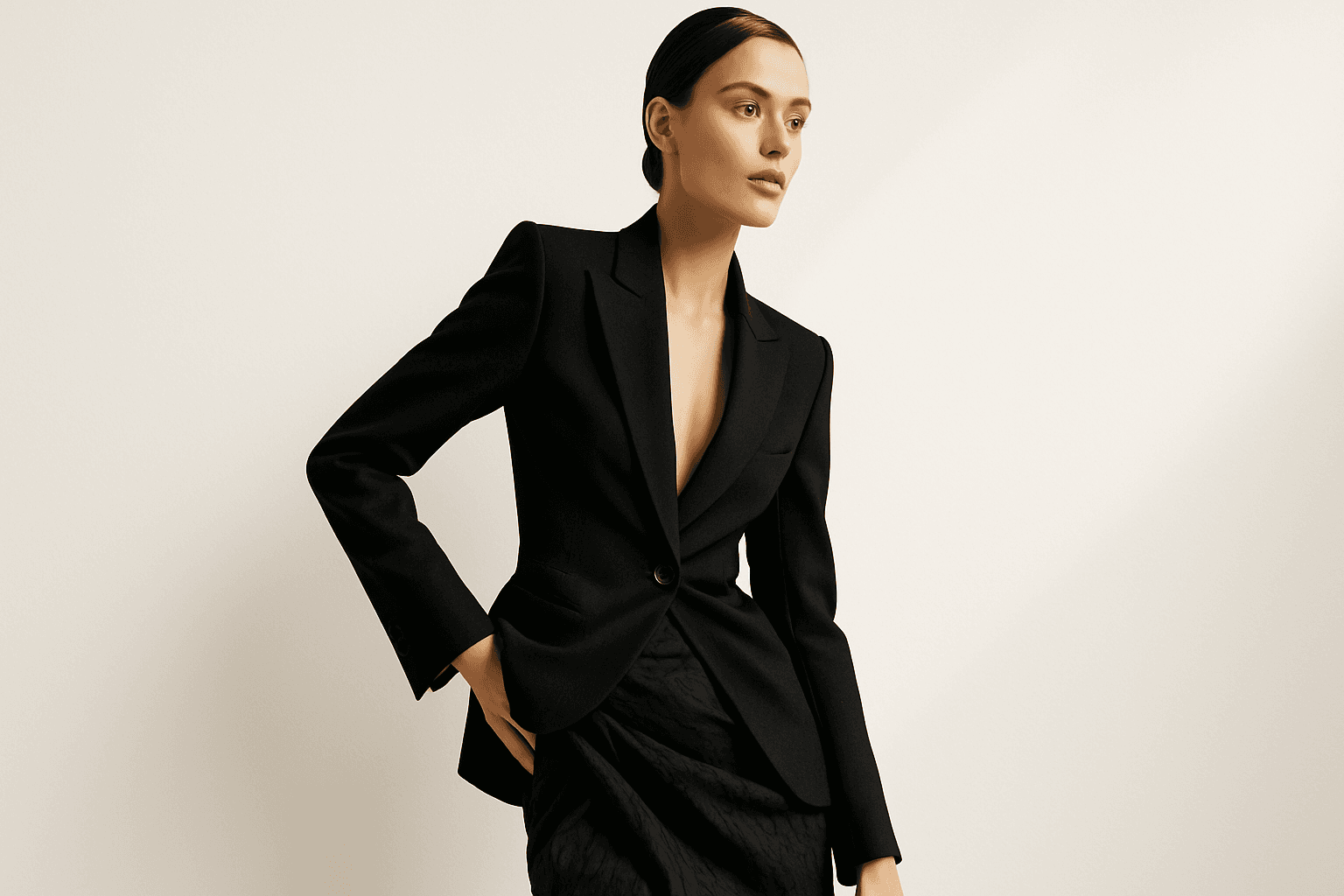
Dynamic Asymmetric Layout
Dynamic asymmetric layouts break away from the predictability of centered designs by introducing imbalance that attracts the viewer's eye across the composition. This style is widely used in editorial design, advertising, and digital media to convey energy, modernity, and sophistication. By emphasizing contrast and selective clustering, the layout guides attention strategically without relying on rigid balance. In AI image generation, specifying dynamic asymmetric layout in your prompt encourages the model to produce visually compelling scenes with elements arranged unevenly yet harmoniously, enhancing the overall narrative or mood of the image. This approach works particularly well for premium stock images and design headlines where a clean, polished look with subtle depth is desired.

Silhouette Composition
Silhouette Composition in AI-generated imagery leverages the compelling power of shape over detail, capturing viewers' attention through stark contrasts and simple, yet meaningful forms. This technique strips away textures, colors, and intricate details, focusing instead on the subject's external contour, making it ideal for communicating concepts efficiently and evocatively. Using silhouette composition in prompts allows creators to produce images that are elegant, minimalist, and universally legible across various visual designs, from editorial hero images to branding visuals. This approach aligns well with a modern design ethos that values clarity, boldness, and emotional resonance, facilitating creative storytelling with visual economy.