Worms Eye View
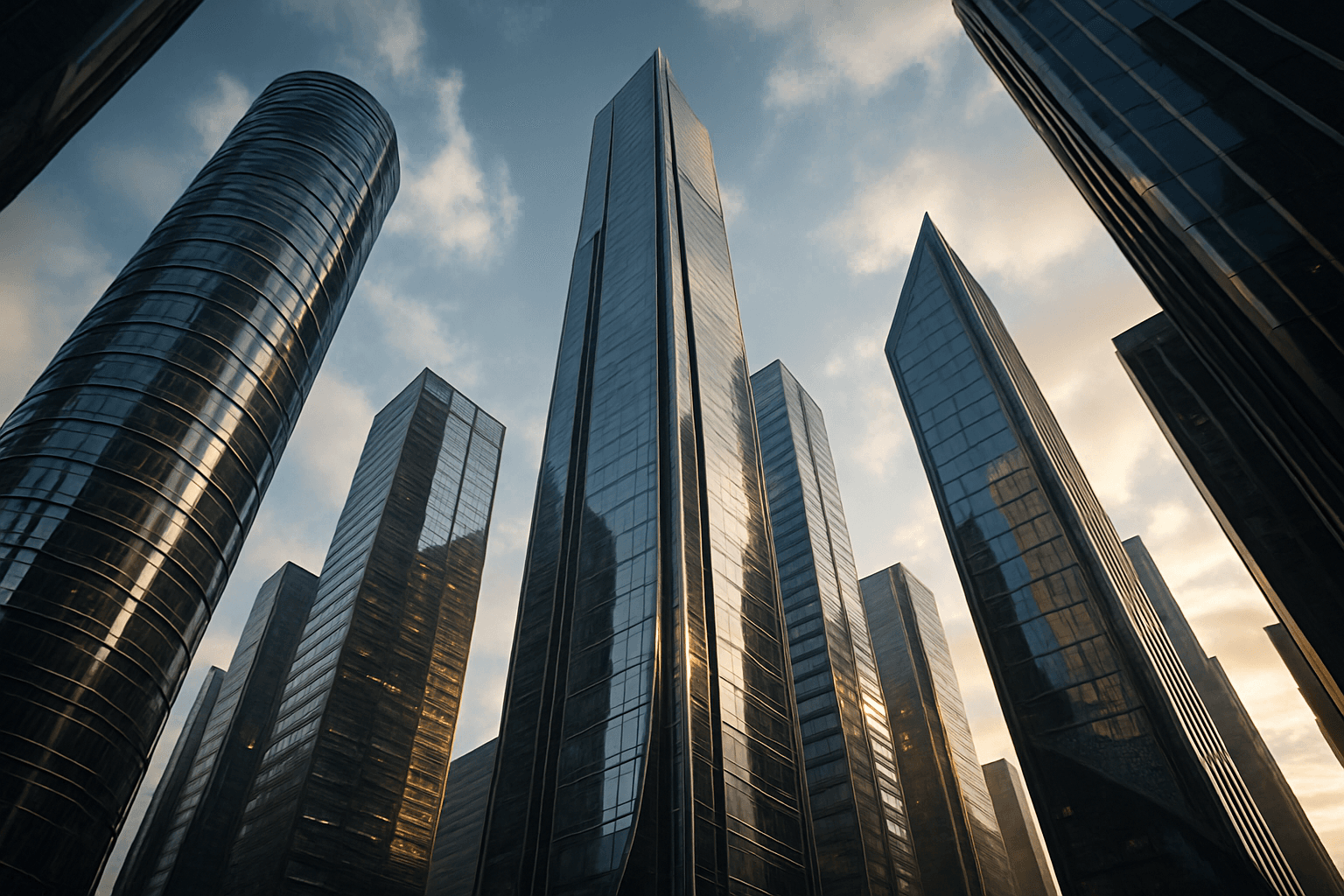
The Worms Eye View composition is a powerful tool in photography, cinematography, and visual arts that enables creators to capture scenes from a dramatically low angle. By positioning the viewpoint close to the ground and aiming upward, this technique magnifies the stature and dominance of subjects, adding a sense of awe, power, or grandeur. It is often employed to emphasize architecture towering above, majestic trees, towering characters, or other vertical elements. This viewpoint challenges the common eye-level framing, making compositions more dynamic and immersive. In AI image generation, it serves as an essential prompt keyword to achieve impactful low-angle scenes with realistic depth and scale.
Definition
Worms Eye View is a photographic and artistic composition technique where the camera or viewpoint is positioned very low to the ground, looking upward. This perspective emphasizes height, scale, and grandeur of subjects, often making them appear larger or more imposing than usual, similar to viewing from the perspective of a worm on the ground.
Visual Characteristics
- Viewpoint positioned near ground level looking up
- Emphasizes vertical elements and height
- Creates dramatic scale and perspective distortion
Best Use Cases
- Architectural photography emphasizing skyscrapers or monuments
- Character design showcasing imposing figures or creatures
- Nature scenes focusing on tall trees or structures
Prompt Examples
- Worms eye view of a futuristic city skyline with towering skyscrapers under a clear sky
- Epic worms eye view of a giant mythical dragon perched on a mountain peak
- Worms eye view of an ancient tree forest emphasizing towering trunks and lush canopy
Adobe Stock Potential
Worms Eye View imagery holds strong commercial potential on platforms like Adobe Stock due to its compelling dramatic perspective that attracts diverse content creators and marketers. Images showcasing towering architecture, impressive character designs, and majestic natural scenes from this vantage point are highly sought for editorial, advertising, and creative projects. The technique’s ability to convey scale and power makes such stock images versatile for a variety of uses, including campaigns, presentations, and storytelling visuals. Clean, high-quality worm's eye compositions with subtle lighting and realistic materials align well with premium stock image demands, making them valuable assets that consistently perform in licensing markets.
FAQ
What is the difference between Worms Eye View and Bird's Eye View?
Worms Eye View is a low-angle perspective looking upward from near the ground, emphasizing height and grandeur. In contrast, Bird's Eye View is a high-angle perspective looking downward from above, highlighting layout and spatial relationships from an elevated position.
Can Worms Eye View be used in portrait photography?
Yes, using Worms Eye View in portrait photography can make subjects appear more powerful and dominant by capturing them from a lower angle, often enhancing dramatic impact.
How do I prompt AI models to generate Worms Eye View images effectively?
Include specific phrases like 'worms eye view' or 'low angle looking upward' in your prompt. Adding context related to scale, verticality, and environment helps the model understand the desired perspective.
Continue Exploring
Related Prompts
Birds Eye View
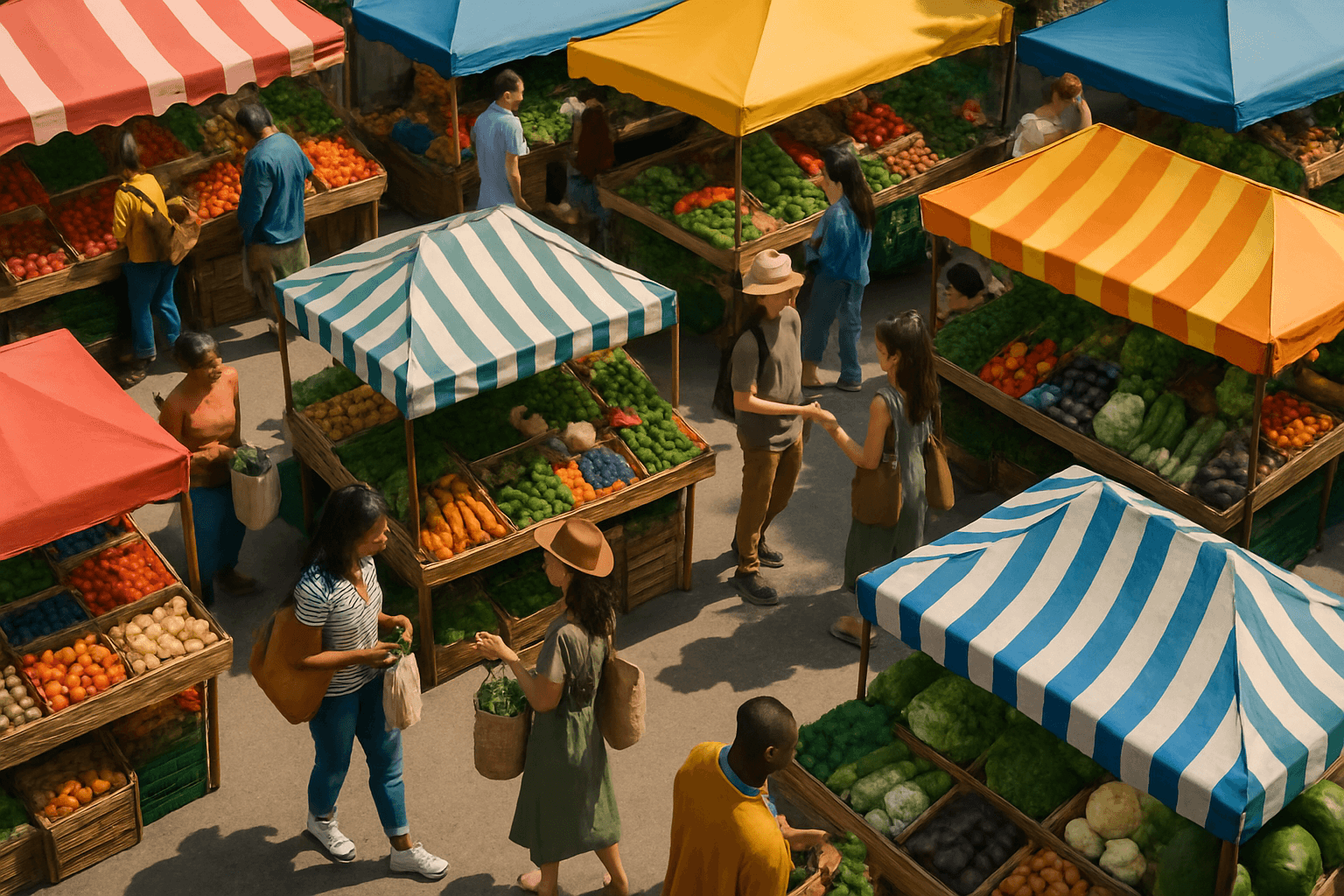
The Birds Eye View composition technique offers a unique vantage point by capturing scenes from directly above the subject. This overhead perspective allows viewers to observe spatial arrangements, patterns, and relationships in a way that typical eye-level shots cannot. It is commonly used in photography, filmmaking, cartography, and design to present environments, objects, or activities with clarity and abstraction. By removing depth cues and flattening the image plane, the Birds Eye View highlights shapes, lines, and symmetry, often resulting in visually striking and informative imagery. This technique enhances storytelling by offering a comprehensive overview, making it particularly useful for scenes involving multiple subjects or complex layouts.
Layered Depth Perspective
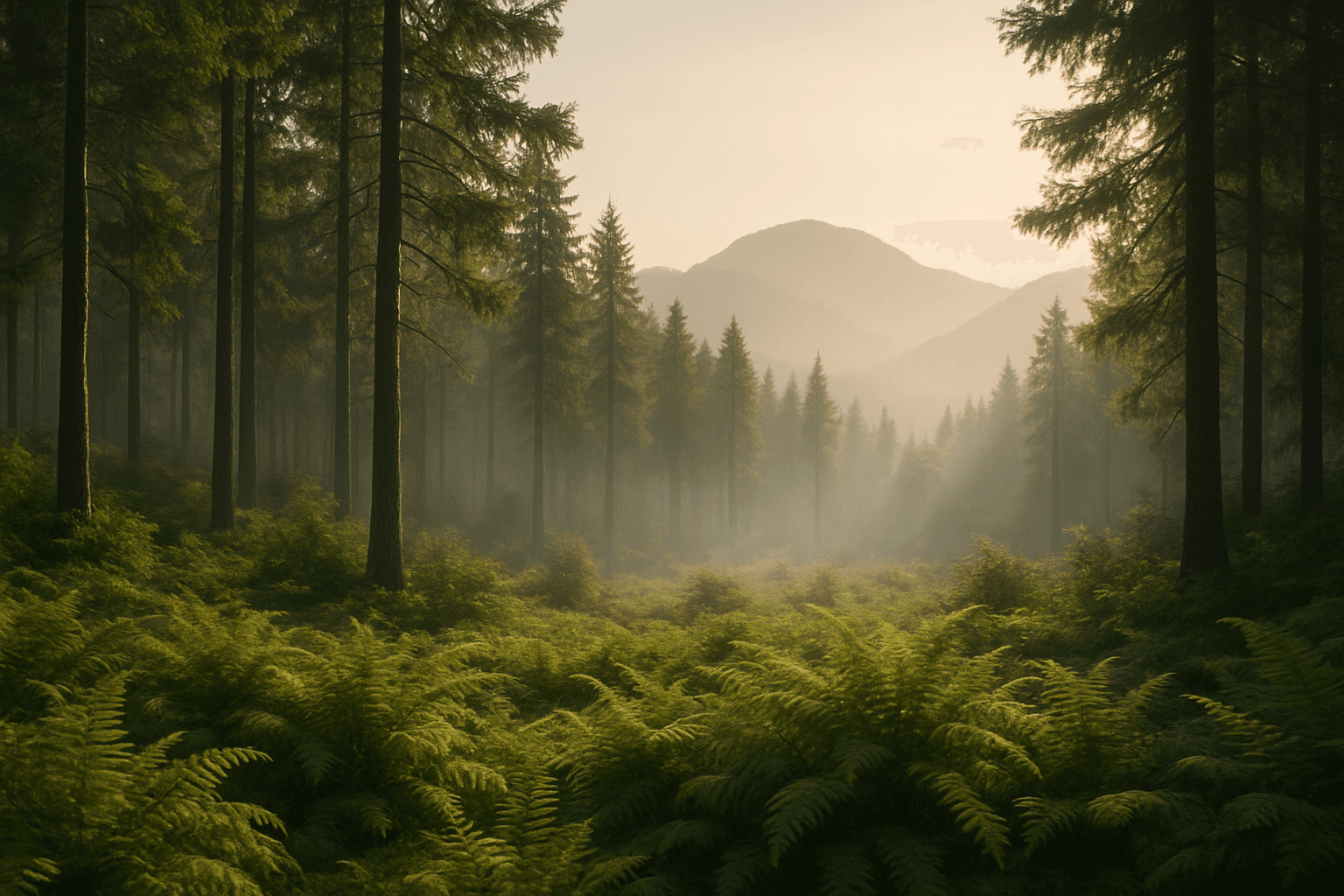
Layered Depth Perspective is an effective compositional tool in AI imagery that introduces realistic spatial layering to enhance depth perception. By instructing models to arrange elements across multiple planes, it helps mimic how human eyes perceive space, making images appear more three-dimensional and engaging. This technique guides AI to produce subtle variations in detail, lighting, and focus among layers, adding complexity and visual interest without clutter. Whether illustrating landscapes, architectural scenes, or complex narratives, using Layered Depth Perspective enriches image storytelling and elevates the quality of outputs beyond flat, two-dimensional visuals.
Diagonal Movement Composition
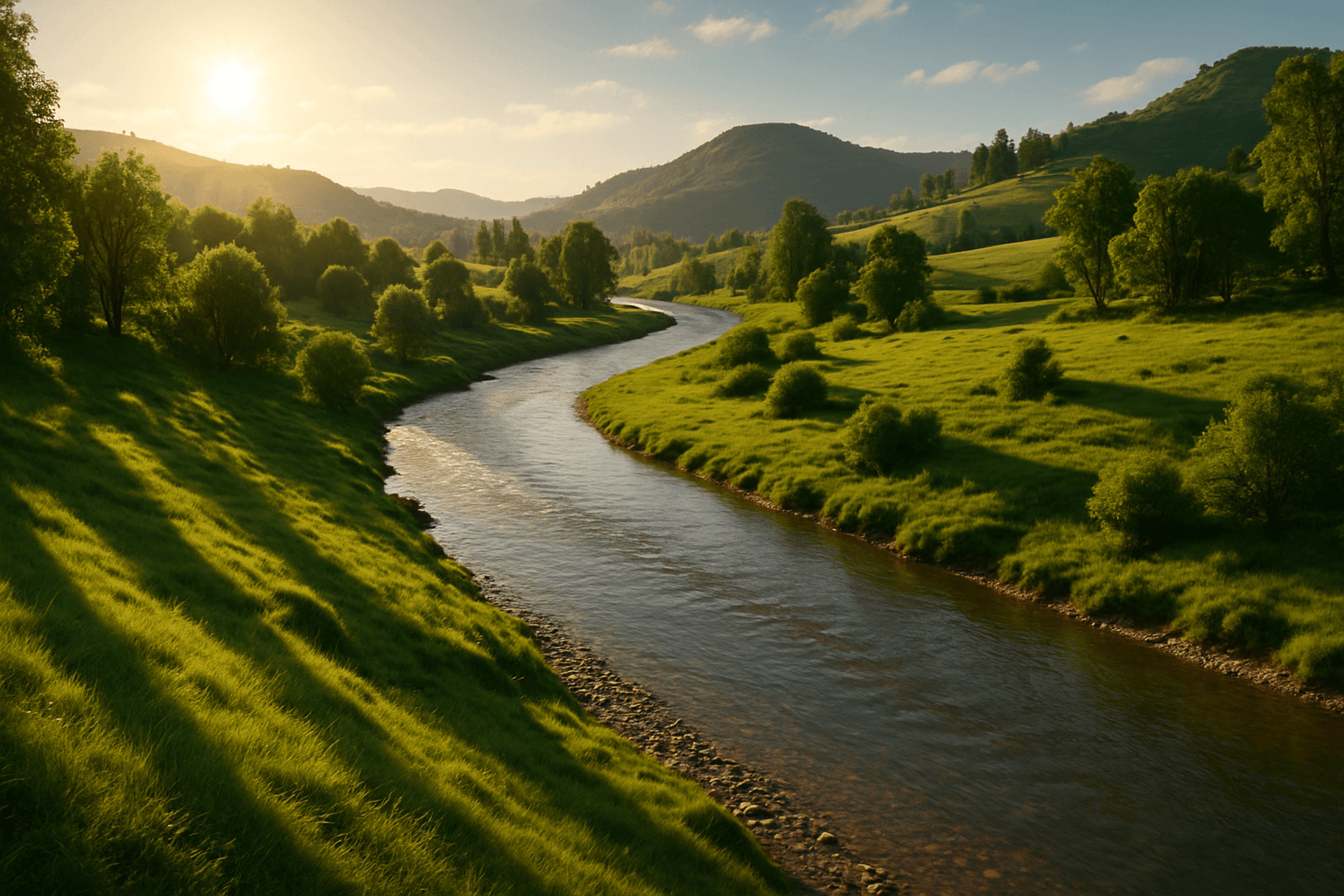
Diagonal Movement Composition is a fundamental visual technique that introduces dynamic tension and energy into an image by positioning significant elements along diagonal lines or paths. This compositional style breaks away from static horizontal or vertical layouts, capturing the viewer’s attention and guiding their gaze fluidly from one area of the image to another. In AI image generation, specifying diagonal movement composition prompts the model to produce visuals that emphasize these diagonals, enhancing the storytelling and emotional impact of the image. This makes it particularly useful in creating images with a sense of action, depth, or perspective, often yielding more visually compelling results.

Diagonal Flow Composition
Diagonal Flow Composition elevates imagery by breaking away from static, horizontal, or vertical layouts. It leverages diagonal lines across the frame to create tension, balance, and dynamism, drawing the viewer's attention naturally through the scene. For AI-generated images, specifying diagonal flow helps emphasize visual pathways that suggest movement or lead the gaze, making compositions feel more alive and engaging. This technique is widely used in photography, graphic design, and cinematography to evoke energy and make visuals more striking.
Dynamic Asymmetric Layout
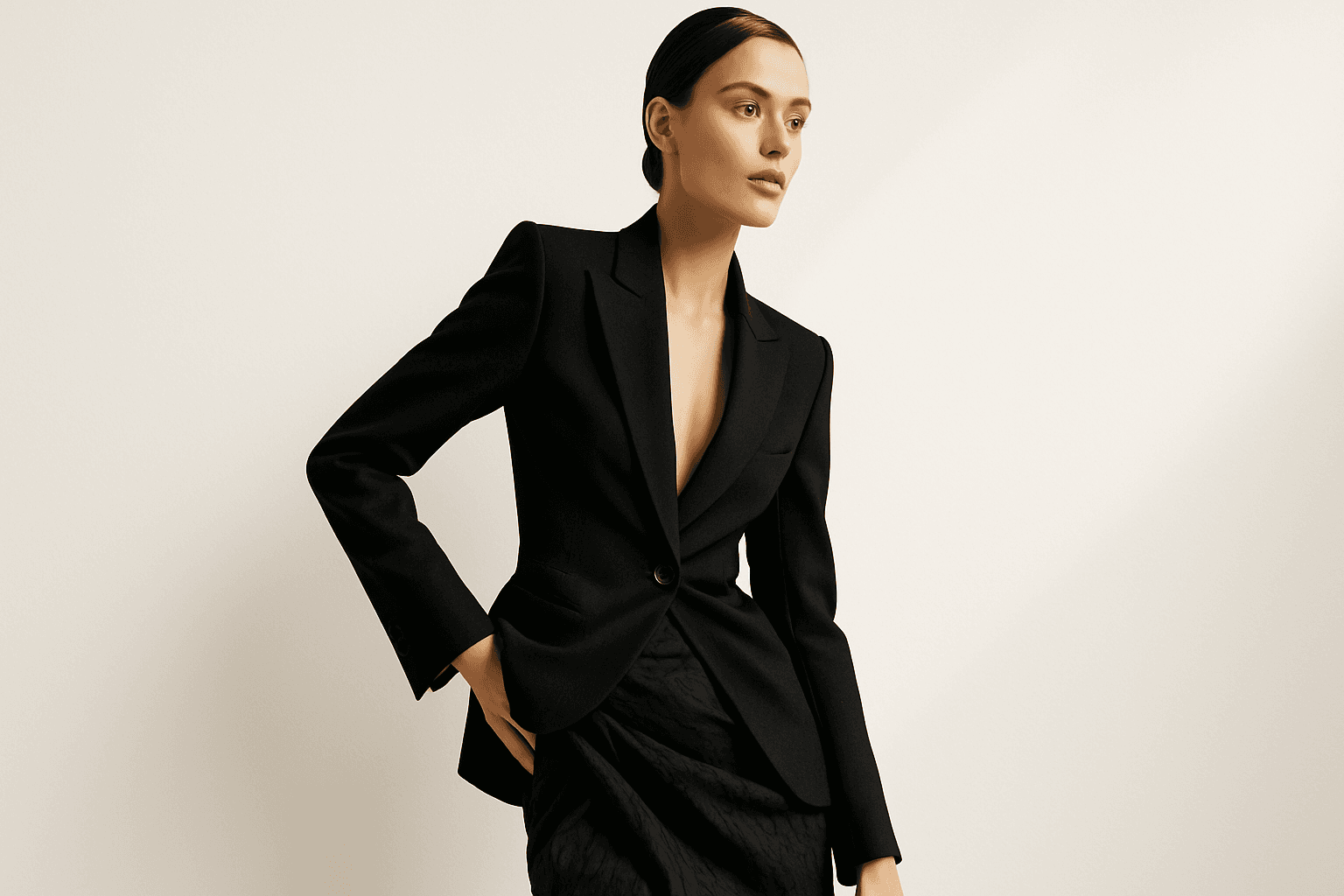
Dynamic asymmetric layouts break away from the predictability of centered designs by introducing imbalance that attracts the viewer's eye across the composition. This style is widely used in editorial design, advertising, and digital media to convey energy, modernity, and sophistication. By emphasizing contrast and selective clustering, the layout guides attention strategically without relying on rigid balance. In AI image generation, specifying dynamic asymmetric layout in your prompt encourages the model to produce visually compelling scenes with elements arranged unevenly yet harmoniously, enhancing the overall narrative or mood of the image. This approach works particularly well for premium stock images and design headlines where a clean, polished look with subtle depth is desired.

Diagonal Composition
Diagonal composition is a popular and effective technique used in photography, painting, and design to enhance visual interest. By positioning important elements along diagonal lines instead of horizontal or vertical axes, the image gains a dynamic flow that naturally draws the viewer’s eyes through the scene. This approach breaks away from static layouts, injecting energy and a sense of motion. Using diagonals can also create depth by suggesting perspective or distance within flat images. Photographers often look for strong lines in the environment—like roads, rivers, or architectural details—to compose their shots diagonally. The result is an engaging, well-balanced image that feels both harmonious and lively, suitable for a variety of creative contexts.