Layered Depth Composition
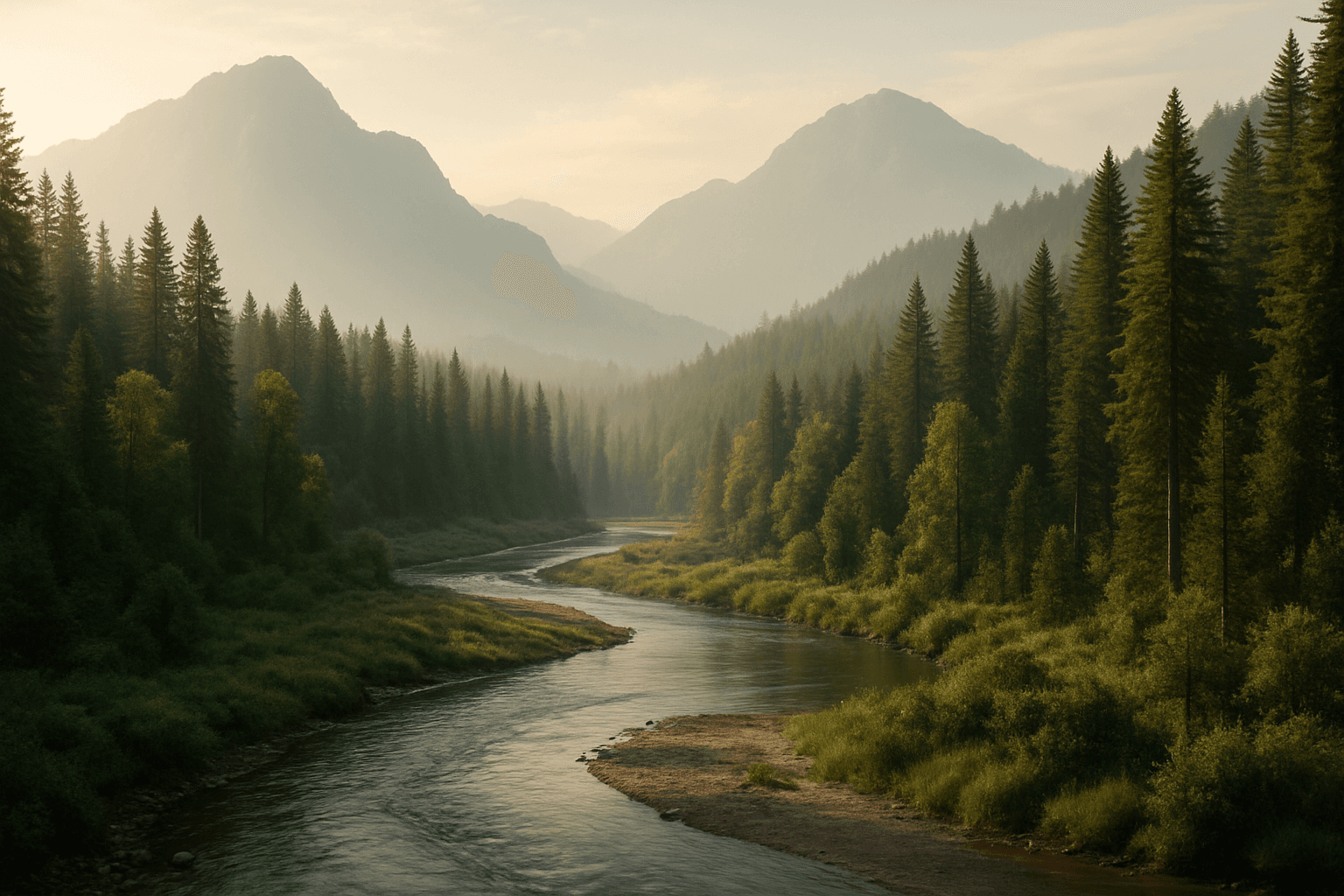
Layered Depth Composition is a fundamental concept in visual arts that translates exceptionally well to AI-generated images. By specifying this technique in your prompt, you encourage the AI to arrange scene components in a three-dimensional manner, mimicking human depth perception. This method avoids flatness and clutter often found in AI images by distinguishing spatial planes. It improves storytelling by directing attention through prioritized layers, enhancing viewer engagement and realism. Commonly seen in landscape, architectural, and cinematic imagery, it offers clarity and focus in complex scenes. Applying layered depth results in premium visuals suitable for editorial, marketing, and creative projects requiring polished, immersive compositions.
Definition
Layered Depth Composition in AI image generation refers to creating visual scenes with clearly defined foreground, midground, and background elements. This technique adds spatial separation and depth, making images feel more three-dimensional and realistic. When included in a prompt, it directs the AI to organize elements with logical layering, thereby improving visual hierarchy and immersion.
Visual Characteristics
- Distinct separation between foreground, midground, and background elements
- Lighting that emphasizes depth and layering
- Atmospheric perspective such as subtle haze or focus shifts enhancing spatial perception
Prompt Formula
To build prompts utilizing Layered Depth Composition effectively, follow this pattern: combine a detailed subject with environment descriptions specifying layers, add lighting style, and emphasize spatial relationships. Use terms like "layered depth composition," "foreground sharply focused," "background softly blurred," and "atmospheric perspective."
- [Subject and environment], layered depth composition
- Foreground [element], midground [element], background [element]
- Lighting: rim lighting on foreground, diffused light on background, atmospheric haze
Best Use Cases
- Creating cinematic scenes requiring immersive storytelling and spatial clarity
- Designing landscapes with natural depth for realistic photography style
- Architectural visualization where structural depth and layering convey scale and realism
Creative Variations
To avoid repetitive outputs, vary the style and mood while maintaining layered depth. Experiment with lighting such as golden hour or night scenes, adjust color grading from warm to cool tones, and swap subjects across genres like urban, nature, or portrait. Vary compositional angles e.g., low angle emphasizing foreground, or aerial views expanding background depth.
- Use warm, golden hour lighting vs. cool, twilight tones
- Switch from natural landscapes to futuristic urban settings
- Change perspective: close-up foreground focus vs. wide panoramic views
Professional Workflow
Start by specifying your vision clearly, including layered depth composition directives and desired scene elements. Generate multiple image variations to explore spatial layering success. Select images showcasing clear layer distinction and natural light interaction. Refine further with minor prompt tweaks to enhance focus or atmospheric effects. Post-process slightly if needed to balance contrast and sharpness across layers, ensuring visual clarity for final use.
- Draft clear prompts with explicit layering instructions
- Generate diverse versions to evaluate depth impact
- Select images with distinct foreground, midground, background
- Iterate prompt refinements for lighting and focus
- Apply minor edits to improve contrast and layer separation if necessary
Related Styles
- Atmospheric Perspective
- Foreground Emphasis
- Spatial Hierarchy
Model-Specific Tips
When using modern image generation models, explicitly articulate the layers and their interactions rather than relying on vague terms. Use precise language like "sharp foreground," "blurred background," and "soft midground transitions." Avoid overly complex syntax; instead, build clarity with descriptive phrases to guide layer separation effectively. Enhance with lighting cues and atmospheric descriptors to reinforce depth across different model architectures.
FAQ
How does Layered Depth Composition improve AI-generated images?
It organizes visual elements into distinct spatial layers, making scenes more three-dimensional and realistic, improving visual hierarchy and viewer engagement.
Can I use Layered Depth Composition for abstract or minimalistic images?
While it is most effective for scenes with multiple spatial elements, you can adapt the concept by emphasizing subtle layers or tonal shifts even in minimalistic or abstract compositions.
Continue Exploring
Related Prompts
Layered Depth Perspective
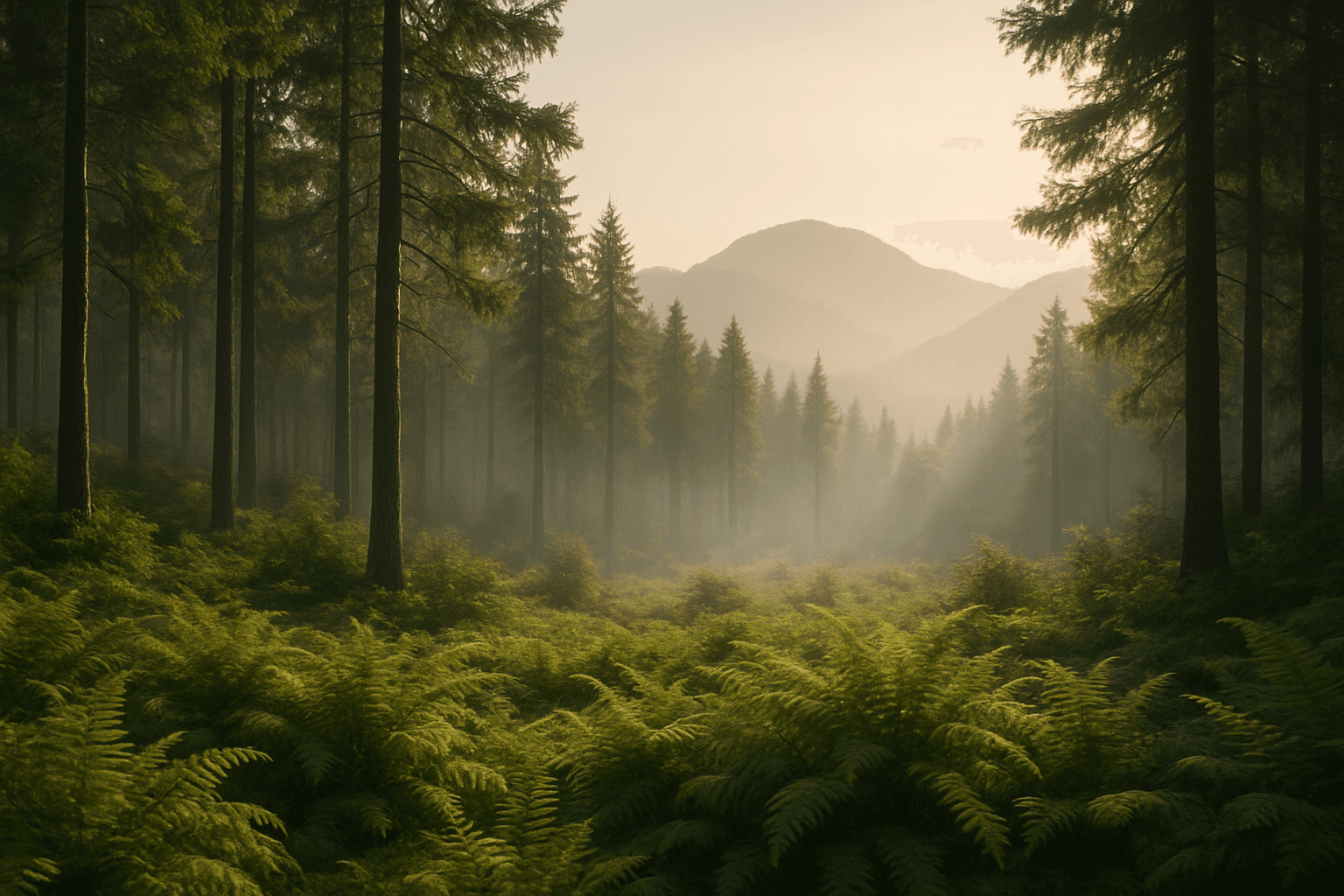
Layered Depth Perspective is an effective compositional tool in AI imagery that introduces realistic spatial layering to enhance depth perception. By instructing models to arrange elements across multiple planes, it helps mimic how human eyes perceive space, making images appear more three-dimensional and engaging. This technique guides AI to produce subtle variations in detail, lighting, and focus among layers, adding complexity and visual interest without clutter. Whether illustrating landscapes, architectural scenes, or complex narratives, using Layered Depth Perspective enriches image storytelling and elevates the quality of outputs beyond flat, two-dimensional visuals.
Layered Composition
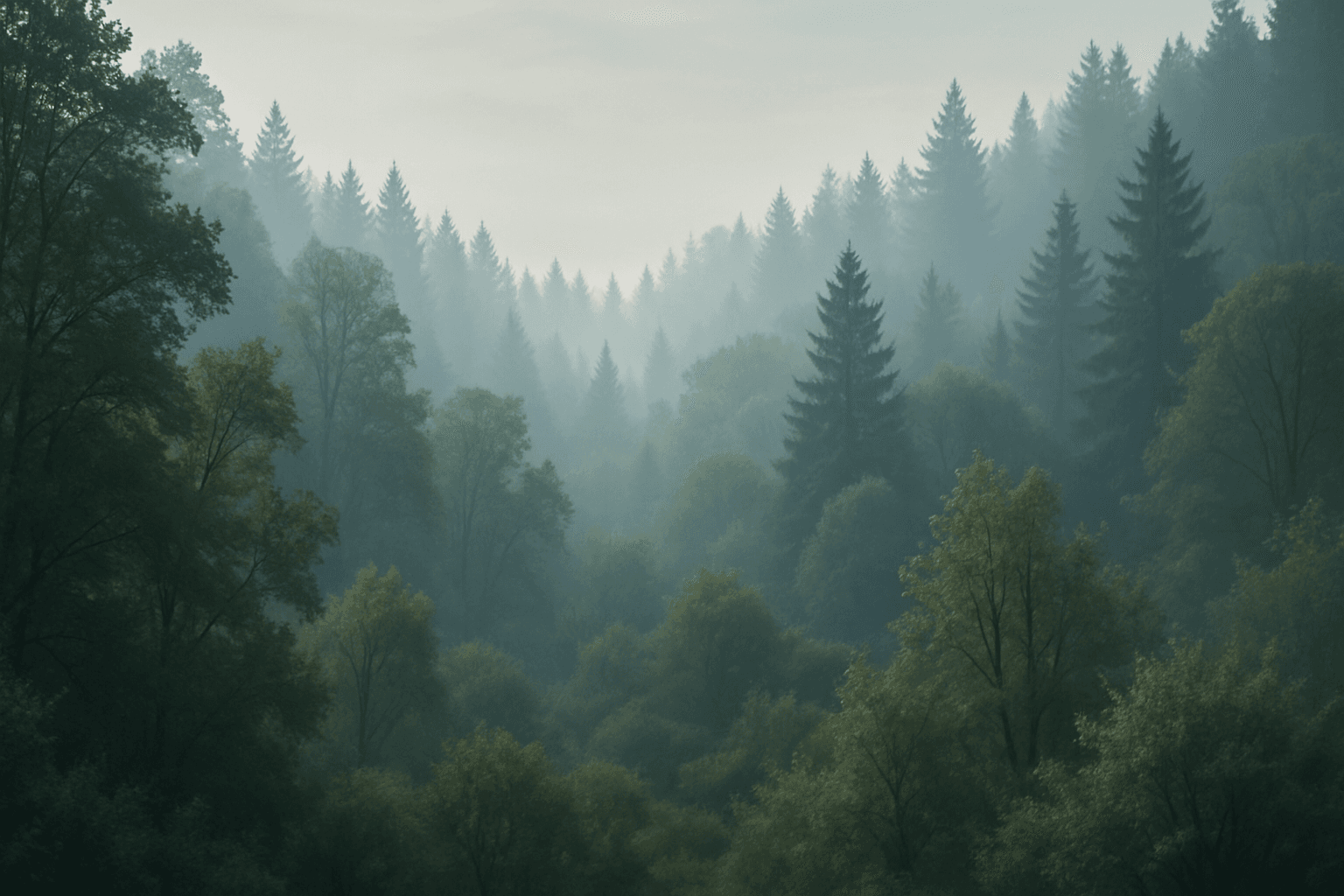
Layered Composition is a foundational technique in photography, graphic design, and digital art used to add dimensionality to images. By strategically layering visual elements, artists create scenes that feel immersive and dynamic rather than flat. This technique leverages natural cues like perspective and lighting contrasts along with careful arrangement to differentiate layers. It helps convey complex narratives effectively, as each layer contributes unique information or mood. Modern digital tools further allow nuanced control over layering with adjustable opacity and blending modes, enhancing refinement. Layered compositions captivate viewers by guiding their attention sequentially through scenes with depth, fostering richer engagement and storytelling potential.
Tonal Contrast Composition
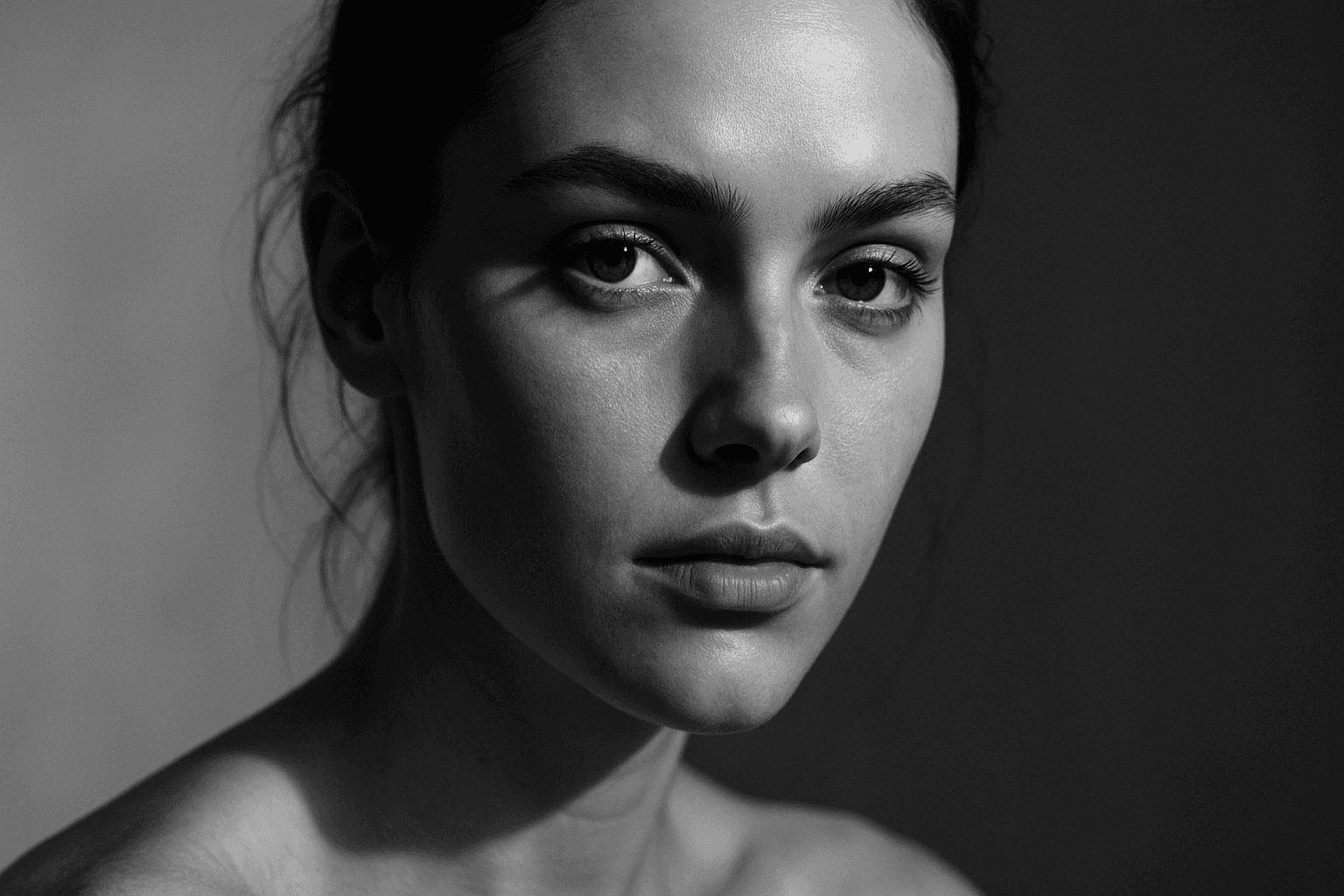
Tonal Contrast Composition is a fundamental principle in visual arts that governs how light and shadow interact within a scene. When applied in AI image generation, it helps create images with dramatic depth, where brighter areas attract attention and darker zones provide complementary framing. This interplay guides the viewer's eye naturally across the composition and emphasizes key elements without overwhelming color use. By focusing on tonal values, generated images gain a refined, realistic appearance reminiscent of premium editorial photography. Implementing tonal contrast thoughtfully results in believable textures, nuanced lighting, and a polished look suitable for professional design, advertising, and fine art applications.

Diagonal Flow Composition
Diagonal Flow Composition elevates imagery by breaking away from static, horizontal, or vertical layouts. It leverages diagonal lines across the frame to create tension, balance, and dynamism, drawing the viewer's attention naturally through the scene. For AI-generated images, specifying diagonal flow helps emphasize visual pathways that suggest movement or lead the gaze, making compositions feel more alive and engaging. This technique is widely used in photography, graphic design, and cinematography to evoke energy and make visuals more striking.

Circular Composition Layout
The Circular Composition Layout is essential for artists and designers who want to create images with natural balance and dynamic flow. By structuring elements around a central axis or circle, this composition draws viewers’ attention evenly across the image, often leading them to a central focus. In AI-generated art, specifying circular composition helps produce images with a polished aesthetic and organic movement, suitable for varied creative applications such as editorial visuals, product showcases, and social content. The layout promotes symmetry while still allowing visual complexity and interest, making images feel complete and professionally composed.

Centered Focus Composition
Centered Focus Composition is a fundamental technique in visual art and photography where the main subject is aligned precisely at the center of the frame. This method draws the viewer's eye directly to the focal point, emphasizing clarity and simplicity. In AI image generation, including terms related to 'centered focus' guides the model to replicate this balanced layout. This composition is effective for portraits, product shots, and editorial imagery where impact and emphasis are key. Centered framing exudes a formal, stable aesthetic and reduces visual clutter, making it ideal for high-quality, professional visuals guided by refined lighting and realistic materials.