Layered Depth Perspective
Layered Depth Perspective is an effective compositional tool in AI imagery that introduces realistic spatial layering to enhance depth perception. By instructing models to arrange elements across multiple planes, it helps mimic how human eyes perceive space, making images appear more three-dimensional and engaging. This technique guides AI to produce subtle variations in detail, lighting, and focus among layers, adding complexity and visual interest without clutter. Whether illustrating landscapes, architectural scenes, or complex narratives, using Layered Depth Perspective enriches image storytelling and elevates the quality of outputs beyond flat, two-dimensional visuals.
Definition
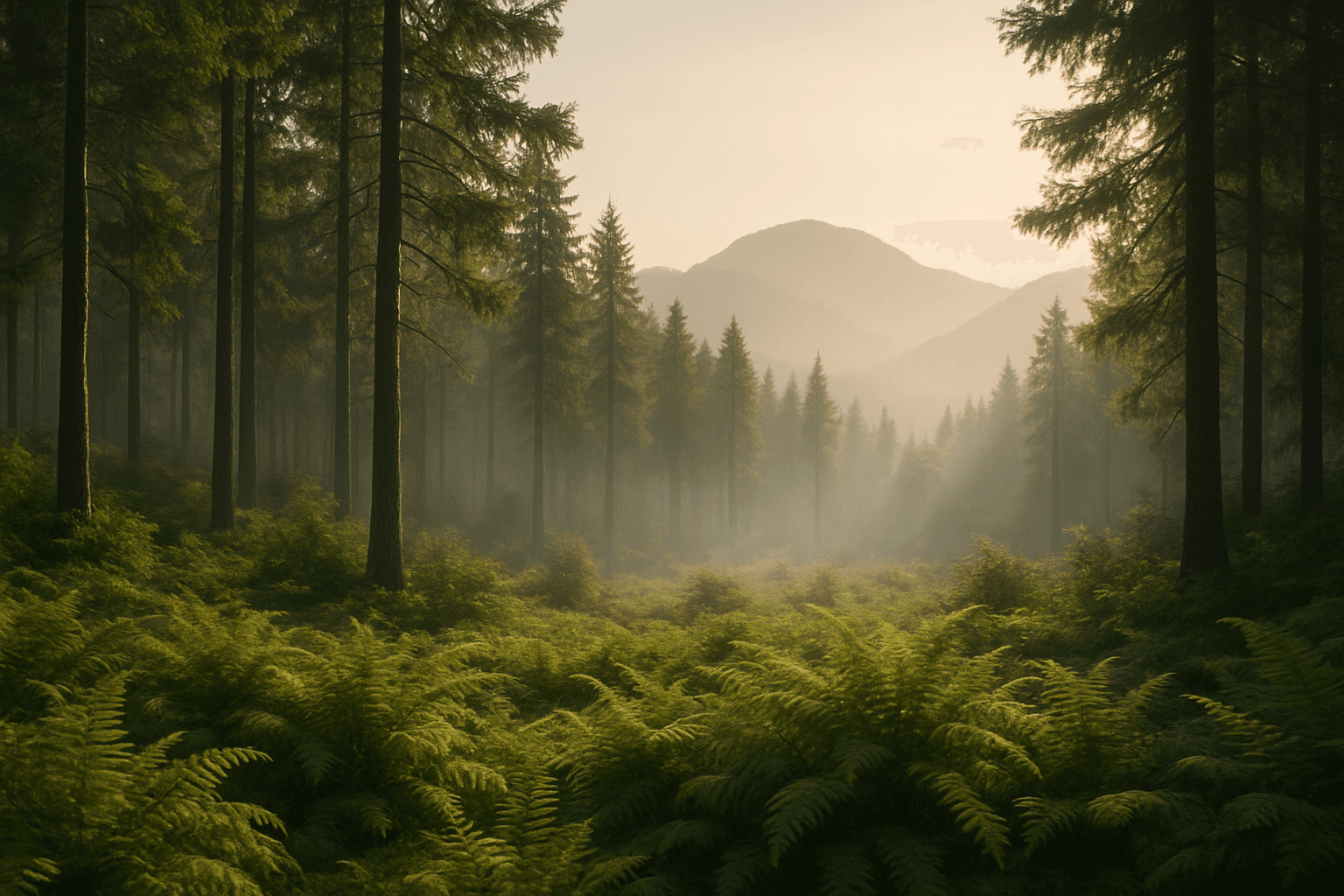
Layered Depth Perspective is a compositional technique that instructs AI models to create images with distinct spatial layers such as foreground, middle ground, and background. This approach enhances the illusion of depth, making scenes appear more three-dimensional and immersive. By incorporating natural overlapping and atmospheric cues, prompts can guide AI to produce visually rich and spatially coherent images. It changes the prompt by emphasizing spatial separation and layering of subjects and environmental elements.
Visual Characteristics
- Distinct separation of spatial planes with foreground, midground, and background
- Progressive softening or atmospheric haze affecting distant layers
- Clear overlapping/occlusion of objects to signal depth hierarchy
Prompt Formula
To build prompts with Layered Depth Perspective, combine phrases that specify distinct spatial layers and depth cues. Use patterns such as: 'foreground [subject details], middle ground [environment elements], background [distant scenery or atmospheric elements]', adding modifiers like 'soft focus on background', 'hazy distance', or 'crisp foreground details' to reinforce spatial separation. This formula helps direct the AI to arrange elements in layered planes within the composition.
Best Use Cases
- Creating landscapes and nature scenes that require realistic depth
- Generating architectural or cityscape images with spatial complexity
- Producing narrative scenes for cinematic or storytelling visuals where depth enhances mood and focus
Creative Variations
Experiment with different lighting scenarios (e.g., golden hour, foggy ambiance) to add mood across layers. Adjust color temperature to differentiate foreground from background subtly. Vary the composition by changing viewpoint heights or angles to explore more dramatic depth effects. You can also combine Layered Depth Perspective with other techniques like Atmospheric Perspective or selective focus to diversify outputs and prevent repetitiveness.
Model-Specific Tips
When using Layered Depth Perspective with various AI image models, emphasize clear spatial instructions using natural language, avoiding complicated syntax. Use descriptors like 'sharp foreground', 'blurred distant background', and 'overlapping elements' to maintain portability across models. Balance detail instructions to prevent the AI from flattening depth or adding excessive clutter. Testing iterative prompts with incremental modifications helps optimize the depth effect without relying on any single model's unique tokens or features.
FAQ
How can I ensure AI generates distinct spatial layers?
Include explicit descriptors for foreground, middle ground, and background in your prompt, and add visual cues like 'sharp focus in foreground' and 'soft, faded background' to guide the AI in separating layers clearly.
Can Layered Depth Perspective work in abstract or surreal images?
Yes, while typically used for realistic scenes, you can adapt layered depth concepts to abstract compositions by suggesting layers or planes with varying opacity, textures, or colors to maintain depth impression.
Continue Exploring
Related Prompts
Layered Depth Composition
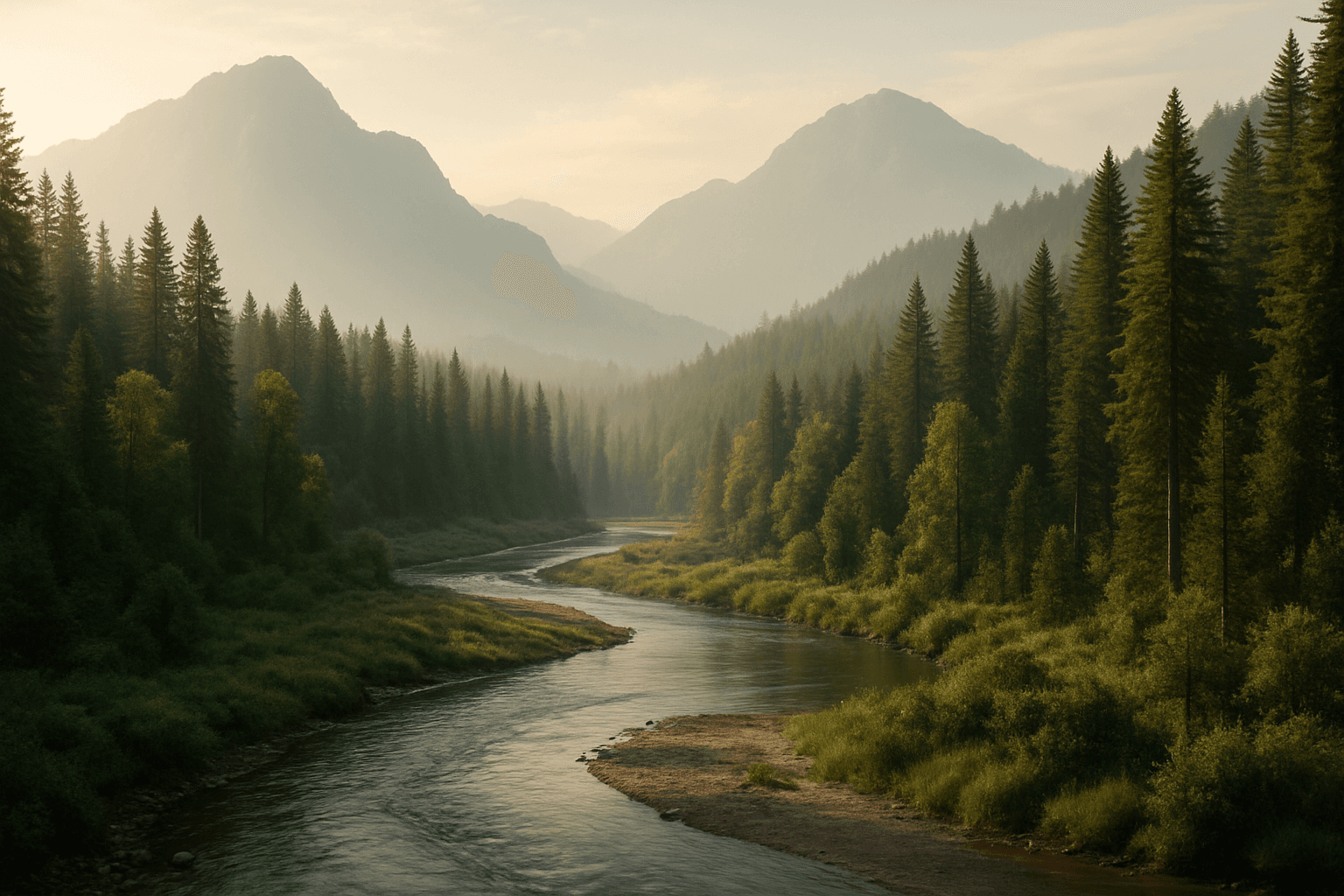
Layered Depth Composition is a fundamental concept in visual arts that translates exceptionally well to AI-generated images. By specifying this technique in your prompt, you encourage the AI to arrange scene components in a three-dimensional manner, mimicking human depth perception. This method avoids flatness and clutter often found in AI images by distinguishing spatial planes. It improves storytelling by directing attention through prioritized layers, enhancing viewer engagement and realism. Commonly seen in landscape, architectural, and cinematic imagery, it offers clarity and focus in complex scenes. Applying layered depth results in premium visuals suitable for editorial, marketing, and creative projects requiring polished, immersive compositions.
Layered Foreground Background
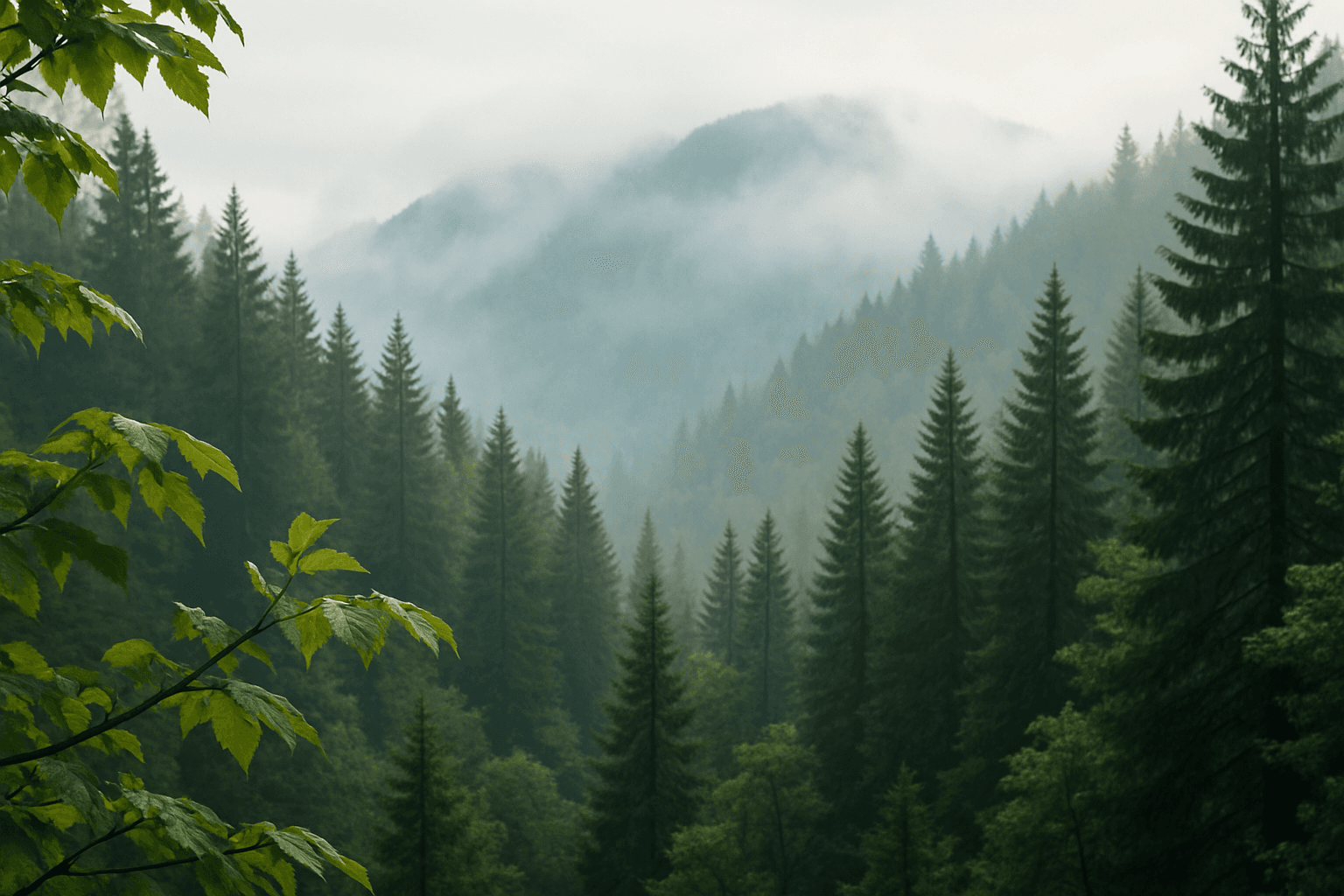
In AI-generated imagery, achieving convincing spatial depth is key to visual impact. The 'Layered Foreground Background' composition style organizes visual elements so that there is a tangible separation between the front and back parts of a scene. This approach helps direct viewer attention to important subjects while providing context with background details. By defining prompt terms that specify layering, users encourage AI models to render multiple distinct planes with differing focus and clarity. The result is images with realistic depth cues, subtle volumetric lighting, and engaging storytelling potential. This technique is versatile across genres such as landscapes, portraits, and still life, giving compositions professional polish and clarity.
Layered Composition
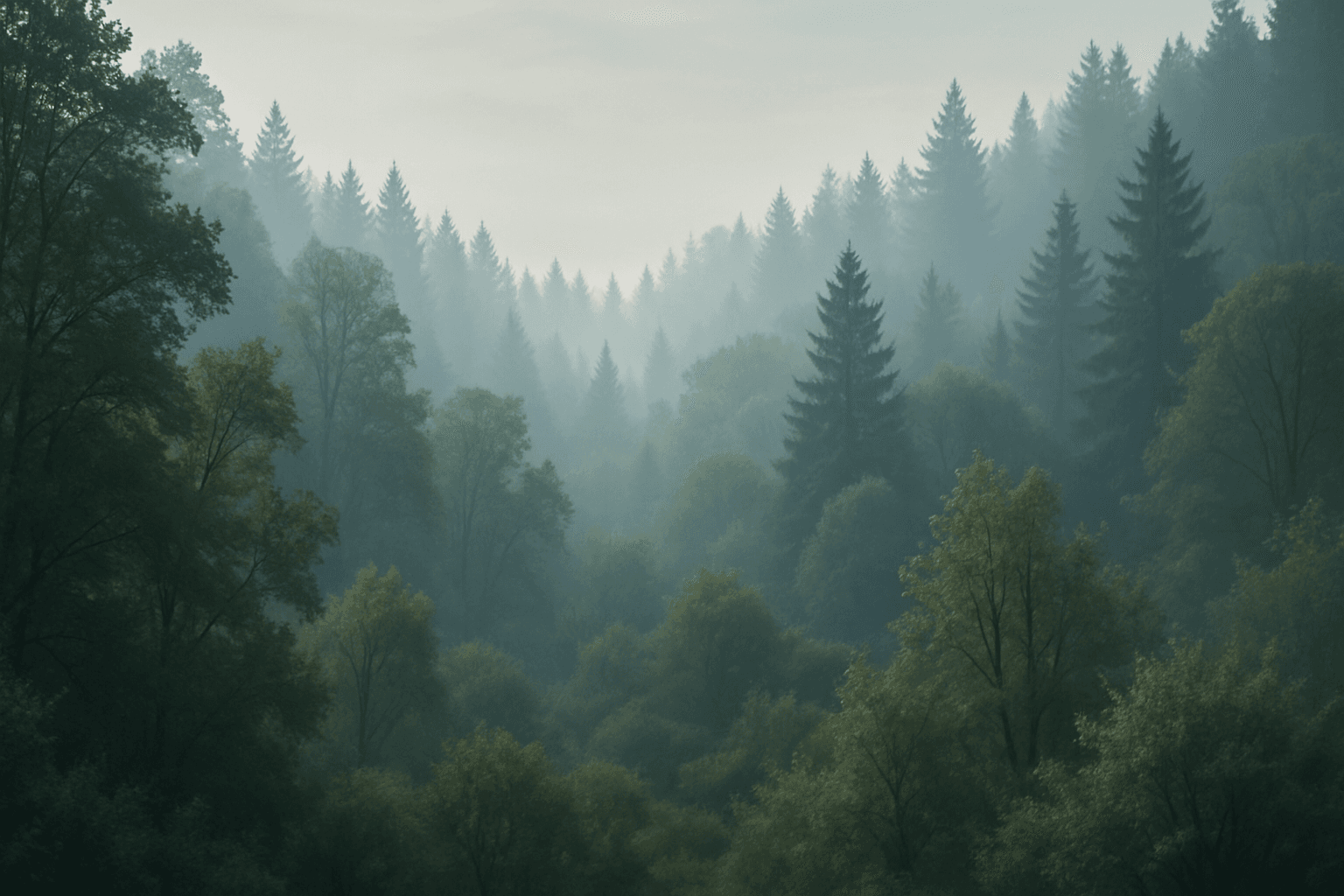
Layered Composition is a foundational technique in photography, graphic design, and digital art used to add dimensionality to images. By strategically layering visual elements, artists create scenes that feel immersive and dynamic rather than flat. This technique leverages natural cues like perspective and lighting contrasts along with careful arrangement to differentiate layers. It helps convey complex narratives effectively, as each layer contributes unique information or mood. Modern digital tools further allow nuanced control over layering with adjustable opacity and blending modes, enhancing refinement. Layered compositions captivate viewers by guiding their attention sequentially through scenes with depth, fostering richer engagement and storytelling potential.
Tonal Contrast Composition
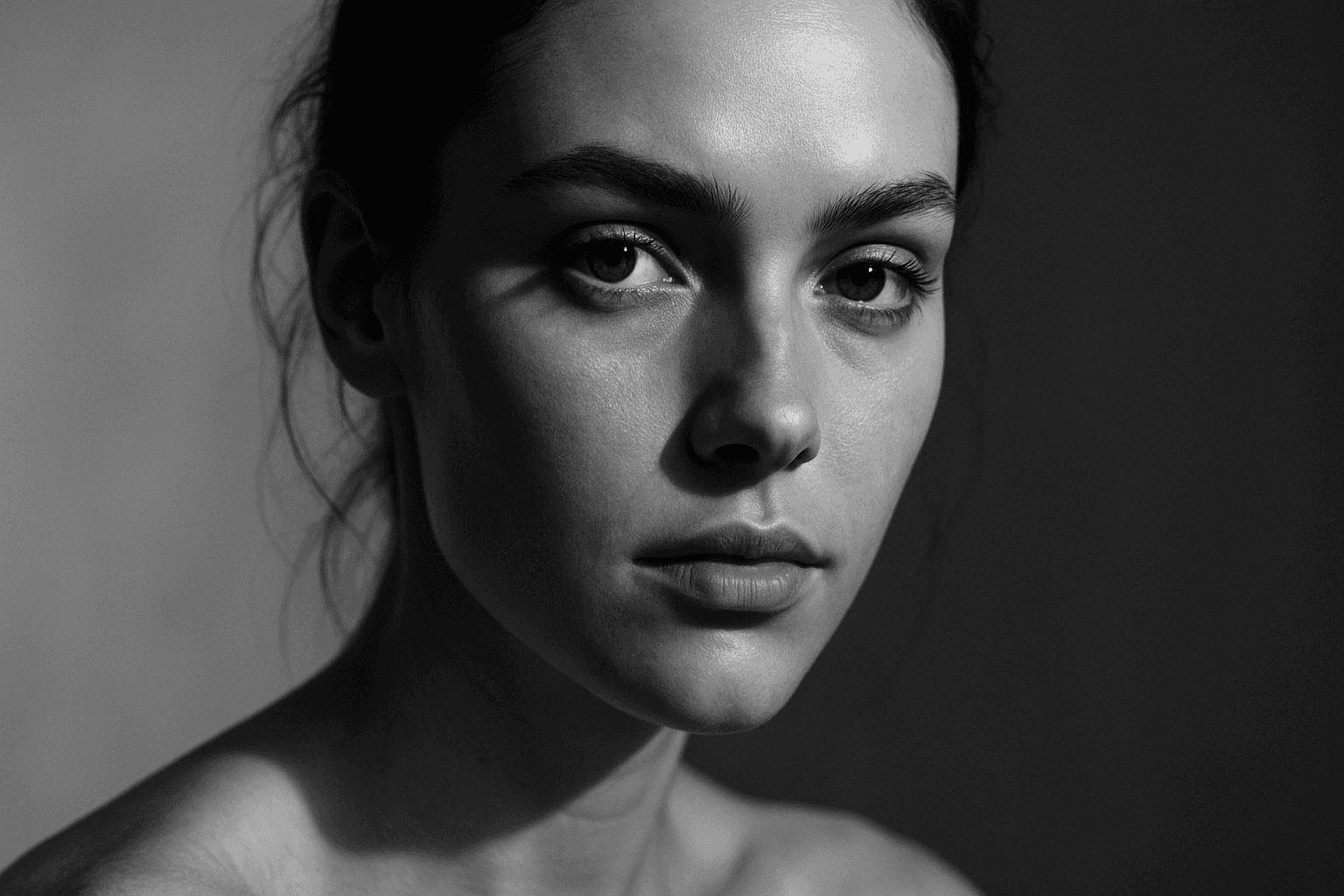
Tonal Contrast Composition is a fundamental principle in visual arts that governs how light and shadow interact within a scene. When applied in AI image generation, it helps create images with dramatic depth, where brighter areas attract attention and darker zones provide complementary framing. This interplay guides the viewer's eye naturally across the composition and emphasizes key elements without overwhelming color use. By focusing on tonal values, generated images gain a refined, realistic appearance reminiscent of premium editorial photography. Implementing tonal contrast thoughtfully results in believable textures, nuanced lighting, and a polished look suitable for professional design, advertising, and fine art applications.
Diagonal Composition
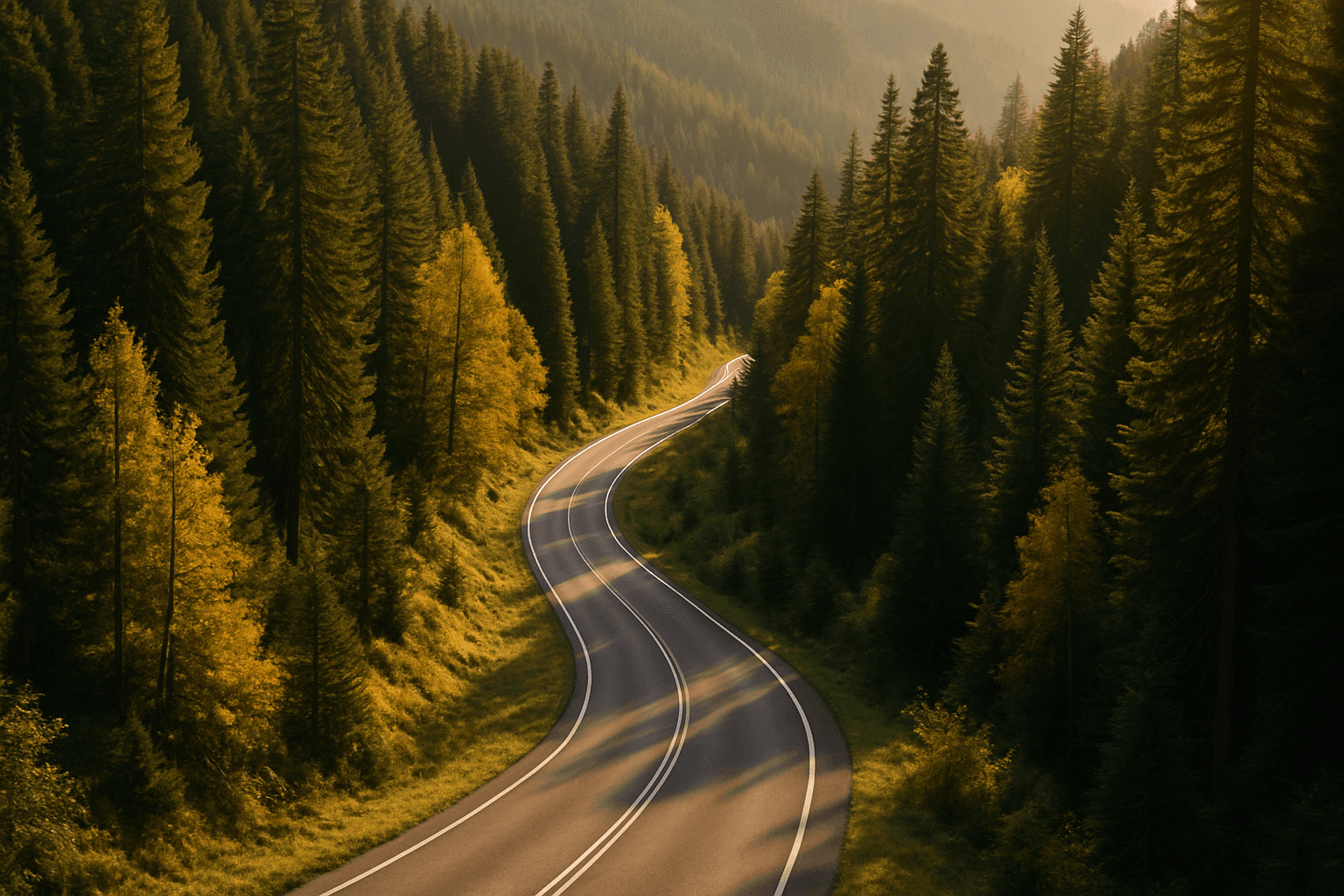
Diagonal composition is a popular and effective technique used in photography, painting, and design to enhance visual interest. By positioning important elements along diagonal lines instead of horizontal or vertical axes, the image gains a dynamic flow that naturally draws the viewer’s eyes through the scene. This approach breaks away from static layouts, injecting energy and a sense of motion. Using diagonals can also create depth by suggesting perspective or distance within flat images. Photographers often look for strong lines in the environment—like roads, rivers, or architectural details—to compose their shots diagonally. The result is an engaging, well-balanced image that feels both harmonious and lively, suitable for a variety of creative contexts.
Dynamic Asymmetric Layout
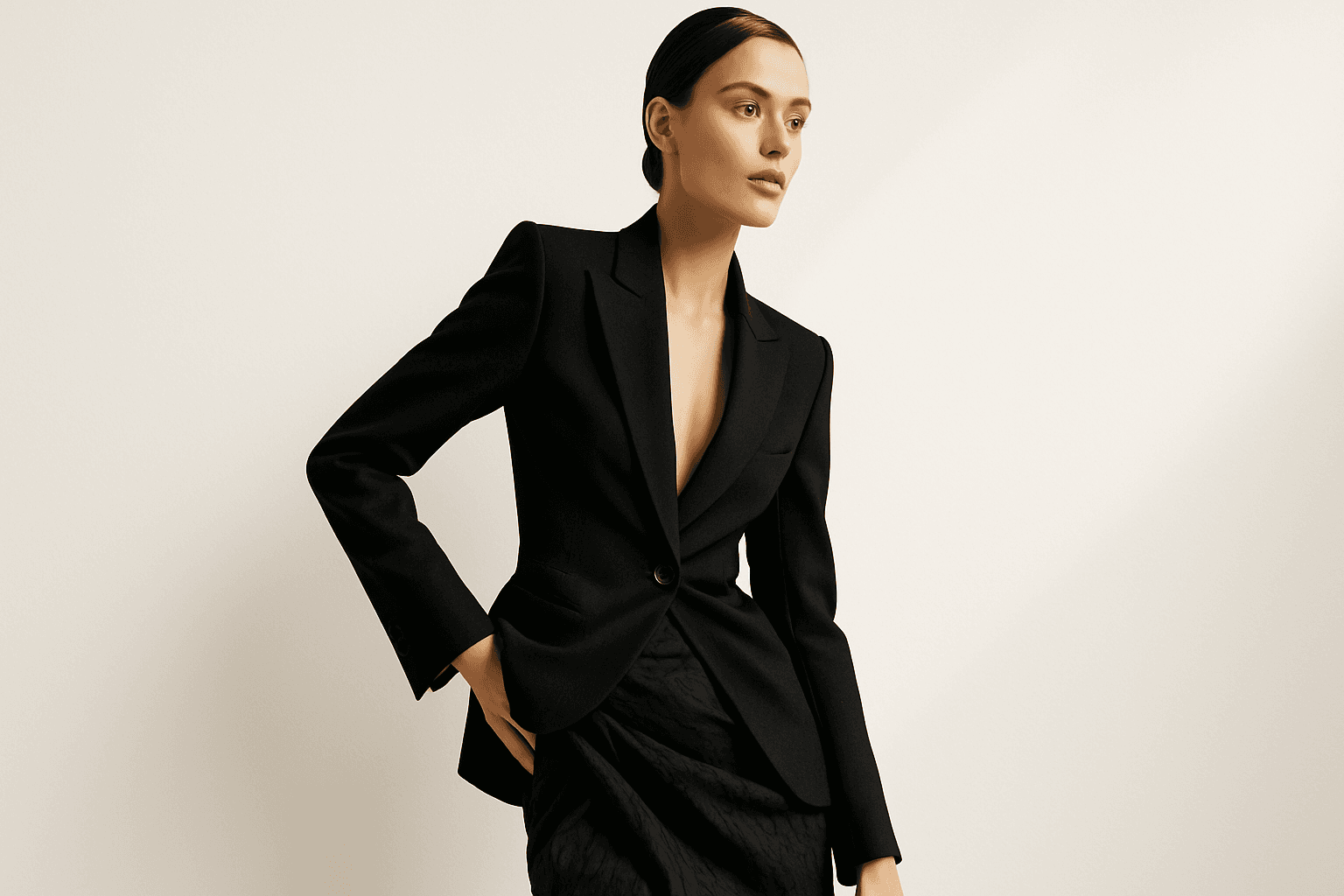
Dynamic asymmetric layouts break away from the predictability of centered designs by introducing imbalance that attracts the viewer's eye across the composition. This style is widely used in editorial design, advertising, and digital media to convey energy, modernity, and sophistication. By emphasizing contrast and selective clustering, the layout guides attention strategically without relying on rigid balance. In AI image generation, specifying dynamic asymmetric layout in your prompt encourages the model to produce visually compelling scenes with elements arranged unevenly yet harmoniously, enhancing the overall narrative or mood of the image. This approach works particularly well for premium stock images and design headlines where a clean, polished look with subtle depth is desired.