Book Cover Layout
The Book Cover Layout keyword is essential for generating AI images tailored to book cover design, emphasizing aesthetic balance and editorial clarity. It enables creators and designers to visualize potential cover concepts that appeal to publishers and readers alike, incorporating premium visuals without text or distractions. This keyword enhances image quality by directing attention to the spatial relationship between cover elements, such as title areas, central themes, and background textures, framed with refined lighting effects. It supports the creation of versatile designs suitable for various genres and professional commercial uses, streamlining the creative process in digital publishing and marketing.

Definition
'Book Cover Layout' is a keyword that instructs AI systems to generate images resembling professional book cover designs characterized by clean, organized compositions and balanced visual hierarchy. It affects AI prompts by emphasizing editorial style, spatial arrangement, and subtle depth, ensuring output images are suitable for commercial and publishing contexts.
Prompt Formula
To build effective Book Cover Layout prompts, combine layout and style descriptors with lighting and material refinements. Use patterns like: "[Adjective] book cover layout, [composition details], [lighting style], [material realism], no text or logos." For example, "Minimalist book cover layout, symmetrical balance, soft ambient lighting, realistic paper texture, no watermark."
- [Adjective] book cover layout
- [Composition detail: balanced, symmetrical, minimalist]
- [Lighting style: refined lighting, subtle depth]
- [Material realism: realistic paper, fabric textures]
- No text, no logos, no watermark
Best Use Cases
- Conceptualizing book cover designs across genres
- Creating editorial hero images for publishing articles
- Stock images for commercial book marketing and ecommerce platforms
Industry Applications
The Book Cover Layout keyword is widely used in publishing, advertising, and ecommerce. Publishers utilize it to prototype cover art, while marketers employ these images for campaign hero visuals. Ecommerce vendors benefit by presenting clean, attractive product images for book listings. Additionally, stock photo agencies curate such layouts for commercial customers needing high-quality, ready-to-use book cover visuals.
- Publishing and book marketing
- Advertising campaigns for books
- Ecommerce platforms and online bookstores
Common Mistakes
A frequent mistake is overloading prompts with unrelated style descriptors that clash with clean editorial design, leading to cluttered and unrealistic images. Another is neglecting the 'no text' and 'no logos' constraints, which reduce image usability. Avoid vague language like 'nice cover' in favor of precise layout and lighting terms. Lastly, not specifying balance or focal points can result in chaotic compositions unsuited for covers.
- Overcomplicating prompts with conflicting styles
- Failing to exclude text, logos, or watermarks
- Using vague or generic terms lacking visual specificity
- Ignoring composition balance and focal hierarchies
Advanced Techniques
For experienced users, refine prompts by combining Book Cover Layout with specific genre styles (e.g., thriller, romance) and material-specific textures (e.g., matte paper, embossed elements). Introduce lighting nuances such as chiaroscuro or soft shadows to enhance mood. Employ constraint phrases like 'symmetrical center composition' or 'minimalist negative space' to fine-tune layout precision. Layer keywords to balance simplicity with visual interest effectively.
- Combine genre-specific visual themes
- Use material-focused descriptors (embossed, matte)
- Apply nuanced lighting effects (soft shadows, chiaroscuro)
- Add spatial constraints (symmetry, negative space)
Professional Workflow
Begin by drafting a brief outlining desired cover mood, genre, and target audience. Incorporate Book Cover Layout keywords into AI prompts emphasizing composition and lighting. Generate multiple image variations, then curate selections based on balance and realism. Refine chosen images with post-processing to adjust depth or texture as needed, ensuring final outputs are publication-ready and comply with commercial standards.
- Define cover concept and audience
- Craft precise AI prompts with layout emphasis
- Generate and review image variants
- Select and refine images for final use
Related Styles
Book Cover Layout relates closely to Editorial Composition, focusing on clean and structured visual arrangements. It also connects with Premium Stock Image aesthetics, ensuring high polish and usability. Clean Editorial applies complementary principles of minimalism and clarity, often used with Book Cover Layout to achieve professional, market-ready designs.
- Editorial Composition
- Premium Stock Image
- Clean Editorial
FAQ
Can I use Book Cover Layout images for commercial publishing?
Yes, images created with the Book Cover Layout keyword are typically designed with commercial publishing standards in mind, making them suitable for book covers and related marketing materials.
Should I include text in my book cover AI prompts?
It's best to exclude text from AI prompts using this keyword, as AI-generated text is often low-quality or unreadable. Text should be added later in dedicated design software for best results.
Continue Exploring
Related Prompts
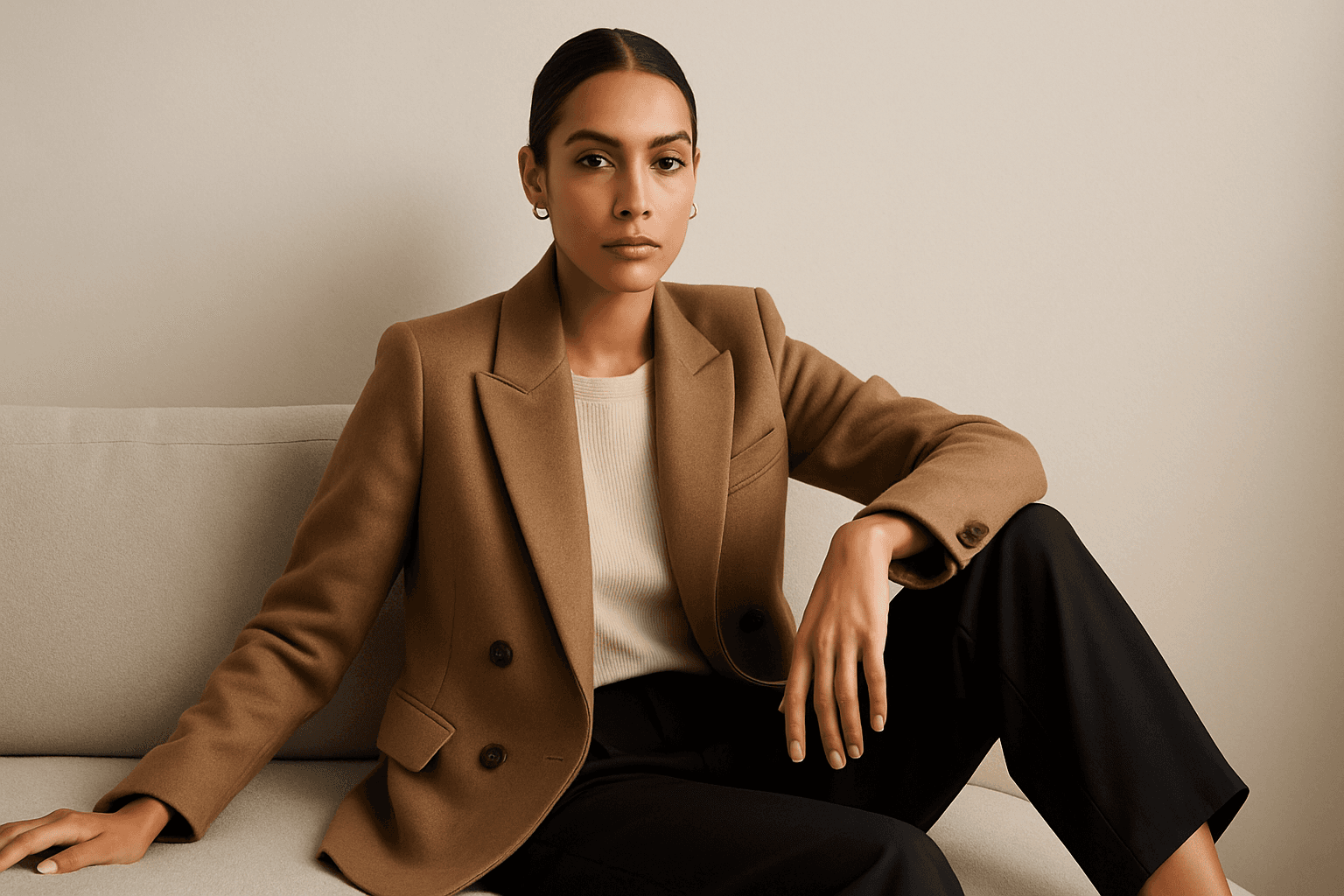
Brand Campaign Visual
Brand Campaign Visual is an essential AI prompt keyword designed to generate high-quality images that effectively portray a brand’s personality and marketing message. These visuals typically feature a clean and sophisticated style, suitable for use in digital advertisements, social media, and corporate presentations. By directing AI models with this keyword, creators obtain images that incorporate subtle depth, premium stock-photo polish, and realistic textures to engage viewers while maintaining brand consistency. This approach helps marketers save time and resources in producing visuals that align tightly with their campaign goals.

E-Commerce Banner Layout
E-Commerce Banner Layout is a vital keyword in AI image generation that helps create visually engaging banners tailored for online retail environments. These layouts emphasize product visibility, aesthetic harmony, and balanced negative space to facilitate adding promotional text or calls to action later. By incorporating this keyword, AI models generate images with a refined commercial style resembling professional stock banners suitable for websites, social media ads, and newsletters. The focus is on clean editorial composition, premium polish, and subtle depth that enhances product appeal without overwhelming the viewer. Utilizing this layout keyword ensures images meet modern e-commerce design standards and help brands effectively present their merchandise in a digital-first marketplace.
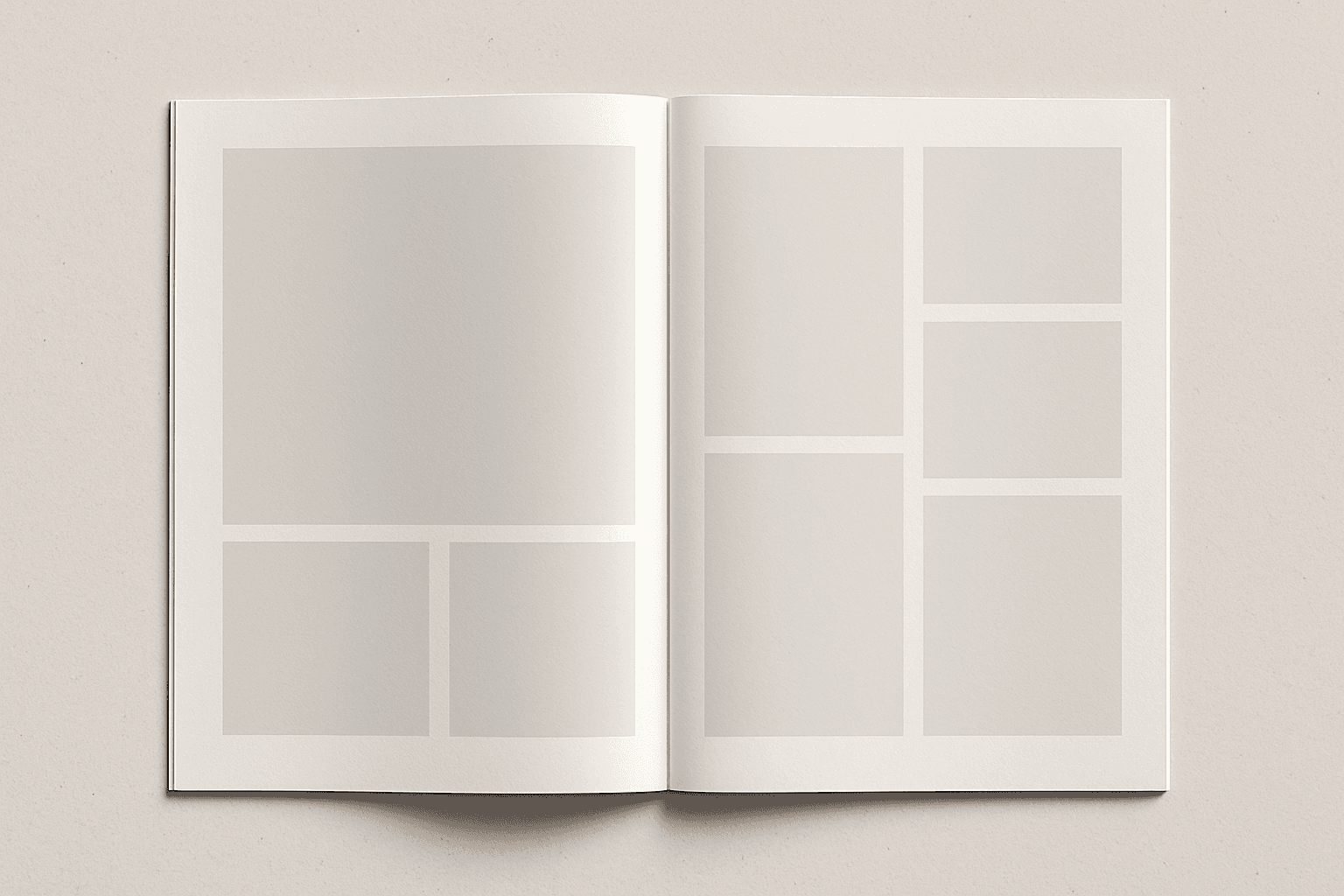
Print Editorial Layout
Print Editorial Layout prompts enable AI models to generate images that resemble high-end magazine or newspaper page compositions. These layouts emphasize clean, structured arrangements and polished visual polish, focusing on premium lighting and material realism without text or branding elements. Such prompts are ideal for article hero images or thumbnail cards needing a sophisticated editorial style. By specifying this keyword, creators ensure output with refined lighting, consistent spacing, and realistic depth, producing versatile images fit for commercial publishing and digital media.

Advertising Print Layout
Advertising Print Layout is a crucial concept for designers aiming to create visually striking print ads. When used in AI image prompts, it guides the system to generate images that mimic professional advertising layouts, emphasizing clarity, visual hierarchy, and premium quality. This results in images with clean editorial compositions, subtle depth effects, and realistic materials, perfectly suited for commercial projects requiring a polished and trustworthy look. The style is typically free of distracting text or watermarks, ensuring versatility for multiple uses such as article heroes or thumbnail cards.

Website Hero Image Style
Website hero images are the key visual elements that greet visitors upon arriving at a webpage. They set tone, convey brand identity, and enhance user engagement. The 'Website Hero Image Style' keyword instructs AI image generators to produce visuals suited for this prominent placement, emphasizing clarity, modern aesthetics, and adaptability. This style channels high-end stock image polish with natural textures and lighting while maintaining simplicity. It avoids clutter and distractions, providing versatile images usable across various digital platforms in clean, contemporary designs.

E-Commerce Product Layout
The E-Commerce Product Layout keyword is essential for creating AI-generated images that mimic professional online retail displays. These images typically feature clean, minimalistic compositions that put the product front and center, using subtle depth and natural lighting to showcase textures and materials. Such layouts avoid clutter, watermarks, or text, ensuring the product's appeal is maximized for commercial applications such as digital catalogs, social media ads, and website hero images. The modern editorial style aligns with premium stock imagery, offering versatility and polish across various e-commerce platforms.