Print Editorial Layout
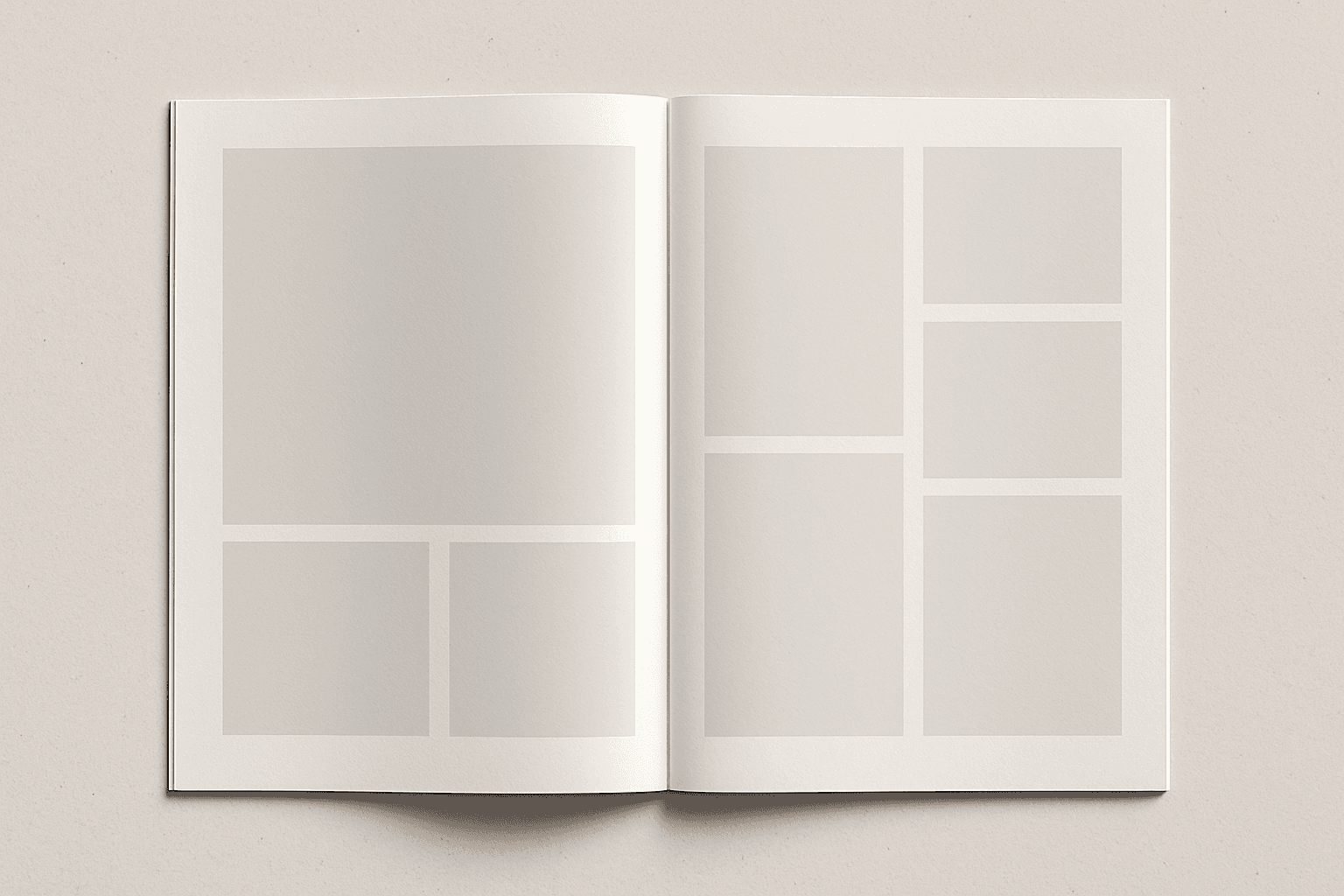
Print Editorial Layout prompts enable AI models to generate images that resemble high-end magazine or newspaper page compositions. These layouts emphasize clean, structured arrangements and polished visual polish, focusing on premium lighting and material realism without text or branding elements. Such prompts are ideal for article hero images or thumbnail cards needing a sophisticated editorial style. By specifying this keyword, creators ensure output with refined lighting, consistent spacing, and realistic depth, producing versatile images fit for commercial publishing and digital media.
Definition
Print Editorial Layout is a prompt keyword that guides AI to create images mimicking professional magazine or newspaper page compositions. This style focuses on neat, grid-based structures with balanced whitespace, refined lighting, and realistic materials to produce polished editorial visuals fitting for article headers or commercial publishing.
Visual Characteristics
- Balanced whitespace with clean grid alignment
- Crisp, high-contrast lighting to enhance detail
- Realistic paper and material textures with subtle depth
Prompt Formula
Combine descriptive base terms with layout and lighting cues for effective prompts. For example: - "Clean print editorial layout, [composition style], [lighting], realistic textures, no text" - "Minimalist print editorial layout, balanced white space, premium stock style" - "Modern print editorial layout, refined lighting, neutral colors, no logos" This formula ensures clarity and premium polish in the generated images.
Best Use Cases
- Magazine and newspaper hero images needing a polished editorial feel
- Online editorial article thumbnails requiring clean, readable visuals
- Commercial branding materials such as corporate reports or presentations
Creative Variations
Introduce variety by adjusting style and lighting or adding composition tweaks: - Experiment with light direction: soft natural light vs. studio spotlight - Change color palette to monochrome or muted tones for minimalism - Vary composition grids from strict to asymmetrical layouts - Add subtle material effects like paper grain or gloss - Include diverse subject matter like lifestyle objects or abstract backgrounds to diversify visuals.
Industry Applications
- Publishing and media marketing for articles and covers
- Corporate visual communications in annual reports or presentations
- Ecommerce product presentations using editorial-style shots
Related Styles
- Editorial Composition
- Magazine Cover Style
- Clean Layout Design
Model-Specific Tips
For best results across modern AI image models, use simple, clear prompt language focusing on composition and lighting without platform-specific code. Avoid overly complex or niche syntax that reduces compatibility. Emphasize descriptive adjectives like "clean," "refined," and "balanced whitespace" to guide composition effectively. Test and iterate prompts, adjusting detail levels and lighting phrases to suit the model's style and output tendencies for consistent editorial results.
FAQ
What does 'Print Editorial Layout' alter in AI-generated images?
It shapes the image composition to resemble professional magazine or newspaper page styles, emphasizing clean grids, balanced whitespace, and refined lighting to deliver polished editorial visuals suitable for publishing contexts.
Can I use 'Print Editorial Layout' prompts for digital media?
Yes, the prompt produces images well suited for online editorial article heroes, thumbnails, and commercial digital presentations, maintaining professional and clear layouts.
Continue Exploring
Related Prompts
Print Advertisement Layout
Print Advertisement Layout is foundational in creating compelling commercial visuals optimized for print media. These layouts emphasize structured design that balances images and text areas, achieving clarity and visual appeal to capture viewer attention effectively. In AI-generated imagery, integrating this keyword encourages clean editorial compositions with refined lighting and realistic materials, avoiding clutter or distracting elements. By focusing on such layouts, designers and marketers ensure their ads deliver messages efficiently across magazines, brochures, and other printed marketing materials, fostering brand engagement and recognition.
Advertising Print Layout
Advertising Print Layout is a crucial concept for designers aiming to create visually striking print ads. When used in AI image prompts, it guides the system to generate images that mimic professional advertising layouts, emphasizing clarity, visual hierarchy, and premium quality. This results in images with clean editorial compositions, subtle depth effects, and realistic materials, perfectly suited for commercial projects requiring a polished and trustworthy look. The style is typically free of distracting text or watermarks, ensuring versatility for multiple uses such as article heroes or thumbnail cards.

Editorial Fashion Layout
An editorial fashion layout is a key concept in commercial photography and graphic design that evokes the exclusive, curated aesthetic common in fashion magazines. When used in AI image prompting, it aims to produce images that resemble professional editorial spreads—featuring models, styling, and settings arranged with attention to balance, light, and mood characteristic of premium editorial content. This keyword helps prompt creators get images that look polished, realistic, and fit for use as article hero images or commercial fashion campaigns, reflecting the latest visual trends without extraneous elements like text or logos.
Book Cover Layout
The Book Cover Layout keyword is essential for generating AI images tailored to book cover design, emphasizing aesthetic balance and editorial clarity. It enables creators and designers to visualize potential cover concepts that appeal to publishers and readers alike, incorporating premium visuals without text or distractions. This keyword enhances image quality by directing attention to the spatial relationship between cover elements, such as title areas, central themes, and background textures, framed with refined lighting effects. It supports the creation of versatile designs suitable for various genres and professional commercial uses, streamlining the creative process in digital publishing and marketing.
Brand Campaign Visual
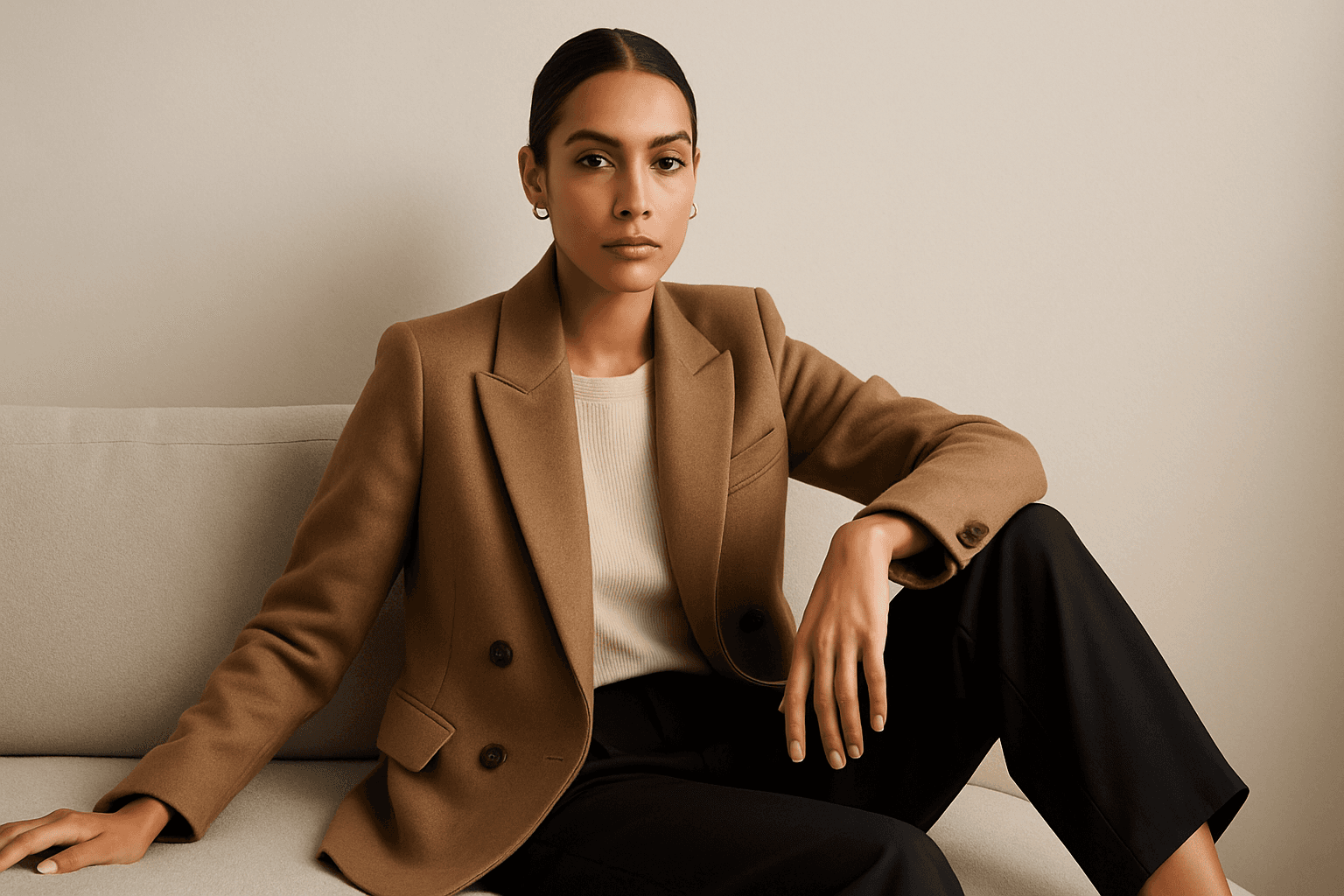
Brand Campaign Visual is an essential AI prompt keyword designed to generate high-quality images that effectively portray a brand’s personality and marketing message. These visuals typically feature a clean and sophisticated style, suitable for use in digital advertisements, social media, and corporate presentations. By directing AI models with this keyword, creators obtain images that incorporate subtle depth, premium stock-photo polish, and realistic textures to engage viewers while maintaining brand consistency. This approach helps marketers save time and resources in producing visuals that align tightly with their campaign goals.
E-Commerce Banner Layout
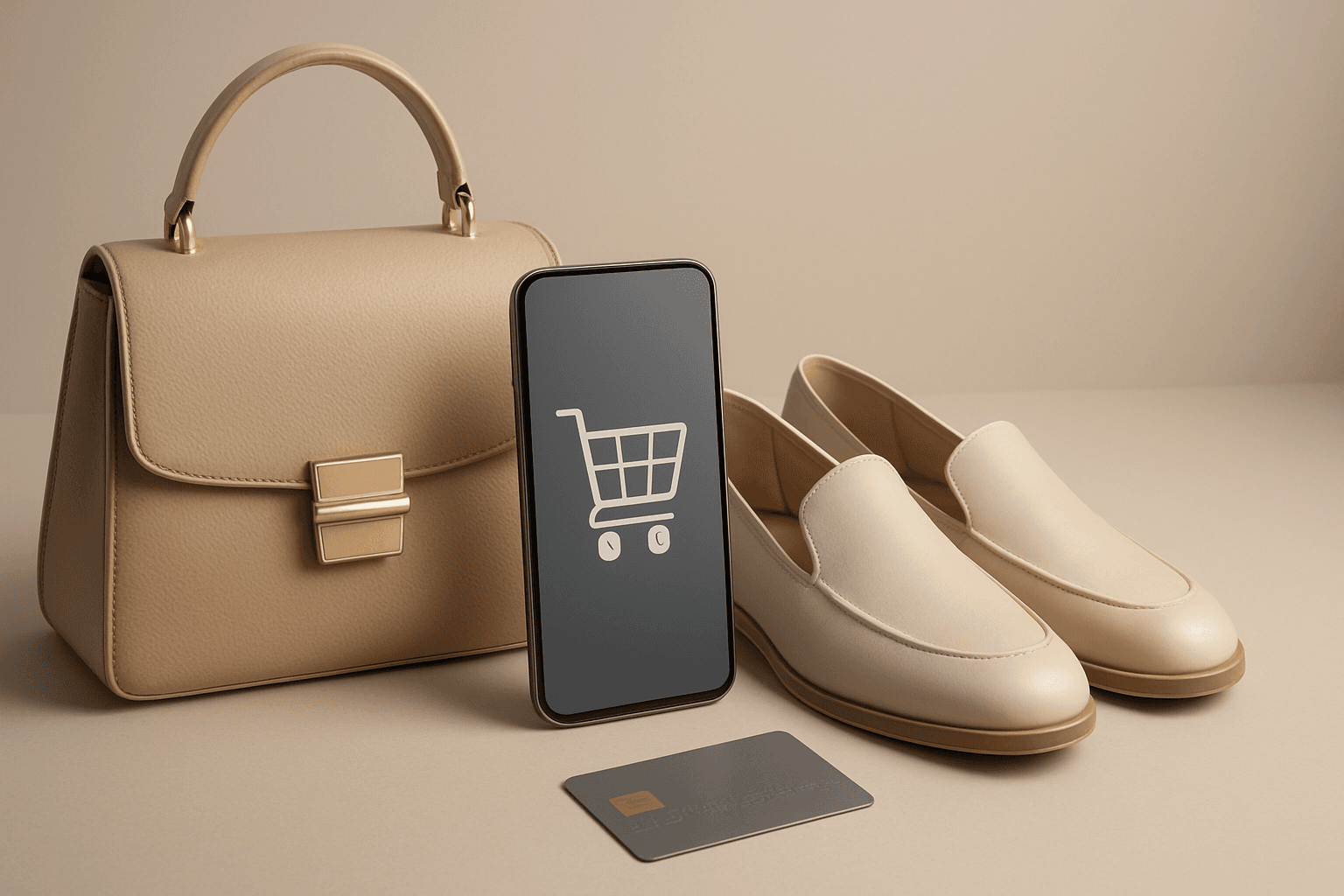
E-Commerce Banner Layout is a vital keyword in AI image generation that helps create visually engaging banners tailored for online retail environments. These layouts emphasize product visibility, aesthetic harmony, and balanced negative space to facilitate adding promotional text or calls to action later. By incorporating this keyword, AI models generate images with a refined commercial style resembling professional stock banners suitable for websites, social media ads, and newsletters. The focus is on clean editorial composition, premium polish, and subtle depth that enhances product appeal without overwhelming the viewer. Utilizing this layout keyword ensures images meet modern e-commerce design standards and help brands effectively present their merchandise in a digital-first marketplace.