Grainy Film Texture Style
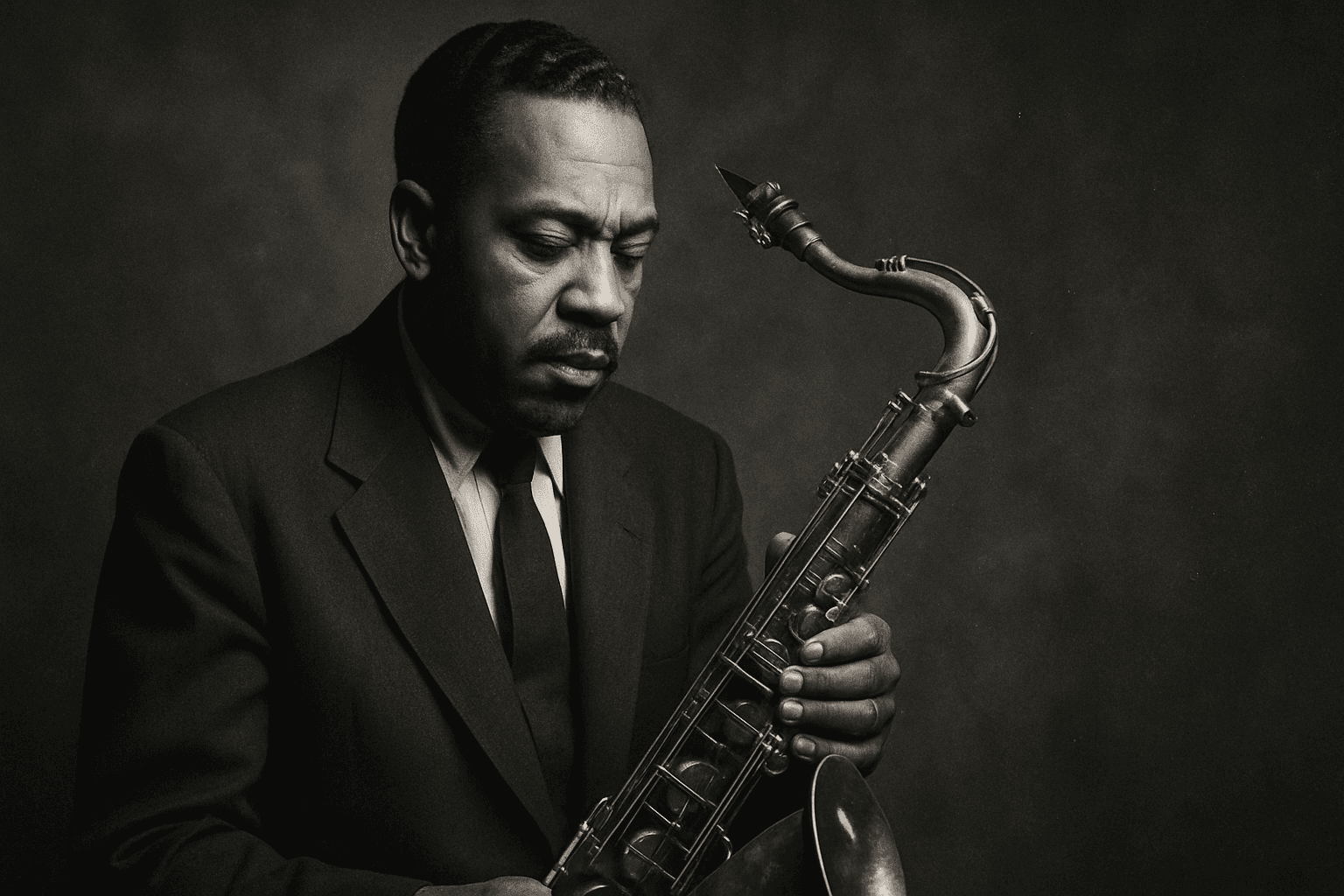
The Grainy Film Texture Style is a sought-after effect in AI-generated imagery that recreates the look and feel of old photographic film. By applying this texture, images gain a warm, nostalgic quality and a tangible depth often missing in purely digital creations. This style mimics the grain and noise characteristics inherent in film photography, providing authenticity and artistic flair. It is particularly popular in editorial photography, vintage advertising recreations, and creative portraits. Adding this effect can make modern digital images feel timeless and emotive, bridging classical photographic aesthetics with contemporary AI art generation.
Definition
Grainy Film Texture Style adds the characteristic grain of analog photographic film to AI-generated images. It simulates random noise and texture particles that lend a tactile, vintage feel, transforming digital smoothness into a more organic look. Including this keyword changes prompts by instructing the model to include subtle imperfections and graininess, which recreate the charm of film photography.
- Simulates analog film grain texture
- Adds subtle noise and random specks
- Transforms digital images into vintage aesthetic
Prompt Formula
Use the keyword combined with lighting and mood adjectives to build effective prompts. Position the style phrase towards the end or after subject descriptions for clarity. Example formulas include:
- [Subject], with grainy film texture style, soft natural lighting, warm color tones
- [Scene], retro cinematic look, grainy film texture style, muted colors
- [Subject], black-and-white photography, grainy film texture style, vintage mood
Best Use Cases
Grainy Film Texture Style excels in projects where a tactile, nostalgic vibe is desired. Use cases include:
- Portraits aiming for authentic vintage emotion
- Editorial imagery with retro fashion themes
- Cinematic landscapes requiring moody atmosphere
Industry Applications
This style fits well in:
- Advertising to evoke nostalgia and brand heritage
- Editorial magazines focusing on fashion and lifestyle
- E-commerce visuals seeking artistic vintage appeal
Common Mistakes
Avoid the following to ensure quality grainy film textures:
- Overusing grain and making images appear noisy or low quality
- Applying grain uniformly without variation, losing natural randomness
- Combining too many filters resulting in unrealistic or muddy visuals
FAQ
How can I control the amount of grain in an AI prompt?
Specify modifiers such as 'subtle,' 'heavy,' or 'light' before 'grainy film texture style' to guide the AI on intensity level.
Is Grainy Film Texture Style suitable for color images?
Yes, it works well on both black-and-white and color images, often adding warmth and depth to color palettes.
Continue Exploring
Related Prompts
Vintage Film Grain Style
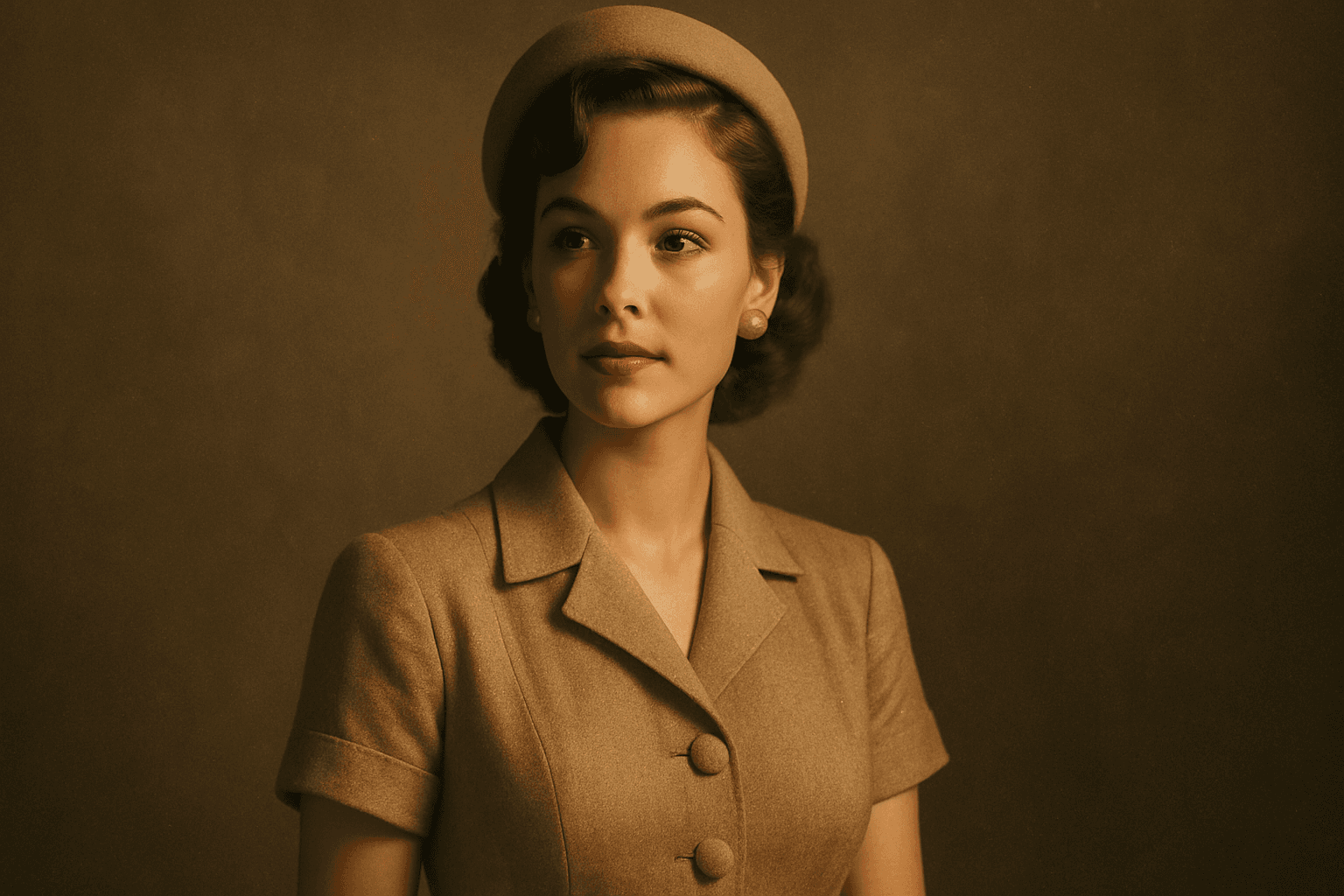
The Vintage Film Grain Style is a popular approach in AI-generated imagery to evoke a sense of nostalgia and classic photographic aesthetics. By simulating the unique texture caused by physical film grains, this style lends realism and artistic depth to digital creations. It is especially effective for portraits, landscapes, and cinematic scenes where a retro or timeless atmosphere is desired. Adding this style in AI prompts helps blend modern visuals with vintage charm, producing images that feel both authentic and evocative.
Retro Vintage Style
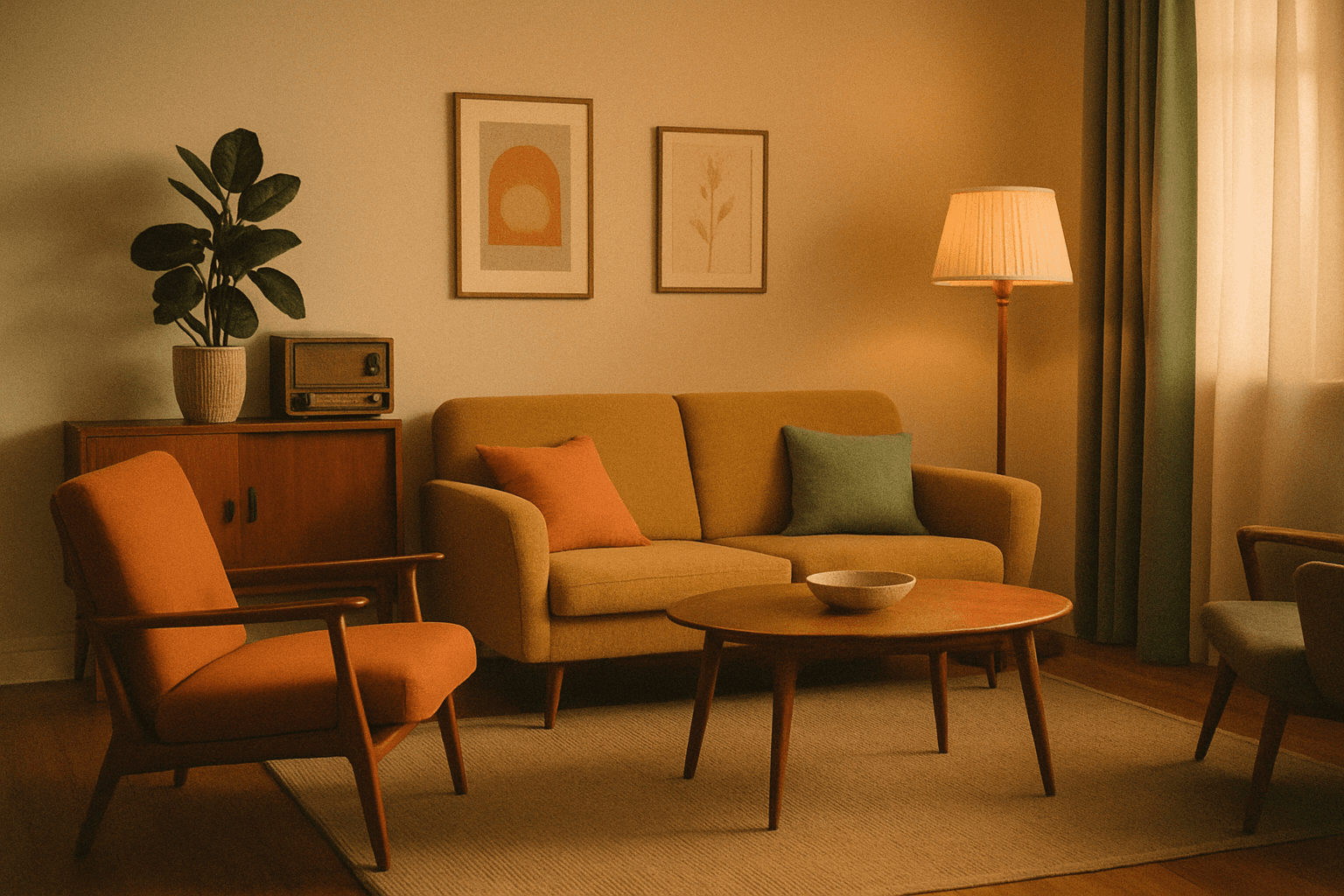
Retro Vintage Style captures the essence of eras past, typically the 1950s through the 1970s, using iconic design traits that evoke nostalgia and warmth. By incorporating this style into AI image prompts, creators can produce images that appear timeless and charming, reflecting the aesthetics popular in mid-century advertising, fashion, and interior decor. The style applies to various subjects, including portraits, product visuals, and environments, often featuring subtle aging effects and color palettes unique to the period. This approach is ideal when a classic, sentimental tone is desired that contrasts with modern minimalism or hyperrealism.

Cinematic Color Grading
Cinematic color grading is a popular stylistic approach in AI image creation that mimics the mood-setting colors of major motion pictures. By applying this technique, images gain enhanced emotional impact through controlled color shifts, contrast adjustments, and lighting refinements. When used in prompts, it guides the AI to introduce film-inspired color schemes and a polished finish, adding narrative depth and a professional touch. This style is especially effective for characters, landscapes, or scenes that require a dramatic aesthetic, evocative storytelling, or a nostalgic, vintage cinema vibe. It bridges artistic photography and filmmaking visuals within digital artwork.
Hand Drawn Sketch Style
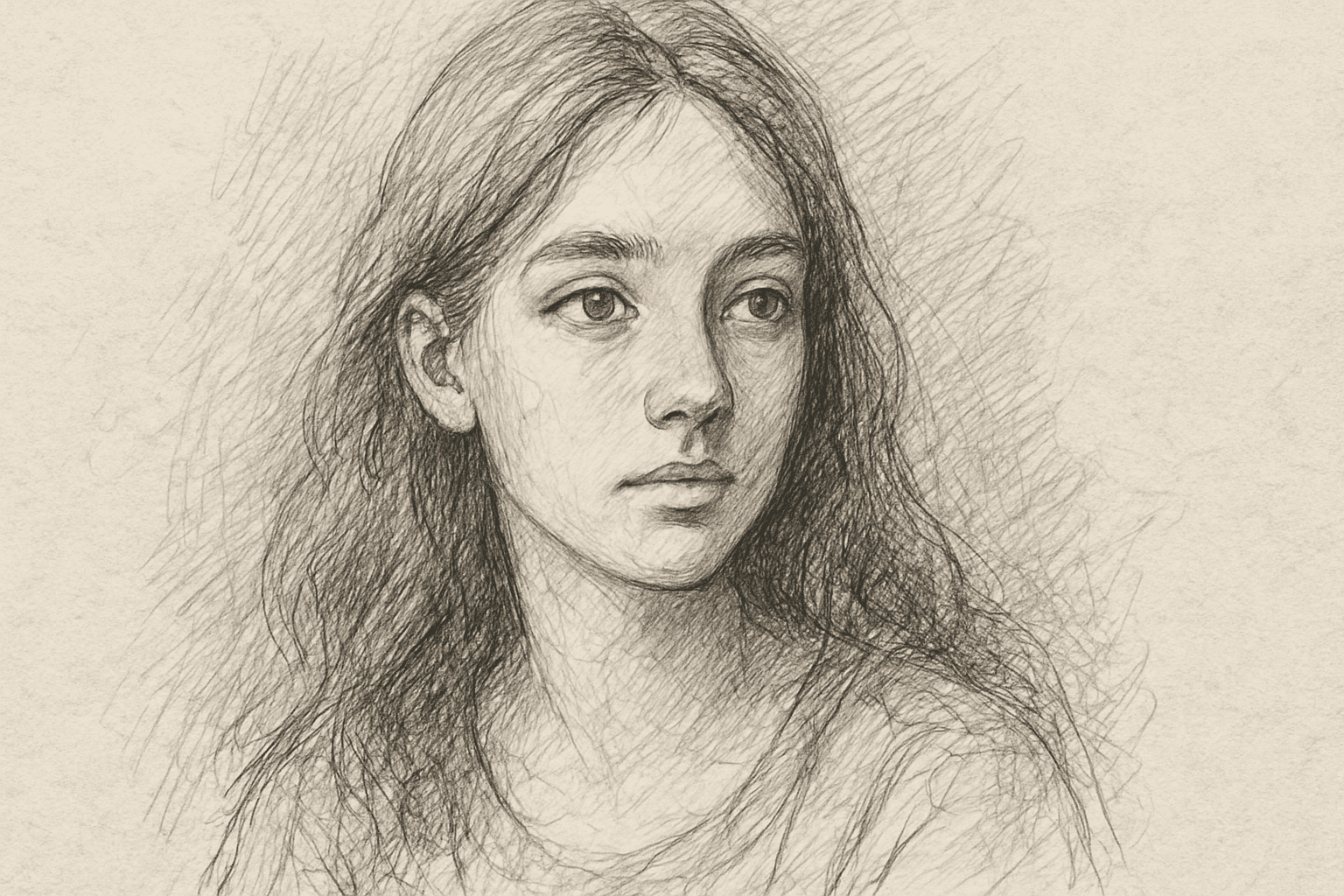
Hand Drawn Sketch Style is a favored artistic approach in AI image generation, evoking the charm and authenticity of manual sketches. This style highlights visible strokes and spontaneous line imperfections, creating images that feel intimate and creative rather than polished. It is ideal for conceptual art, storyboarding, character design, and illustrations where raw expressiveness and personality are prioritized. The style softens digital perfection by emulating paper texture and hand pressure variations, making images appear crafted by an artist’s hand. Artists, designers, and content creators use this style to produce unique visuals that stand out with a traditional artistic touch while leveraging AI speed and flexibility.
Painterly Brushstroke Style
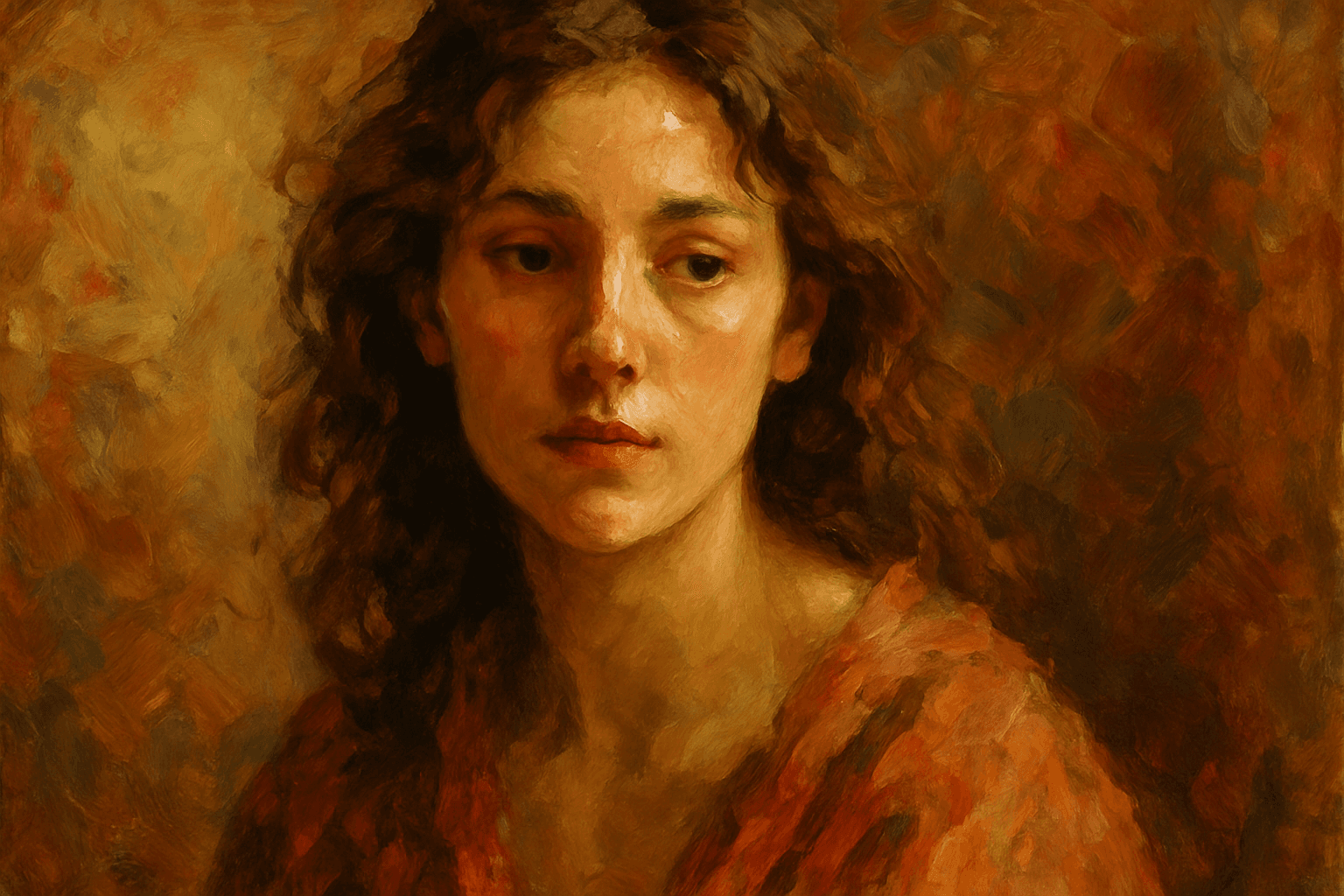
The Painterly Brushstroke Style is an artistic rendering approach that mimics the effect of traditional painting techniques, especially oil or acrylic brushwork. Instead of sharp, crisp digital lines, this style produces images with tactile texture, highlighting the brush's motion and layering of color. It lends images a warm, handcrafted feeling that appeals to art lovers and creative professionals seeking authenticity and emotional impact. When used in AI prompt crafting, it transforms generated images into artworks that resemble a masterful painting rather than a mere digital creation, ideal for editorial illustrations, creative concept art, and fine art reproductions.

Graphic Line Art Style
Graphic Line Art Style is a visually striking illustration approach emphasizing clarity and simplicity through well-defined lines. It focuses on outlining forms with precision and minimalistic detail, avoiding heavy shading or elaborate color schemes. This style is popular in editorial illustrations, logos, and iconography due to its crisp readability and modern aesthetic. When incorporated into AI image prompts, it directs the model to produce minimalist visuals that can easily adapt to various themes while maintaining a clean, graphic look. Its simplicity makes it versatile for both monochrome and limited color compositions, suitable for branding, presentations, and artistic sketches where impact comes from form rather than texture or color richness.