Retro Vintage Style
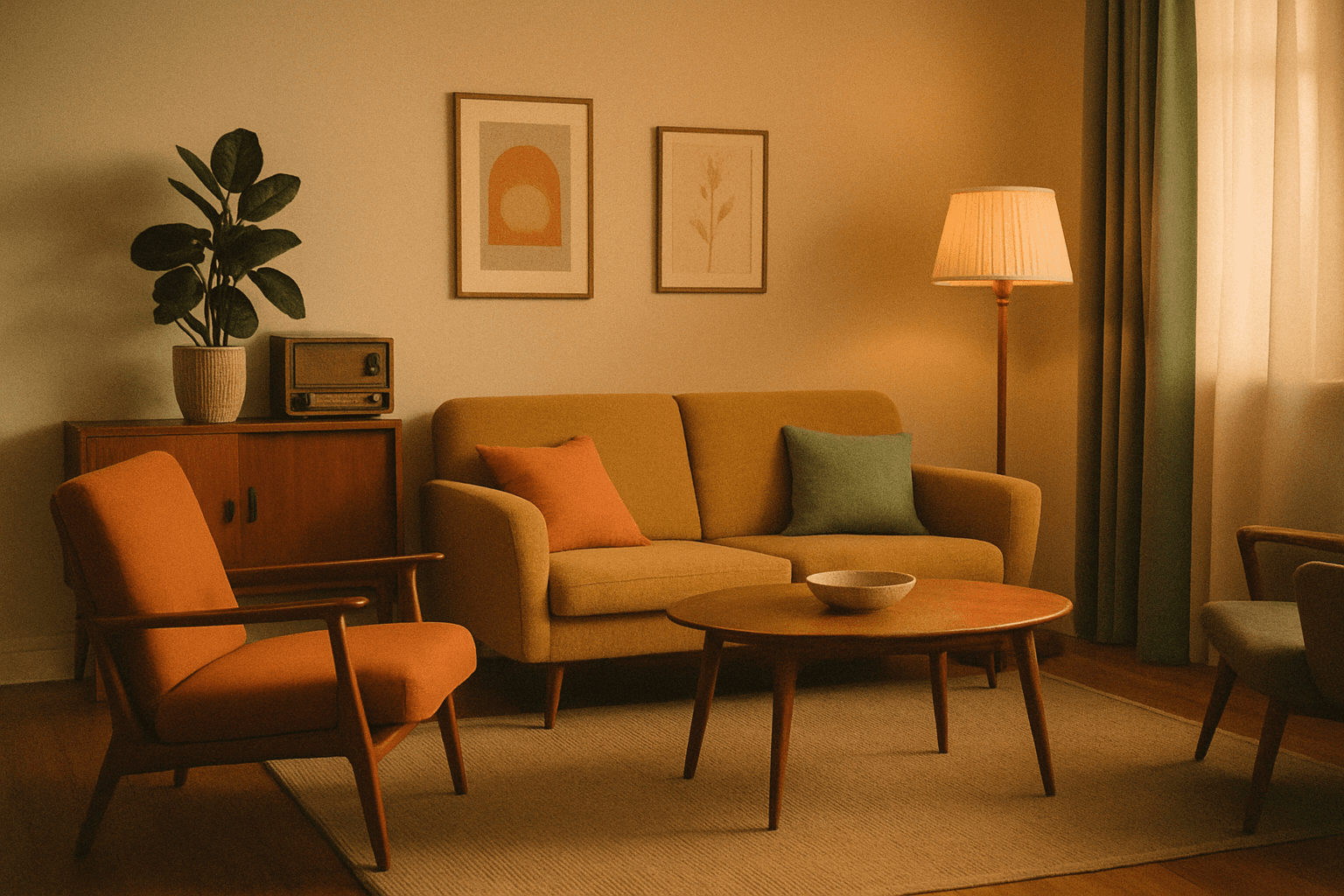
Retro Vintage Style captures the essence of eras past, typically the 1950s through the 1970s, using iconic design traits that evoke nostalgia and warmth. By incorporating this style into AI image prompts, creators can produce images that appear timeless and charming, reflecting the aesthetics popular in mid-century advertising, fashion, and interior decor. The style applies to various subjects, including portraits, product visuals, and environments, often featuring subtle aging effects and color palettes unique to the period. This approach is ideal when a classic, sentimental tone is desired that contrasts with modern minimalism or hyperrealism.
Definition
Retro Vintage Style refers to design and aesthetic elements inspired by visual trends predominantly from the 1950s to the 1970s. In AI prompts, it guides the generation of images with nostalgic components like classic color schemes, textures, and motifs evoking a sense of the past. This style transforms prompt outputs to visually reference mid-century artistry and warmth, suitable for invoking nostalgia.
Visual Characteristics
- Muted, warm pastel or earth tone color palettes
- Aged and textured surfaces resembling film grain or paper wear
- Use of classic retro elements like geometric patterns and vintage typography
Prompt Formula
To craft a Retro Vintage Style prompt, combine a subject description with style indicators and period-specific attributes. For example: "[Subject], Retro Vintage Style, muted pastel colors, film grain texture, classic geometric patterns, warm lighting." Adding terms like 'soft focus' or 'aged paper texture' enhances the vintage feel. This formula ensures consistent retro aesthetics in AI outputs.
Best Use Cases
- Nostalgic branding and advertising visuals
- Editorial hero images needing a classic or timeless mood
- Stylized portraits and environments inspired by mid-century aesthetics
Professional Workflow
Start by defining the subject and concept alongside the Retro Vintage Style keyword to ensure clarity in AI generation. Generate multiple variations emphasizing period-accurate colors and textures. Select candidates with authentic vintage nuances and refine by adjusting prompts to enhance aging effects or warmth. Finally, post-process to balance textures and colors seamlessly, maintaining the retro aesthetic without reducing image quality.
Related Styles
- Mid-Century Modern
- Film Grain Effect
- Classic Typography
Model-Specific Tips
Use simple descriptive keywords like 'Retro Vintage Style' combined with specific visual cues such as 'muted palette' or 'aged texture' to promote consistency across different AI models. Avoid overly complex syntax that may not be interpreted uniformly. Experiment with synonyms like 'mid-century' or 'classic retro' if results vary, and prefer direct style mentions to guide the generation towards desired aesthetic traits.
FAQ
What does adding 'Retro Vintage Style' do to an AI image prompt?
It guides the AI to generate images with design elements and color palettes reminiscent of mid-20th century aesthetics, including muted tones and aged textures that evoke nostalgia.
Can Retro Vintage Style be combined with other visual styles?
Yes, it pairs well with styles like Mid-Century Modern or Film Grain effects to enhance the authentic vintage feel while allowing creative flexibility.
Continue Exploring
Related Prompts
Vintage Film Grain Style
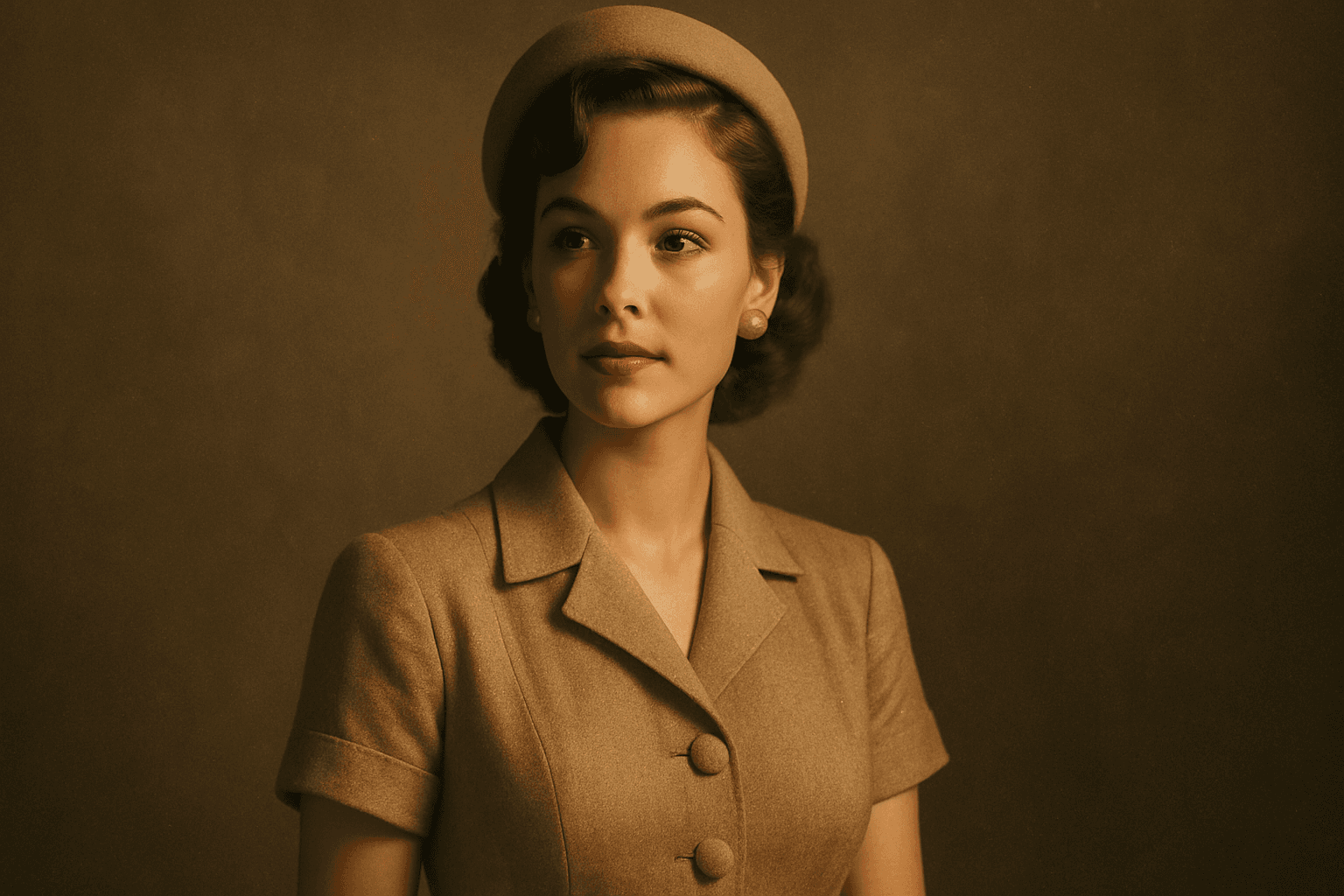
The Vintage Film Grain Style is a popular approach in AI-generated imagery to evoke a sense of nostalgia and classic photographic aesthetics. By simulating the unique texture caused by physical film grains, this style lends realism and artistic depth to digital creations. It is especially effective for portraits, landscapes, and cinematic scenes where a retro or timeless atmosphere is desired. Adding this style in AI prompts helps blend modern visuals with vintage charm, producing images that feel both authentic and evocative.
Vintage Linework Style
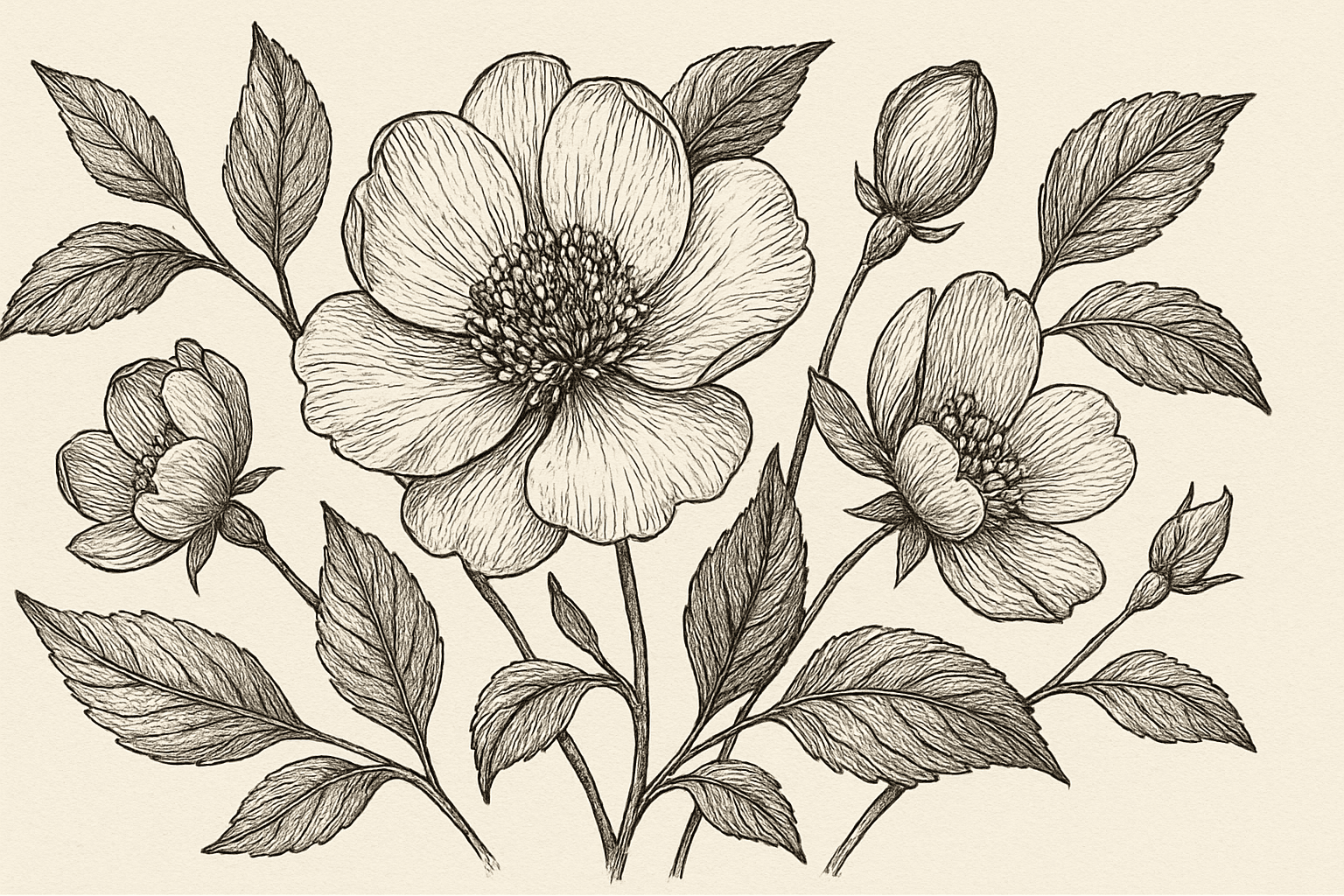
Vintage Linework Style captures the essence of classical illustration art, featuring intricate line detail and minimal coloring to create a nostalgic, handcrafted feel. This style is ideal for conveying a sense of history, craftsmanship, and elegance by highlighting contour and texture through fine lines rather than color gradients or digital effects. Artists and designers use it to evoke authenticity and sophistication in editorial art, packaging, and storytelling imagery. In AI image generation, specifying this style helps produce artwork reminiscent of old woodcuts, engravings, and book illustrations with a modern clean finish.
Mid Century Modern
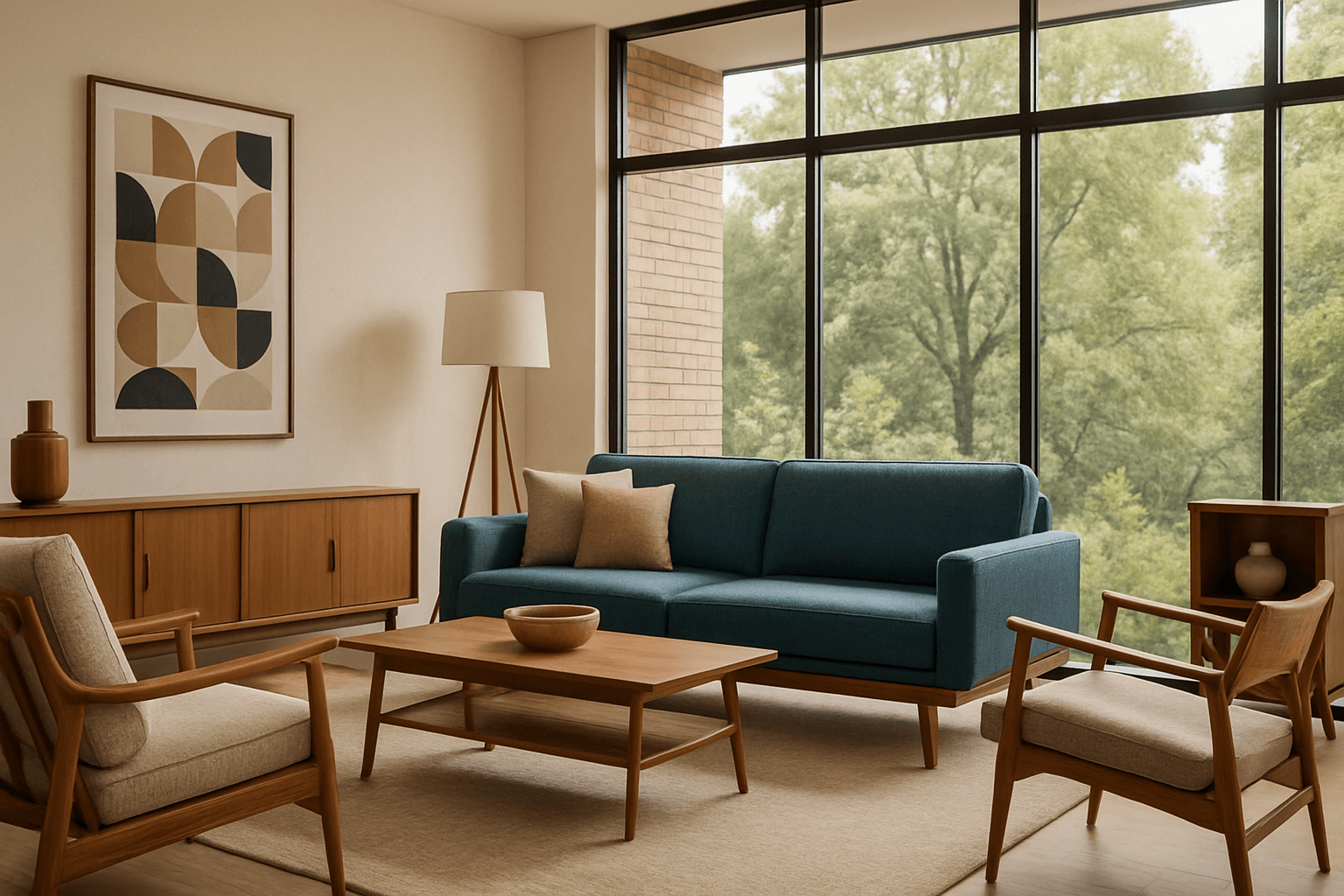
Mid Century Modern is a highly influential design style recognized for its minimalistic approach and timeless elegance. It emerged post-World War II and combines organic influences with technological advances, focusing on simplicity and functionality. The style uses natural materials such as wood, combined with sleek metals and glass to create warm yet modern environments. Its emphasis on clean lines, gentle curves, and open spaces continues to inspire designers across furniture, architecture, and graphic arts. For AI image generation, incorporating Mid Century Modern elements ensures visuals that are both stylish and universally appealing, reflecting a refined, yet approachable aesthetic.
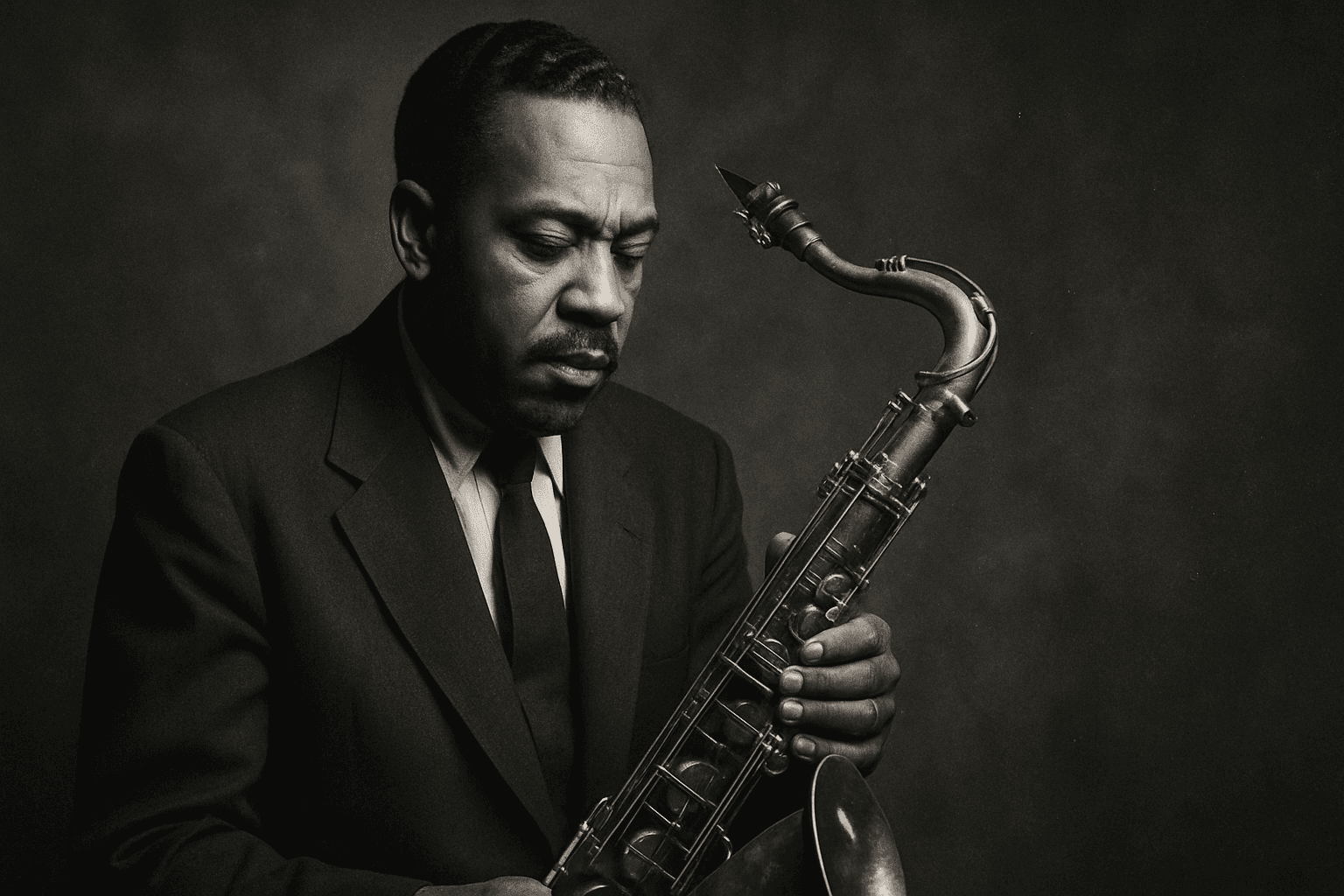
Grainy Film Texture Style
The Grainy Film Texture Style is a sought-after effect in AI-generated imagery that recreates the look and feel of old photographic film. By applying this texture, images gain a warm, nostalgic quality and a tangible depth often missing in purely digital creations. This style mimics the grain and noise characteristics inherent in film photography, providing authenticity and artistic flair. It is particularly popular in editorial photography, vintage advertising recreations, and creative portraits. Adding this effect can make modern digital images feel timeless and emotive, bridging classical photographic aesthetics with contemporary AI art generation.
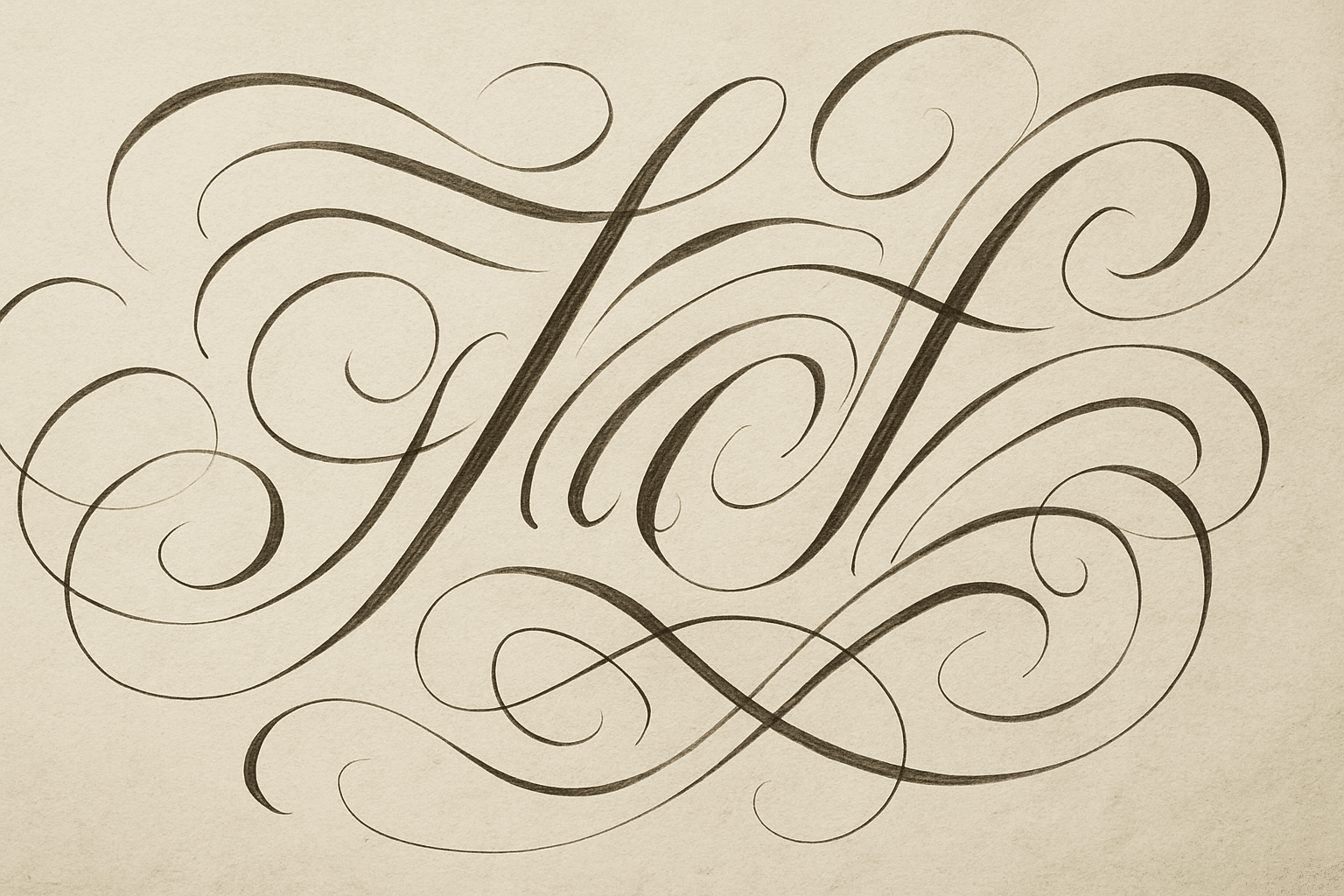
Hand Lettered Typography Style
Hand lettered typography style is a popular artistic approach that emphasizes the uniqueness and handcrafted appearance of lettering. When incorporated into AI image generation prompts, it encourages the AI to produce text or lettering that looks as if it were skillfully drawn by hand using pens, brushes, or markers. This style gives the resulting images a personal and creative touch that standard digital typography often lacks. Designers use hand lettering to evoke authenticity, warmth, and an artisanal feel, making it ideal for branding, product labels, and editorial compositions. By specifying hand lettered typography in prompts, you bring character and charm to your AI-created visuals, ensuring they stand out with a custom-crafted vibe.

Juxtaposition Visual Style
The Juxtaposition Visual Style harnesses the power of contrasting elements to create images that capture attention and provoke thought. By intentionally juxtaposing subjects that differ dramatically—whether in theme, color, or scale—artists and AI creators can evoke emotions, highlight dichotomies, or tell complex stories visually. This style is frequently used in editorial and conceptual art to challenge viewers' perceptions. When incorporated into AI prompts, it guides the model to generate images featuring deliberate contrasts, balancing harmony and tension into refined compositions with subtle depth and realistic materials. The approach results in polished, modern visuals suited for impactful presentations and storytelling.