Hand Lettered Typography Style
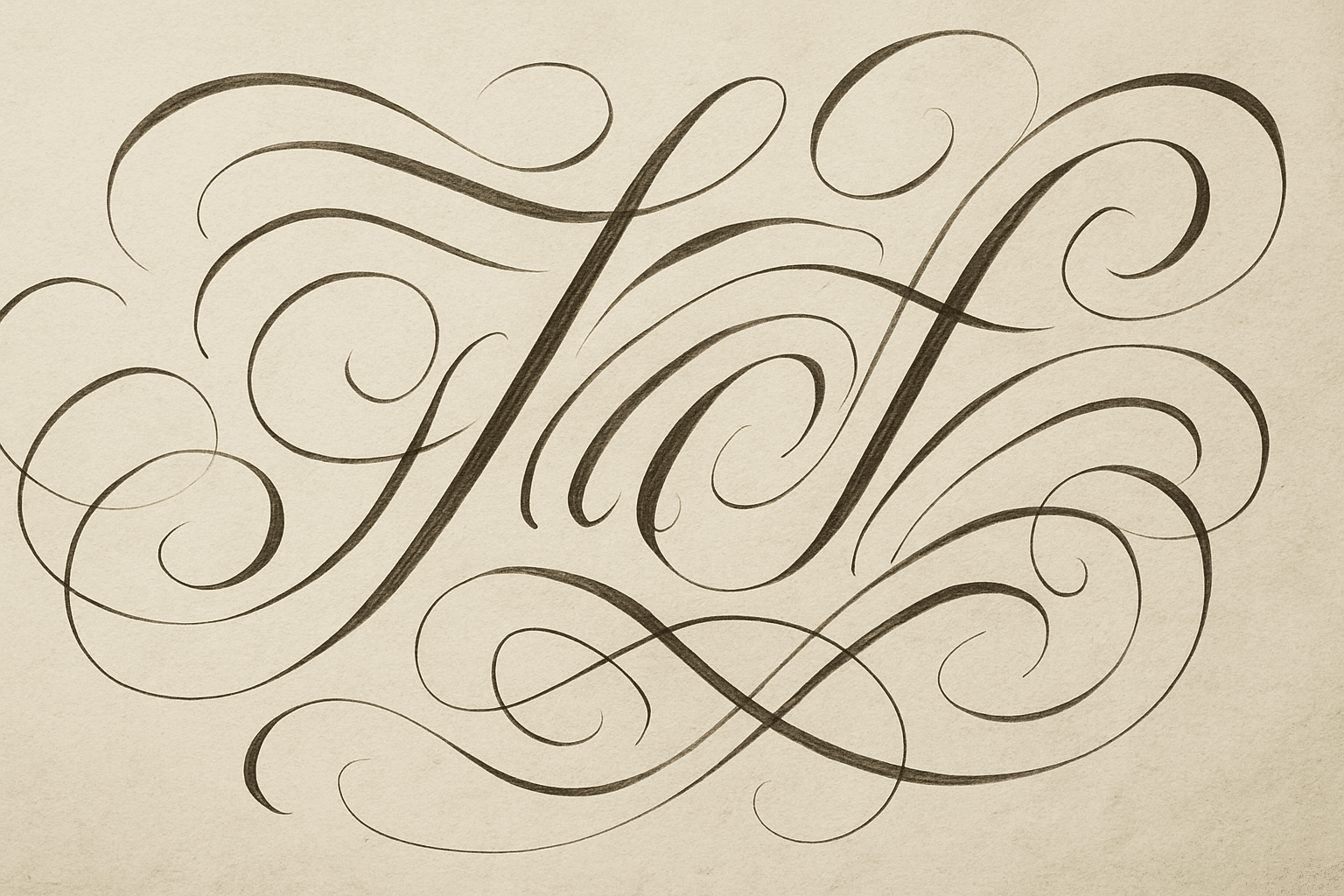
Hand lettered typography style is a popular artistic approach that emphasizes the uniqueness and handcrafted appearance of lettering. When incorporated into AI image generation prompts, it encourages the AI to produce text or lettering that looks as if it were skillfully drawn by hand using pens, brushes, or markers. This style gives the resulting images a personal and creative touch that standard digital typography often lacks. Designers use hand lettering to evoke authenticity, warmth, and an artisanal feel, making it ideal for branding, product labels, and editorial compositions. By specifying hand lettered typography in prompts, you bring character and charm to your AI-created visuals, ensuring they stand out with a custom-crafted vibe.
Definition
Hand lettered typography style means creating letterforms that look as if they were drawn by hand, showcasing organic shapes and personal artistic flair. In AI prompts, it signals the AI to generate text that is custom, imperfect, and expressive rather than uniform and mechanical.
Prompt Formula
To prompt hand lettered typography style effectively, use a combination of descriptors that emphasize handcrafted qualities, textures, and artistic tools. Here is a reusable pattern: "hand lettered typography style, [adjective] script/calligraphy/brush strokes, [texture], [decorative elements], natural flow" Example fillers: - Adjectives: elegant, vintage, modern, rustic - Textures: subtle ink bleed, watercolor brush, chalkboard - Decorative elements: swashes, loops, flourishes
- hand lettered typography style
- adjective (e.g., elegant, rustic)
- script or calligraphy style
- texture descriptors (e.g., brush texture, ink bleed)
- decorative flourishes or natural flow
Best Use Cases
- Creating warm and unique brand logos for artisanal businesses
- Designing packaging that emphasizes handcrafted qualities
- Producing editorial and social media visuals with personalized typography
Industry Applications
Hand lettered typography style is widely used across many industries to convey authenticity and craftsmanship. In advertising, it helps brands express a personable and relatable identity. Editorial design employs this style to add distinctive flair to magazine covers and articles. Ecommerce brands utilize handcrafted lettering in packaging to suggest premium, small-batch production. Additionally, interior decor brands use hand lettered designs for wall art and signage to deliver a bespoke and charming atmosphere.
- Advertising and branding for artisanal and boutique businesses
- Editorial design including magazines and social media content
- Ecommerce packaging and product labels that emphasize handcrafted appeal
Common Mistakes
A frequent error when prompting hand lettered typography is neglecting to specify texture and flow, resulting in lettering that looks too uniform or digital rather than handcrafted. Another pitfall is overcomplicating the prompt with too many conflicting style adjectives, which can cause muddy or unrealistic results. Avoid prompts that lack clarity on stroke type or that mix hand lettering with unrelated styles, which diminishes authenticity.
- Omitting texture details causing flat, impersonal lettering
- Using vague or conflicting adjectives leading to inconsistent results
- Mixing hand lettered style with unrelated typography styles causing visual confusion
FAQ
How does hand lettered typography style differ from calligraphy in AI prompts?
While both styles emphasize artistic lettering, hand lettered typography typically includes more varied, original letterforms with personal touches and imperfect flow. Calligraphy focuses on formal scripted strokes often from traditional pen tools. In AI prompts, specifying hand lettered encourages a more organic and creative approach.
Can hand lettered typography style be combined with color effects in AI prompts?
Yes, incorporating descriptors for watercolor or brush texture alongside hand lettered style enhances realism and artistic appeal by simulating colored inks or paints.
Continue Exploring
Related Prompts
Hand Rendered Illustration Style
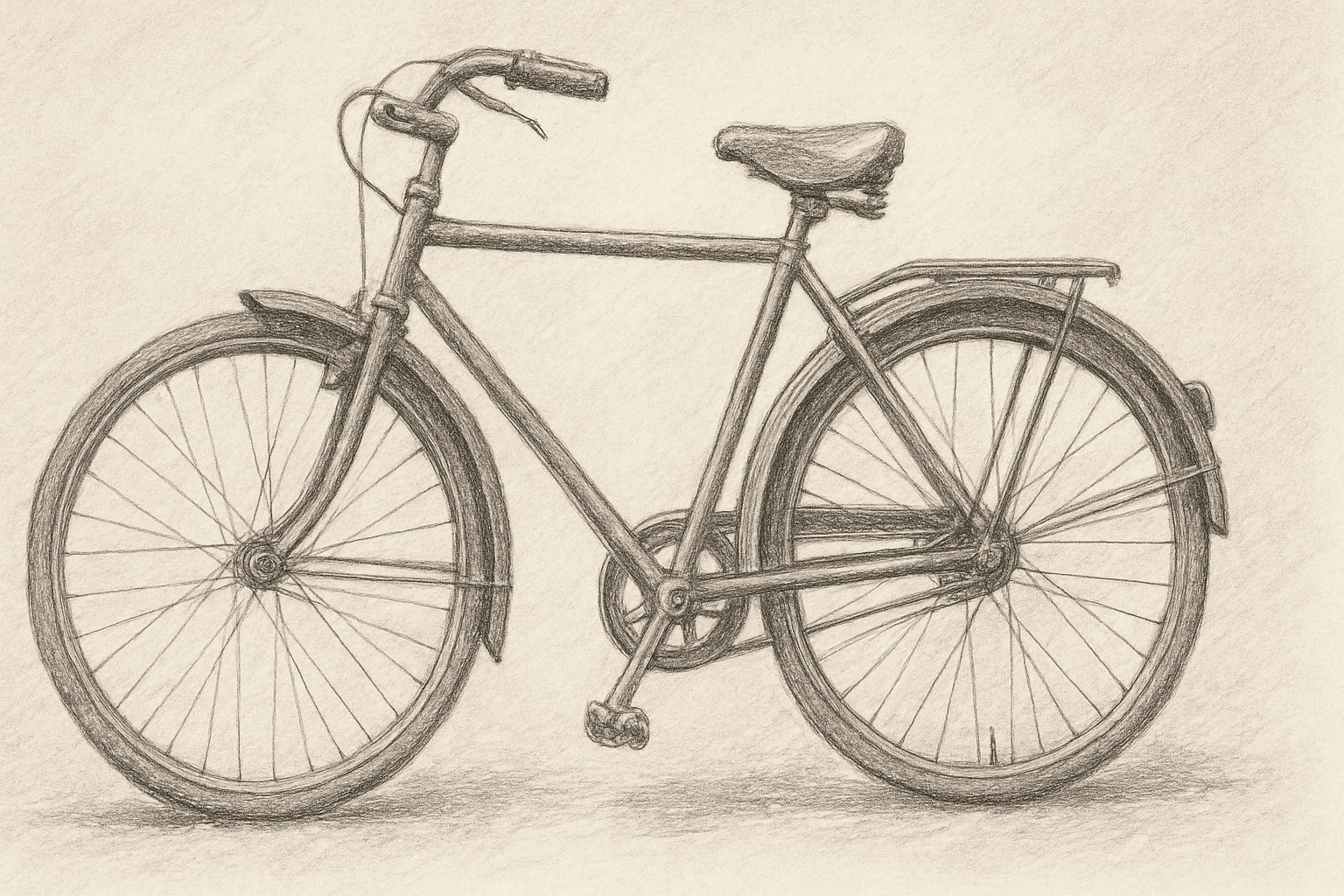
The Hand Rendered Illustration Style embraces the charm of traditional artistry by instructing AI models to create images that look hand-drawn. This style adds warmth, character, and individuality to digital art through visual cues typical of manual techniques, such as imperfect lines and subtle textures. It is favored in editorial illustrations, storybook art, and creative branding where a personal, artisanal touch is desired. By focusing on painterly or sketched effects, this approach contrasts stark photorealistic or overly polished AI outputs, offering expressive, tactile imagery that resonates with viewers seeking authenticity.
Hand Drawn Sketch Style
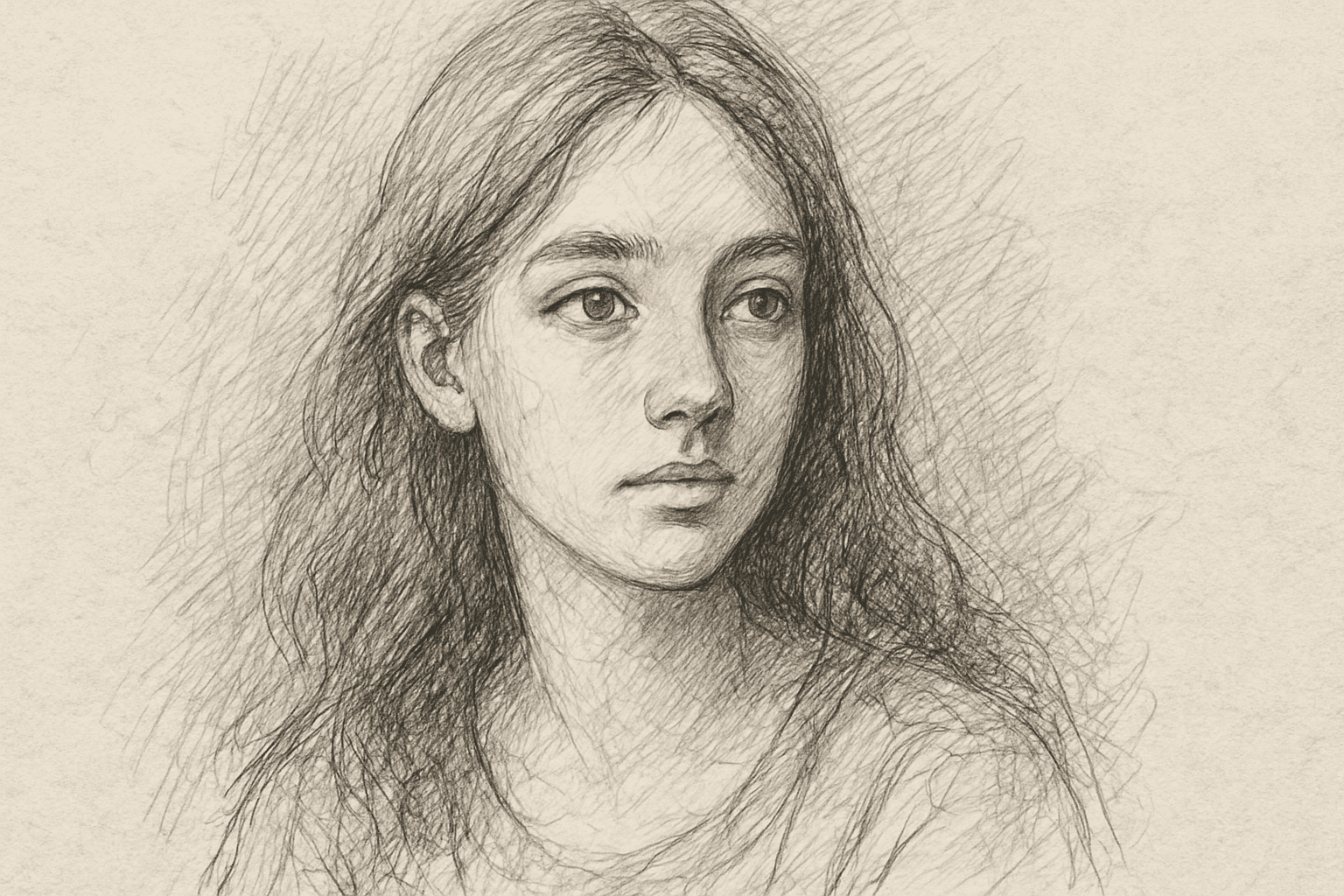
Hand Drawn Sketch Style is a favored artistic approach in AI image generation, evoking the charm and authenticity of manual sketches. This style highlights visible strokes and spontaneous line imperfections, creating images that feel intimate and creative rather than polished. It is ideal for conceptual art, storyboarding, character design, and illustrations where raw expressiveness and personality are prioritized. The style softens digital perfection by emulating paper texture and hand pressure variations, making images appear crafted by an artist’s hand. Artists, designers, and content creators use this style to produce unique visuals that stand out with a traditional artistic touch while leveraging AI speed and flexibility.
Hand Drawn Cartoon Style
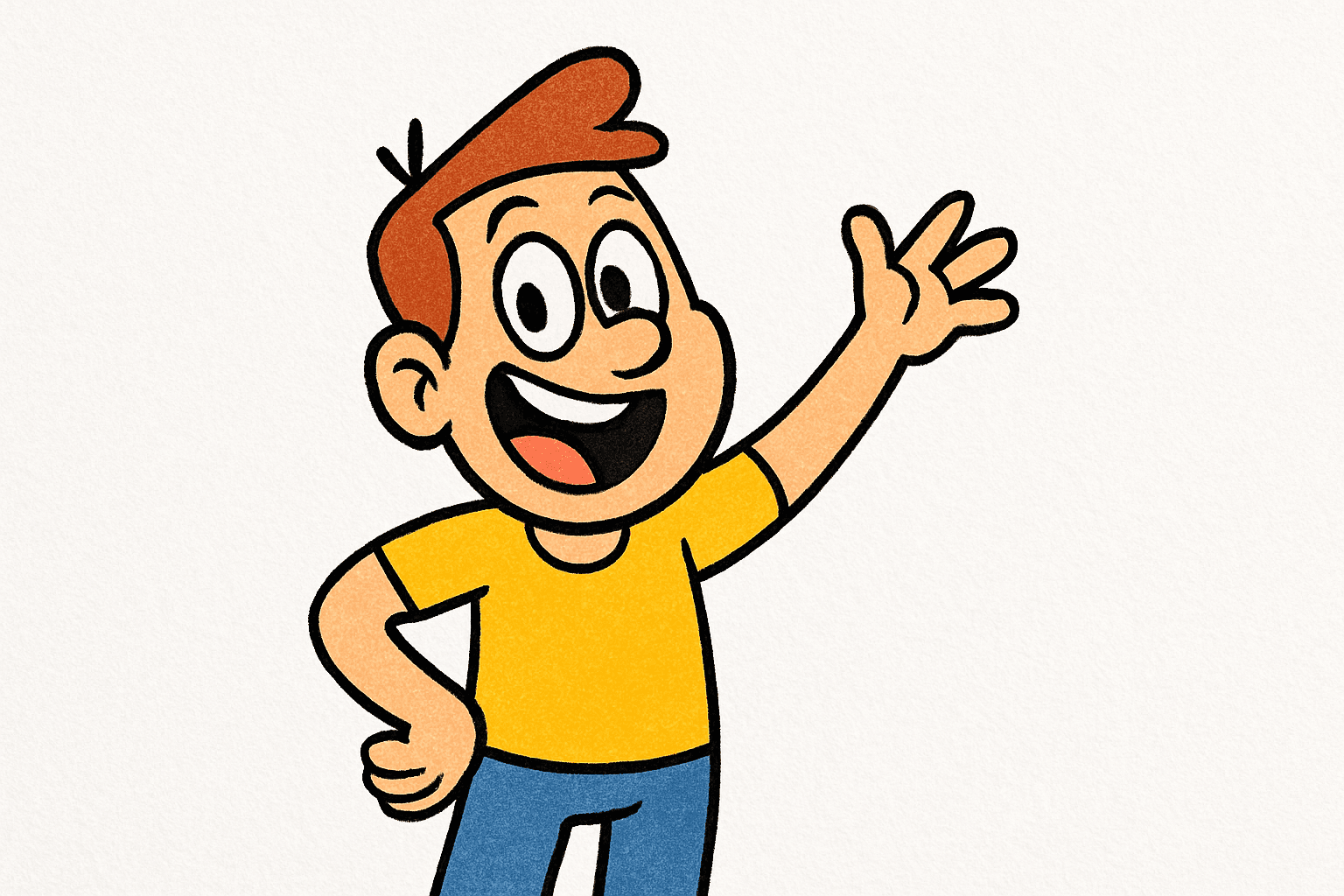
The Hand Drawn Cartoon Style is a popular choice for AI-generated images that aim to evoke a nostalgic, playful, or illustrative atmosphere. This style emulates traditional cartoon art, often seen in comic strips, animation sketches, and children’s book illustrations. By leveraging this style keyword in prompts, users can generate images that have an organic and approachable quality, with visible hand-drawn techniques such as rough lines, dynamic strokes, and lively exaggeration. This makes the style especially suited for character designs, storyboards, and lighthearted visual concepts where realism is intentionally set aside for charm and expressiveness.
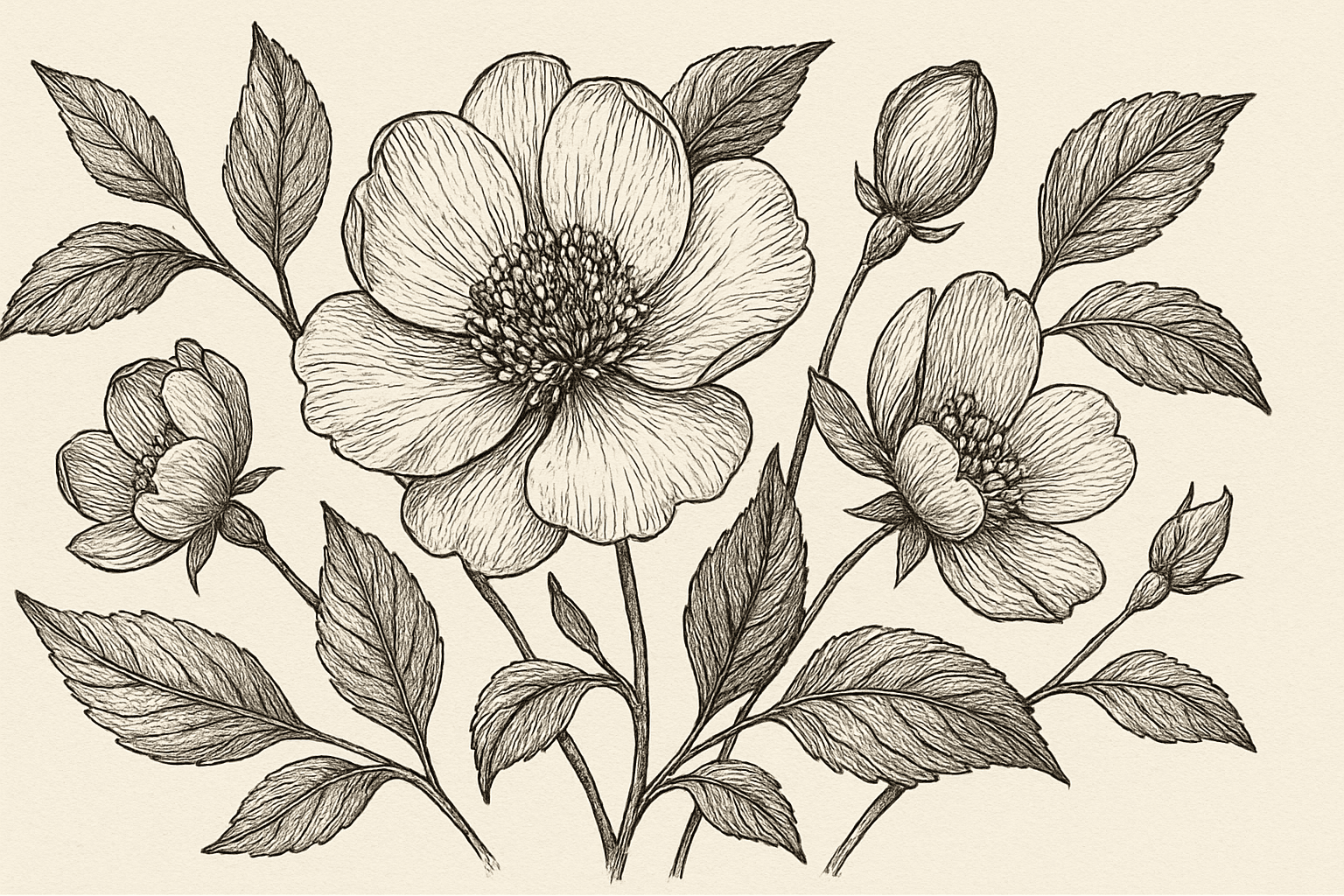
Vintage Linework Style
Vintage Linework Style captures the essence of classical illustration art, featuring intricate line detail and minimal coloring to create a nostalgic, handcrafted feel. This style is ideal for conveying a sense of history, craftsmanship, and elegance by highlighting contour and texture through fine lines rather than color gradients or digital effects. Artists and designers use it to evoke authenticity and sophistication in editorial art, packaging, and storytelling imagery. In AI image generation, specifying this style helps produce artwork reminiscent of old woodcuts, engravings, and book illustrations with a modern clean finish.
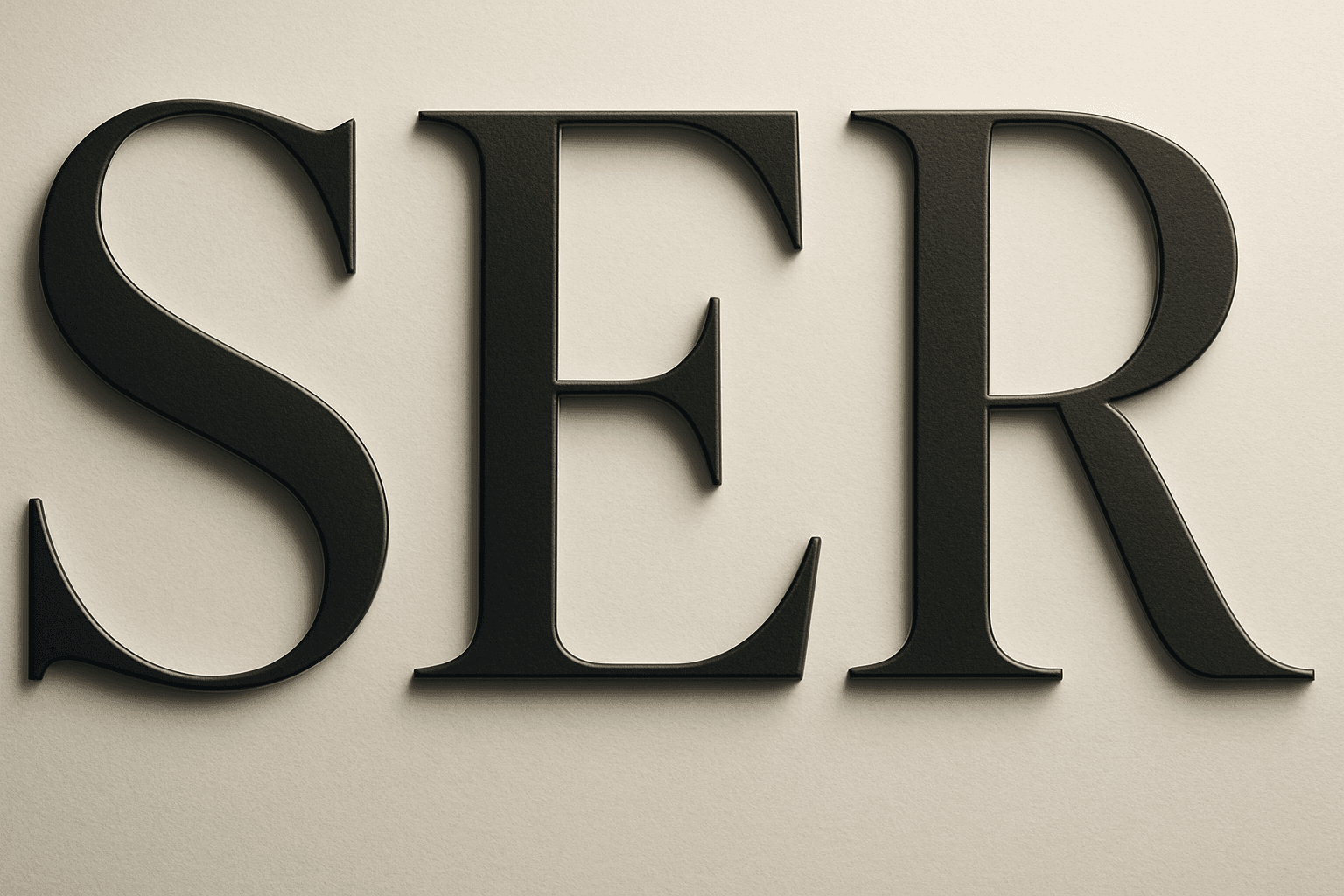
Elegant Serif Typography Style
Elegant Serif Typography Style integrates classical typographic elements with a sense of grace and luxury. This style emphasizes serif fonts that reveal subtle ornamental strokes and a harmonious structure, evoking tradition, trustworthiness, and sophistication. When used in AI-generated imagery, it sets a tone that is both professional and inviting, suitable for editorial layouts, luxury branding, or high-end packaging. The style avoids overly rigid or modern sans-serif aesthetics, instead focusing on a timeless, readable presentation that complements premium visual content.
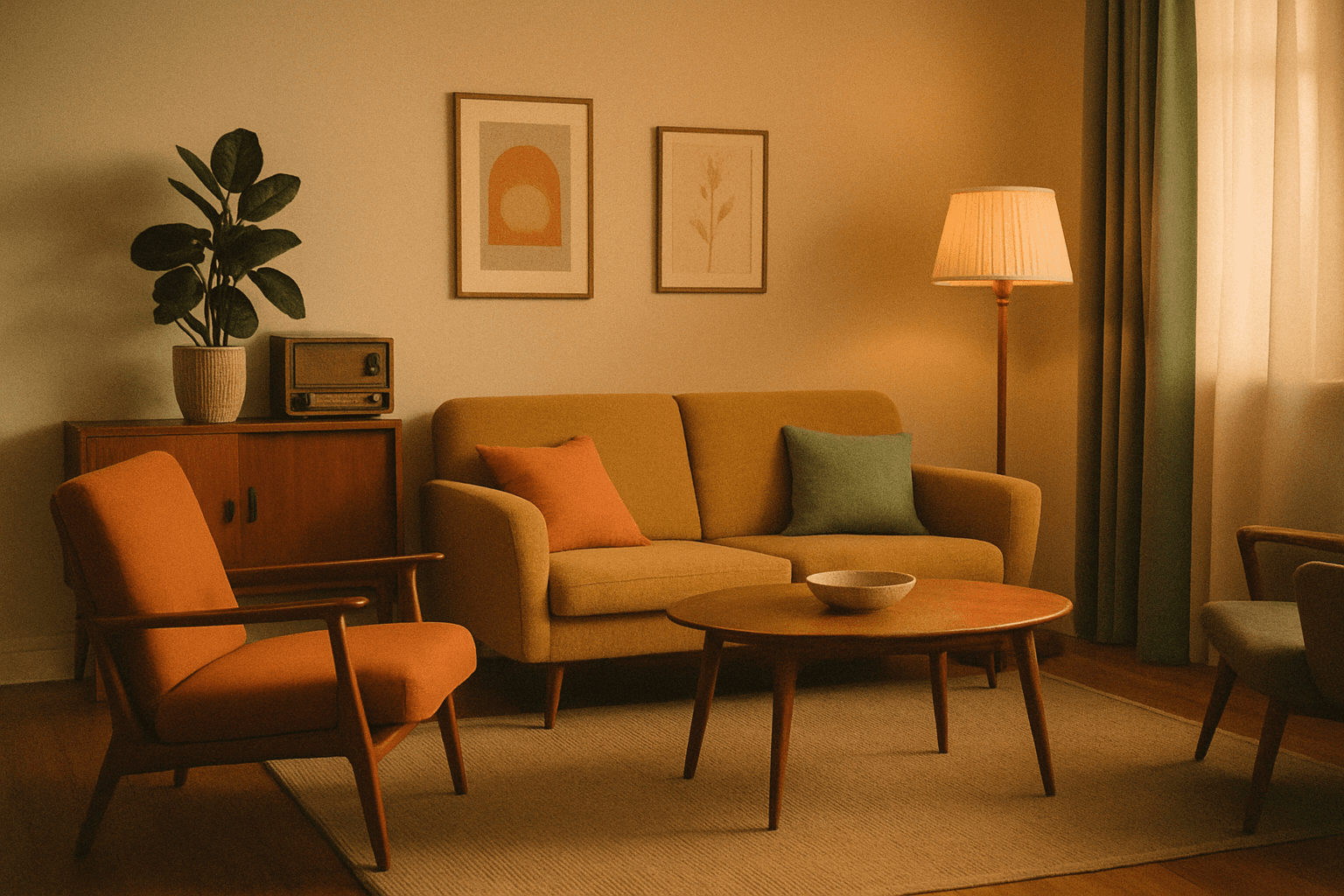
Retro Vintage Style
Retro Vintage Style captures the essence of eras past, typically the 1950s through the 1970s, using iconic design traits that evoke nostalgia and warmth. By incorporating this style into AI image prompts, creators can produce images that appear timeless and charming, reflecting the aesthetics popular in mid-century advertising, fashion, and interior decor. The style applies to various subjects, including portraits, product visuals, and environments, often featuring subtle aging effects and color palettes unique to the period. This approach is ideal when a classic, sentimental tone is desired that contrasts with modern minimalism or hyperrealism.