Elegant Serif Typography Style
Elegant Serif Typography Style integrates classical typographic elements with a sense of grace and luxury. This style emphasizes serif fonts that reveal subtle ornamental strokes and a harmonious structure, evoking tradition, trustworthiness, and sophistication. When used in AI-generated imagery, it sets a tone that is both professional and inviting, suitable for editorial layouts, luxury branding, or high-end packaging. The style avoids overly rigid or modern sans-serif aesthetics, instead focusing on a timeless, readable presentation that complements premium visual content.

Definition
Elegant Serif Typography Style is a typographic approach that features serif fonts known for their refined decorative strokes and classic structure. In AI image prompt terms, it directs the model toward generating lettering with traditional serif elements that evoke sophistication and timeless elegance. This contrasts with modern sans-serif or experimental fonts by emphasizing a formal, graceful appearance ideal for professional and luxury visuals.
- Features serif fonts with decorative but subtle strokes
- Conveys timelessness and professionalism
- Guides AI to generate classic, refined typographic elements
Prompt Formula
To effectively prompt Elegant Serif Typography Style in an AI model, construct your prompts using descriptive combinations that specify font aesthetics and mood. Use adjectives like "refined," "classic," "high-contrast," and "polished" alongside "serif typography" or "serif font." Including context such as "editorial layout," "luxury branding," or "formal invitations" can reinforce desired use cases.
- "Elegant serif typography, refined letterforms, polished finish"
- "Classic high-contrast serif font, sophisticated elegance"
- "Luxury editorial serif type with balanced spacing"
- "Vintage-inspired serif letters, subtle embellishments"
Best Use Cases
This style excels in scenarios requiring a sense of tradition, sophistication, and readability. High-end brand identities benefit from its elegance, as do editorial designs seeking classic clarity. Formal event materials, such as invitations or certificates, are ideal candidates. The style's legibility ensures that it remains practical, not just decorative.
- Luxury branding and logo creation
- Editorial magazine typography
- Formal event invitations and stationery
Professional Workflow
Begin by defining your project's tone and target audience to justify the choice of Elegant Serif Typography Style. In prompt generation, combine style descriptors with contextual clues (e.g., editorial or luxury). Generate multiple typographic variations and evaluate for readability and elegance. Refine outputs by adjusting descriptors or applying post-processing to enhance detail and polish. Finally, select images that align cohesively with your brand identity or publication standards.
- Brief project goals emphasizing sophisticated tone
- Generate multiple serif typography options
- Evaluate for clarity, refinement, and style fidelity
- Refine prompts or enhance via editing for polish
- Select images meeting brand or editorial consistency
Related Styles
Elegant Serif Typography Style aligns with other classic and refined typographic approaches. It pairs well with Luxury Typographic Style keywords emphasizing opulence, Classic Serif Typography that focuses on tradition, and Refined Serif Design emphasizing subtle embellishments. These styles collectively enable a broad range of sophisticated visual expressions in AI-generated graphics.
- Luxury Typographic Style
- Classic Serif Typography
- Refined Serif Design
Model-Specific Tips
When working with various AI image generation models, use clear and descriptive language indicating serif font characteristics, avoiding overly technical font names that may not be recognized. Emphasize qualities like "balanced serifs," "high contrast strokes," and "polished elegance." Avoid ambiguous terms or overly niche font names to maintain cross-model compatibility. Including usage context helps models infer style more reliably.
- Use descriptive adjectives over specific font family names
- Specify serif characteristics like stroke contrast and embellishments
- Add contextual cues like "editorial layout" or "luxury branding"
- Avoid ambiguous or uncommon font terminology
FAQ
What distinguishes elegant serif typography from other serif styles?
Elegant serif typography emphasizes refined, delicate strokes and balanced spacing to convey sophistication and timelessness, whereas other serif styles might be more ornamental, bold, or casual.
Can Elegant Serif Typography Style be used for digital interfaces?
Yes, it can be used effectively in digital contexts where a classic or premium feel is desired, though careful attention to legibility at smaller sizes is important.
Continue Exploring
Related Prompts
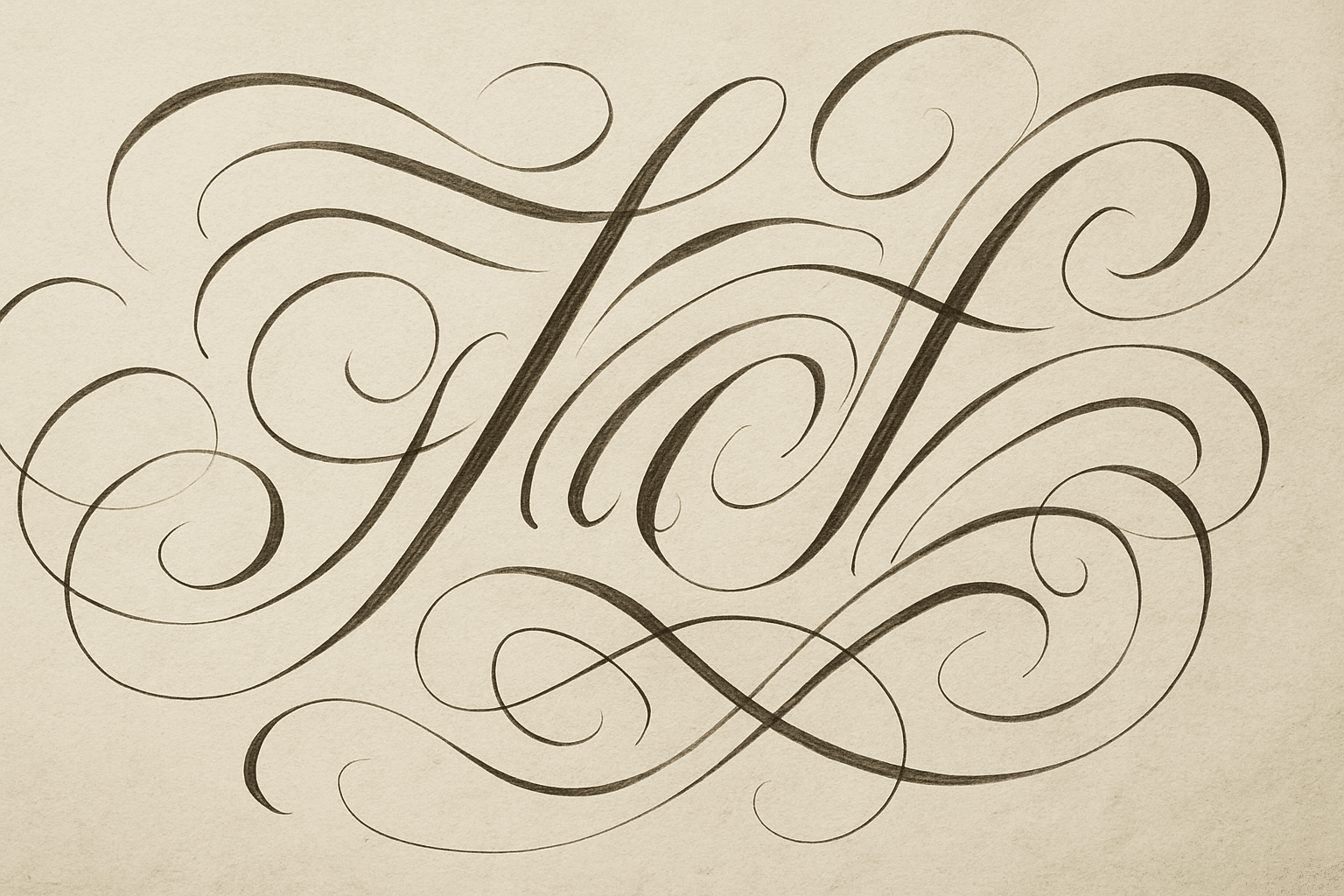
Hand Lettered Typography Style
Hand lettered typography style is a popular artistic approach that emphasizes the uniqueness and handcrafted appearance of lettering. When incorporated into AI image generation prompts, it encourages the AI to produce text or lettering that looks as if it were skillfully drawn by hand using pens, brushes, or markers. This style gives the resulting images a personal and creative touch that standard digital typography often lacks. Designers use hand lettering to evoke authenticity, warmth, and an artisanal feel, making it ideal for branding, product labels, and editorial compositions. By specifying hand lettered typography in prompts, you bring character and charm to your AI-created visuals, ensuring they stand out with a custom-crafted vibe.
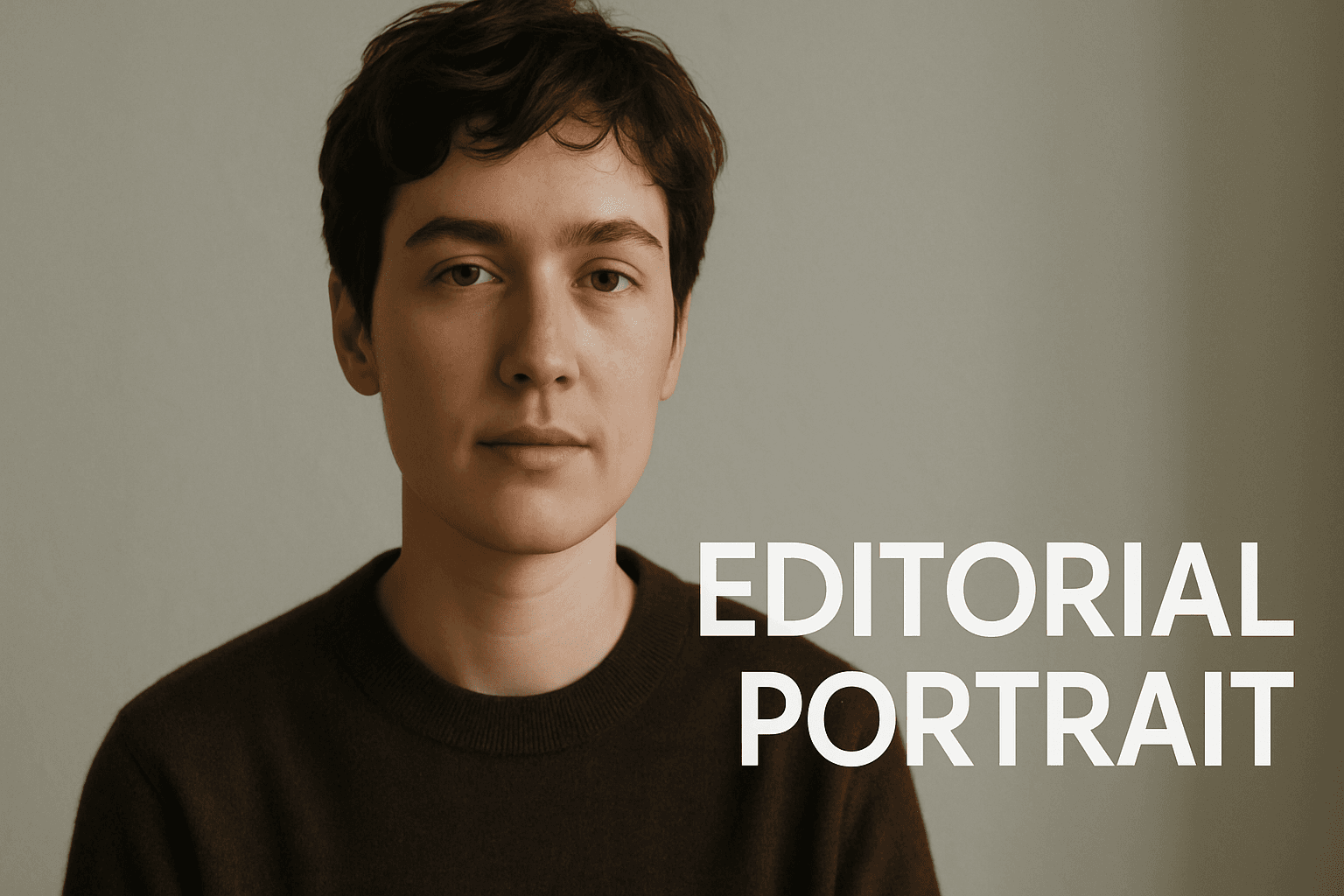
Minimal Text Overlay Style
The Minimal Text Overlay Style is popular for creating refined and elegant visuals where text enhances but does not overpower the imagery. By restricting text quantity and styling it simply, this style lends itself well to modern editorial layouts, social media graphics, and promotional materials. It helps maintain the viewer’s focus on the image’s core subject while offering essential contextual or branding information. This approach is highly valued in AI-generated content for producing polished, professional-looking images that remain versatile across platforms and purposes.

Minimalist Design Style
Minimalist design style is a popular artistic approach that strips visuals down to their fundamental components. It values functionality, clarity, and subtlety rather than embellishment. When used in AI image generation, it leads to creations with harmonious balance, simplicity, and impact. Minimalism favors sleek geometry, reduced ornamentation, and neutral or pastel color schemes. This style communicates sophistication and modern elegance, making it well suited for branding, editorial illustrations, product visuals, and architectural imagery. Adopting minimalist design in prompts guides AI to focus on essential shapes and textures, delivering images with visual calm and refined aesthetics.

Retro Vintage Style
Retro Vintage Style captures the essence of eras past, typically the 1950s through the 1970s, using iconic design traits that evoke nostalgia and warmth. By incorporating this style into AI image prompts, creators can produce images that appear timeless and charming, reflecting the aesthetics popular in mid-century advertising, fashion, and interior decor. The style applies to various subjects, including portraits, product visuals, and environments, often featuring subtle aging effects and color palettes unique to the period. This approach is ideal when a classic, sentimental tone is desired that contrasts with modern minimalism or hyperrealism.
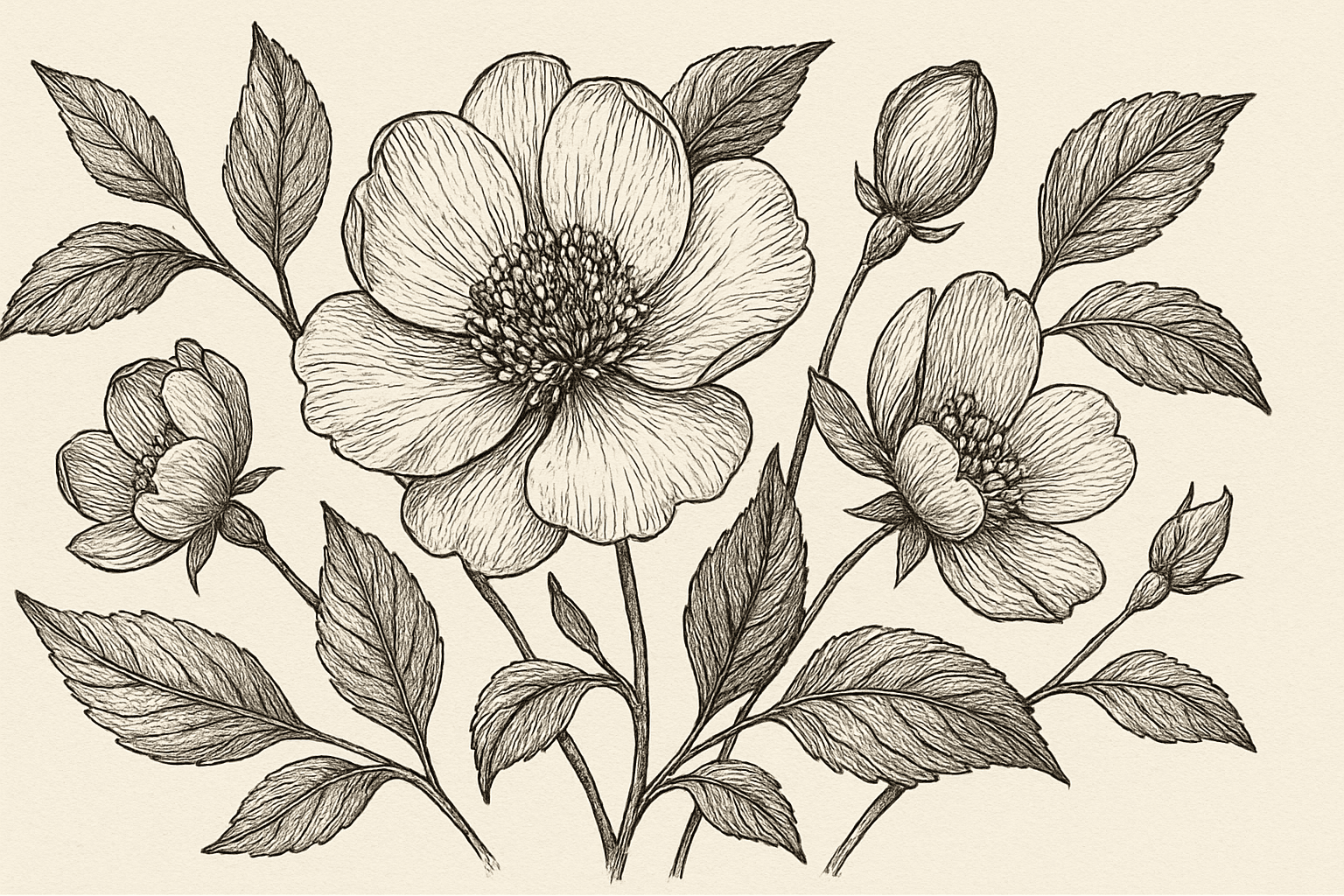
Vintage Linework Style
Vintage Linework Style captures the essence of classical illustration art, featuring intricate line detail and minimal coloring to create a nostalgic, handcrafted feel. This style is ideal for conveying a sense of history, craftsmanship, and elegance by highlighting contour and texture through fine lines rather than color gradients or digital effects. Artists and designers use it to evoke authenticity and sophistication in editorial art, packaging, and storytelling imagery. In AI image generation, specifying this style helps produce artwork reminiscent of old woodcuts, engravings, and book illustrations with a modern clean finish.

Editorial Style
Editorial Style is a popular approach in AI-generated imagery that aims to produce visuals resembling those found in top-tier editorial publications. This style focuses on crafting images that are visually engaging yet tasteful and professional, ensuring they complement written content effectively. With a focus on clarity and refinement, editorial-style images avoid clutter and distractions, making them ideal for use as article heroes, thumbnail cards, and other content-driven placements. By emphasizing natural lighting and realistic textures, the style enhances visual storytelling, helping convey the intended message with impact and sophistication.