Vintage Linework Style
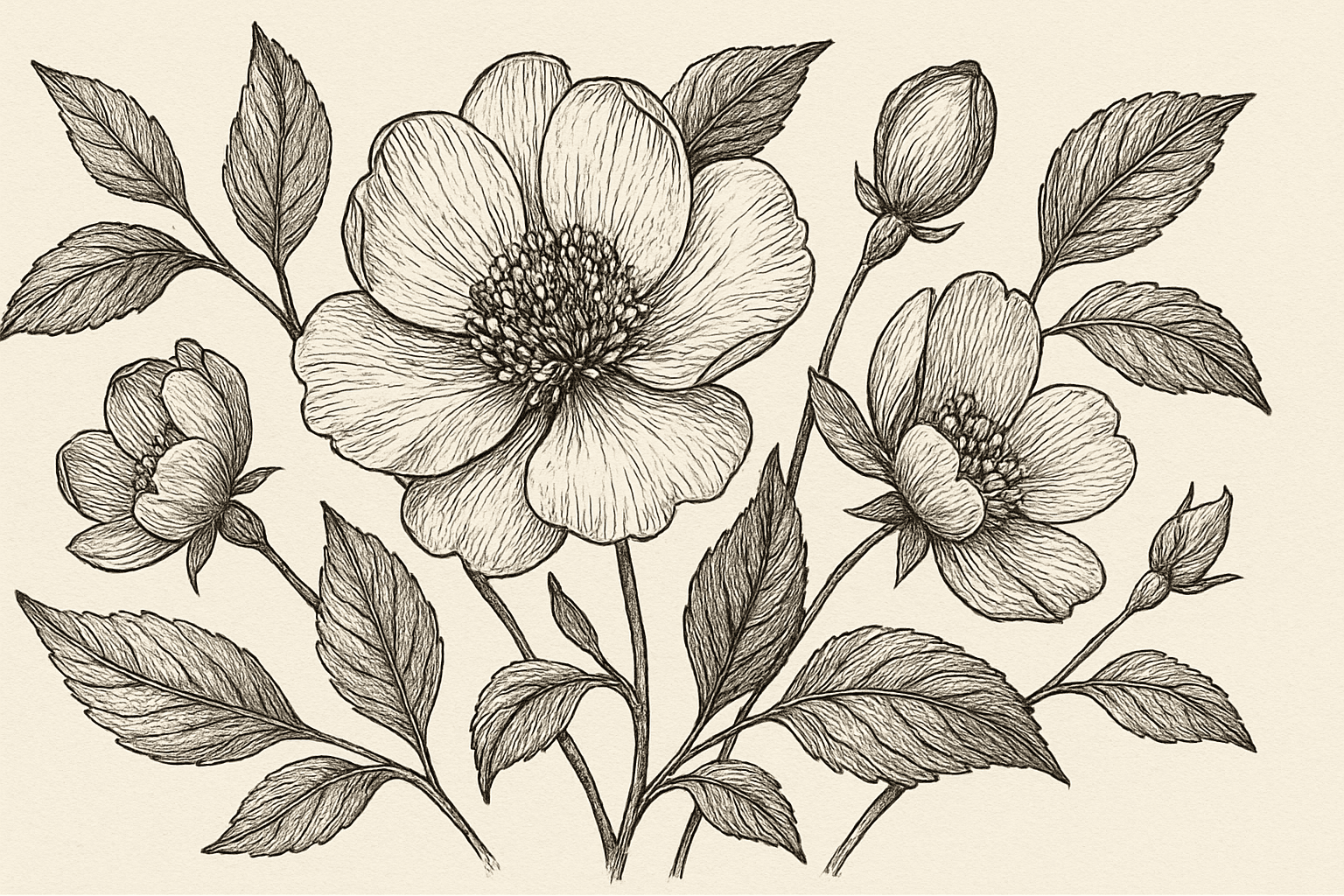
Vintage Linework Style captures the essence of classical illustration art, featuring intricate line detail and minimal coloring to create a nostalgic, handcrafted feel. This style is ideal for conveying a sense of history, craftsmanship, and elegance by highlighting contour and texture through fine lines rather than color gradients or digital effects. Artists and designers use it to evoke authenticity and sophistication in editorial art, packaging, and storytelling imagery. In AI image generation, specifying this style helps produce artwork reminiscent of old woodcuts, engravings, and book illustrations with a modern clean finish.
Definition
Vintage Linework Style is an AI image generation approach that replicates traditional hand-drawn line art from early printmaking and illustration. Including it in prompts focuses the AI on creating images with crisp, precise lines and minimal color, evoking the look of classic 20th-century etchings or ink drawings.
Visual Characteristics
- Consistent fine lines in black, sepia, or muted tones emphasizing contours
- Use of hatching and cross-hatching for shading rather than color gradients
- Clean or plain backgrounds highlighting the intricacy of line details
Prompt Formula
Craft prompts with key phrases that encourage detailed line art and vintage print effects. Combine terms describing drawing tools, monochrome palettes, and historic illustration styles to direct the AI towards classic engraved looks.
- "vintage linework style"
- "pen and ink drawing with fine line detail"
- "sepia tone, cross-hatching shading"
- "traditional etching or engraving effect"
Best Use Cases
- Artisanal product packaging with a heritage or craft appeal
- Editorial spreads or book illustrations inspired by vintage styles
- Logos and branding icons needing an elegant hand-drawn feel
Creative Variations
To keep outputs fresh, experiment with lighting and color schemes such as bronze or navy-toned inks instead of classic black or sepia. Try varying compositions from detailed close-ups to broad scene etchings and introduce subtle textures or aged paper backgrounds to enhance vintage authenticity.
- Use colored ink variations like sepia, indigo, or rust
- Experiment with varying line thickness and stroke styles
- Combine with subtle paper or parchment texture backgrounds
- Compose detailed close-ups or expansive illustrative scenes
Industry Applications
Vintage Linework Style is widely used in advertising to convey luxury and craftsmanship, in editorial design for classic or historical storytelling, and in ecommerce to emphasize artisanal qualities of handmade or heritage products. It helps brands communicate authenticity and timelessness visually.
- Advertising visuals for luxury or craft-focused brands
- Editorial illustrations in magazines and books
- Product imagery for artisanal or vintage-themed ecommerce
Common Mistakes
Avoid prompts that mix too many modern or highly colorful descriptors with "vintage linework" as this can confuse the AI and produce muddy or inconsistent results. Overusing vague terms like 'sketch' without specifying line quality can lead to generic or sloppy images. Also, neglecting shading techniques (hatching) can result in flat or unfinished-looking artwork.
- Combining vintage linework with heavy digital effects dilutes style clarity
- Using broad terms like 'sketch' without line detail descriptors
- Ignoring hatching/cross-hatching leads to flat visuals
Advanced Techniques
Refine prompts by specifying type of historical print technique such as "woodcut" or "lithograph" alongside vintage linework to guide texture and stroke style. Use artistic constraints like "monochrome with subtle grain texture" or "limited palette of black and burnt sienna" to achieve richer artistic fidelity. Layer prompts for mixed media styles to blend vintage linework with minimal watercolor washes.
- Specify print techniques: woodcut, lithograph, engraving
- Use color constraints: monochrome, sepia-tone, limited palette
- Combine with subtle textures: paper grain, ink bleed effects
- Integrate minimal color washes for mixed media results
FAQ
How do I get smooth and clear lines using Vintage Linework Style in AI?
Include precise descriptors like 'fine pen and ink lines' or 'detailed cross-hatching' in your prompt. Avoid contradictory terms like 'sketchy' or 'rough,' and specify monochrome or limited color palettes to maintain clarity and crispness in linework.
Can I combine Vintage Linework Style with color washes or textures?
Yes, combining subtle watercolor or ink wash effects with vintage linework can create appealing mixed media looks. Use prompt phrases like 'minimal color wash' or 'soft watercolor background' along with vintage linework keywords for balanced results.
Continue Exploring
Related Prompts
Hand Drawn Sketch Style
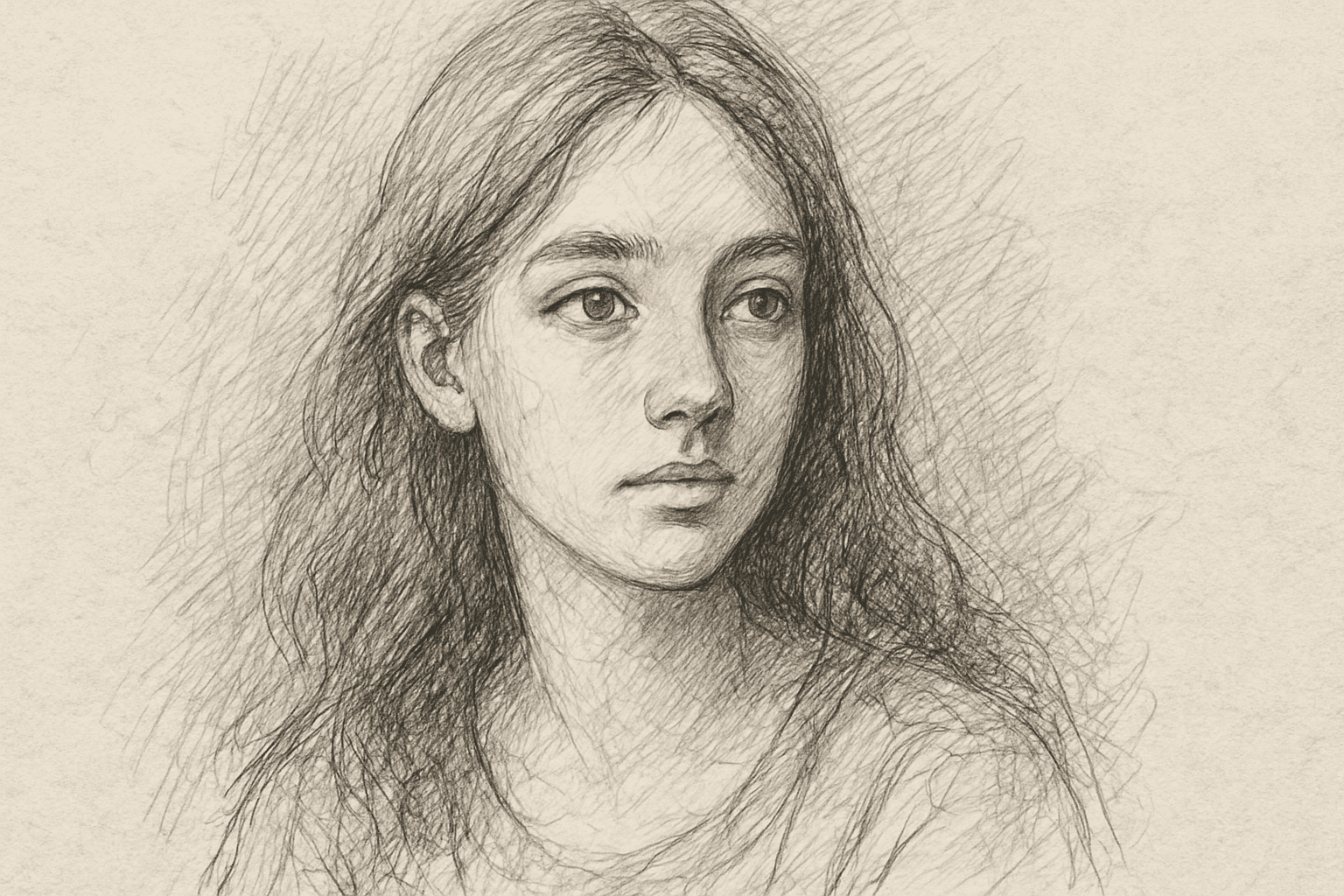
Hand Drawn Sketch Style is a favored artistic approach in AI image generation, evoking the charm and authenticity of manual sketches. This style highlights visible strokes and spontaneous line imperfections, creating images that feel intimate and creative rather than polished. It is ideal for conceptual art, storyboarding, character design, and illustrations where raw expressiveness and personality are prioritized. The style softens digital perfection by emulating paper texture and hand pressure variations, making images appear crafted by an artist’s hand. Artists, designers, and content creators use this style to produce unique visuals that stand out with a traditional artistic touch while leveraging AI speed and flexibility.
Retro Vintage Style
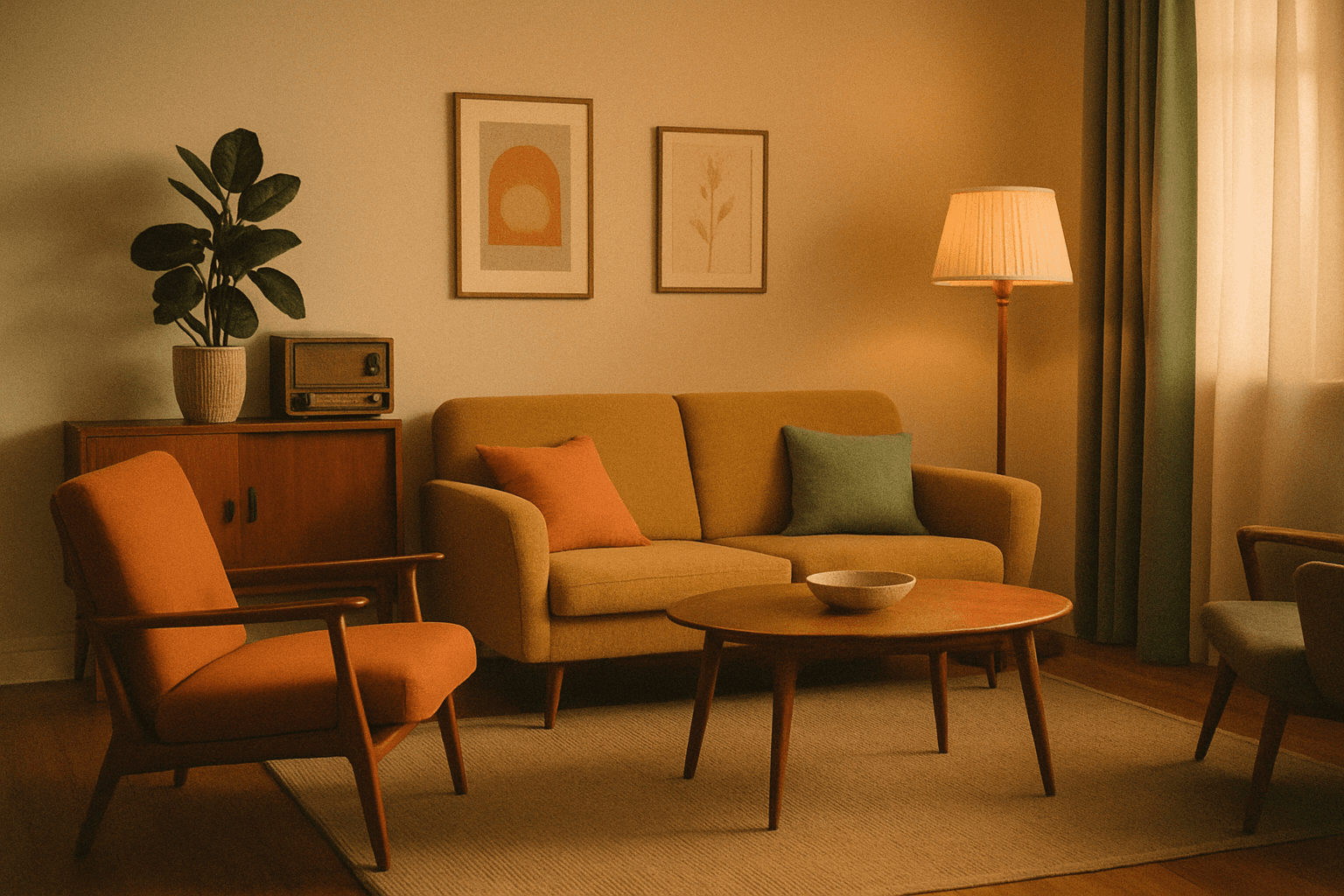
Retro Vintage Style captures the essence of eras past, typically the 1950s through the 1970s, using iconic design traits that evoke nostalgia and warmth. By incorporating this style into AI image prompts, creators can produce images that appear timeless and charming, reflecting the aesthetics popular in mid-century advertising, fashion, and interior decor. The style applies to various subjects, including portraits, product visuals, and environments, often featuring subtle aging effects and color palettes unique to the period. This approach is ideal when a classic, sentimental tone is desired that contrasts with modern minimalism or hyperrealism.
Hand Lettered Typography Style
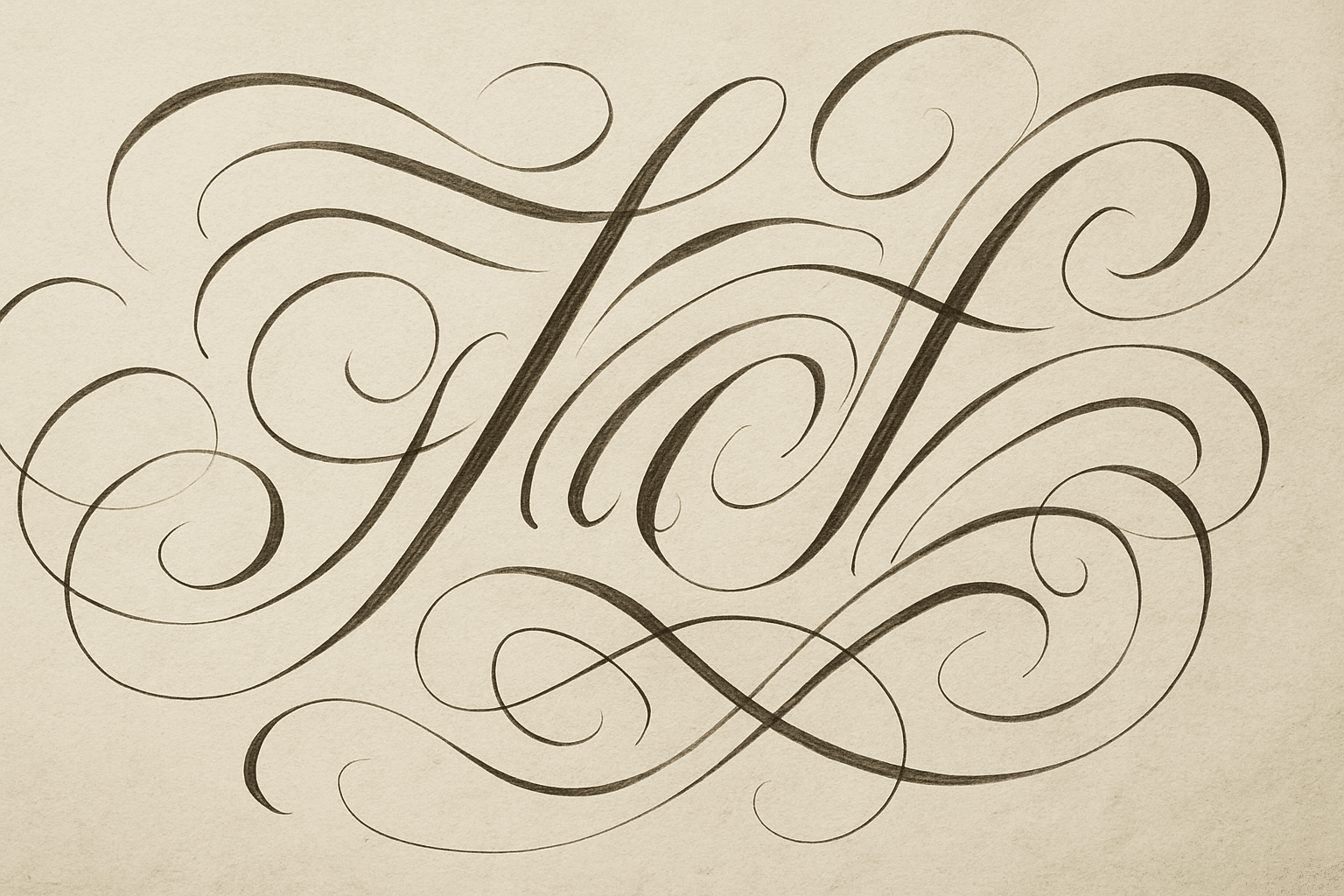
Hand lettered typography style is a popular artistic approach that emphasizes the uniqueness and handcrafted appearance of lettering. When incorporated into AI image generation prompts, it encourages the AI to produce text or lettering that looks as if it were skillfully drawn by hand using pens, brushes, or markers. This style gives the resulting images a personal and creative touch that standard digital typography often lacks. Designers use hand lettering to evoke authenticity, warmth, and an artisanal feel, making it ideal for branding, product labels, and editorial compositions. By specifying hand lettered typography in prompts, you bring character and charm to your AI-created visuals, ensuring they stand out with a custom-crafted vibe.
Graphic Line Art Style
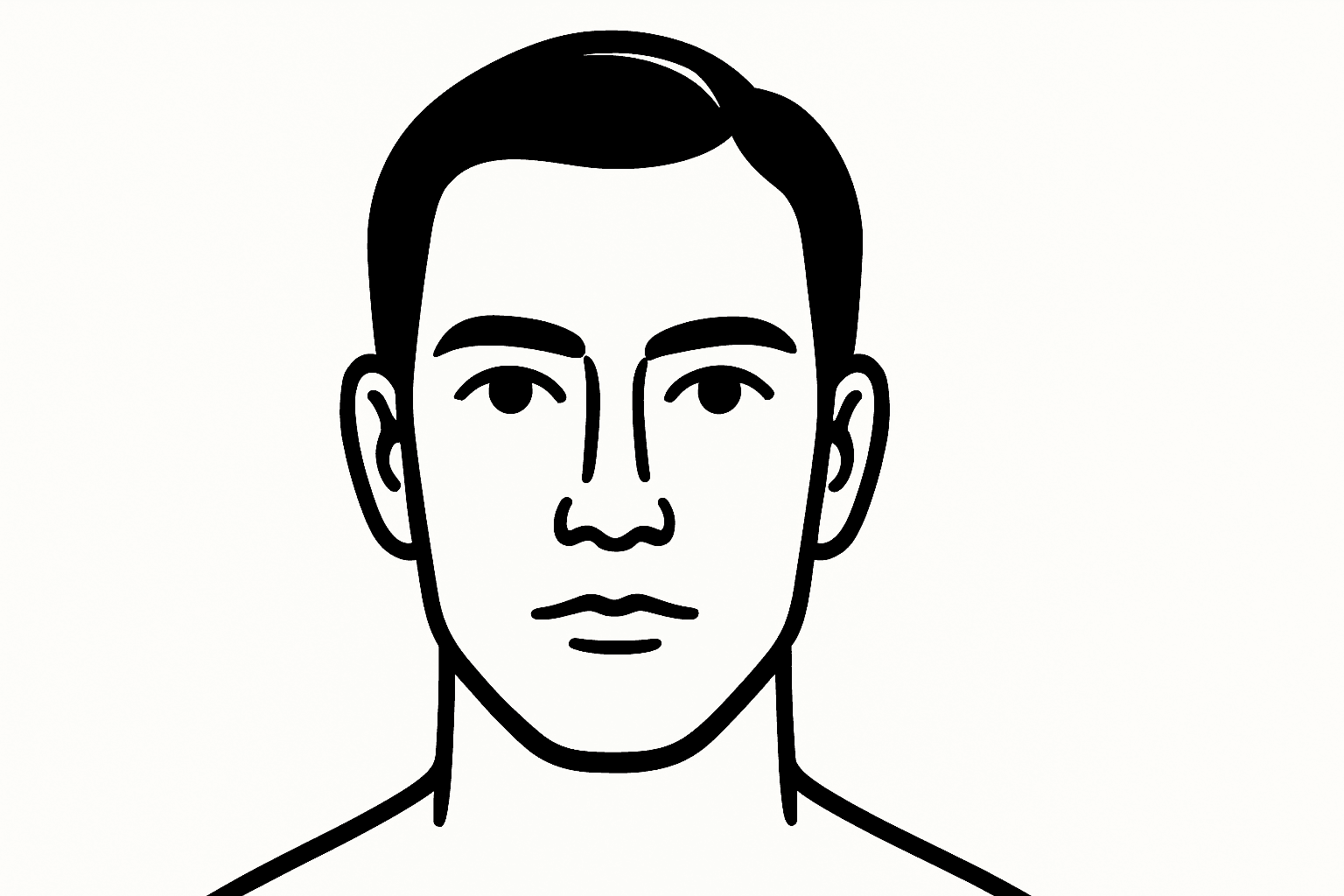
Graphic Line Art Style is a visually striking illustration approach emphasizing clarity and simplicity through well-defined lines. It focuses on outlining forms with precision and minimalistic detail, avoiding heavy shading or elaborate color schemes. This style is popular in editorial illustrations, logos, and iconography due to its crisp readability and modern aesthetic. When incorporated into AI image prompts, it directs the model to produce minimalist visuals that can easily adapt to various themes while maintaining a clean, graphic look. Its simplicity makes it versatile for both monochrome and limited color compositions, suitable for branding, presentations, and artistic sketches where impact comes from form rather than texture or color richness.
Hand Rendered Illustration Style
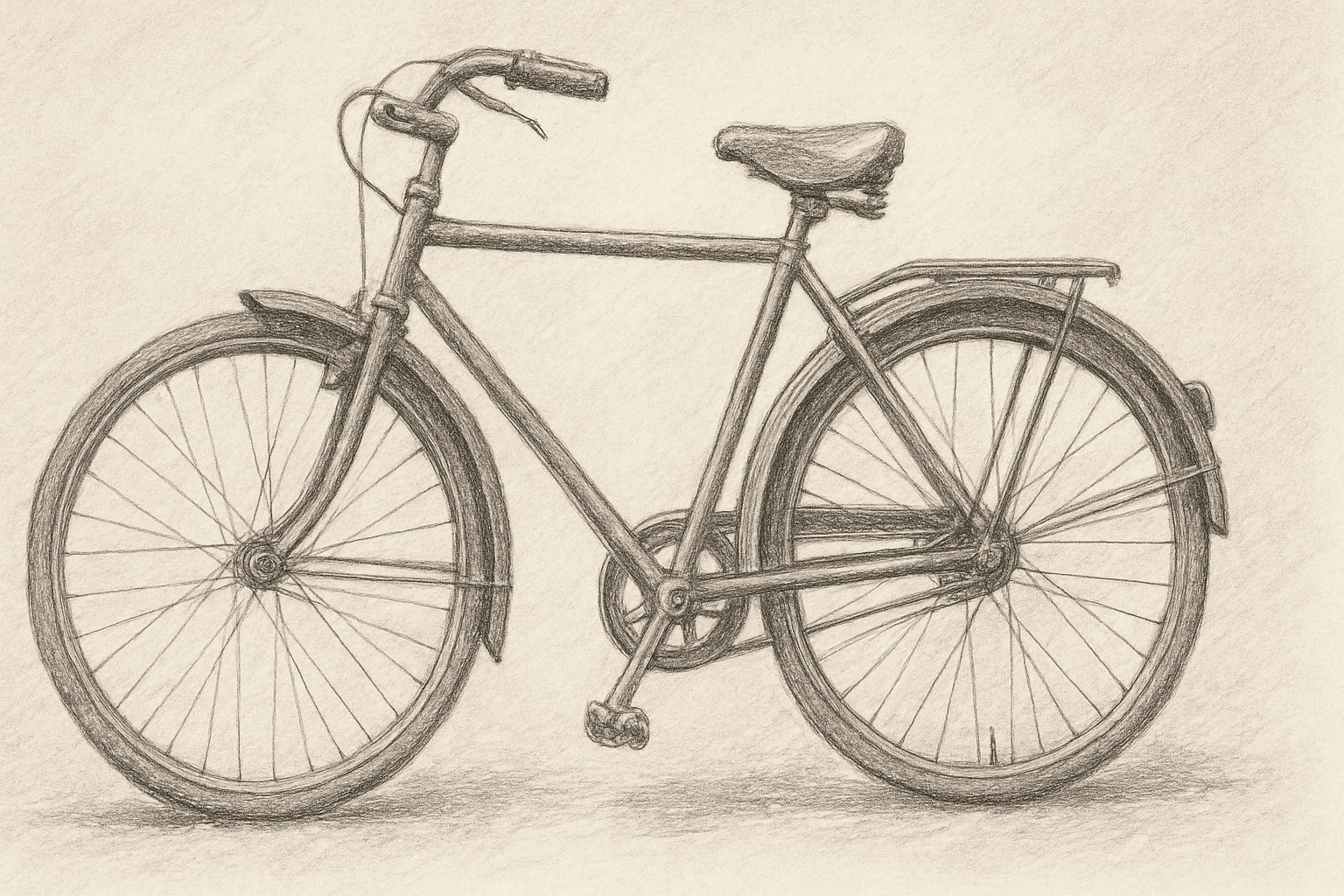
The Hand Rendered Illustration Style embraces the charm of traditional artistry by instructing AI models to create images that look hand-drawn. This style adds warmth, character, and individuality to digital art through visual cues typical of manual techniques, such as imperfect lines and subtle textures. It is favored in editorial illustrations, storybook art, and creative branding where a personal, artisanal touch is desired. By focusing on painterly or sketched effects, this approach contrasts stark photorealistic or overly polished AI outputs, offering expressive, tactile imagery that resonates with viewers seeking authenticity.

Juxtaposition Visual Style
The Juxtaposition Visual Style harnesses the power of contrasting elements to create images that capture attention and provoke thought. By intentionally juxtaposing subjects that differ dramatically—whether in theme, color, or scale—artists and AI creators can evoke emotions, highlight dichotomies, or tell complex stories visually. This style is frequently used in editorial and conceptual art to challenge viewers' perceptions. When incorporated into AI prompts, it guides the model to generate images featuring deliberate contrasts, balancing harmony and tension into refined compositions with subtle depth and realistic materials. The approach results in polished, modern visuals suited for impactful presentations and storytelling.