Mid Century Modern
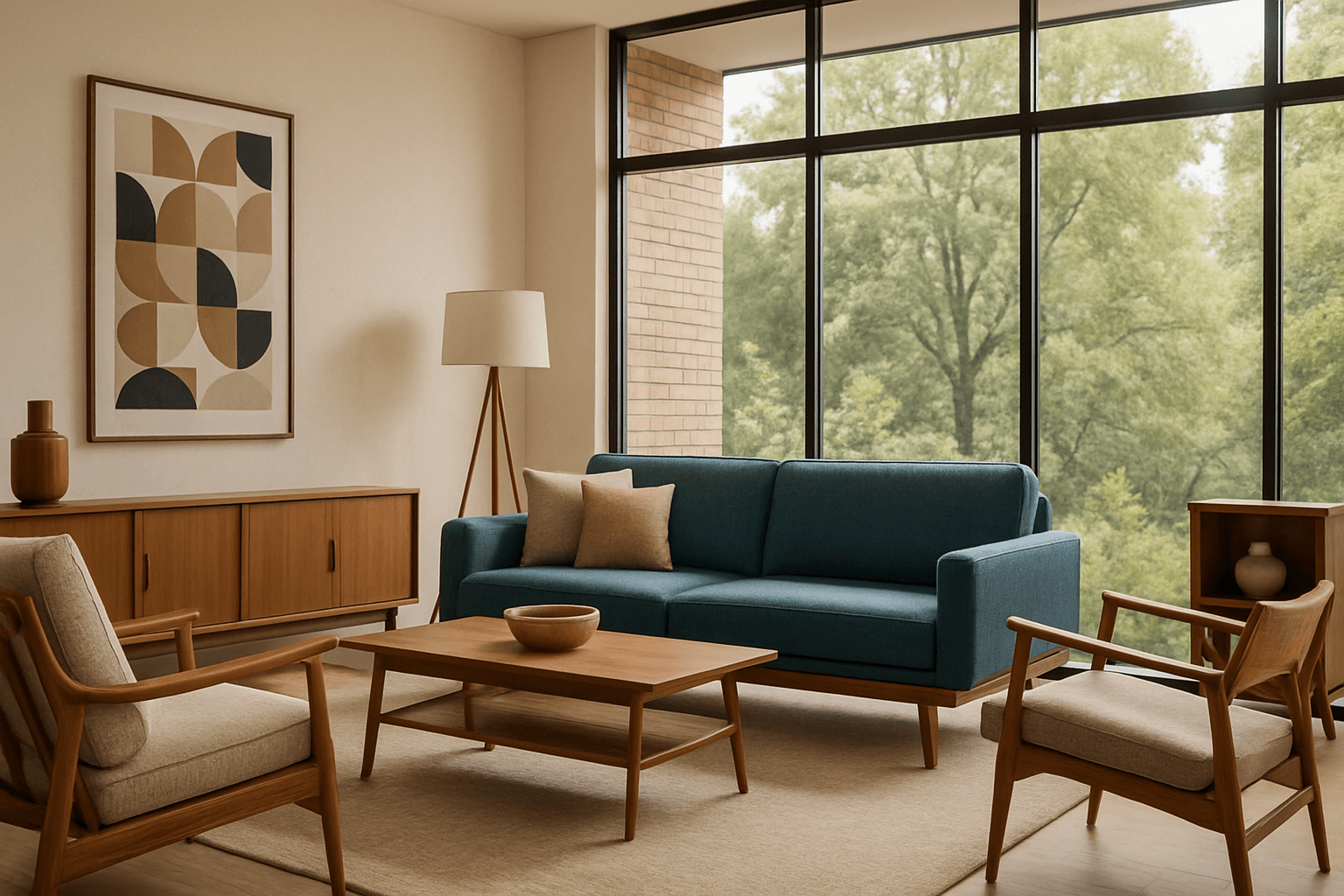
Mid Century Modern is a highly influential design style recognized for its minimalistic approach and timeless elegance. It emerged post-World War II and combines organic influences with technological advances, focusing on simplicity and functionality. The style uses natural materials such as wood, combined with sleek metals and glass to create warm yet modern environments. Its emphasis on clean lines, gentle curves, and open spaces continues to inspire designers across furniture, architecture, and graphic arts. For AI image generation, incorporating Mid Century Modern elements ensures visuals that are both stylish and universally appealing, reflecting a refined, yet approachable aesthetic.
Definition
Mid Century Modern is a design style from roughly the 1940s to 1960s characterized by simplicity, organic forms, and integration with nature, emphasizing functional and clean aesthetics.
Visual Characteristics
- Clean, simple lines and geometric shapes
- Natural materials like wood paired with modern fabrics
- Open, airy layouts with functional furniture
Best Use Cases
- Interior design mood boards featuring classic furniture and layouts
- Modern architecture visualizations with clean lines and organic forms
- Lifestyle imagery that evokes retro yet fresh living spaces
Prompt Examples
- A mid century modern living room with teak wood furniture and large windows
- Minimalist office space in mid century modern style with geometric chairs and pendant lighting
- Mid century modern kitchen featuring clean cabinetry and vintage appliances
Adobe Stock Potential
Mid Century Modern style images possess strong commercial appeal on platforms like Adobe Stock due to their enduring popularity and versatile usage across industries. These images cater to designers, marketers, architects, and brands seeking high-quality visuals that convey sophistication and functional beauty. The style aligns well with current design trends favoring minimalism and authenticity, making it a lucrative theme for stock contributors. Photographs and renderings emphasizing this aesthetic can attract steady demand for editorial, advertising, and commercial projects worldwide.
FAQ
What makes Mid Century Modern design distinct?
Its combination of simplicity, clean lines, organic shapes, and emphasis on function distinguishes Mid Century Modern from other styles.
Can Mid Century Modern style work in small spaces?
Yes, its emphasis on minimalism and open layouts makes it ideal for maximizing smaller interiors.
What materials are typical in Mid Century Modern design?
Natural woods, metals like steel and aluminum, glass, and modern fabrics are commonly used.
Continue Exploring
Related Prompts
Retro Vintage Style
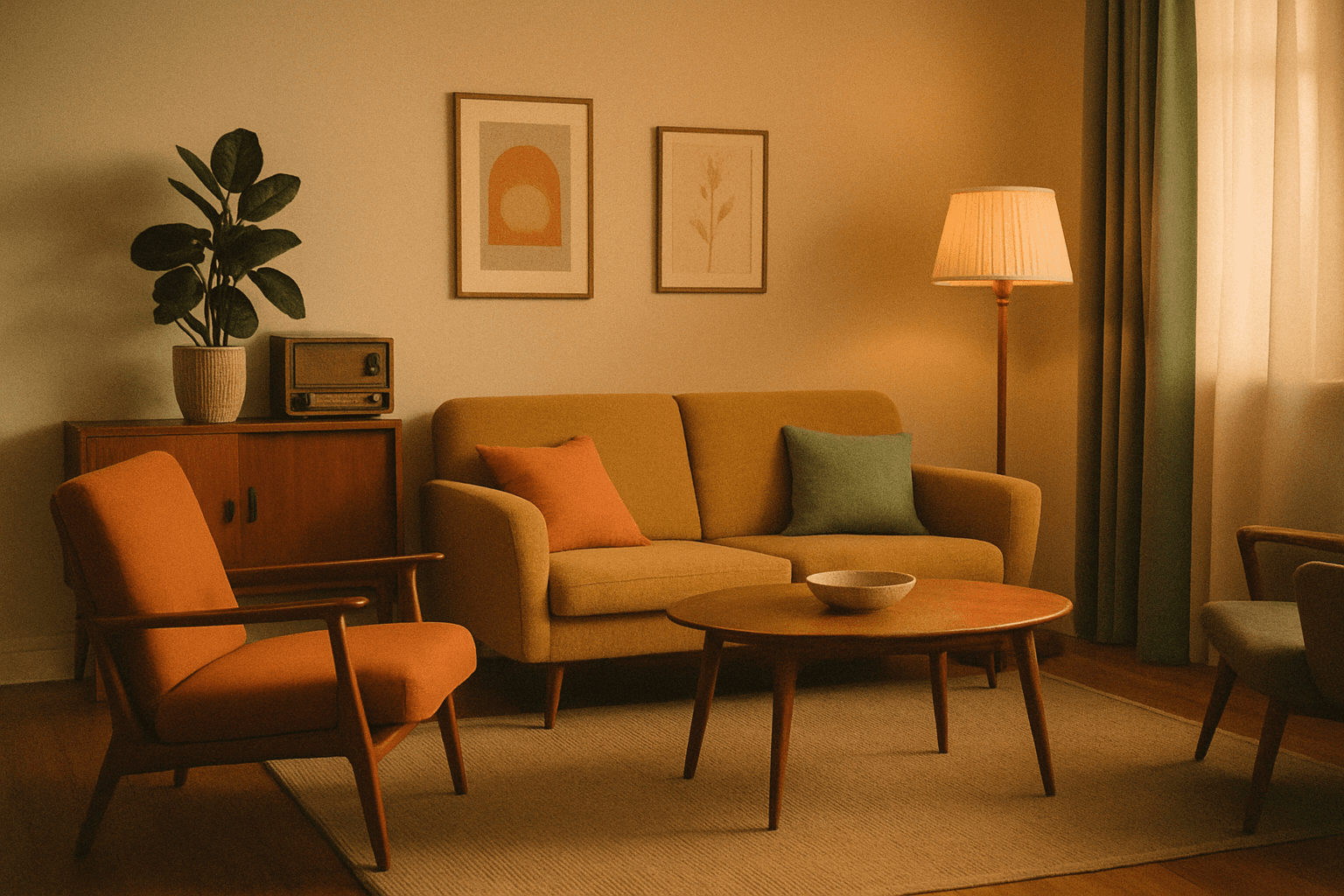
Retro Vintage Style captures the essence of eras past, typically the 1950s through the 1970s, using iconic design traits that evoke nostalgia and warmth. By incorporating this style into AI image prompts, creators can produce images that appear timeless and charming, reflecting the aesthetics popular in mid-century advertising, fashion, and interior decor. The style applies to various subjects, including portraits, product visuals, and environments, often featuring subtle aging effects and color palettes unique to the period. This approach is ideal when a classic, sentimental tone is desired that contrasts with modern minimalism or hyperrealism.
Modern Bauhaus Influence
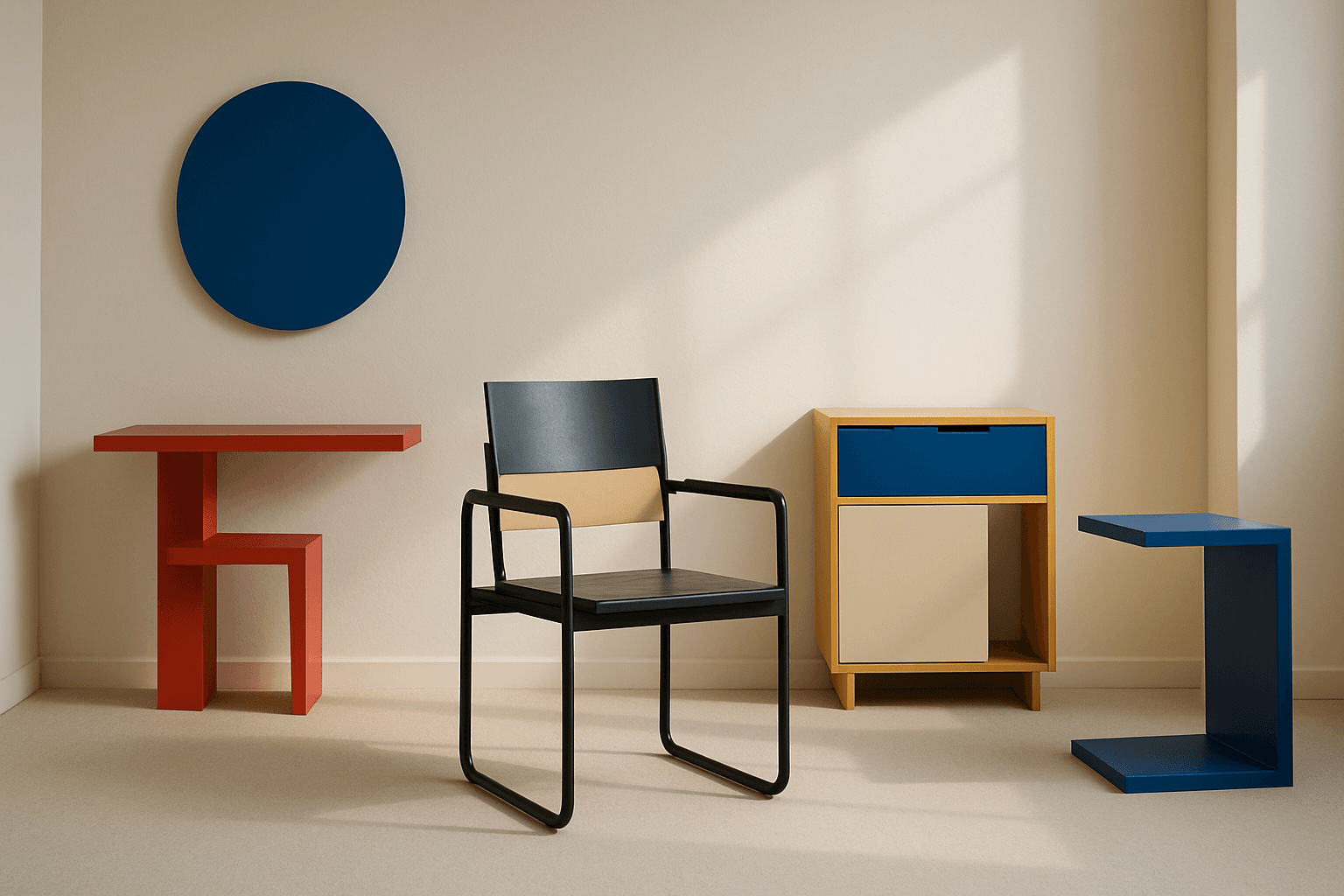
The Modern Bauhaus Influence brings the legendary design ethos of the early 20th century into a contemporary context, making it a popular style choice for AI-generated visuals. It emphasizes minimalism, function, and simplicity, combining geometric clarity with modern materials and lighting. This results in images that feel structured yet fresh, suitable for editorial, architectural, and product visualization. Unlike traditional decorative styles, Bauhaus-inspired prompts prioritize usability and form, lending themselves well to sleek, professional outputs that communicate clarity and sophistication without excessive detail.
Art Deco
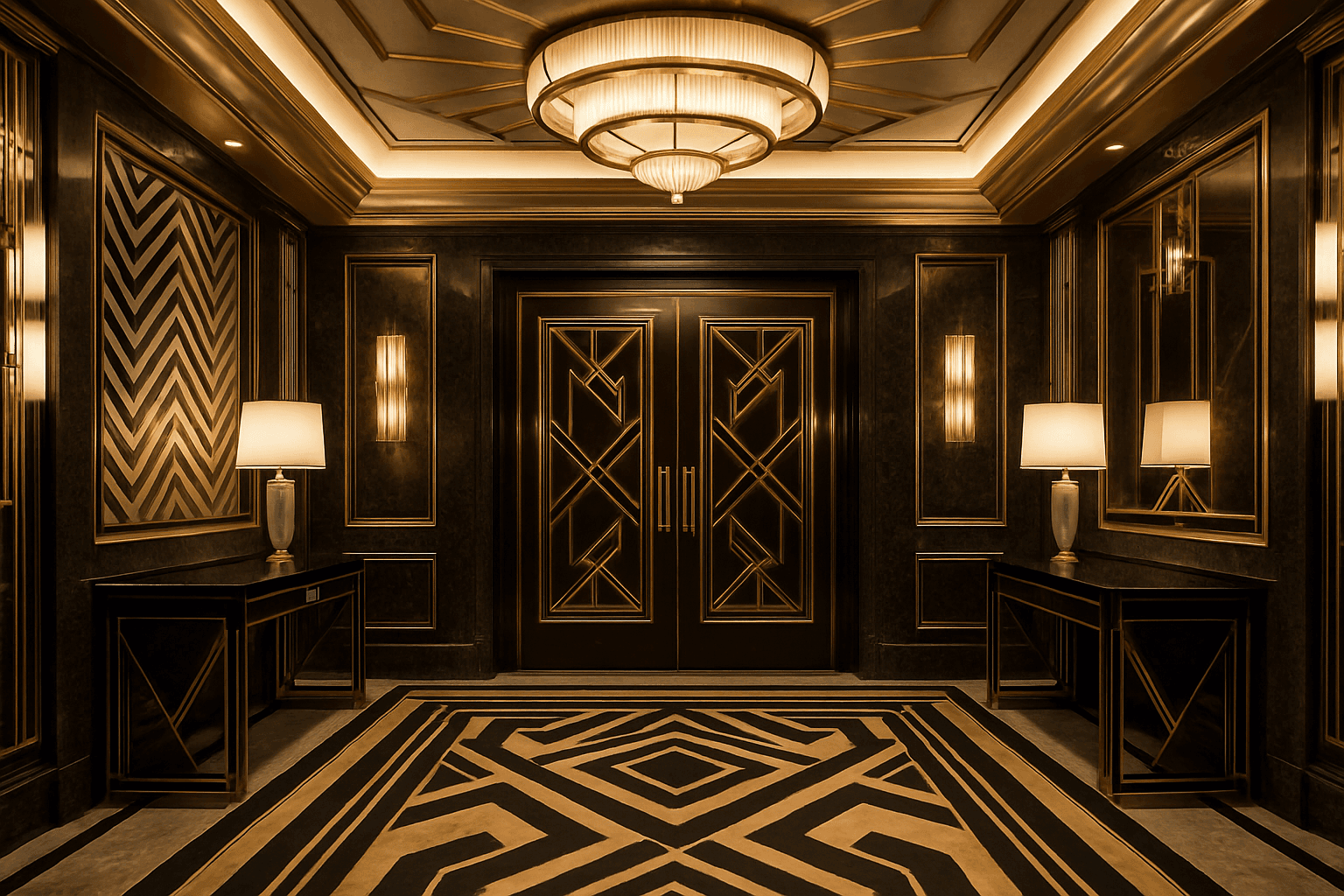
Art Deco is a defining style of the early 20th century, merging modern techniques with opulent aesthetics. It influences architecture, fashion, graphic design, and interior decoration, emphasizing clean lines, decadence, and a futuristic feel. While rooted in the industrial age, Art Deco reflects optimism and luxury, often incorporating motifs inspired by technology, nature, and ancient cultures. Its distinctive approach offers both elegance and dynamic visual rhythm, making it iconic in design history and continually inspiring contemporary creatives.
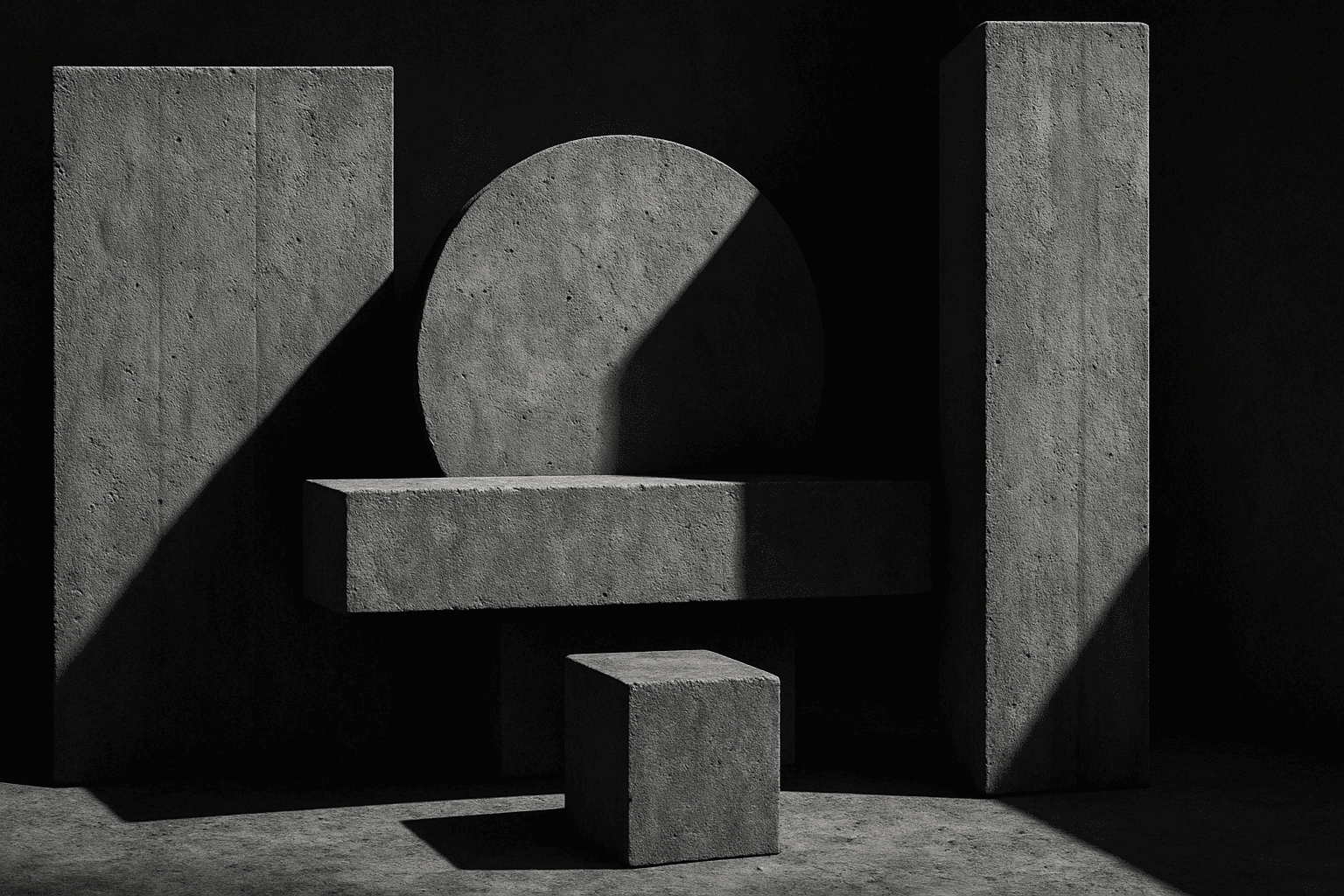
Brutalist Graphic Style
Brutalist Graphic Style channels the architectural Brutalism movement into graphic design and AI-generated imagery. This style emphasizes structural honesty, simplicity, and stark, unornamented forms. When used as a keyword in AI prompts, it guides image generation towards designs that are bold, edgy, and visually striking with minimal frivolity. Ideal for projects that want to convey strength, modernity, and a no-nonsense attitude, Brutalist Graphic Style is distinct from more decorative or soft aesthetic prompts. It helps create a commanding presence with clear lines and unrefined textures, perfect for editorial layouts, posters, or digital art with an avant-garde edge.
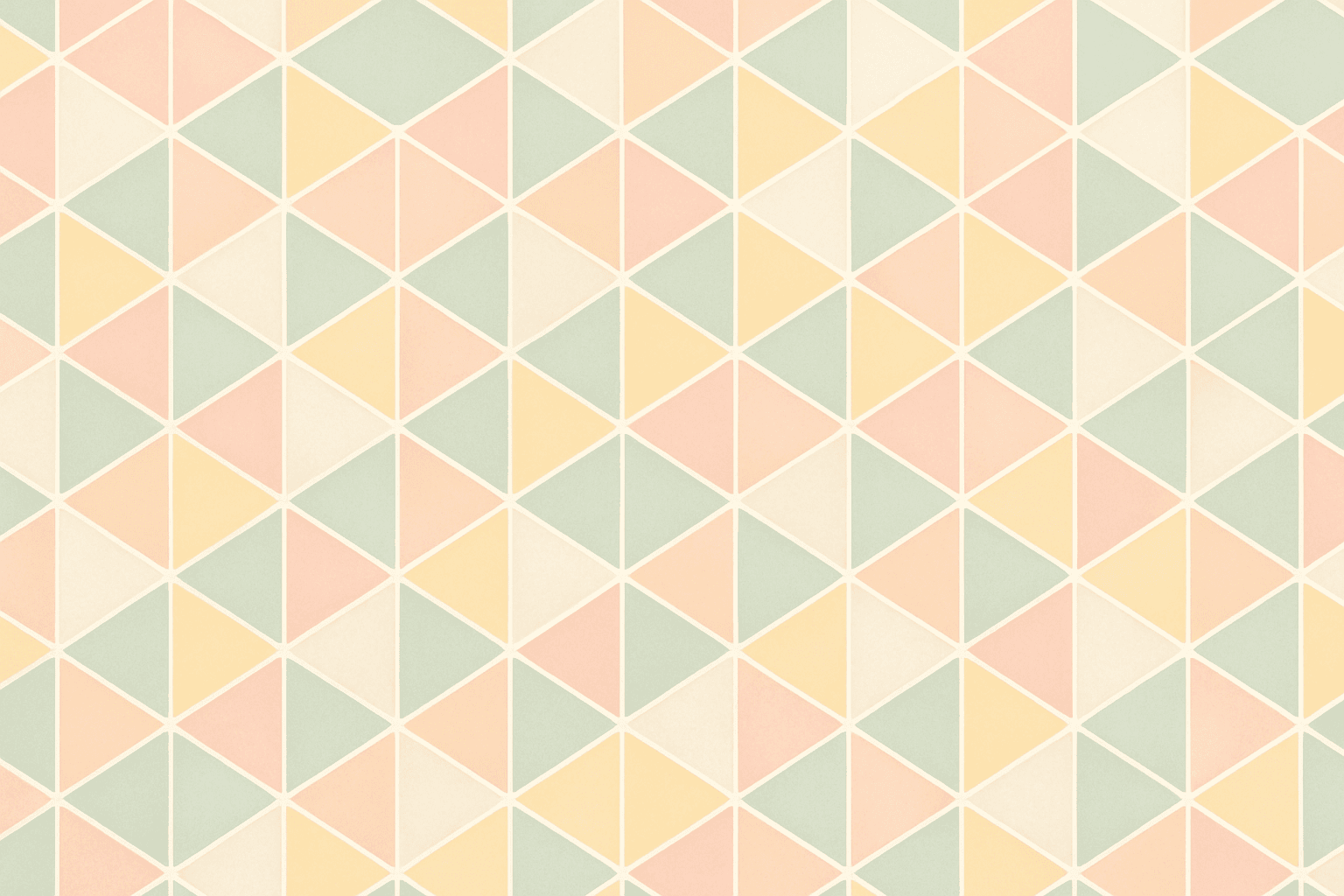
Geometric Pattern Style
Geometric Pattern Style in AI image generation harnesses the power of simple yet striking shapes to create visually compelling designs. This style is characterized by the careful arrangement of shapes such as triangles, squares, circles, and hexagons to form patterns that emphasize symmetry, repetition, and rhythm. It is widely used in contemporary art, branding, textile design, and digital interfaces to communicate clarity and modernity. When incorporated in AI prompts, it guides the model toward generating imagery that feels ordered, minimalistic, and balanced, making it ideal for editorial visuals and product backgrounds where a subtle but engaging backdrop is needed.

Isometric Graphic Style
The Isometric Graphic Style presents a visually distinct approach within AI-generative art, emphasizing a three-dimensional feel without traditional perspective. This style simplifies complex scenes by eliminating vanishing points and foreshortening, instead showing multiple sides of an object or environment simultaneously in a balanced, angular format. Artists and designers use it to convey spatial relations clearly and attractively across various applications, from game design to infographics and architectural visualization. Its precision and clarity make it ideal for communicating technical details, while its stylized geometry gives images a modern and clean aesthetic. Incorporating this style into AI prompts enhances reproducibility of consistent angles and depth, producing images with a polished, schematic look that appeals across digital design fields.