Modern Bauhaus Influence
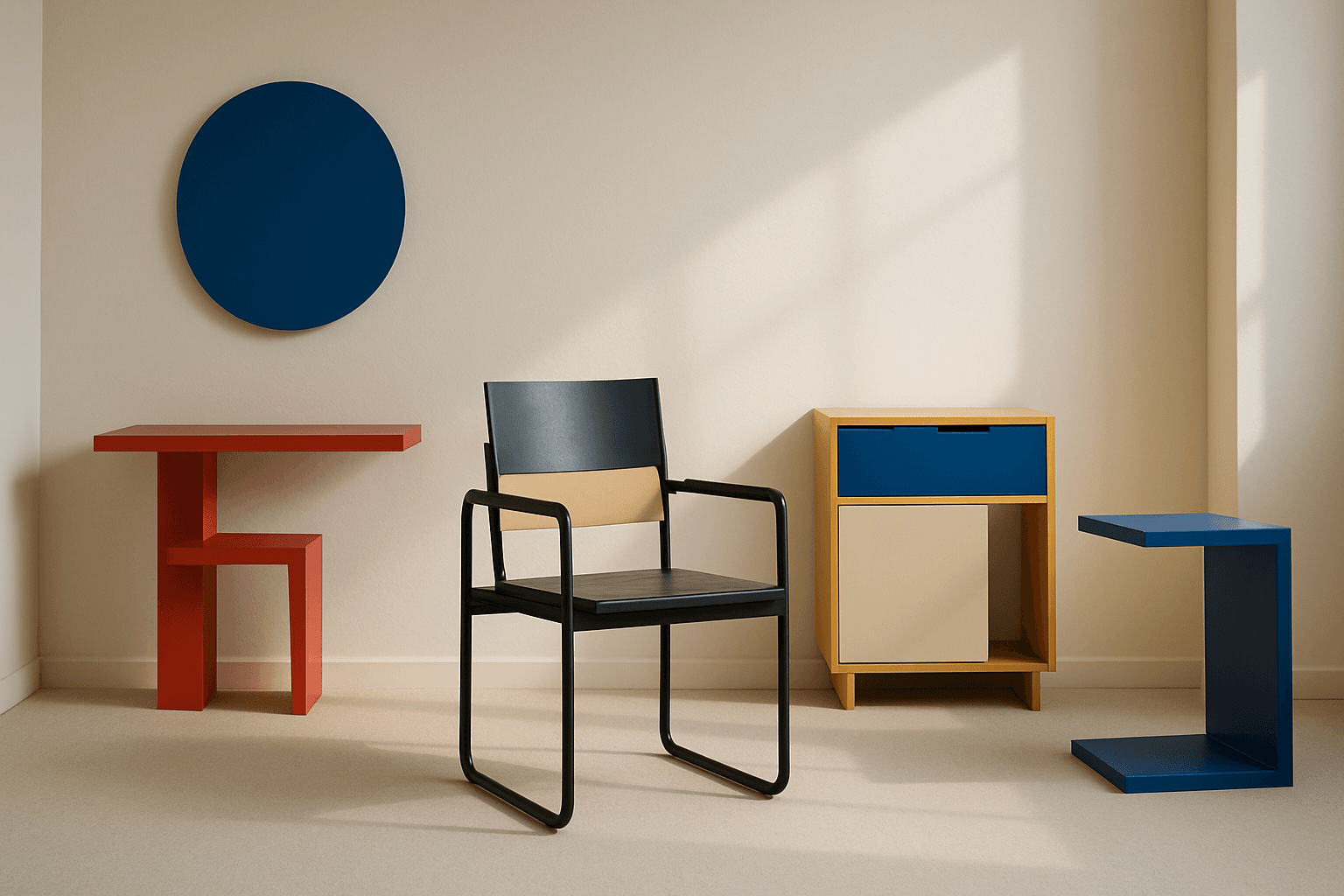
The Modern Bauhaus Influence brings the legendary design ethos of the early 20th century into a contemporary context, making it a popular style choice for AI-generated visuals. It emphasizes minimalism, function, and simplicity, combining geometric clarity with modern materials and lighting. This results in images that feel structured yet fresh, suitable for editorial, architectural, and product visualization. Unlike traditional decorative styles, Bauhaus-inspired prompts prioritize usability and form, lending themselves well to sleek, professional outputs that communicate clarity and sophistication without excessive detail.
Definition
The Modern Bauhaus Influence style in AI image generation centers on the principles of the historic Bauhaus art school, which combined crafts and fine arts with a focus on simplicity, functionality, and geometric shapes. In prompts, this means requesting clear, minimalistic compositions with strong geometry and a color palette limited to primary colors plus neutrals. It changes AI outputs to produce images with carefully balanced forms and a modernist feel that emphasizes utility and artistic clarity.
Prompt Formula
To achieve Modern Bauhaus Influence in AI prompts, build your prompt with key elements focusing on geometry, color, and context. Structure the prompt by combining:
- Specify geometric shapes (e.g., circles, squares, triangles)
- Add minimalist or functional descriptors (e.g., 'minimalist', 'functional design')
- Include modern materials or lighting (e.g., 'natural light', 'matte finish')
- Use primary colors along with neutrals (e.g., 'red, blue, yellow, black, white')
- Mention the context if relevant (e.g., 'interior', 'product design', 'abstract art')
Best Use Cases
Modern Bauhaus Influence excels in scenarios where clarity and minimalism are paramount. It works especially well for:
- Architectural visualization with an emphasis on sleek, functional spaces
- Product mockups that showcase form over decoration
- Editorial imagery needing modern, stylish compositions to complement design-focused content
Creative Variations
To keep your Modern Bauhaus images dynamic and less repetitive, experiment with:
- Lighting: use soft natural light or dramatic shadows to highlight geometry
- Composition: asymmetrical balance or centered framing to shift focus
- Color: vary saturation levels or use monochromatic schemes accented with singular primary colors
- Subject: incorporate modern materials like glass, steel, or wood for texture contrasts
Industry Applications
Modern Bauhaus Influence is a strong style choice across various commercial fields:
- Interior design marketing, where minimalism and function attract modern clients
- Ecommerce platforms requiring clean, focused product images
- Editorial and publishing, especially in magazines covering architecture, technology, and design trends
Common Mistakes
Common pitfalls when prompting Modern Bauhaus Influence include:
- Overloading the composition with too many elements, losing minimalism
- Using overly bright or clashing colors instead of restrained palettes
- Generating designs that lack functional balance by ignoring form and utility
Advanced Techniques
Experienced prompt writers can refine Modern Bauhaus outputs by:
- Layering materials, such as combining matte and glossy finishes for depth
- Specifying lighting angles to enhance geometric shadows and highlights
- Using contrast between smooth and textured surfaces to add realism
- Incorporating historic Bauhaus artist names or works as stylistic references for nuanced homage
FAQ
How do I make a prompt capture the Modern Bauhaus style effectively?
Focus on describing clean, geometric shapes, functional minimalism, and a restrained color palette using primary colors combined with neutral tones. Specify contexts like interior design or product layouts and include lighting preferences like natural or soft studio lighting.
Can Modern Bauhaus Influence work for abstract art prompts?
Yes. Abstract compositions emphasizing geometric forms, primary colors, and balanced layouts fit well within the Modern Bauhaus aesthetic and can generate compelling artistic images.
Continue Exploring
Related Prompts
Minimalist Design Style
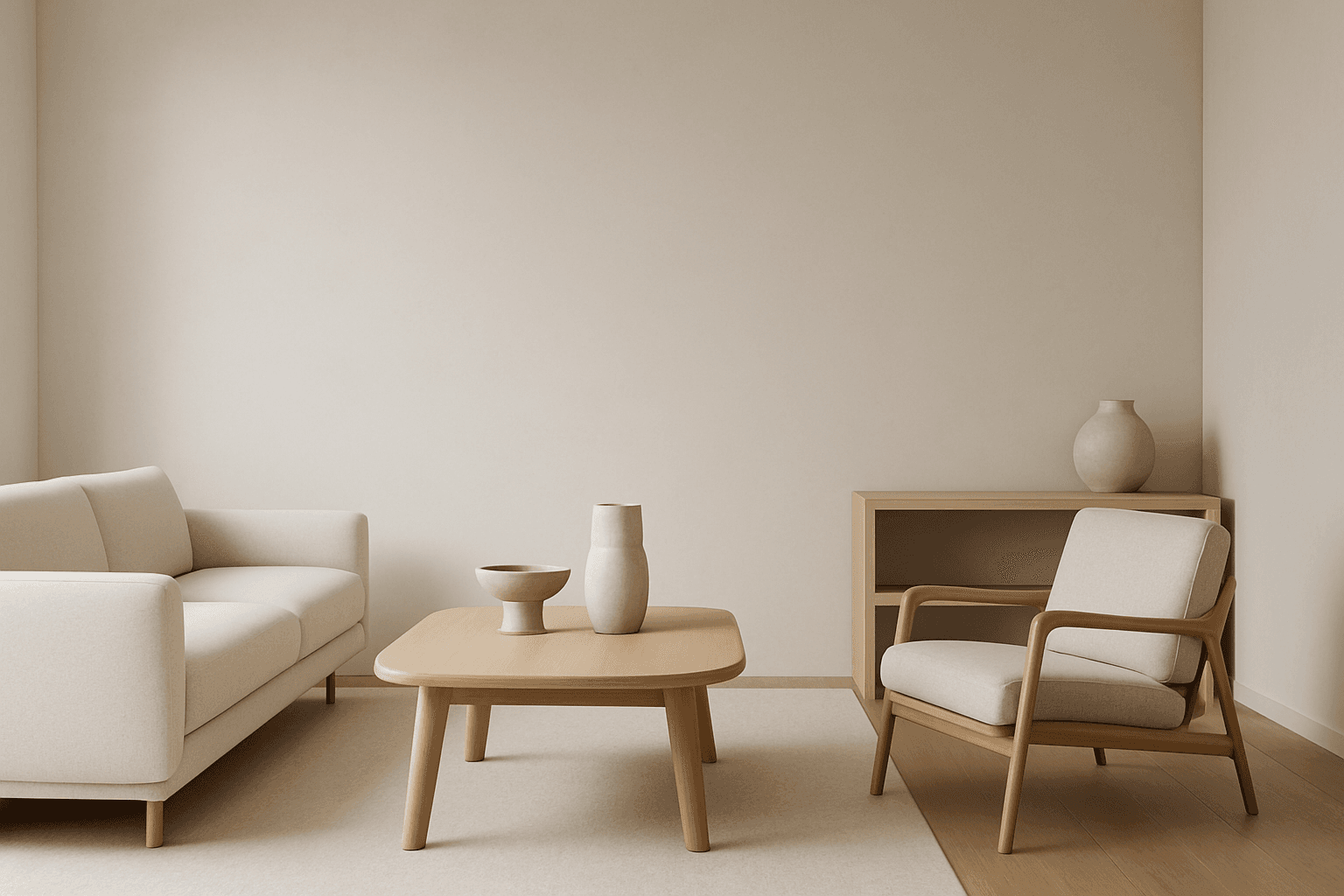
Minimalist design style is a popular artistic approach that strips visuals down to their fundamental components. It values functionality, clarity, and subtlety rather than embellishment. When used in AI image generation, it leads to creations with harmonious balance, simplicity, and impact. Minimalism favors sleek geometry, reduced ornamentation, and neutral or pastel color schemes. This style communicates sophistication and modern elegance, making it well suited for branding, editorial illustrations, product visuals, and architectural imagery. Adopting minimalist design in prompts guides AI to focus on essential shapes and textures, delivering images with visual calm and refined aesthetics.
Bauhaus
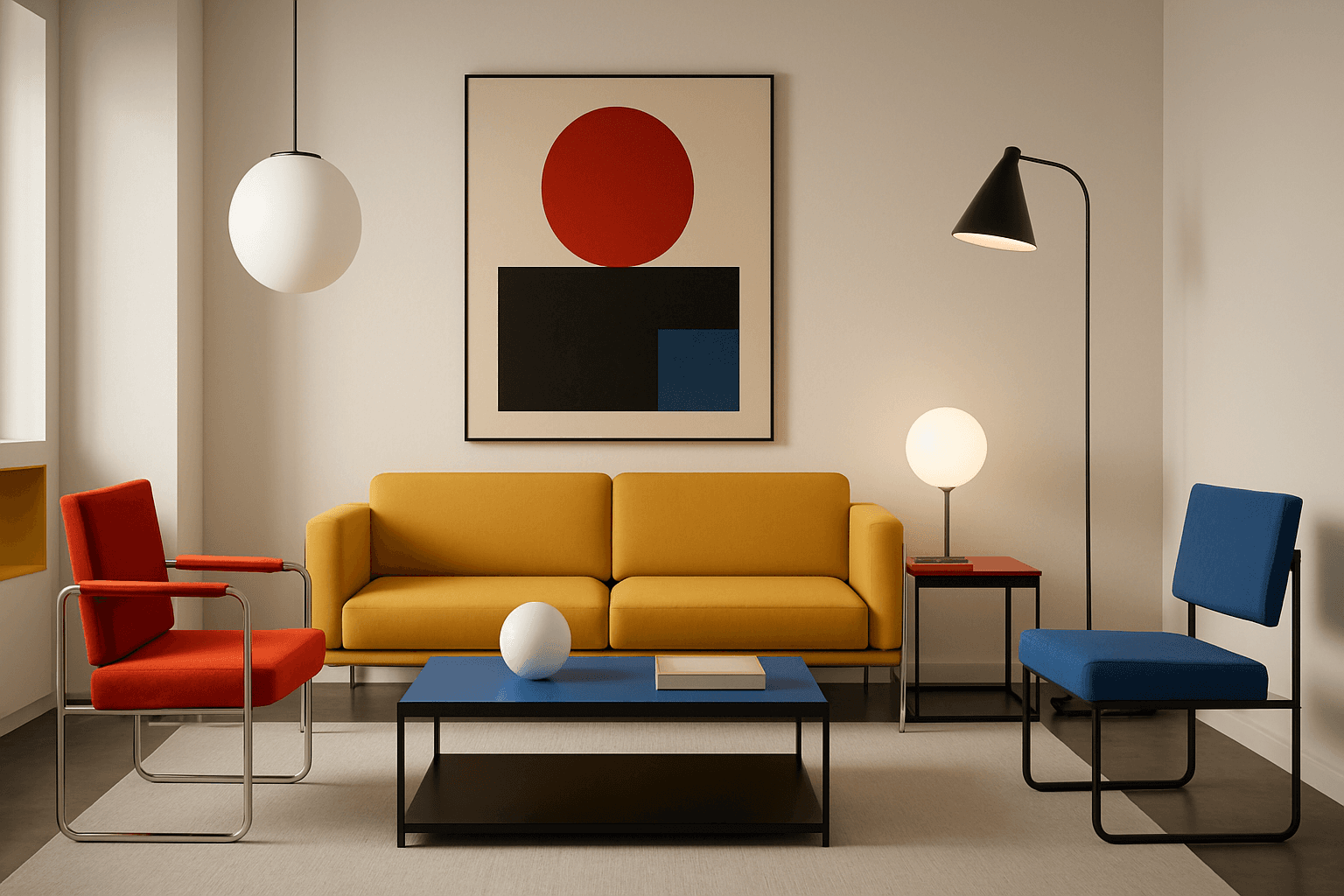
The Bauhaus style emerged from the influential German art school founded by Walter Gropius in 1919, revolutionizing design by combining crafts and fine arts, focusing on functionality and minimalism. It abandoned elaborate decoration in favor of straightforward geometry and industrial materials. Bauhaus permeates architecture, furniture design, graphic arts, and typography, underpinning modern design philosophies worldwide. Its principles emphasize form following function, harmony between aesthetics and usability, and reduction to essentials, inspiring contemporary designers and architects beyond its historical period.
Mid Century Modern
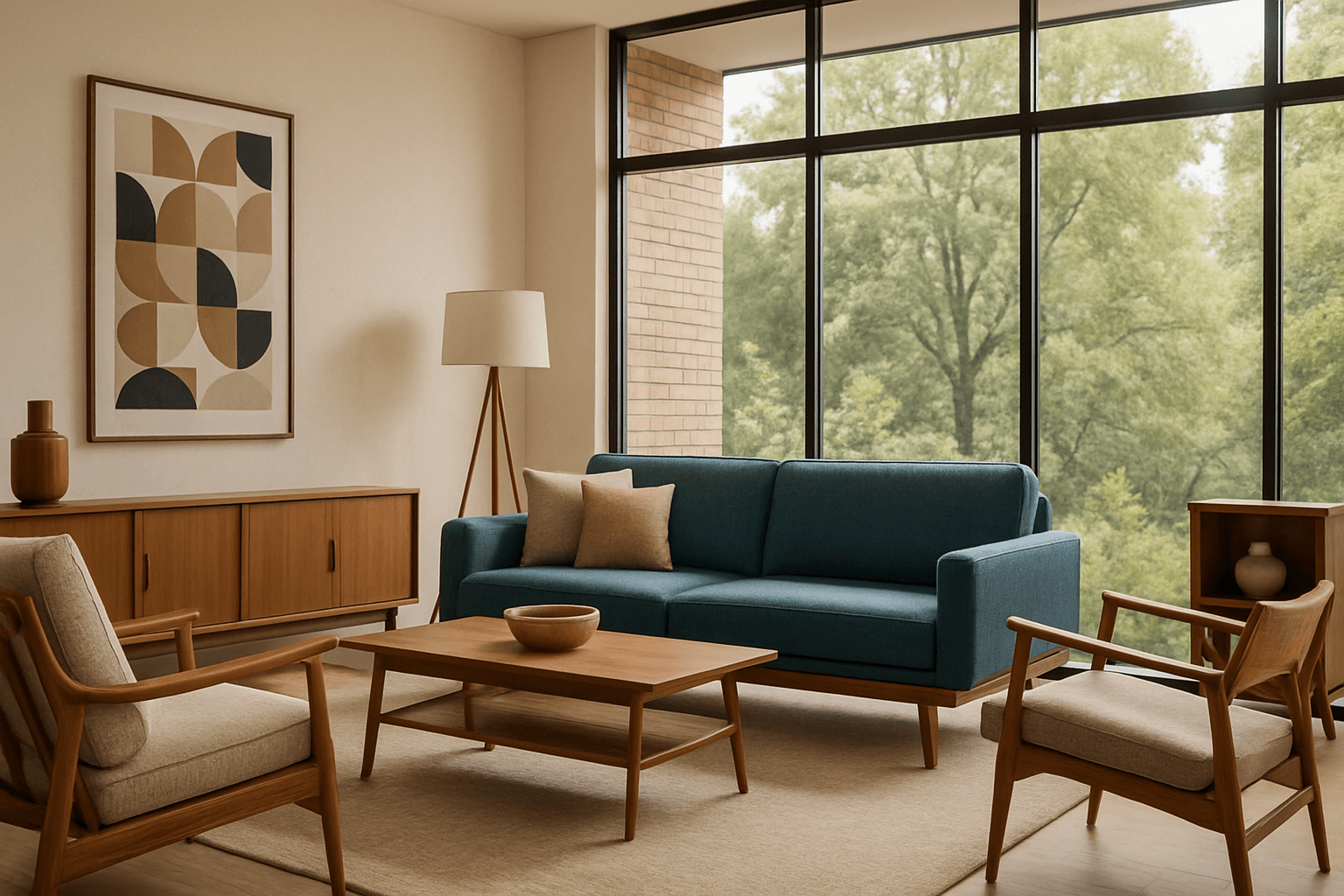
Mid Century Modern is a highly influential design style recognized for its minimalistic approach and timeless elegance. It emerged post-World War II and combines organic influences with technological advances, focusing on simplicity and functionality. The style uses natural materials such as wood, combined with sleek metals and glass to create warm yet modern environments. Its emphasis on clean lines, gentle curves, and open spaces continues to inspire designers across furniture, architecture, and graphic arts. For AI image generation, incorporating Mid Century Modern elements ensures visuals that are both stylish and universally appealing, reflecting a refined, yet approachable aesthetic.
Art Deco
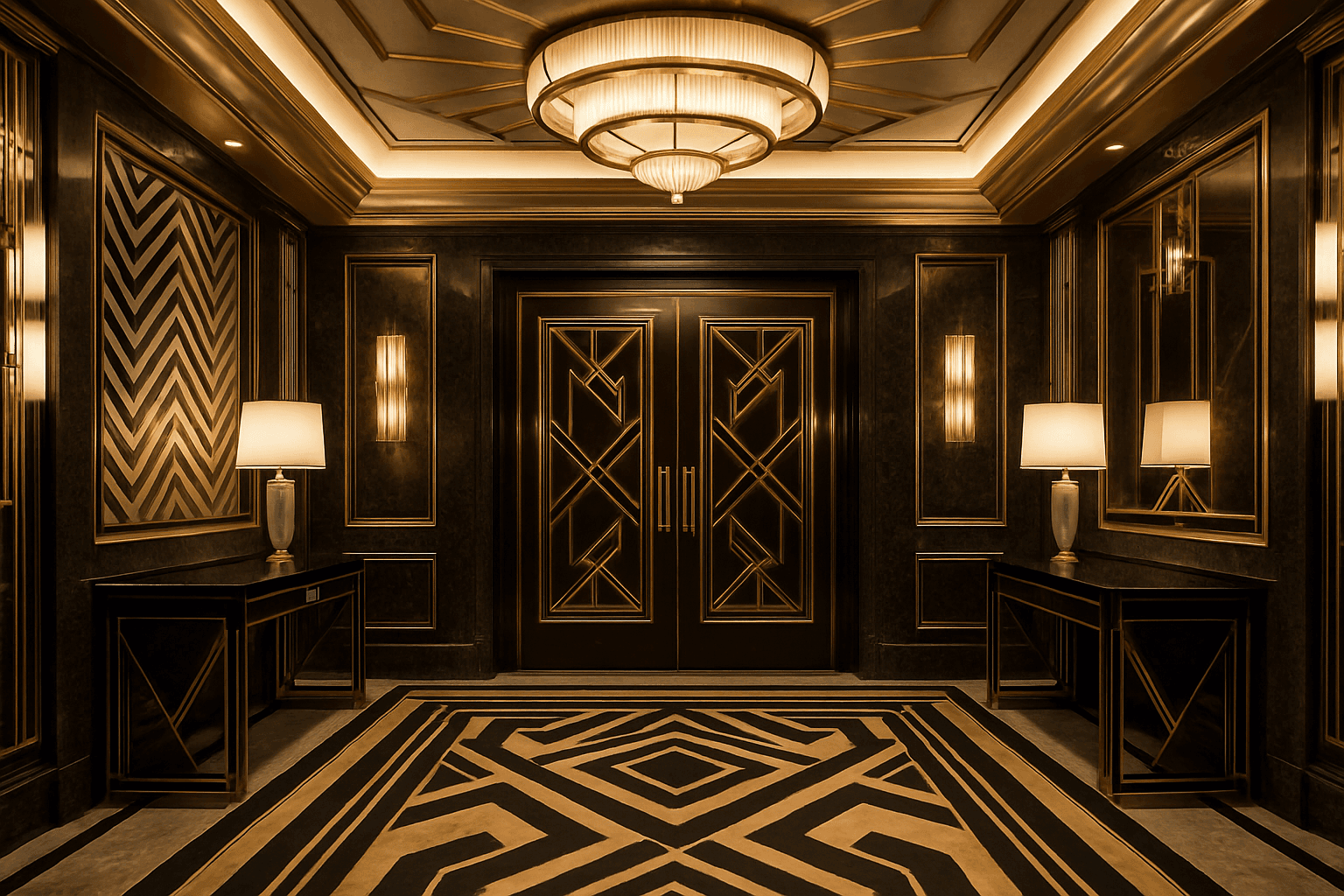
Art Deco is a defining style of the early 20th century, merging modern techniques with opulent aesthetics. It influences architecture, fashion, graphic design, and interior decoration, emphasizing clean lines, decadence, and a futuristic feel. While rooted in the industrial age, Art Deco reflects optimism and luxury, often incorporating motifs inspired by technology, nature, and ancient cultures. Its distinctive approach offers both elegance and dynamic visual rhythm, making it iconic in design history and continually inspiring contemporary creatives.

Graphic Line Art Style
Graphic Line Art Style is a visually striking illustration approach emphasizing clarity and simplicity through well-defined lines. It focuses on outlining forms with precision and minimalistic detail, avoiding heavy shading or elaborate color schemes. This style is popular in editorial illustrations, logos, and iconography due to its crisp readability and modern aesthetic. When incorporated into AI image prompts, it directs the model to produce minimalist visuals that can easily adapt to various themes while maintaining a clean, graphic look. Its simplicity makes it versatile for both monochrome and limited color compositions, suitable for branding, presentations, and artistic sketches where impact comes from form rather than texture or color richness.
Minimalist Icon Set Design
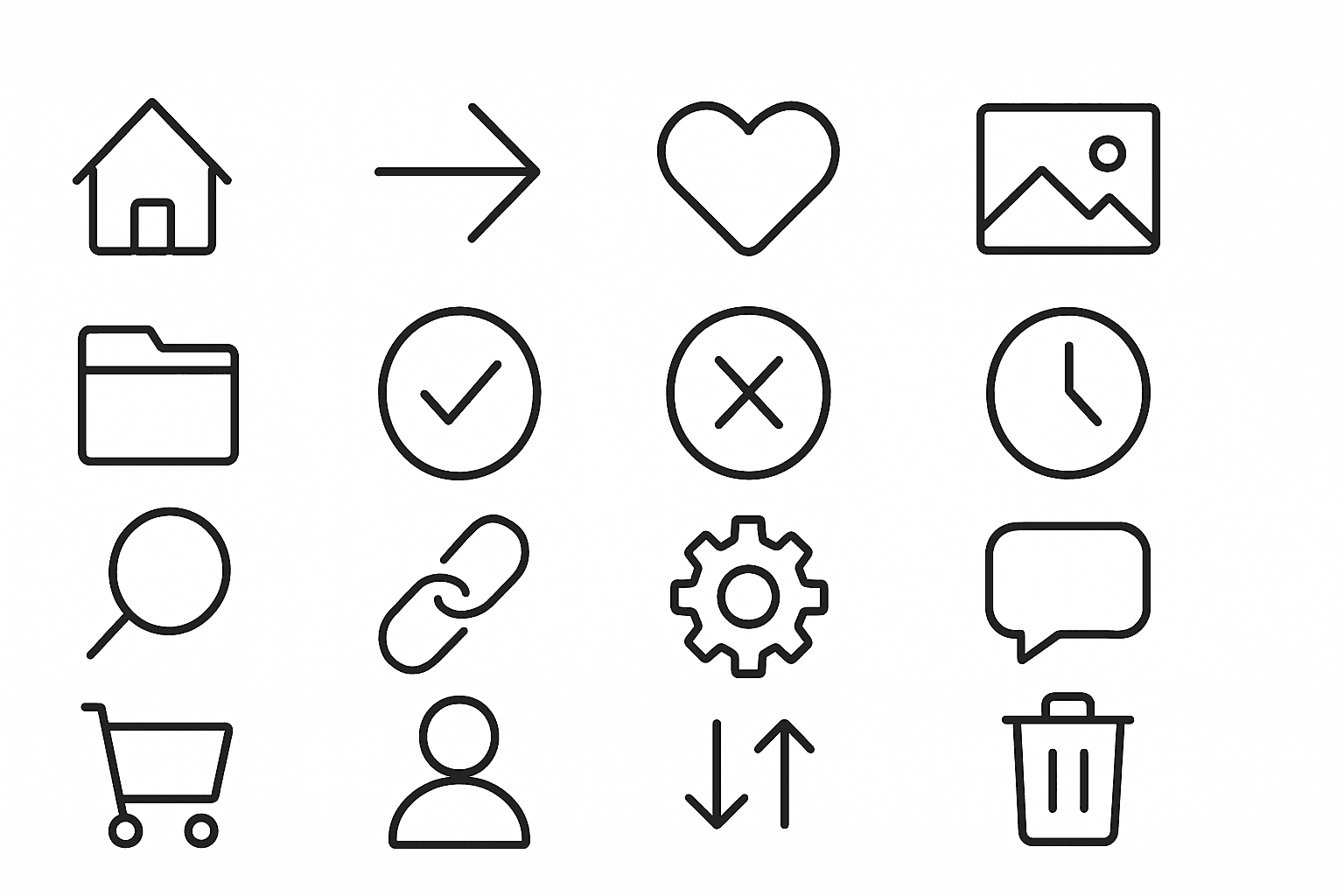
Minimalist Icon Set Design is a style that emphasizes simplicity and clarity in visual communication through icons. It leverages geometric shapes, flat colors, and streamlined forms to create symbols that are immediately recognizable and versatile across various platforms. This style is popular for interfaces, websites, and branding where clarity and quick comprehension are essential. When incorporated into AI prompts, it guides image models to prioritize clean lines, restrained details, and functional aesthetics, resulting in icons that feel modern and professional. The minimalist approach also enhances scalability, ensuring icons remain legible at small sizes.