Bauhaus
The Bauhaus style emerged from the influential German art school founded by Walter Gropius in 1919, revolutionizing design by combining crafts and fine arts, focusing on functionality and minimalism. It abandoned elaborate decoration in favor of straightforward geometry and industrial materials. Bauhaus permeates architecture, furniture design, graphic arts, and typography, underpinning modern design philosophies worldwide. Its principles emphasize form following function, harmony between aesthetics and usability, and reduction to essentials, inspiring contemporary designers and architects beyond its historical period.
Definition
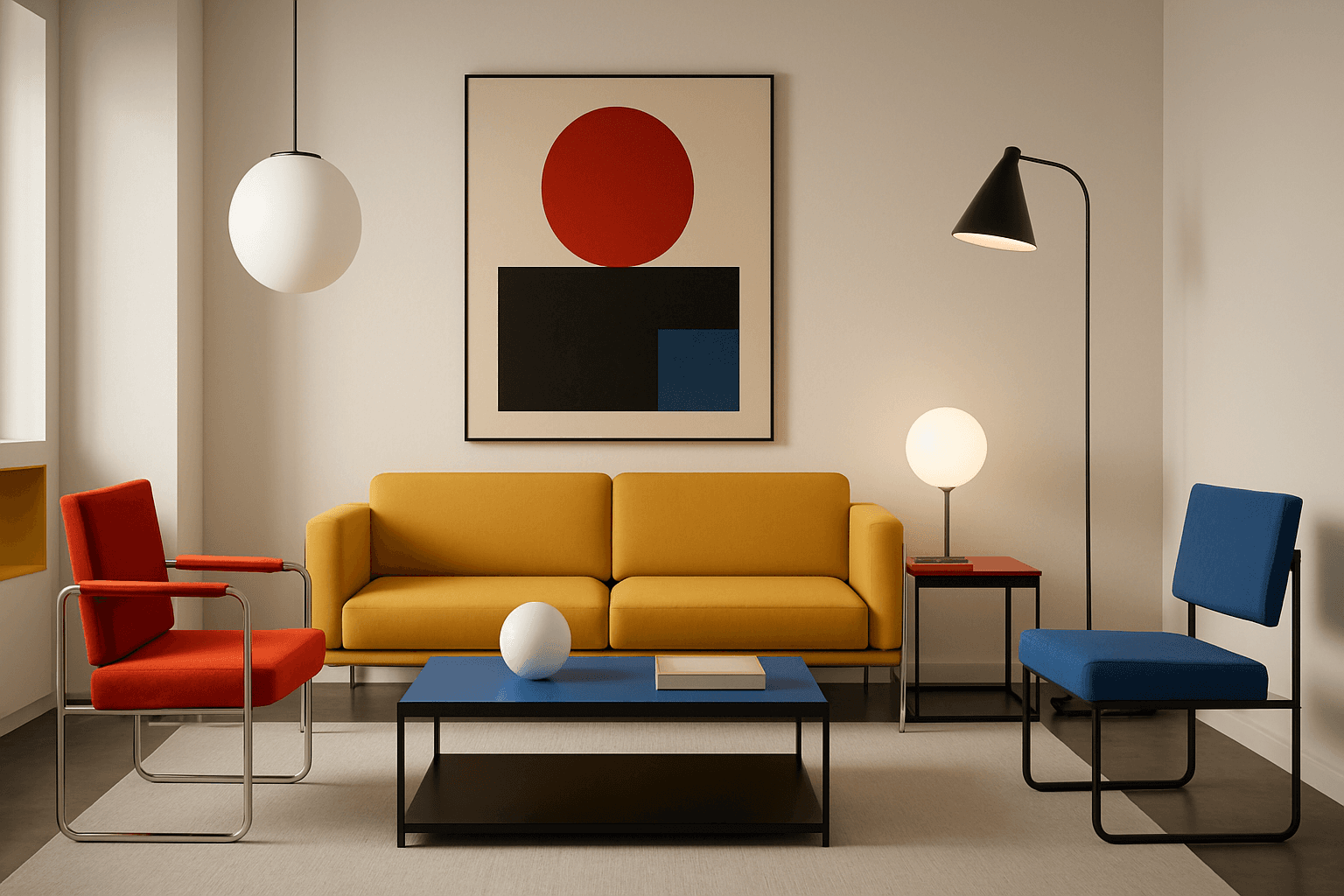
Bauhaus is a modernist design style originating from the German Bauhaus school (1919-1933), characterized by its focus on function, simplicity, and the integration of art, craft, and technology. It features minimalistic geometric shapes, clean lines, and a reduced color palette emphasizing form and purpose over decoration.
Visual Characteristics
- Simple geometric shapes and forms
- Clean, unornamented lines
- Use of primary colors with black, white, and neutrals
Best Use Cases
- Graphic design projects needing minimalist clarity
- Modern architecture and interior design concepts
- Product design emphasizing function and form
Prompt Examples
- Create a Bauhaus-inspired poster with geometric shapes and primary colors
- Design a Bauhaus-style chair featuring clean lines and industrial materials
- Illustrate a modern living room with Bauhaus furniture and minimal decor
Adobe Stock Potential
Bauhaus-themed images hold strong commercial potential due to enduring interest in modernist aesthetics across advertising, editorial, and design industries. Photos and illustrations showcasing Bauhaus geometry, architecture, and objects cater well to clients seeking timeless, clean visuals. These images perform well in digital media, marketing campaigns, and product promotions that require sophisticated yet accessible looks. Consistent with premium stock image standards, Bauhaus visuals can appeal broadly to architects, designers, educators, and creative agencies.
FAQ
What is the main principle of Bauhaus design?
The main principle is that form follows function, meaning design should prioritize practical purpose over decoration.
How does Bauhaus differ from other art movements?
Bauhaus combines fine arts with crafts focusing on practicality and simplicity, unlike movements that emphasize ornamentation or emotional expression.
Can Bauhaus style be used in digital design?
Yes, its clean lines and minimalism translate well into user interfaces, branding, and digital graphics promoting clarity and usability.
Continue Exploring
Related Prompts
Modern Bauhaus Influence
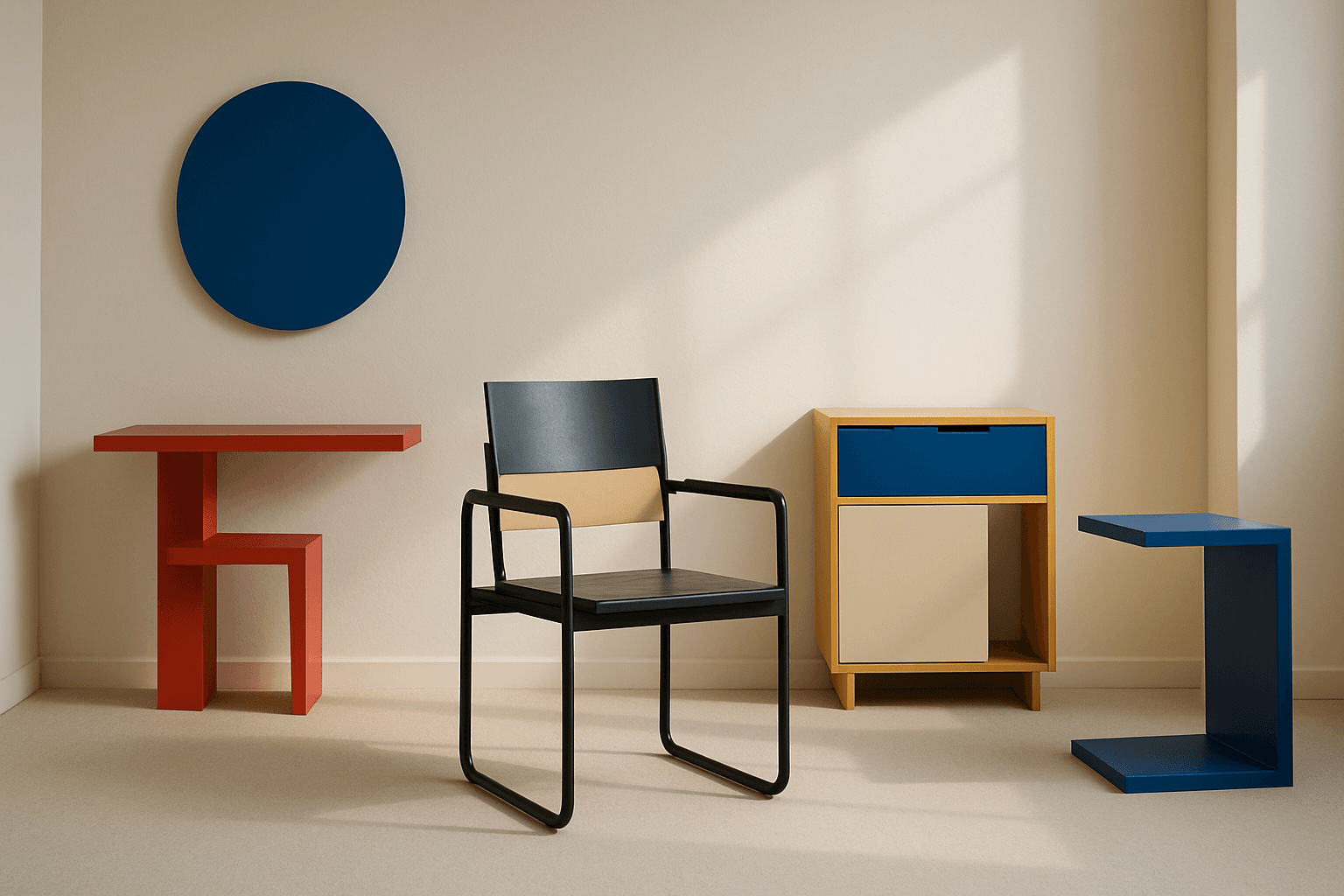
The Modern Bauhaus Influence brings the legendary design ethos of the early 20th century into a contemporary context, making it a popular style choice for AI-generated visuals. It emphasizes minimalism, function, and simplicity, combining geometric clarity with modern materials and lighting. This results in images that feel structured yet fresh, suitable for editorial, architectural, and product visualization. Unlike traditional decorative styles, Bauhaus-inspired prompts prioritize usability and form, lending themselves well to sleek, professional outputs that communicate clarity and sophistication without excessive detail.
Art Deco
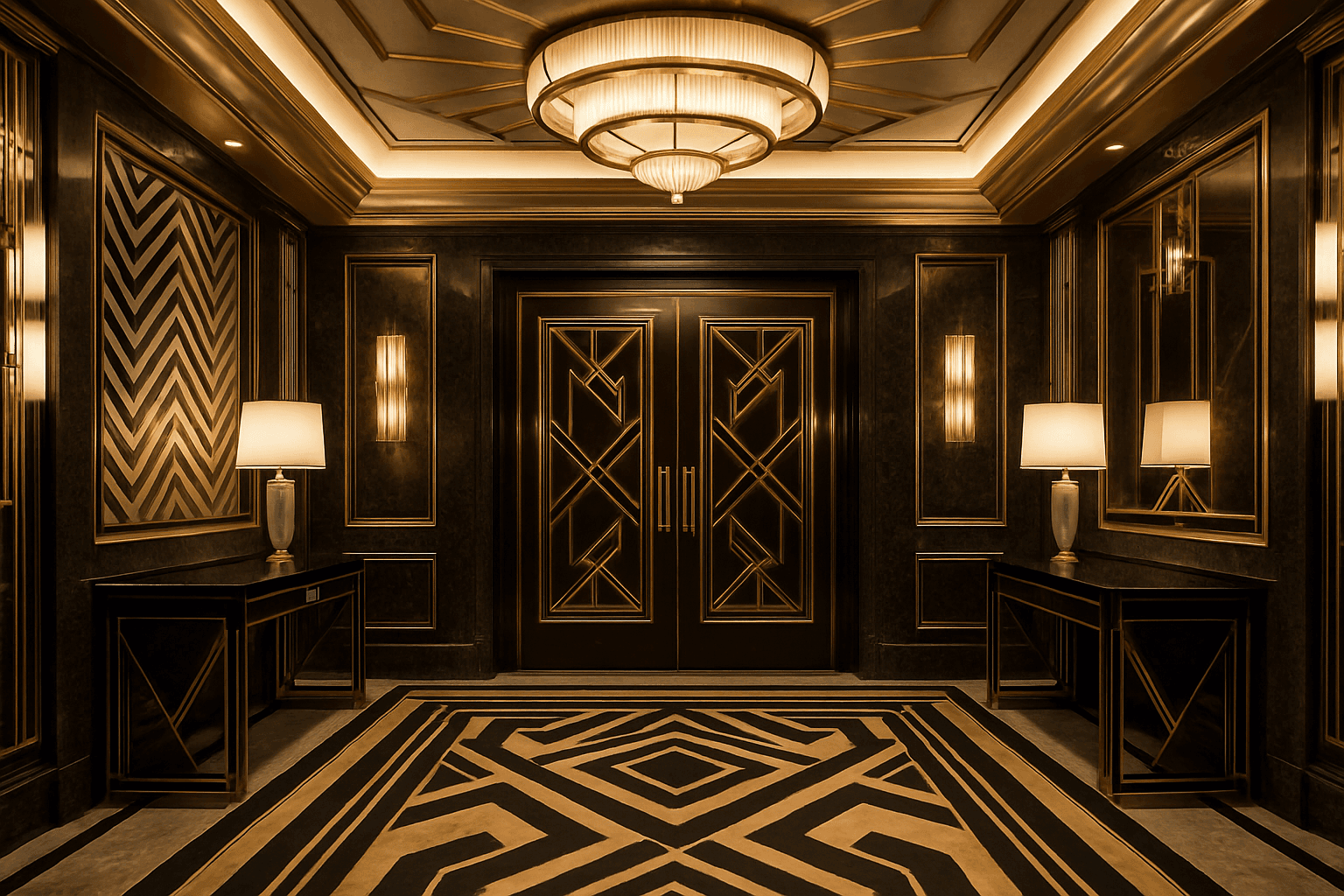
Art Deco is a defining style of the early 20th century, merging modern techniques with opulent aesthetics. It influences architecture, fashion, graphic design, and interior decoration, emphasizing clean lines, decadence, and a futuristic feel. While rooted in the industrial age, Art Deco reflects optimism and luxury, often incorporating motifs inspired by technology, nature, and ancient cultures. Its distinctive approach offers both elegance and dynamic visual rhythm, making it iconic in design history and continually inspiring contemporary creatives.
Minimalist Design Style
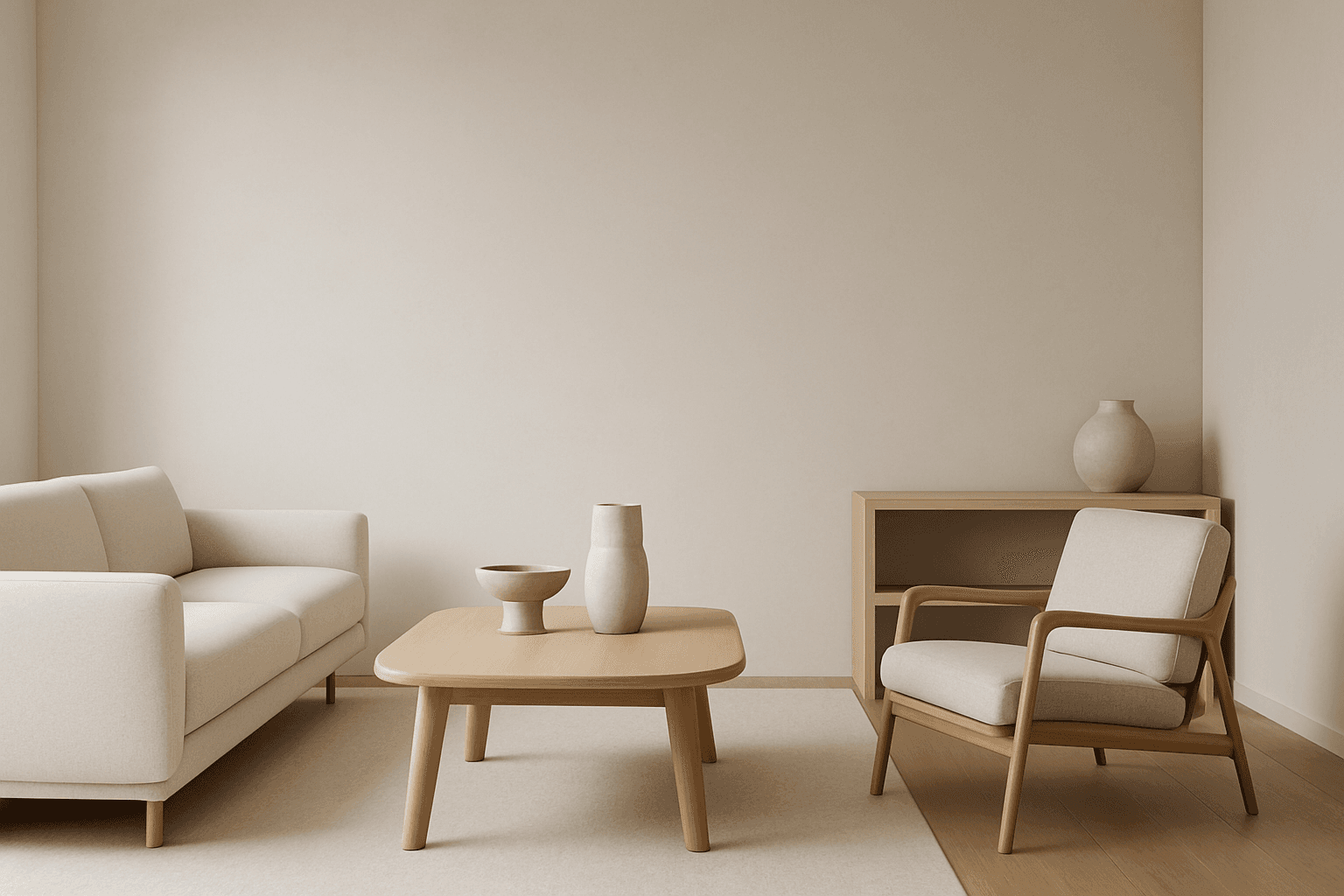
Minimalist design style is a popular artistic approach that strips visuals down to their fundamental components. It values functionality, clarity, and subtlety rather than embellishment. When used in AI image generation, it leads to creations with harmonious balance, simplicity, and impact. Minimalism favors sleek geometry, reduced ornamentation, and neutral or pastel color schemes. This style communicates sophistication and modern elegance, making it well suited for branding, editorial illustrations, product visuals, and architectural imagery. Adopting minimalist design in prompts guides AI to focus on essential shapes and textures, delivering images with visual calm and refined aesthetics.

Graphic Line Art Style
Graphic Line Art Style is a visually striking illustration approach emphasizing clarity and simplicity through well-defined lines. It focuses on outlining forms with precision and minimalistic detail, avoiding heavy shading or elaborate color schemes. This style is popular in editorial illustrations, logos, and iconography due to its crisp readability and modern aesthetic. When incorporated into AI image prompts, it directs the model to produce minimalist visuals that can easily adapt to various themes while maintaining a clean, graphic look. Its simplicity makes it versatile for both monochrome and limited color compositions, suitable for branding, presentations, and artistic sketches where impact comes from form rather than texture or color richness.
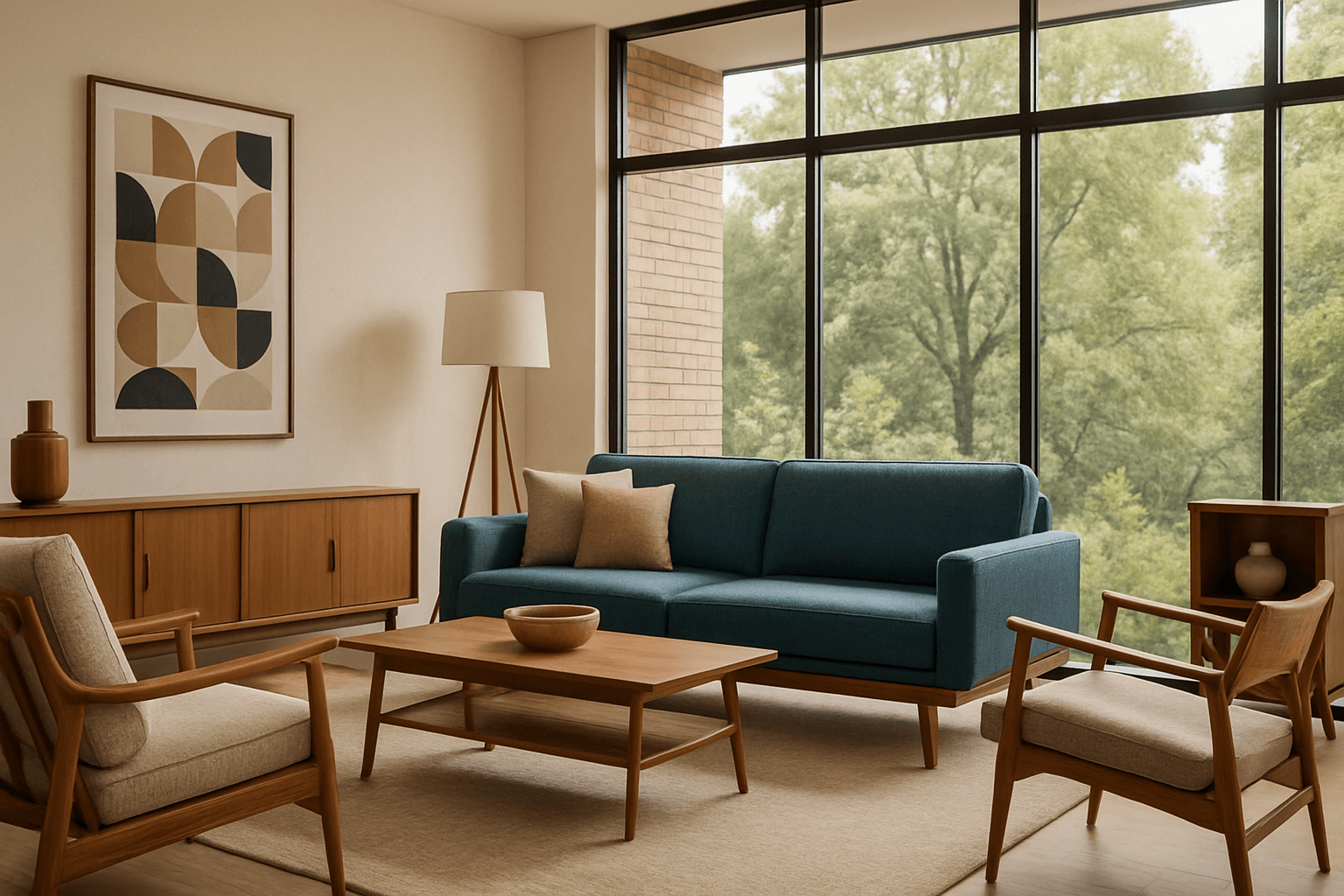
Mid Century Modern
Mid Century Modern is a highly influential design style recognized for its minimalistic approach and timeless elegance. It emerged post-World War II and combines organic influences with technological advances, focusing on simplicity and functionality. The style uses natural materials such as wood, combined with sleek metals and glass to create warm yet modern environments. Its emphasis on clean lines, gentle curves, and open spaces continues to inspire designers across furniture, architecture, and graphic arts. For AI image generation, incorporating Mid Century Modern elements ensures visuals that are both stylish and universally appealing, reflecting a refined, yet approachable aesthetic.
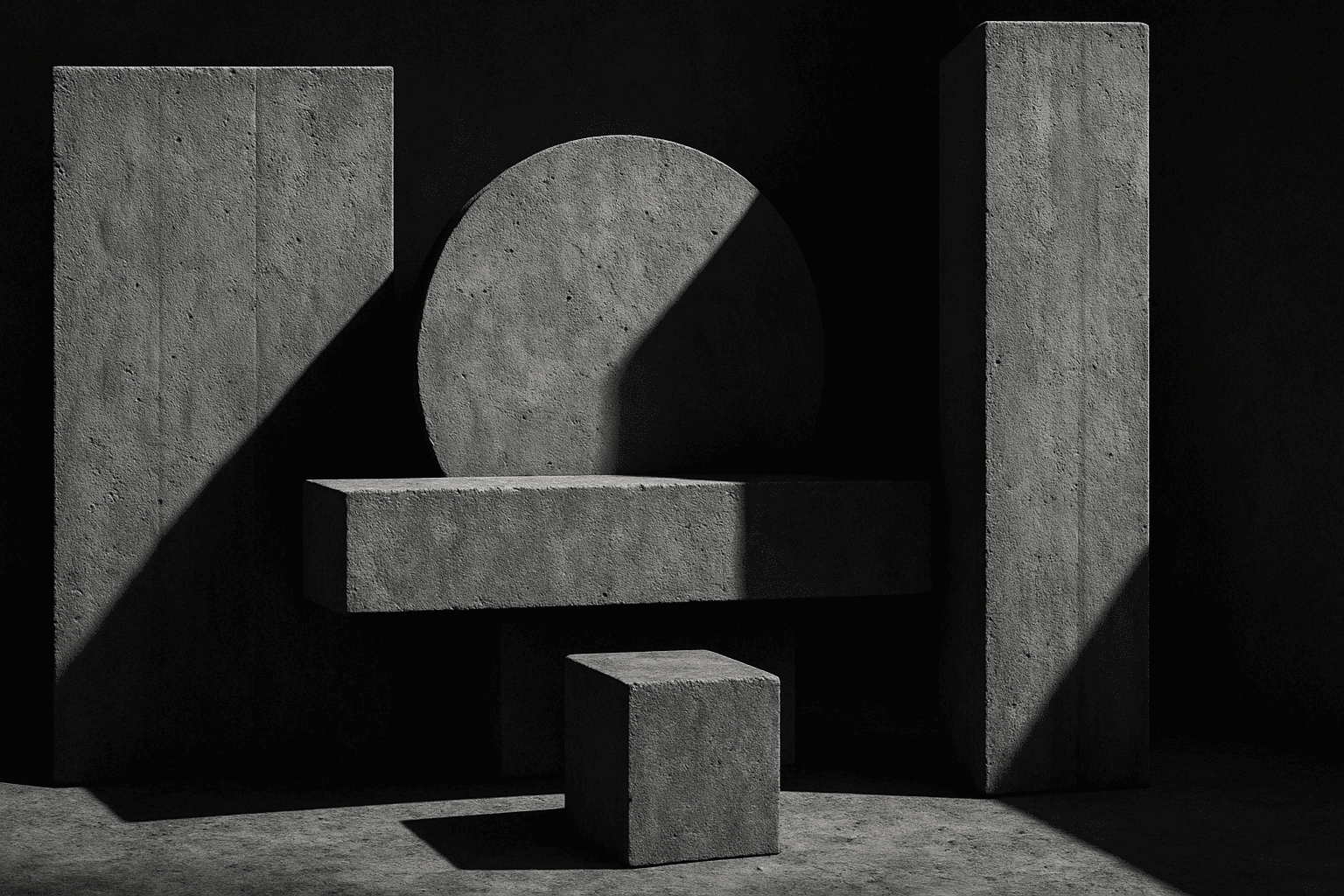
Brutalist Graphic Style
Brutalist Graphic Style channels the architectural Brutalism movement into graphic design and AI-generated imagery. This style emphasizes structural honesty, simplicity, and stark, unornamented forms. When used as a keyword in AI prompts, it guides image generation towards designs that are bold, edgy, and visually striking with minimal frivolity. Ideal for projects that want to convey strength, modernity, and a no-nonsense attitude, Brutalist Graphic Style is distinct from more decorative or soft aesthetic prompts. It helps create a commanding presence with clear lines and unrefined textures, perfect for editorial layouts, posters, or digital art with an avant-garde edge.