Brutalist Graphic Style
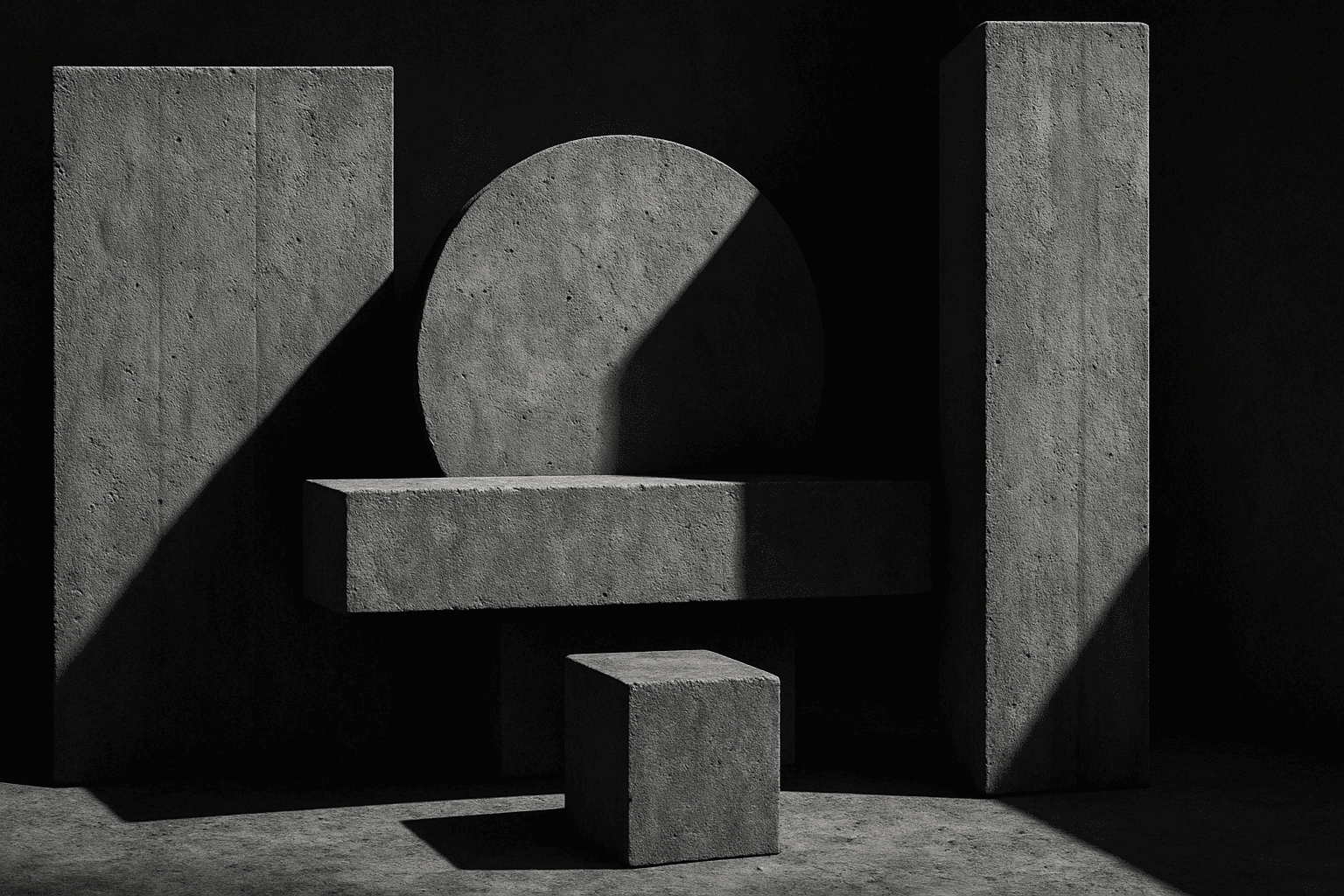
Brutalist Graphic Style channels the architectural Brutalism movement into graphic design and AI-generated imagery. This style emphasizes structural honesty, simplicity, and stark, unornamented forms. When used as a keyword in AI prompts, it guides image generation towards designs that are bold, edgy, and visually striking with minimal frivolity. Ideal for projects that want to convey strength, modernity, and a no-nonsense attitude, Brutalist Graphic Style is distinct from more decorative or soft aesthetic prompts. It helps create a commanding presence with clear lines and unrefined textures, perfect for editorial layouts, posters, or digital art with an avant-garde edge.
Definition
Brutalist Graphic Style is a design approach derived from Brutalist architecture, emphasizing raw, bold, and utilitarian visuals. In AI imaging, this keyword directs the model to create images with strong geometric forms, minimal color palettes, and textured, concrete-like surfaces. It strips away decorative details, focusing on simplicity and structural honesty, ideal for commanding and edgy designs.
- Sharp geometric shapes and blocky structures
- Limited, often monochrome color schemes
- Textured surfaces mimicking concrete or raw materials
Prompt Formula
To generate Brutalist-style images, use prompt patterns combining terms that emphasize form, texture, and minimalism. Typical formulas might include a focus on materials, shape, and lighting to evoke the style's essence. Example formula components include:
- Brutalist graphic style + material descriptor (e.g., concrete, stone)
- + geometric/block shapes + minimal color palette
- + lighting terms like harsh shadows or stark contrasts
Best Use Cases
Brutalist Graphic Style excels in scenarios needing a strong visual statement with minimalism and edge. It is particularly suitable for:
- Urban and architectural editorial posters emphasizing form over ornamentation
- Brand identity visuals for startups or tech companies wanting a bold, uncompromising aesthetic
- Digital art projects focusing on abstract geometric compositions and harsh textures
Creative Variations
To avoid repetitive results, tweak Brutalist prompts by experimenting with lighting, colors, and composition:
- Add muted or desaturated accent colors for subtle warmth
- Use overhead or side lighting to emphasize texture depth
- Incorporate asymmetrical or diagonal geometric layouts
- Blend raw textures like rusted metal alongside concrete
Industry Applications
Brutalist Graphic Style serves commercial needs in several industries:
- Advertising campaigns targeting urban lifestyle or minimalist brands
- Editorial design for magazines focusing on architecture, technology, or contemporary art
- Ecommerce product presentations where durability and raw aesthetic appeal are key, such as in industrial tools or tech hardware
Common Mistakes
When prompting for Brutalist Graphic Style, users often run into pitfalls:
- Overloading the prompt with unrelated decorative descriptors that soften the brutalist edge
- Using overly bright or saturated colors that clash with the style’s minimal palette
- Generating images with too smooth or polished textures, losing the intended raw and rugged feel
- Including complex backgrounds or busy elements that distract from the main geometric forms
Advanced Techniques
Experienced prompt writers can refine Brutalist-style outputs by applying nuanced constraints and combinations:
- Specify exact material textures like raw concrete with visible aggregate or weathered surfaces
- Combine Brutalist style with monochrome or duotone color grading for mood enhancement
- Use modifiers like "harsh directional lighting" or "deep shadows" to heighten contrast and 3D effect
- Add scale cues such as "oversized structures" or "macro textures" to vary image impact
FAQ
What is Brutalist Graphic Style in AI image prompts?
It is a style keyword directing AI to create images with raw, bold geometric forms, minimal colors, and textured surfaces inspired by Brutalist architecture and design.
How can I avoid generic Brutalist images?
Incorporate specific materials, lighting details, and compositional variations in your prompts to add uniqueness and depth to Brutalist images.
Continue Exploring
Related Prompts
Graphic Line Art Style
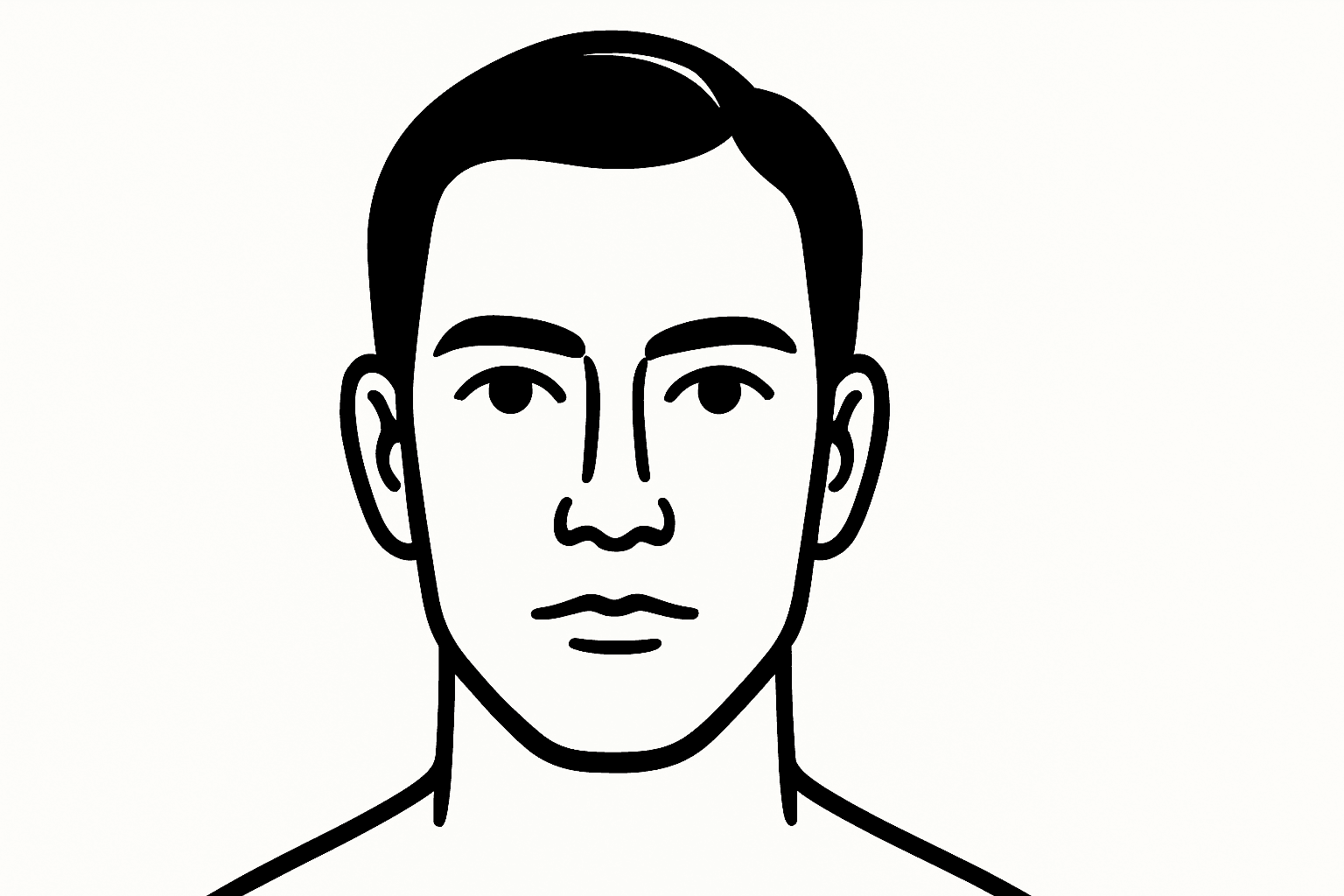
Graphic Line Art Style is a visually striking illustration approach emphasizing clarity and simplicity through well-defined lines. It focuses on outlining forms with precision and minimalistic detail, avoiding heavy shading or elaborate color schemes. This style is popular in editorial illustrations, logos, and iconography due to its crisp readability and modern aesthetic. When incorporated into AI image prompts, it directs the model to produce minimalist visuals that can easily adapt to various themes while maintaining a clean, graphic look. Its simplicity makes it versatile for both monochrome and limited color compositions, suitable for branding, presentations, and artistic sketches where impact comes from form rather than texture or color richness.

Flat Graphic Style
The Flat Graphic Style is a popular design approach that emphasizes simplicity and clarity. It removes three-dimensional effects like shadows and highlights, focusing on clean, bold shapes and monochromatic or limited color palettes. This style is widely used in digital and print media for its readability and modern aesthetic. When used in AI prompt engineering, it guides the image generation toward compositions that look graphic and stylized rather than photorealistic. This makes it ideal for editorial illustrations, icons, and various branding materials where clarity and impact are essential.
Geometric Pattern Style
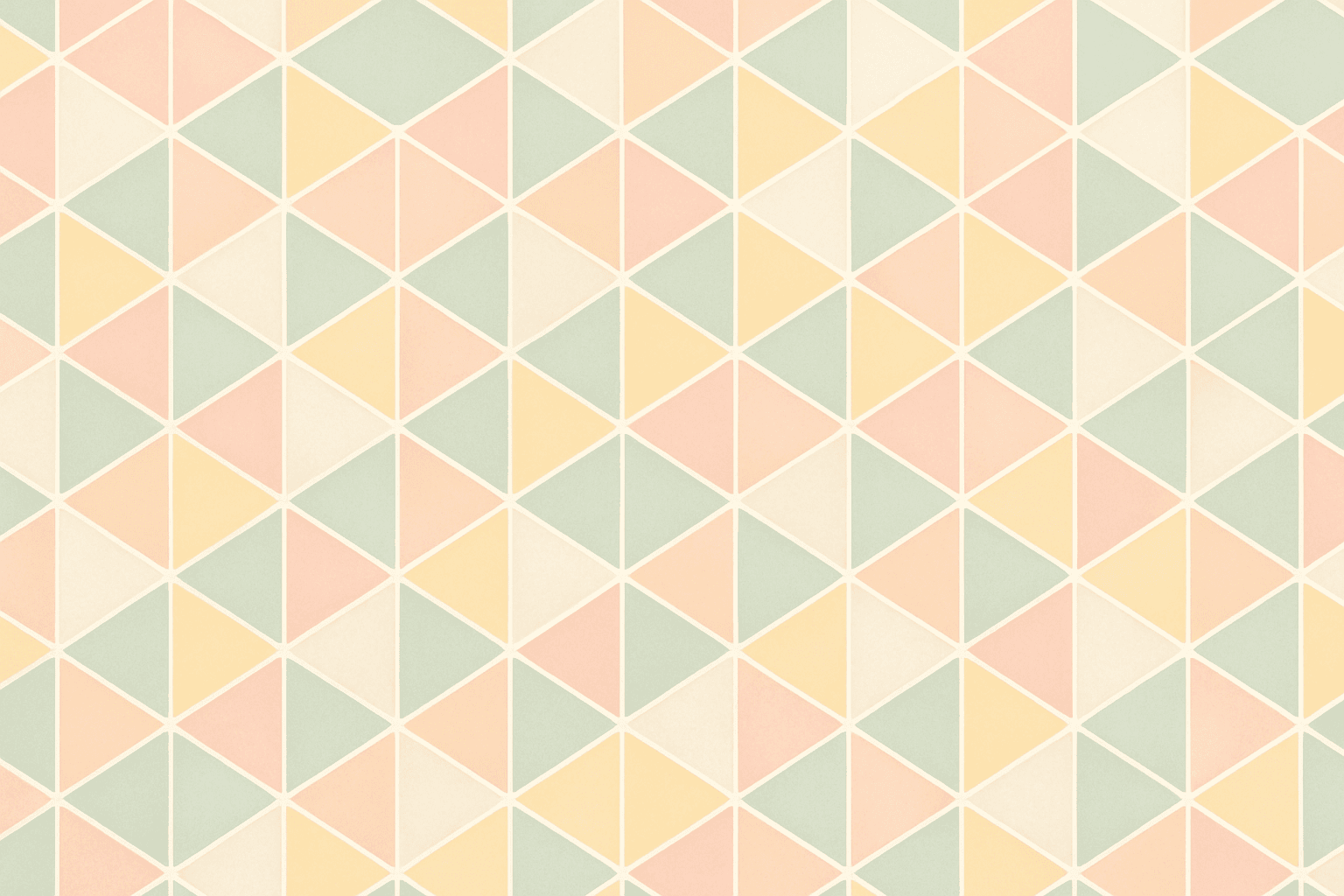
Geometric Pattern Style in AI image generation harnesses the power of simple yet striking shapes to create visually compelling designs. This style is characterized by the careful arrangement of shapes such as triangles, squares, circles, and hexagons to form patterns that emphasize symmetry, repetition, and rhythm. It is widely used in contemporary art, branding, textile design, and digital interfaces to communicate clarity and modernity. When incorporated in AI prompts, it guides the model toward generating imagery that feels ordered, minimalistic, and balanced, making it ideal for editorial visuals and product backgrounds where a subtle but engaging backdrop is needed.
Isometric Graphic Style
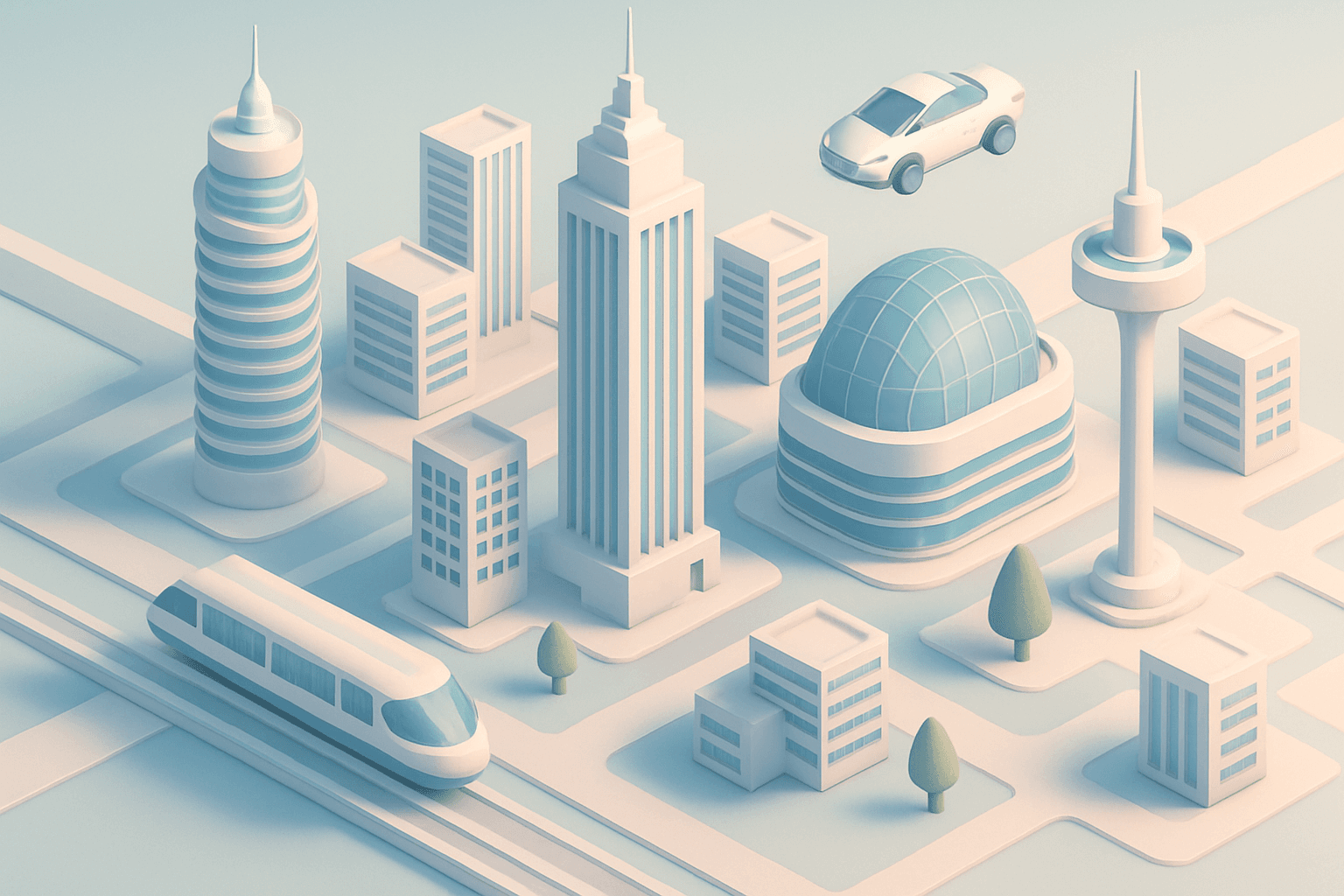
The Isometric Graphic Style presents a visually distinct approach within AI-generative art, emphasizing a three-dimensional feel without traditional perspective. This style simplifies complex scenes by eliminating vanishing points and foreshortening, instead showing multiple sides of an object or environment simultaneously in a balanced, angular format. Artists and designers use it to convey spatial relations clearly and attractively across various applications, from game design to infographics and architectural visualization. Its precision and clarity make it ideal for communicating technical details, while its stylized geometry gives images a modern and clean aesthetic. Incorporating this style into AI prompts enhances reproducibility of consistent angles and depth, producing images with a polished, schematic look that appeals across digital design fields.
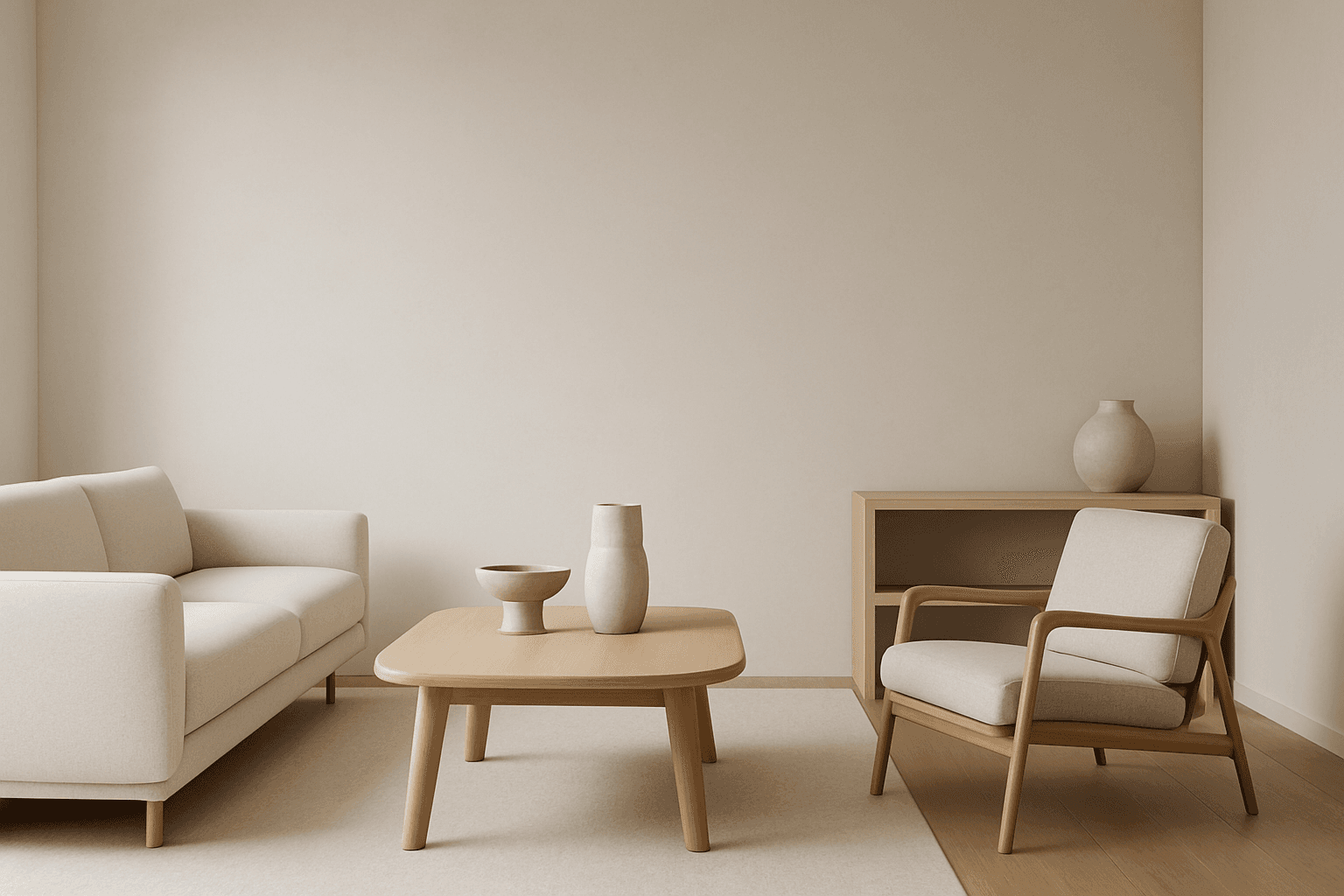
Minimalist Design Style
Minimalist design style is a popular artistic approach that strips visuals down to their fundamental components. It values functionality, clarity, and subtlety rather than embellishment. When used in AI image generation, it leads to creations with harmonious balance, simplicity, and impact. Minimalism favors sleek geometry, reduced ornamentation, and neutral or pastel color schemes. This style communicates sophistication and modern elegance, making it well suited for branding, editorial illustrations, product visuals, and architectural imagery. Adopting minimalist design in prompts guides AI to focus on essential shapes and textures, delivering images with visual calm and refined aesthetics.

Flat Design Style
Flat Design Style simplifies visual elements by stripping down imagery to essential shapes and colors, lending itself to clarity and legibility. It's widely used in user interfaces, infographics, and branding where straightforward communication is key. AI image models interpreting this style produce images with sharp lines, uniform hues, and a graphic feel that avoids photorealism, making it perfect for scalable and versatile visuals that maintain impact across platforms.