Flat Graphic Style
The Flat Graphic Style is a popular design approach that emphasizes simplicity and clarity. It removes three-dimensional effects like shadows and highlights, focusing on clean, bold shapes and monochromatic or limited color palettes. This style is widely used in digital and print media for its readability and modern aesthetic. When used in AI prompt engineering, it guides the image generation toward compositions that look graphic and stylized rather than photorealistic. This makes it ideal for editorial illustrations, icons, and various branding materials where clarity and impact are essential.

Definition
Flat Graphic Style refers to an art direction marked by solid colors, minimal or no shading, and a flat, two-dimensional appearance. It avoids realistic textures and lighting effects, favoring clear shapes and outlines instead. In AI image prompts, adding this keyword instructs AI to generate images that resemble modern vector illustrations or graphics, providing a clean, stylized look.
Prompt Formula
To consistently generate Flat Graphic Style images, combine keyword components that reinforce minimalism and two-dimensionality. Example formula: - Begin with 'flat graphic style' - Add 'solid colors' and 'minimal shading' - Include descriptors like 'clean lines', 'vector art', or 'no shadows' - Specify subject and context clearly to maintain focus This pattern ensures clear instructions for AI to produce the intended aesthetic.
- flat graphic style
- solid colors
- minimal shading
- clean lines
- vector art/no shadows
Best Use Cases
- Editorial illustrations simplifying complex concepts
- Brand identity materials like logos and icons
- User interfaces where clear, simple visuals enhance usability
Industry Applications
Flat Graphic Style is widely used in industries that benefit from clear communication and visual impact. Advertising leverages this style to create memorable and accessible campaign images. Editorial publications employ it for informative illustrations and infographics to aid storytelling. Ecommerce platforms use flat graphics to present products clearly and consistently, while social media content creators utilize it to design engaging and recognizable posts.
- Advertising and marketing
- Editorial and publishing
- Ecommerce and social media graphics
Common Mistakes
A typical error in prompting Flat Graphic Style is mixing it with style instructions that imply depth or realism, such as 'photorealistic' or 'detailed textures'. This causes muddled images that do not reflect the intended clean, flat aesthetic. Overcomplicating the prompt with excessive detail can result in busy visuals, defeating the purpose of minimalism. To avoid this, keep prompts concise and focus on keywords that emphasize simplicity and clarity.
- Avoid combining with photorealistic or textured styles
- Do not overload prompts with excessive elements
- Focus on simplicity and clean outlines
Advanced Techniques
Experienced prompt writers can refine Flat Graphic Style images by combining it with color palette constraints, such as limited or monochrome schemes, to achieve specific brand alignments. Adding lighting constraints like 'no highlights' or 'uniform lighting' further enhances flatness. Mixing in 'geometric abstraction' can create more stylized compositions, while carefully selecting subject matter ensures the resulting visuals retain communicative clarity without appearing generic.
- Use limited color palettes for brand consistency
- Add lighting constraints: no highlights or shadows
- Incorporate geometric abstraction for stylization
- Choose subject matter for clear communication
Professional Workflow
Start by drafting a clear brief specifying the Flat Graphic Style and desired subject matter. Build prompts using the established formula focusing on flatness and minimalism. Generate multiple image variants to explore compositions and color treatments. Select the strongest outputs based on clarity and aesthetic fit. Refine chosen images by iterating prompts or applying post-processing for alignment with brand colors or layout needs, ensuring the final images are polished and production-ready.
- Brief clear objectives with flat graphic style
- Compose prompts focusing on simplicity and color
- Generate multiple variants for selection
- Refine prompts or post-process final images
Related Styles
- Minimalist Style
- Vector Art
- Digital Illustration
FAQ
What makes Flat Graphic Style suitable for AI prompts?
Its simplicity and lack of texture provide clear guidance for AI models to generate clean, stylized images that work well across media.
Can Flat Graphic Style images be photorealistic?
No. This style intentionally avoids realism, focusing instead on simplified, two-dimensional visuals with solid colors and minimal shading.
Continue Exploring
Related Prompts

Flat Design Style
Flat Design Style simplifies visual elements by stripping down imagery to essential shapes and colors, lending itself to clarity and legibility. It's widely used in user interfaces, infographics, and branding where straightforward communication is key. AI image models interpreting this style produce images with sharp lines, uniform hues, and a graphic feel that avoids photorealism, making it perfect for scalable and versatile visuals that maintain impact across platforms.

Flat Graphic Design
Flat Graphic Design is a popular style that emphasizes simplicity and clarity. It avoids complex textures, realistic lighting, or three-dimensional effects. Instead, it focuses on clear lines, crisp edges, and vibrant color palettes to communicate ideas effectively and aesthetically. When used in AI image prompts, it helps generate visually clean, easily recognizable subjects suitable for icons, interface elements, and editorial illustrations. This style aligns perfectly with modern digital and branding trends, providing a fresh and approachable look that appeals broadly.
Flat Minimalist Design
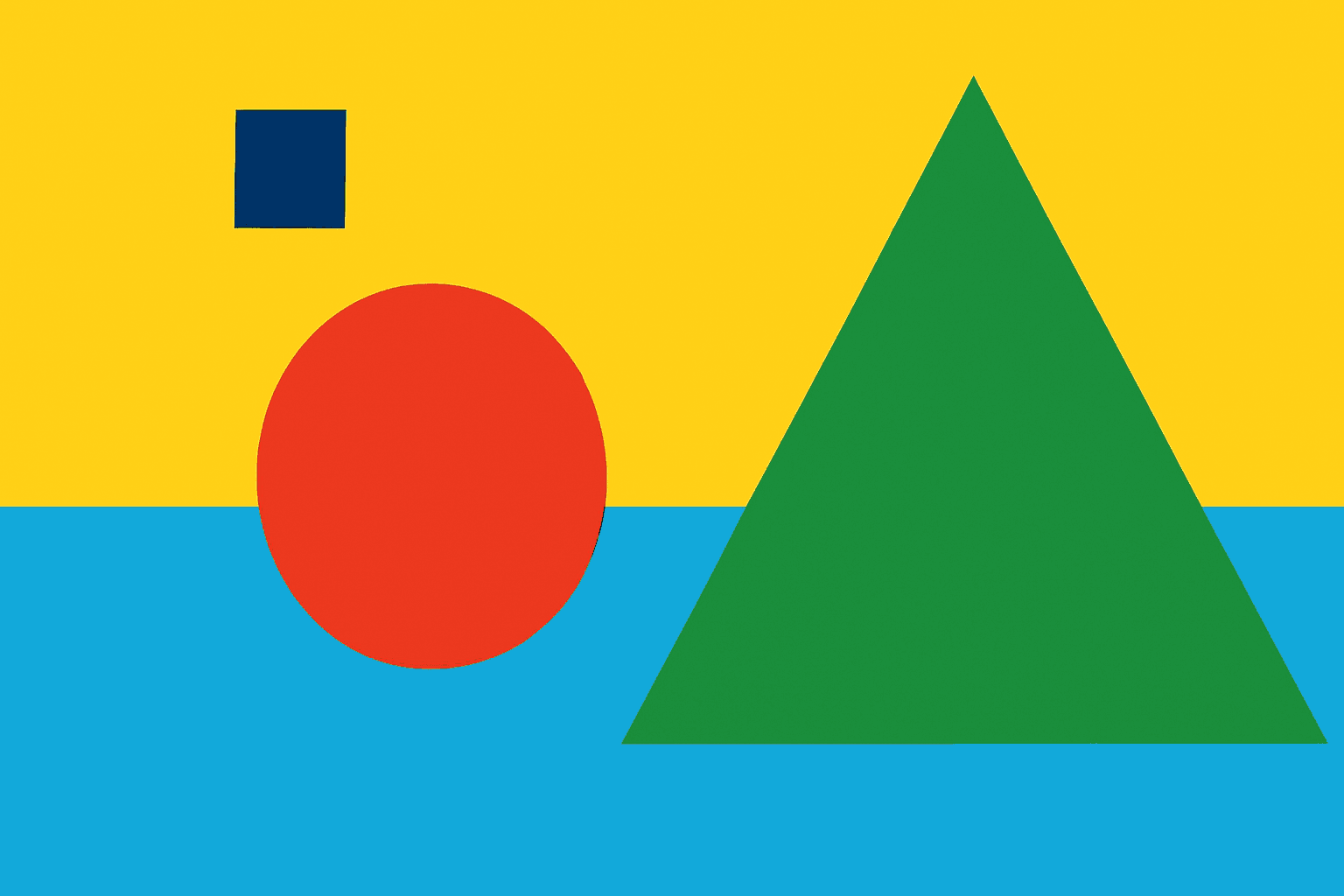
Flat Minimalist Design emphasizes simplicity and clarity, stripping visuals down to fundamental shapes and colors without unnecessary complexity. It is ideal for creating straightforward, modern images that communicate messages effectively. When used as a keyword in AI prompts, it guides the model to exclude elaborate lighting or intricate detail, resulting in clean, polished compositions. This style suits editorial graphics, infographics, UI elements, and illustration-based content, offering a timeless, versatile aesthetic that appeals across digital and print media.
Graphic Line Art Style
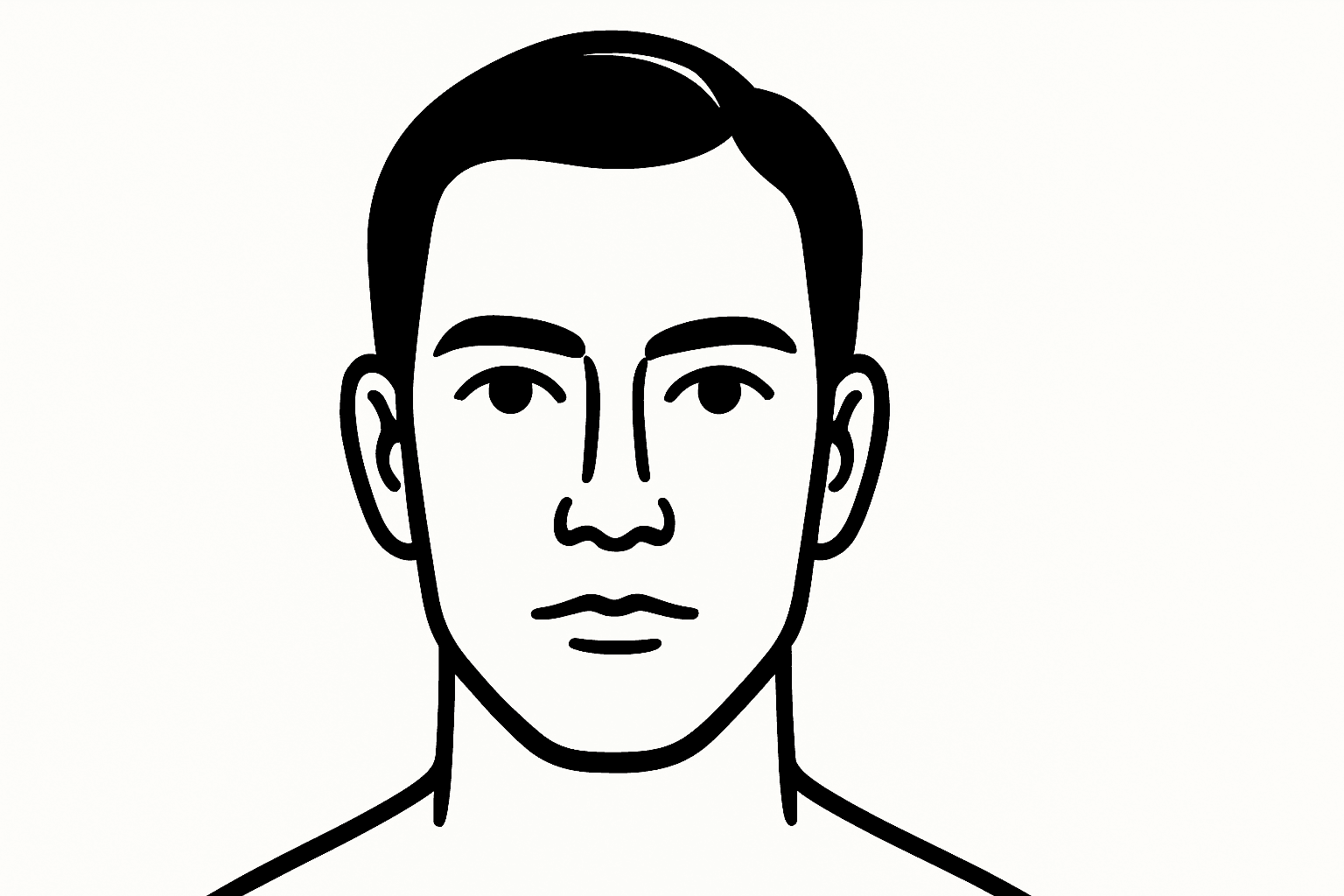
Graphic Line Art Style is a visually striking illustration approach emphasizing clarity and simplicity through well-defined lines. It focuses on outlining forms with precision and minimalistic detail, avoiding heavy shading or elaborate color schemes. This style is popular in editorial illustrations, logos, and iconography due to its crisp readability and modern aesthetic. When incorporated into AI image prompts, it directs the model to produce minimalist visuals that can easily adapt to various themes while maintaining a clean, graphic look. Its simplicity makes it versatile for both monochrome and limited color compositions, suitable for branding, presentations, and artistic sketches where impact comes from form rather than texture or color richness.

Isometric Graphic Style
The Isometric Graphic Style presents a visually distinct approach within AI-generative art, emphasizing a three-dimensional feel without traditional perspective. This style simplifies complex scenes by eliminating vanishing points and foreshortening, instead showing multiple sides of an object or environment simultaneously in a balanced, angular format. Artists and designers use it to convey spatial relations clearly and attractively across various applications, from game design to infographics and architectural visualization. Its precision and clarity make it ideal for communicating technical details, while its stylized geometry gives images a modern and clean aesthetic. Incorporating this style into AI prompts enhances reproducibility of consistent angles and depth, producing images with a polished, schematic look that appeals across digital design fields.

Flat Vector Style
The Flat Vector Style keyword directs AI models to create images resembling digital vector illustrations common in modern graphic design. This style forgoes complex textures and photographic realism in favor of smooth, flat areas of color and sharp edges, making images visually striking and easily scalable. The resulting art is ideal for icons, infographics, editorial illustrations, and interfaces that demand clarity and simplicity. It aligns well with contemporary branding aesthetics and enhances readability in digital and print applications.