Flat Minimalist Design
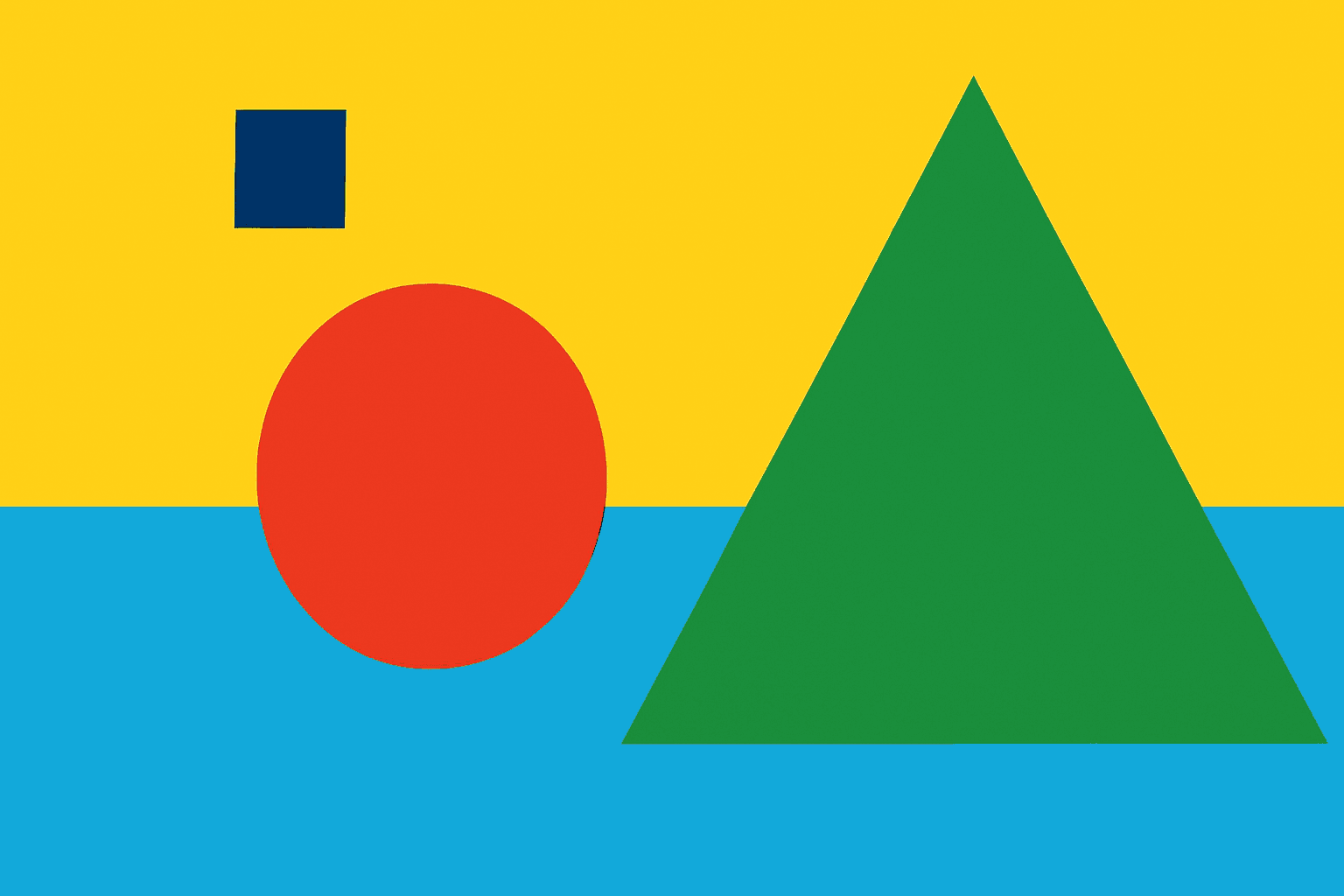
Flat Minimalist Design emphasizes simplicity and clarity, stripping visuals down to fundamental shapes and colors without unnecessary complexity. It is ideal for creating straightforward, modern images that communicate messages effectively. When used as a keyword in AI prompts, it guides the model to exclude elaborate lighting or intricate detail, resulting in clean, polished compositions. This style suits editorial graphics, infographics, UI elements, and illustration-based content, offering a timeless, versatile aesthetic that appeals across digital and print media.
Definition
Flat Minimalist Design refers to a visual style that reduces images to basic shapes and solid colors without textures, gradients, or realistic shadows. In AI prompts, specifying this style ensures generated images focus on clarity and simplicity, with crisp outlines and two-dimensional forms instead of depth or photorealistic detail. This makes the image straightforward and easy to interpret, ideal for clear communication.
Visual Characteristics
- Solid, vibrant colors without gradients or textures
- Crisp, clean edges and simple geometric shapes
- Lack of shadows, highlights, or 3D effects, resulting in flat two-dimensional visuals
Prompt Formula
Use combinations like “flat minimalist design,” “simple geometric shapes,” “solid vibrant colors,” and “no shadows or gradients” to achieve the style. Including terms such as “clean composition” or “two-dimensional look” guides AI models to produce crisp and uncluttered images.
- flat minimalist design, simple geometric shapes, solid vibrant colors
- minimalist flat style, crisp edges, no gradients, clean composition
- flat minimalist vector art, bold shapes, two-dimensional look
Best Use Cases
- Designing modern app icons and user interface elements
- Creating clear, impactful infographics and data visuals
- Illustrating editorial pieces and marketing content with a clean aesthetic
Related Styles
Flat Minimalist Design shares similarities with related styles such as Minimalist Illustration, which emphasizes simplicity but can sometimes incorporate subtle shading. Flat Color Palette focuses strictly on using solid colors without gradients, complementing the flat approach. Vector Art also aligns closely as it usually features polished, clean shapes and colors suitable for scaling.
- Minimalist Illustration
- Flat Color Palette
- Vector Art
Model-Specific Tips
When using modern AI image models, pair 'Flat Minimalist Design' with explicit instructions to avoid shadows, gradients, or textures to ensure clarity. Emphasize keywords like 'clean edges' and 'solid colors' to help the model prioritize minimalism. Avoid ambiguous terms that could lead to added complexity or photorealism. Testing prompt variations with clear negative prompts (e.g., "no shadows, no gradients") improves output consistency across different models.
FAQ
What makes Flat Minimalist Design different from other minimalist styles?
Flat Minimalist Design specifically avoids textures, gradients, and shadows, focusing on solid colors and crisp shapes, whereas other minimalist styles might allow subtle shading or depth to add complexity.
Can Flat Minimalist Design work for complex subjects like landscapes?
While possible, it's challenging since this style reduces detail to basics. Landscapes in this style will be highly abstracted into simple shapes and colors, emphasizing form over intricate detail.
Continue Exploring
Related Prompts

Flat Design Style
Flat Design Style simplifies visual elements by stripping down imagery to essential shapes and colors, lending itself to clarity and legibility. It's widely used in user interfaces, infographics, and branding where straightforward communication is key. AI image models interpreting this style produce images with sharp lines, uniform hues, and a graphic feel that avoids photorealism, making it perfect for scalable and versatile visuals that maintain impact across platforms.

Flat Graphic Design
Flat Graphic Design is a popular style that emphasizes simplicity and clarity. It avoids complex textures, realistic lighting, or three-dimensional effects. Instead, it focuses on clear lines, crisp edges, and vibrant color palettes to communicate ideas effectively and aesthetically. When used in AI image prompts, it helps generate visually clean, easily recognizable subjects suitable for icons, interface elements, and editorial illustrations. This style aligns perfectly with modern digital and branding trends, providing a fresh and approachable look that appeals broadly.

Flat Graphic Style
The Flat Graphic Style is a popular design approach that emphasizes simplicity and clarity. It removes three-dimensional effects like shadows and highlights, focusing on clean, bold shapes and monochromatic or limited color palettes. This style is widely used in digital and print media for its readability and modern aesthetic. When used in AI prompt engineering, it guides the image generation toward compositions that look graphic and stylized rather than photorealistic. This makes it ideal for editorial illustrations, icons, and various branding materials where clarity and impact are essential.
Minimalist Icon Set Design
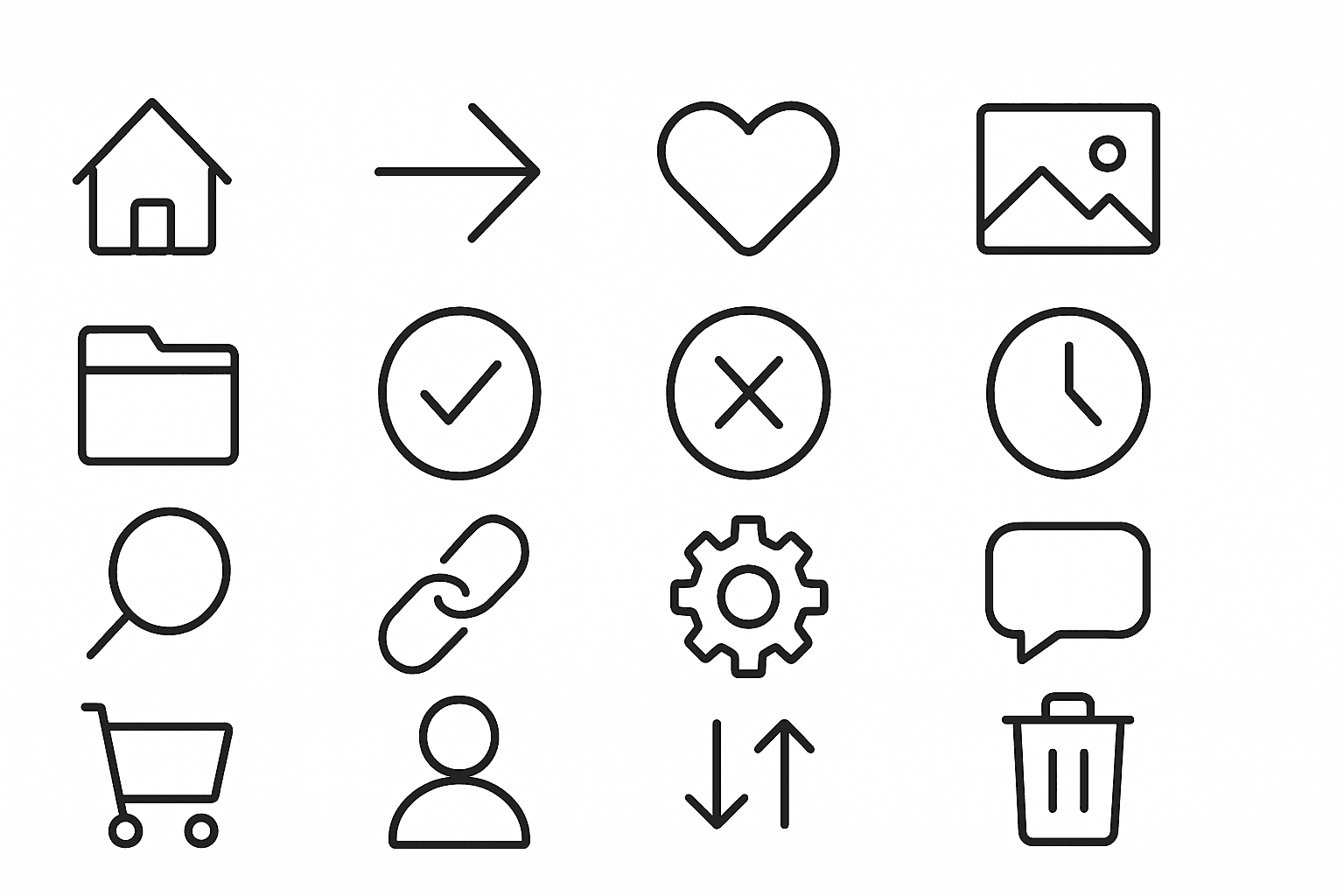
Minimalist Icon Set Design is a style that emphasizes simplicity and clarity in visual communication through icons. It leverages geometric shapes, flat colors, and streamlined forms to create symbols that are immediately recognizable and versatile across various platforms. This style is popular for interfaces, websites, and branding where clarity and quick comprehension are essential. When incorporated into AI prompts, it guides image models to prioritize clean lines, restrained details, and functional aesthetics, resulting in icons that feel modern and professional. The minimalist approach also enhances scalability, ensuring icons remain legible at small sizes.

Isometric Graphic Style
The Isometric Graphic Style presents a visually distinct approach within AI-generative art, emphasizing a three-dimensional feel without traditional perspective. This style simplifies complex scenes by eliminating vanishing points and foreshortening, instead showing multiple sides of an object or environment simultaneously in a balanced, angular format. Artists and designers use it to convey spatial relations clearly and attractively across various applications, from game design to infographics and architectural visualization. Its precision and clarity make it ideal for communicating technical details, while its stylized geometry gives images a modern and clean aesthetic. Incorporating this style into AI prompts enhances reproducibility of consistent angles and depth, producing images with a polished, schematic look that appeals across digital design fields.
Minimalist Design Style
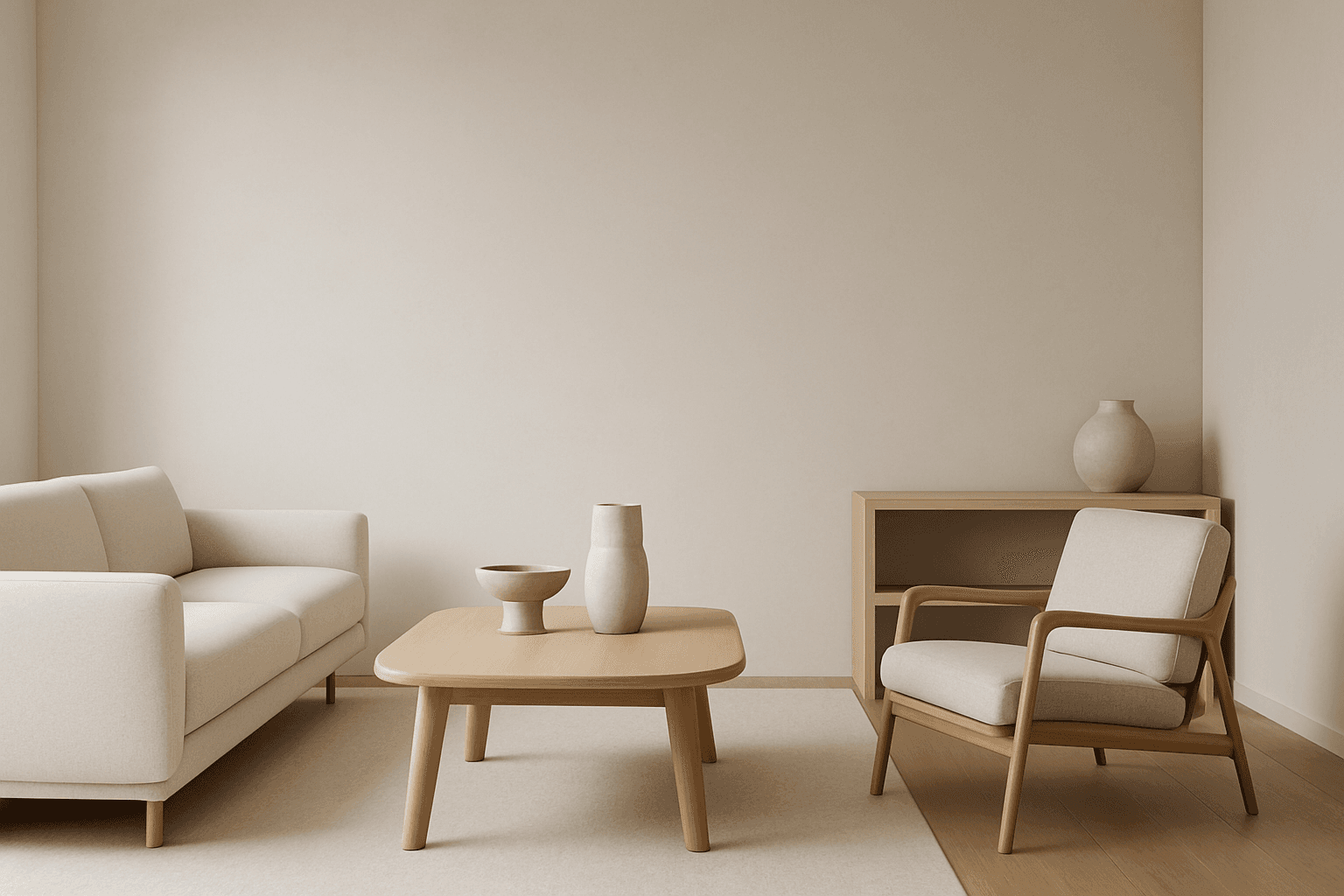
Minimalist design style is a popular artistic approach that strips visuals down to their fundamental components. It values functionality, clarity, and subtlety rather than embellishment. When used in AI image generation, it leads to creations with harmonious balance, simplicity, and impact. Minimalism favors sleek geometry, reduced ornamentation, and neutral or pastel color schemes. This style communicates sophistication and modern elegance, making it well suited for branding, editorial illustrations, product visuals, and architectural imagery. Adopting minimalist design in prompts guides AI to focus on essential shapes and textures, delivering images with visual calm and refined aesthetics.