Moody Atmospheric Fog
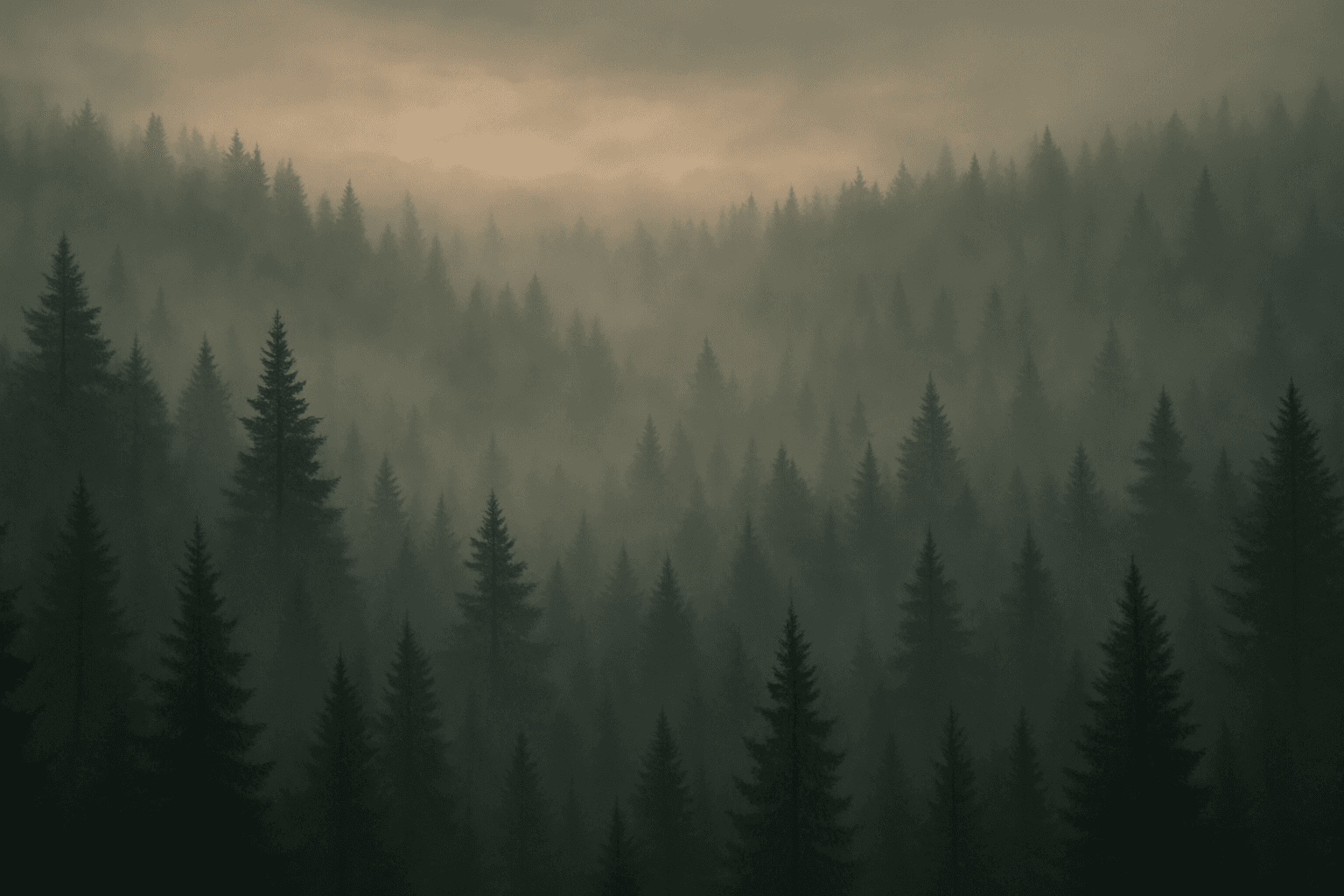
Moody Atmospheric Fog is a valuable keyword in AI image generation that transforms scenes by adding layers of soft, diffused fog with a melancholic or mysterious feel. This effect helps create emotional resonance, making images appear more cinematic and immersive. By muting colors and balancing light diffusion, it can enhance environments such as landscapes, urban streets, or interiors, providing a feeling of depth and atmosphere. This keyword is popular among creatives seeking to evoke emotions like solitude, contemplation, or suspense. Including it in prompts modifies the AI's rendering behavior to emphasize fog details that support these moods while maintaining realistic textures and lighting.
Definition
Moody Atmospheric Fog is a prompt keyword that instructs AI models to add dense, soft fog with a muted, melancholy tone to the image. It alters lighting, color saturation, and depth to evoke emotional ambiance, often suggesting mystery, solitude, or introspection. Using it adjusts AI output to incorporate naturalistic fog layering with subdued contrasts, enriching the visual narrative and atmosphere.
Prompt Formula
To craft prompts with Moody Atmospheric Fog, use combinations that specify time of day, environment, and lighting to enhance mood. Example formula: [Subject/Scene] + [Time of Day] + Moody Atmospheric Fog + [Lighting Description] + [Color Palette] + [Composition Style] Example phrases: - "moody atmospheric fog at dawn" - "soft diffused light with moody atmospheric fog" - "dense moody atmospheric fog with muted colors" This formula helps produce consistent, evocative atmospheric effects while maintaining thematic coherence.
- [Subject or scene description]
- [Time of day]
- "moody atmospheric fog"
- [Lighting style, e.g., soft, diffused]
- [Color palette, e.g., muted, desaturated]
Best Use Cases
- Cinematic landscapes and nature scenes needing emotional depth
- Urban or industrial environments seeking mystery and atmosphere
- Book covers or posters requiring evocative, moody backgrounds
Professional Workflow
1. Brief: Define the mood and environment targeted — e.g., solitary forest at dawn. 2. Generate: Use prompt formulas emphasizing 'moody atmospheric fog' combined with lighting and time cues. 3. Select: Filter outputs focusing on fog quality, mood impact, and composition balance. 4. Refine: Adjust prompt variables or apply post-processing to enhance fog density or lighting subtleties. 5. Finalize: Choose images fitting the project’s emotional and aesthetic goals, ensuring image clarity despite fog effects.
Related Styles
- Cinematic Fog — emphasizes dramatic lighting and sharp contrasts
- Mystical Mist — softer, ethereal fog with fantasy elements
- Soft Light Diffusion — gentle overall light scattering to reduce harsh shadows
Model-Specific Tips
Modern AI image models respond well to descriptive terms like "moody atmospheric fog" when paired with specific lighting and time references. Avoid overly complex jargon or conflicting atmospheric keywords that may confuse the model. Use clear adjectives such as 'soft', 'dense', or 'muted colors' with this keyword to guide fog appearance. Testing prompt variations and specifying scene context (e.g., dawn, forest) improves consistent output across different models.
FAQ
How does 'Moody Atmospheric Fog' differ from regular fog in AI prompts?
Moody Atmospheric Fog specifically adds emotional depth by introducing dulled colors, softer contrasts, and a cinematic ambiance, whereas regular fog might only add simple haze without mood enhancement.
Can I combine 'Moody Atmospheric Fog' with other weather effects?
Yes, combining it with effects like rain or twilight can intensify atmosphere, but be mindful that too many effects may overwhelm the composition or confuse the AI model.
Continue Exploring
Related Prompts
Morning Fog Atmosphere
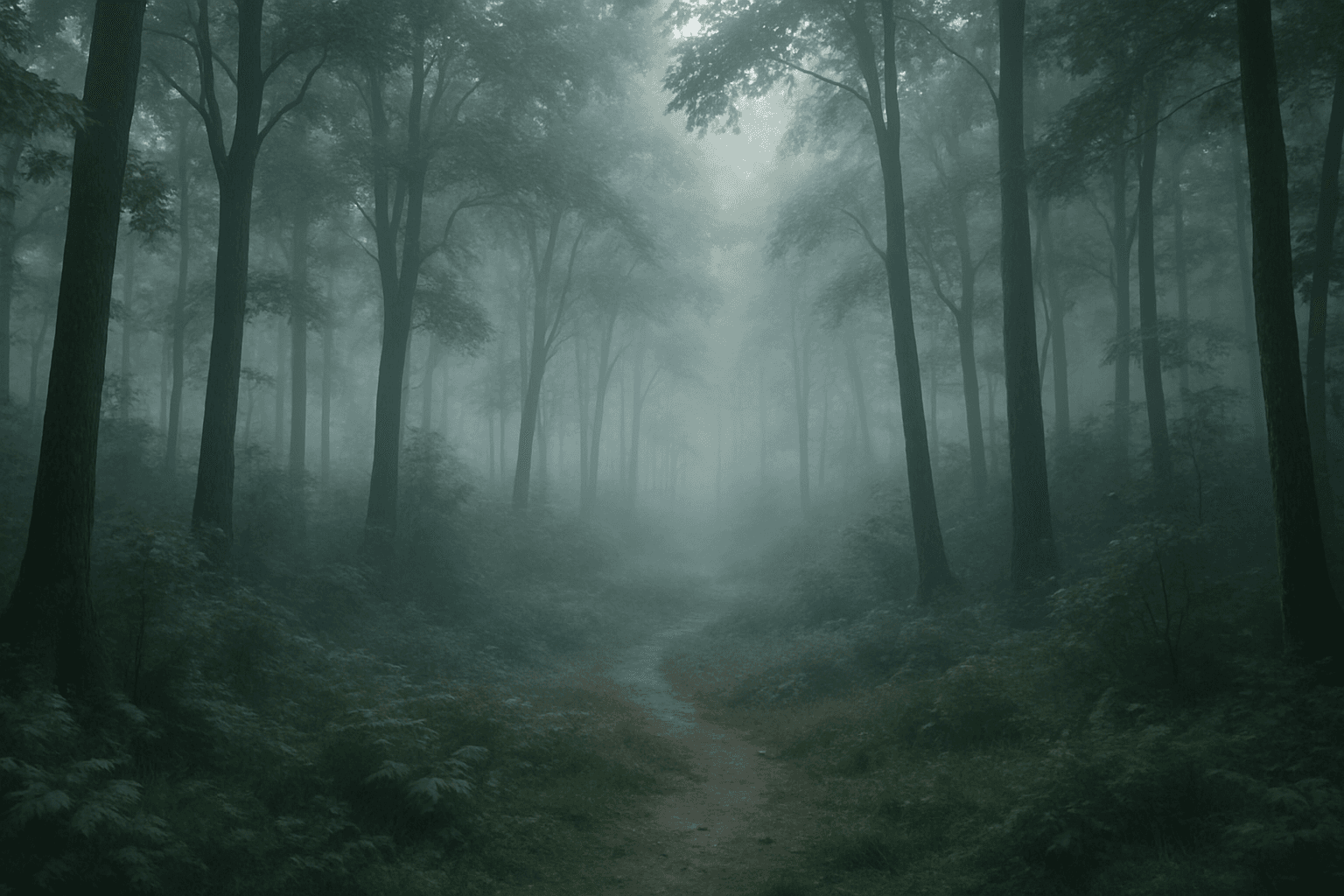
Morning Fog Atmosphere is an evocative keyword for AI image generation that calls for imagery depicting the calm and mystique of early dawn fog. This atmosphere is characterized by low contrast, diffused light, and a subtle veil of mist that softens details and enhances depth. Using this keyword in prompts helps produce landscapes, urban scenes, or nature shots that feel serene, introspective, or slightly mysterious. Photorealistic renderings benefit from this keyword by emulating natural weather conditions prevalent during sunrise. Its use is versatile across many visual styles, from realistic photography simulations to stylized art that emphasizes mood through softened visuals.
Soft Ambient Fog
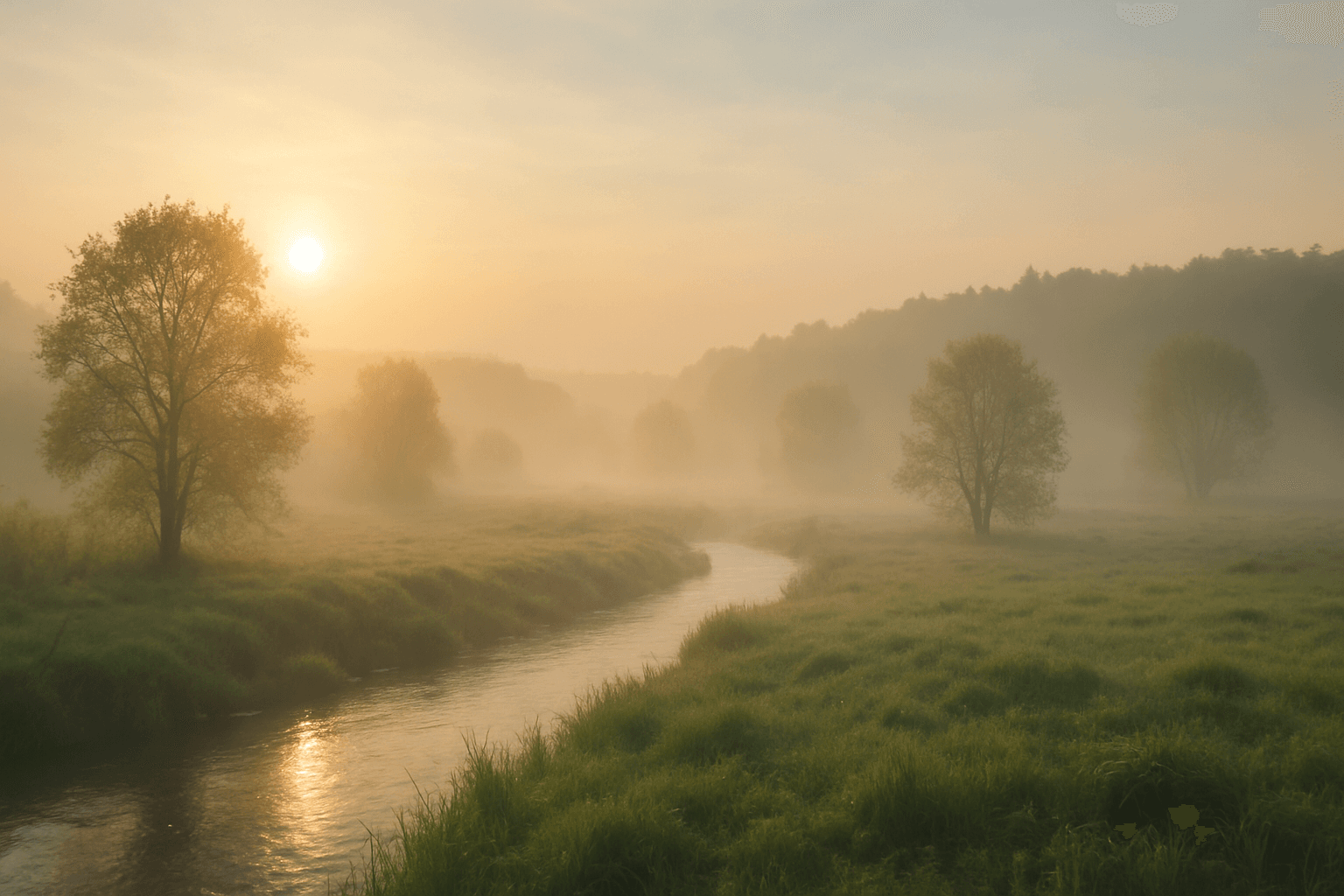
Soft Ambient Fog is a valuable prompt parameter that adds a subtle layer of atmospheric haze to images, transforming ordinary scenes with gentle diffusion and mood elevation. Unlike heavy fog or thick mist, this effect remains understated, allowing details to remain visible while enriching spatial depth and lighting texture. It evokes quietness and a sense of calm or mystery, making images appear more immersive and realistic. The presence of soft ambient fog interacts with light sources to produce smooth light transitions and a harmonious color palette, ideal for natural landscapes, portraits, or architectural shots. This nuanced atmospheric element helps creative projects achieve a premium, polished aesthetic with realistic environmental ambiance.
Misty Morning Fog
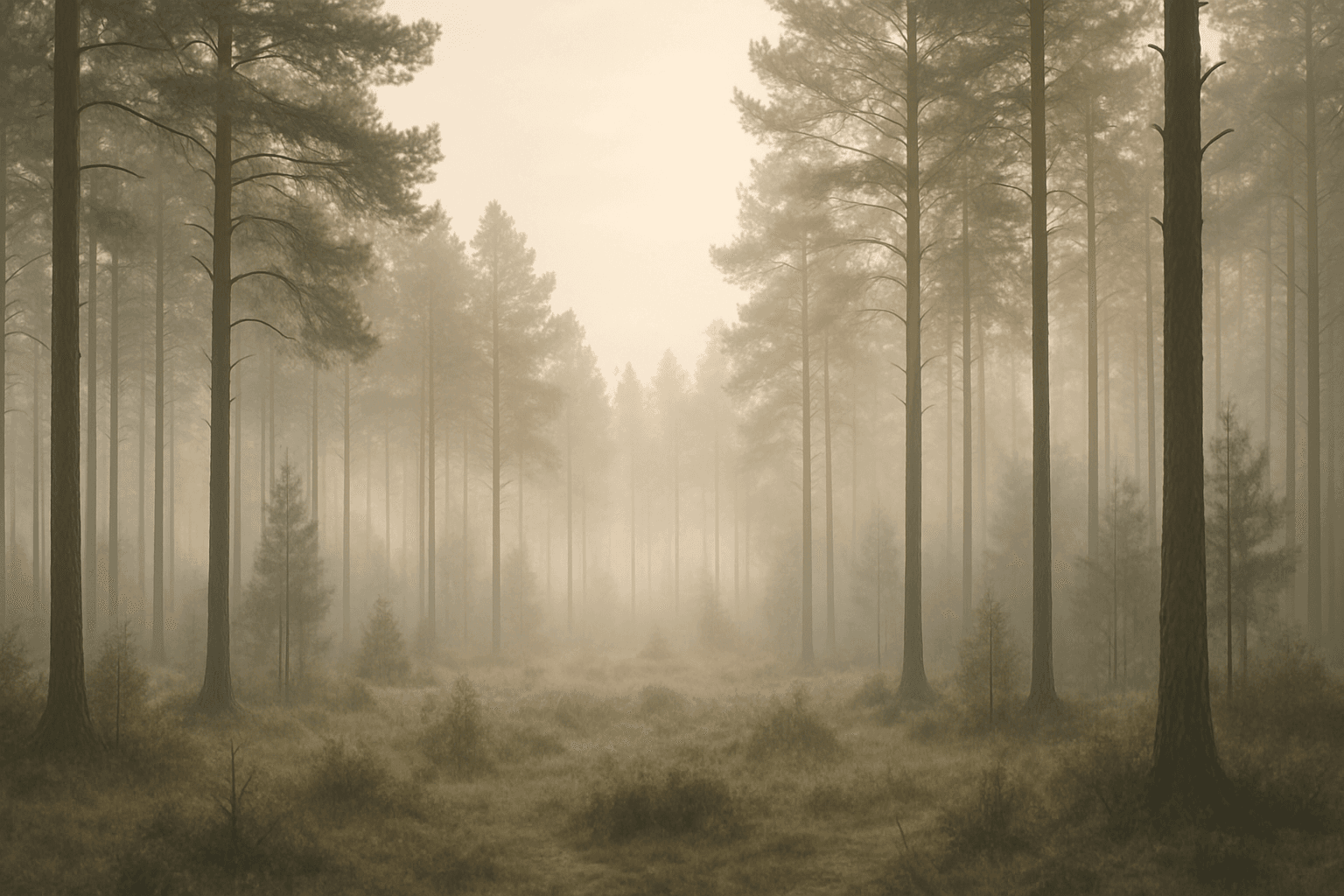
The keyword "Misty Morning Fog" captures the quintessential elements of early day foggy atmospheres, offering artists and designers a tool to create images rich in mood and texture. When included in AI prompts, it guides models to simulate the delicate layering of moisture in the air, resulting in soft glows and natural gradients that reduce sharpness and contrast. This effect can transform ordinary scenes by introducing a tranquil, almost dreamy quality that resonates with viewers seeking serenity. The subtle light scattering and nuanced depth cues help generate images ideal for nature photography, serene landscapes, and evocative editorial visuals. Whether for creative projects or commercial photography, the 'Misty Morning Fog' keyword unlocks a distinct atmosphere that enriches visual storytelling.
Moody Urban Atmosphere
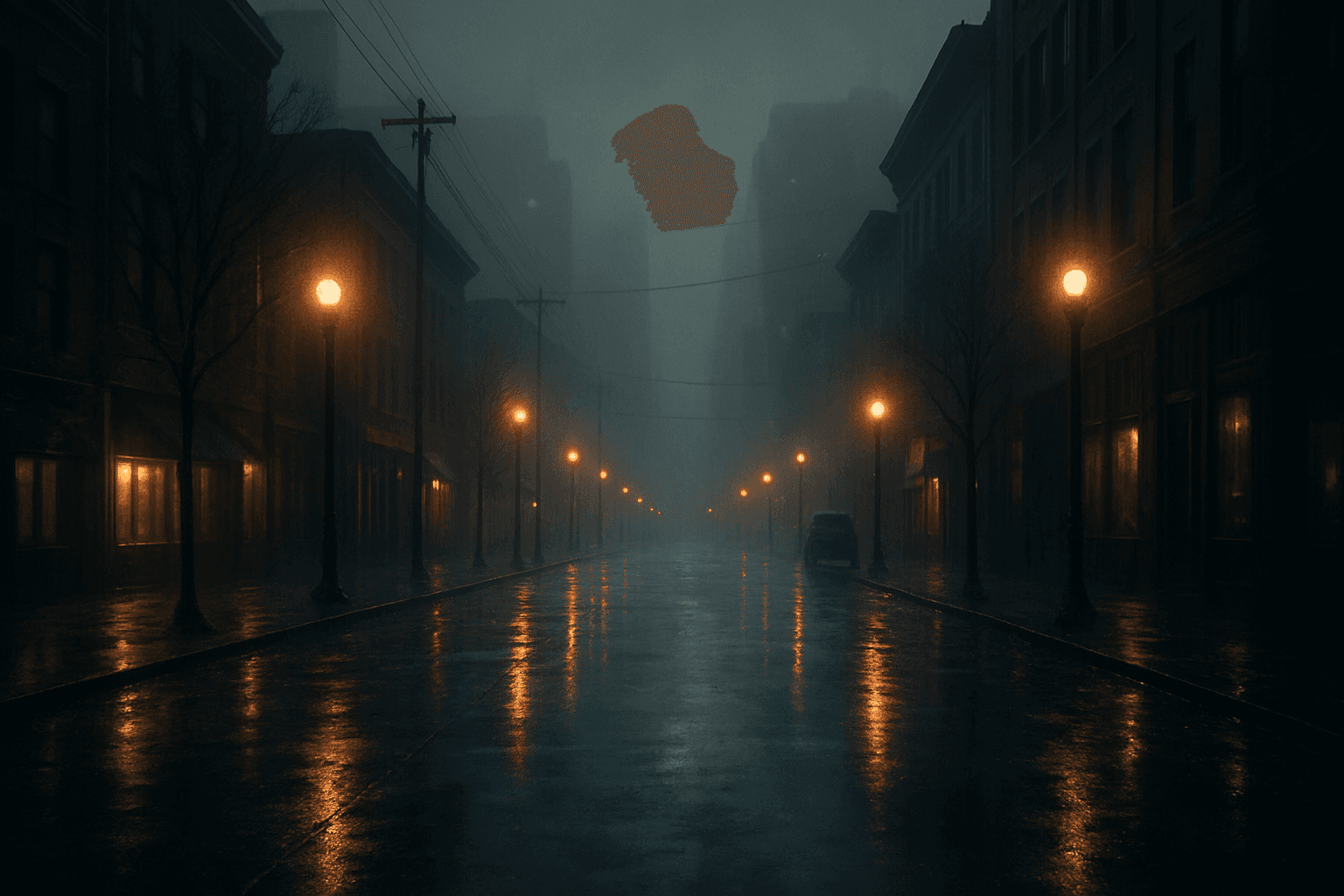
The 'Moody Urban Atmosphere' keyword guides AI image models to produce city environments imbued with emotional depth and cinematic tension. These images emphasize a specific ambiance characterized by somber lighting and subdued colors, evoking feelings such as nostalgia, solitude, or suspense. Artists and designers often seek this mood to communicate urban stories beyond the hustle and bustle, focusing instead on quiet moments or reflective scenes. Using this keyword effectively helps generate images that appear both realistic and emotionally charged, suitable for editorial content, film concept art, or evocative backgrounds in multimedia projects.
Muted Foggy Morning Mood
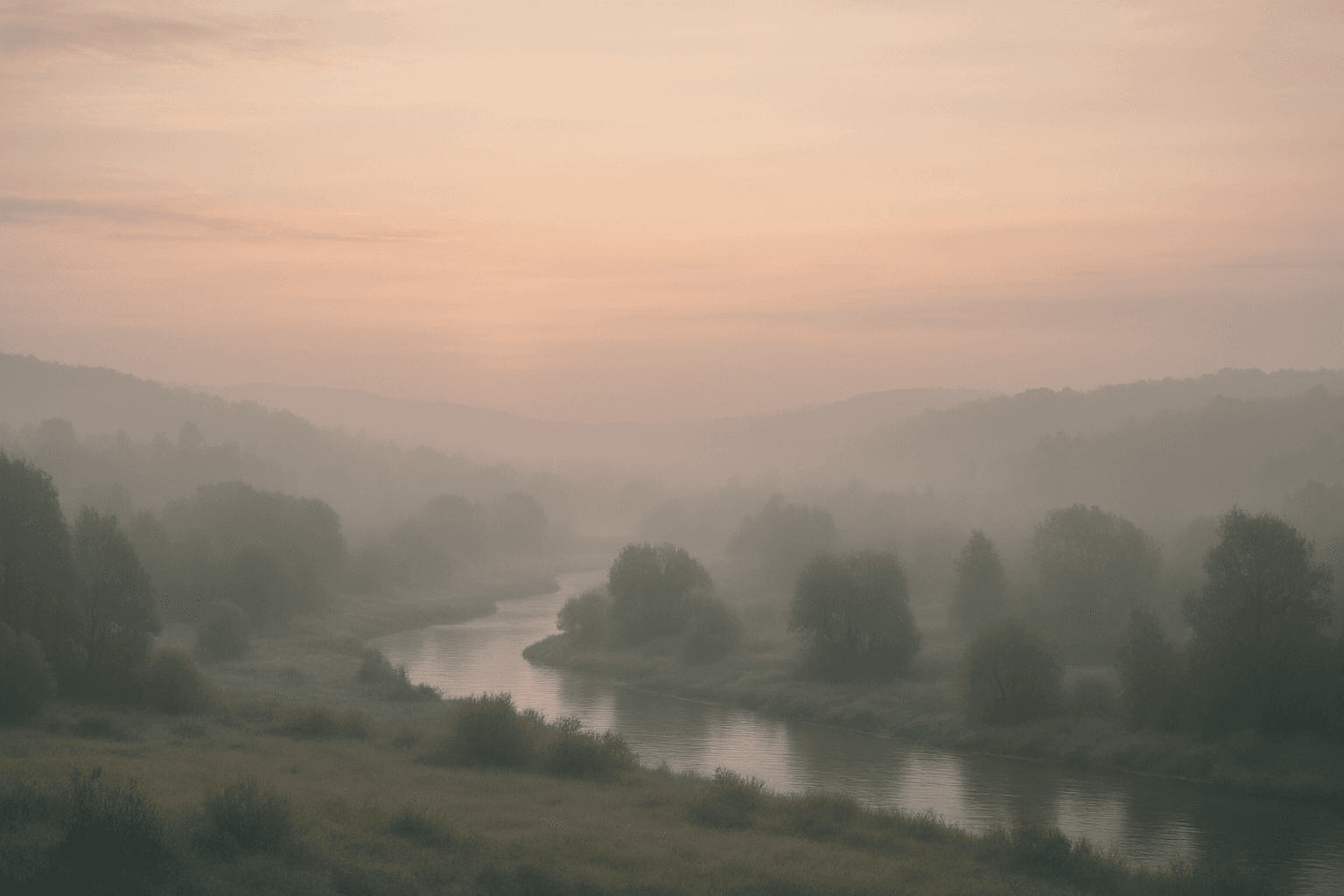
The Muted Foggy Morning Mood keyword is used in AI image generation to create serene and atmospheric scenes reminiscent of early dawn shrouded in fog. This mood captures the softness of natural light diffused through moisture in the air, resulting in gentle shadows and muted colors. It is ideal for conveying tranquility and subtle mystery, making images feel calm and introspective. When added to prompts, it guides the AI to emphasize hazy atmospherics and subdued palettes, often softening outlines and textures. This keyword excels in landscape, nature, and urban scenes where a peaceful early morning ambiance is desired, and it aligns well with minimalistic and natural aesthetics.
Rainy Day Mood
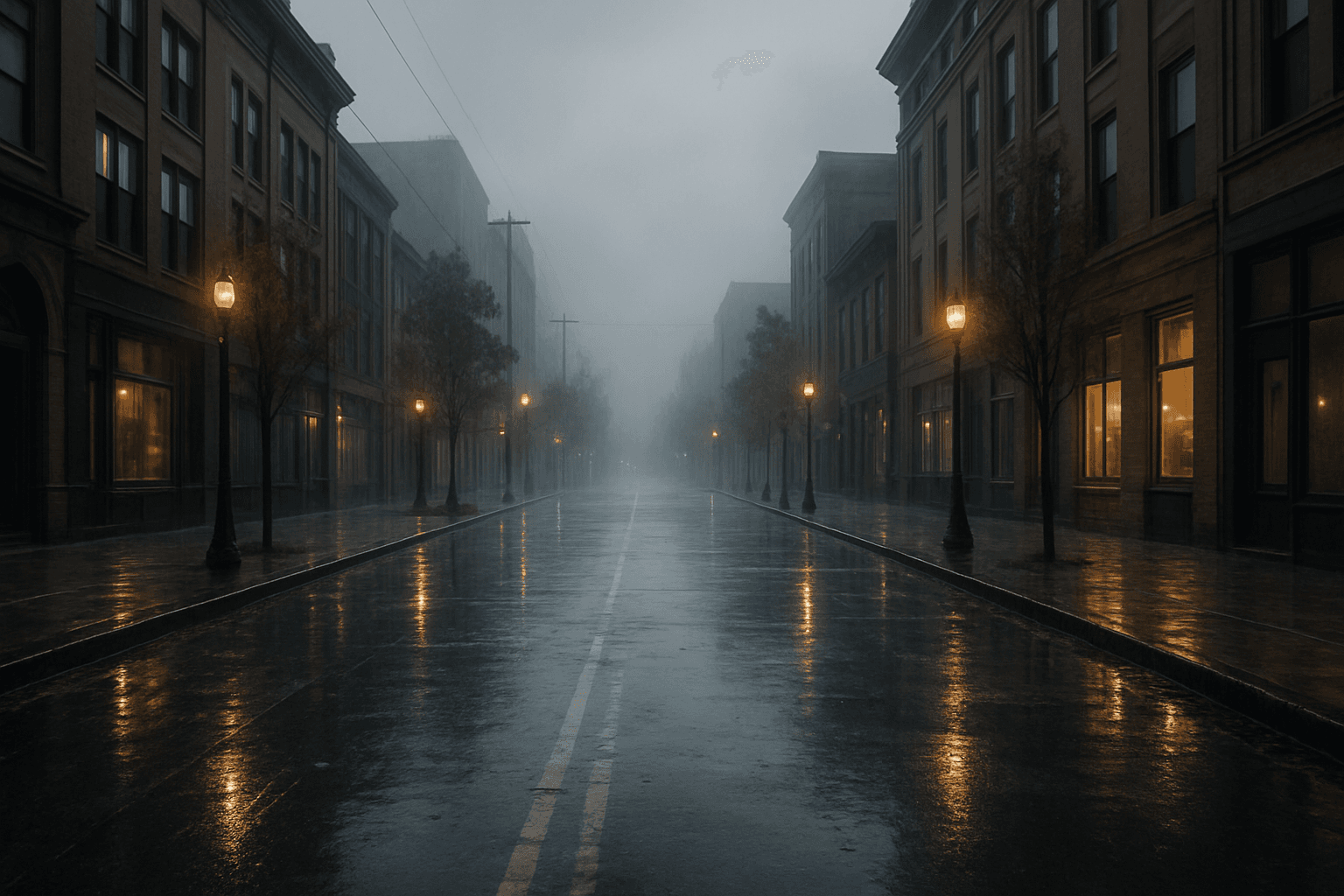
The Rainy Day Mood keyword enables AI image generators to craft scenes imbued with the ambiance of rainfall and its associated emotions. Including this keyword results in imagery where wet streets reflect city lights, characters might wear raincoats or hold umbrellas, and environments appear misty or gray. This atmosphere often conveys feelings of nostalgia, introspection, or tranquility. By integrating Rainy Day Mood, artists can shift the mood of their work towards more introspective or cinematic visuals. This keyword is especially useful for illustrating stories, editorial content, or artistic portraits where mood and environment play significant roles. Its subtle cues subtly influence lighting, color grading, and texture to evoke a realistic rainy setting.