Moody Urban Atmosphere
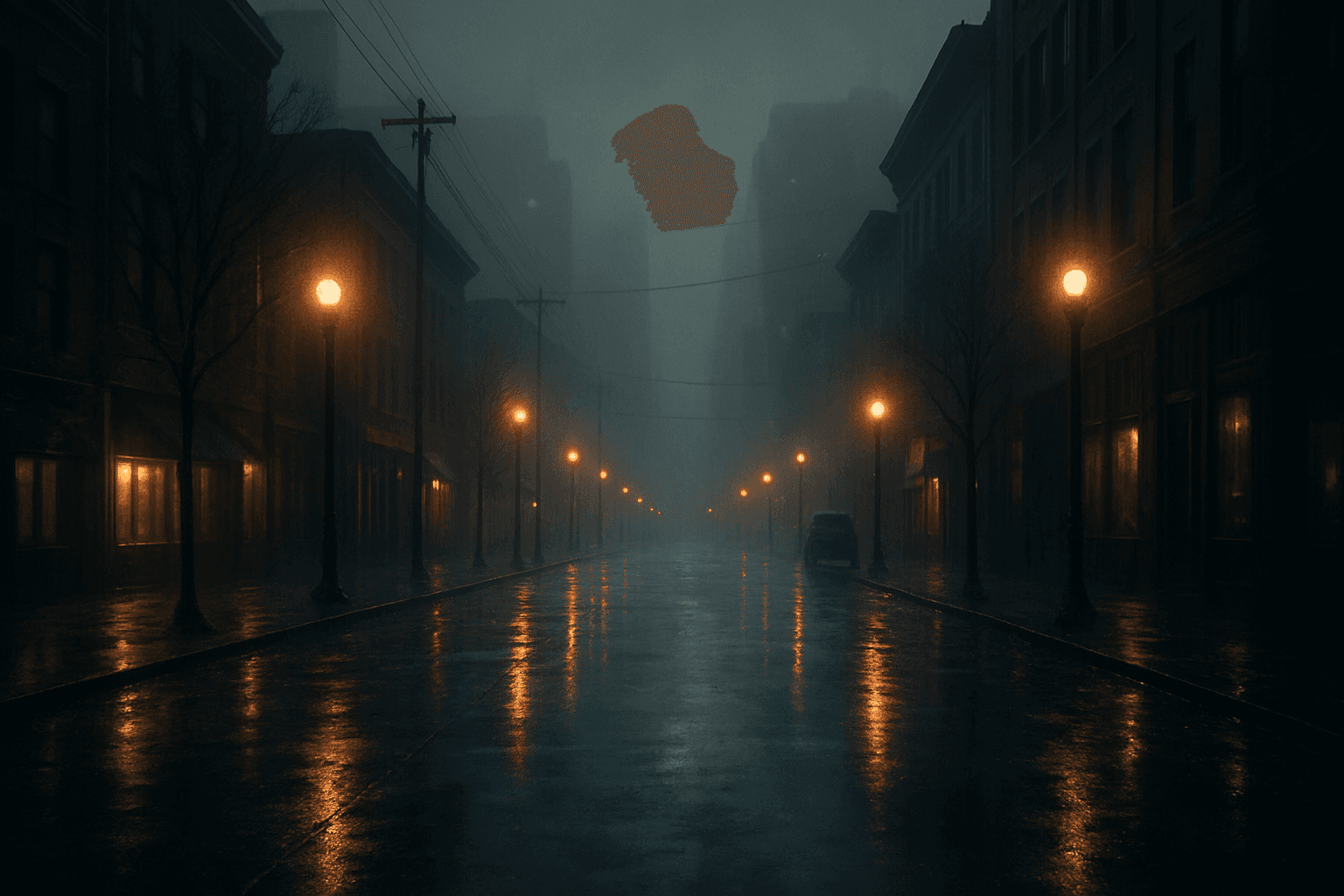
The 'Moody Urban Atmosphere' keyword guides AI image models to produce city environments imbued with emotional depth and cinematic tension. These images emphasize a specific ambiance characterized by somber lighting and subdued colors, evoking feelings such as nostalgia, solitude, or suspense. Artists and designers often seek this mood to communicate urban stories beyond the hustle and bustle, focusing instead on quiet moments or reflective scenes. Using this keyword effectively helps generate images that appear both realistic and emotionally charged, suitable for editorial content, film concept art, or evocative backgrounds in multimedia projects.
Definition
'Moody Urban Atmosphere' in AI image prompts is about infusing urban scenes with emotional depth through specific lighting and color choices. It transforms cityscapes into evocative visuals that feel cinematic, mysterious, or melancholic. Including this keyword guides AI models to emphasize dim light, muted palettes, and atmospheric weather, crafting immersive moods suitable for storytelling or stylish design.
Prompt Formula
Use this formula to create moody urban scenes: [urban setting] + [time or weather descriptor] + moody urban atmosphere + [lighting style] + [color mood] + [atmospheric effects] Example: 'abandoned subway station at night, moody urban atmosphere, soft shadows, cool desaturated tones, light fog'
- Start with a clear urban subject (street, alley, skyline)
- Add time of day or weather (dusk, rainy evening)
- Include 'moody urban atmosphere' keyword
- Specify lighting: soft shadows, low contrast
- Define color scheme: muted, cool tones or desaturated
Best Use Cases
- Creating editorial imagery with cinematic or noir moods
- Designing atmospheric backgrounds for films, video games, or animations
- Producing advertising visuals needing urban sophistication and emotional depth
Related Styles
- Noir Cityscape – emphasizes high contrast and shadow play
- Rainy Night Streets – focuses on wet reflections and atmospheric rain
- Foggy Metropolis – highlights layered fog and muted backgrounds for depth
Model-Specific Tips
To maximize results with various AI image models, pair 'moody urban atmosphere' with explicit lighting and weather descriptors for clarity. Avoid overly broad adjectives alone; instead, give concrete cues like 'soft shadows' or 'wet pavement.' Experiment with stylistic modifiers such as 'cinematic lighting' or 'photorealistic rendering' to enhance realism or artistic flair. Including environmental elements ensures depth and mood consistency across models.
- Combine with precise lighting terms (e.g., soft shadows, dusk light)
- Specify atmospheric details (fog, rain, mist) to enrich texture
- Use stylistic tags like 'cinematic', 'photorealistic' for quality control
- Avoid vague mood descriptors without visual context
- Test prompt variations focusing on environmental effects
FAQ
How do I emphasize the moody look without making the scene too dark?
Balance the lighting by specifying soft, diffused light sources such as overcast skies or dusk. Including reflections on wet surfaces or subtle fog adds depth without heavy darkness, preserving detail while maintaining mood.
Can 'Moody Urban Atmosphere' work with colorful city scenes?
Yes, but it is most effective when colors are muted or shifted to cooler tones. Bright or saturated colors usually reduce the moody effect, so use desaturation or color grading phrases alongside the keyword for best results.
Continue Exploring
Related Prompts
Urban Night Atmosphere
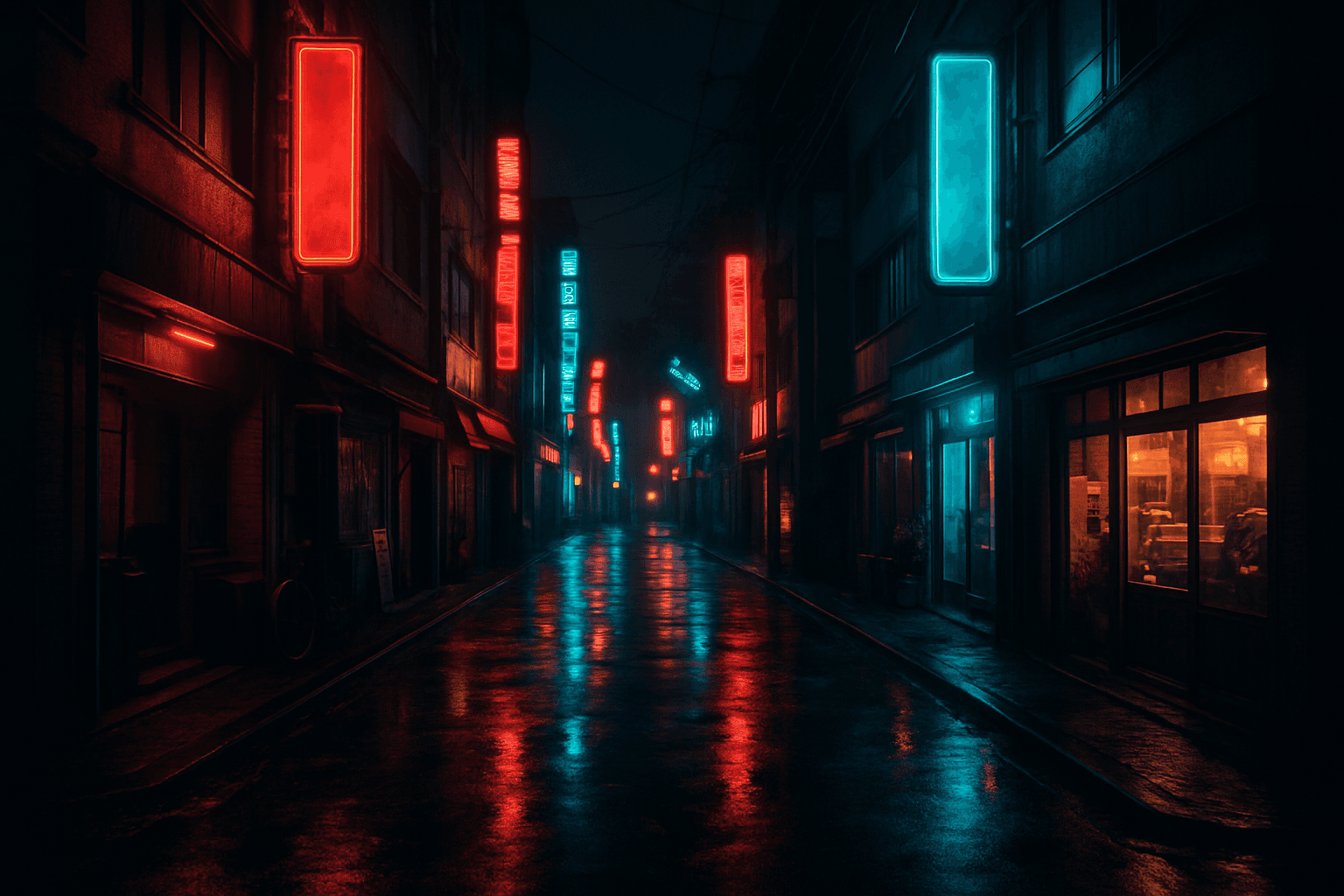
The Urban Night Atmosphere keyword evokes the unique and dynamic visual qualities of nighttime cityscapes. Images generated with this prompt typically emphasize artificial lighting sources such as street lamps, neon signs, and vehicle lights that bring vibrancy and energy to urban environments after sunset. This keyword helps AI models to focus on intricate lighting contrasts, reflections on wet streets or glass, and discreet human activity that define cities at night. It is ideal for producing evocative and realistic city scenes that convey mood, depth, and texture essential for editorial and commercial visuals.
Rainy Wet Pavement Mood
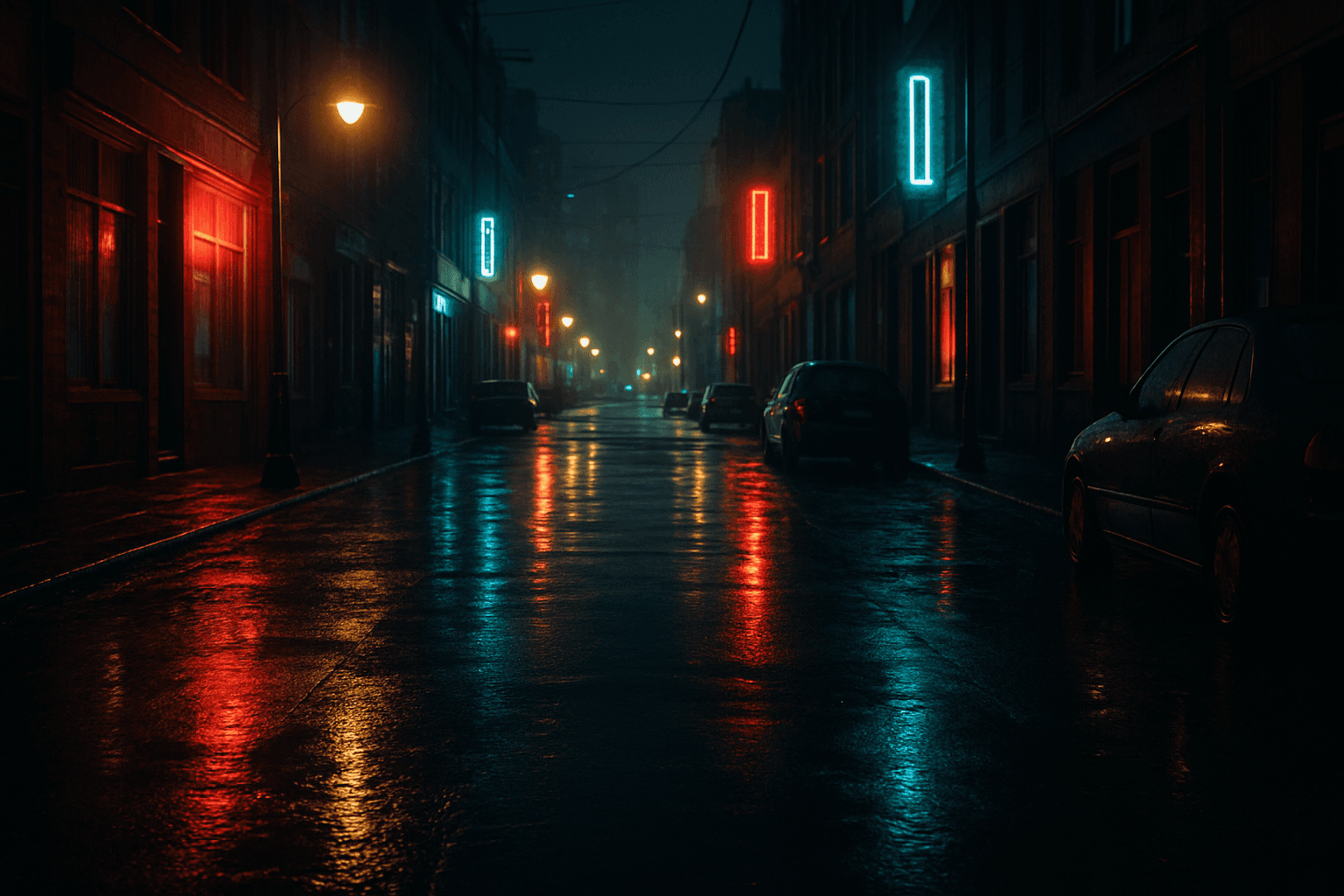
The Rainy Wet Pavement Mood is a powerful atmospheric keyword used in AI image generation to create scenes that convey the essence of urban environments touched by rain. This mood adds complexity through reflections on wet asphalt, enhancing depth and realism. Images generated with this prompt frequently feature subtle glows from streetlights or neon signs diffused by moisture, combined with a cooler or desaturated color scheme. This mood can imbue scenes with feelings ranging from peaceful solitude to cinematic melancholy, making it ideal for editorial, cinematic, or artistic imagery.

Misty Forest Atmosphere
The Misty Forest Atmosphere keyword is used in AI art generation to evoke a tranquil and mysterious mood within wooded landscapes. By simulating the presence of early morning fog or mist shrouding trees and underbrush, this prompt detail adds soft depth and a sense of calm isolation to images. The low contrast and de-saturated tones typical of misty scenes create a dreamy, almost otherworldly feel that is visually compelling. Artists and designers use this atmosphere to craft scenes that are both peaceful and evocative, often serving as backgrounds for stories, nature art, or mood boards. It works well in both photorealistic and stylized compositions, enhancing the emotional resonance through natural environmental effects.
Morning Fog Atmosphere
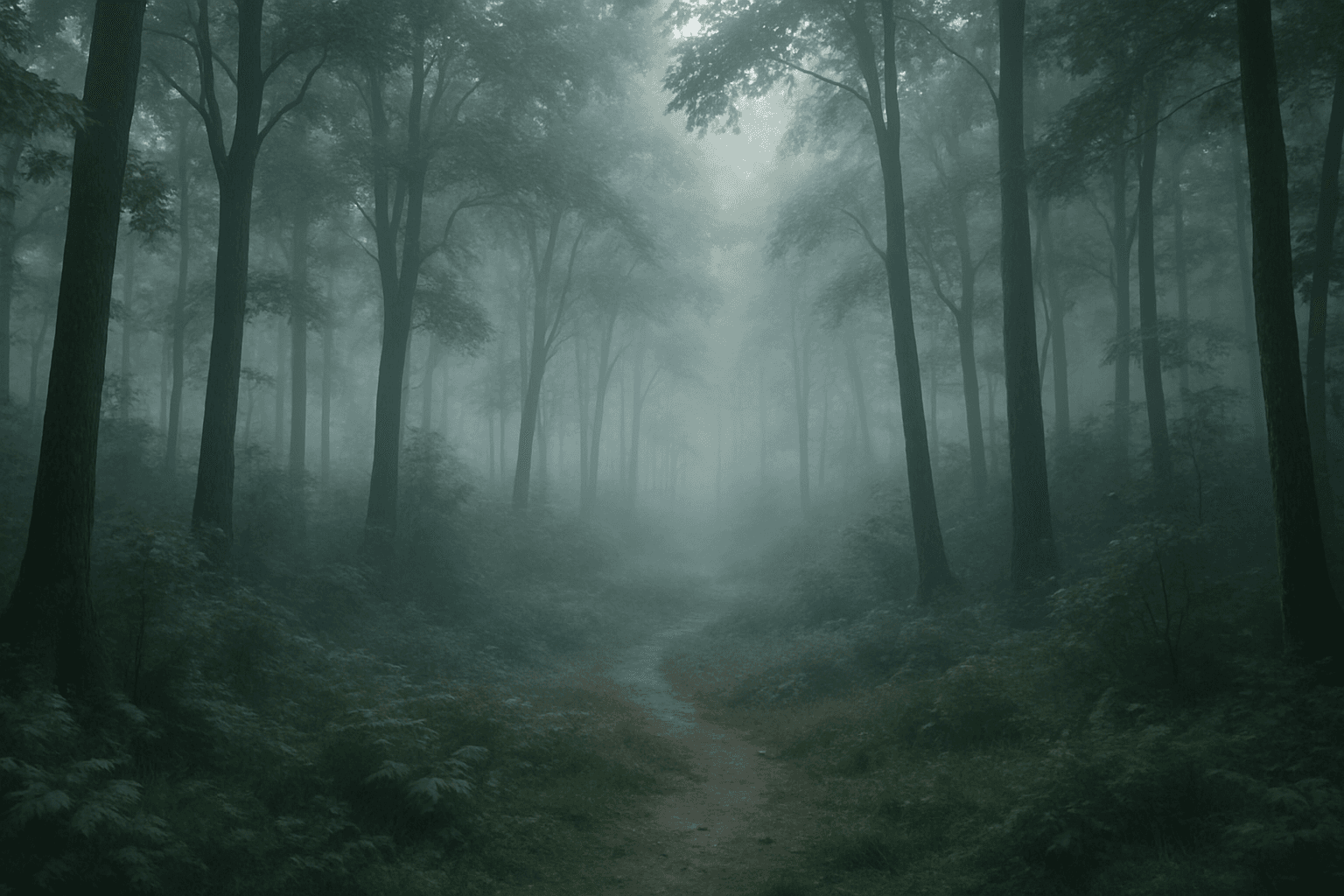
Morning Fog Atmosphere is an evocative keyword for AI image generation that calls for imagery depicting the calm and mystique of early dawn fog. This atmosphere is characterized by low contrast, diffused light, and a subtle veil of mist that softens details and enhances depth. Using this keyword in prompts helps produce landscapes, urban scenes, or nature shots that feel serene, introspective, or slightly mysterious. Photorealistic renderings benefit from this keyword by emulating natural weather conditions prevalent during sunrise. Its use is versatile across many visual styles, from realistic photography simulations to stylized art that emphasizes mood through softened visuals.
Rainy Day Mood
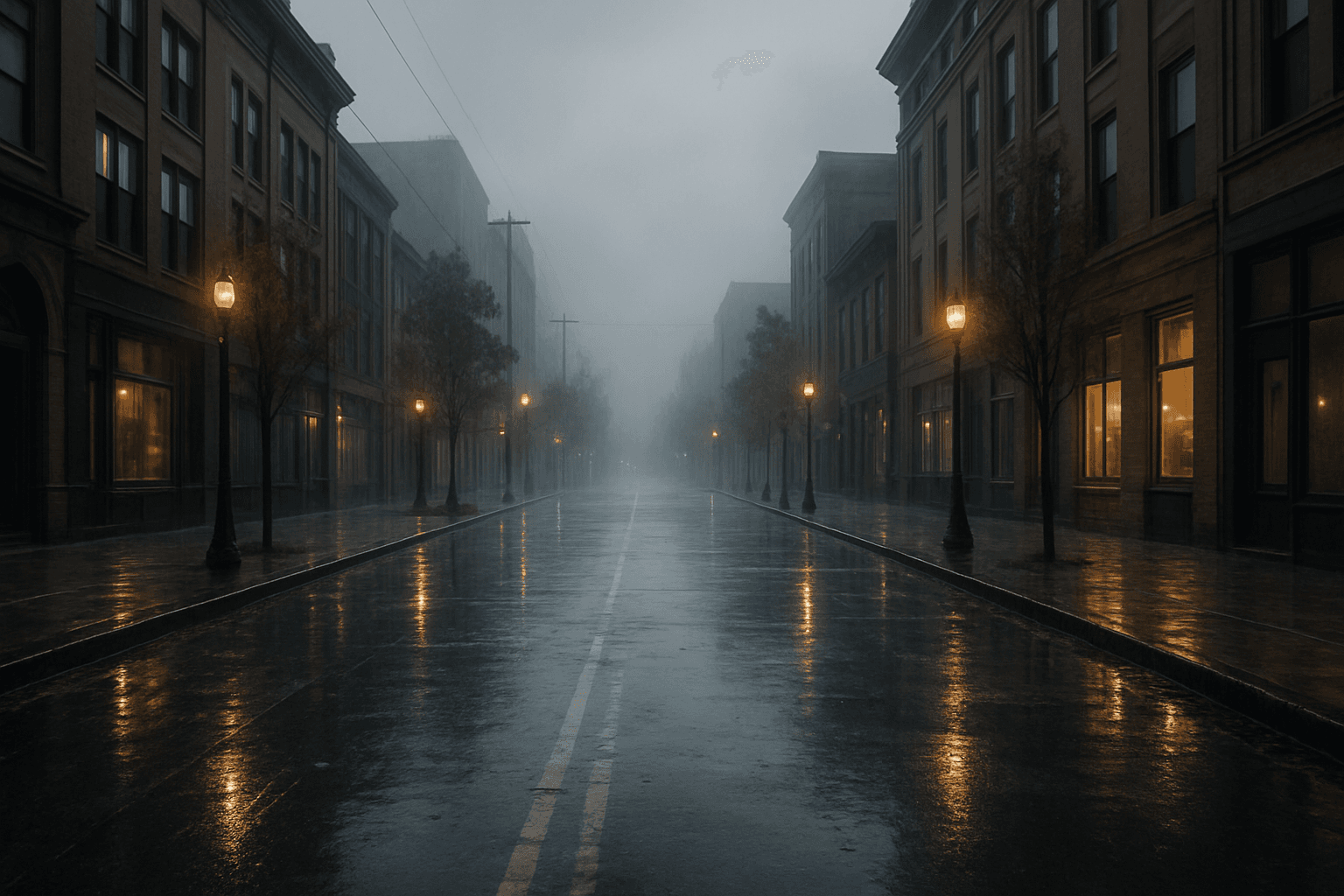
The Rainy Day Mood keyword enables AI image generators to craft scenes imbued with the ambiance of rainfall and its associated emotions. Including this keyword results in imagery where wet streets reflect city lights, characters might wear raincoats or hold umbrellas, and environments appear misty or gray. This atmosphere often conveys feelings of nostalgia, introspection, or tranquility. By integrating Rainy Day Mood, artists can shift the mood of their work towards more introspective or cinematic visuals. This keyword is especially useful for illustrating stories, editorial content, or artistic portraits where mood and environment play significant roles. Its subtle cues subtly influence lighting, color grading, and texture to evoke a realistic rainy setting.
Moody Atmospheric Fog
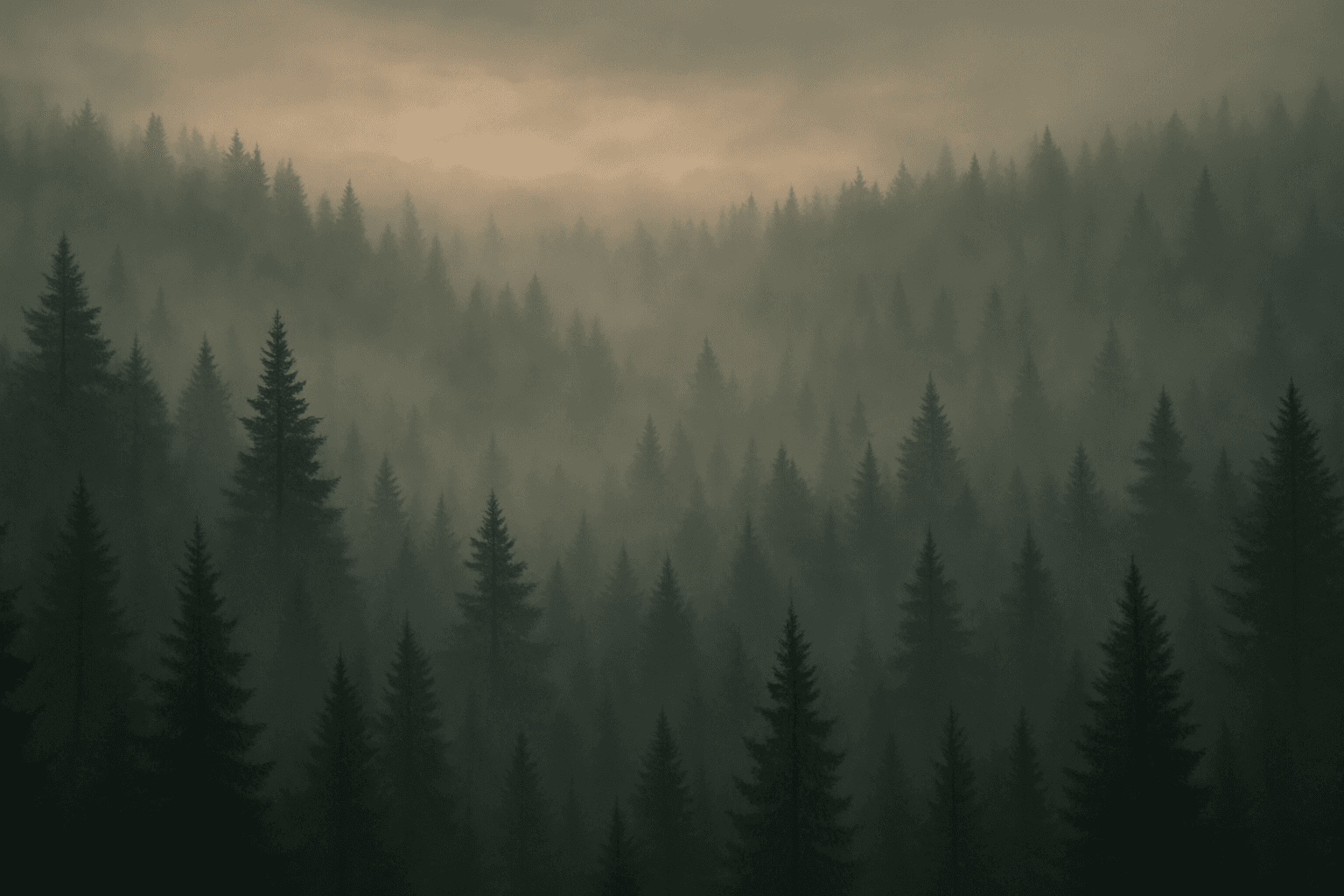
Moody Atmospheric Fog is a valuable keyword in AI image generation that transforms scenes by adding layers of soft, diffused fog with a melancholic or mysterious feel. This effect helps create emotional resonance, making images appear more cinematic and immersive. By muting colors and balancing light diffusion, it can enhance environments such as landscapes, urban streets, or interiors, providing a feeling of depth and atmosphere. This keyword is popular among creatives seeking to evoke emotions like solitude, contemplation, or suspense. Including it in prompts modifies the AI's rendering behavior to emphasize fog details that support these moods while maintaining realistic textures and lighting.