Rainy Wet Pavement Mood
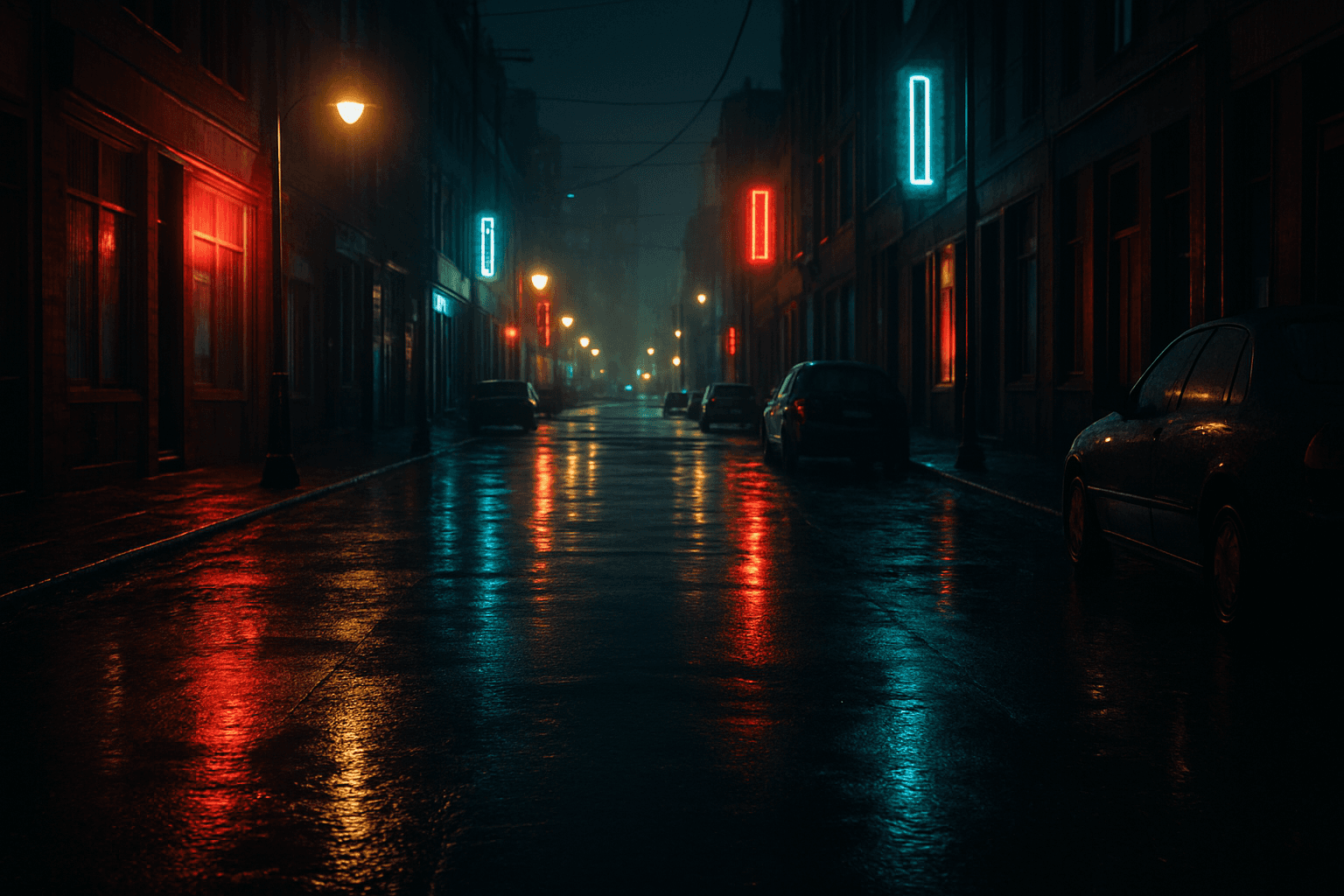
The Rainy Wet Pavement Mood is a powerful atmospheric keyword used in AI image generation to create scenes that convey the essence of urban environments touched by rain. This mood adds complexity through reflections on wet asphalt, enhancing depth and realism. Images generated with this prompt frequently feature subtle glows from streetlights or neon signs diffused by moisture, combined with a cooler or desaturated color scheme. This mood can imbue scenes with feelings ranging from peaceful solitude to cinematic melancholy, making it ideal for editorial, cinematic, or artistic imagery.
Definition
The Rainy Wet Pavement Mood describes an image style focused on the depiction of wet streets or pavements after or during rainfall. It emphasizes reflective surfaces, moody lighting, and atmospheric weather effects that convey a damp, often melancholic ambiance. Adding this keyword to an AI prompt cues the model to simulate moisture on urban surfaces, resulting in images with realistic reflections, diffused lighting, and enhanced textural detail that transforms the setting into an evocative rainy environment.
Prompt Formula
Construct prompts by combining environment, time, lighting, and mood elements with the 'Rainy Wet Pavement Mood' keyword. For example, start with a scene or subject description, add weather and lighting details, then end with this mood keyword to focus on wet reflective surfaces.
- [Scene description] + rainy + wet pavement + [lighting conditions] + moody atmosphere
- Urban street scene + night + rainy wet pavement mood + reflections + cinematic lighting
- Empty city sidewalk + morning rain + wet pavement mood + diffused light + soft shadows
Best Use Cases
- Creating atmospheric cityscapes with realistic wet street reflections
- Designing moody backgrounds for editorial photography or fashion shoots
- Developing concept art for films or video games needing compelling rainy urban settings
Advanced Techniques
Enhance the Rainy Wet Pavement Mood by combining it with specific lighting styles such as neon glows or soft dawn light to highlight pavement reflections. Use constraints to control intensity of moisture — prompt for light drizzle versus heavy rain effects. Incorporate complementary elements like fog, puddles, or wet leaves to enrich the tactile sensation. Experiment with color grading descriptors (cool tones, desaturated palettes) to deepen the mood and narrative context.
- Combine with 'Neon Glow Nightscape' for vibrant reflections
- Add 'light drizzle' or 'heavy rain' to specify moisture level
- Introduce fog or mist to enhance atmospheric depth
- Use 'desaturated colors' or 'cool tones' to amplify melancholy
- Include natural debris like wet leaves for realism
Professional Workflow
To produce high-quality images using the Rainy Wet Pavement Mood, begin by drafting a clear prompt that defines scene, lighting, and desired rain intensity. Generate multiple variations to explore differing reflections and moods. Select images with balanced highlights and authentic wet surface textures. Refine selections through re-prompting or upscaling to improve material realism and lighting subtleties. Finally, perform minor manual edits if necessary to enhance clarity or remove artifacts, ensuring suitability for commercial or editorial use.
Related Styles
- Neon Glow Nightscape
- Moody Urban Atmosphere
- Rainfall Effects
FAQ
How does Rainy Wet Pavement Mood affect image lighting?
It emphasizes reflections and diffuse lighting caused by moisture on surfaces, often softening direct light and creating subtle glows and highlights on the wet pavement.
Can this mood be used for non-urban scenes?
While typically applied to city streets and pavements, the mood can be adapted to any scene featuring wet, reflective ground surfaces to evoke atmosphere.
Continue Exploring
Related Prompts
Rainy Day Mood
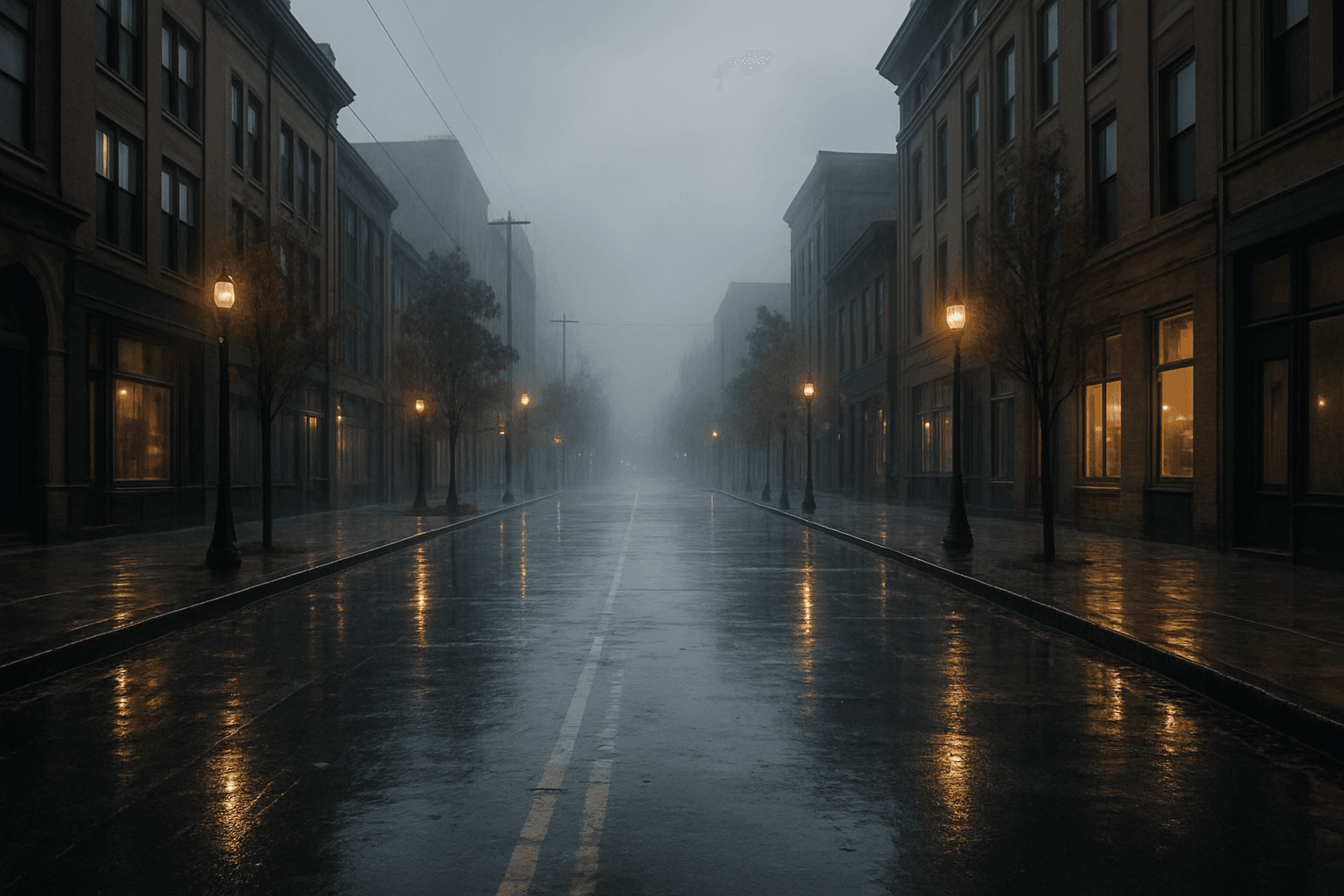
The Rainy Day Mood keyword enables AI image generators to craft scenes imbued with the ambiance of rainfall and its associated emotions. Including this keyword results in imagery where wet streets reflect city lights, characters might wear raincoats or hold umbrellas, and environments appear misty or gray. This atmosphere often conveys feelings of nostalgia, introspection, or tranquility. By integrating Rainy Day Mood, artists can shift the mood of their work towards more introspective or cinematic visuals. This keyword is especially useful for illustrating stories, editorial content, or artistic portraits where mood and environment play significant roles. Its subtle cues subtly influence lighting, color grading, and texture to evoke a realistic rainy setting.
Moody Urban Atmosphere
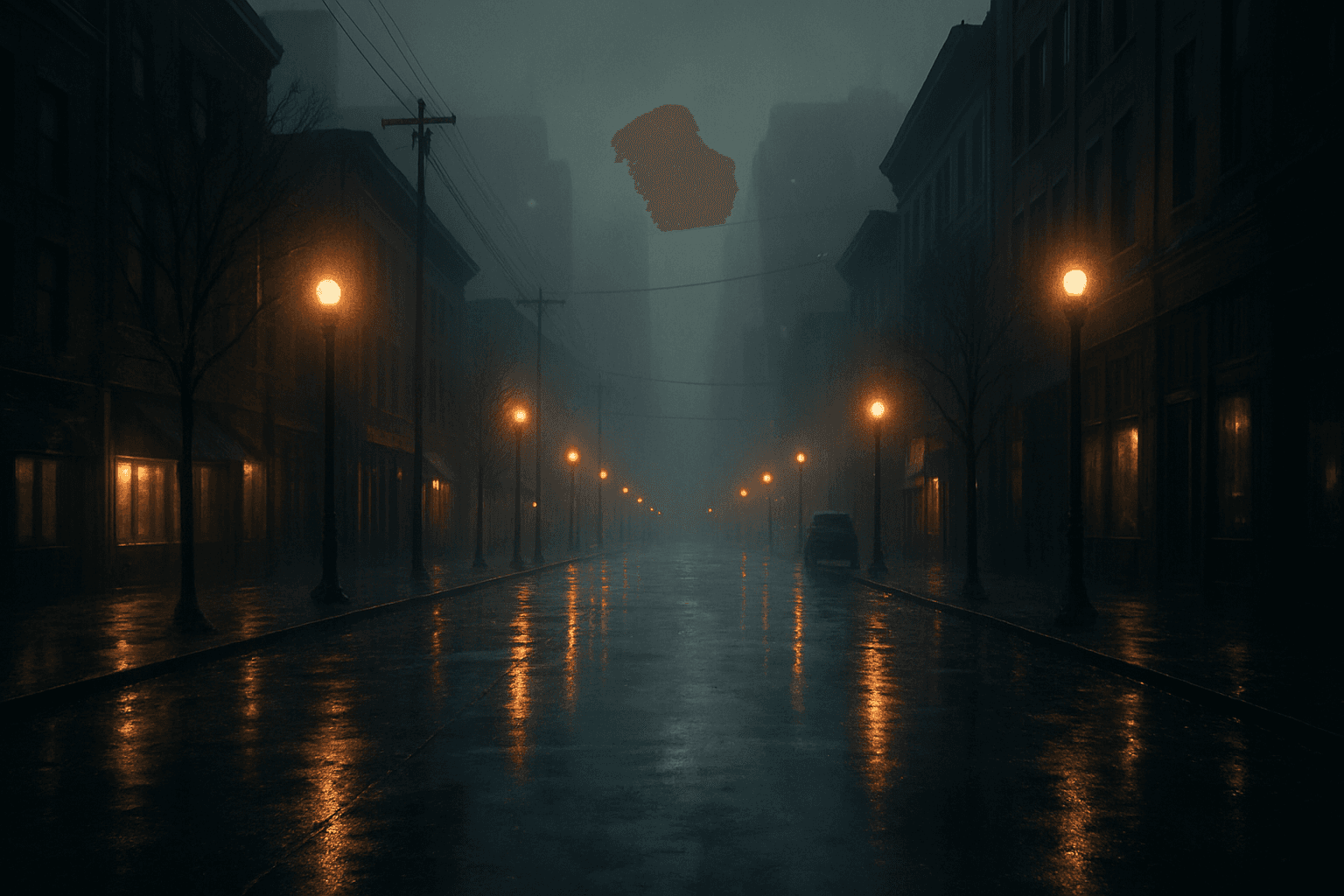
The 'Moody Urban Atmosphere' keyword guides AI image models to produce city environments imbued with emotional depth and cinematic tension. These images emphasize a specific ambiance characterized by somber lighting and subdued colors, evoking feelings such as nostalgia, solitude, or suspense. Artists and designers often seek this mood to communicate urban stories beyond the hustle and bustle, focusing instead on quiet moments or reflective scenes. Using this keyword effectively helps generate images that appear both realistic and emotionally charged, suitable for editorial content, film concept art, or evocative backgrounds in multimedia projects.
Rain-Slicked Pavement Atmosphere
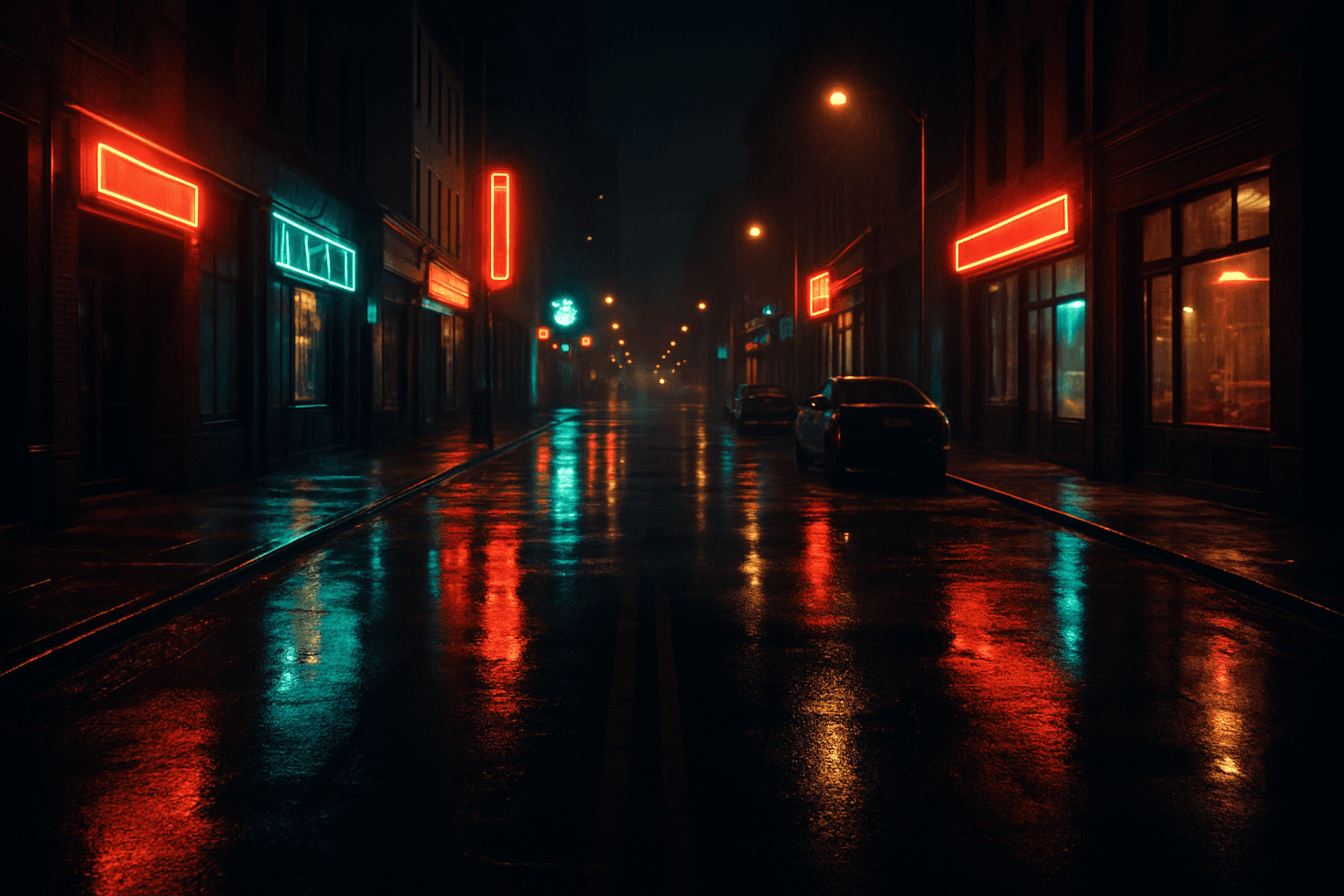
Adding the Rain-Slicked Pavement Atmosphere to an AI image prompt transforms scenes into evocative environments that feel freshly rained on. This keyword evokes the sensory experience of wet streets, enhancing contrast and depth through the interplay of light and wet textures. It complements urban night scenes, moody landscapes, and cinematic shots where reflections on pavement add layers of visual interest. This atmosphere enriches storytelling by suggesting recent rain, a cooler temperature, and enhanced color vibrancy from light bouncing off wet surfaces.
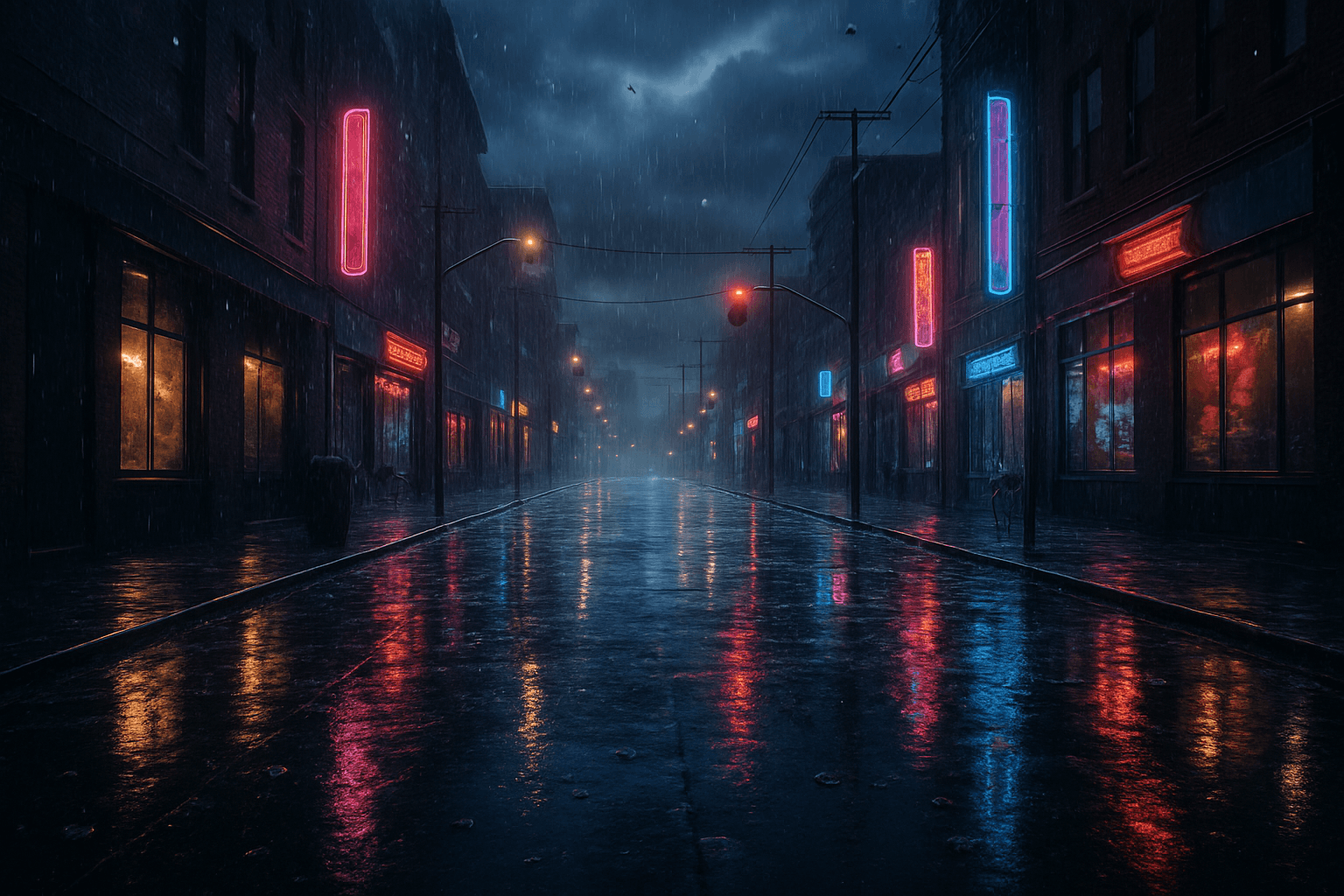
Rainy Atmosphere
Rainy Atmosphere in AI-generated imagery involves recreating the nuanced conditions of rainfall and its effects on the environment. This atmosphere is characterized by clouds dense with moisture, soft and diffused lighting due to overcast conditions, and surfaces that appear slick or reflective from water. By simulating these conditions, artists can evoke moods ranging from somber and contemplative to calm and refreshing. The presence of rain adds dynamic elements like visible drops or mist, enhancing realism and emotional depth. Such atmospheres are widely used to depict urban scenes, nature, and cinematic moments where weather impacts the narrative tone.
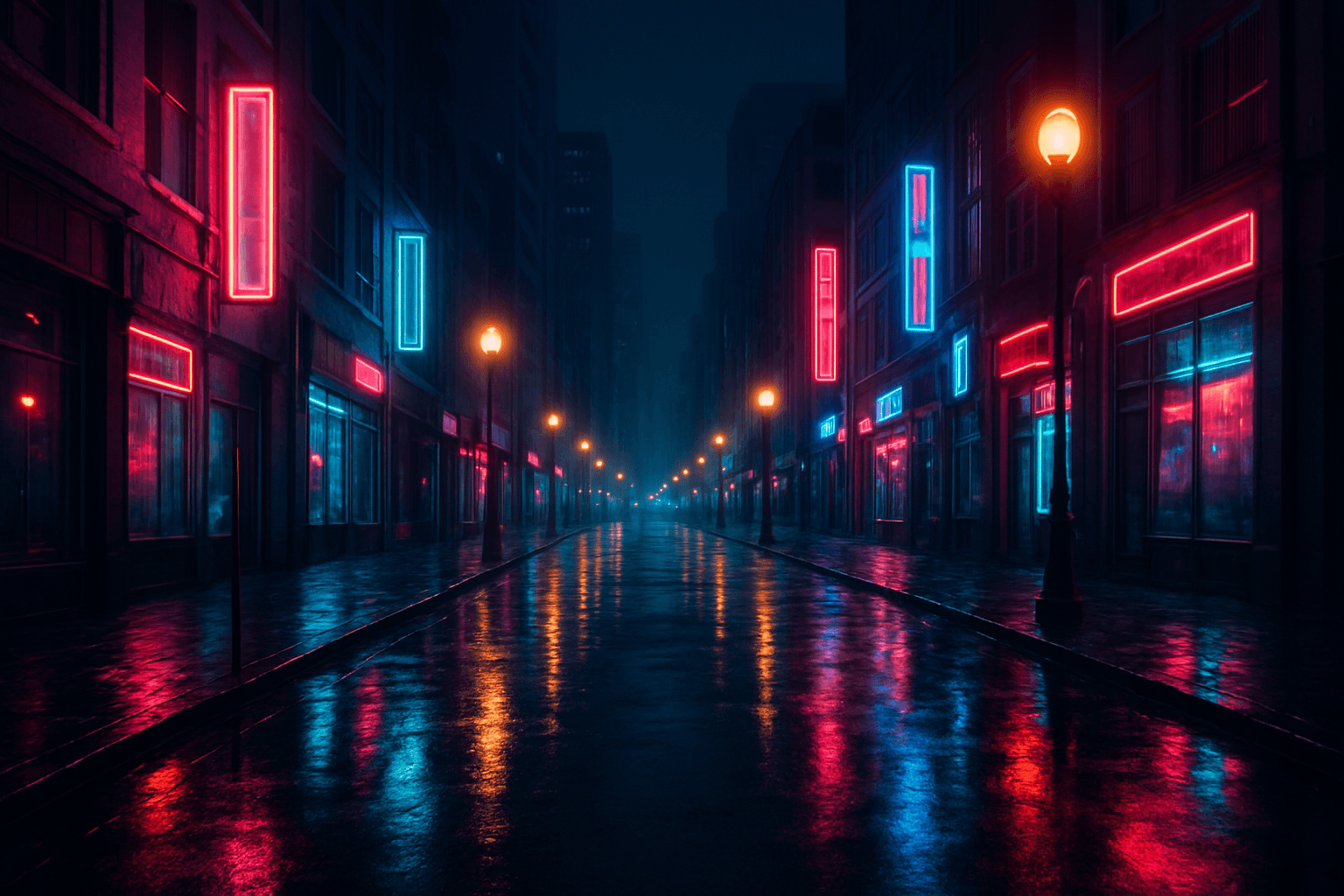
Urban Nighttime Mood
Urban Nighttime Mood focuses on capturing the unique ambiance present in cityscapes after sunset. This keyword emphasizes subtle lighting contrasts between artificial light sources and shadows, while showcasing realistic textures such as wet streets or glass surfaces. It conveys a quiet, contemplative, or energetic vibe depending on composition, making it ideal for cinematic, editorial, or conceptual visuals. Using this keyword enhances the emotional resonance of urban scenes and highlights the beauty found in nighttime environments.
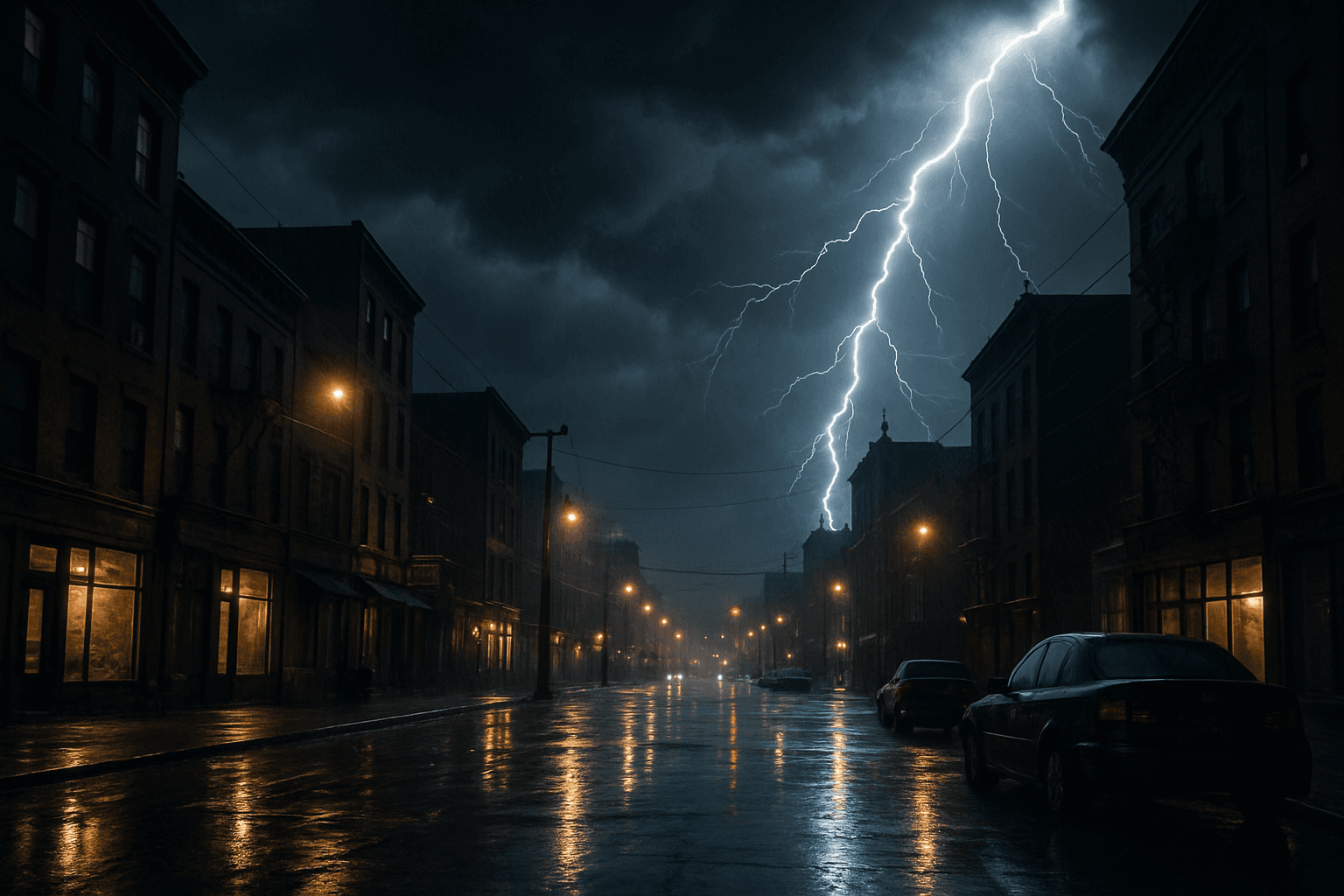
Stormy Weather Atmosphere
Stormy Weather Atmosphere is a powerful keyword for AI image generation that evokes dramatic and intense environmental conditions. By prompting the AI to include storm-related elements like ominous rain clouds, flashes of lightning, and turbulent skies, artists and creators can achieve scenes rich in tension and emotional impact. This atmosphere shifts the mood drastically from calm or sunny depictions, lending itself well to narratives involving conflict, intensity, or natural power. Incorporating storm characteristics enhances depth and realism, especially when paired with subtle reflections, wind-affected natural elements, or wet surfaces. It's ideal for compelling hero images, editorial visuals, or storytelling backdrops requiring a heightened sense of drama or unpredictability.