Rain-Slicked Pavement Atmosphere
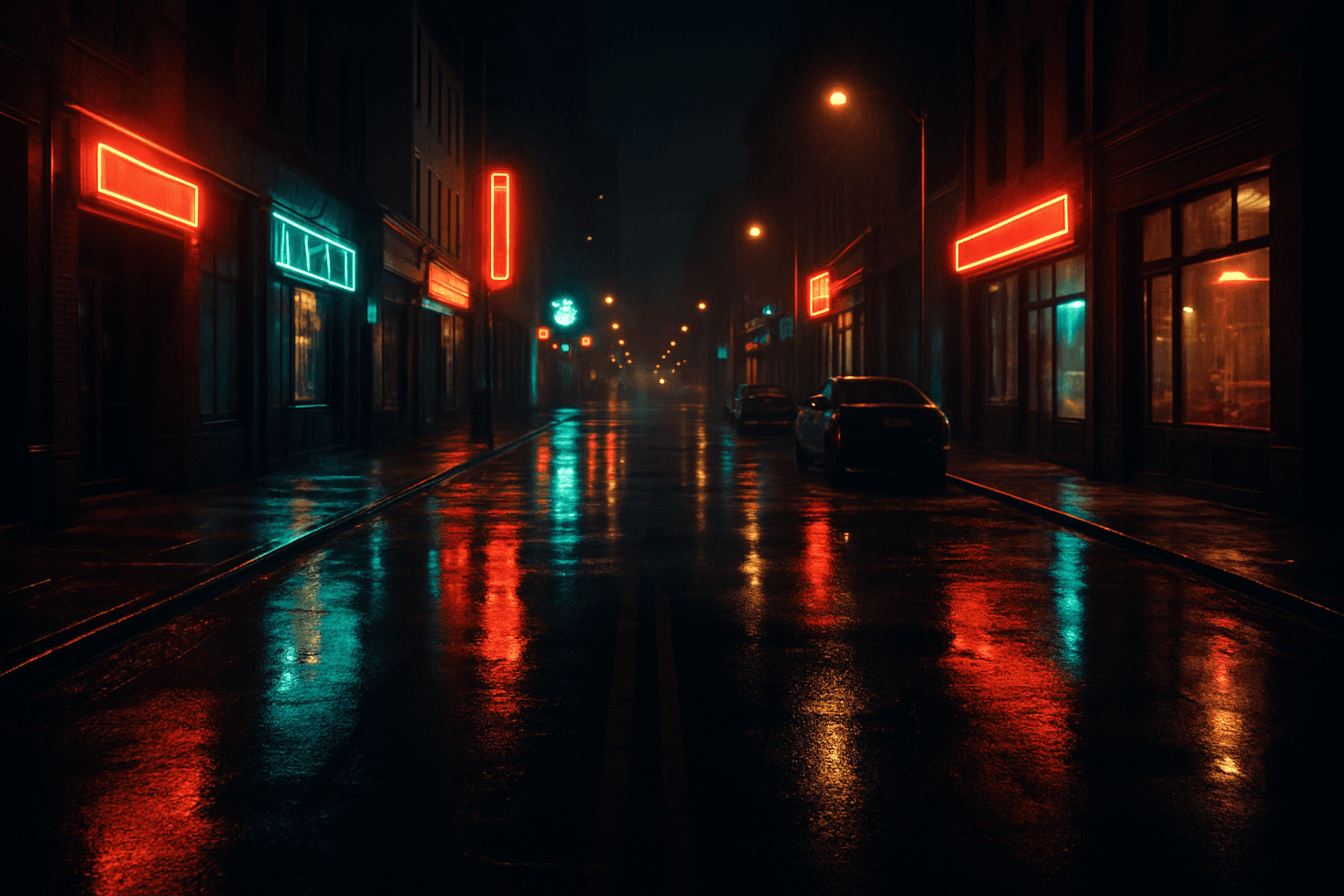
Adding the Rain-Slicked Pavement Atmosphere to an AI image prompt transforms scenes into evocative environments that feel freshly rained on. This keyword evokes the sensory experience of wet streets, enhancing contrast and depth through the interplay of light and wet textures. It complements urban night scenes, moody landscapes, and cinematic shots where reflections on pavement add layers of visual interest. This atmosphere enriches storytelling by suggesting recent rain, a cooler temperature, and enhanced color vibrancy from light bouncing off wet surfaces.
Definition
The Rain-Slicked Pavement Atmosphere keyword directs AI image models to depict outdoor surfaces — typically streets, sidewalks, or pathways — as freshly wet after rainfall. This creates shiny, reflective textures on pavement that catch and scatter surrounding lights, producing a moody and immersive environment. For beginners, it means adding descriptors that invoke dampness, reflections, and a subtle sheen to ground surfaces, enriching the visual narrative and realism of the image.
Prompt Formula
Use combinations that emphasize reflective wet surfaces with descriptive lighting and environment terms. Example formulas include: - [Location] + rain-slicked pavement atmosphere + [lighting style] + [time of day] - [Scene description], wet reflective pavement, rain-slicked texture, cinematic lighting - Urban environment, rain-slicked pavement atmosphere, subtle reflections, moody ambiance
- [Location] + rain-slicked pavement atmosphere + [lighting style] + [time of day]
- [Scene description], wet reflective pavement, rain-slicked texture, cinematic lighting
- Urban environment, rain-slicked pavement atmosphere, subtle reflections, moody ambiance
Best Use Cases
- Creating evocative urban night scenes with reflective wet streets
- Producing moody visuals for cinematic storytelling or film concepts
- Designing advertising imagery that requires fresh, rain-affected outdoor aesthetics
Industry Applications
Rain-slicked pavement atmospheres excel in various commercial domains. Advertising agencies use this look to evoke emotion and freshness in product campaigns. Editorial teams benefit from the moody, textured backgrounds ideal for storytelling or news pieces on weather and urban life. Ecommerce platforms apply these atmospheres to create compelling visuals that highlight outdoor apparel or gear designed for wet weather conditions, enhancing product context and appeal.
- Advertising photography with atmospheric backgrounds
- Editorial imagery for weather-related or urban lifestyle content
- Ecommerce visuals showcasing rain-ready fashion or equipment
Common Mistakes
Typical pitfalls include overusing generic terms like 'wet street' without specifying reflective qualities, leading to flat or unrealistic pavements. Another mistake is neglecting the lighting environment; reflective surfaces need coherent light sources to appear natural. Avoid cluttered scenes that distract from the pavement details or adding excessive puddles which can look artificial. To prevent muddy results, focus on concise, clear descriptors emphasizing texture, reflection, and mood.
- Using vague terms instead of ‘rain-slicked pavement atmosphere’
- Ignoring lighting direction and source coherence
- Overcrowding scenes that reduce pavement visibility or effect
Advanced Techniques
Experienced prompt writers enhance the effect by combining the Rain-Slicked Pavement Atmosphere with specific lighting conditions such as neon glow or twilight tones. Adding constraints like ‘soft reflections’ or ‘minimal water droplets’ can refine realism. Layering atmospheric effects like light fog or mist intensifies depth. Using precise material cues such as ‘textured concrete’ or ‘glossy asphalt’ further boosts tactile realism.
- Combine with neon lighting for vibrant reflections
- Add environmental effects like fog or mist for depth
- Specify pavement material for texture variation
Professional Workflow
Begin with a clear creative brief detailing location, mood, and lighting to include the rain-slicked pavement effect intentionally. Generate multiple prompt iterations varying angles, light conditions, and reflection intensity. Select outputs that best balance realism with atmosphere. Refine chosen images by enhancing wet texture visibility and adjusting reflections subtly. Finally, integrate the image within the overall design or editorial context, ensuring consistent mood and style.
- Draft detailed briefs specifying rain-slicked effect and environment
- Iterate prompts with controlled lighting and reflection parameters
- Select and refine images focusing on realistic wet surface textures
FAQ
How does the 'Rain-Slicked Pavement Atmosphere' keyword affect image realism?
It instructs the AI to simulate wet, reflective surfaces on pavements, adding realistic shine, reflections, and moisture textures that enhance depth and mood in the image.
Can this keyword be combined with night scenes?
Yes, pairing rain-slicked pavement with night or neon lighting intensifies reflections and creates striking cinematic visuals.
Continue Exploring
Related Prompts
Rainy Wet Pavement Mood
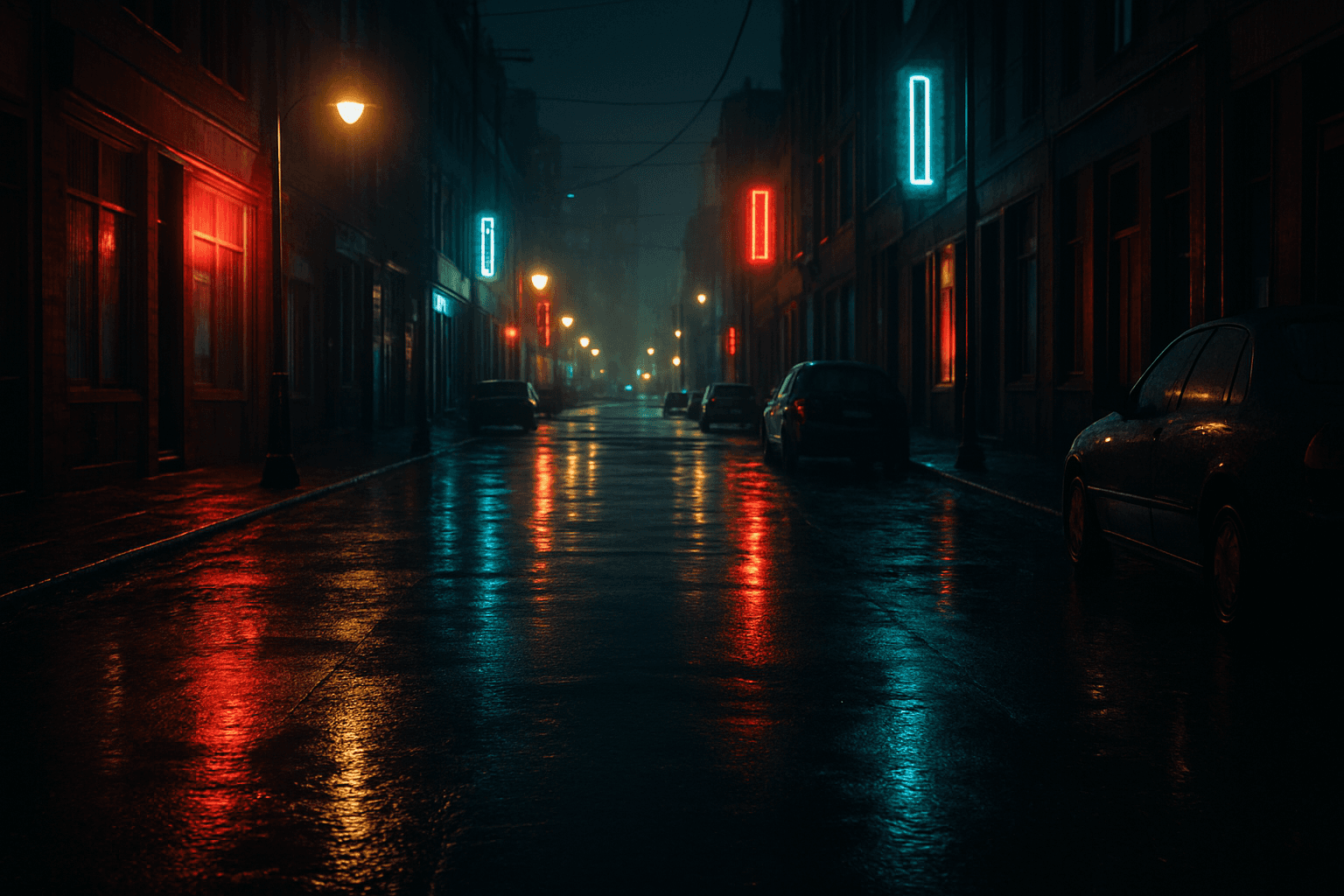
The Rainy Wet Pavement Mood is a powerful atmospheric keyword used in AI image generation to create scenes that convey the essence of urban environments touched by rain. This mood adds complexity through reflections on wet asphalt, enhancing depth and realism. Images generated with this prompt frequently feature subtle glows from streetlights or neon signs diffused by moisture, combined with a cooler or desaturated color scheme. This mood can imbue scenes with feelings ranging from peaceful solitude to cinematic melancholy, making it ideal for editorial, cinematic, or artistic imagery.
Rainy Atmosphere
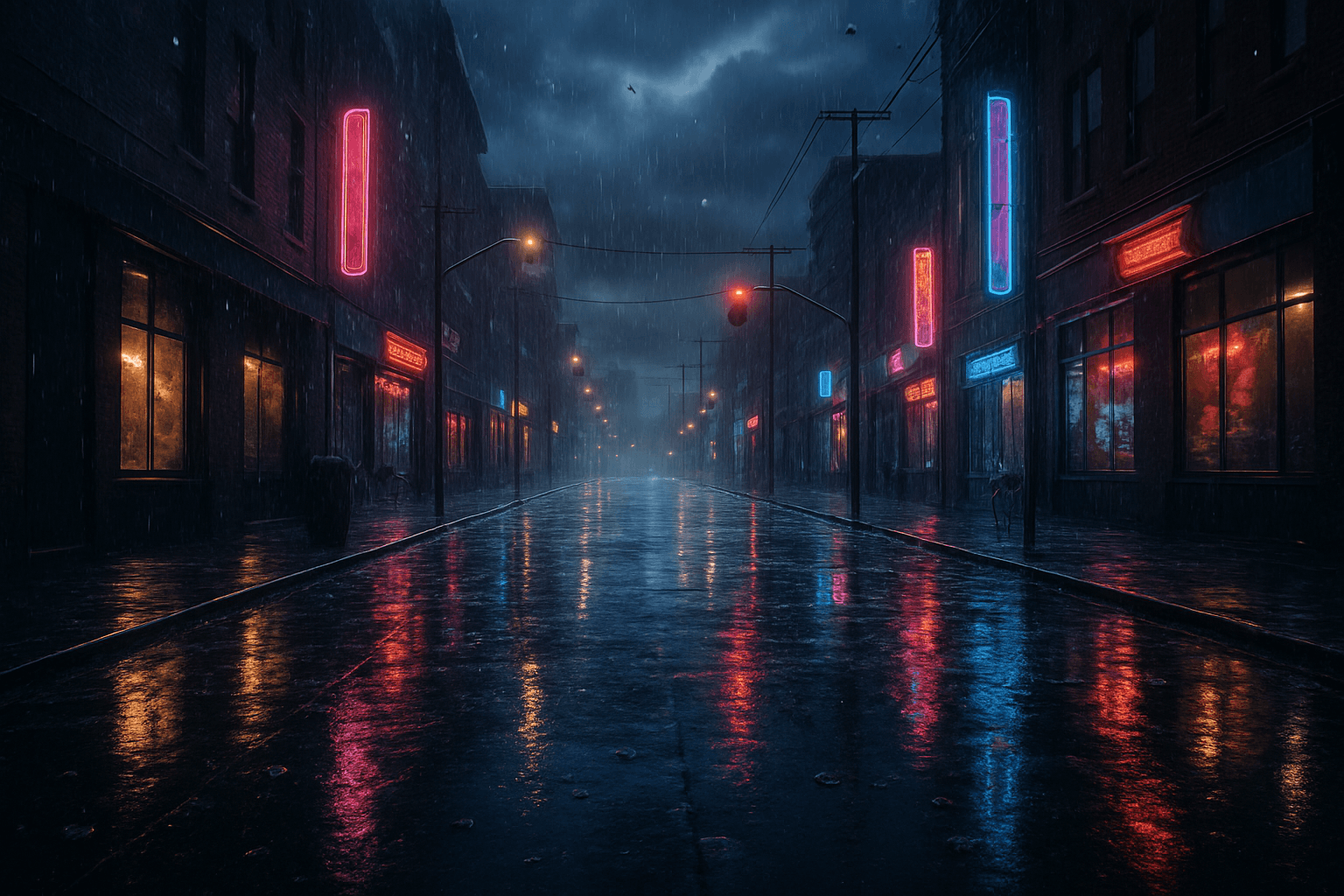
Rainy Atmosphere in AI-generated imagery involves recreating the nuanced conditions of rainfall and its effects on the environment. This atmosphere is characterized by clouds dense with moisture, soft and diffused lighting due to overcast conditions, and surfaces that appear slick or reflective from water. By simulating these conditions, artists can evoke moods ranging from somber and contemplative to calm and refreshing. The presence of rain adds dynamic elements like visible drops or mist, enhancing realism and emotional depth. Such atmospheres are widely used to depict urban scenes, nature, and cinematic moments where weather impacts the narrative tone.

Morning Sunlight Atmosphere
The 'Morning Sunlight Atmosphere' keyword brings a distinctive mood to AI-generated images by simulating the unique lighting found during sunrise hours. This atmosphere bathes scenes in soft golden tones, creating natural warmth and subtle shadow play that enhances textures and depth. It's particularly effective in landscapes, architectural shots, and portraits, where the interplay between light and early morning freshness conveys optimism, tranquility, and renewal. Using this keyword helps shift an image's palette toward warm ambers and gentle highlights, contributing to compelling compositions with emotional resonance and visual balance.
Urban Night Atmosphere
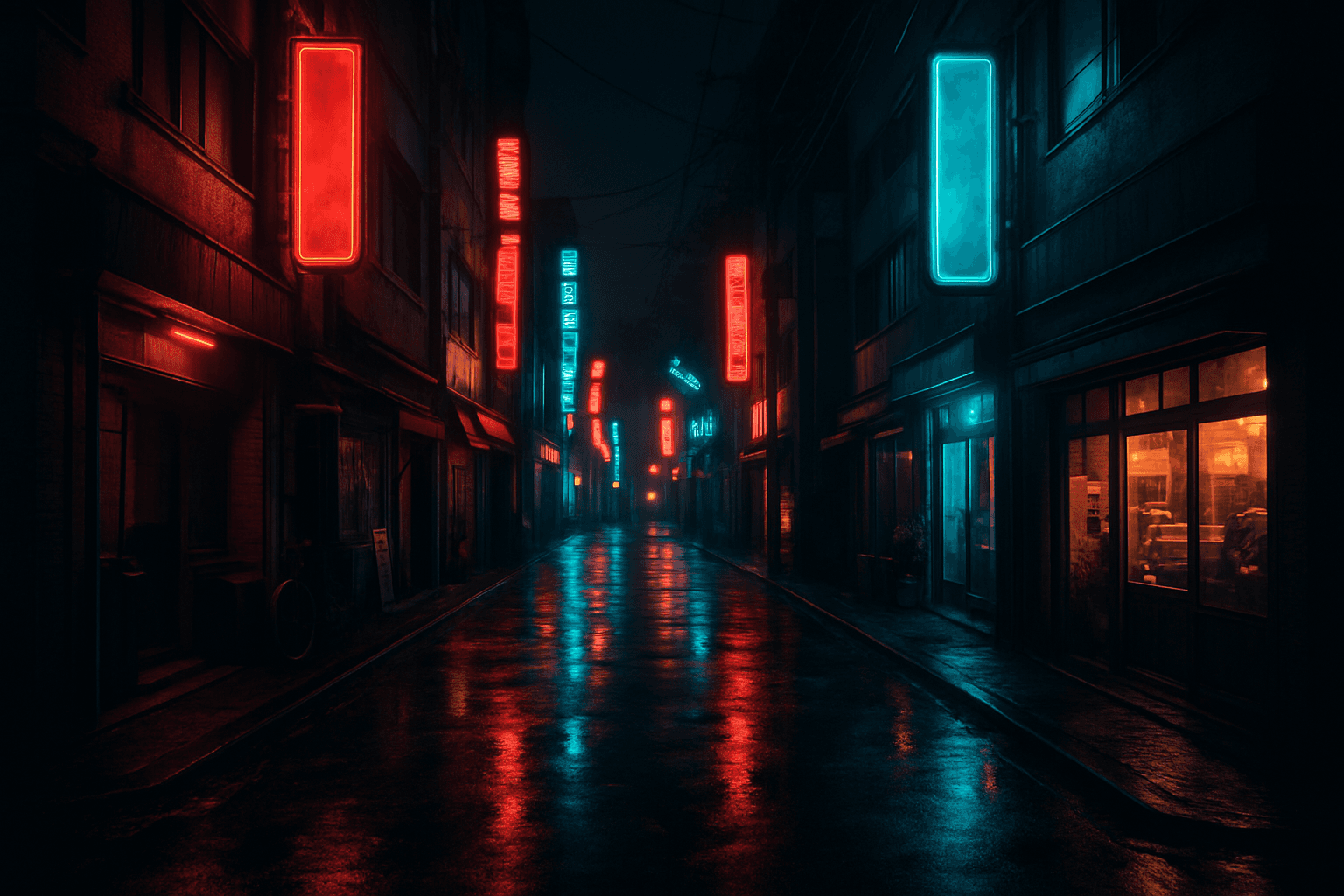
The Urban Night Atmosphere keyword evokes the unique and dynamic visual qualities of nighttime cityscapes. Images generated with this prompt typically emphasize artificial lighting sources such as street lamps, neon signs, and vehicle lights that bring vibrancy and energy to urban environments after sunset. This keyword helps AI models to focus on intricate lighting contrasts, reflections on wet streets or glass, and discreet human activity that define cities at night. It is ideal for producing evocative and realistic city scenes that convey mood, depth, and texture essential for editorial and commercial visuals.
Foggy Morning Atmosphere
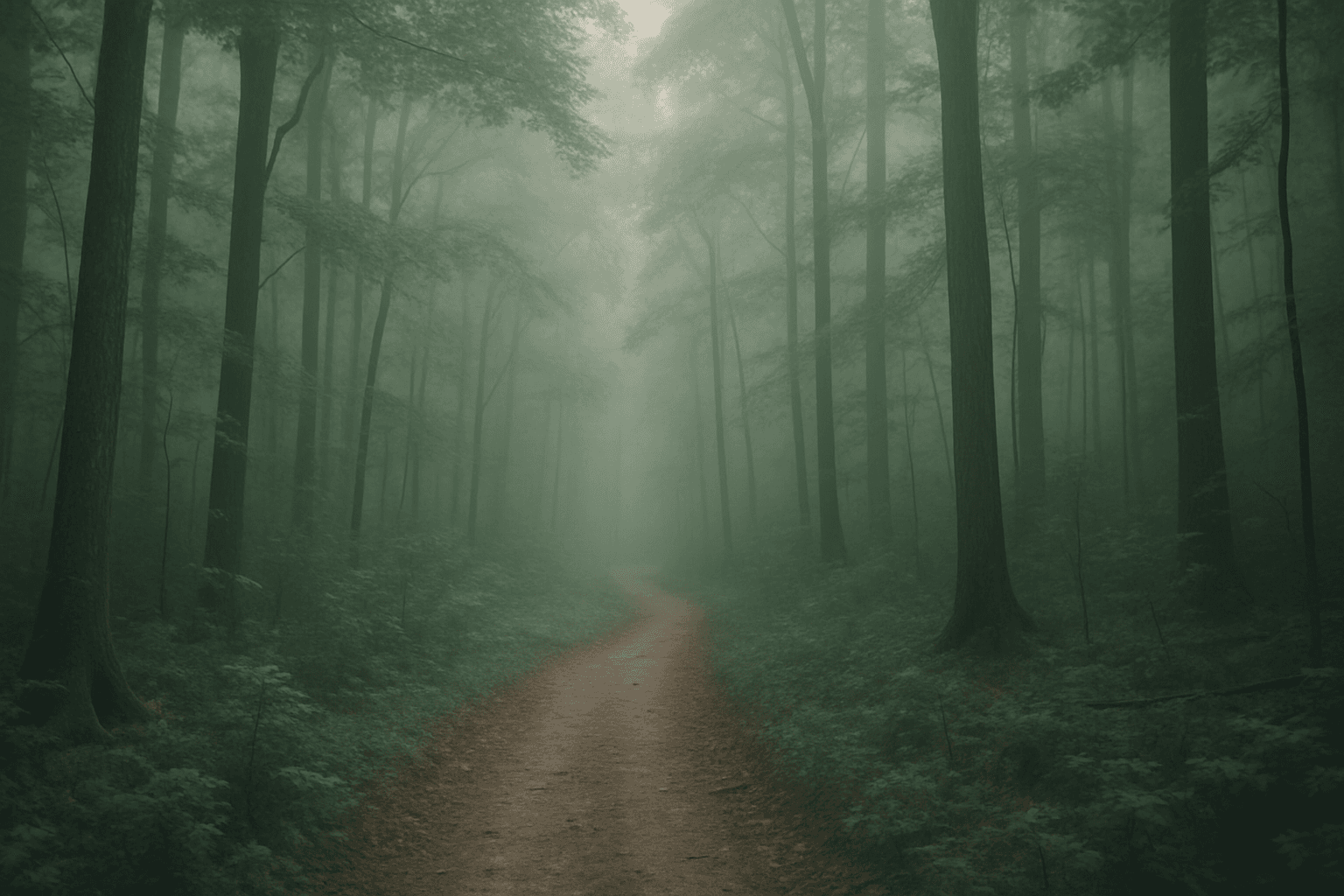
Foggy mornings are a quintessential atmospheric setting that transforms landscapes and scenes with diffused light and gentle haze. Using "Foggy Morning Atmosphere" in AI image prompts guides the model to simulate these unique conditions, creating visuals with muted tones, gentle contrasts, and a dreamy mood. This effect works exceptionally well for nature shots, serene urban scenes, or introspective portraits. Employing this atmosphere enriches storytelling by adding depth and emotion, often implying tranquility, mystery, or a fresh start to the day. The subtlety in light and shadow allows for creative compositions where subjects emerge softly from the mist, fostering a poetic visual narrative.

Crisp Winter Air Atmosphere
The 'Crisp Winter Air Atmosphere' keyword is essential for generating AI images that reflect the invigorating qualities of cold winter days. It infuses scenes with clarity and sharpness, often emphasizing cool light and minimal haze to produce a sense of fresh, cool air typical of early winter mornings or snowy landscapes. This atmosphere enhances compositions by adding emotional depth—evoking calmness, freshness, and renewal—while maintaining visual crispness suitable for editorial, advertising, and premium stock imagery. Using this keyword helps achieve refined lighting and realistic material effects without over-saturation or artificial haze.