Urban Nighttime Mood
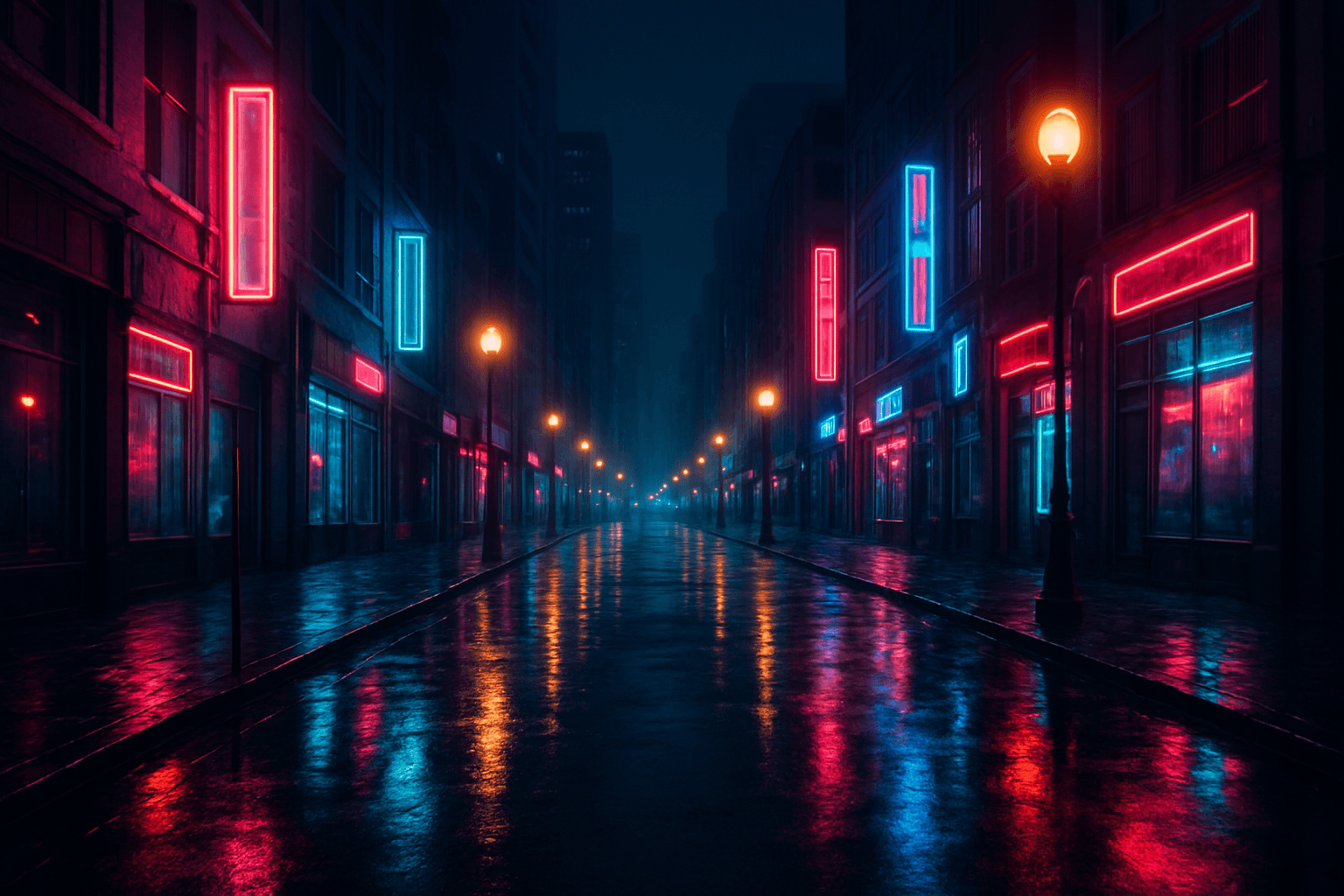
Urban Nighttime Mood focuses on capturing the unique ambiance present in cityscapes after sunset. This keyword emphasizes subtle lighting contrasts between artificial light sources and shadows, while showcasing realistic textures such as wet streets or glass surfaces. It conveys a quiet, contemplative, or energetic vibe depending on composition, making it ideal for cinematic, editorial, or conceptual visuals. Using this keyword enhances the emotional resonance of urban scenes and highlights the beauty found in nighttime environments.
Definition
Urban Nighttime Mood is a prompt keyword that instructs AI to generate scenes capturing city environments after dark. It emphasizes atmosphere through dim lighting, glowing streetlamps, neon reflections, and urban textures, evoking emotion and depth. Including this keyword guides the image toward realistic nighttime cityscapes filled with ambiance and mood.
Visual Characteristics
- Dim, ambient lighting featuring neon, streetlamps, or signage glows
- Wet or reflective surfaces like pavement and windows enhancing depth
- Urban elements such as buildings, streets, cars bathed in night shadows
Prompt Formula
Combine ‘urban nighttime mood’ with specific city descriptors and detailed lighting terms to build dynamic prompts. Add environment or weather effects to enhance realism and variation.
- [City name or style] + urban nighttime mood + [weather condition, e.g., rainy, foggy]
- Urban nighttime mood + [specific urban feature, e.g., alleyway, street market, skyline] + [lighting style, e.g., neon glow, soft lamps]
- Futuristic/retro urban nighttime mood + [time of night, e.g., late evening, midnight] + atmospheric elements
Best Use Cases
- Creating cinematic cityscapes for film or game concept art
- Editorial visuals showcasing nightlife and urban culture
- Marketing and promotional images for entertainment venues or night events
Creative Variations
To diversify outputs, adjust lighting color palettes toward cooler or warmer tones, incorporate varied weather conditions like fog or light rain, and explore different urban settings such as futuristic cities, historic districts, or gritty alleys. Experimenting with perspective and depth of field can also refresh compositions.
- Switch neon colors between blues, reds, and purples
- Add weather elements like mist, rain, or light snowfall
- Vary urban environments: modern skyline, industrial, historic streets
Industry Applications
- Advertising campaigns for nightclubs, concerts, and nightlife activities
- Editorial image assets for magazines or blogs about urban living
- Ecommerce visual content for fashion or tech products targeting urban audiences
Common Mistakes
Avoid overloading prompts with generic nighttime terms, which can produce dull or unrealistic scenes. Lack of specifying light sources or reflections can result in flat images. Overuse of fog or haze may obscure details and reduce image clarity. Being too vague about urban elements can cause generic, uninspired visuals rather than rich atmospheric compositions.
- Missing clear light source descriptions leading to flat lighting
- Overusing fog/haze covering important details
- Neglecting reflections and wet surfaces that add realism
- Using vague urban terms instead of specific features
FAQ
How can I make 'Urban Nighttime Mood' prompts look more realistic?
Focus on specifying multiple light sources like streetlamps and neon signs, include reflections on wet surfaces, and mention atmospheric effects such as light rain or mist. Detailing the urban environment with specific elements makes the scene more believable.
Can 'Urban Nighttime Mood' be used for futuristic city visuals?
Yes, pairing 'urban nighttime mood' with descriptors like 'futuristic skyline' or 'cyberpunk aesthetic' can generate atmospheric images of futuristic cityscapes at night.
Continue Exploring
Related Prompts
Urban Night Atmosphere
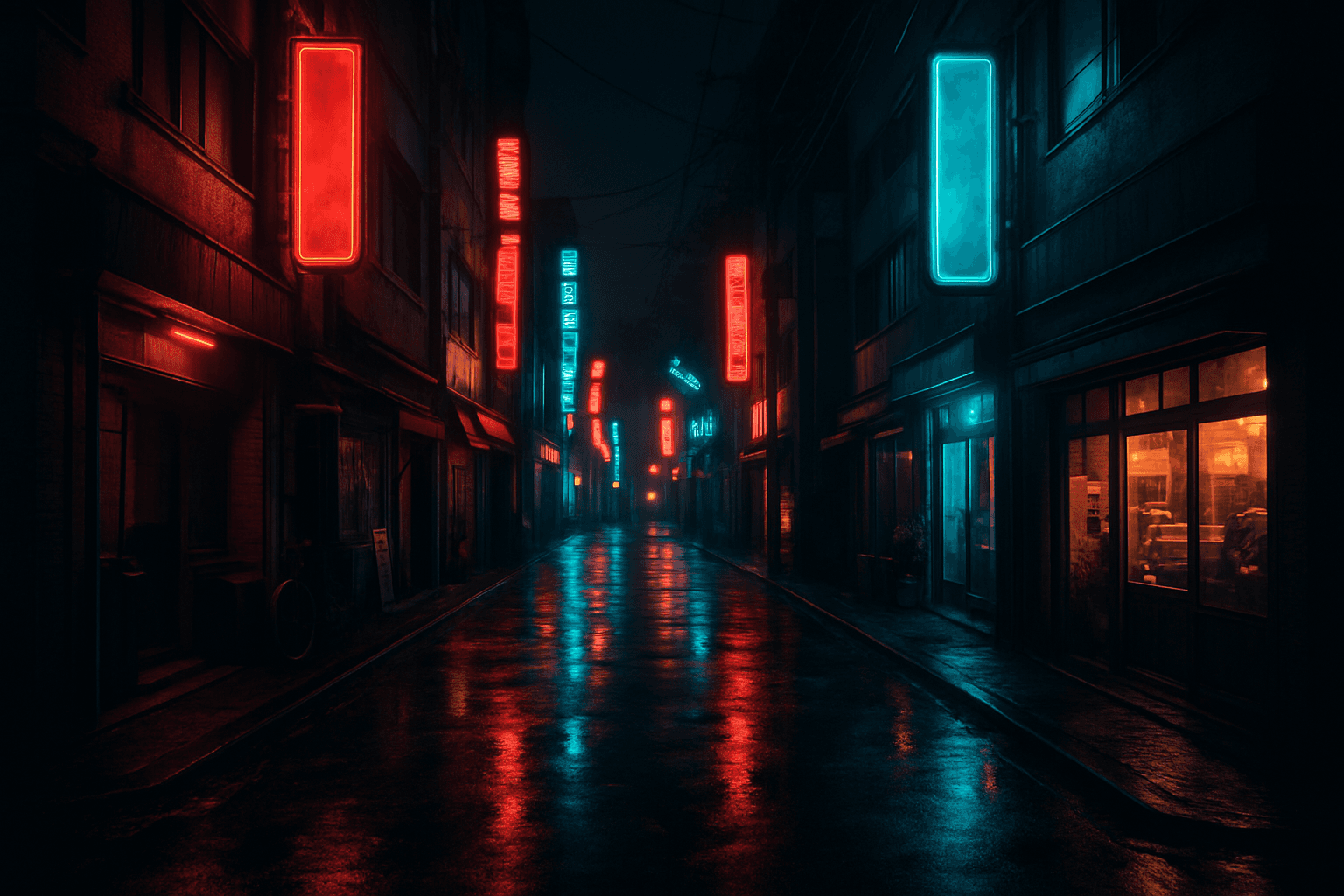
The Urban Night Atmosphere keyword evokes the unique and dynamic visual qualities of nighttime cityscapes. Images generated with this prompt typically emphasize artificial lighting sources such as street lamps, neon signs, and vehicle lights that bring vibrancy and energy to urban environments after sunset. This keyword helps AI models to focus on intricate lighting contrasts, reflections on wet streets or glass, and discreet human activity that define cities at night. It is ideal for producing evocative and realistic city scenes that convey mood, depth, and texture essential for editorial and commercial visuals.
Moody Urban Atmosphere
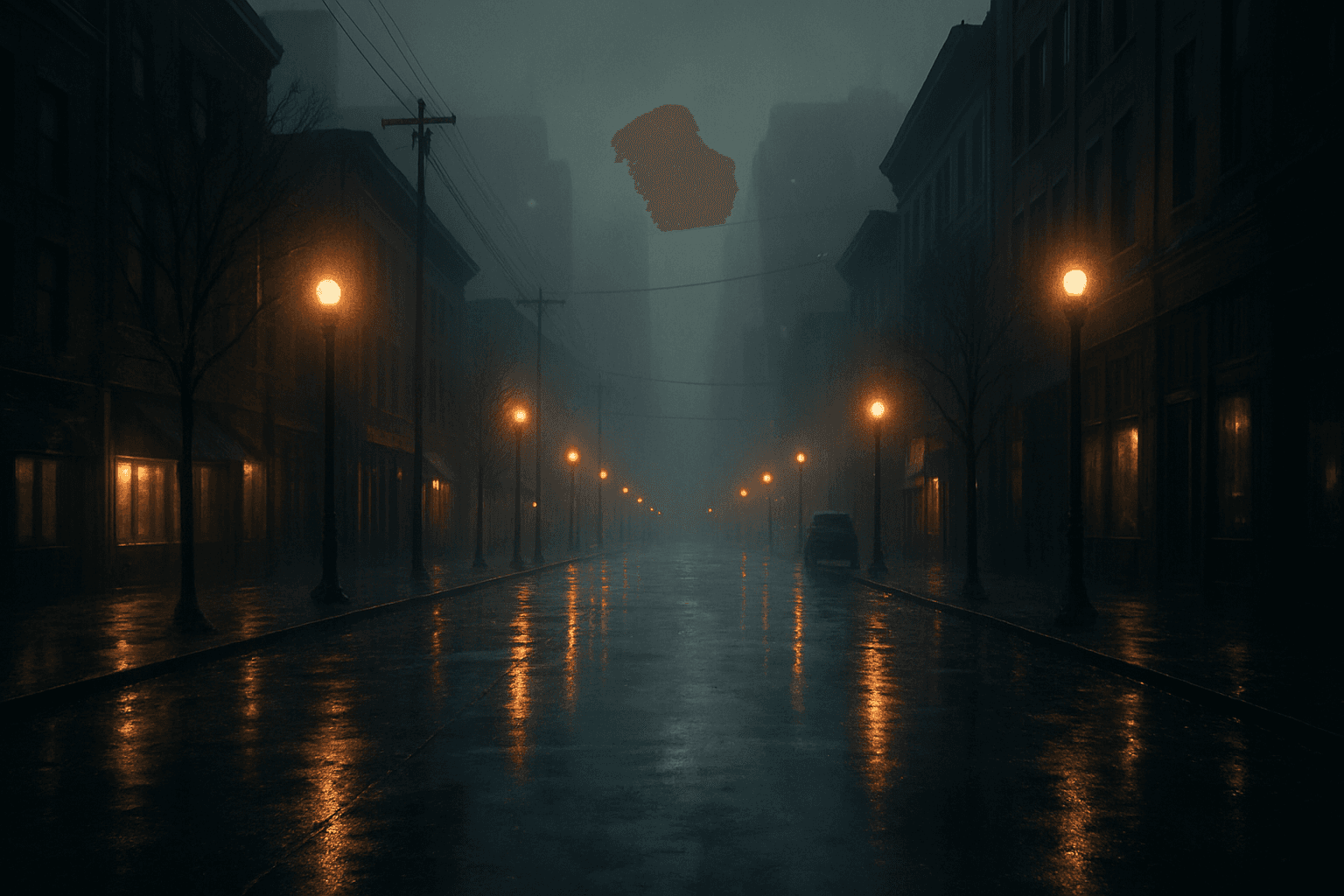
The 'Moody Urban Atmosphere' keyword guides AI image models to produce city environments imbued with emotional depth and cinematic tension. These images emphasize a specific ambiance characterized by somber lighting and subdued colors, evoking feelings such as nostalgia, solitude, or suspense. Artists and designers often seek this mood to communicate urban stories beyond the hustle and bustle, focusing instead on quiet moments or reflective scenes. Using this keyword effectively helps generate images that appear both realistic and emotionally charged, suitable for editorial content, film concept art, or evocative backgrounds in multimedia projects.
Dusk Twilight Mood
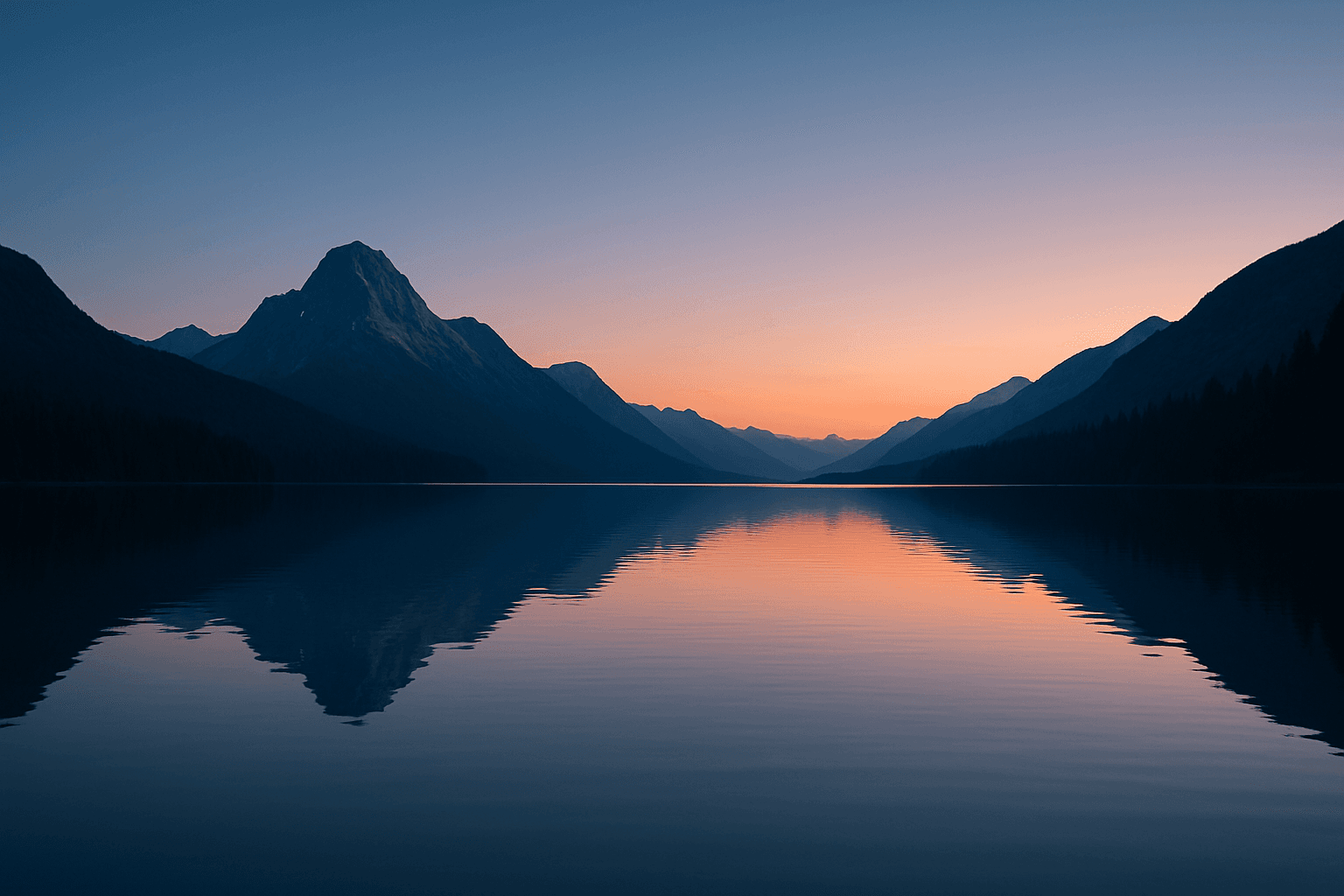
Dusk Twilight Mood captures the enchanting moments shortly after sunset when natural light softens and the sky transitions into peaceful gradients of blue and orange hues. This keyword enhances AI-generated images by infusing subtle warmth and fading daylight effects, creating contemplative and gentle moods. Its application suits a wide range of subjects from landscapes drenched in pastel skies to intimate portraits highlighted by soft shadows. The mood encourages a sense of calm and introspection, often reflecting the day's end and the approach of night. Using this keyword, artists can simulate realistic twilight lighting with refined contrast and balanced saturation, delivering evocative images with a premium editorial quality.
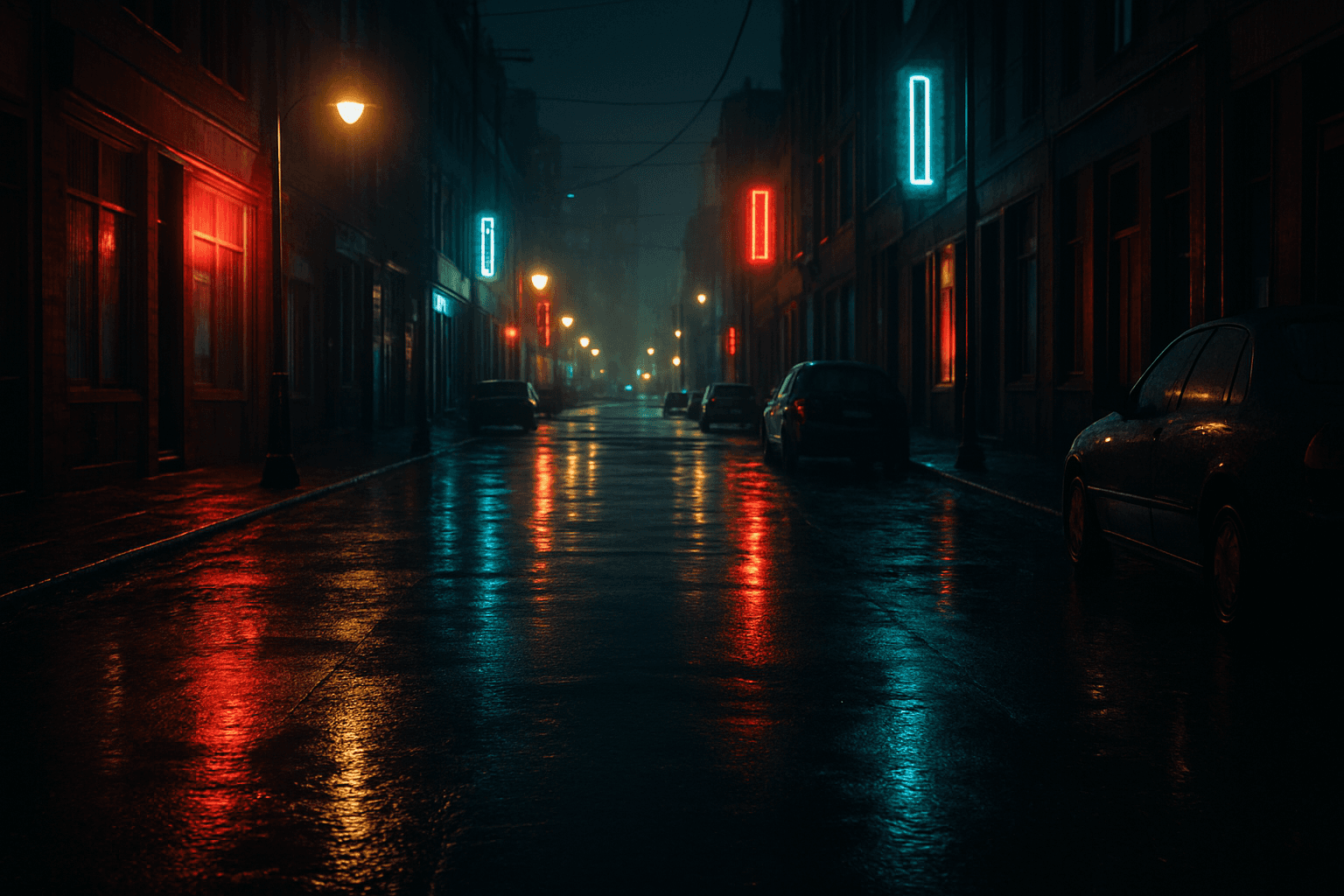
Rainy Wet Pavement Mood
The Rainy Wet Pavement Mood is a powerful atmospheric keyword used in AI image generation to create scenes that convey the essence of urban environments touched by rain. This mood adds complexity through reflections on wet asphalt, enhancing depth and realism. Images generated with this prompt frequently feature subtle glows from streetlights or neon signs diffused by moisture, combined with a cooler or desaturated color scheme. This mood can imbue scenes with feelings ranging from peaceful solitude to cinematic melancholy, making it ideal for editorial, cinematic, or artistic imagery.
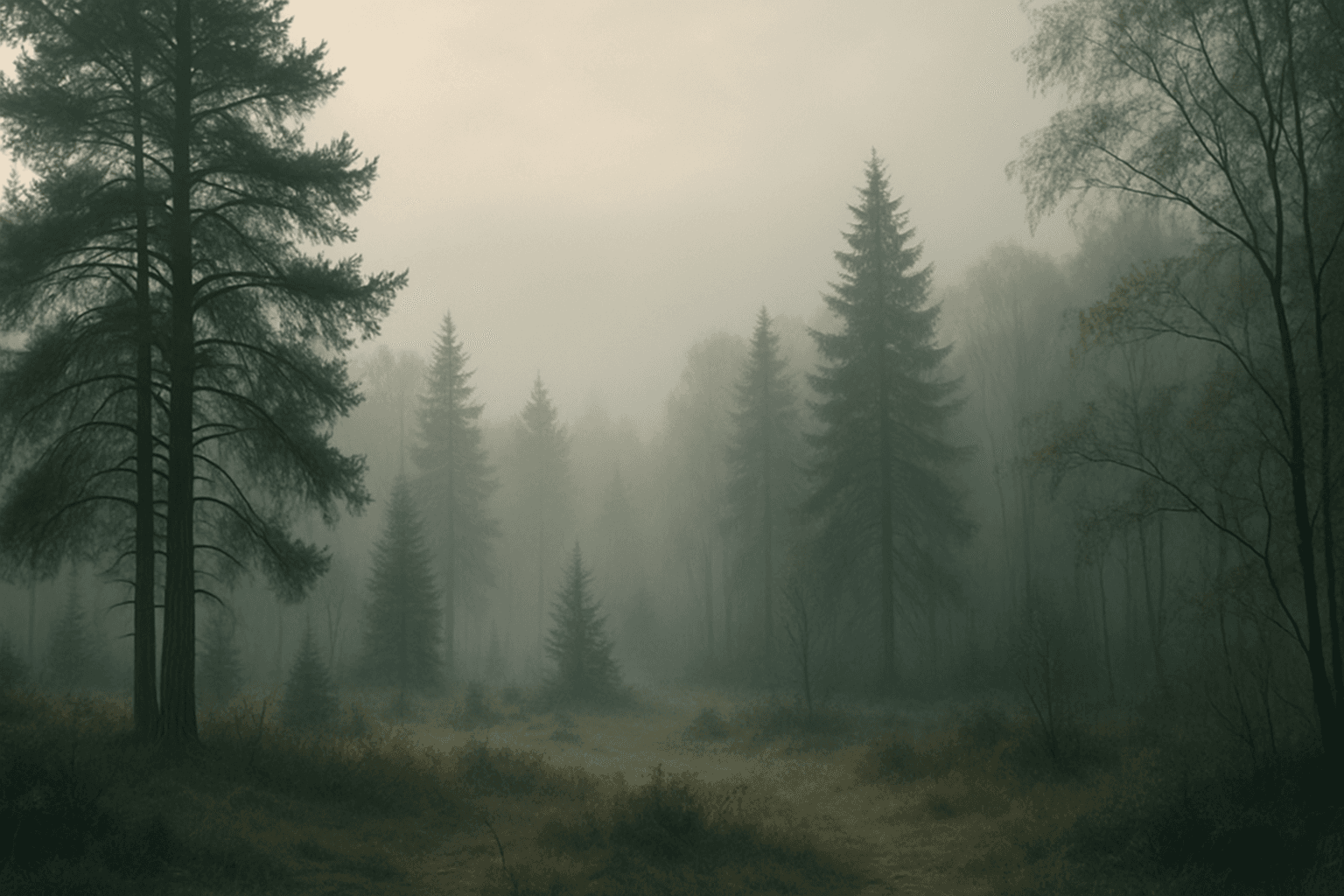
Foggy Landscape Mood
The Foggy Landscape Mood keyword is essential for generating serene and ethereal nature scenes using AI image models. By introducing fog or mist, images gain a layered depth and emotional resonance, often invoking feelings of quiet solitude or mystery. This mood softens sharp details and shadows, lending a dreamy or suspenseful tone that works well for forest, mountain, or waterfront environments. Artists and designers leverage this effect to create immersive atmospheres that feel both natural and cinematic, making it suitable for editorial, fine art, or conceptual visuals.
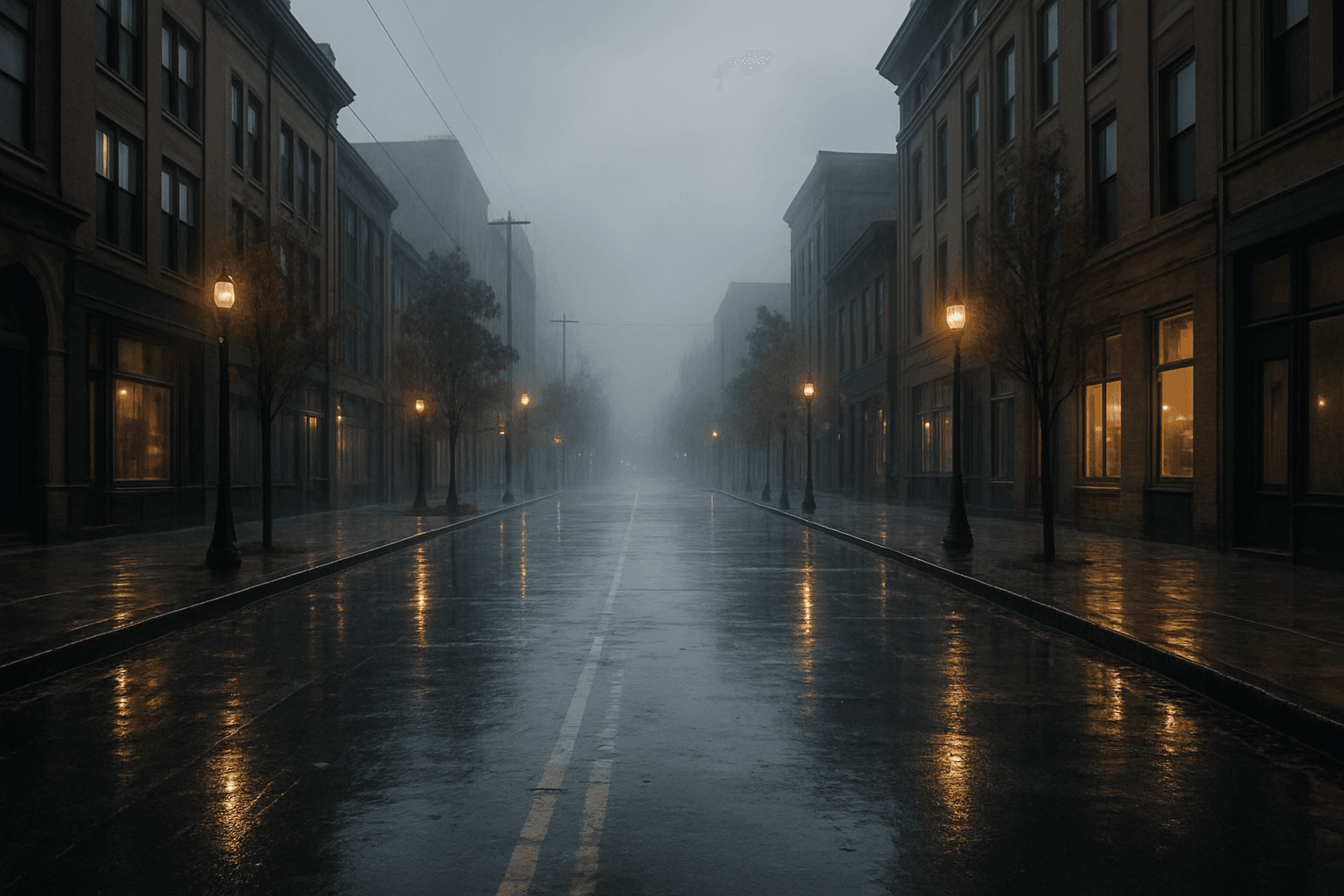
Rainy Day Mood
The Rainy Day Mood keyword enables AI image generators to craft scenes imbued with the ambiance of rainfall and its associated emotions. Including this keyword results in imagery where wet streets reflect city lights, characters might wear raincoats or hold umbrellas, and environments appear misty or gray. This atmosphere often conveys feelings of nostalgia, introspection, or tranquility. By integrating Rainy Day Mood, artists can shift the mood of their work towards more introspective or cinematic visuals. This keyword is especially useful for illustrating stories, editorial content, or artistic portraits where mood and environment play significant roles. Its subtle cues subtly influence lighting, color grading, and texture to evoke a realistic rainy setting.