Packaging Mockup
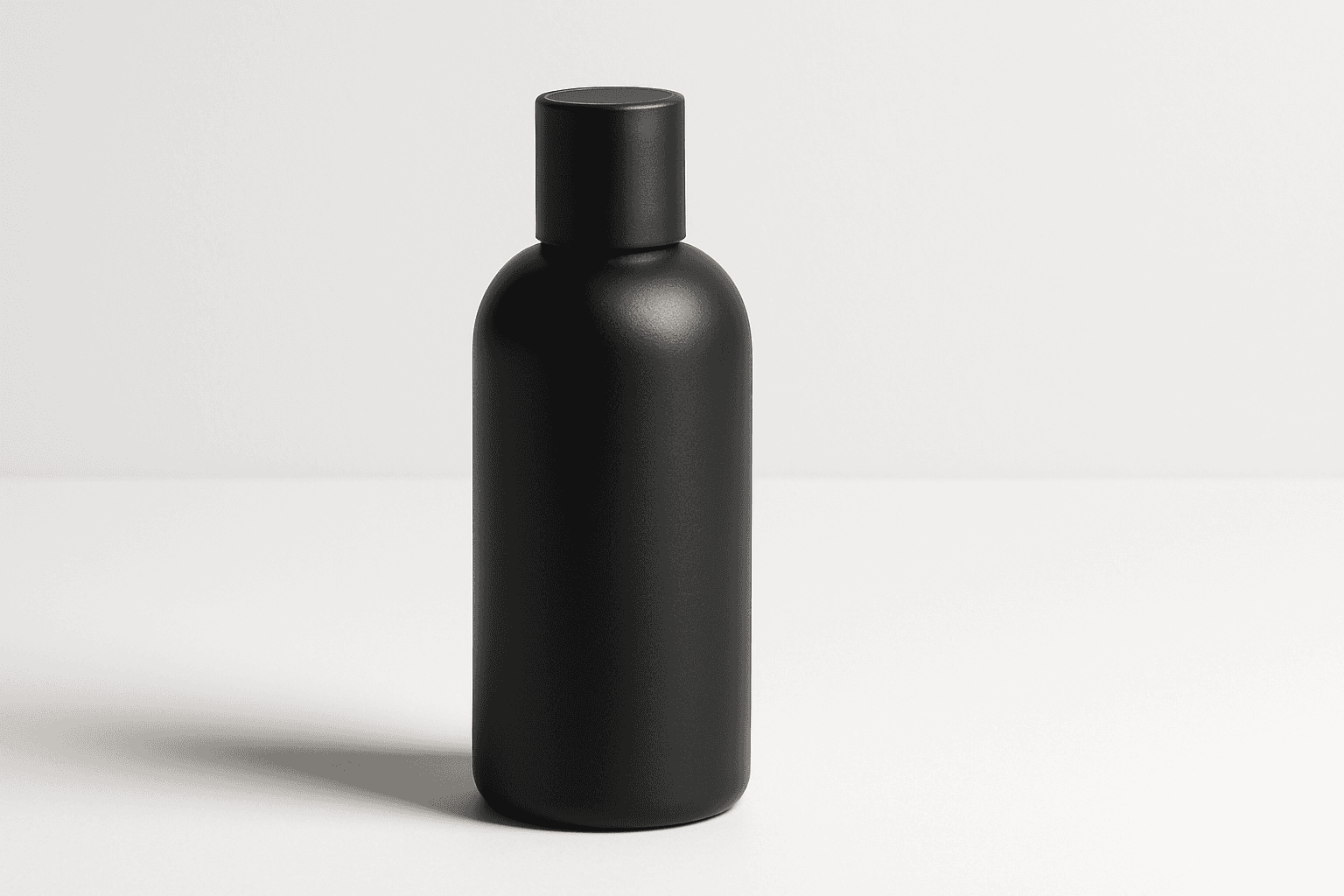
Packaging mockups are essential tools in product design and marketing, allowing designers and brands to visualize and present their packaging concepts in a realistic setting before production. When using AI image prompts, including 'packaging mockup' guides the generation process to focus on product boxes, bottles, or containers with attention to accurate textures and lighting. This results in polished, professional images ideal for presentations, ecommerce, or advertisements. The style should emphasize clarity and premium quality, highlighting packaging features without distractions like logos or text, ensuring versatility for various commercial applications.
Definition
Packaging mockup refers to a digital or AI-generated image that realistically depicts the packaging of a product. It helps visualize how the product container—such as a box, bottle, or pouch—would look in real life, showcasing materials, lighting, and design details. Incorporating this keyword into AI prompts shifts focus toward creating realistic product containers suitable for presentation purposes.
Prompt Formula
To create effective packaging mockup prompts, combine the product type, material descriptor, lighting style, and background setting. Use phrases emphasizing realism and premium quality. Common formats include: - [Product type] packaging mockup - Realistic [material] packaging mockup - Clean studio lighting on [product] packaging mockup - Minimalist background with [product] packaging mockup Example: “Premium matte paper packaging mockup with soft natural lighting on white background.”
- [Product type] packaging mockup
- Realistic [material] packaging mockup
- Clean studio lighting on [product] packaging mockup
- Minimalist background with [product] packaging mockup
Best Use Cases
Packaging mockups excel in several scenarios: - Presenting new product packaging designs professionally to clients or teams. - Creating attractive product images for ecommerce platforms and catalogs. - Designing marketing materials like banners or social posts emphasizing product packaging. These use cases benefit from photorealistic detail and clean composition to highlight packaging features.
- Client design presentations
- Ecommerce product images
- Marketing banners and social media content
Industry Applications
Packaging mockups serve many commercial industries such as: - Advertising agencies creating promotional visuals. - Ecommerce businesses needing high-quality product images for listings. - Editorial publications showcasing packaging trends or product reviews. In each field, realistic packaging mockups elevate the quality of visual content and support brand messaging.
- Advertising campaigns
- Ecommerce product catalogs
- Editorial and trend publications
Common Mistakes
Typical prompt mistakes include: - Overloading the prompt with too many details causing muddled images. - Using vague material or lighting descriptions leading to unrealistic textures. - Including text, logos, or watermarks that clutter the composition. To avoid these, keep descriptions focused on realistic materials and clean, simple backgrounds without added graphics. Prioritize lighting and reflection details for premium quality.
- Avoid excessive prompt complexity
- Specify materials and lighting clearly
- Exclude text and logos for clean images
FAQ
How do I ensure my packaging mockup looks realistic in AI image generation?
Include specific material descriptions (e.g., matte cardboard, frosted glass), realistic lighting conditions, and clean backgrounds in your prompt. Avoid adding text or logos for a polished presentation look.
Can I use packaging mockup images for commercial purposes?
Yes, packaging mockup images generated with proper prompts and licenses are ideal for commercial applications such as advertising, ecommerce, and branding presentations.
What should I avoid including in packaging mockup prompts?
Avoid specifying logos, brand names, or text in your prompts to keep images versatile and clean, which increases usability across multiple commercial contexts.
Continue Exploring
Related Prompts
Product Packaging Mockup
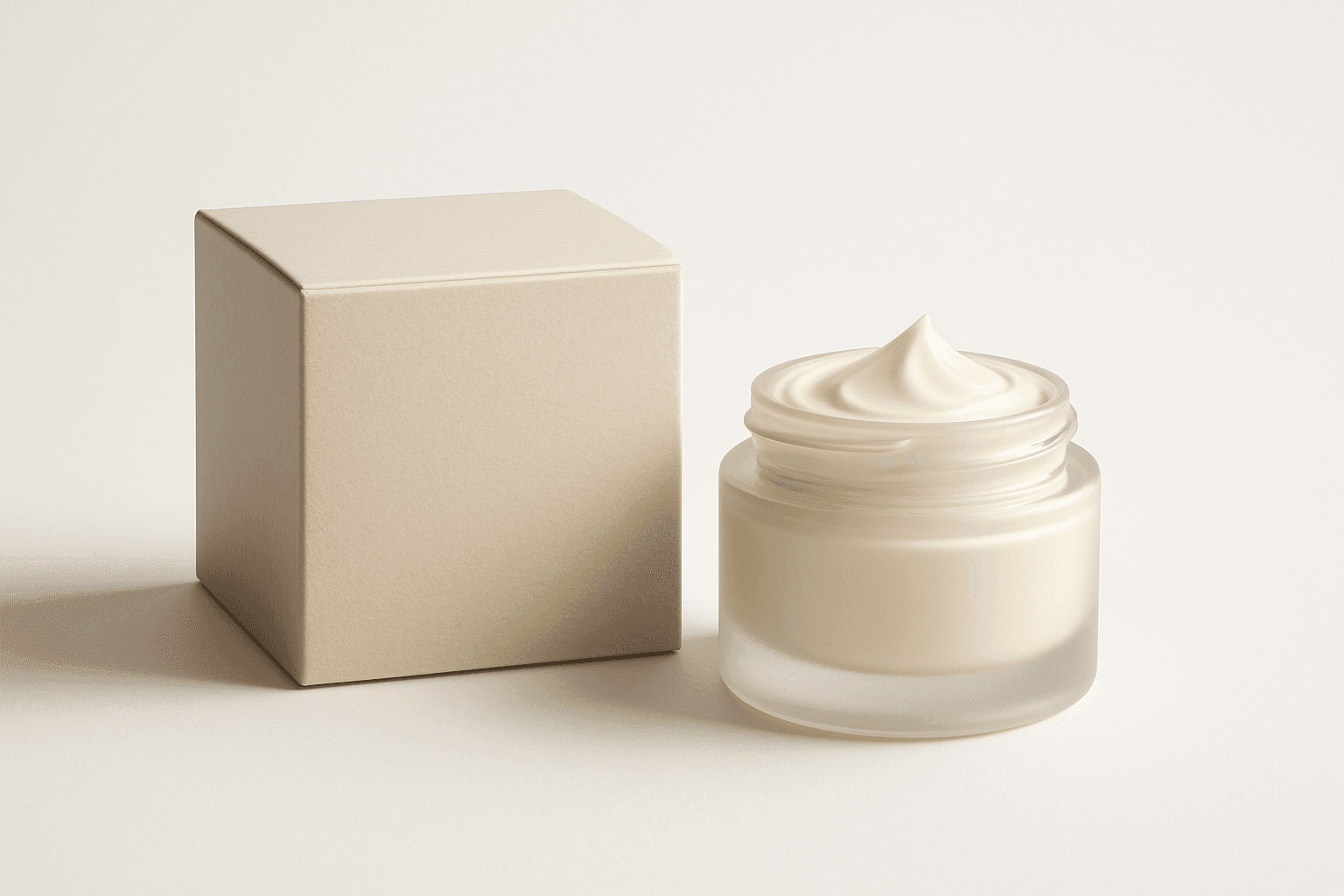
Product packaging mockups are essential tools in design and marketing to realistically showcase how products will look on store shelves. Using AI to generate these images allows rapid iteration of packaging ideas, displaying details like folds, textures, and labels in a lifelike manner. These mockups often feature minimalist and modern compositions with soft shadows and lighting that emphasize the tactile qualities of packaging materials. They are invaluable for presentations, advertisements, and e-commerce listings, allowing creators to preview and refine designs without costly physical prototypes.
Packaging Mockup Design
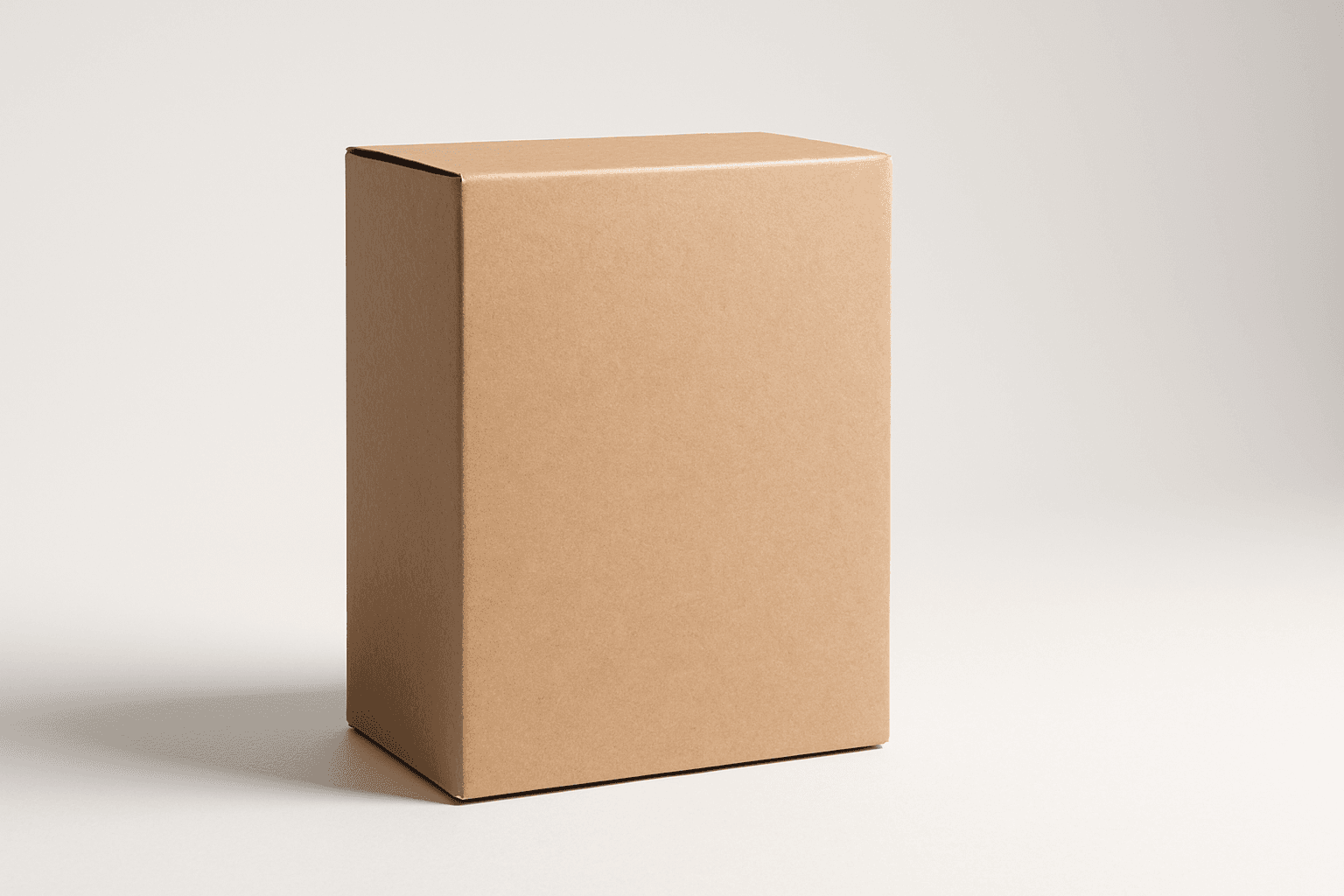
Packaging Mockup Design is an essential keyword for AI image generation when creating realistic and versatile product packaging visuals. It helps designers, marketers, and content creators visualize packaging concepts with premium stock-image polish and refined lighting. The resulting images typically feature clean editorial compositions focused on packaging shape and material details without any distracting text or logos. This keyword boosts the quality and usability of product presentation images for commercial use, branding proposals, or online stores.

Packaging Design Visuals
Packaging Design Visuals are critical in illustrating product packaging concepts for designers, marketers, and retailers. Using AI prompts with this keyword generates imagery that highlights packaging prototypes or final designs with photorealistic qualities, often emphasizing materials and dimensional structure in well-lit editorial-style compositions. Such visuals are vital for client presentations, advertisements, e-commerce showcases, and refining packaging aesthetics without the need for physical samples. The approach focuses on clarity, material authenticity, and minimal distractions, making it a powerful tool in both creative and commercial workflows.
Packaging Design Presentation
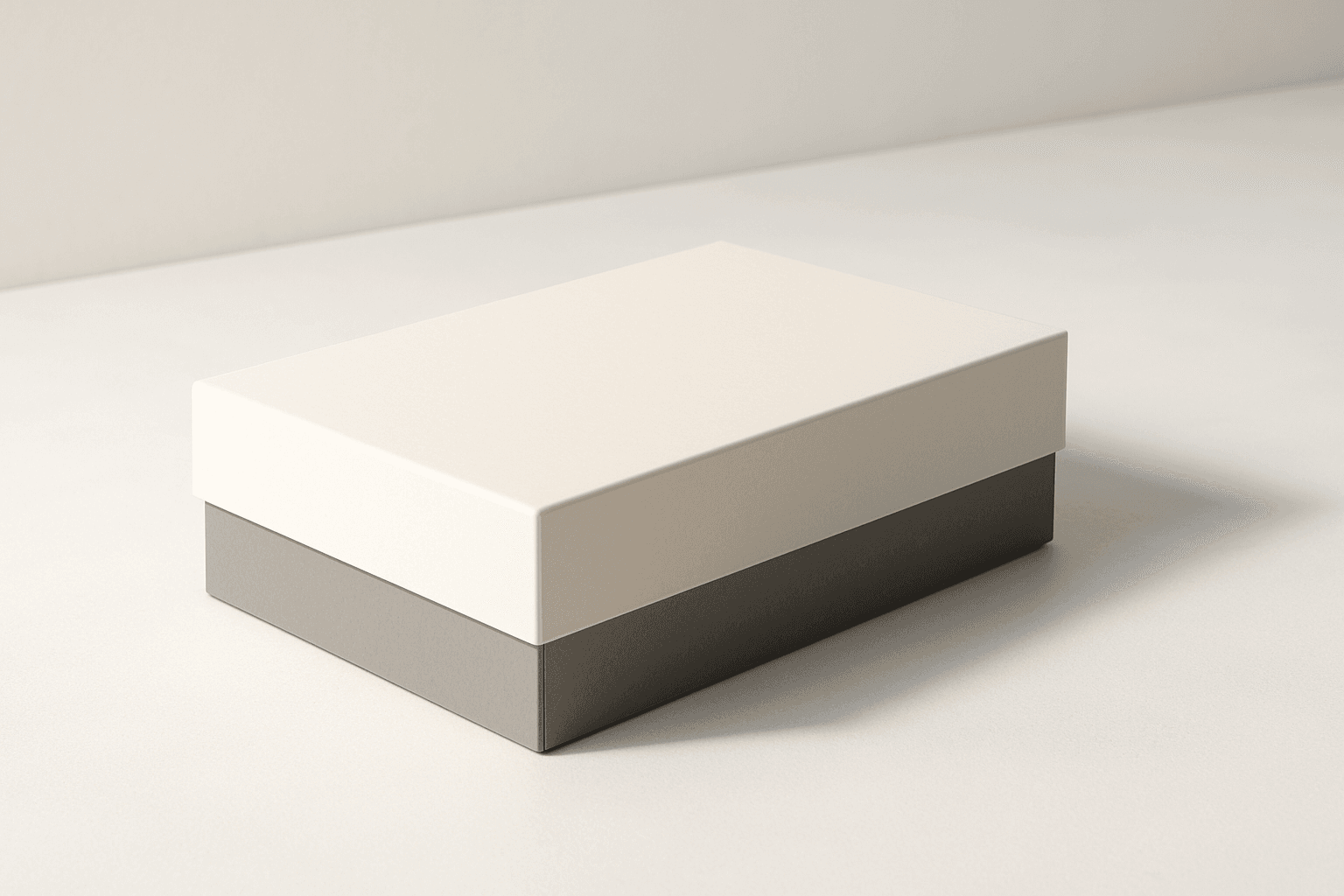
The 'Packaging Design Presentation' keyword elevates AI-generated images to display consumer product packaging in a professional, editorial style. It's designed to produce visuals that showcase packaging designs with premium polish, realistic material representation, and refined lighting. This approach is essential for designers, marketers, and e-commerce professionals needing imagery that accurately reflects packaging aesthetics without distractions. The results typically feature a clean background, subtle depth to accentuate three-dimensionality, and an absence of text or logos, ensuring the focus remains on the package design itself. By integrating this keyword into prompts, users can expect images suitable for presentations, online catalogs, and marketing assets that demand a commercial finish.

Print Advertisement Layout
Print Advertisement Layout is foundational in creating compelling commercial visuals optimized for print media. These layouts emphasize structured design that balances images and text areas, achieving clarity and visual appeal to capture viewer attention effectively. In AI-generated imagery, integrating this keyword encourages clean editorial compositions with refined lighting and realistic materials, avoiding clutter or distracting elements. By focusing on such layouts, designers and marketers ensure their ads deliver messages efficiently across magazines, brochures, and other printed marketing materials, fostering brand engagement and recognition.
E-Commerce Banner Layout
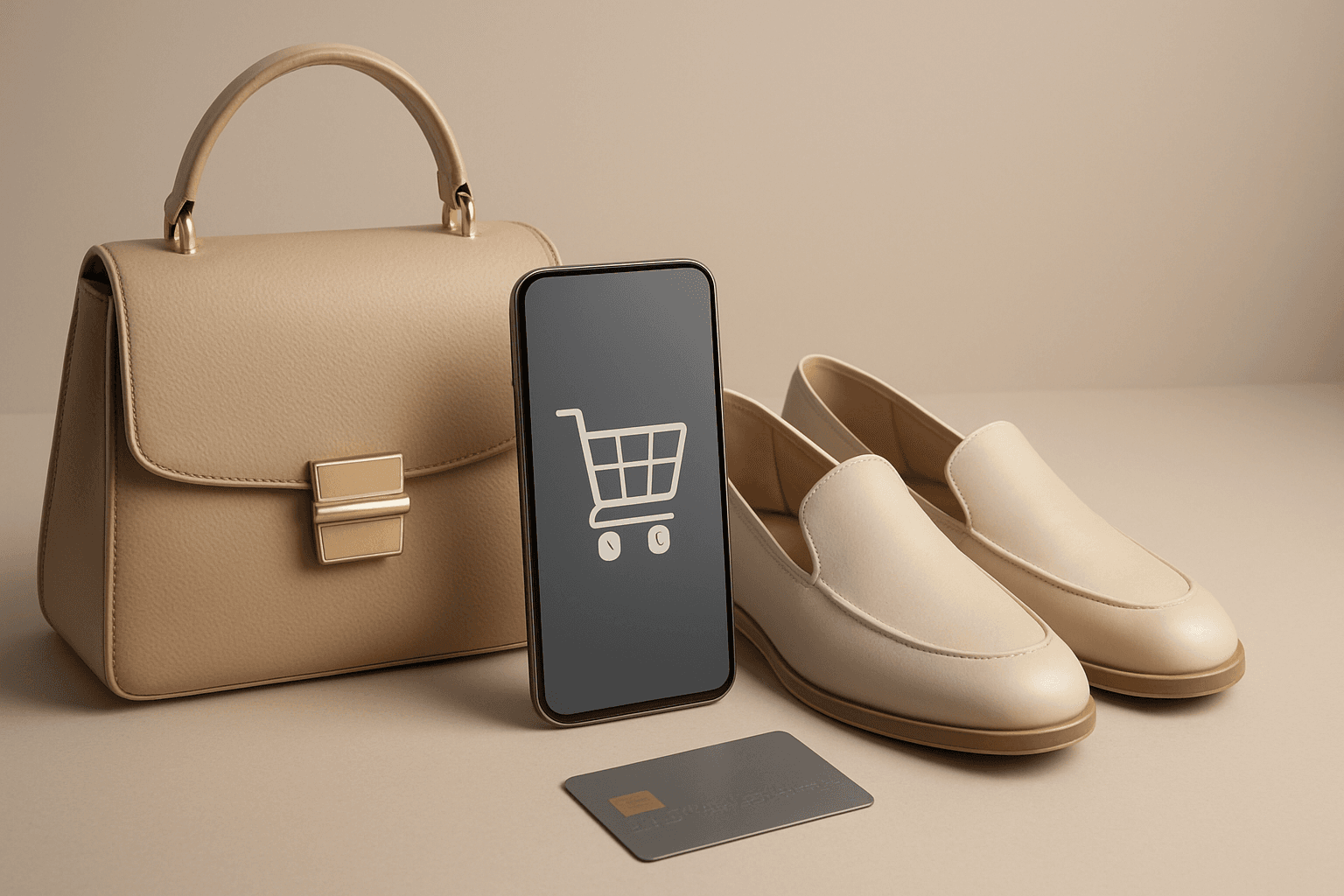
E-Commerce Banner Layout is a vital keyword in AI image generation that helps create visually engaging banners tailored for online retail environments. These layouts emphasize product visibility, aesthetic harmony, and balanced negative space to facilitate adding promotional text or calls to action later. By incorporating this keyword, AI models generate images with a refined commercial style resembling professional stock banners suitable for websites, social media ads, and newsletters. The focus is on clean editorial composition, premium polish, and subtle depth that enhances product appeal without overwhelming the viewer. Utilizing this layout keyword ensures images meet modern e-commerce design standards and help brands effectively present their merchandise in a digital-first marketplace.