Tense Stormy Sky Atmosphere
The 'Tense Stormy Sky Atmosphere' keyword brings a vivid emotional layer to AI-generated imagery by simulating the mood of an unstable, tumultuous weather scenario. It transforms neutral or calm skies into dynamic canvases filled with dark clouds, subtle lighting contrasts, and a palpable sense of tension or anticipation. This atmosphere can dramatically influence the storytelling and emotional pull in landscapes, cityscapes, or nature scenes. By including this keyword in your prompts, you guide AI models to produce images rich in contrast and dramatic lighting cues that amplify the underlying narrative's intensity or urgency.
Definition
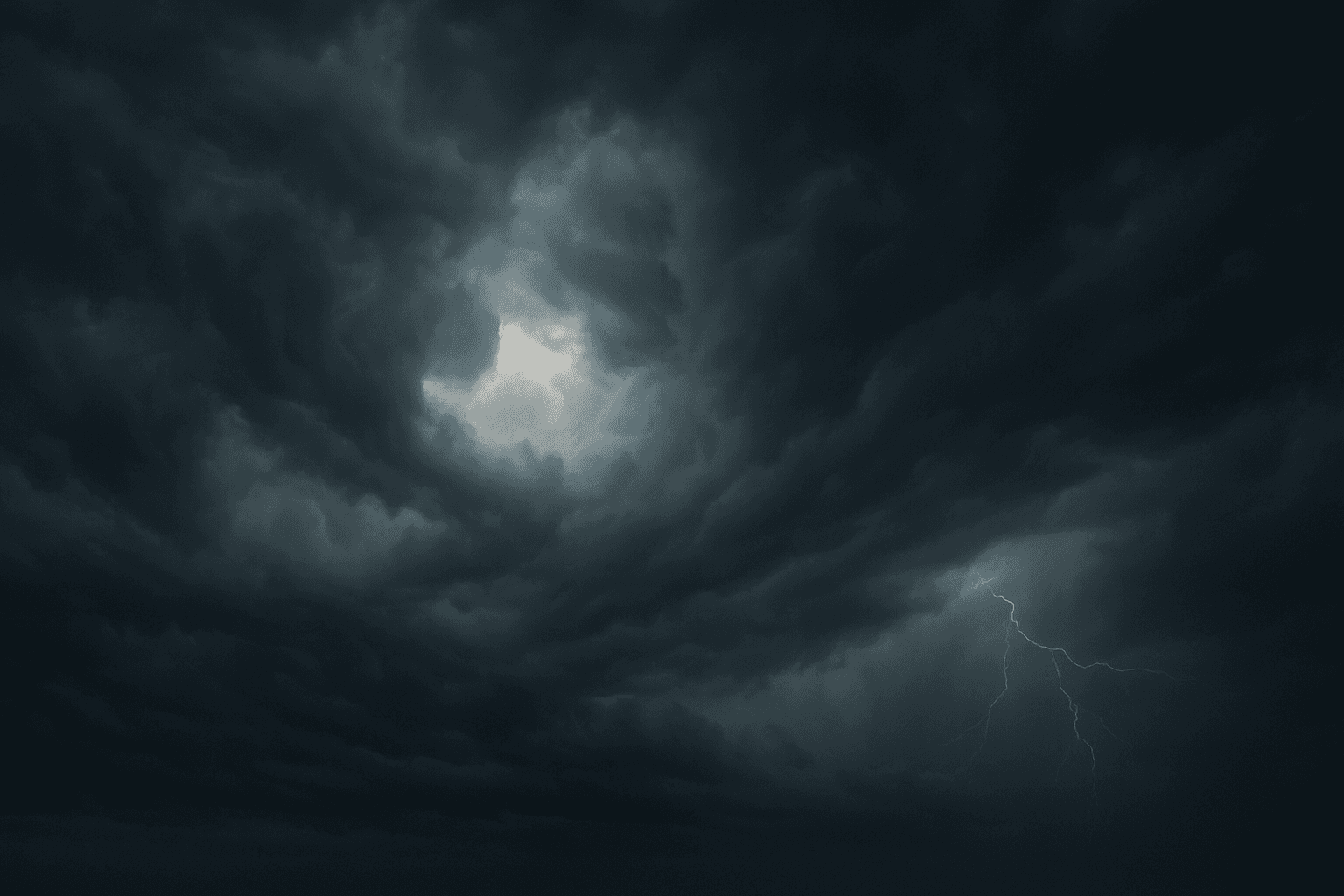
The 'Tense Stormy Sky Atmosphere' keyword modifies AI image prompts to create a sky filled with dense, brooding clouds and dynamic lighting conditions that evoke a sense of approaching or ongoing storm. It changes the scene’s mood to one of suspense and intensity, making it perfect for dramatic visual storytelling.
Visual Characteristics
- Thick, dark clouds with swirling, layered formations
- High contrast lighting with beams or patches of sunlight piercing clouds
- Color palette dominated by muted blues, grays, and occasional electric highlights such as lightning flashes
Prompt Formula
To effectively generate tense stormy skies, combine key descriptive elements for clouds, lighting, and mood. Use adjectives like 'turbulent,' 'brooding,' and 'swirling' alongside sky-related nouns. Pair with lighting descriptors like 'diffused sunlight' or 'subtle lightning' to add realism. Incorporate environmental context to enhance scene depth.
- [Scene subject] under a tense stormy sky atmosphere
- Use modifiers such as 'dark swirling clouds,' 'heavy overcast,' and 'dramatic lighting'
- Include lighting effects: 'diffused light breaking through clouds,' 'soft shadows,' or 'lightning flashes'
Best Use Cases
- Capturing dramatic outdoor landscapes with emotional intensity
- Creating suspenseful or moody backgrounds for graphic novels and book covers
- Producing editorial imagery for weather or natural disaster stories
Creative Variations
To avoid repetitive outputs when using 'Tense Stormy Sky Atmosphere,' experiment with different times of day, weather intensities, and compositions. Add elements like lightning, rain, or wind effects; shift color grading from colder blues to warmer stormy ambers; or incorporate varied perspectives such as aerial or close-up cloud details.
- Depict nighttime storms with deep blues and sharp lightning contrasts
- Include heavy rainfall or gusting winds to amplify sense of motion
- Use panoramic views or zoomed-in cloud textures for diverse compositions
Industry Applications
The 'Tense Stormy Sky Atmosphere' keyword is widely applicable in industries requiring emotionally charged imagery, such as advertising for outdoor apparel emphasizing resilience, editorial spreads profiling extreme weather events, or ecommerce showcasing weatherproof products. It can also enhance backgrounds for social media content where mood and visual impact draw audience engagement.
- Outdoor gear and apparel advertising campaigns
- Editorial features on weather or environmental topics
- Social media visuals to convey drama and urgency
Common Mistakes
A frequent mistake is overloading prompts with vague or conflicting descriptors that produce muddy skies lacking distinct storm character. Avoid generic terms like 'cloudy' without tension cues. Also, neglecting lighting effects can cause flat images. Ensure balance between darkness and light to maintain dramatic yet realistic atmospheres.
- Using too many generic weather adjectives causing blurred cloud definition
- Ignoring lighting nuances which reduces mood impact
- Overapplying saturation or contrast resulting in unnatural color tones
Advanced Techniques
Experienced users can refine 'Tense Stormy Sky Atmosphere' prompts by specifying cloud types (e.g., cumulonimbus), integrating natural phenomena like lightning strikes, or directing AI to emphasize texture and depth through modifiers like 'hyper-realistic' or 'high dynamic range.' Combining with time-specific lighting such as 'golden hour storm' adds unique variations.
- Add precise meteorological terms: 'cumulonimbus with turbulent anvil clouds'
- Include dynamic weather effects: 'lightning bolts illuminating thunderhead interiors'
- Apply advanced lighting: 'HDR lighting highlighting cloud textures at golden hour'
FAQ
How can I make my stormy sky images look more realistic?
Focus on balancing cloud density with natural lighting, use specific cloud descriptors, and include lighting effects like diffused sunlight or lightning. Avoid overly saturated colors and use references to real storm cloud formations.
Can I use this keyword for fantasy scenes?
Yes, 'Tense Stormy Sky Atmosphere' works well in fantasy landscapes or dramatic narratives to enhance mood and visual tension, especially when combined with thematic elements.
Continue Exploring
Related Prompts
Stormy Weather Atmosphere
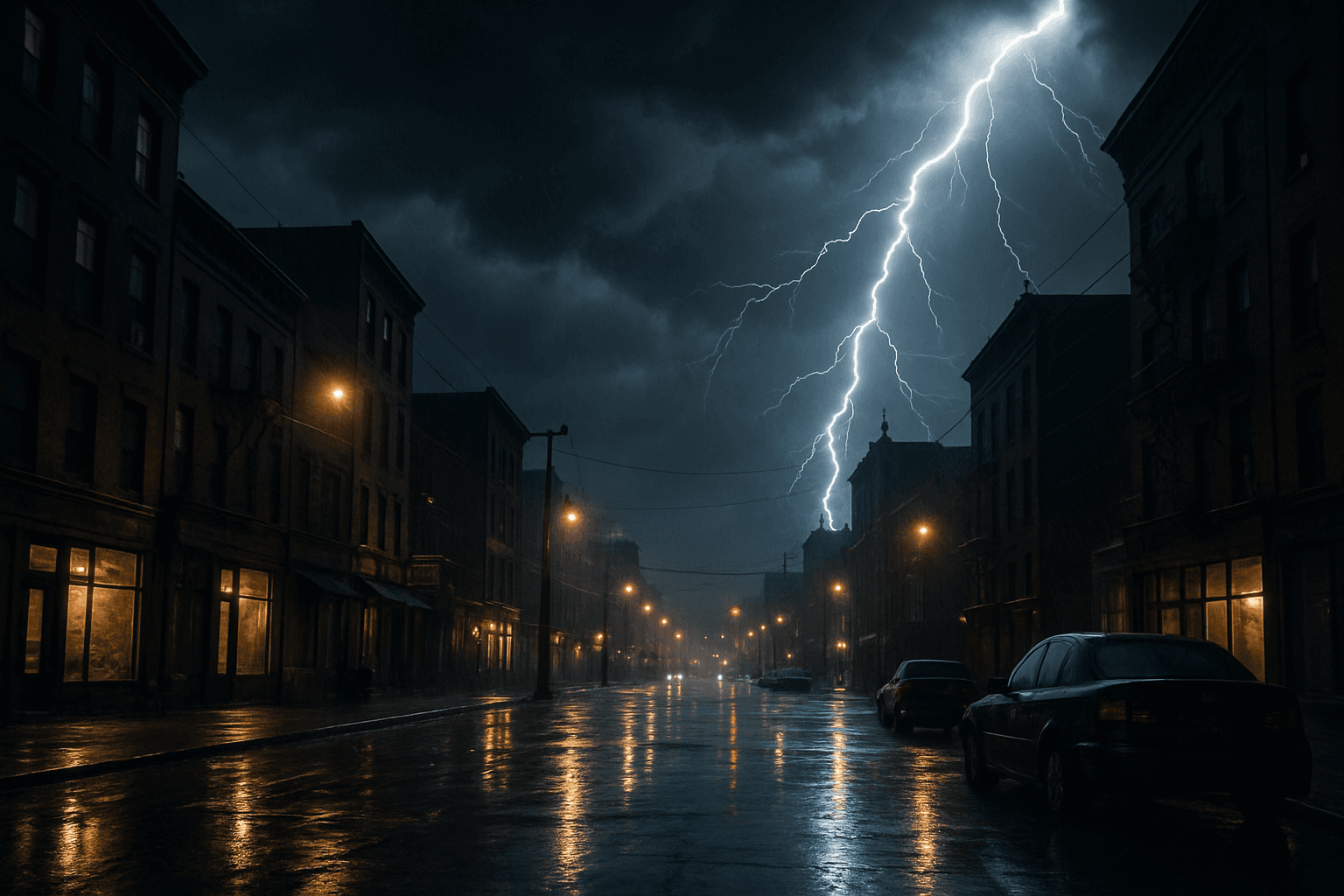
Stormy Weather Atmosphere is a powerful keyword for AI image generation that evokes dramatic and intense environmental conditions. By prompting the AI to include storm-related elements like ominous rain clouds, flashes of lightning, and turbulent skies, artists and creators can achieve scenes rich in tension and emotional impact. This atmosphere shifts the mood drastically from calm or sunny depictions, lending itself well to narratives involving conflict, intensity, or natural power. Incorporating storm characteristics enhances depth and realism, especially when paired with subtle reflections, wind-affected natural elements, or wet surfaces. It's ideal for compelling hero images, editorial visuals, or storytelling backdrops requiring a heightened sense of drama or unpredictability.

Misty Forest Atmosphere
The Misty Forest Atmosphere keyword is used in AI art generation to evoke a tranquil and mysterious mood within wooded landscapes. By simulating the presence of early morning fog or mist shrouding trees and underbrush, this prompt detail adds soft depth and a sense of calm isolation to images. The low contrast and de-saturated tones typical of misty scenes create a dreamy, almost otherworldly feel that is visually compelling. Artists and designers use this atmosphere to craft scenes that are both peaceful and evocative, often serving as backgrounds for stories, nature art, or mood boards. It works well in both photorealistic and stylized compositions, enhancing the emotional resonance through natural environmental effects.
Mystic Forest Atmosphere
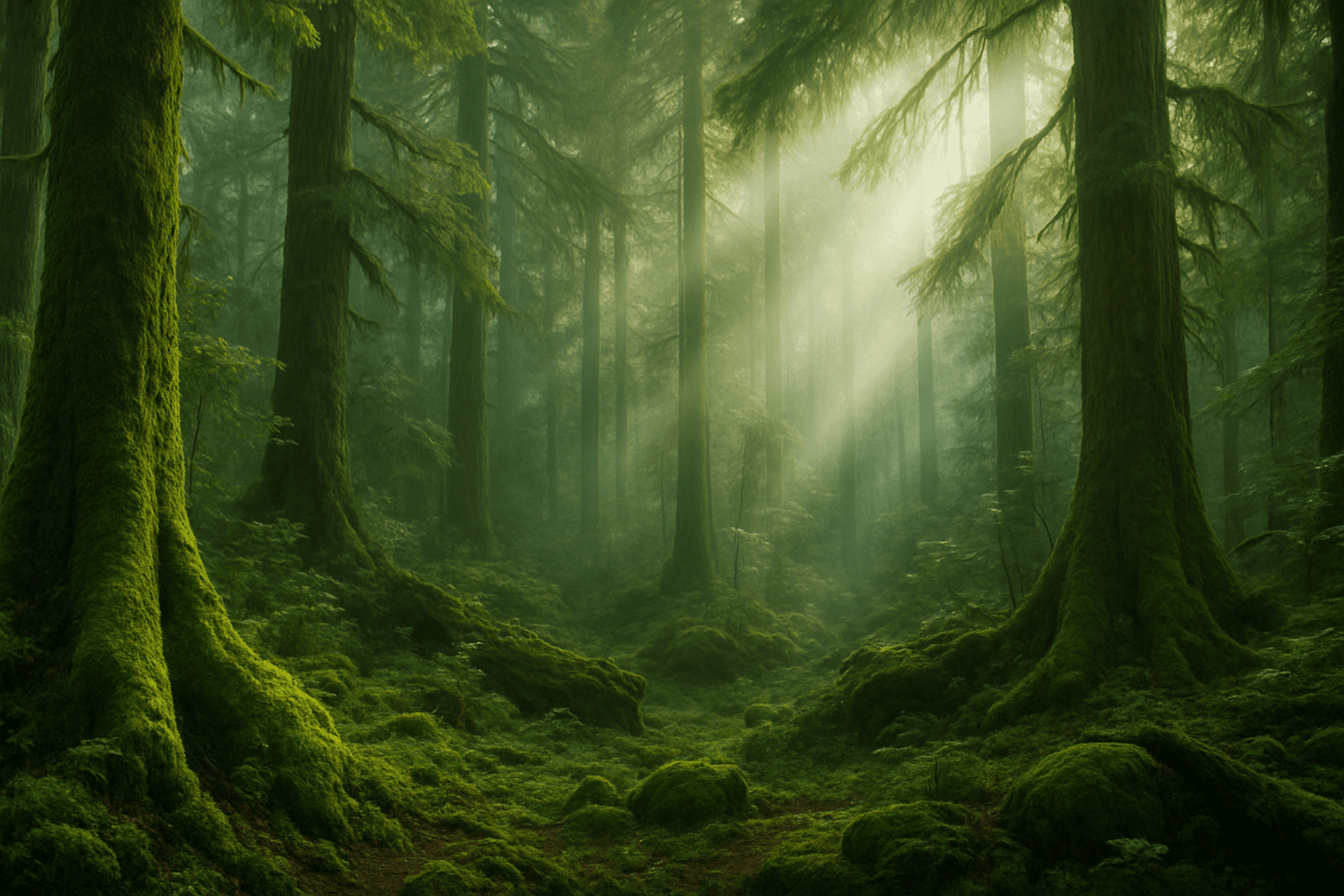
The Mystic Forest Atmosphere keyword brings an enchanting, otherworldly vibe to AI-generated images by conjuring scenes rich with natural mystery and subdued lighting. This atmosphere typically involves densely packed trees interspersed with mist or gentle fog that softens the scene and creates a sense of depth and intrigue. Light often filters through the canopy in dappled or diffuse beams that highlight textures and shadows, lending a dreamlike quality. Artists and creators use this atmosphere to evoke emotion, suggest fantasy realms, or produce contemplative natural landscapes. When added to an AI image prompt, it shifts the focus to mood over detail and sophistication over simplicity, making the scene feel immersive and timeless.
Rainy Atmosphere
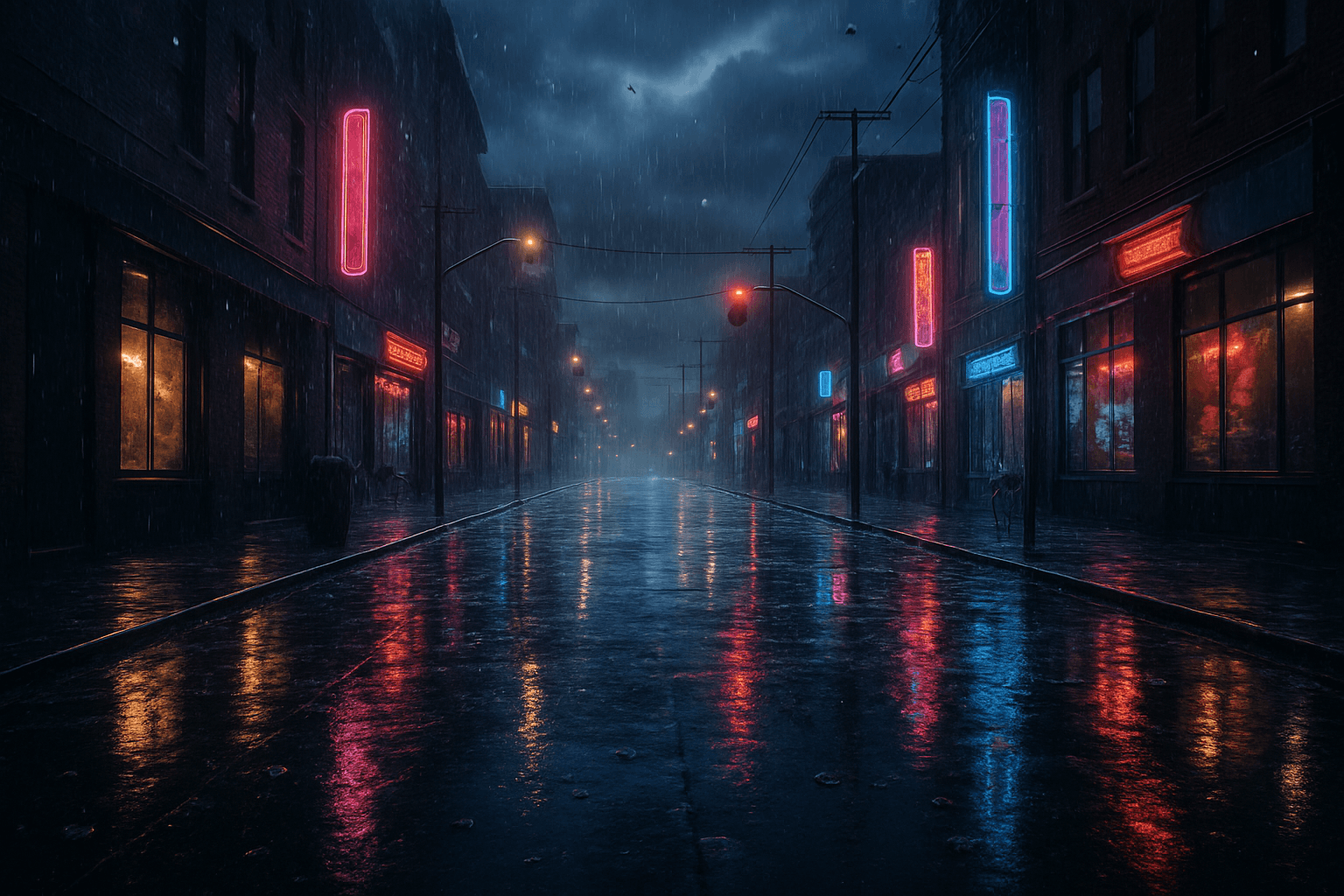
Rainy Atmosphere in AI-generated imagery involves recreating the nuanced conditions of rainfall and its effects on the environment. This atmosphere is characterized by clouds dense with moisture, soft and diffused lighting due to overcast conditions, and surfaces that appear slick or reflective from water. By simulating these conditions, artists can evoke moods ranging from somber and contemplative to calm and refreshing. The presence of rain adds dynamic elements like visible drops or mist, enhancing realism and emotional depth. Such atmospheres are widely used to depict urban scenes, nature, and cinematic moments where weather impacts the narrative tone.
Sunset Glow Atmosphere
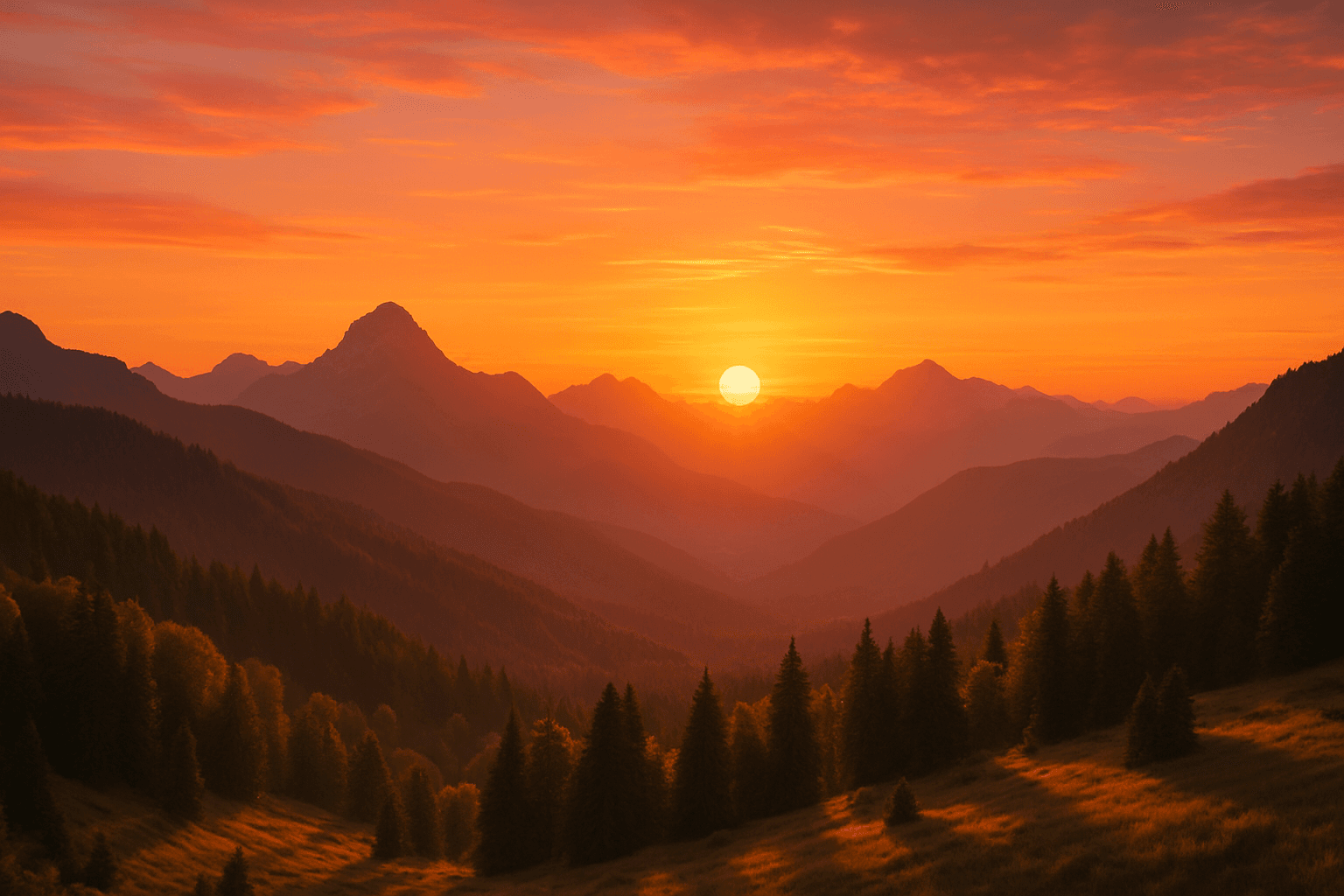
The 'Sunset Glow Atmosphere' keyword is used in AI image generation to evoke the distinctive lighting and coloration seen during the sunset hour. This effect creates rich, warm tones that enhance mood and beauty, often bathing scenes in orange, pink, and purple shades. It adds depth through long shadows and soft light transitions, lending images a natural and emotive ambiance. Incorporating this atmosphere is especially effective for outdoor scenes, portraits, or landscapes where golden-hour light can accentuate texture and color. By specifying this keyword, users guide AI models to prioritize visually compelling warm hues and glow effects, resulting in images that feel both realistic and artistically vibrant.
Rainy Day Mood
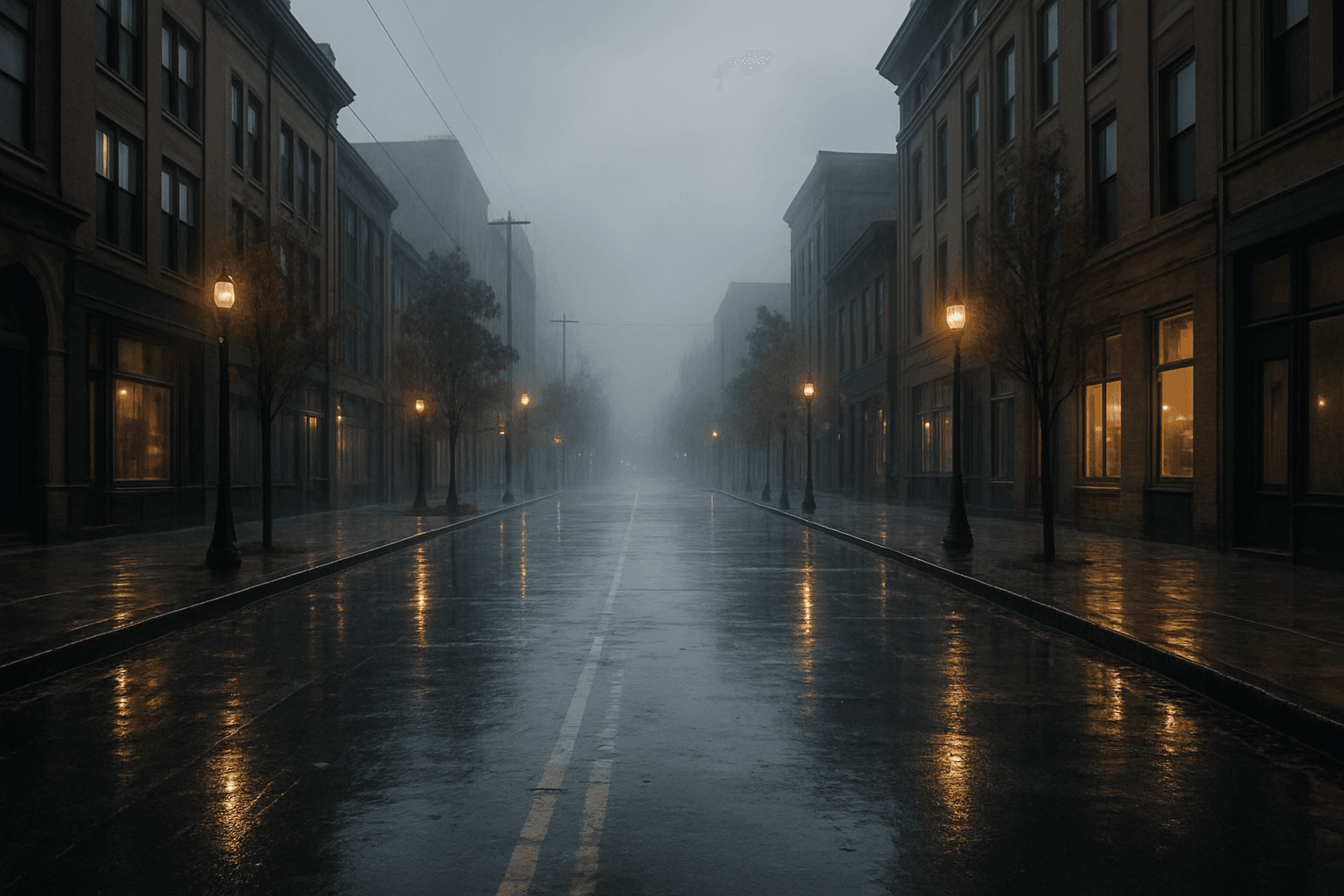
The Rainy Day Mood keyword enables AI image generators to craft scenes imbued with the ambiance of rainfall and its associated emotions. Including this keyword results in imagery where wet streets reflect city lights, characters might wear raincoats or hold umbrellas, and environments appear misty or gray. This atmosphere often conveys feelings of nostalgia, introspection, or tranquility. By integrating Rainy Day Mood, artists can shift the mood of their work towards more introspective or cinematic visuals. This keyword is especially useful for illustrating stories, editorial content, or artistic portraits where mood and environment play significant roles. Its subtle cues subtly influence lighting, color grading, and texture to evoke a realistic rainy setting.