Balanced Radial Composition
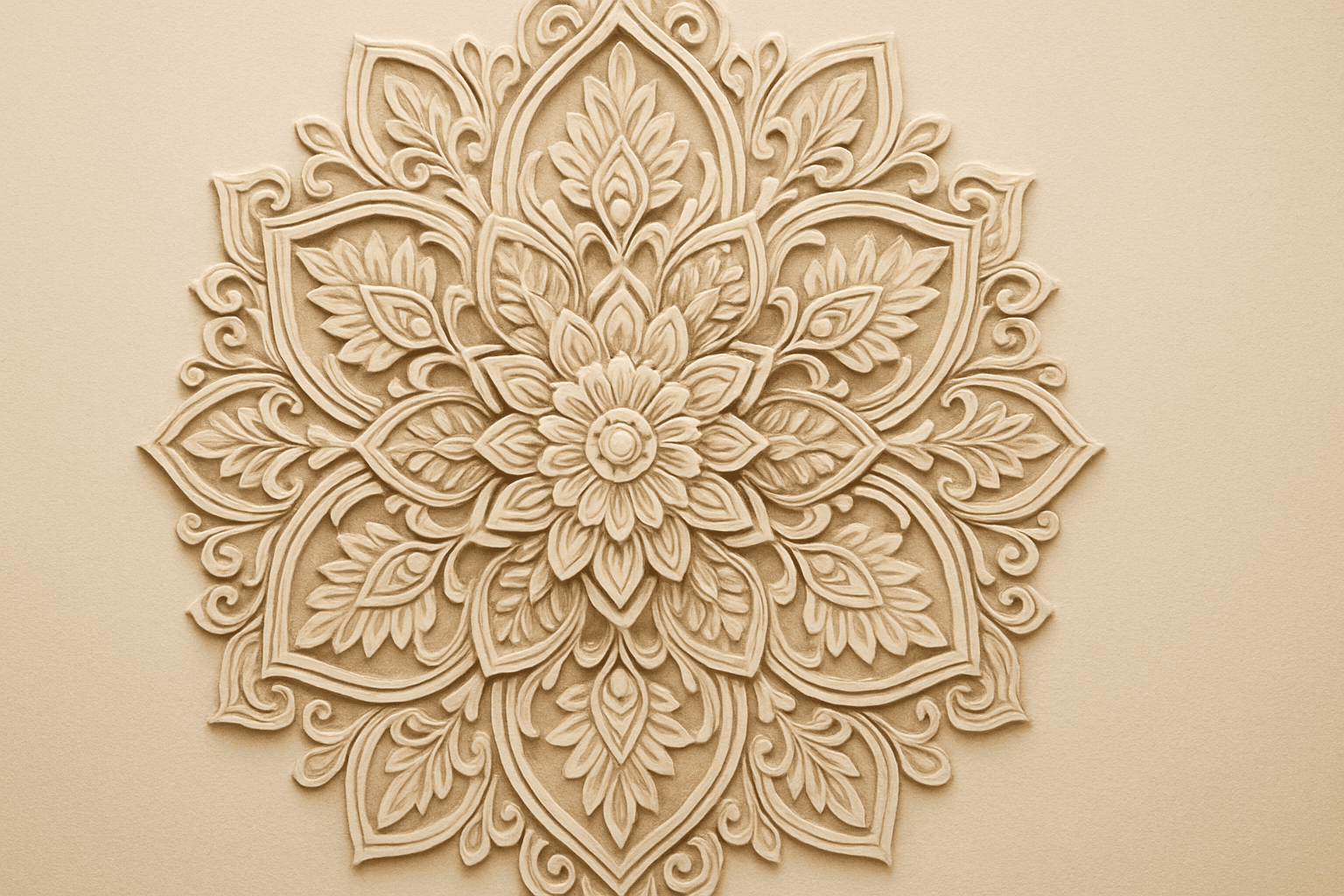
Balanced Radial Composition organizes elements evenly around a central focal point, forming a circular, symmetrical pattern. This approach enhances visual appeal by creating order and focus in an image, often conveying harmony and equilibrium. In AI art generation, incorporating balanced radial composition into prompts helps produce images that feel proportionate and unified, such as mandalas, floral patterns, or architectural designs with spokes or radiating lines. The technique is valuable for crafting captivating visuals that naturally draw the viewer's gaze toward the center while maintaining a steady visual flow throughout. It supports both intricate and minimalist styles, lending itself well to various creative applications.
Definition
Balanced Radial Composition arranges visual elements symmetrically around a central axis, creating a circular, evenly spaced pattern. In AI image prompts, this means asking the AI to place repeating elements radiating outward or inward from a center point, producing a harmonious and balanced visual structure.
- Elements evenly distributed around a center point
- Symmetry radiating in all directions
- Creates visual harmony and balance
Prompt Formula
To craft prompts using Balanced Radial Composition, combine keywords that specify symmetry and central focus. Use phrases like "balanced radial composition," "symmetrical radial layout," "elements radiating from center," paired with descriptive adjectives and style notes.
- "balanced radial composition, symmetrical radial layout"
- "elements radiating from center, circular symmetry"
- "mandala style, intricate, harmonious, centered"
Best Use Cases
Balanced Radial Composition shines in creating visually captivating symmetrical designs that naturally draw attention to a focal point. It excels in art styles and designs requiring precision and harmony.
- Mandala or circular pattern illustrations
- Logo or emblem designs with circular symmetry
- Architectural or interior elements with radial layouts
Creative Variations
Vary the style, lighting, color, and subject matter to keep outputs fresh. Try combining radial symmetry with minimalism, neon lighting for modern flair, or natural textures for organic effects.
- Minimalist radial designs with muted tones
- Vibrant radial patterns with neon or glowing effects
- Natural subject radial compositions like flowers or sunbursts
- Warm or cool lighting variations for mood shifts
Industry Applications
Balanced Radial Composition is widely used in creative industries where symmetry and harmony are valued, such as graphic design, architecture, and textiles. Its predictability and aesthetics support brand identity, decorative arts, and spatial design.
- Branding and logo development requiring symmetry
- Print and textile pattern design for fashion and home decor
- Architectural visualization and detailed interior ceiling designs
Common Mistakes
Avoid vague or conflicting prompt instructions that can produce uneven or cluttered radial effects. Excessive elements or lack of clear symmetry terms confuse the AI. Also, beware of overly complex designs that lose focus or become visually noisy.
- Not specifying symmetry leads to unbalanced layouts
- Including too many disparate elements reduces harmony
- Overusing intricate details without clear radial guidance causes clutter
- Conflicting style or lighting terms muddle coherent composition
FAQ
How do I ensure the AI creates a true balanced radial composition?
Include clear terms such as 'balanced radial composition,' 'symmetrical elements radiating from center,' and specify the desired style or subject. Avoid ambiguous phrasing and keep the focus on symmetry and central arrangement.
Can balanced radial composition be combined with asymmetry?
Typically, balanced radial composition emphasizes symmetry, so combining it with asymmetry may reduce the intended harmonious effect. For creative contrast, consider partial radial symmetry but specify this clearly in prompts.
Continue Exploring
Related Prompts
Radial Symmetry Composition
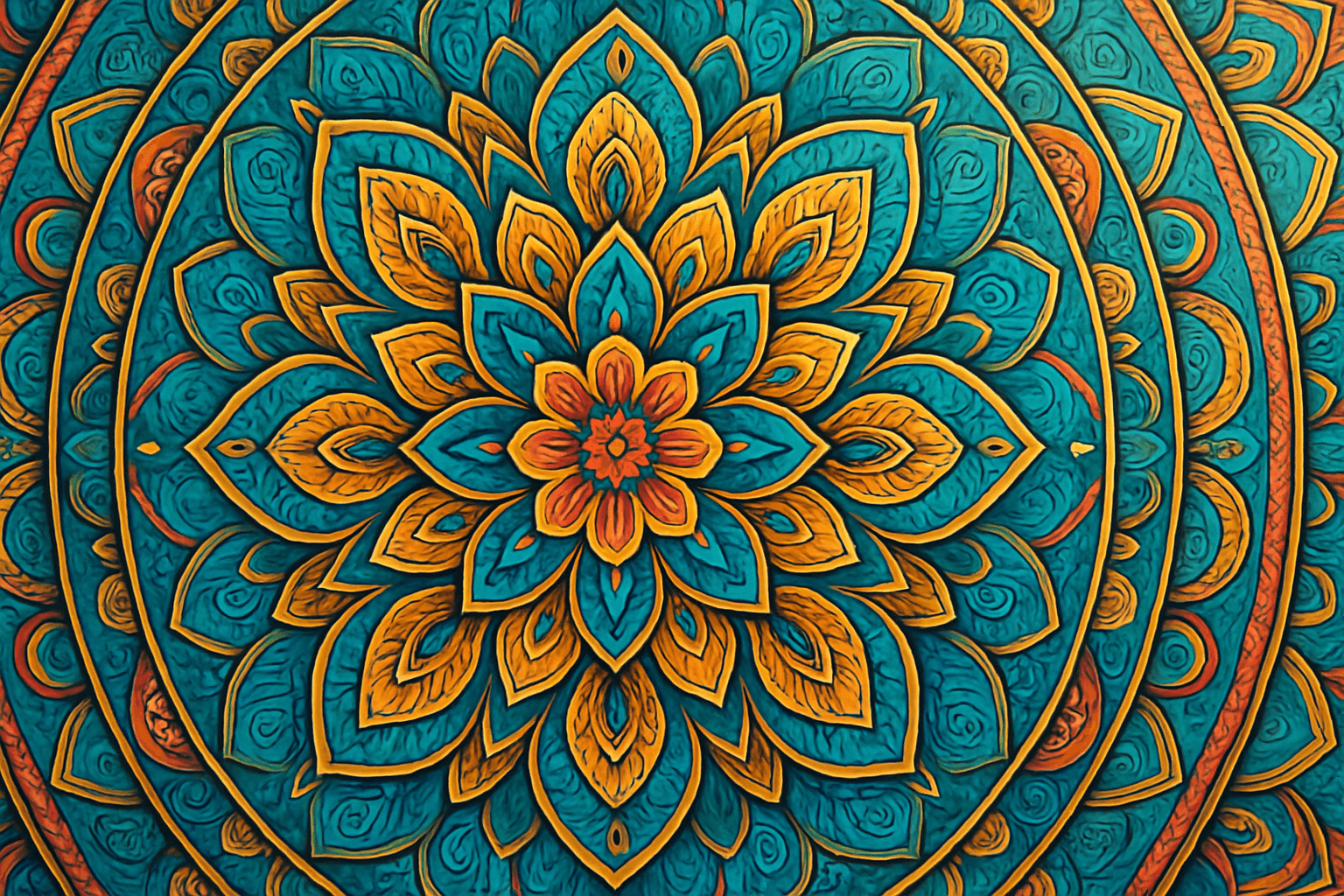
Radial Symmetry Composition creates visually striking images by arranging elements around a central axis, producing harmony and balance. This composition technique is especially effective in AI image generation for producing mandala-like designs, floral patterns, or architectural elements that draw the eye inward and convey stability. By integrating radial symmetry into prompts, artists can achieve images that feel cohesive and organized, enhancing aesthetic appeal. This method is widely favored in editorial imagery, decorative art, and visual branding, providing a dynamic yet orderly visual experience.

Balanced Frame Composition
Balanced frame composition is essential in creating images that feel harmonious and visually stable. This technique ensures that visual weight is evenly distributed across the image, preventing any side from feeling cluttered or sparse. In AI-generated art, including balanced frame composition in prompts helps models arrange elements thoughtfully, producing images suited for editorial, advertising, and professional contexts. It enhances the viewer's focus and emotional response by promoting natural flow and stability within the artwork.

Balanced Triangular Composition
Balanced Triangular Composition is a classic layout technique that organizes main components into a triangular arrangement, fostering a sense of equilibrium and visual interest. When used in AI image prompting, it directs the model to position subjects or objects at three points, creating a natural flow and structure that viewers find pleasing. This composition leverages geometric balance to enhance storytelling or highlight product details, making images appear intentional and professionally crafted. Its balanced yet dynamic nature helps prevent clutter while maintaining engagement, ideal for diverse creative outputs.

Symmetrical Balance Composition
Symmetrical balance composition is a fundamental principle that ensures an image's elements are arranged so both sides mirror each other, giving the viewer a sense of harmony and equilibrium. This approach can be particularly powerful in AI image generation for crafting outstanding visuals that feel orderly and intentional. By specifying symmetrical balance in prompts, creators can achieve polished layouts that emphasize clarity and calmness, often suitable for editorial, commercial, and artistic needs. The balanced nature brings focus and often highlights a central subject elegantly, making images instantly engaging and aesthetically pleasing.
Diagonal Symmetry Composition
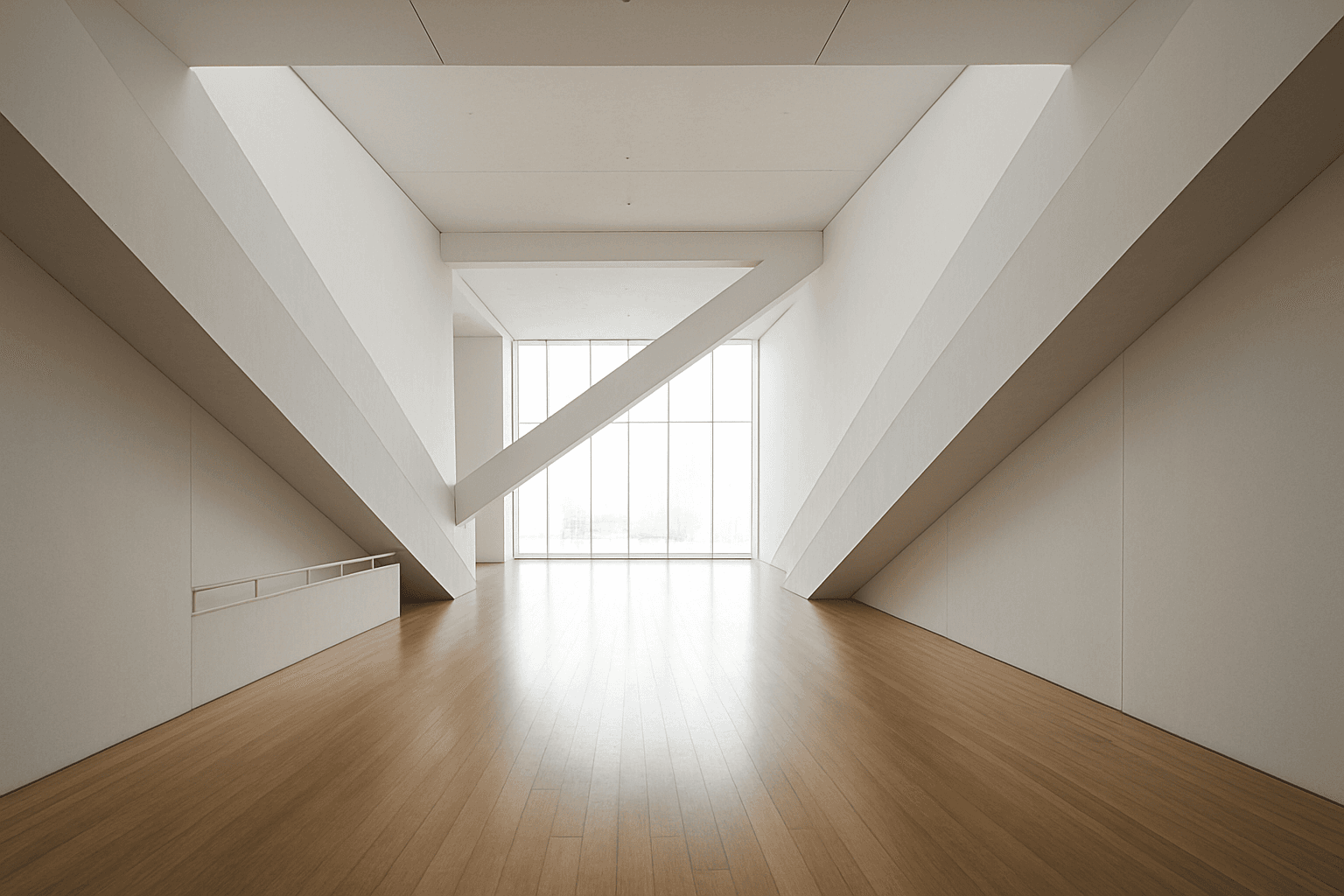
Diagonal Symmetry Composition is a powerful compositional approach that instructs AI models to arrange image elements reflecting across a diagonal axis. Unlike horizontal or vertical symmetry, the diagonal axis introduces dynamic tension and movement, lending images a striking and balanced appeal. By using this composition in AI prompts, creators can generate visuals that feel both stable and energetic. This approach often results in more engaging photographs, illustrations, and designs by leveraging unique balance and spatial relationships. It's particularly valuable in art, photography, and design projects aiming for modern and compelling visual narratives that stand out with subtle depth and refined lighting.
Rotational Symmetry Layout
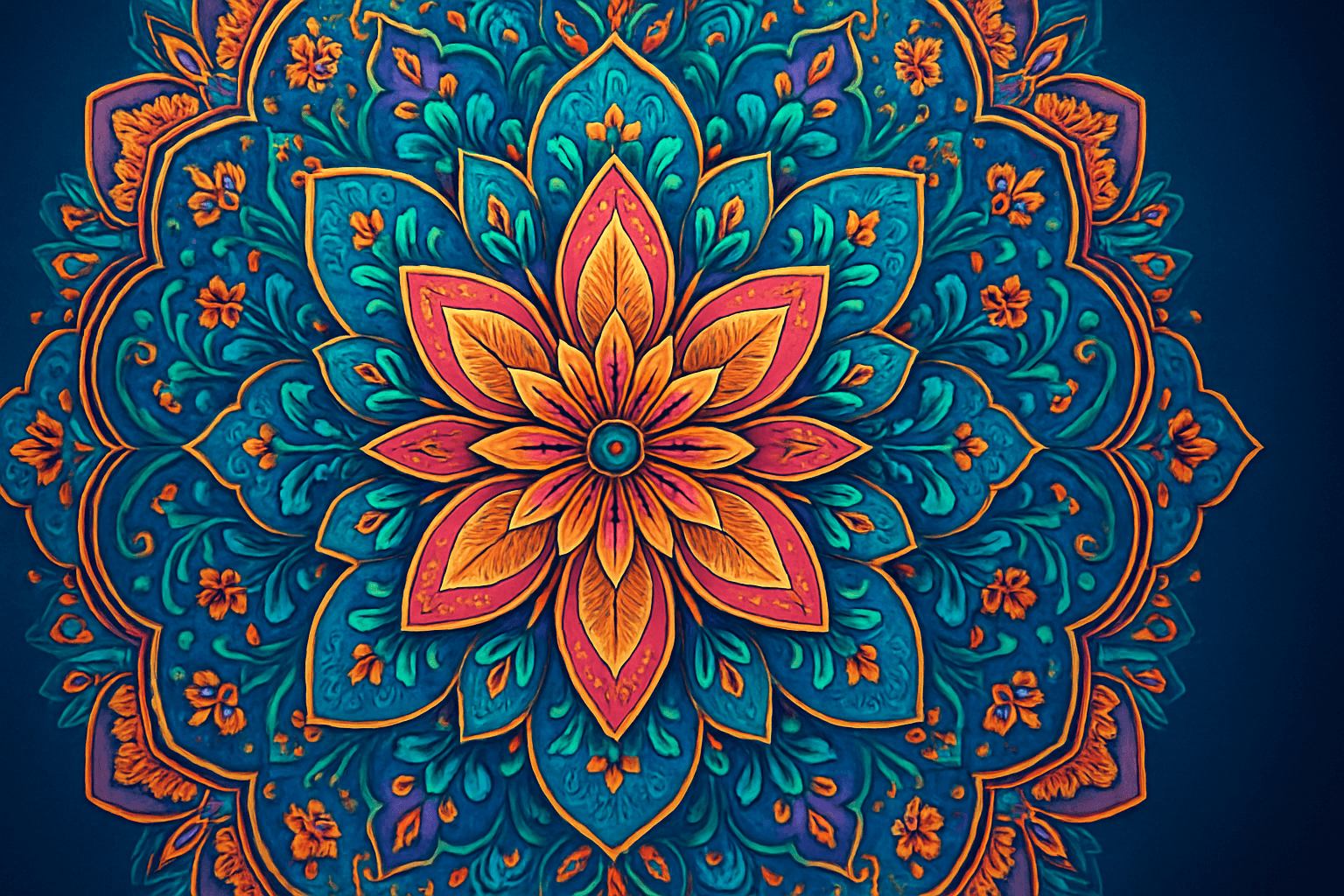
Rotational symmetry layouts create images where visual elements are arranged in repeated patterns around a central axis, producing a sense of balance and rhythm. This design principle is widely used in art, design, architecture, and nature-inspired motifs. When incorporated into AI prompts, rotational symmetry guides the generation to emphasize circular repetition and harmony, enhancing aesthetic appeal and structured complexity. This layout is especially effective for creating intricate mandalas, floral designs, decorative backgrounds, or abstract patterns with a sense of continuous movement. The balanced nature of rotational symmetry makes it an excellent choice for compositions requiring visual stability combined with creative flair.