Diagonal Symmetry Composition
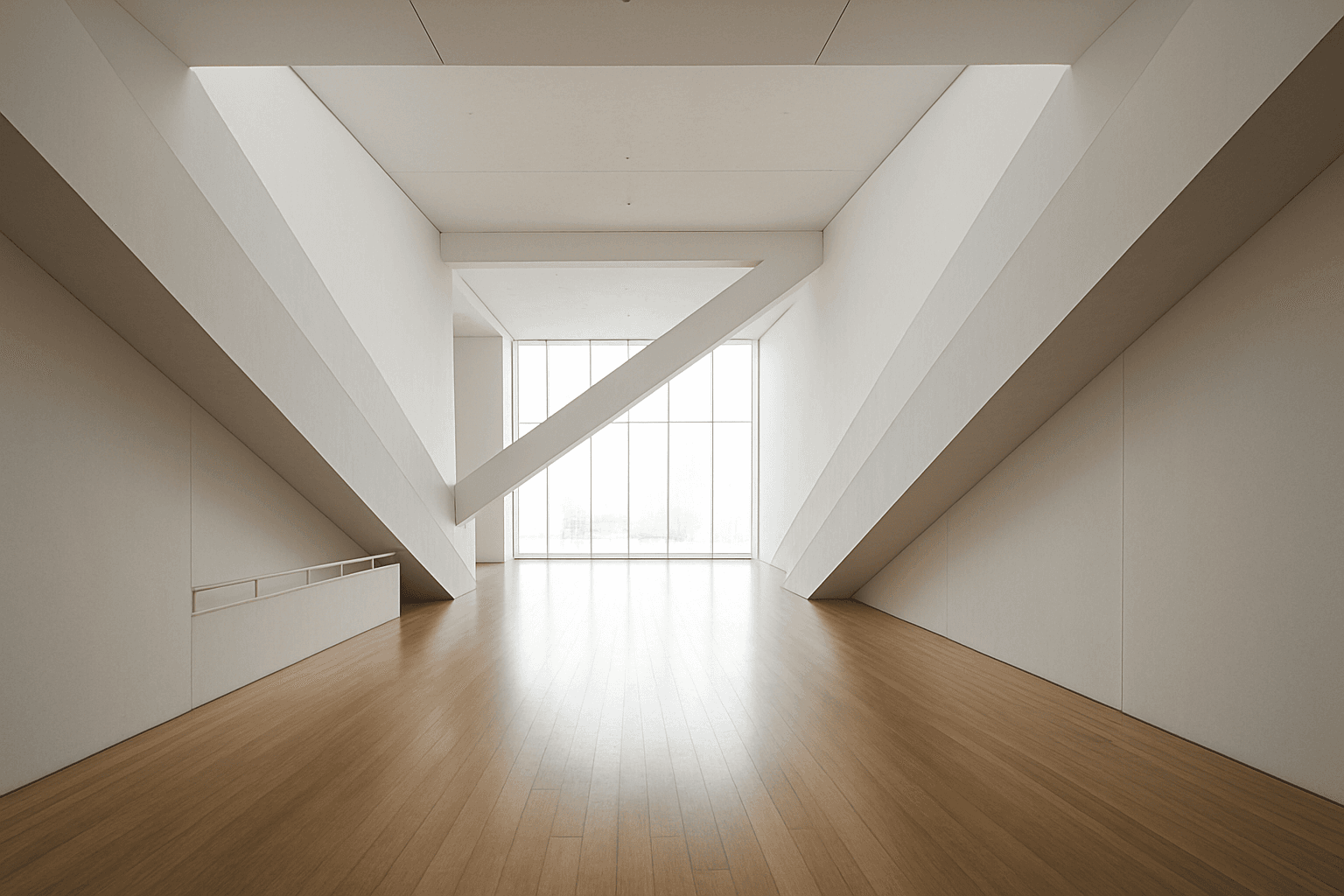
Diagonal Symmetry Composition is a powerful compositional approach that instructs AI models to arrange image elements reflecting across a diagonal axis. Unlike horizontal or vertical symmetry, the diagonal axis introduces dynamic tension and movement, lending images a striking and balanced appeal. By using this composition in AI prompts, creators can generate visuals that feel both stable and energetic. This approach often results in more engaging photographs, illustrations, and designs by leveraging unique balance and spatial relationships. It's particularly valuable in art, photography, and design projects aiming for modern and compelling visual narratives that stand out with subtle depth and refined lighting.
Definition
Diagonal Symmetry Composition arranges visual elements symmetrically along a diagonal axis, rather than the traditional horizontal or vertical ones. In an AI prompt, including this keyword instructs the model to create balance by mirroring elements from one corner of the image to the opposite corner. This yields dynamic imagery with a sense of depth and movement that guides the viewer's eye diagonally across the frame, enhancing aesthetic appeal in generated scenes.
Prompt Formula
To create effective AI prompts emphasizing diagonal symmetry composition, combine subject description, lighting, and style with the phrase explicitly. Use these patterns: - "[subject] with diagonal symmetry composition, [lighting style], [detail level]" - "[scene] arranged in diagonal symmetry composition, vibrant colors, soft shadows" - "[object or person], diagonal symmetry composition, realistic textures, refined lighting"
- [subject] with diagonal symmetry composition, [lighting style], [detail level]
- [scene] arranged in diagonal symmetry composition, vibrant colors, soft shadows
- [object or person], diagonal symmetry composition, realistic textures, refined lighting
Best Use Cases
- Dynamic editorial covers or layouts requiring balanced visual flow
- Product or fashion photography aiming for innovative framing
- Architectural shots emphasizing geometric forms and spatial harmony
Creative Variations
To keep AI outputs varied when using diagonal symmetry composition, try altering the style, color scheme, lighting, and subjects: - Experiment with different lighting such as soft natural light, dramatic spotlight, or colored gels. - Change color palettes from monochrome to vibrant or muted tones. - Vary subjects from portraits and nature scenes to abstract shapes or urban architecture. - Adjust composition angles slightly to shift the diagonal axis or include partial symmetry for creative tension.
- Soft natural lighting with cool color palette
- Vibrant colors and dramatic spotlighting
- Abstract shapes using muted tones
- Urban architecture with partial diagonal symmetry
Industry Applications
- Advertising: creating bold, eye-catching visuals
- Editorial: producing compelling and balanced magazine images
- E-commerce: showcasing products with engaging composition that highlights design
Common Mistakes
Common errors when prompting for diagonal symmetry composition include: - Omitting the specific phrase, resulting in generic or unbalanced images. - Overusing symmetry which can make the image feel static or artificial. - Ignoring lighting and detail cues, causing flat or unrealistic appearance. - Neglecting variation in color or subject, leading to repetitive outputs. Avoid these by explicitly including 'diagonal symmetry composition' in your prompt, and combining it with precise lighting, style, and subject descriptions to retain natural elegance and depth.
- Forgetting to specify diagonal symmetry, leading to default compositions
- Using symmetry excessively, causing unnatural stiffness
- Failing to define lighting and material details, reducing realism
- Repeating similar prompts without variation, resulting in monotonous images
FAQ
What is diagonal symmetry composition in AI image generation?
It is a technique that instructs AI to arrange elements so they mirror around a diagonal axis, creating balanced and dynamic images distinct from typical horizontal or vertical symmetry.
How can I include diagonal symmetry in my AI prompts?
Explicitly add the phrase 'diagonal symmetry composition' combined with subject and lighting details to guide the AI in producing images with visually balanced diagonal mirroring.
Continue Exploring
Related Prompts

Diagonal Composition
Diagonal composition is a popular and effective technique used in photography, painting, and design to enhance visual interest. By positioning important elements along diagonal lines instead of horizontal or vertical axes, the image gains a dynamic flow that naturally draws the viewer’s eyes through the scene. This approach breaks away from static layouts, injecting energy and a sense of motion. Using diagonals can also create depth by suggesting perspective or distance within flat images. Photographers often look for strong lines in the environment—like roads, rivers, or architectural details—to compose their shots diagonally. The result is an engaging, well-balanced image that feels both harmonious and lively, suitable for a variety of creative contexts.

Asymmetrical Visual Balance
Asymmetrical visual balance is a fundamental compositional technique used to create engaging and dynamic images. Rather than relying on symmetry, it balances visual interest through the thoughtful placement of diverse elements differing in size, color, or texture. This approach lends images a more natural, spontaneous feel while maintaining harmony. In AI image generation, explicitly directing asymmetrical visual balance helps craft images that are visually compelling with organic flow, useful in editorial designs, advertising, and fine art creations. Understanding this principle enhances creativity in prompt engineering, enabling more versatile and striking results.
Golden Ratio Composition
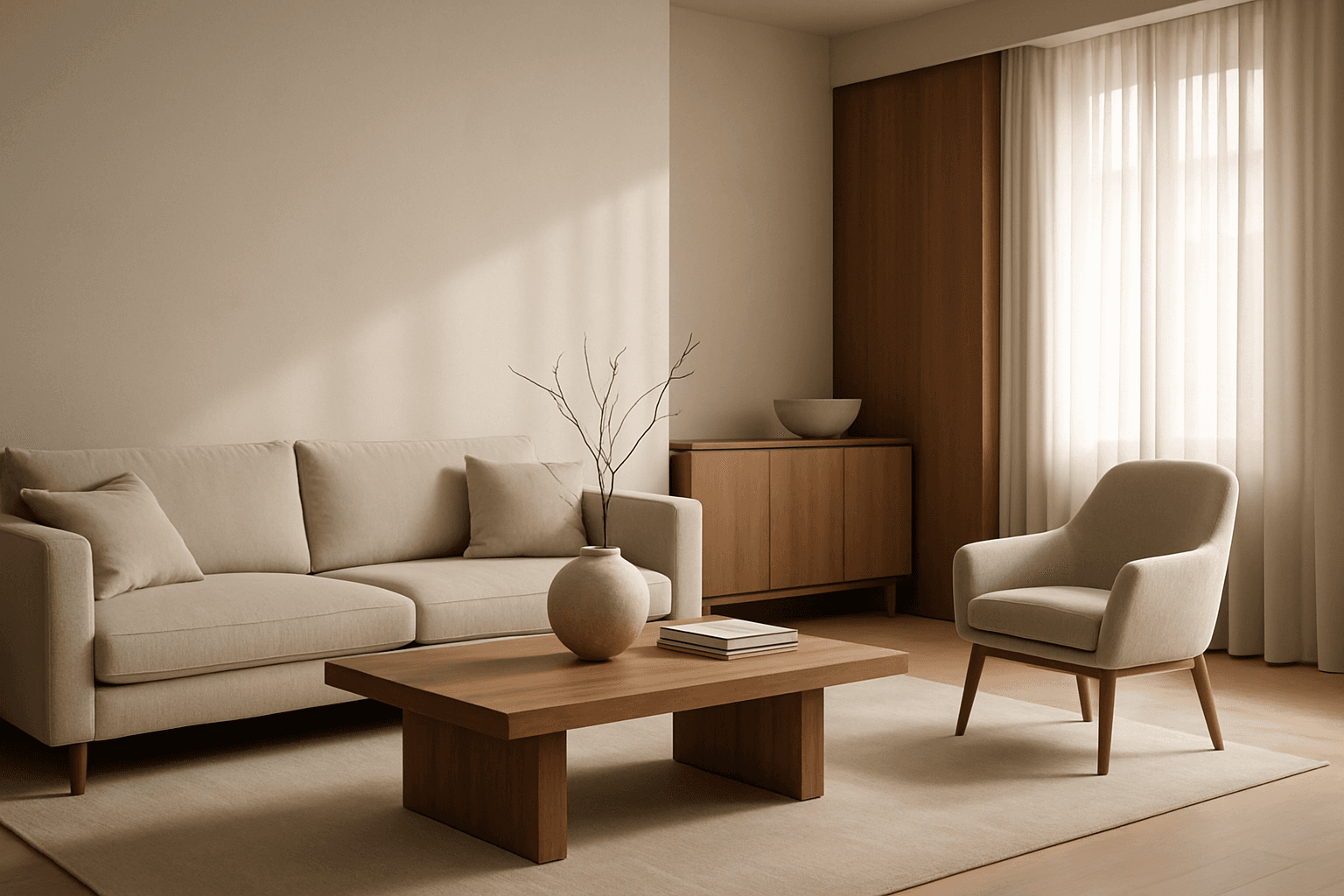
Golden Ratio Composition is a classic design technique adapted into AI image creation to improve the balance and flow of visual elements. Utilizing this composition brings a natural harmony to images, often perceived as more beautiful and engaging due to the ratio's deep-rooted presence in nature and classical art. When incorporated into AI prompts, it instructs the model to place key subjects and backgrounds following this mathematical layout, enhancing the viewer's focus and emotional impact. This method benefits various AI-generated artwork genres, from landscapes to product photography, by improving framing without manual adjustments.

Diagonal Flow Composition
Diagonal Flow Composition elevates imagery by breaking away from static, horizontal, or vertical layouts. It leverages diagonal lines across the frame to create tension, balance, and dynamism, drawing the viewer's attention naturally through the scene. For AI-generated images, specifying diagonal flow helps emphasize visual pathways that suggest movement or lead the gaze, making compositions feel more alive and engaging. This technique is widely used in photography, graphic design, and cinematography to evoke energy and make visuals more striking.

Diagonal Movement Composition
Diagonal Movement Composition is a fundamental visual technique that introduces dynamic tension and energy into an image by positioning significant elements along diagonal lines or paths. This compositional style breaks away from static horizontal or vertical layouts, capturing the viewer’s attention and guiding their gaze fluidly from one area of the image to another. In AI image generation, specifying diagonal movement composition prompts the model to produce visuals that emphasize these diagonals, enhancing the storytelling and emotional impact of the image. This makes it particularly useful in creating images with a sense of action, depth, or perspective, often yielding more visually compelling results.
Diagonal Movement Layout
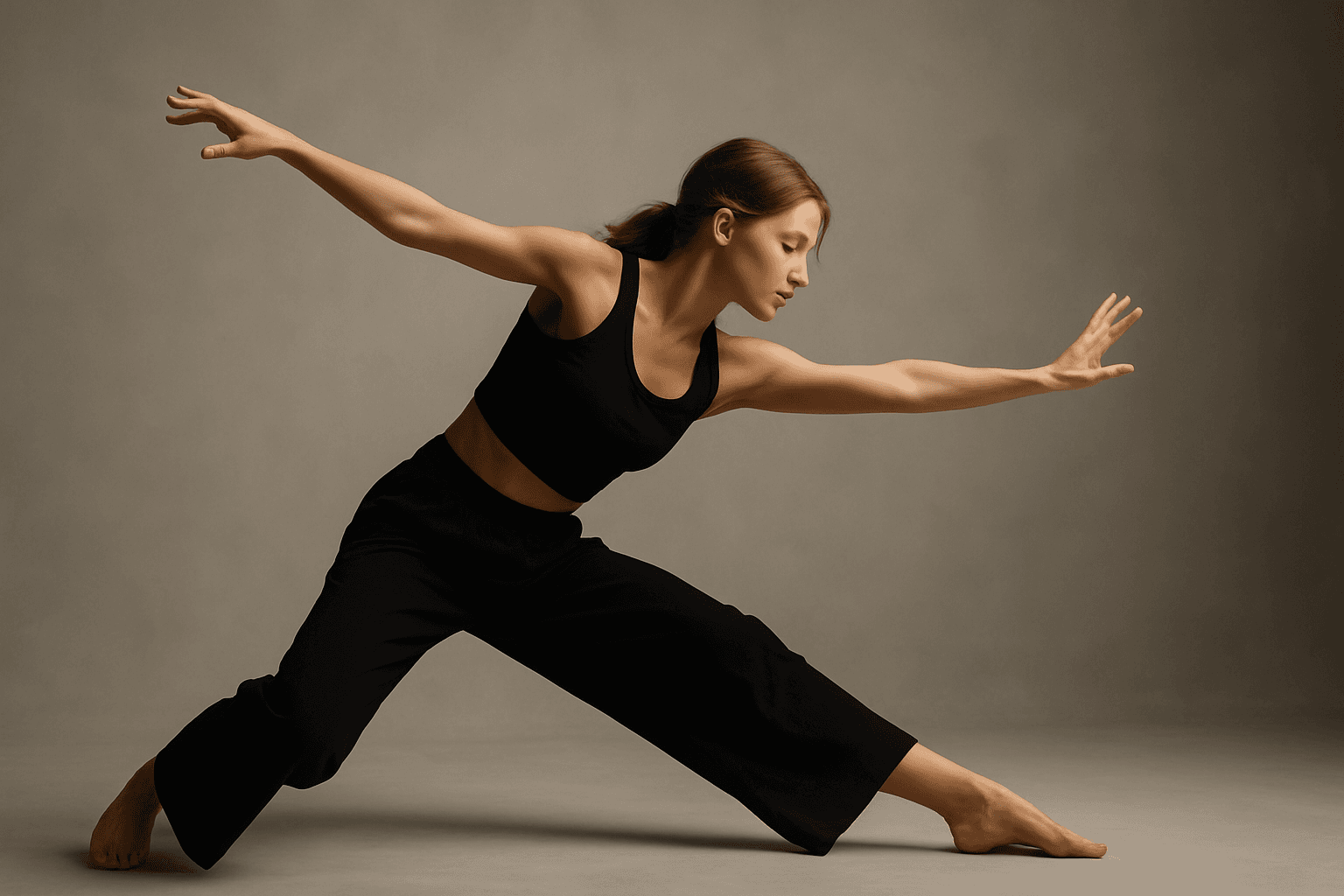
Diagonal Movement Layout is a popular visual strategy in creative imagery that infuses energy and direction into a composition. By aligning main subjects, backgrounds, or elements along diagonal axes, AI-generated images achieve a feeling of flow and progression that captures viewers' attention. This approach contrasts with static horizontal or vertical layouts by introducing tension and rhythm. Using this layout in AI prompts, artists and designers can create more engaging visuals for editorial, advertising, and artistic uses where motion and storytelling are key.