Diagonal Flow Composition
Diagonal Flow Composition elevates imagery by breaking away from static, horizontal, or vertical layouts. It leverages diagonal lines across the frame to create tension, balance, and dynamism, drawing the viewer's attention naturally through the scene. For AI-generated images, specifying diagonal flow helps emphasize visual pathways that suggest movement or lead the gaze, making compositions feel more alive and engaging. This technique is widely used in photography, graphic design, and cinematography to evoke energy and make visuals more striking.

Definition
Diagonal Flow Composition is a compositional technique where elements in an image follow diagonal lines or angles that create a visual pathway. This guides the viewer’s eye through the image in a dynamic, engaging way, rather than relying on horizontal or vertical orientations. In AI prompts, mentioning 'Diagonal Flow Composition' encourages the model to arrange subjects, shapes, or lines along these energetic diagonals, producing more visually exciting scenes.
Prompt Formula
To incorporate diagonal flow composition effectively into prompts, use formulaic phrases combining composition and descriptive elements. For example:
- "[Subject] with strong diagonal flow composition"
- "Dynamic diagonal lines leading the eye across the scene"
- "Balanced asymmetrical layout emphasizing diagonal directionality"
- "Diagonal flow composition, subtle depth, refined lighting"
Best Use Cases
Diagonal flow composition excels in scenarios that benefit from movement, depth, and tension in visual storytelling. Common practical applications include:
- Editorial photography for fashion or sports where dynamic energy is essential
- Marketing images showcasing products with an engaging, modern presentation
- Environmental landscapes or cityscapes emphasizing perspective and spatial depth
Common Mistakes
Typical issues when using diagonal flow prompts include over-cluttering compositions with excessive diagonal elements, causing viewer confusion or visual noise. Another mistake is placing diagonal lines without balance, resulting in lopsided or chaotic imagery. To avoid this, aim for harmony between strong diagonal guides and resting spaces, and specify lighting and depth cues to complement the flow, ensuring the composition remains clear and realistic.
- Overusing diagonal lines leading to cluttered visuals
- Ignoring balance, which makes composition feel unstable
- Neglecting depth or lighting, flattening the dynamic effect
Advanced Techniques
Experienced prompt writers can refine diagonal flow by combining it with constraints and stylistic details. Try specifying the angle or direction of the diagonal flow to control mood — e.g., upward diagonal lines suggest optimism, while downward imply tension. Pair with lighting conditions such as rim light or volumetric haze to intensify depth along diagonal planes. Incorporate complementary keywords like "leading lines" or "dynamic asymmetry" for layered compositional sophistication.
- Specify diagonal angles (e.g., upward or descending flow) to set tone
- Add lighting cues like rim or side lighting to enhance depth
- Combine with "leading lines" or "dynamic asymmetry" for richer structure
Professional Workflow
A streamlined workflow for generating professional diagonal flow images starts with clearly defining the conceptual direction, specifying 'diagonal flow composition' early in the prompt. Generate multiple image candidates emphasizing different diagonal orientations and subject arrangements. Select the most balanced and engaging outcomes, then refine prompts by adding lighting, material, and depth descriptors. Finalize images with post-processing or upscaling to enhance detail and polish for commercial readiness.
- Start with clear concept and include diagonal flow in prompt
- Generate variations to explore different diagonal angles
- Select images with best balance and visual clarity
- Refine prompts with lighting and material details
- Post-process for detail enhancement and consistency
Related Styles
Diagonal Flow Composition pairs well with adjacent compositional styles and visual directions. Rule of Thirds provides structural harmony alongside dynamic diagonals. Leading Lines reinforce directional flow and viewer guidance. Dynamic Symmetry introduces classical proportions that complement diagonal tension, enabling sophisticated balance and movement. These styles combined create images with layered visual interest and professionalism.
- Rule of Thirds Composition
- Leading Lines
- Dynamic Symmetry
Model-Specific Tips
For modern AI image models, emphasize natural language clarity when including diagonal flow. Avoid overly technical or syntax-heavy prompts. Pair 'diagonal flow composition' with descriptive context like lighting, subject matter, and mood for best results. Use relative terms — 'strong diagonals' or 'dynamic angles' — to help the model interpret flow abstraction. Test prompt variations for your specific model to identify subtle differences in composition adherence.
- Use clear natural language phrasing
- Combine with descriptive adjectives for lighting and mood
- Prefer relative descriptions like 'strong diagonals'
- Experiment with prompt phrasing to adjust composition strength
FAQ
What is the main effect of using diagonal flow composition in AI images?
It creates dynamic visual movement and depth, guiding the viewer's eye naturally across the image to make compositions more engaging and lively.
Can diagonal flow composition be combined with other compositions styles?
Yes, it pairs well with styles like Rule of Thirds, Leading Lines, or Dynamic Symmetry to enhance structure and visual interest in images.
How do I avoid overusing diagonal elements in AI prompts?
Specify balance in prompts and include lighting or depth details to prevent clutter and maintain clarity in the composition.
Continue Exploring
Related Prompts

Diagonal Movement Composition
Diagonal Movement Composition is a fundamental visual technique that introduces dynamic tension and energy into an image by positioning significant elements along diagonal lines or paths. This compositional style breaks away from static horizontal or vertical layouts, capturing the viewer’s attention and guiding their gaze fluidly from one area of the image to another. In AI image generation, specifying diagonal movement composition prompts the model to produce visuals that emphasize these diagonals, enhancing the storytelling and emotional impact of the image. This makes it particularly useful in creating images with a sense of action, depth, or perspective, often yielding more visually compelling results.

Asymmetrical Balance Composition
Asymmetrical balance composition is a powerful design principle that infuses AI-generated images with dynamic harmony and visual interest. Unlike traditional symmetrical layouts, this technique balances elements of varying sizes, colors, or textures to create a cohesive whole without mirroring. Within AI prompting, directing the model to apply asymmetrical balance produces images that feel organic and engaging, often enhancing storytelling and emotional impact. This composition style is widely used in editorial design, contemporary art, and photography to avoid predictability and add depth. For AI creatives, mastering asymmetrical balance opens new pathways to dynamic, polished, and visually compelling imagery.

Diagonal Composition
Diagonal composition is a popular and effective technique used in photography, painting, and design to enhance visual interest. By positioning important elements along diagonal lines instead of horizontal or vertical axes, the image gains a dynamic flow that naturally draws the viewer’s eyes through the scene. This approach breaks away from static layouts, injecting energy and a sense of motion. Using diagonals can also create depth by suggesting perspective or distance within flat images. Photographers often look for strong lines in the environment—like roads, rivers, or architectural details—to compose their shots diagonally. The result is an engaging, well-balanced image that feels both harmonious and lively, suitable for a variety of creative contexts.

Rule Of Thirds Composition
The Rule of Thirds Composition is widely used in photography, design, and art to create engaging and balanced visuals. By mentally dividing images into thirds horizontally and vertically, this approach directs both human observers and AI models to position important subjects where the eye naturally gravitates. Incorporating this rule into AI prompts helps produce images that feel organized and pleasing without appearing overly static. It works well across portrait, landscape, and product imagery, guiding the AI to arrange elements thoughtfully for maximum impact.
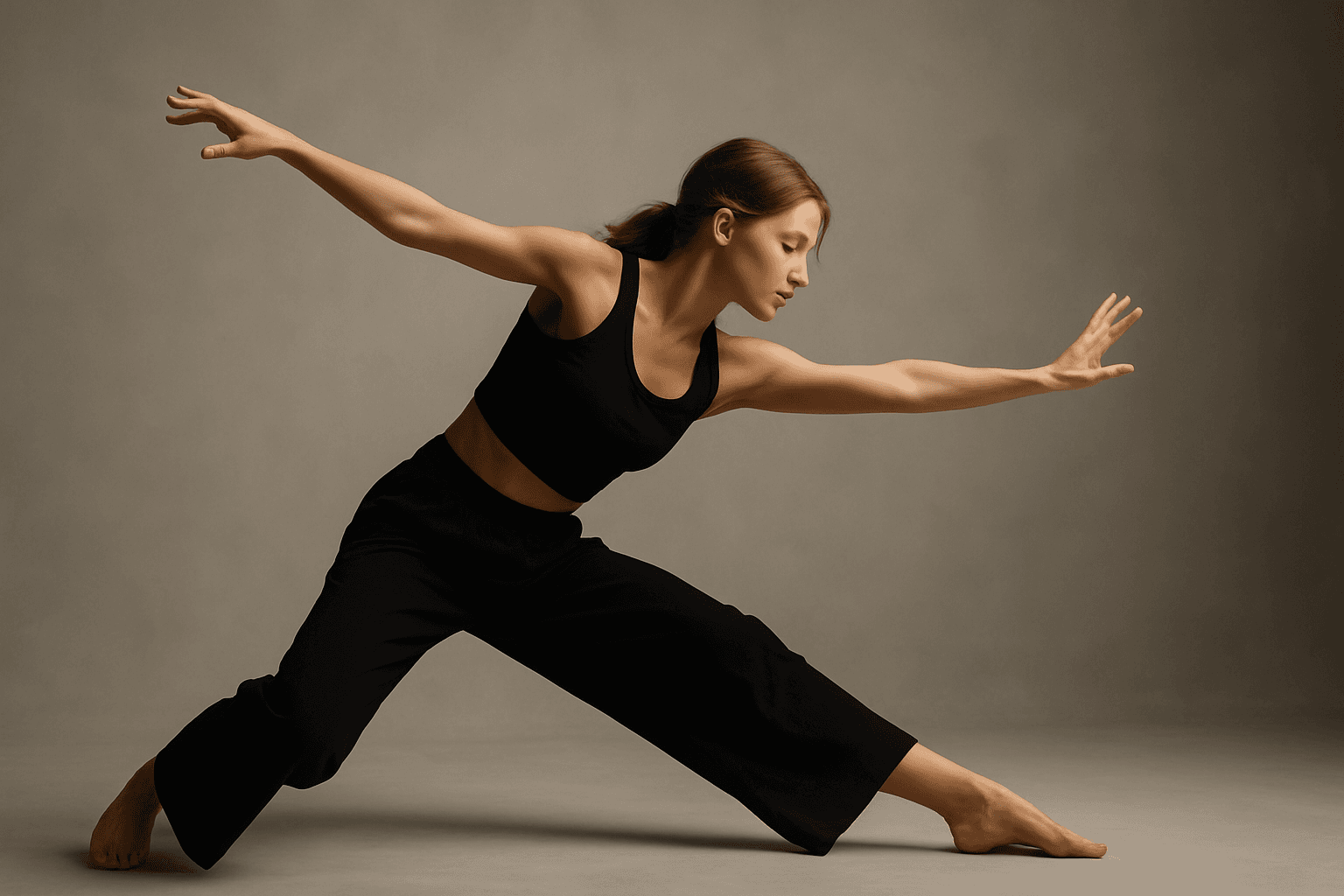
Diagonal Movement Layout
Diagonal Movement Layout is a popular visual strategy in creative imagery that infuses energy and direction into a composition. By aligning main subjects, backgrounds, or elements along diagonal axes, AI-generated images achieve a feeling of flow and progression that captures viewers' attention. This approach contrasts with static horizontal or vertical layouts by introducing tension and rhythm. Using this layout in AI prompts, artists and designers can create more engaging visuals for editorial, advertising, and artistic uses where motion and storytelling are key.
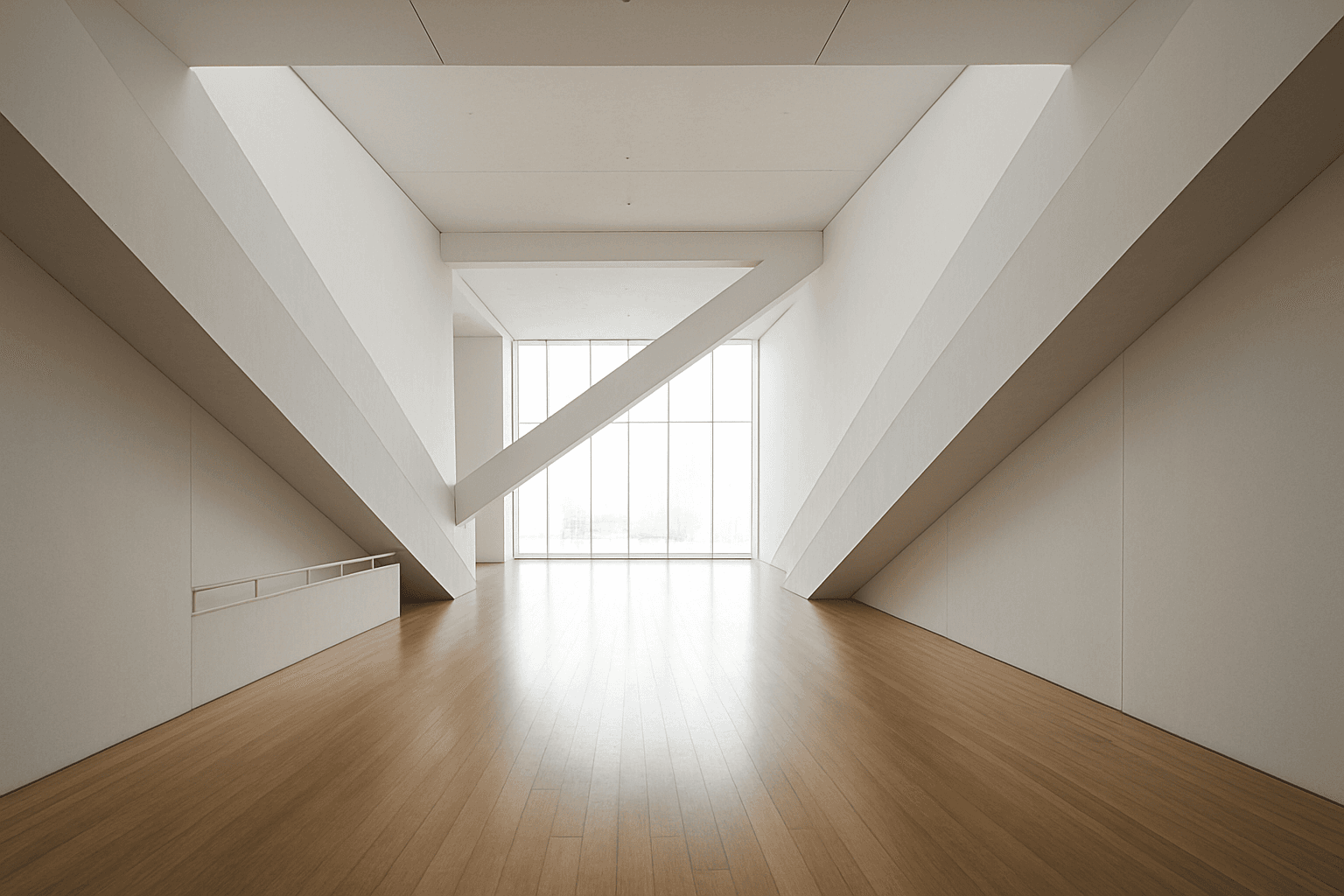
Diagonal Symmetry Composition
Diagonal Symmetry Composition is a powerful compositional approach that instructs AI models to arrange image elements reflecting across a diagonal axis. Unlike horizontal or vertical symmetry, the diagonal axis introduces dynamic tension and movement, lending images a striking and balanced appeal. By using this composition in AI prompts, creators can generate visuals that feel both stable and energetic. This approach often results in more engaging photographs, illustrations, and designs by leveraging unique balance and spatial relationships. It's particularly valuable in art, photography, and design projects aiming for modern and compelling visual narratives that stand out with subtle depth and refined lighting.