Rule Of Thirds Composition
The Rule of Thirds Composition is widely used in photography, design, and art to create engaging and balanced visuals. By mentally dividing images into thirds horizontally and vertically, this approach directs both human observers and AI models to position important subjects where the eye naturally gravitates. Incorporating this rule into AI prompts helps produce images that feel organized and pleasing without appearing overly static. It works well across portrait, landscape, and product imagery, guiding the AI to arrange elements thoughtfully for maximum impact.

Definition
The Rule of Thirds Composition is a classical compositional technique dividing an image into nine equal parts with two horizontal and two vertical lines. Important visual elements are placed along these lines or their intersections. In AI prompts, mentioning this rule directs the generator to create images with balanced layouts, making them more engaging and aesthetically pleasing for viewers.
- Divides image into a 3x3 grid
- Key subjects placed on grid lines or intersections
- Enhances balance and viewer focus
Prompt Formula
Use clear phrases combined with genre and style descriptors to enforce the Rule of Thirds in AI prompts. Examples include combining subject descriptions with 'Rule of Thirds composition', followed by lighting and mood details for richer output. This formula ensures balance without sacrificing creative control.
- [subject], Rule of Thirds composition, [lighting], [style]
- [scene], Rule of Thirds layout, [color palette], [mood]
- [object], Rule of Thirds framing, [background details], [texture]
Best Use Cases
The Rule of Thirds excels in scenarios that benefit from balanced focus and dynamic composition: portraits where subject placement enhances intimacy, landscapes where horizons align aesthetically, and product images that showcase items clearly and professionally.
- Portraits with engaging off-center subjects
- Natural or urban landscapes with balanced horizons
- Product photos emphasizing focal clarity and aesthetic balance
Common Mistakes
A frequent error is overemphasizing the rule to the point of rigidity, causing unnatural or forced compositions. Another mistake is vague prompts without explicit mention of grid placement, leading to centered or awkwardly placed subjects. Avoid clutter near intersections, which can confuse the visual hierarchy.
- Forcing subjects unnaturally onto grid lines
- Omitting 'Rule of Thirds' leading to unbalanced images
- Cluttering intersections reducing focal clarity
Advanced Techniques
Experienced prompt writers can combine Rule of Thirds Composition with other compositional techniques like leading lines or framing for complex visuals. Specifying lighting direction relative to grid lines or adjusting focal depth near intersections adds depth and realism. Layering with style keywords like 'cinematic lighting' or 'shallow depth of field' refines the artistic effect.
- Combine with leading lines to guide viewer gaze
- Specify lighting direction aligned with thirds grid
- Add depth of field focusing on intersection points
- Integrate stylistic keywords for mood and realism
Professional Workflow
Start by defining clear creative briefs emphasizing Rule of Thirds in composition. Generate multiple AI outputs using varied related keywords and styles. Review images for balanced subject placement and discard those lacking intentional framing. Refine prompts iteratively by adding lighting and mood details to enhance the final selection’s professionalism.
- Draft briefs highlighting Rule of Thirds emphasis
- Produce diverse image sets with related prompt tweaks
- Evaluate and select images with strong compositional balance
- Refine prompts to adjust lighting, color, and depth
Related Styles
Rule of Thirds pairs well with Golden Ratio Composition, which offers an alternative natural balance approach. Symmetry Composition contrasts by centralizing elements, while Leading Lines Composition complements the thirds by directing attention along paths. These adjacent styles expand creative possibilities for structured and harmonious AI-generated imagery.
- Golden Ratio Composition for natural curves
- Symmetry Composition for balanced mirroring
- Leading Lines Composition for directed focus
FAQ
How do I incorporate Rule of Thirds into my AI prompts?
Simply include the phrase 'Rule of Thirds composition' or related wording in your prompt to guide the AI in placing key subjects along the thirds grid lines or intersections.
Can Rule of Thirds improve random image generation?
Yes. Including Rule of Thirds helps the AI produce more balanced and aesthetically pleasing layouts, reducing awkward centering or clutter in generated images.
Continue Exploring
Related Prompts
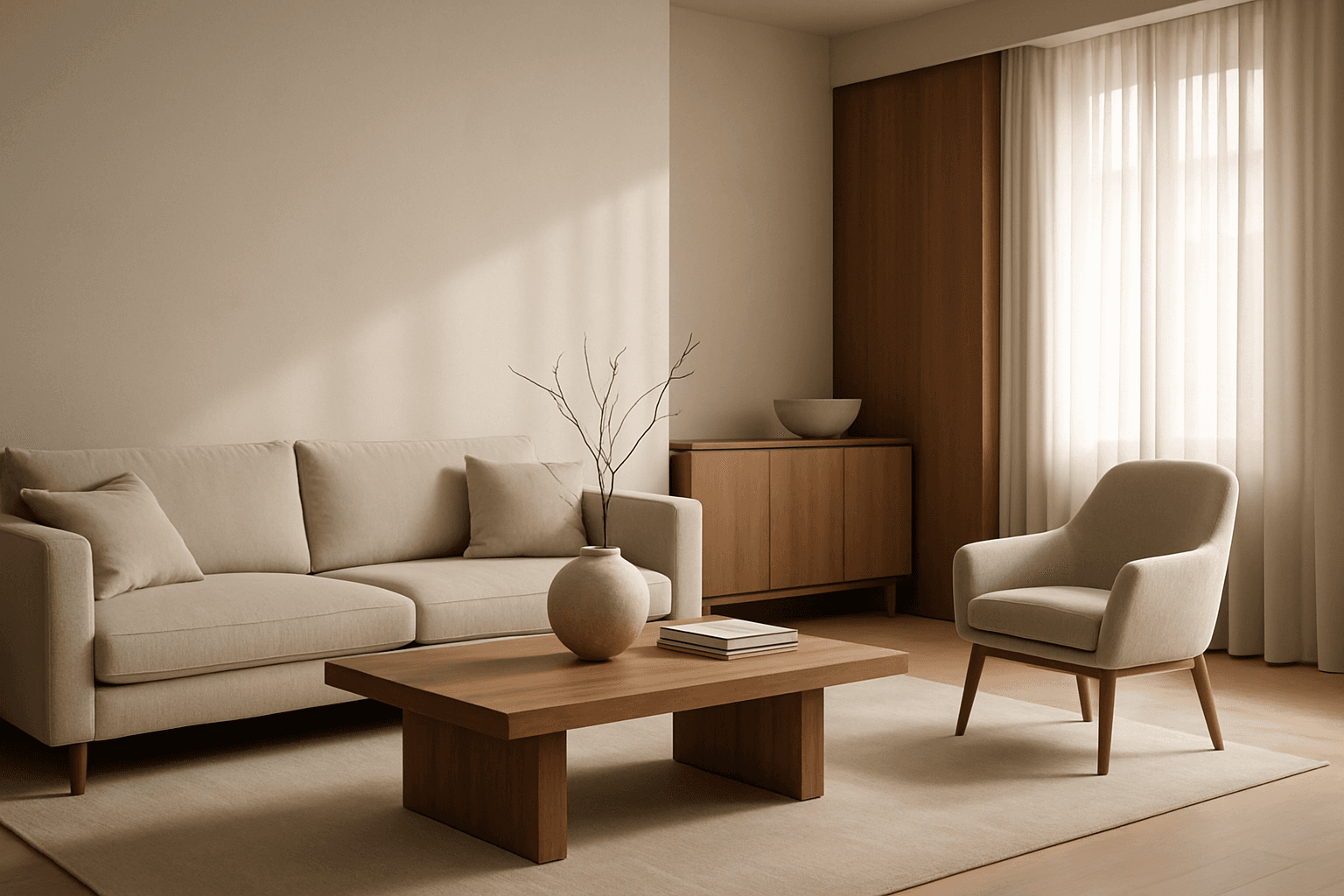
Golden Ratio Composition
Golden Ratio Composition is a classic design technique adapted into AI image creation to improve the balance and flow of visual elements. Utilizing this composition brings a natural harmony to images, often perceived as more beautiful and engaging due to the ratio's deep-rooted presence in nature and classical art. When incorporated into AI prompts, it instructs the model to place key subjects and backgrounds following this mathematical layout, enhancing the viewer's focus and emotional impact. This method benefits various AI-generated artwork genres, from landscapes to product photography, by improving framing without manual adjustments.
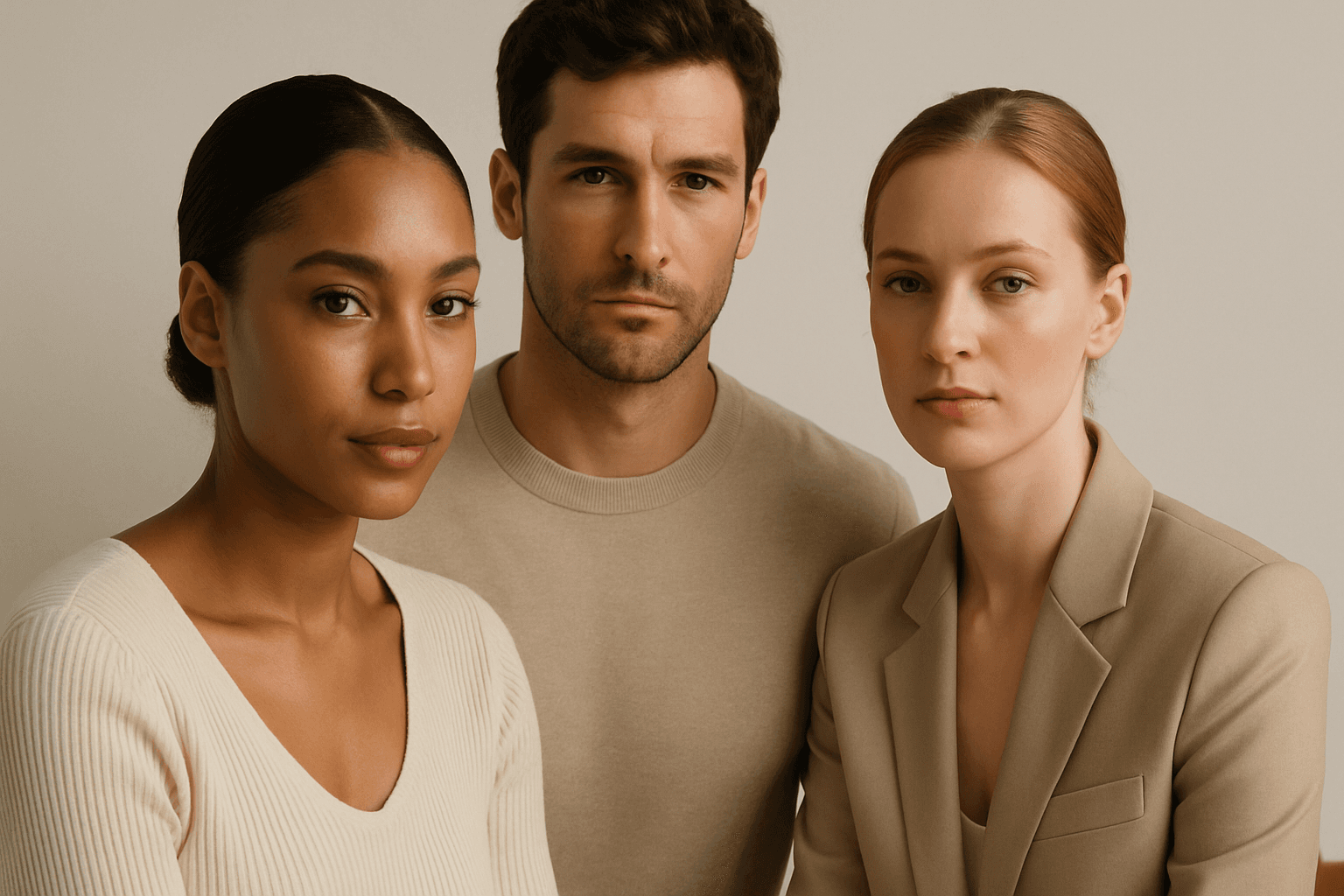
Balanced Triangular Composition
Balanced Triangular Composition is a classic layout technique that organizes main components into a triangular arrangement, fostering a sense of equilibrium and visual interest. When used in AI image prompting, it directs the model to position subjects or objects at three points, creating a natural flow and structure that viewers find pleasing. This composition leverages geometric balance to enhance storytelling or highlight product details, making images appear intentional and professionally crafted. Its balanced yet dynamic nature helps prevent clutter while maintaining engagement, ideal for diverse creative outputs.

Golden Triangle Composition
Golden Triangle Composition is an artistic technique that divides an image space into four triangles using a diagonal line from one corner to the opposite, then adding two lines from the other corners intersecting this diagonal. This composition guides where important elements should be placed, encouraging a dynamic asymmetry that still feels balanced and natural. When used in AI image generation, specifying Golden Triangle Composition helps produce images where subjects and focal points are arranged according to these diagonals, making scenes visually interesting and engaging, avoiding static or centered layouts. This composition is favored in photography, painting, and design for its ability to create harmonious and dynamic visuals that maintain viewer interest.
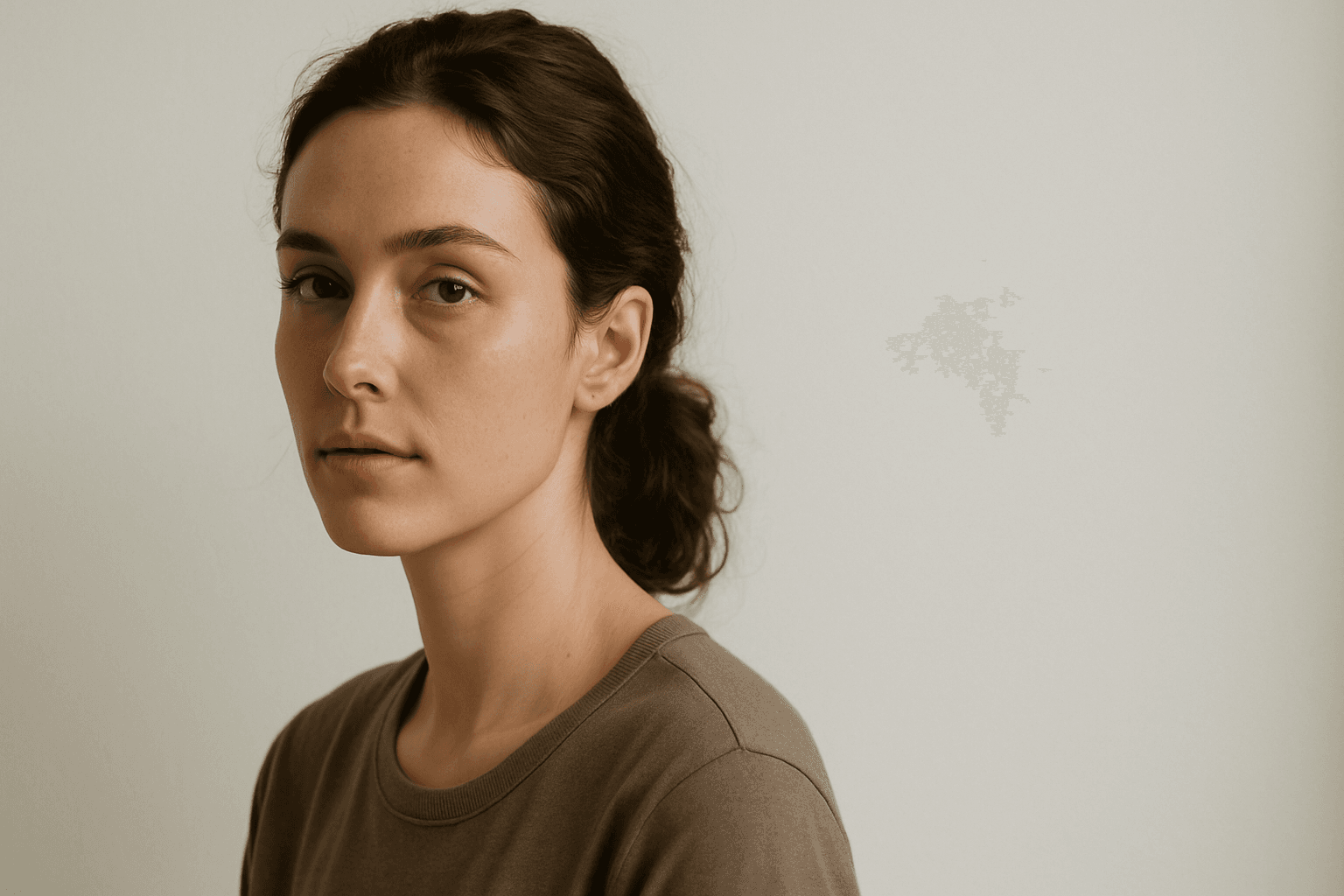
Rule Of Thirds Layout
The Rule of Thirds Layout is essential for creating visually balanced and aesthetically pleasing images by dividing the frame into thirds both horizontally and vertically. This technique avoids centering subjects and instead positions them along grid intersections, producing natural movement and interest within the composition. When incorporated into AI image prompts, it influences the algorithm to create images with better spatial harmony and focal placement. This adjustment can vastly improve the overall buy-in and professionalism of generated visuals, fitting perfectly for editorial, advertising, and artistic image creation.

Diagonal Flow Composition
Diagonal Flow Composition elevates imagery by breaking away from static, horizontal, or vertical layouts. It leverages diagonal lines across the frame to create tension, balance, and dynamism, drawing the viewer's attention naturally through the scene. For AI-generated images, specifying diagonal flow helps emphasize visual pathways that suggest movement or lead the gaze, making compositions feel more alive and engaging. This technique is widely used in photography, graphic design, and cinematography to evoke energy and make visuals more striking.

Symmetrical Balance Composition
Symmetrical balance composition is a fundamental principle that ensures an image's elements are arranged so both sides mirror each other, giving the viewer a sense of harmony and equilibrium. This approach can be particularly powerful in AI image generation for crafting outstanding visuals that feel orderly and intentional. By specifying symmetrical balance in prompts, creators can achieve polished layouts that emphasize clarity and calmness, often suitable for editorial, commercial, and artistic needs. The balanced nature brings focus and often highlights a central subject elegantly, making images instantly engaging and aesthetically pleasing.