Rule Of Thirds Layout
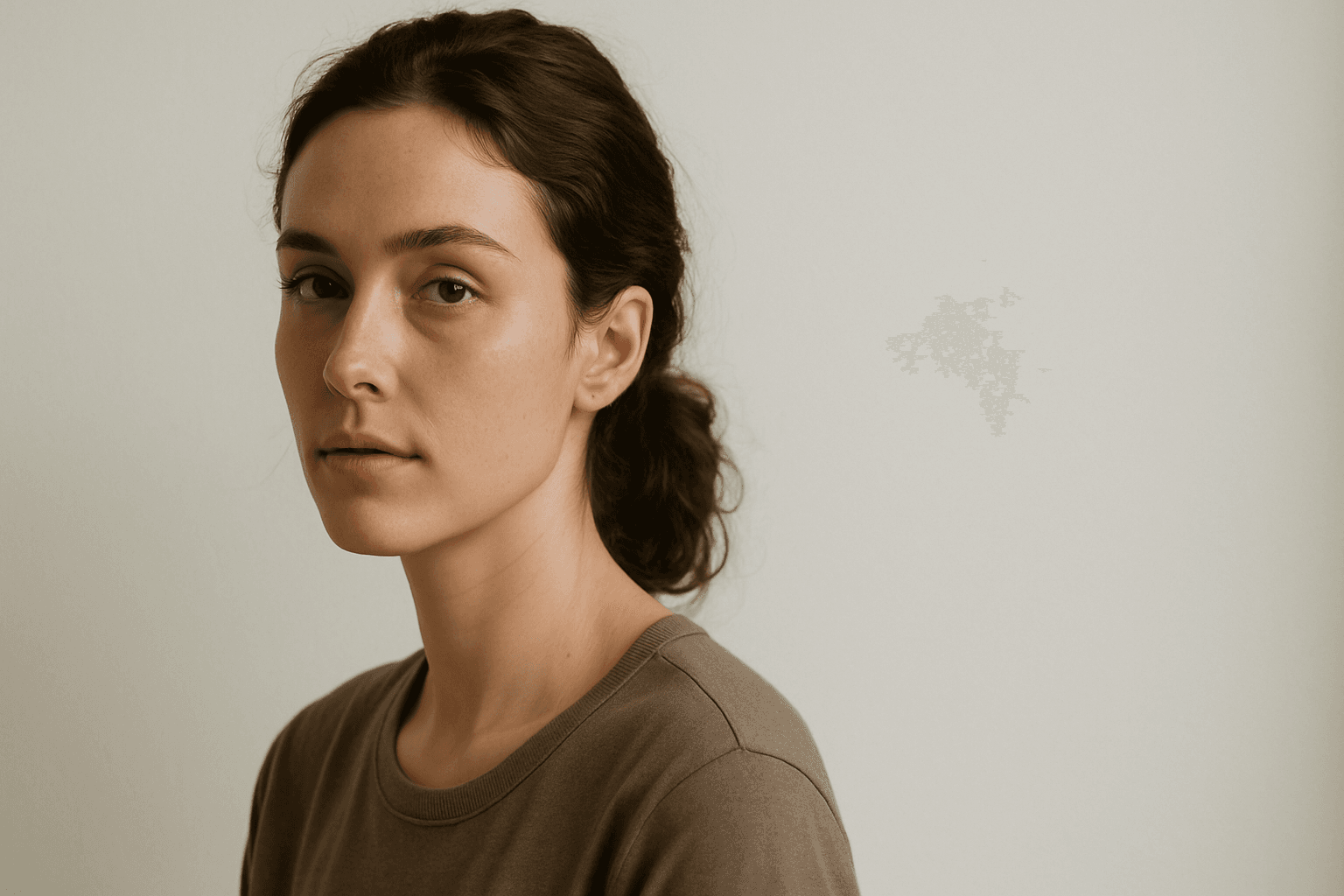
The Rule of Thirds Layout is essential for creating visually balanced and aesthetically pleasing images by dividing the frame into thirds both horizontally and vertically. This technique avoids centering subjects and instead positions them along grid intersections, producing natural movement and interest within the composition. When incorporated into AI image prompts, it influences the algorithm to create images with better spatial harmony and focal placement. This adjustment can vastly improve the overall buy-in and professionalism of generated visuals, fitting perfectly for editorial, advertising, and artistic image creation.
Definition
The Rule of Thirds Layout is a key composition principle where an image is divided into nine equal parts by two vertical and two horizontal lines. Key subjects or focal points are placed at the intersections or along these lines to create visual interest and balance. In AI prompt terms, adding 'Rule of Thirds Layout' cues the AI to arrange elements harmoniously, improving image dynamics and appeal.
Prompt Formula
Use phrases that explicitly mention the Rule of Thirds for composition, combined with descriptive lighting and subject details to guide AI effectively. Examples include:
- Subject oriented according to Rule of Thirds layout
- Elements positioned at thirds grid intersections
- Balanced composition with Rule of Thirds guideline
Best Use Cases
This layout excels in various scenarios where composition matters. Practical uses include:
- Social media graphics that require eye-catching, balanced visuals
- Editorial hero images needing professional and dynamic subject placement
- Artistic photography-style renders that avoid static central alignment
Creative Variations
To diversify outputs using the Rule of Thirds Layout, consider:
- Varying the lighting—golden hour, high contrast, soft diffused
- Switching color palettes—muted tones, vibrant colors, monochrome
- Altering subject focus—foreground emphasis, background blur, mixed depth
Industry Applications
The Rule of Thirds Layout is pivotal across multiple commercial industries. Key applications include:
- Advertising visuals requiring engaging and balanced composition
- Ecommerce product imagery optimized for shopper attention
- Editorial content creation where professional framing enhances storytelling
Common Mistakes
Common errors when prompting for Rule of Thirds include over-defining spatial arrangements leading to unnatural placement, vague instructions causing imbalance, or neglecting lighting which affects composition perception. To avoid these, be clear yet flexible, and pair composition cues with lighting and depth descriptors.
Advanced Techniques
Experienced prompt writers can refine Rule of Thirds compositions by combining them with model-specific codes or seed values to preserve layout consistency. Introducing constraints like 'foreground focus on left third' or 'negative space on right third' enhances control. Layering complementary composition rules like Leading Lines or Golden Ratio can elevate image sophistication.
FAQ
How does specifying Rule of Thirds affect AI image composition?
It guides the AI to position main subjects along imaginary grid lines, creating more balanced and aesthetically pleasing images with dynamic focal points rather than static centered subjects.
Can Rule of Thirds Layout be combined with other composition rules?
Yes, combining it with other principles like Leading Lines or Golden Ratio can create even more compelling and sophisticated image layouts in AI outputs.
Continue Exploring
Related Prompts
Golden Ratio Composition
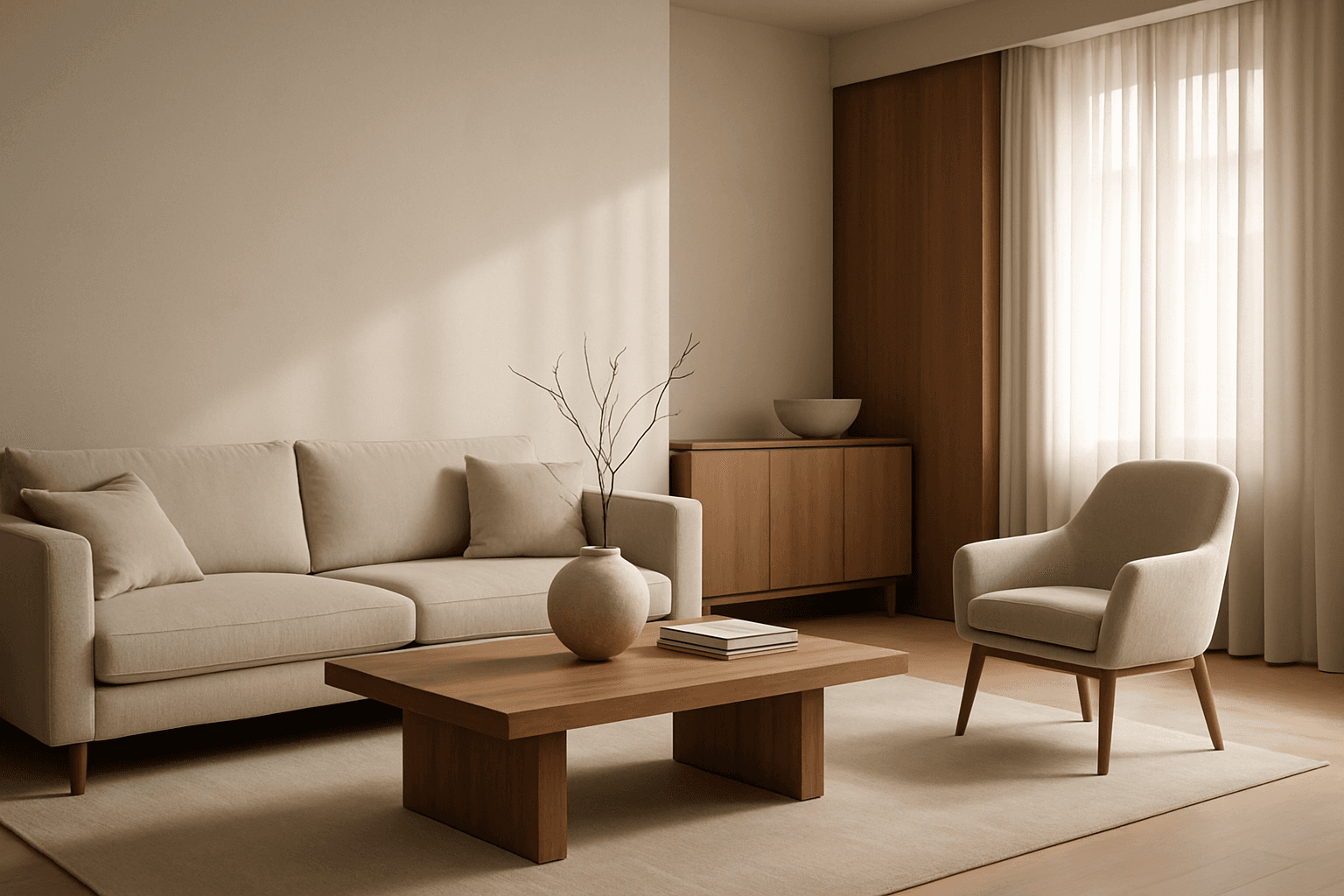
Golden Ratio Composition is a classic design technique adapted into AI image creation to improve the balance and flow of visual elements. Utilizing this composition brings a natural harmony to images, often perceived as more beautiful and engaging due to the ratio's deep-rooted presence in nature and classical art. When incorporated into AI prompts, it instructs the model to place key subjects and backgrounds following this mathematical layout, enhancing the viewer's focus and emotional impact. This method benefits various AI-generated artwork genres, from landscapes to product photography, by improving framing without manual adjustments.

Rule Of Thirds Composition
The Rule of Thirds Composition is widely used in photography, design, and art to create engaging and balanced visuals. By mentally dividing images into thirds horizontally and vertically, this approach directs both human observers and AI models to position important subjects where the eye naturally gravitates. Incorporating this rule into AI prompts helps produce images that feel organized and pleasing without appearing overly static. It works well across portrait, landscape, and product imagery, guiding the AI to arrange elements thoughtfully for maximum impact.
Golden Ratio Layout
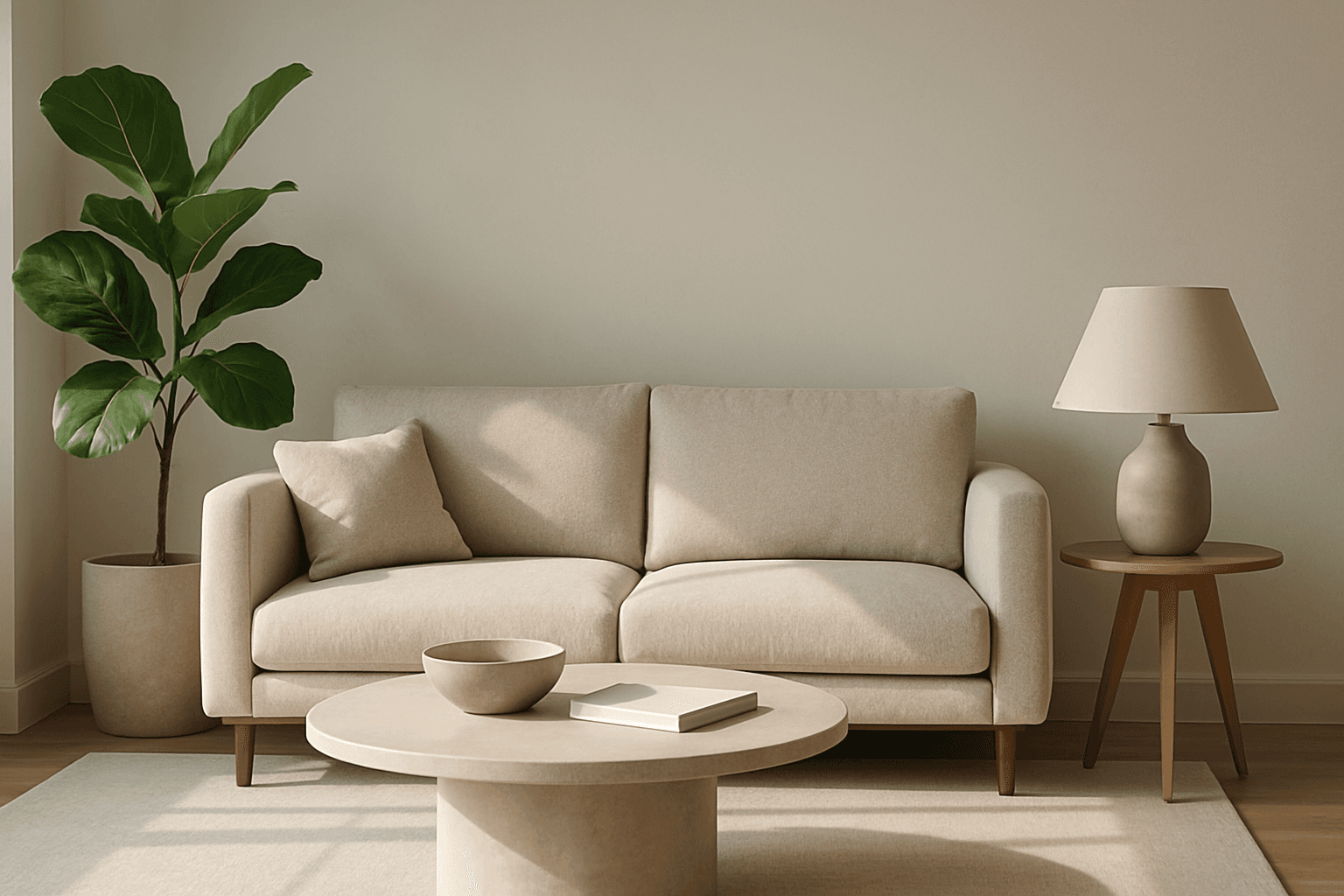
The Golden Ratio Layout is a timeless compositional principle found in nature, art, and design, used to establish visually harmonious and aesthetically compelling images. Applying this concept to AI image generation helps create compositions where the subject placement and background elements follow the golden section, improving viewer engagement and creating a sense of balance and flow. This layout is especially favored in editorial photography, branding visuals, and architectural renders to evoke sophistication and natural beauty. By including the Golden Ratio Layout keyword in your prompts, you encourage AI models to prioritize this balanced and elegant arrangement, enhancing the professional quality of outputs.

Circular Composition Layout
The Circular Composition Layout is essential for artists and designers who want to create images with natural balance and dynamic flow. By structuring elements around a central axis or circle, this composition draws viewers’ attention evenly across the image, often leading them to a central focus. In AI-generated art, specifying circular composition helps produce images with a polished aesthetic and organic movement, suitable for varied creative applications such as editorial visuals, product showcases, and social content. The layout promotes symmetry while still allowing visual complexity and interest, making images feel complete and professionally composed.
Dynamic Asymmetric Layout
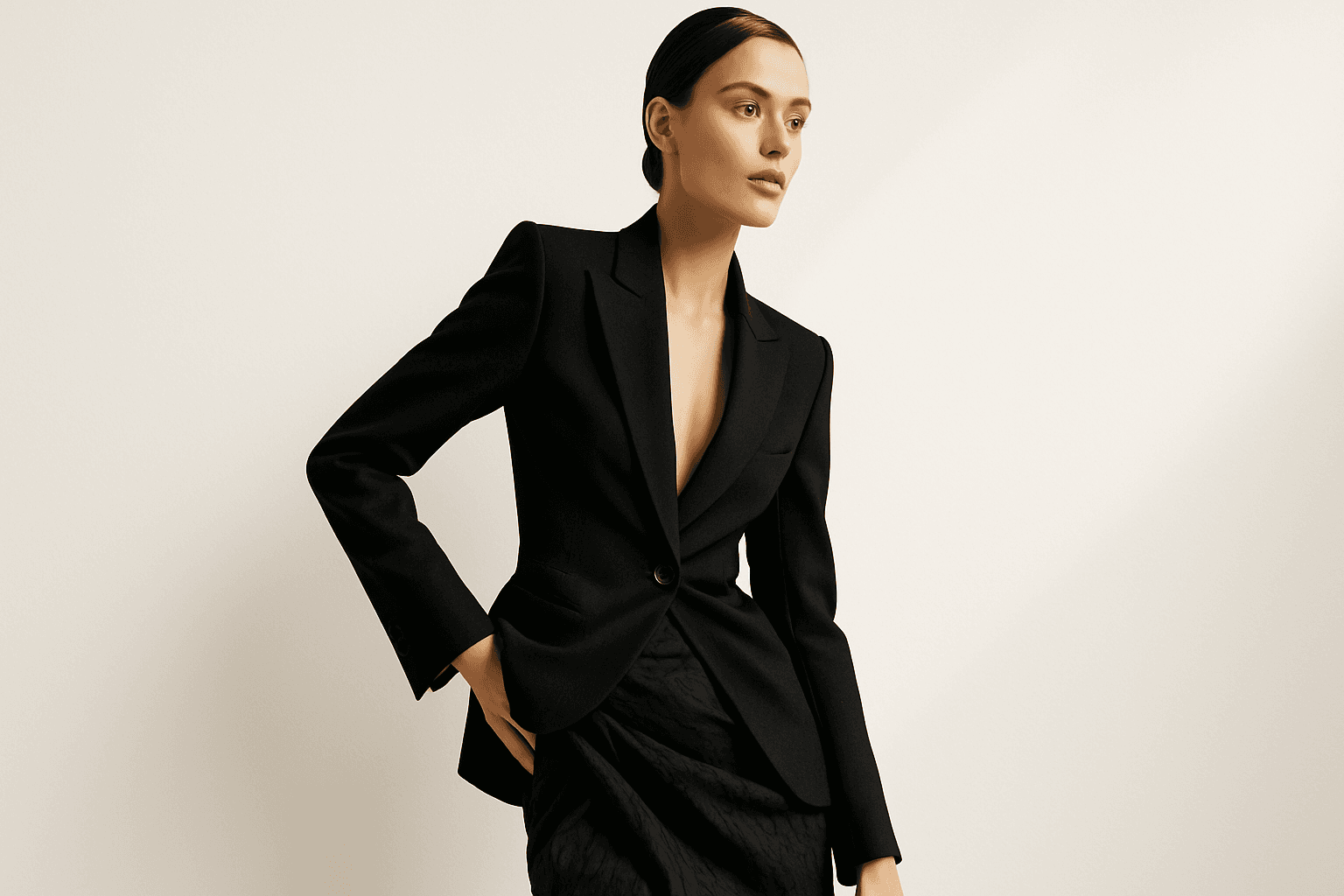
Dynamic asymmetric layouts break away from the predictability of centered designs by introducing imbalance that attracts the viewer's eye across the composition. This style is widely used in editorial design, advertising, and digital media to convey energy, modernity, and sophistication. By emphasizing contrast and selective clustering, the layout guides attention strategically without relying on rigid balance. In AI image generation, specifying dynamic asymmetric layout in your prompt encourages the model to produce visually compelling scenes with elements arranged unevenly yet harmoniously, enhancing the overall narrative or mood of the image. This approach works particularly well for premium stock images and design headlines where a clean, polished look with subtle depth is desired.

Negative Space Layout
Negative space layout is a vital compositional technique that leverages empty spaces within an image to create visual balance, harmony, and focus. By strategically using negative space, artists and designers can guide the viewer's eye toward the main subject while ensuring the overall design feels uncluttered and elegant. In AI image generation, specifying negative space layout helps produce images with refined balance, preventing overcrowding of elements and enhancing the premium, editorial look. This technique is essential in minimalist art, branding, editorial photography, and modern design where clarity and subtlety are valued.