Golden Ratio Composition
Golden Ratio Composition is a classic design technique adapted into AI image creation to improve the balance and flow of visual elements. Utilizing this composition brings a natural harmony to images, often perceived as more beautiful and engaging due to the ratio's deep-rooted presence in nature and classical art. When incorporated into AI prompts, it instructs the model to place key subjects and backgrounds following this mathematical layout, enhancing the viewer's focus and emotional impact. This method benefits various AI-generated artwork genres, from landscapes to product photography, by improving framing without manual adjustments.
Definition
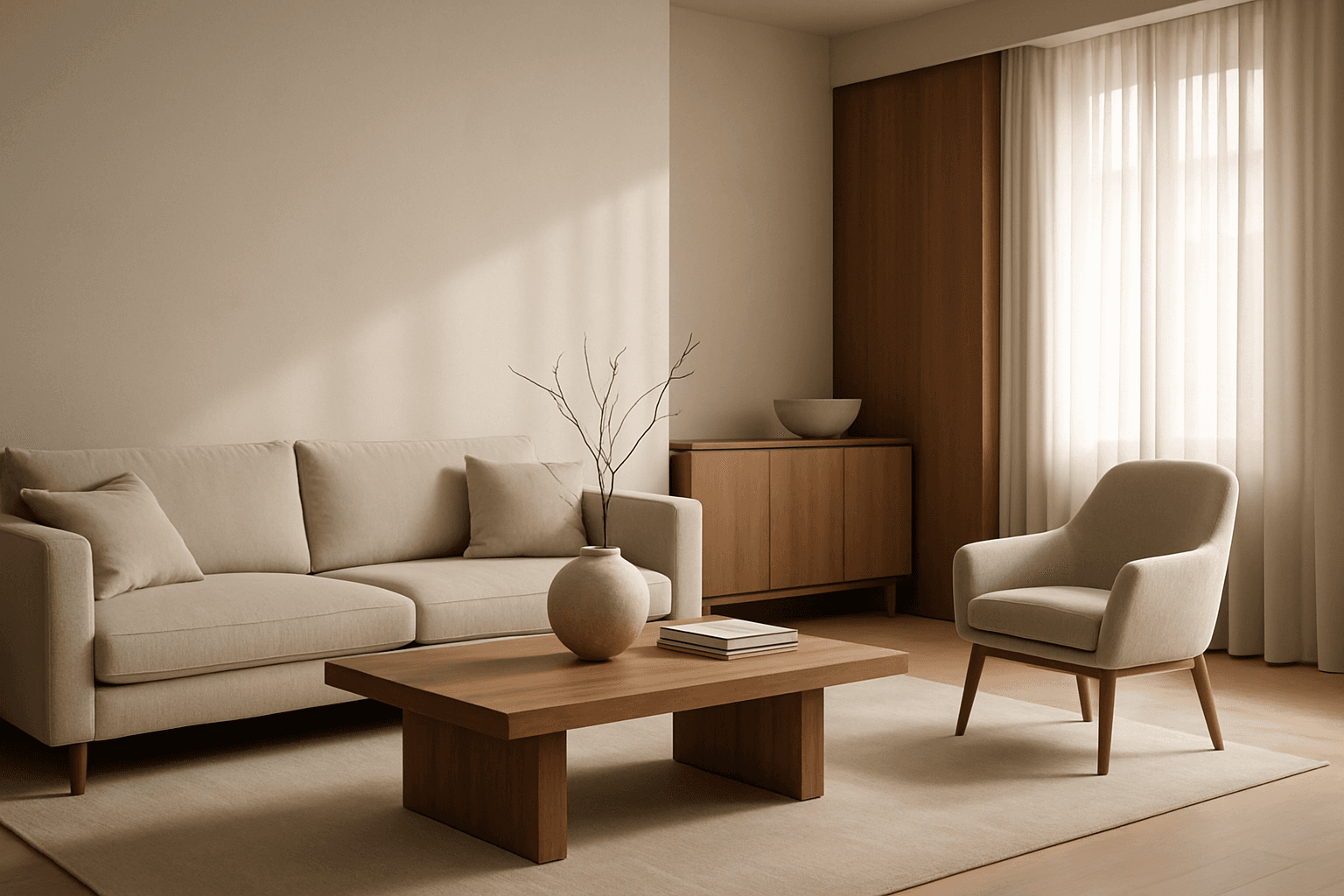
Golden Ratio Composition refers to arranging visual elements according to the golden ratio math principle (approximately 1.618) to create harmony and balance. In AI image prompts, including this keyword nudges the model to align subjects and backgrounds following this renowned aesthetic rule, enhancing the visual appeal by producing natural focal points and flow that feel pleasing to the human eye.
Prompt Formula
Use these reusable phrase structures to incorporate golden ratio composition into your prompts: - "[Subject] arranged with golden ratio composition, [lighting style], [detail level]" - "Scene framed by golden spiral layout, [ambient setting], [color palette]" - "[Object] positioned following the golden ratio, [camera angle], [background style]" Combining phrases emphasizing golden ratio placement and lighting details improves clarity and quality in AI outputs.
- [Subject] arranged with golden ratio composition, [lighting style], [detail level]
- Scene framed by golden spiral layout, [ambient setting], [color palette]
- [Object] positioned following the golden ratio, [camera angle], [background style]
Best Use Cases
- High-end product photography showcasing balanced design and elegance
- Fine art and landscape illustrations emphasizing natural harmony
- Editorial and advertising images needing strong visual focus and classic composition
Related Styles
- Rule of Thirds Composition
- Fibonacci Spiral Layout
- Symmetrical Balance
Model-Specific Tips
To effectively integrate Golden Ratio Composition in AI image models: - Use clear descriptive phrases like "golden spiral arrangement" or "golden ratio framing" as most models understand conceptual art terms. - Combine composition keywords with lighting and detail modifiers for richer outputs. - Avoid overly technical math jargon; instead, evoke visual principles related to balance and flow. - When experimenting, use visual anchor objects placed along expected golden ratio points for the model to learn spatial relationships. These strategies are portable and avoid depending on any fragile or platform-specific syntax.
FAQ
What is the difference between Golden Ratio Composition and Rule of Thirds?
Golden Ratio Composition is based on the mathematical ratio 1.618 and often involves a spiral layout creating natural balance, while Rule of Thirds divides the frame into equal thirds both vertically and horizontally to guide element placement. The golden ratio offers a more organic and mathematically intricate structure compared to the simpler thirds grid.
Can I use Golden Ratio Composition for abstract AI art?
Yes, applying golden ratio principles can enhance abstract AI art by establishing harmonious spatial relationships and guiding focal points, leading to compositions that feel balanced even without representational subjects.
Continue Exploring
Related Prompts
Golden Ratio Layout
The Golden Ratio Layout is a timeless compositional principle found in nature, art, and design, used to establish visually harmonious and aesthetically compelling images. Applying this concept to AI image generation helps create compositions where the subject placement and background elements follow the golden section, improving viewer engagement and creating a sense of balance and flow. This layout is especially favored in editorial photography, branding visuals, and architectural renders to evoke sophistication and natural beauty. By including the Golden Ratio Layout keyword in your prompts, you encourage AI models to prioritize this balanced and elegant arrangement, enhancing the professional quality of outputs.

Rule Of Thirds Composition
The Rule of Thirds Composition is widely used in photography, design, and art to create engaging and balanced visuals. By mentally dividing images into thirds horizontally and vertically, this approach directs both human observers and AI models to position important subjects where the eye naturally gravitates. Incorporating this rule into AI prompts helps produce images that feel organized and pleasing without appearing overly static. It works well across portrait, landscape, and product imagery, guiding the AI to arrange elements thoughtfully for maximum impact.

Symmetrical Balance Composition
Symmetrical balance composition is a fundamental principle that ensures an image's elements are arranged so both sides mirror each other, giving the viewer a sense of harmony and equilibrium. This approach can be particularly powerful in AI image generation for crafting outstanding visuals that feel orderly and intentional. By specifying symmetrical balance in prompts, creators can achieve polished layouts that emphasize clarity and calmness, often suitable for editorial, commercial, and artistic needs. The balanced nature brings focus and often highlights a central subject elegantly, making images instantly engaging and aesthetically pleasing.

Golden Spiral Composition
The Golden Spiral Composition uses a mathematical spiral to arrange visual elements harmoniously. Rooted in the Fibonacci sequence, it directs the viewer’s gaze fluidly through the image, emphasizing a natural progression from less to more important areas. In AI image generation, including this term helps the model prioritize spatial arrangement, creating aesthetically pleasing, balanced images ideal for editorial, advertising, and fine art contexts. This composition style enhances storytelling and focus, making images feel more organic and engaging.

Golden Triangle Composition
Golden Triangle Composition is an artistic technique that divides an image space into four triangles using a diagonal line from one corner to the opposite, then adding two lines from the other corners intersecting this diagonal. This composition guides where important elements should be placed, encouraging a dynamic asymmetry that still feels balanced and natural. When used in AI image generation, specifying Golden Triangle Composition helps produce images where subjects and focal points are arranged according to these diagonals, making scenes visually interesting and engaging, avoiding static or centered layouts. This composition is favored in photography, painting, and design for its ability to create harmonious and dynamic visuals that maintain viewer interest.

Asymmetrical Balance Composition
Asymmetrical balance composition is a powerful design principle that infuses AI-generated images with dynamic harmony and visual interest. Unlike traditional symmetrical layouts, this technique balances elements of varying sizes, colors, or textures to create a cohesive whole without mirroring. Within AI prompting, directing the model to apply asymmetrical balance produces images that feel organic and engaging, often enhancing storytelling and emotional impact. This composition style is widely used in editorial design, contemporary art, and photography to avoid predictability and add depth. For AI creatives, mastering asymmetrical balance opens new pathways to dynamic, polished, and visually compelling imagery.