Golden Ratio Framing
Golden Ratio Framing applies the classical golden ratio (approximately 1:1.618) to modern AI image generation, influencing where main subjects and details are arranged to maximize visual appeal. Utilizing this technique in prompts encourages AI models to create images with a refined, natural composition that feels intuitively pleasing. This method is especially valued in photography, art, and design, where visual harmony enhances storytelling or product presentation. By integrating Golden Ratio Framing into prompts, users can elevate the aesthetic quality and balance of AI-generated visuals without manually adjusting layout post-generation.

Definition
Golden Ratio Framing is a compositional principle based on the golden ratio (approximately 1:1.618), guiding where to place key elements in an image. Its purpose is to create a natural balance and visually appealing flow. When used in AI image prompts, this keyword encourages the model to structure the scene so focal points align along the golden spiral or rectangles, yielding aesthetically pleasing, harmonious compositions that mimic classical artistic rules.
Prompt Formula
To incorporate Golden Ratio Framing effectively in AI prompts, combine it with descriptive elements to specify style, mood, and detail level. Use phrasing patterns like: - "[subject] positioned using golden ratio framing, [lighting], [style], [detail]" - "compose scene with golden ratio layout, emphasizing [feature], realistic textures" - "golden ratio composition of [scene], soft ambient light, ultra-realistic" This formula guides the model to merge compositional harmony with your desired theme.
- [subject] positioned using golden ratio framing, [lighting], [style], [detail]
- compose scene with golden ratio layout, emphasizing [feature], realistic textures
- golden ratio composition of [scene], soft ambient light, ultra-realistic
Best Use Cases
- Editorial photography and portraits benefiting from balanced natural composition
- Product shots requiring premium and eye-catching framing
- Artistic and concept illustrations utilizing classical compositional rules to enhance storytelling
Related Styles
- Rule of Thirds — another popular compositional guide dividing the frame into thirds
- Symmetrical Balance — focusing on mirror-image layout for harmony
- Minimalist Composition — emphasizing simplicity and clean spatial arrangement
Model-Specific Tips
When using Golden Ratio Framing across different AI image models, emphasize composition-related keywords to guide the framing without relying on model-specific syntax. Combine this keyword with clarity on subject placement (e.g., "main subject aligned with golden spiral") and descriptive cues about lighting and depth to nudge the model toward balanced visuals. Avoid vague terms; instead, be explicit about the compositional style to maintain consistency in output across platforms.
FAQ
How does Golden Ratio Framing differ from the Rule of Thirds?
While Rule of Thirds divides the frame into equal thirds to guide element placement, Golden Ratio Framing uses the approximate 1:1.618 proportion, which is considered more naturally balanced and harmonious. It often results in more dynamic and subtle compositions compared to the stricter thirds grid.
Can I use Golden Ratio Framing for abstract or surreal AI art?
Yes, Golden Ratio Framing can enhance abstract or surreal art by providing underlying structural harmony within complex compositions, making the artwork feel more cohesive and visually appealing despite unusual subjects.
Continue Exploring
Related Prompts
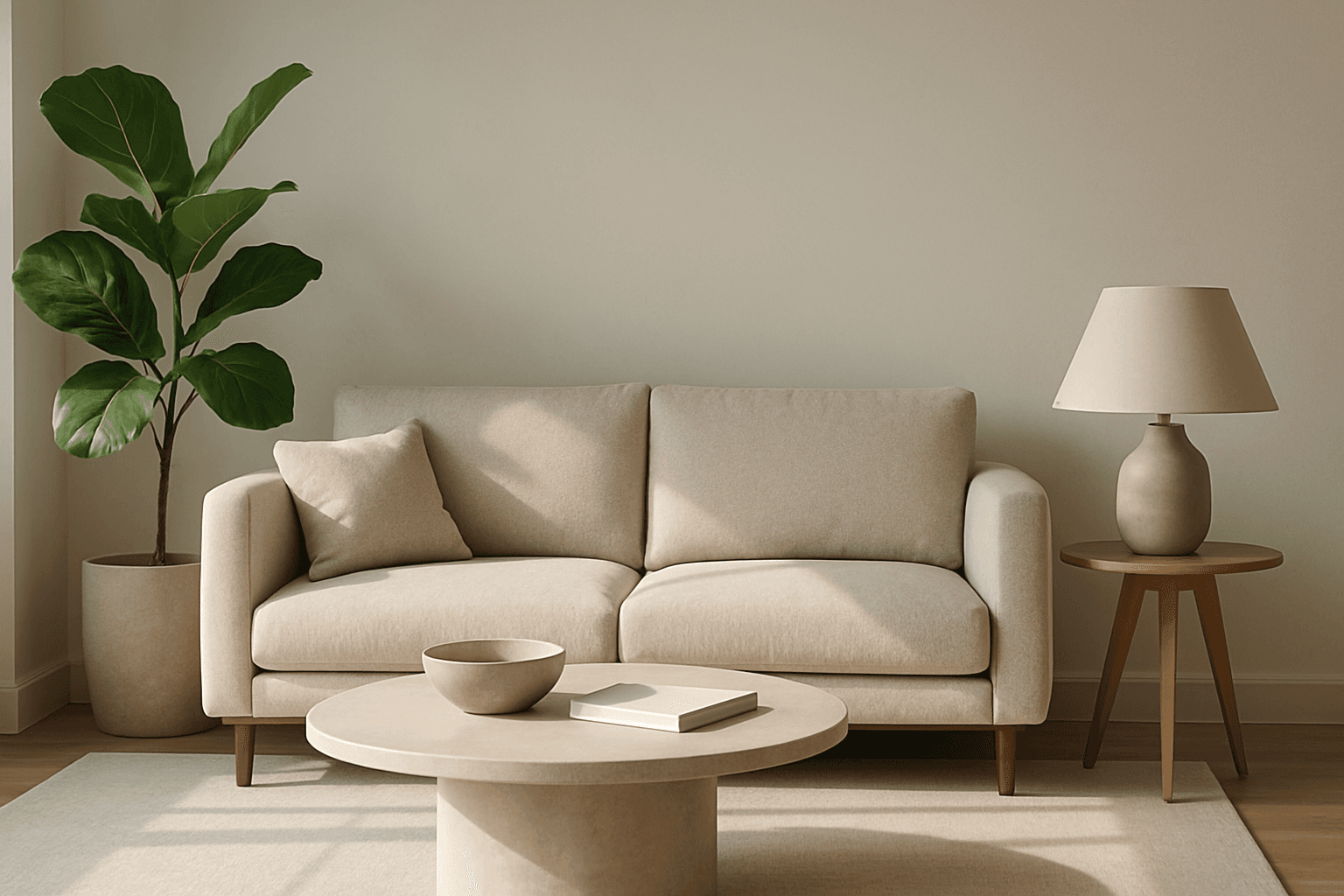
Golden Ratio Layout
The Golden Ratio Layout is a timeless compositional principle found in nature, art, and design, used to establish visually harmonious and aesthetically compelling images. Applying this concept to AI image generation helps create compositions where the subject placement and background elements follow the golden section, improving viewer engagement and creating a sense of balance and flow. This layout is especially favored in editorial photography, branding visuals, and architectural renders to evoke sophistication and natural beauty. By including the Golden Ratio Layout keyword in your prompts, you encourage AI models to prioritize this balanced and elegant arrangement, enhancing the professional quality of outputs.
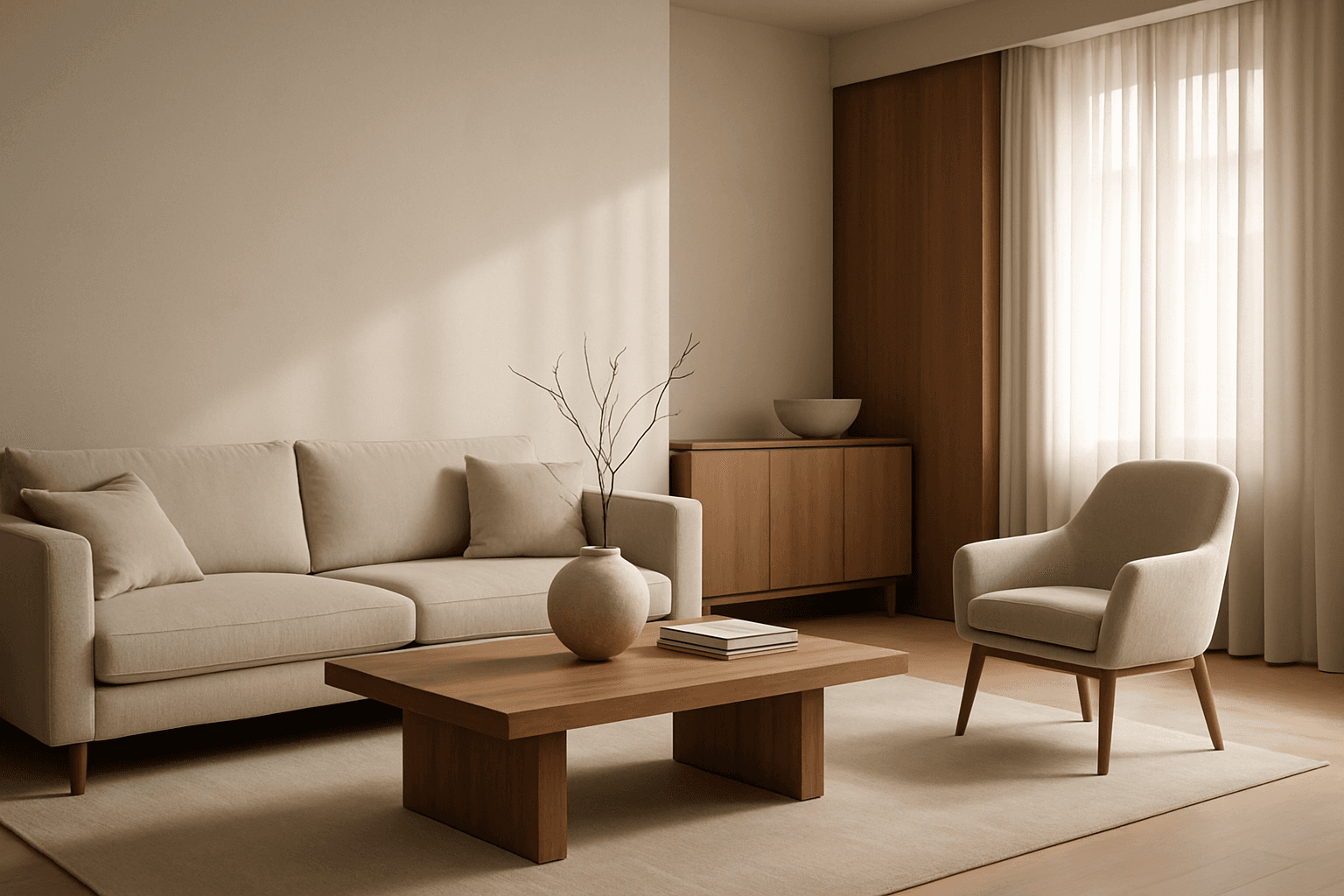
Golden Ratio Composition
Golden Ratio Composition is a classic design technique adapted into AI image creation to improve the balance and flow of visual elements. Utilizing this composition brings a natural harmony to images, often perceived as more beautiful and engaging due to the ratio's deep-rooted presence in nature and classical art. When incorporated into AI prompts, it instructs the model to place key subjects and backgrounds following this mathematical layout, enhancing the viewer's focus and emotional impact. This method benefits various AI-generated artwork genres, from landscapes to product photography, by improving framing without manual adjustments.

Central Focus Composition
Central Focus Composition is a fundamental principle in visual design that directs the viewer's eye instantly to the image's main subject by positioning it at the exact center. This method leverages symmetry and balance to create images that have a strong visual impact and clear storytelling. When used in AI image generation, it ensures the subject dominates the frame and helps achieve polished, editorial-quality images ideal for a wide range of applications. This technique is especially powerful for portraits, product showcases, and conceptual art, where clarity and directness are keys.

Fibonacci Sequence Composition
In AI-generated imagery, applying the Fibonacci Sequence Composition leverages a time-tested mathematical pattern to create images that feel organically balanced and visually appealing. This compositional technique arranges key elements according to the Fibonacci spiral or golden ratio proportions, resulting in a dynamic yet harmonious layout. Its influence can be seen in nature, classic art, and modern design, making it a versatile approach to structuring images that engage viewers intuitively. Incorporating this into prompts helps AI models understand how to position subjects, backgrounds, and focal points for maximum aesthetic impact.
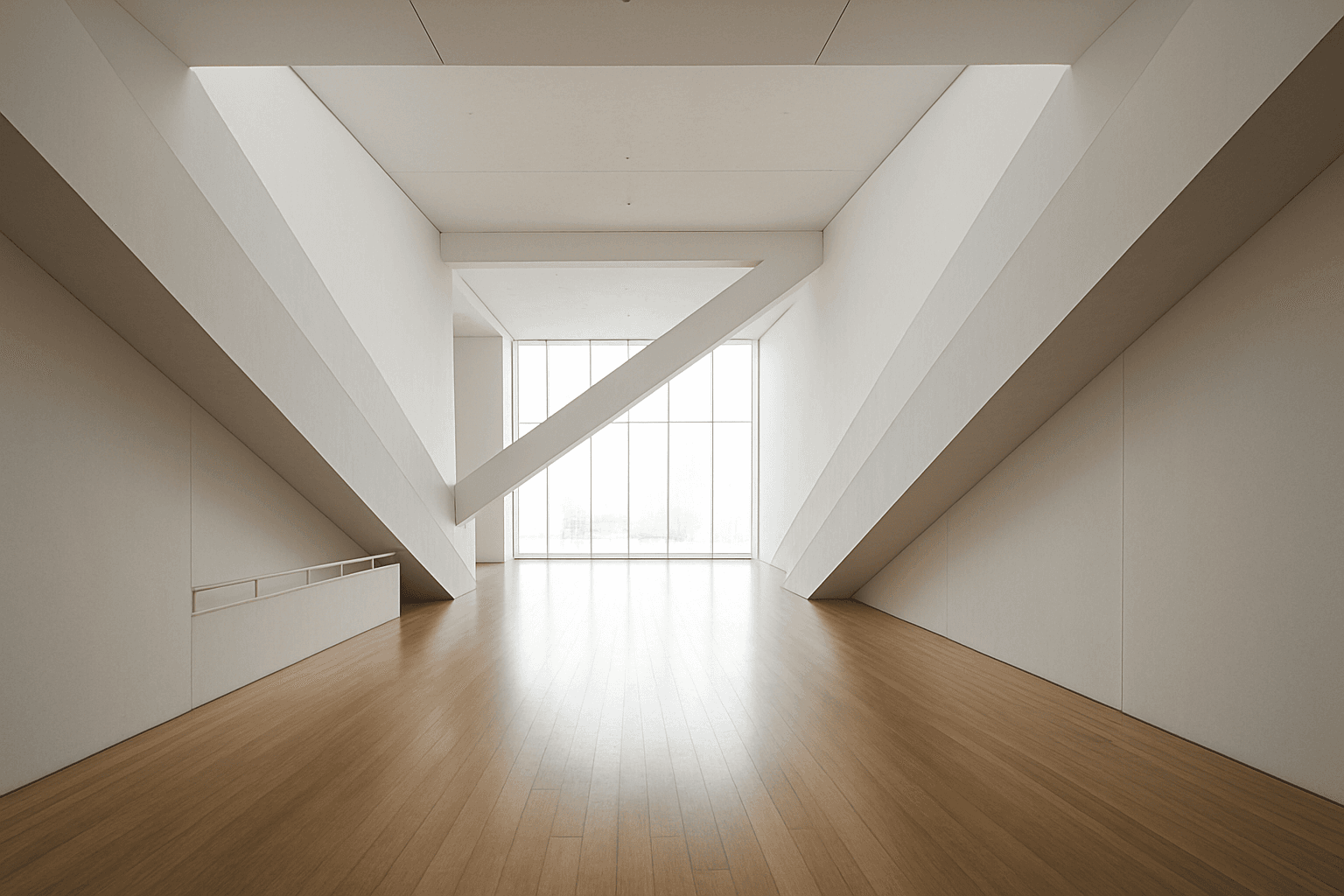
Diagonal Symmetry Composition
Diagonal Symmetry Composition is a powerful compositional approach that instructs AI models to arrange image elements reflecting across a diagonal axis. Unlike horizontal or vertical symmetry, the diagonal axis introduces dynamic tension and movement, lending images a striking and balanced appeal. By using this composition in AI prompts, creators can generate visuals that feel both stable and energetic. This approach often results in more engaging photographs, illustrations, and designs by leveraging unique balance and spatial relationships. It's particularly valuable in art, photography, and design projects aiming for modern and compelling visual narratives that stand out with subtle depth and refined lighting.
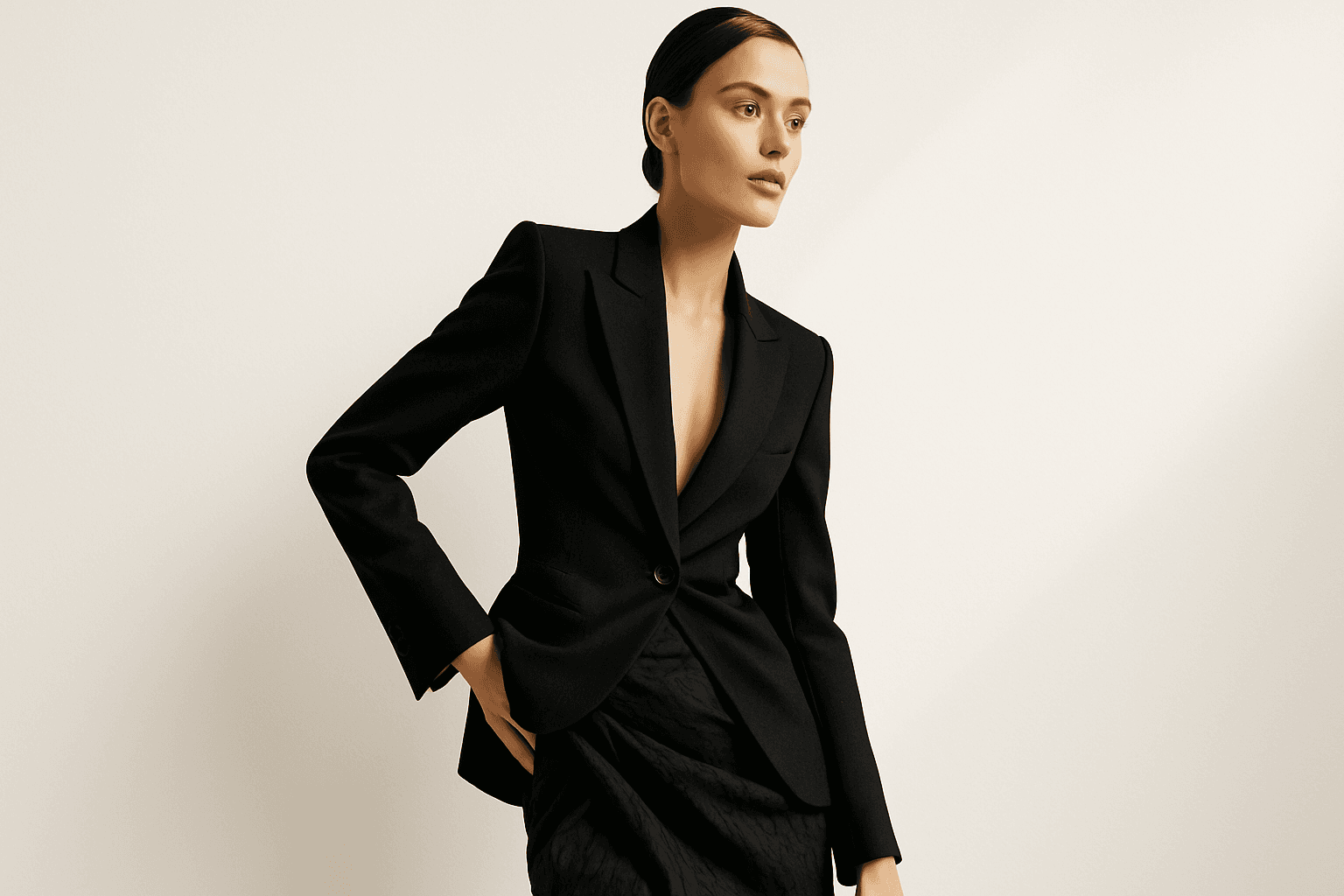
Dynamic Asymmetric Layout
Dynamic asymmetric layouts break away from the predictability of centered designs by introducing imbalance that attracts the viewer's eye across the composition. This style is widely used in editorial design, advertising, and digital media to convey energy, modernity, and sophistication. By emphasizing contrast and selective clustering, the layout guides attention strategically without relying on rigid balance. In AI image generation, specifying dynamic asymmetric layout in your prompt encourages the model to produce visually compelling scenes with elements arranged unevenly yet harmoniously, enhancing the overall narrative or mood of the image. This approach works particularly well for premium stock images and design headlines where a clean, polished look with subtle depth is desired.