Dynamic Asymmetric Layout
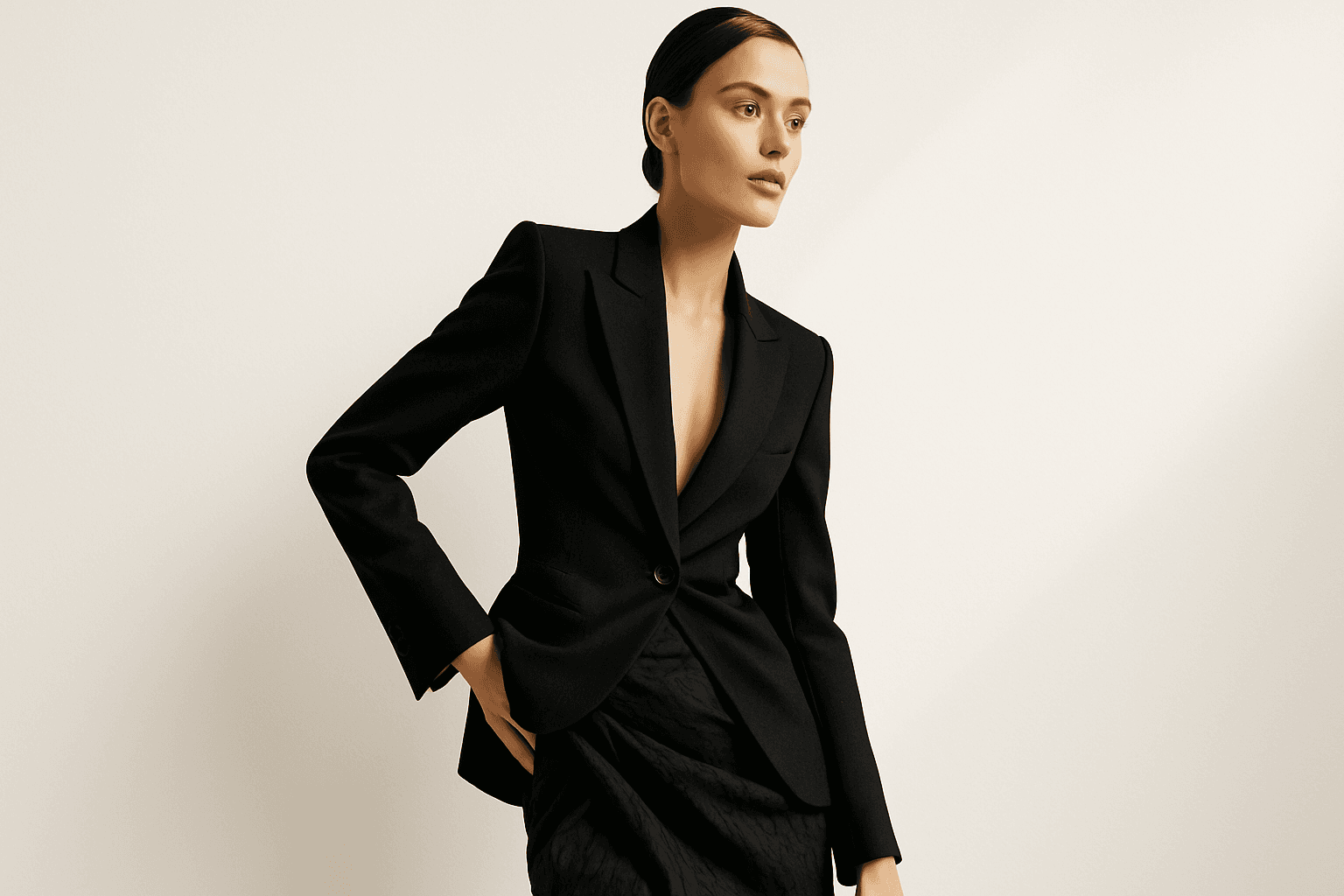
Dynamic asymmetric layouts break away from the predictability of centered designs by introducing imbalance that attracts the viewer's eye across the composition. This style is widely used in editorial design, advertising, and digital media to convey energy, modernity, and sophistication. By emphasizing contrast and selective clustering, the layout guides attention strategically without relying on rigid balance. In AI image generation, specifying dynamic asymmetric layout in your prompt encourages the model to produce visually compelling scenes with elements arranged unevenly yet harmoniously, enhancing the overall narrative or mood of the image. This approach works particularly well for premium stock images and design headlines where a clean, polished look with subtle depth is desired.
Definition
Dynamic asymmetric layout is a compositional approach that places elements unevenly within the frame to generate visual movement and interest. Unlike balanced or symmetrical layouts, this style leverages imbalance deliberately to guide the viewer’s eye dynamically around the image. In AI prompts, including this concept instructs the model to arrange subjects and backgrounds asymmetrically while maintaining harmony and appeal, resulting in more engaging and contemporary images.
Prompt Formula
Craft prompts by combining terms that emphasize layout and visual style. Start with the main subject, then add phrases specifying asymmetry and dynamism, plus quality attributes to refine the output.
- <subject> with dynamic asymmetric layout
- dynamic asymmetric composition with refined lighting
- clean editorial style, asymmetric arrangement, subtle depth, realistic materials
Best Use Cases
Dynamic asymmetric layouts excel in these contexts where visual impact and modern aesthetics matter, especially for editorial and commercial purposes.
- Magazine covers and editorial spreads needing energetic yet polished visuals
- Marketing imagery for tech or lifestyle brands emphasizing innovation and style
- Website hero images where spatial interest directs user focus effectively
Common Mistakes
Avoid these frequent errors to achieve clear, attractive asymmetric compositions with AI models.
- Overcrowding the frame causing visual confusion
- Forcing imbalance that looks chaotic rather than dynamic
- Neglecting lighting and shadows that unify the composition
- Ignoring the use of negative space to balance the asymmetry
- Using vague terms that confuse model layout priorities
Advanced Techniques
Refine and control asymmetry in your prompts by mixing complementary constraints and nuanced descriptors for professional results.
- Combine dynamic asymmetric layout with specific focal points to anchor the composition
- Introduce secondary balancing elements in negative space for harmony
- Specify lighting direction to enhance depth and texture contrasts
- Use modifiers like “golden ratio based asymmetry” or “asymmetric layering with depth blur”
- Blend with styles such as minimalism or editorial photography for refined outcomes
Professional Workflow
Follow a stepwise approach to produce and select images with dynamic asymmetric layout for commercial quality.
- 1. Define concept and desired mood highlighting asymmetry
- 2. Write clear, detailed prompts incorporating layout and style keywords
- 3. Generate multiple variants to explore diverse asymmetric compositions
- 4. Review images for balance, visual flow, and technical quality
- 5. Refine prompts based on feedback and re-generate if necessary to perfect placement and lighting
Related Styles
Dynamic asymmetric layout pairs well with adjacent compositional strategies and design aesthetics that emphasize modernity and editorial polish.
- Rule of Thirds – natural asymmetry dividing frame into dynamic zones
- Modern Minimalism – clean and restrained design with spatial tension
- Abstract Composition – layered and non-linear arrangements enhancing energy
Model-Specific Tips
To optimize dynamic asymmetric layouts across popular image AI models, apply these portable strategies.
- Use clear, descriptive terms like “dynamic asymmetry” and avoid ambiguous wording
- Pair layout with lighting and material descriptors for grounded realism
- Incorporate composition guides (e.g., “off-center focus point”)
- Experiment with synonyms like “uneven balance” or “asymmetric flow” to trigger variety
- Avoid overly complex instructions that some models may not interpret well
FAQ
How does a dynamic asymmetric layout differ from a symmetrical layout?
A dynamic asymmetric layout intentionally places elements unevenly to create movement and tension, whereas a symmetrical layout arranges elements evenly around a central axis for balance and stability.
Can I use dynamic asymmetric layout for product photography in AI prompts?
Yes, including dynamic asymmetric layout can make product images more visually engaging by creating an energetic composition that draws viewer attention without feeling static.
Continue Exploring
Related Prompts
Diagonal Movement Layout
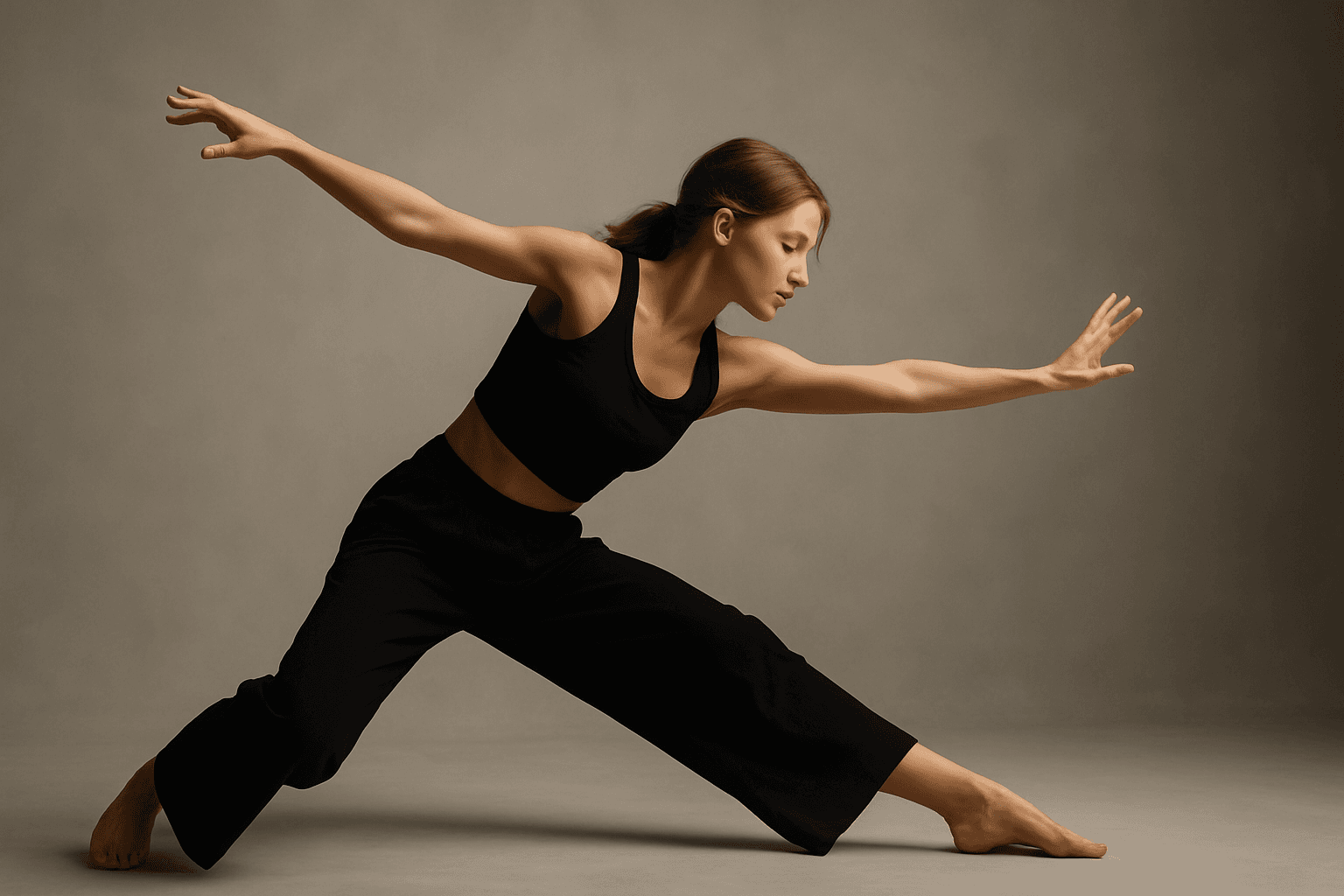
Diagonal Movement Layout is a popular visual strategy in creative imagery that infuses energy and direction into a composition. By aligning main subjects, backgrounds, or elements along diagonal axes, AI-generated images achieve a feeling of flow and progression that captures viewers' attention. This approach contrasts with static horizontal or vertical layouts by introducing tension and rhythm. Using this layout in AI prompts, artists and designers can create more engaging visuals for editorial, advertising, and artistic uses where motion and storytelling are key.

Asymmetrical Visual Balance
Asymmetrical visual balance is a fundamental compositional technique used to create engaging and dynamic images. Rather than relying on symmetry, it balances visual interest through the thoughtful placement of diverse elements differing in size, color, or texture. This approach lends images a more natural, spontaneous feel while maintaining harmony. In AI image generation, explicitly directing asymmetrical visual balance helps craft images that are visually compelling with organic flow, useful in editorial designs, advertising, and fine art creations. Understanding this principle enhances creativity in prompt engineering, enabling more versatile and striking results.
Golden Ratio Layout
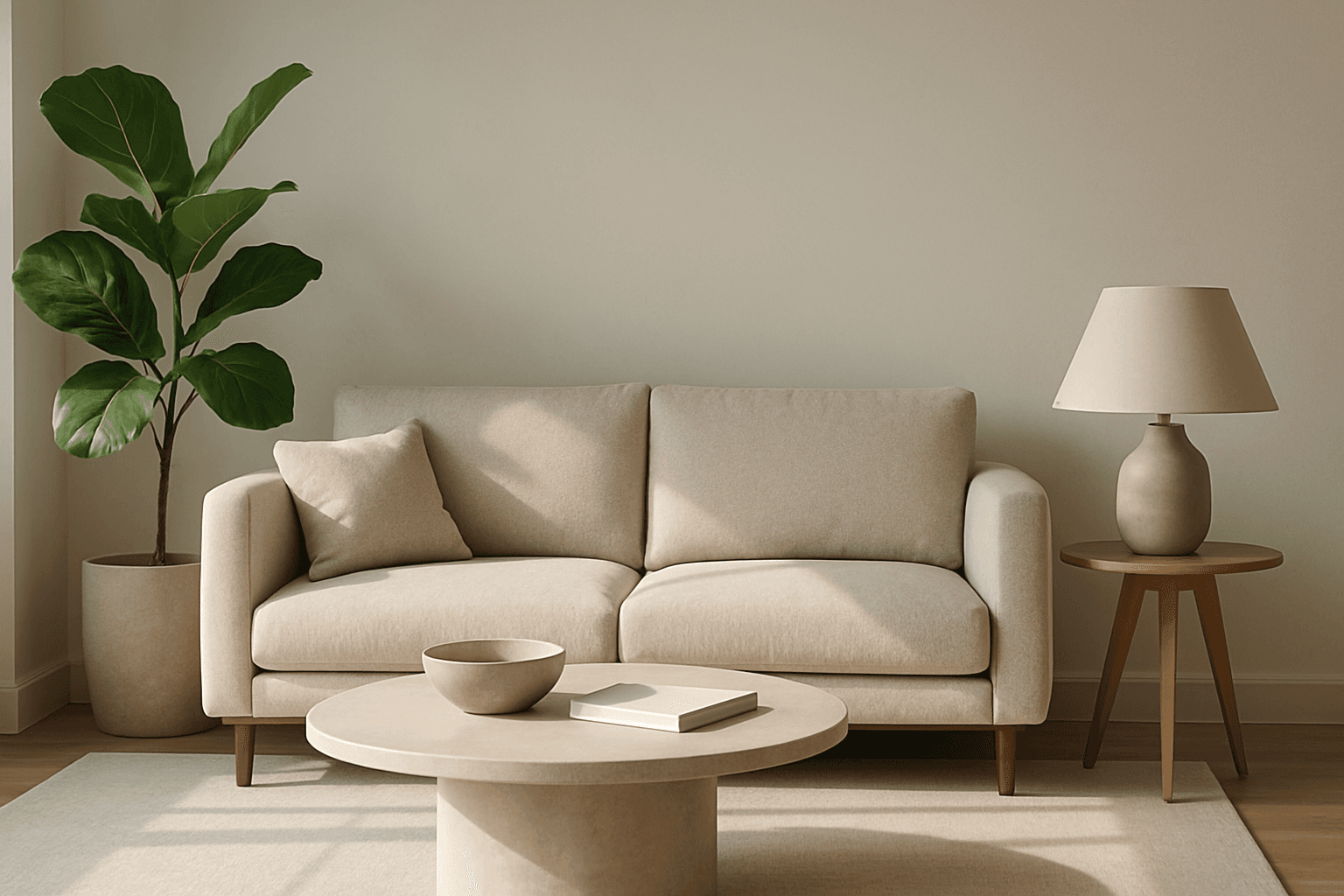
The Golden Ratio Layout is a timeless compositional principle found in nature, art, and design, used to establish visually harmonious and aesthetically compelling images. Applying this concept to AI image generation helps create compositions where the subject placement and background elements follow the golden section, improving viewer engagement and creating a sense of balance and flow. This layout is especially favored in editorial photography, branding visuals, and architectural renders to evoke sophistication and natural beauty. By including the Golden Ratio Layout keyword in your prompts, you encourage AI models to prioritize this balanced and elegant arrangement, enhancing the professional quality of outputs.

Dynamic Triangular Composition
Dynamic Triangular Composition is a foundational technique in visual arts adapted for AI image generation to structure content engagingly. By hinting at triangular layouts in prompts, users encourage AI models to place subjects in a way that directs the viewer’s gaze fluidly across the image. This composition method introduces depth and dynamism by breaking away from centered or grid-like placements. It’s ideal for editorial photography, product displays, and conceptual illustrations, providing an appealing balance between order and movement.

Circular Composition Layout
The Circular Composition Layout is essential for artists and designers who want to create images with natural balance and dynamic flow. By structuring elements around a central axis or circle, this composition draws viewers’ attention evenly across the image, often leading them to a central focus. In AI-generated art, specifying circular composition helps produce images with a polished aesthetic and organic movement, suitable for varied creative applications such as editorial visuals, product showcases, and social content. The layout promotes symmetry while still allowing visual complexity and interest, making images feel complete and professionally composed.

Negative Space Layout
Negative space layout is a vital compositional technique that leverages empty spaces within an image to create visual balance, harmony, and focus. By strategically using negative space, artists and designers can guide the viewer's eye toward the main subject while ensuring the overall design feels uncluttered and elegant. In AI image generation, specifying negative space layout helps produce images with refined balance, preventing overcrowding of elements and enhancing the premium, editorial look. This technique is essential in minimalist art, branding, editorial photography, and modern design where clarity and subtlety are valued.