Dynamic Triangular Composition
Dynamic Triangular Composition is a foundational technique in visual arts adapted for AI image generation to structure content engagingly. By hinting at triangular layouts in prompts, users encourage AI models to place subjects in a way that directs the viewer’s gaze fluidly across the image. This composition method introduces depth and dynamism by breaking away from centered or grid-like placements. It’s ideal for editorial photography, product displays, and conceptual illustrations, providing an appealing balance between order and movement.

Definition
Dynamic Triangular Composition is a layout technique that places primary elements at three points forming a triangle, creating balanced energy and guiding the viewer's eye. In AI prompts, specifying this composition informs the model to organize key subjects asymmetrically yet harmoniously, adding visual interest and flow.
- Organizes visual elements into a triangular layout
- Balances asymmetry with dynamic flow
- Enhances energy and engagement in images
Prompt Formula
Use key phrases to instruct the AI on triangular arrangements. Combine subject descriptors with composition cues for clarity.
- [subjects] arranged in a dynamic triangular composition
- implied triangle formed by [key elements]
- balanced asymmetrical layout with triangular flow
Best Use Cases
- Editorial portrait photography with multi-subject interaction
- Product sets needing visually engaging displays
- Conceptual and narrative-driven illustrations requiring flow
Industry Applications
Dynamic Triangular Composition is ideal across industries. Advertising benefits from energetic layouts that draw attention to products. Editorial content gains impactful storytelling through visual flow. Ecommerce uses this composition to present grouped products naturally. It also enhances social media imagery by producing captivating content that holds viewer engagement.
- Advertising campaigns emphasizing product relationships
- Magazine and online editorial imagery
- Ecommerce displays highlighting product groupings
Common Mistakes
A frequent error is instructing the AI only loosely on composition, leading to cluttered or overly symmetrical results. Avoid generic terms like 'triangle' without dynamic qualifiers, which can cause static, lifeless images. Too many elements can dilute the triangular focus, while conflicting style commands may muddle clarity.
- Using vague terms like 'triangle' without 'dynamic'
- Overcrowding visuals with excessive subjects
- Neglecting specific positioning cues causing imbalance
Advanced Techniques
For seasoned prompt writers, layering constraints such as lighting direction along triangle edges or integrating complementary color gradients enhances depth. Combining Dynamic Triangular Composition with motion blur can simulate movement along triangular paths. Precision placement using positional keywords like 'top-left,' 'bottom-right' refines control.
- Combine with directional lighting to define triangle edges
- Pair with color contrast for enhanced depth
- Use motion blur along triangle sides to suggest movement
- Specify exact positions to anchor composition points
Professional Workflow
Begin by briefing the AI prompt with clear subjects and specify 'dynamic triangular composition' early. Generate several variations emphasizing subject placement. Select images with strong visual flow and clear triangular focus. Refine chosen outputs by adjusting pose, lighting, or background to heighten the compositional impact, ensuring suitability for final use.
- Define subjects and mention 'dynamic triangular composition' in prompts
- Generate multiple outputs to explore variations
- Select images with clear triangular arrangement
- Refine lighting and pose for cohesion and clarity
- Prepare final image for intended commercial or editorial use
FAQ
How does Dynamic Triangular Composition improve AI-generated images?
It guides the AI to arrange key elements in a balanced triangular layout, enhancing visual flow and energy, making images more engaging and professional-looking.
Can I use Dynamic Triangular Composition for single-subject images?
While typically used for multi-element arrangements, it can still enhance single-subject images by positioning the subject off-center with supporting elements to form an implied triangle.
Continue Exploring
Related Prompts

Balanced Triangular Composition
Balanced Triangular Composition is a classic layout technique that organizes main components into a triangular arrangement, fostering a sense of equilibrium and visual interest. When used in AI image prompting, it directs the model to position subjects or objects at three points, creating a natural flow and structure that viewers find pleasing. This composition leverages geometric balance to enhance storytelling or highlight product details, making images appear intentional and professionally crafted. Its balanced yet dynamic nature helps prevent clutter while maintaining engagement, ideal for diverse creative outputs.
Dynamic Asymmetric Layout
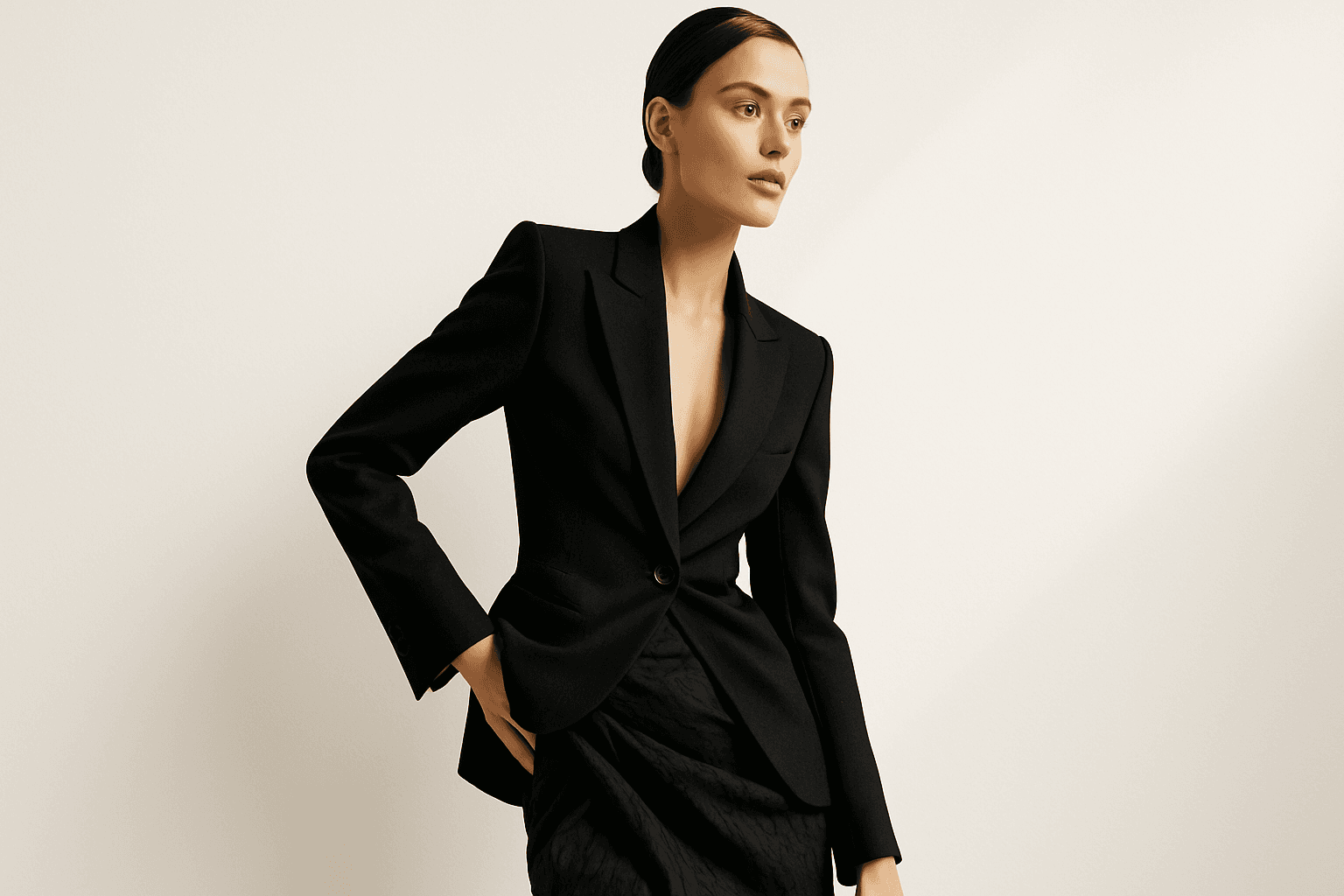
Dynamic asymmetric layouts break away from the predictability of centered designs by introducing imbalance that attracts the viewer's eye across the composition. This style is widely used in editorial design, advertising, and digital media to convey energy, modernity, and sophistication. By emphasizing contrast and selective clustering, the layout guides attention strategically without relying on rigid balance. In AI image generation, specifying dynamic asymmetric layout in your prompt encourages the model to produce visually compelling scenes with elements arranged unevenly yet harmoniously, enhancing the overall narrative or mood of the image. This approach works particularly well for premium stock images and design headlines where a clean, polished look with subtle depth is desired.
Diagonal Symmetry Composition
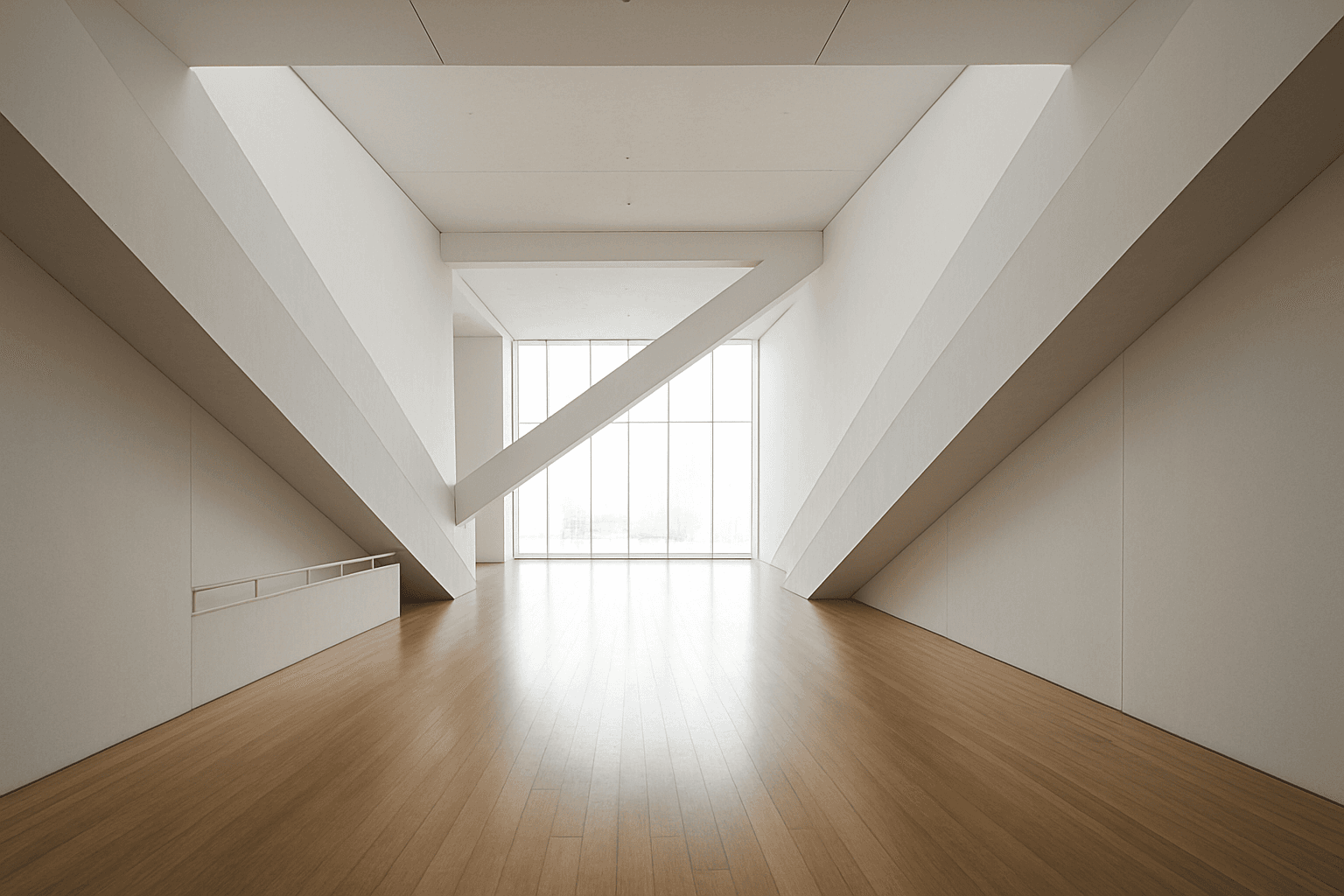
Diagonal Symmetry Composition is a powerful compositional approach that instructs AI models to arrange image elements reflecting across a diagonal axis. Unlike horizontal or vertical symmetry, the diagonal axis introduces dynamic tension and movement, lending images a striking and balanced appeal. By using this composition in AI prompts, creators can generate visuals that feel both stable and energetic. This approach often results in more engaging photographs, illustrations, and designs by leveraging unique balance and spatial relationships. It's particularly valuable in art, photography, and design projects aiming for modern and compelling visual narratives that stand out with subtle depth and refined lighting.

Diagonal Composition
Diagonal composition is a popular and effective technique used in photography, painting, and design to enhance visual interest. By positioning important elements along diagonal lines instead of horizontal or vertical axes, the image gains a dynamic flow that naturally draws the viewer’s eyes through the scene. This approach breaks away from static layouts, injecting energy and a sense of motion. Using diagonals can also create depth by suggesting perspective or distance within flat images. Photographers often look for strong lines in the environment—like roads, rivers, or architectural details—to compose their shots diagonally. The result is an engaging, well-balanced image that feels both harmonious and lively, suitable for a variety of creative contexts.

Diagonal Flow Composition
Diagonal Flow Composition elevates imagery by breaking away from static, horizontal, or vertical layouts. It leverages diagonal lines across the frame to create tension, balance, and dynamism, drawing the viewer's attention naturally through the scene. For AI-generated images, specifying diagonal flow helps emphasize visual pathways that suggest movement or lead the gaze, making compositions feel more alive and engaging. This technique is widely used in photography, graphic design, and cinematography to evoke energy and make visuals more striking.

Circular Composition Layout
The Circular Composition Layout is essential for artists and designers who want to create images with natural balance and dynamic flow. By structuring elements around a central axis or circle, this composition draws viewers’ attention evenly across the image, often leading them to a central focus. In AI-generated art, specifying circular composition helps produce images with a polished aesthetic and organic movement, suitable for varied creative applications such as editorial visuals, product showcases, and social content. The layout promotes symmetry while still allowing visual complexity and interest, making images feel complete and professionally composed.