Asymmetrical Balance Composition
Asymmetrical balance composition is a powerful design principle that infuses AI-generated images with dynamic harmony and visual interest. Unlike traditional symmetrical layouts, this technique balances elements of varying sizes, colors, or textures to create a cohesive whole without mirroring. Within AI prompting, directing the model to apply asymmetrical balance produces images that feel organic and engaging, often enhancing storytelling and emotional impact. This composition style is widely used in editorial design, contemporary art, and photography to avoid predictability and add depth. For AI creatives, mastering asymmetrical balance opens new pathways to dynamic, polished, and visually compelling imagery.

Definition
Asymmetrical balance composition arranges visual elements of unequal size, shape, or color so that they balance without mirroring each other. This technique creates a dynamic and lively composition, guiding the viewer’s eye naturally through the design. When you add this to AI prompts, you signal the system to create visually balanced but non-symmetrical images, enhancing creativity and realism.
Visual Characteristics
- Elements distributed unevenly but balanced by visual weight
- Contrasting colors or textures balancing focal points
- Natural and dynamic placement, often off-center
Prompt Formula
Construct prompts by combining subject and setting descriptions with asymmetrical balance keywords. Use phrases emphasizing imbalance yet harmony, like 'asymmetrical balance composition', 'uneven visual weight balanced by contrasting elements', or 'dynamic off-center focal points' to guide the AI toward sophisticated layouts.
- [Subject] with asymmetrical balance composition
- Dynamic layout with uneven visual weight balanced by contrasting colors
- Off-center focal point balanced with supporting elements
Best Use Cases
- Editorial images for magazines and blogs requiring engaging layouts
- Contemporary art prints and posters emphasizing dynamic design
- Product photography needing visual interest beyond symmetry
Creative Variations
To avoid repetitive outputs, experiment with lighting conditions like dramatic shadows or soft diffuse light. Vary color palettes between monochrome with a pop of color or bold complementary schemes. Introduce different subjects such as organic shapes versus geometric forms, or incorporate depth by layering elements front to back.
- Vary lighting: dramatic shadows vs soft diffuse light
- Modify color schemes: monochrome with accents or vibrant complementary colors
- Change subjects: organic shapes, geometric forms, layered depth
Model-Specific Tips
When prompting modern AI models, use clear, descriptive language to specify asymmetrical balance. Pair the keyword with explicit details about element placement, contrast, and focal points. Avoid ambiguous terms; instead, describe how elements counterbalance to achieve harmony. This clarity helps overcome model tendencies toward symmetrical defaults and ensures the generation aligns with intentional composition.
- Use explicit descriptions of element arrangement and contrasts
- Combine with terms like 'visual weight' and 'off-center focal points'
- Avoid vague symmetry terms; focus on uneven but balanced layout
FAQ
How does asymmetrical balance differ from symmetrical balance?
Symmetrical balance arranges elements as mirror images on either side of a central axis, creating formal stability. Asymmetrical balance achieves harmony through unequal elements balanced by visual weight, resulting in dynamic and less predictable compositions.
Can asymmetrical balance improve storytelling in images?
Yes, asymmetrical balance guides viewer focus through dynamic arrangements, emphasizing particular elements and evoking mood or motion that supports narrative depth.
Continue Exploring
Related Prompts

Diagonal Flow Composition
Diagonal Flow Composition elevates imagery by breaking away from static, horizontal, or vertical layouts. It leverages diagonal lines across the frame to create tension, balance, and dynamism, drawing the viewer's attention naturally through the scene. For AI-generated images, specifying diagonal flow helps emphasize visual pathways that suggest movement or lead the gaze, making compositions feel more alive and engaging. This technique is widely used in photography, graphic design, and cinematography to evoke energy and make visuals more striking.

Symmetrical Balance Composition
Symmetrical balance composition is a fundamental principle that ensures an image's elements are arranged so both sides mirror each other, giving the viewer a sense of harmony and equilibrium. This approach can be particularly powerful in AI image generation for crafting outstanding visuals that feel orderly and intentional. By specifying symmetrical balance in prompts, creators can achieve polished layouts that emphasize clarity and calmness, often suitable for editorial, commercial, and artistic needs. The balanced nature brings focus and often highlights a central subject elegantly, making images instantly engaging and aesthetically pleasing.
Visual Weight Balance
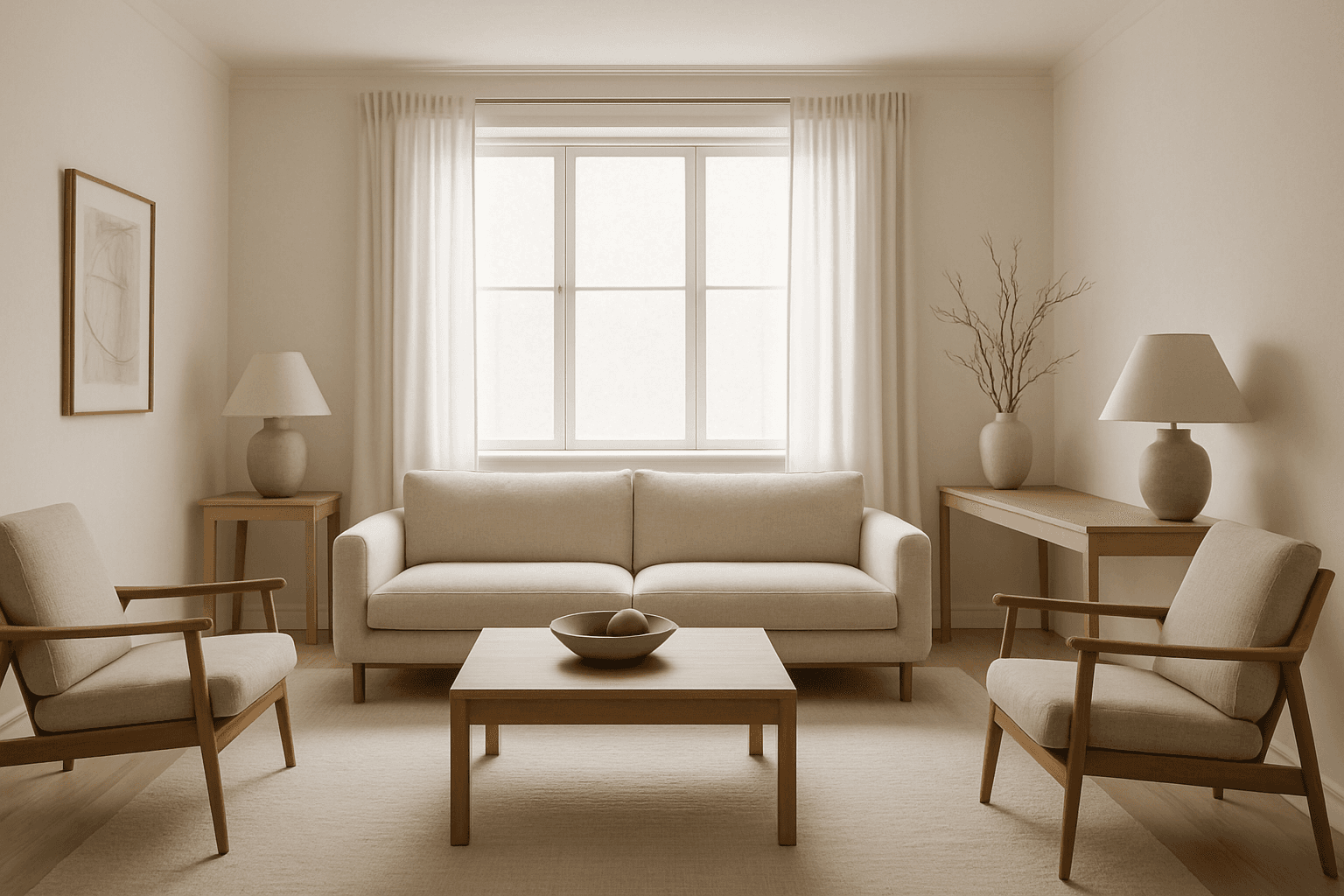
Visual Weight Balance is a fundamental principle in image composition that ensures harmonious distribution of visual elements across the frame. When crafting AI image prompts, emphasizing this keyword helps in generating images where objects, colors, and contrasts are allocated thoughtfully to prevent lopsided or cluttered scenes. Balanced visuals direct the viewer’s eye across the image naturally, creating a sense of calm and order. This balance is achieved by managing the size, color intensity, and positioning of elements so that no part overwhelms the rest. Using Visual Weight Balance in prompts is essential for editorial, product, or environmental imagery where clarity and coherence are crucial.

Asymmetrical Visual Balance
Asymmetrical visual balance is a fundamental compositional technique used to create engaging and dynamic images. Rather than relying on symmetry, it balances visual interest through the thoughtful placement of diverse elements differing in size, color, or texture. This approach lends images a more natural, spontaneous feel while maintaining harmony. In AI image generation, explicitly directing asymmetrical visual balance helps craft images that are visually compelling with organic flow, useful in editorial designs, advertising, and fine art creations. Understanding this principle enhances creativity in prompt engineering, enabling more versatile and striking results.
Golden Ratio Composition
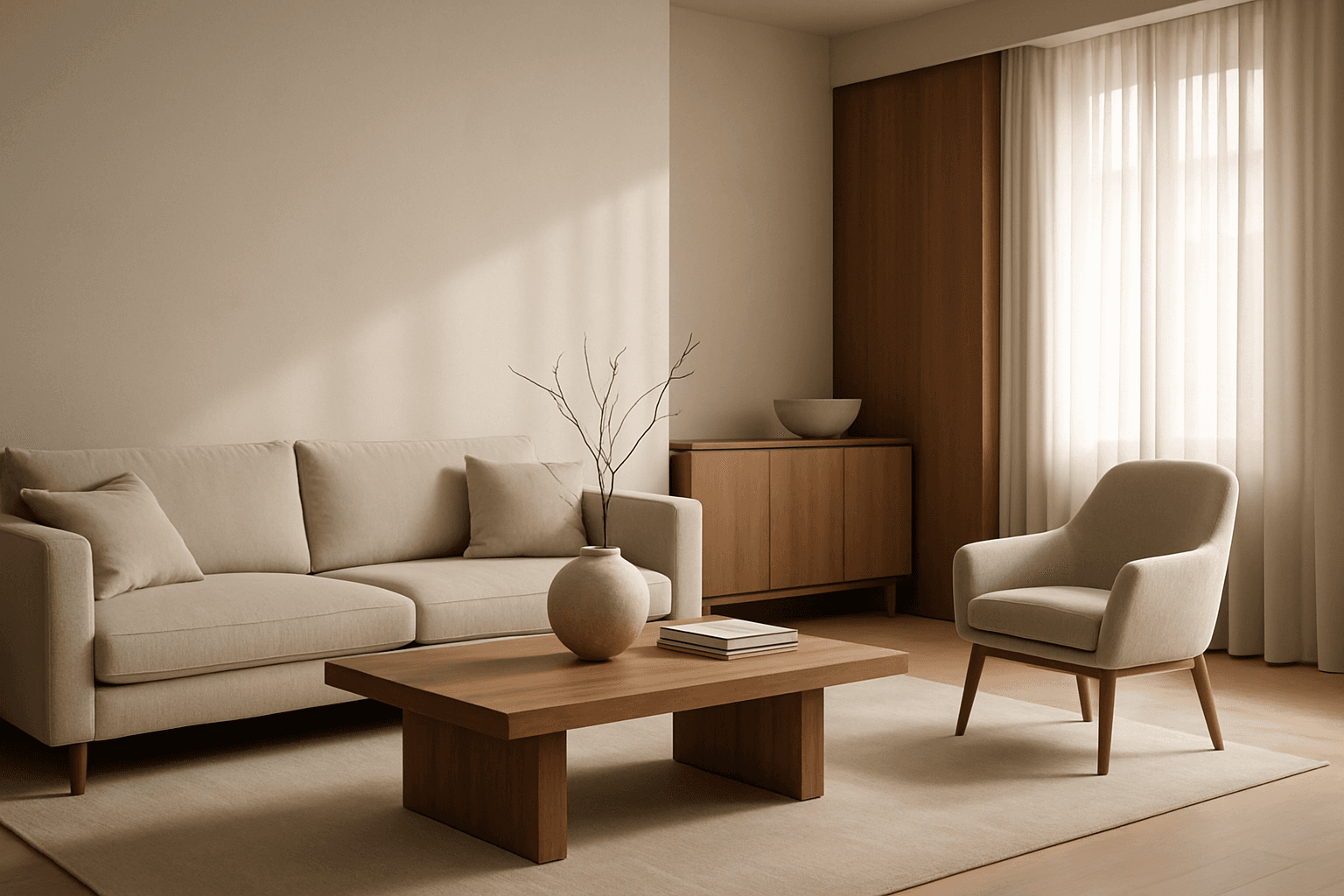
Golden Ratio Composition is a classic design technique adapted into AI image creation to improve the balance and flow of visual elements. Utilizing this composition brings a natural harmony to images, often perceived as more beautiful and engaging due to the ratio's deep-rooted presence in nature and classical art. When incorporated into AI prompts, it instructs the model to place key subjects and backgrounds following this mathematical layout, enhancing the viewer's focus and emotional impact. This method benefits various AI-generated artwork genres, from landscapes to product photography, by improving framing without manual adjustments.

Rule Of Thirds Composition
The Rule of Thirds Composition is widely used in photography, design, and art to create engaging and balanced visuals. By mentally dividing images into thirds horizontally and vertically, this approach directs both human observers and AI models to position important subjects where the eye naturally gravitates. Incorporating this rule into AI prompts helps produce images that feel organized and pleasing without appearing overly static. It works well across portrait, landscape, and product imagery, guiding the AI to arrange elements thoughtfully for maximum impact.