Brand Identity Visuals
Brand identity visuals play a crucial role in shaping how a brand is perceived by its audience. They encompass the distinct visual language a brand uses to stand out, including logos, color schemes, patterns, and typographic styles. When applied to AI image generation, the 'Brand Identity Visuals' keyword directs the creation of polished, professional images that emphasize clarity, style consistency, and commercial appeal. This is invaluable for designers and marketers who want to rapidly prototype branding concepts or enrich presentations with high-quality visual references.

Definition
Brand Identity Visuals encapsulate the visual elements that define and communicate a brand’s unique personality and message. Including this keyword in AI image prompts tunes the output to focus on design components such as logos, color schemes, typography, and overall style consistency that visually express a brand. This helps beginners understand how to direct AI to produce commercially viable branding imagery.
- Highlights brand logos and marks
- Emphasizes consistent color and typography
- Focuses on visually coherent style elements
Prompt Formula
Constructing effective prompts for Brand Identity Visuals involves combining key descriptive terms with style and quality indicators. Use phrases that specify design style (e.g., minimalist, modern), components (logo, typography, color palette), and desired output quality (premium lighting, clean composition). Example formula: [adjective] + brand identity visual + [design elements] + [lighting/style attributes].
- Use adjectives like 'refined', 'sleek', 'minimalist'
- Include specific elements like 'logo design', 'color palette', 'typography samples'
- Add quality indicators such as 'premium lighting', 'editorial composition'
Best Use Cases
- Creating logo concepts for brand development
- Developing marketing collateral with cohesive visual themes
- Assembling mood boards and brand strategy presentations
Industry Applications
Brand Identity Visuals are central to sectors requiring strong commercial branding and design coherence. In advertising, they help produce consistent campaign materials aligned with brand values. Editorial industries use such visuals for magazine layouts and brand storytelling. Ecommerce and packaging sectors benefit by presenting products within a convincing, branded context that appeals to consumers.
- Advertising campaigns with consistent brand messaging
- Editorial content for brand magazines and portfolios
- Ecommerce product branding and packaging design
Common Mistakes
A frequent error when prompting for brand identity visuals is overloading the prompt with conflicting design styles or vague terms, resulting in muddled or generic outputs. Avoid using overly broad adjectives or requesting multiple unrelated brand elements in one prompt to prevent cluttered images. Precision and clarity in describing the desired style and components ensure realistic, focused results.
- Avoid mixing vastly different design aesthetics in one prompt
- Do not use ambiguous or overly general descriptors
- Limit the number of elements to maintain visual clarity
Advanced Techniques
Experienced prompt writers can refine brand identity visuals by specifying exact color codes, font styles, or design eras (e.g., Bauhaus inspired). Constraints like aspect ratio, lighting direction, or material surfaces add depth and realism. Combining portrait or flat-lay perspectives with isolated branding elements enhances compositional balance and commercial quality.
- Incorporate precise Pantone or HEX color codes
- Specify typography styles such as serif or sans-serif fonts
- Use lighting and texture constraints for realism
FAQ
How can I ensure AI generates cohesive brand identity visuals?
Use specific and consistent descriptors in your prompt focusing on particular design elements, styles, and color schemes. Avoid vague terms and limit the number of included elements to keep compositions clean and focused.
Can brand identity visuals created by AI be used commercially?
Yes, when following appropriate licensing guidelines. Clear, professionally styled AI images focusing on branding elements are highly suitable for commercial projects such as advertising and marketing collateral.
Continue Exploring
Related Prompts

Branding Visual Assets
Branding visual assets are essential components in building a unified and professional brand image. They consist of logos, color schemes, typography, icons, and design patterns that collectively distinguish a brand in the marketplace. When incorporated in AI image prompts, specifying branding visual assets guides the generation of visuals that maintain consistency and relevance across various marketing materials. This ensures any created image embodies the brand's tone and aesthetic, streamlining the creative process for graphic designers, marketers, and content creators aiming to produce polished, on-brand content quickly and efficiently.
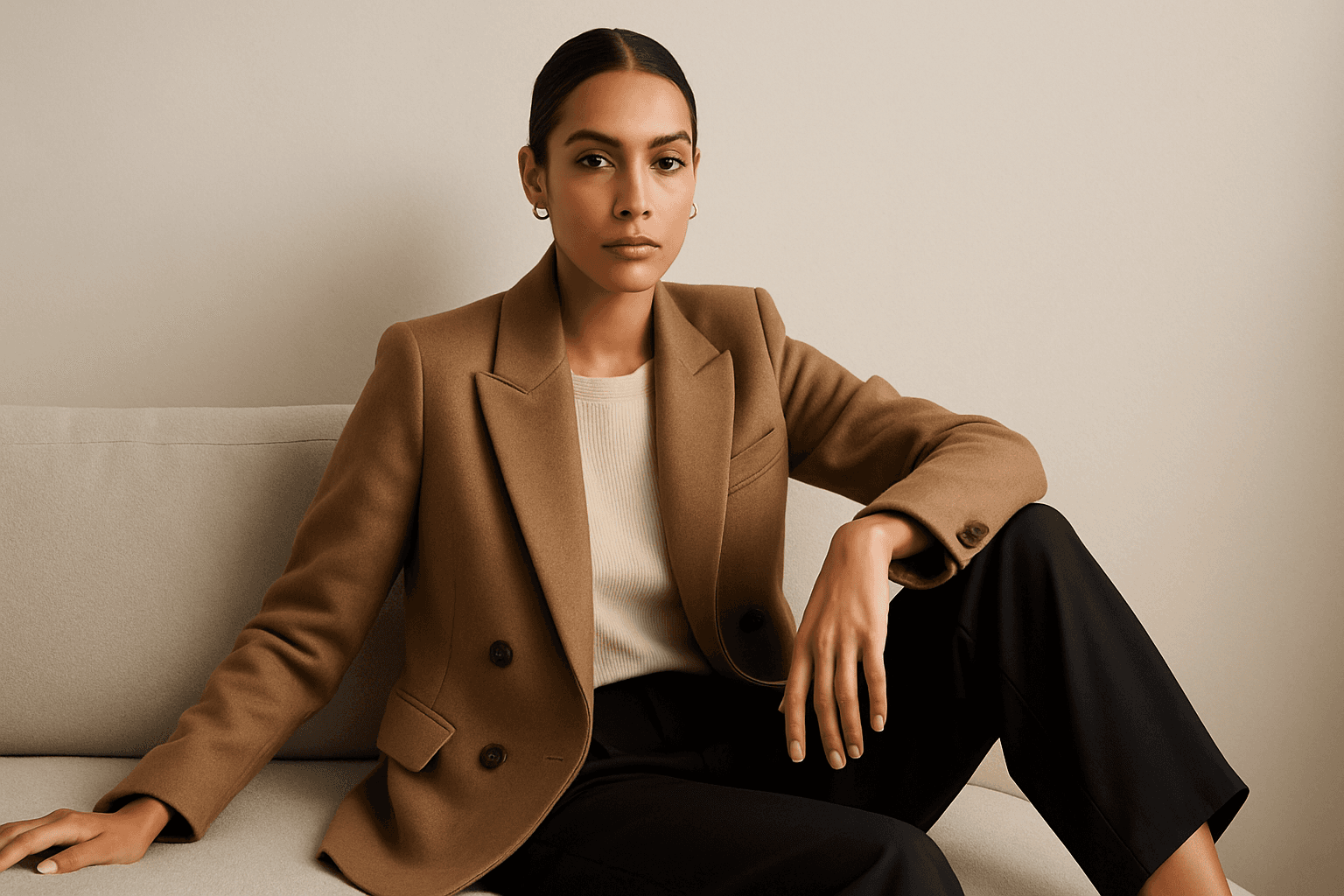
Brand Campaign Visual
Brand Campaign Visual is an essential AI prompt keyword designed to generate high-quality images that effectively portray a brand’s personality and marketing message. These visuals typically feature a clean and sophisticated style, suitable for use in digital advertisements, social media, and corporate presentations. By directing AI models with this keyword, creators obtain images that incorporate subtle depth, premium stock-photo polish, and realistic textures to engage viewers while maintaining brand consistency. This approach helps marketers save time and resources in producing visuals that align tightly with their campaign goals.

Packaging Design Visuals
Packaging Design Visuals are critical in illustrating product packaging concepts for designers, marketers, and retailers. Using AI prompts with this keyword generates imagery that highlights packaging prototypes or final designs with photorealistic qualities, often emphasizing materials and dimensional structure in well-lit editorial-style compositions. Such visuals are vital for client presentations, advertisements, e-commerce showcases, and refining packaging aesthetics without the need for physical samples. The approach focuses on clarity, material authenticity, and minimal distractions, making it a powerful tool in both creative and commercial workflows.

Print Advertisement Layout
Print Advertisement Layout is foundational in creating compelling commercial visuals optimized for print media. These layouts emphasize structured design that balances images and text areas, achieving clarity and visual appeal to capture viewer attention effectively. In AI-generated imagery, integrating this keyword encourages clean editorial compositions with refined lighting and realistic materials, avoiding clutter or distracting elements. By focusing on such layouts, designers and marketers ensure their ads deliver messages efficiently across magazines, brochures, and other printed marketing materials, fostering brand engagement and recognition.

Social Media Ad Creative
Social media advertising demands visuals that are both eye-catching and professional, capturing viewer attention immediately. The 'Social Media Ad Creative' prompt keyword is tailored to guide AI models to generate images with a modern, clean design aesthetic that matches current digital marketing trends. By emphasizing polished lighting, realistic materials, and subtle depth, these prompts produce versatile visuals suitable for various platforms without distractions like text or branding elements. Using this keyword can streamline content creation, helping marketers and designers efficiently create standout ad imagery that resonates with target audiences and drives engagement.

Social Media Banner Design
Social Media Banner Design is a crucial category in AI image generation aimed at producing graphics optimized for social media headers, ads, and promotional content. These designs prioritize clean layouts, modern aesthetics, and balanced lighting to ensure clarity and premium appeal. Using this keyword helps prompt AI models to focus on the visual language suitable for digital marketing banners—emphasizing readability, simplicity, and brand adaptability without text or logos. This is essential for marketers and designers who want to generate versatile hero images or thumbnails ready for social media use, maintaining consistency and professionalism across campaigns.