Cozy Indoor Warmth
The 'Cozy Indoor Warmth' keyword focuses on generating imagery that feels inviting, comfortable, and emotionally warm within indoor environments. It enhances AI-generated images by highlighting ambient lighting, tactile textures, and intimacy through visual cues familiar from snug home settings—like plush cushions or flickering fireplaces. This keyword is critical for artists and designers aiming to evoke feelings of relaxation, contentment, and homeliness in interiors, product photography, or lifestyle visuals. Its subtle yet powerful influence shifts AI model outputs toward a sensory experience that appeals to comfort and warmth lovers.

Definition
'Cozy Indoor Warmth' describes the mood and visual style of indoor environments that evoke comfort, softness, and inviting warmth. In AI imagery, it influences scene elements like lighting, color, and props to create spaces that feel lived-in and emotionally relaxing. Including this keyword in prompts tells the AI to emphasize warm tones, intimate settings, and tactile textures related to physical warmth and psychological comfort.
Prompt Formula
Start with a detailed indoor scene, then layer cozy details and warm lighting descriptions. Use modifiers that specify tactile elements and emotional tone. Example pattern: "[room type], [specific decor], soft warm lighting, textured fabrics, intimate atmosphere, cozy indoor warmth." This structure guides models toward consistent warm and comforting images.
- [Room type] with [plush furniture or blankets]
- Soft, warm lighting with glowing candles or fireplace
- Textured fabrics like knit throws or velvet cushions
- Intimate atmosphere with inviting color palette (orange, beige, soft yellow)
- Keywords: cozy indoor warmth, relaxed, homey
Best Use Cases
- Lifestyle photography featuring intimate indoor scenes
- Advertising imagery for comfort products like blankets or beverages
- Seasonal editorial photos evoking warmth and homeliness
Creative Variations
To avoid repetitive results, experiment with different time settings (morning light, dusk), color accents (rustic reds, muted greens), and subject focus (people cuddling, pets resting). Try including elements like window views with rainy weather or mixing modern and rustic decor styles for varied cozy moods.
- Lighting: golden hour, candlelit, fireplace glow
- Color: rich earth tones, pastel warm hues, deep reds
- Subject: family lounging, reading, pets napping
- Composition: close-up details, wide ambient shots
- Style: modern minimalism, rustic charm
Industry Applications
- Advertising cozy home products (blankets, candles)
- Lifestyle and interior design magazines
- Social media campaigns promoting relaxation and self-care
Common Mistakes
A frequent mistake is overusing generic warmth descriptors without specific details, resulting in flat or cliché visuals. Avoid overly saturated or artificial lighting that breaks realism. Omitting tactile elements like fabric textures or personal items can make images feel staged or uninviting. Instead, balance warm tones with natural light and include varied props for authenticity.
- Using vague terms like 'warm' without context
- Over-saturating colors for fake warmth effects
- Ignoring textures and tactile props
- Excluding natural light sources or believable shadows
- Making scenes too cluttered or overly minimal
Advanced Techniques
Combine 'cozy indoor warmth' with constraints like 'natural window light' or 'soft-focus depth' to add realism. Specify emotional states or activities (reading, resting) for narrative depth. Integrate seasonal elements (fall leaves outside window) to enhance atmosphere. Use camera angles and lighting techniques (rim lighting, backlight) for layered warmth effects.
- Pair with natural light source descriptions
- Include detailed textures (hand-knit throws, wood grain)
- Describe specific human activities for emotion
- Set seasonal context (autumn, winter)
- Use photographic lighting terms (soft shadows, golden hour)
Professional Workflow
Start by briefing detailed scene requirements with emphasis on atmosphere and props matching 'cozy indoor warmth.' Generate multiple variations using structured prompt formulas and adjust lighting or color modifiers as needed. Select images with authentic textures, balanced composition, and natural lighting. Refine selected images by re-prompting for focus on missing tactile or emotional details. Finalize with minor post-processing to enhance warmth subtly, ensuring premium output suited for commercial use.
- Brief clearly with scene, atmosphere, and tactile details
- Generate diverse image sets using prompt formulas
- Evaluate realism in lighting and texture
- Re-prompt to fix missing warmth cues or improve emotion
- Apply subtle finishing edits for polish
FAQ
How can I make AI images feel warmer and more inviting?
Focus on including specific warm lighting descriptions like soft amber glows, use warm color palettes such as oranges and reds, and add cozy props like blankets, cushions, or fireplaces in your prompt. Highlight tactile textures and intimate indoor settings to evoke warmth.
Can 'Cozy Indoor Warmth' be combined with different interior styles?
Yes, it works well across styles from rustic cabins to modern apartments. Adjust furniture and decor details in prompts while maintaining warm lighting and soft textures for versatile yet cozy results.
Continue Exploring
Related Prompts
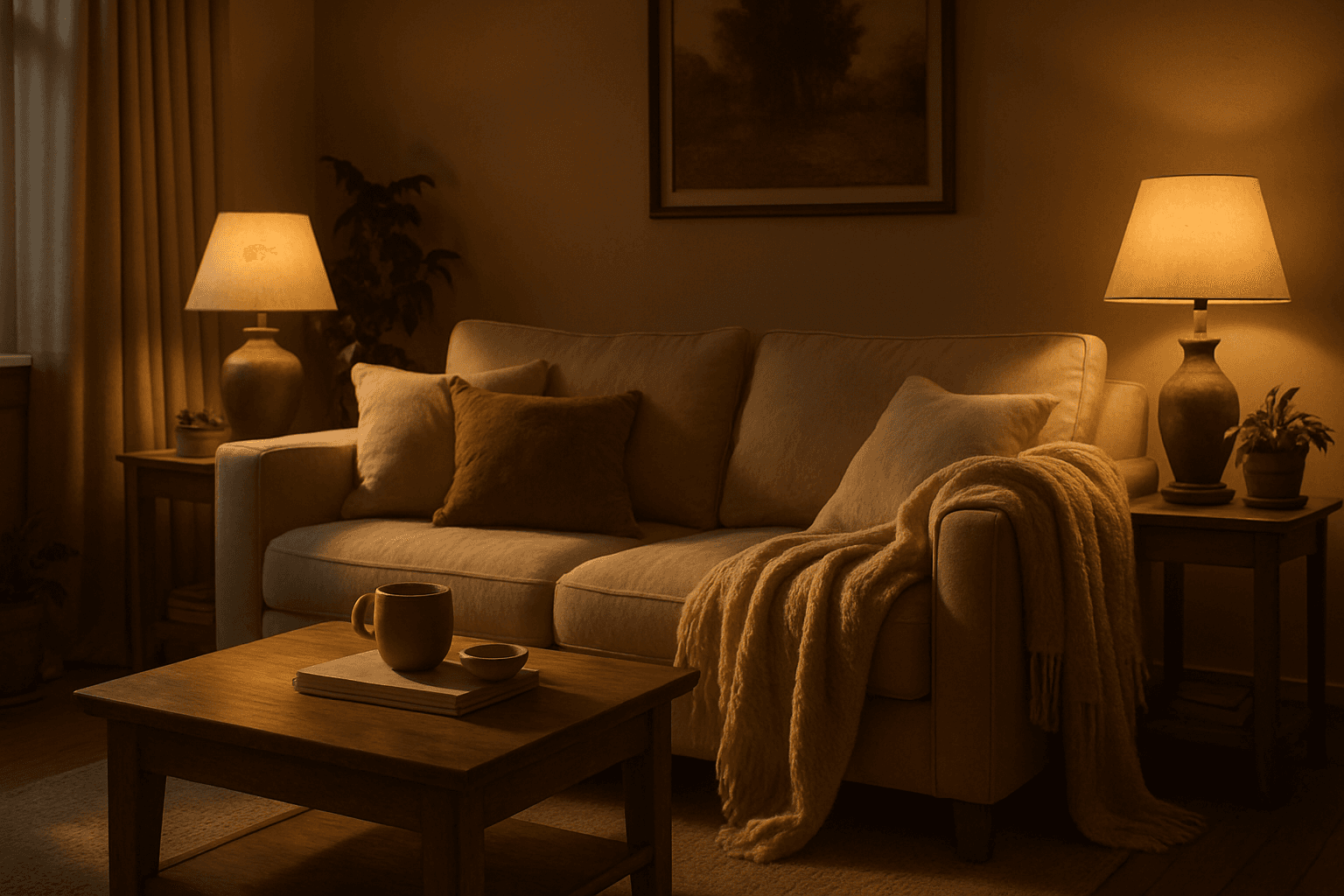
Cozy Atmosphere
Cozy atmosphere is an aesthetic concept used in various visual arts to evoke feelings of comfort, warmth, and intimacy. It typically incorporates elements such as warm color palettes, soft textures, and ambient lighting to create inviting and relaxing environments. Whether depicted in interior design, photography, or AI-generated art, a cozy atmosphere helps convey emotions of safety and homeliness. Artists and creators often utilize this ambiance to engage viewers on an emotional level, making them feel welcomed and at ease. This ambiance translates well across seasonal themes, especially during autumn and winter, where warm environments contrast the cold outside world.
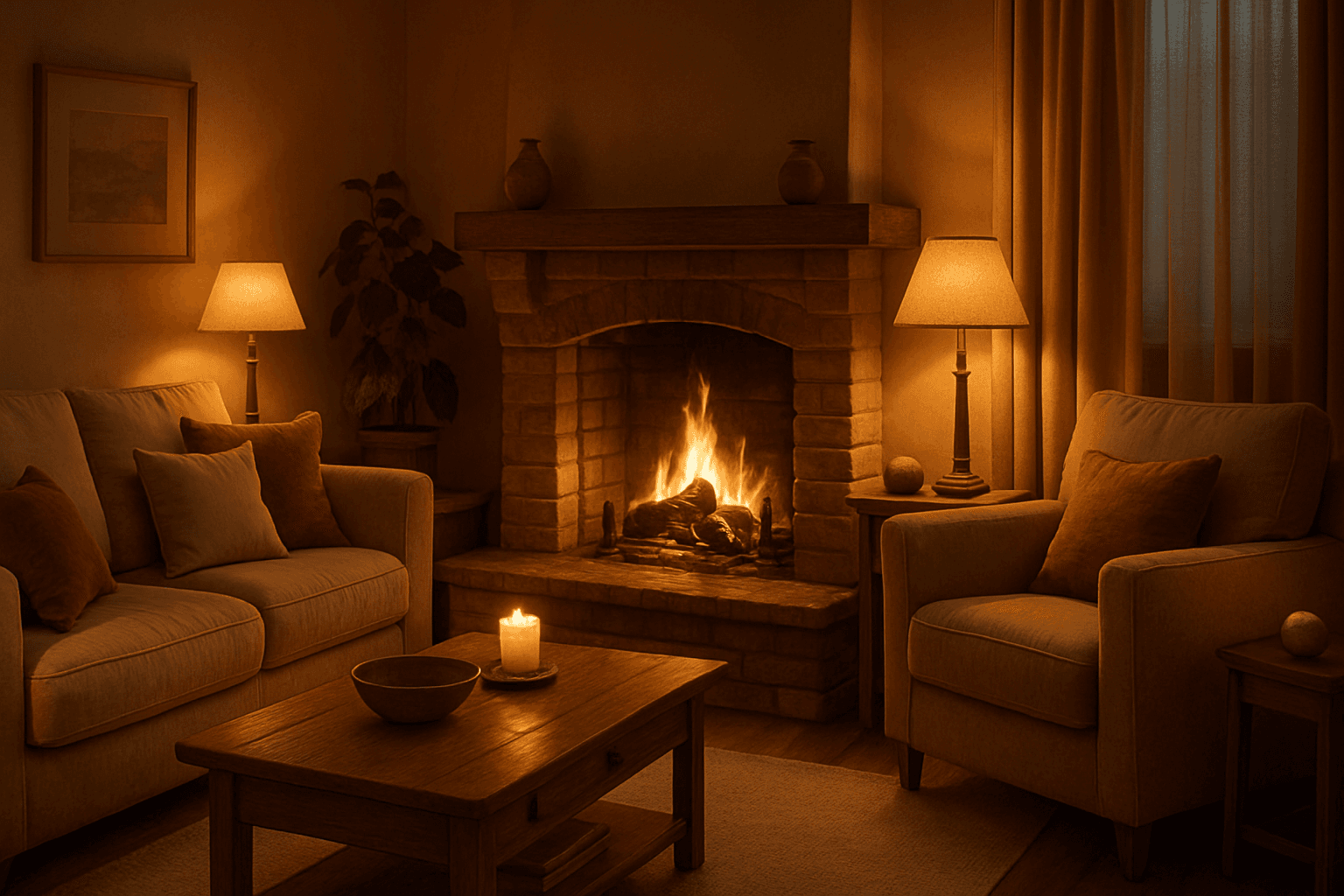
Warm Cozy Atmosphere
A warm cozy atmosphere in imagery conveys a sense of intimate comfort and welcoming ambiance. This mood is achieved through a combination of warm color schemes, gentle lighting, and details that suggest relaxation and homeliness. AI prompts utilizing these elements guide image generators to produce scenes that feel inviting and lived-in, often including features like softly glowing lights, plush textiles, and organic materials. Whether depicting a snug living room, a peaceful reading nook, or a softly lit café, the warm cozy atmosphere creates emotional resonance by appealing to the universal desire for comfort and security.
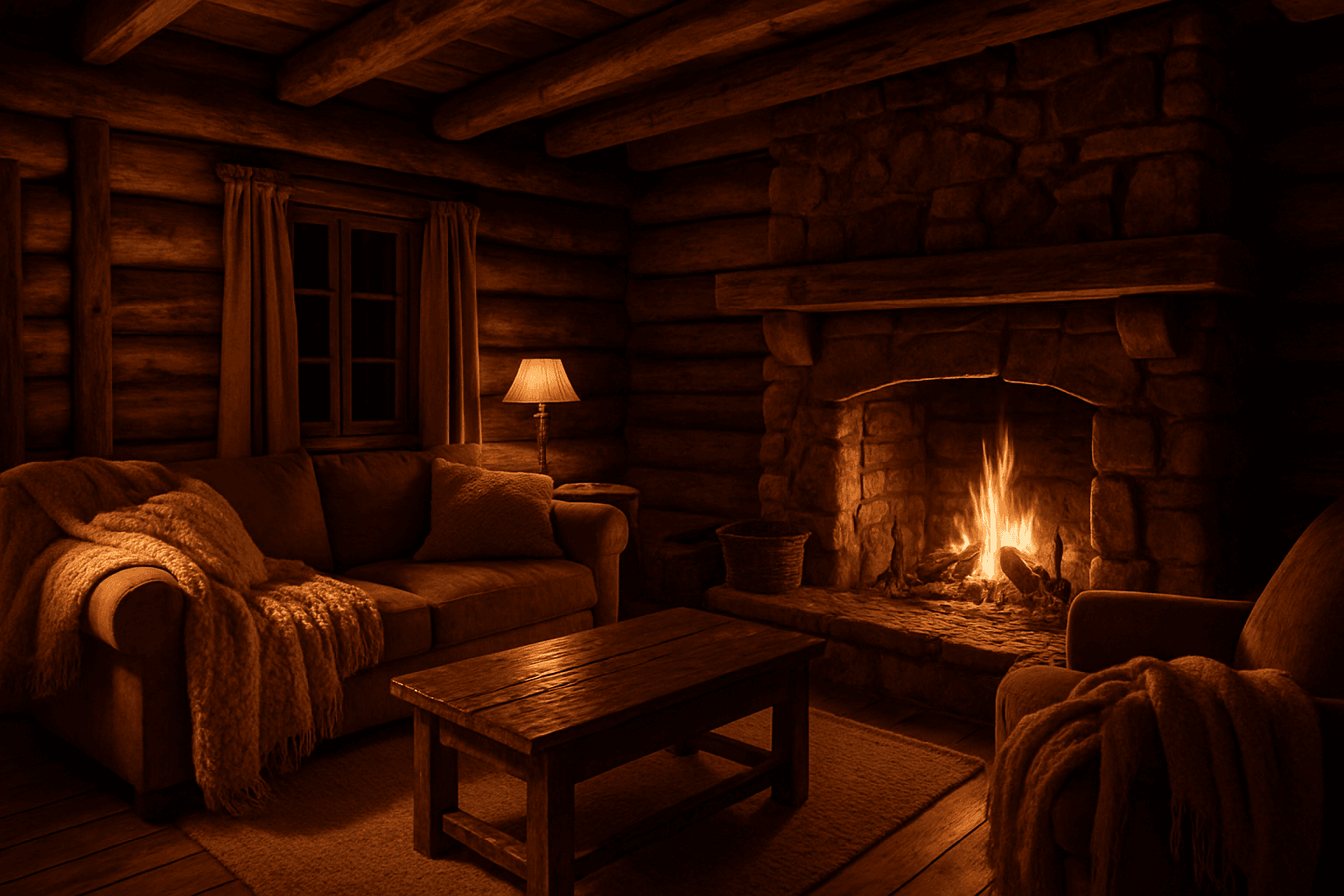
Rustic Warm Cabin Atmosphere
The Rustic Warm Cabin Atmosphere is a popular stylistic choice for AI-generated imagery aiming to evoke comfort, nature, and tradition. This atmosphere blends rugged natural elements with a sense of inviting warmth, often seen in cabin settings featuring log walls, open fireplaces, and cozy textiles. When applied in prompts, it guides the AI to create visuals that balance rough textures with soft, warm lighting and an organic color scheme. This ambiance is ideal for showcasing serene retreat spaces or lifestyle scenes connected to nature and simplicity, providing a welcoming, authentic aesthetic.
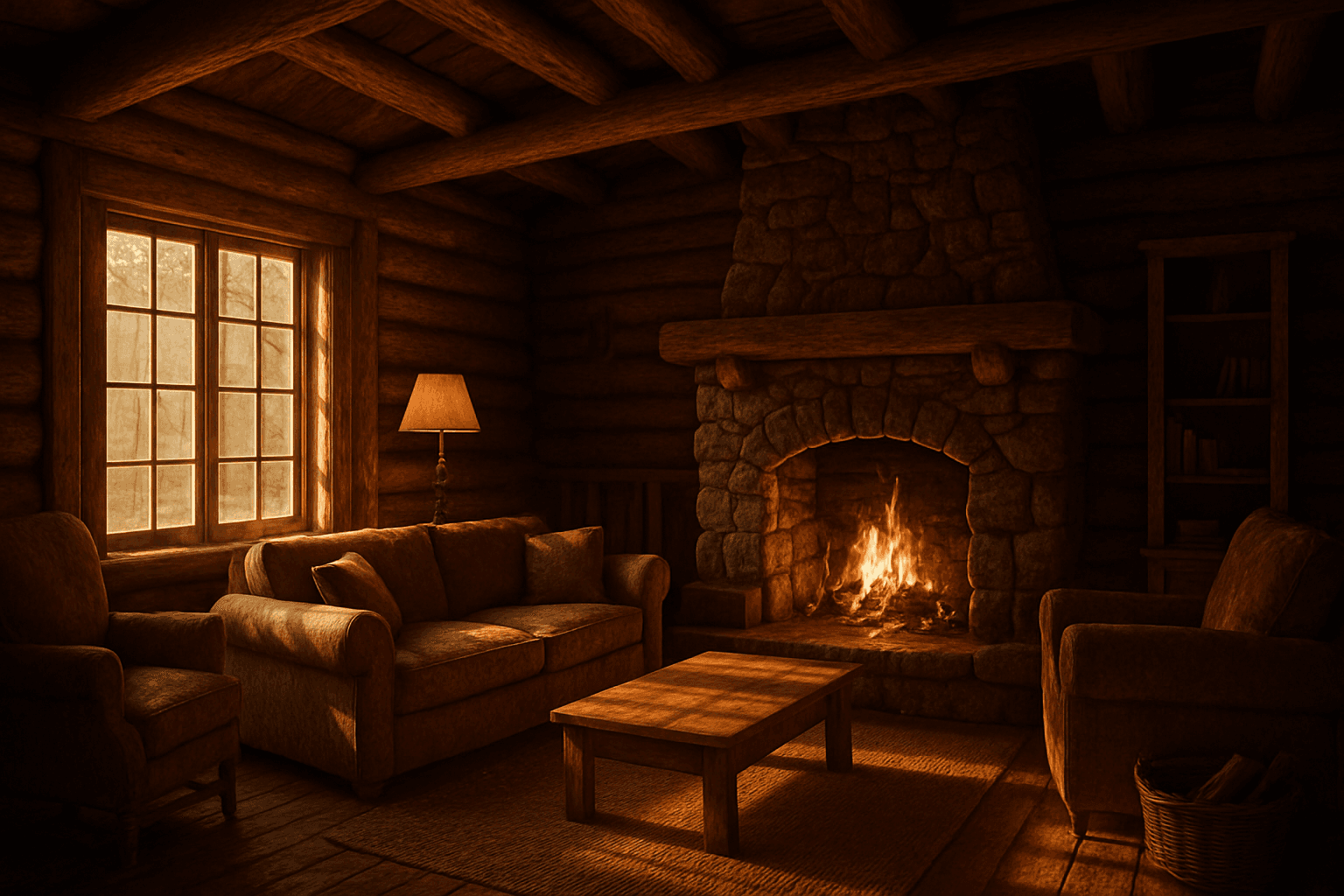
Rustic Cabin Atmosphere
The Rustic Cabin Atmosphere keyword is ideal for generating images that evoke comfort, simplicity, and closeness to nature. Rooted in woodsy textures and warm, soft lighting, this atmosphere enhances visuals with a nostalgic, homey charm. It often includes subtle details like cozy knitted blankets, flickering fireplaces, and views of dense forests or snow-laden landscapes visible through cabin windows. By focusing on natural materials and a subdued color palette of browns, greens, and creams, the prompt creates a strong sense of peaceful retreat. This atmosphere is particularly favored for lifestyle, travel, or interior design visuals where authenticity and warmth are key.
Calm Serene Mood
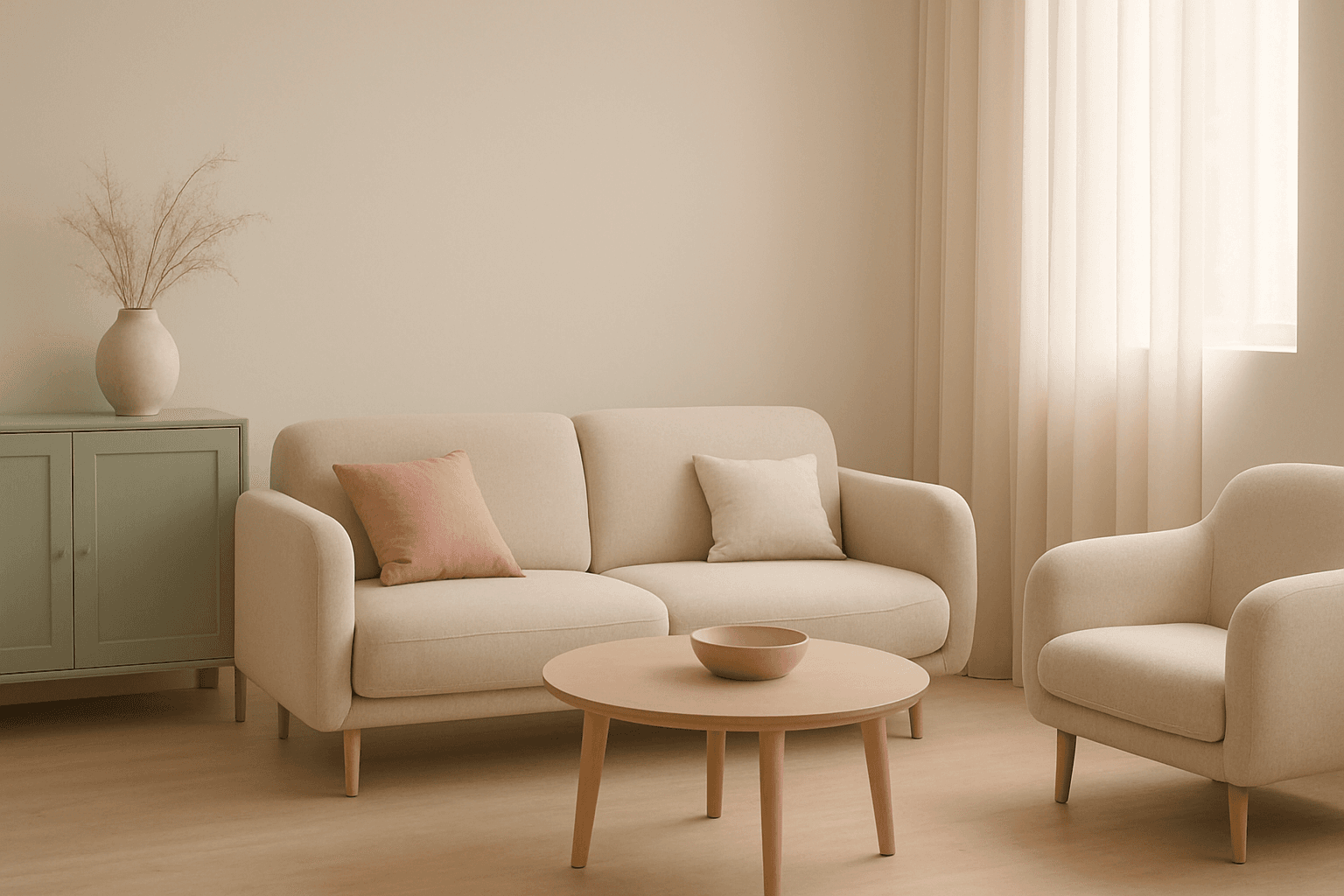
Incorporating a 'Calm Serene Mood' into AI-generated images sets the tone for peaceful and soothing visuals that invite viewers into a state of relaxation. This mood emphasizes gentle lighting conditions, balanced compositions, and color schemes that reduce visual tension. Artists and creators use this keyword to achieve imagery that feels reflective and harmonious, often found in wellness, nature, and minimalist themes. Implementing 'Calm Serene Mood' helps AI models prioritize visual elements that evoke calmness and suppress chaotic or aggressive details, making images more inviting and emotionally comforting.
Moody Urban Atmosphere
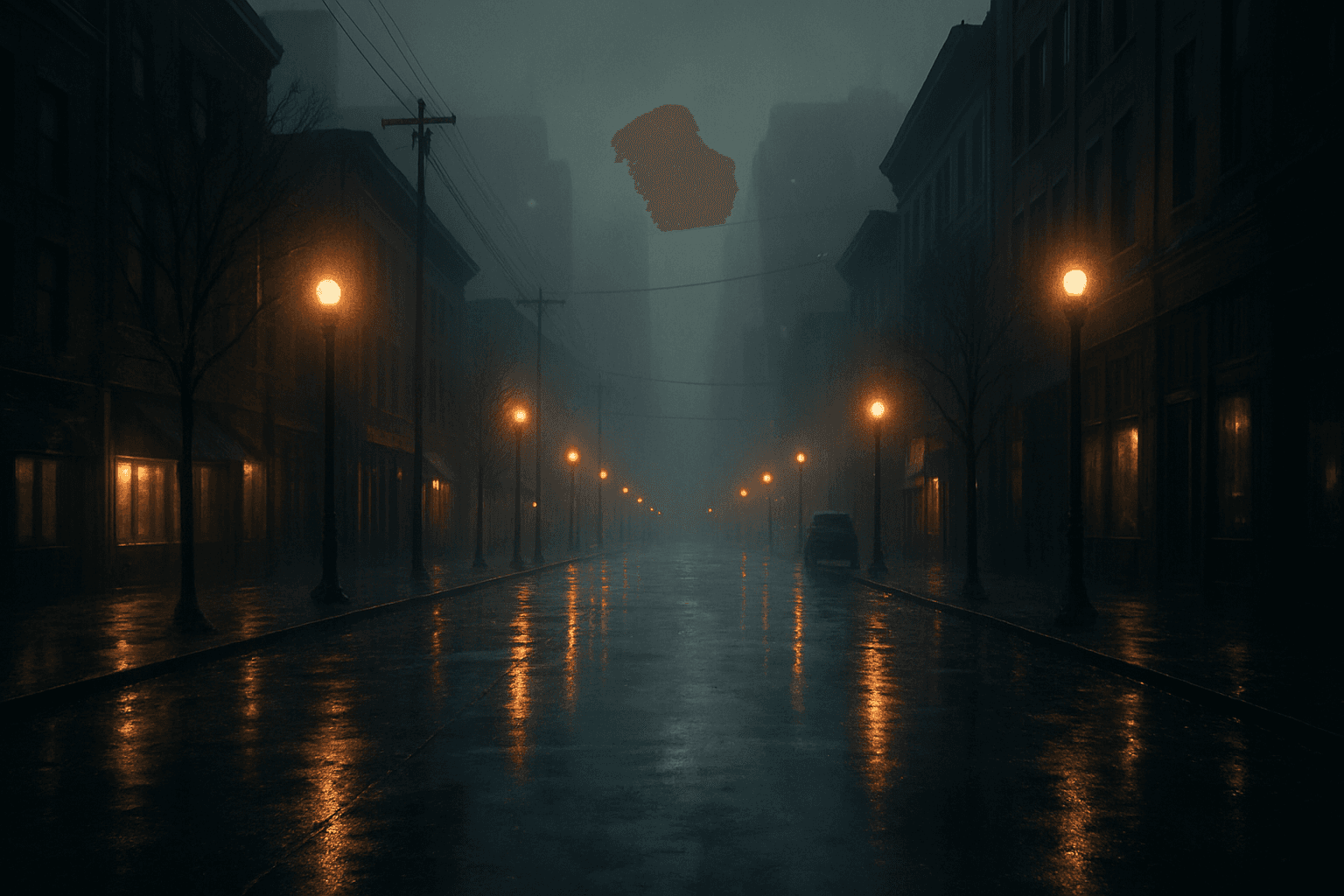
The 'Moody Urban Atmosphere' keyword guides AI image models to produce city environments imbued with emotional depth and cinematic tension. These images emphasize a specific ambiance characterized by somber lighting and subdued colors, evoking feelings such as nostalgia, solitude, or suspense. Artists and designers often seek this mood to communicate urban stories beyond the hustle and bustle, focusing instead on quiet moments or reflective scenes. Using this keyword effectively helps generate images that appear both realistic and emotionally charged, suitable for editorial content, film concept art, or evocative backgrounds in multimedia projects.