Maximalist Visual Style
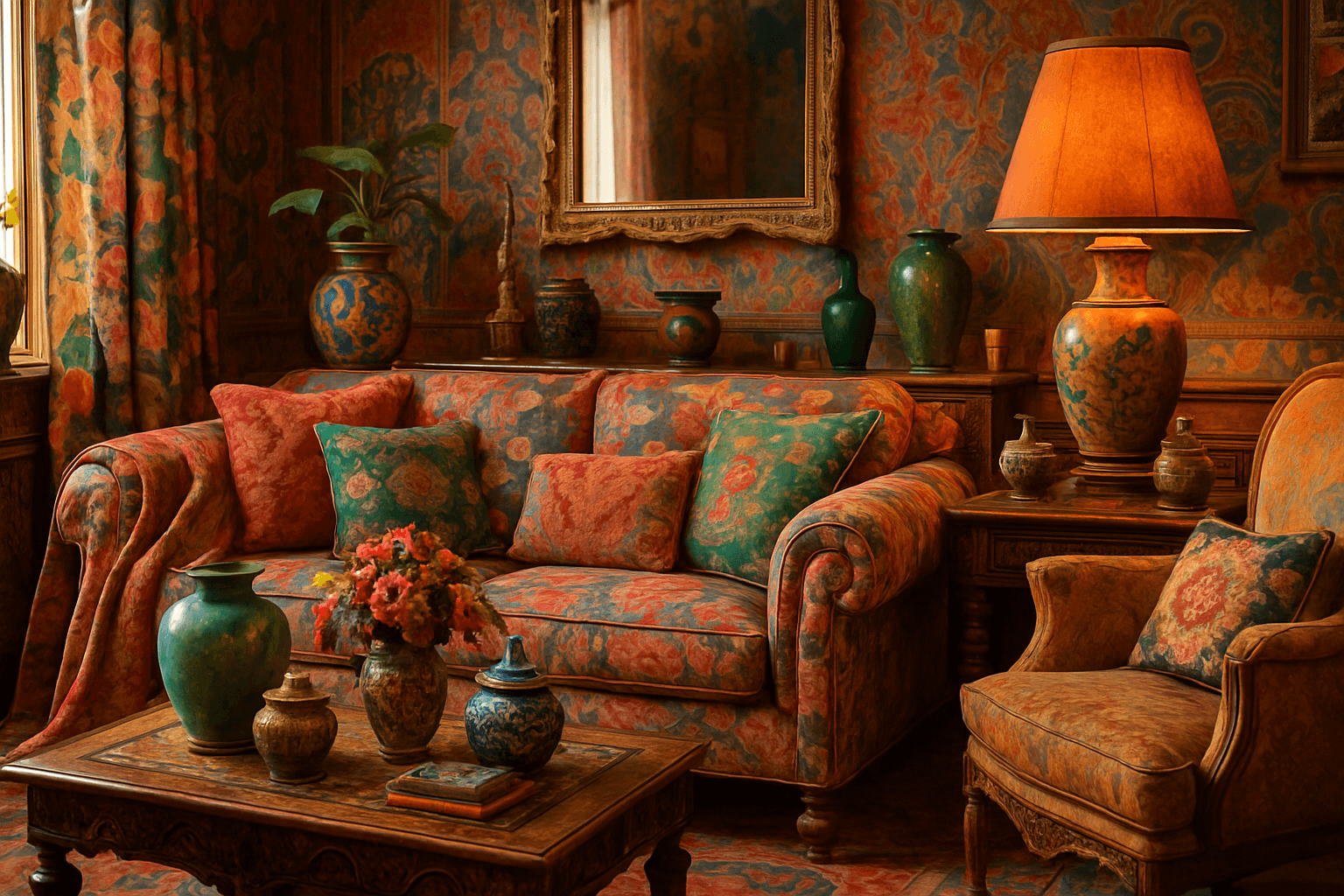
The Maximalist Visual Style embraces complexity and abundance, celebrating the idea that 'more is more.' Unlike minimalist aesthetics that focus on simplicity and negative space, maximalism fills the frame with rich patterns, vivid colors, and diverse visual motifs. When used in AI prompts, this style influences the model to produce images that are dynamic, captivating, and full of personality. It suits artists, designers, and marketers looking to communicate opulence, eclectic taste, or energetic narratives through imagery. The style thrives on harmonious chaos and invites creative layering of unexpected elements, making each composition visually stimulating and memorable.
Definition
The Maximalist Visual Style in AI image generation entails creating compositions that are densely filled with elements, textures, and colors to evoke a busy, opulent look. It contrasts with minimalism by encouraging complexity and layered detail. When used in prompts, this style guides the AI to avoid empty spaces and instead fill visuals with ornate patterns, multiple subjects, and vibrant color contrasts, crafting an image that feels abundant and richly textured.
Prompt Formula
To achieve a maximalist visual style in AI prompts, combine descriptive terms emphasizing complexity and detail with rich color and texture references. Example formula: "[subject] with elaborate [patterns/textures], vibrant and varied color palette, ornate details, layered composition, high contrast lighting." Incorporate adjectives like 'opulent,' 'intricate,' 'eclectic,' and nouns such as 'embroidery,' 'florals,' 'decorative objects' to enhance complexity.
- Subject with elaborate patterns and textures
- Vibrant and varied color palette
- Ornate details and layered composition
- High contrast and rich lighting
- Adjectives like opulent, intricate, eclectic
Best Use Cases
- Vibrant editorial illustrations requiring complex storytelling
- Luxurious product advertisements with decorative detail
- Eclectic interior design concept art with multiple layered elements
Industry Applications
The maximalist visual style is widely applied across industries that benefit from rich, engaging imagery. In advertising, it helps brands create bold campaigns that stand out on crowded platforms. Editorially, it enriches magazine spreads with visual depth and narrative complexity. Ecommerce platforms use maximalist visuals to suggest luxury and abundance in product presentation, especially in lifestyle and fashion sectors. Interior design firms rely on this style to conceptualize layered spaces full of personality and curated items, appealing to clients looking for maximalist home aesthetics.
- Advertising campaigns demanding eye-catching designs
- Magazine editorials requiring detailed, narrative images
- Ecommerce and lifestyle product presentations
Common Mistakes
Prompt writers often fall into the trap of cluttering images without thoughtful organization when aiming for maximalism, resulting in chaotic or visually overwhelming outputs. Overusing vague terms like 'busy' without specifics can yield generic or muddied visuals. Another mistake is neglecting coherent color harmony and contrast, which are vital to maintain visual balance amid complexity. To avoid these, explicitly mention layering techniques, color schemes, and textures, and specify the types of intricate elements to include, ensuring the image remains harmonious despite its abundance.
- Failing to specify element types leads to chaos
- Using vague descriptors that create muddled images
- Ignoring color harmony and contrast balance
- Overcrowding without visual focus or hierarchy
Advanced Techniques
Experienced prompt writers can enrich maximalist images by incorporating constraints like focal points or controlled lighting to prevent visual overload. Layer descriptions can be sequenced to guide element placement, e.g., 'foreground intricately patterned textiles, midground ornate decorations, background vibrant wallpaper.' Utilizing modifiers like 'balanced composition' or 'harmonious color palette' refines the complexity. Combining maximalism with styles such as 'baroque lighting' or 'eclectic vintage decor' can create nuanced aesthetics. Additionally, specifying material finishes (glossy, matte) or light interaction improves textural realism within busy scenes.
- Use layered element sequencing in prompts
- Add focal point and lighting constraints
- Incorporate harmonious color and composition modifiers
- Combine with complementary stylistic references
- Specify material finishes and texture interaction
FAQ
What distinguishes maximalist from minimalist prompts in AI image generation?
Maximalist prompts encourage densely packed, richly detailed imagery with multiple elements and vibrant colors, while minimalist prompts focus on simplicity, limited color palettes, and open negative space to create clean, uncluttered visuals.
How can I keep maximalist images from looking too chaotic?
Specify layering, color harmony, and focal points in your prompts. Use descriptive adjectives and constraints to organize elements visually, ensuring complexity is balanced with coherence.
Continue Exploring
Related Prompts
Maximalist
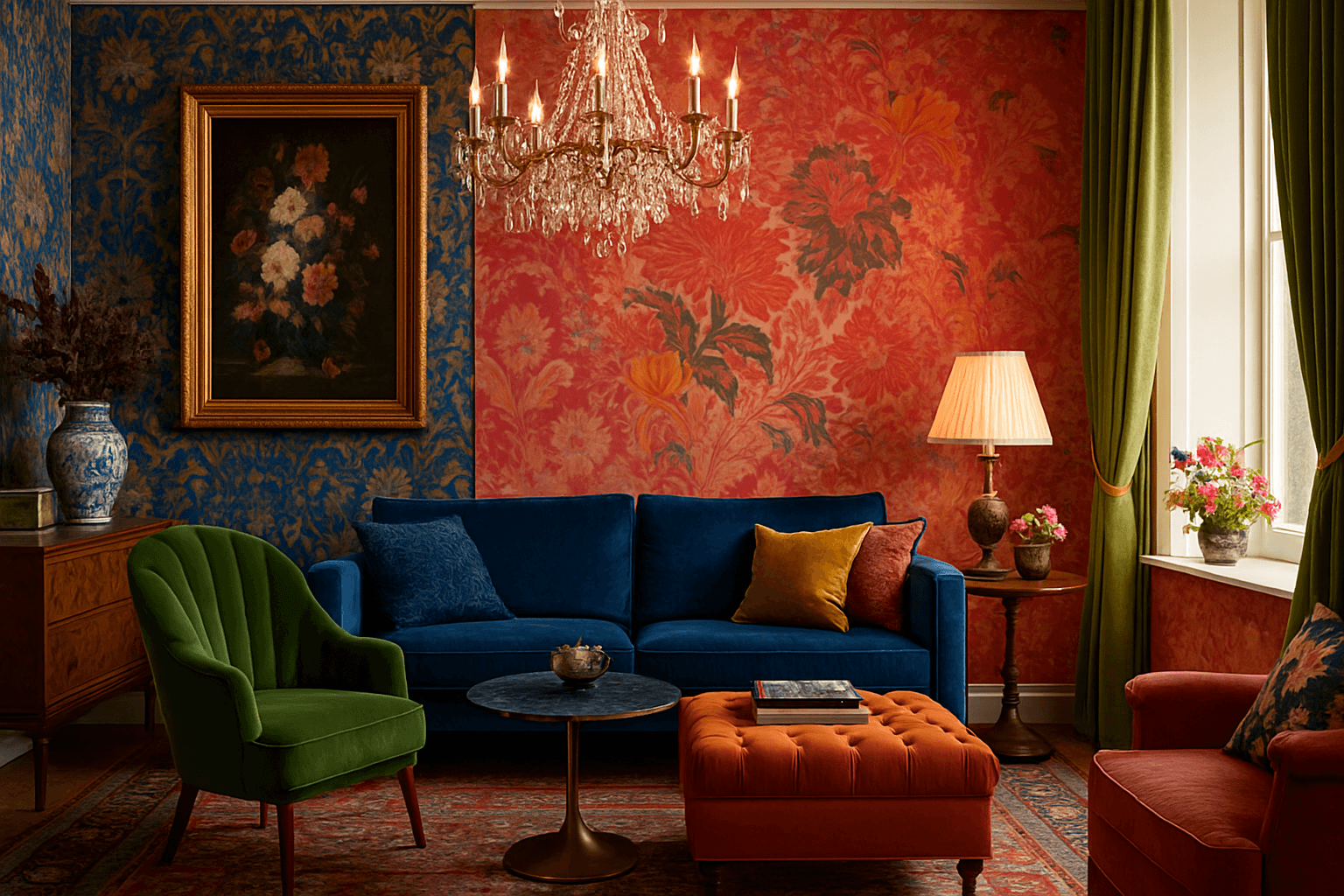
Maximalist style breaks away from minimalist conventions by embracing visual abundance and creative freedom. It is defined by its bold use of color, diverse textures, and intricate layering of patterns and elements, creating a rich and immersive aesthetic. This style celebrates individuality and often combines retro, vintage, and contemporary influences to shape dynamic and expressive environments. Whether in interiors, fashion, or digital art, maximalism invites designers to curate spaces and visuals that feel alive, personalized, and full of narrative depth.

Juxtaposition Visual Style
The Juxtaposition Visual Style harnesses the power of contrasting elements to create images that capture attention and provoke thought. By intentionally juxtaposing subjects that differ dramatically—whether in theme, color, or scale—artists and AI creators can evoke emotions, highlight dichotomies, or tell complex stories visually. This style is frequently used in editorial and conceptual art to challenge viewers' perceptions. When incorporated into AI prompts, it guides the model to generate images featuring deliberate contrasts, balancing harmony and tension into refined compositions with subtle depth and realistic materials. The approach results in polished, modern visuals suited for impactful presentations and storytelling.
Minimalist Design Style
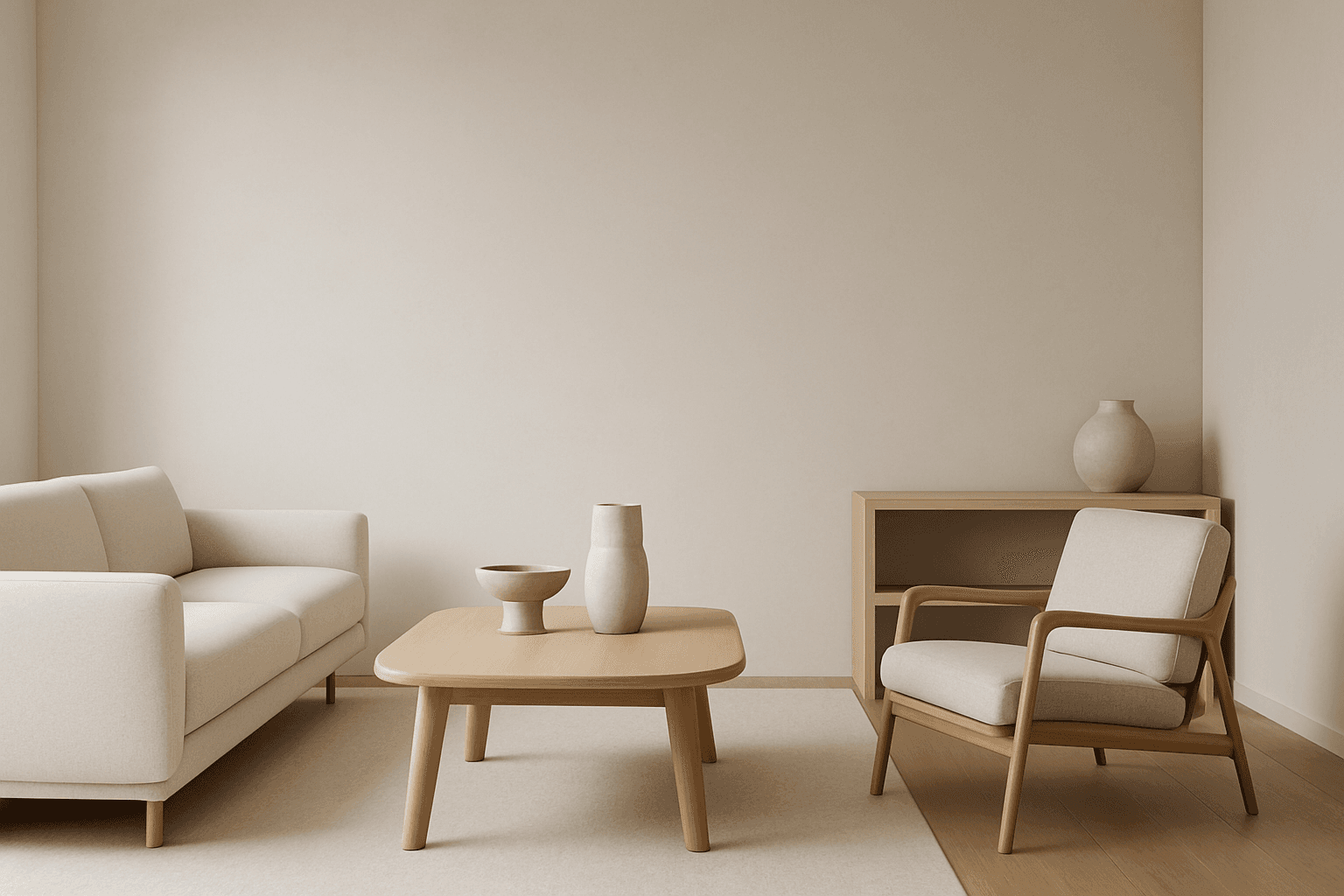
Minimalist design style is a popular artistic approach that strips visuals down to their fundamental components. It values functionality, clarity, and subtlety rather than embellishment. When used in AI image generation, it leads to creations with harmonious balance, simplicity, and impact. Minimalism favors sleek geometry, reduced ornamentation, and neutral or pastel color schemes. This style communicates sophistication and modern elegance, making it well suited for branding, editorial illustrations, product visuals, and architectural imagery. Adopting minimalist design in prompts guides AI to focus on essential shapes and textures, delivering images with visual calm and refined aesthetics.
Graphic Line Art Style
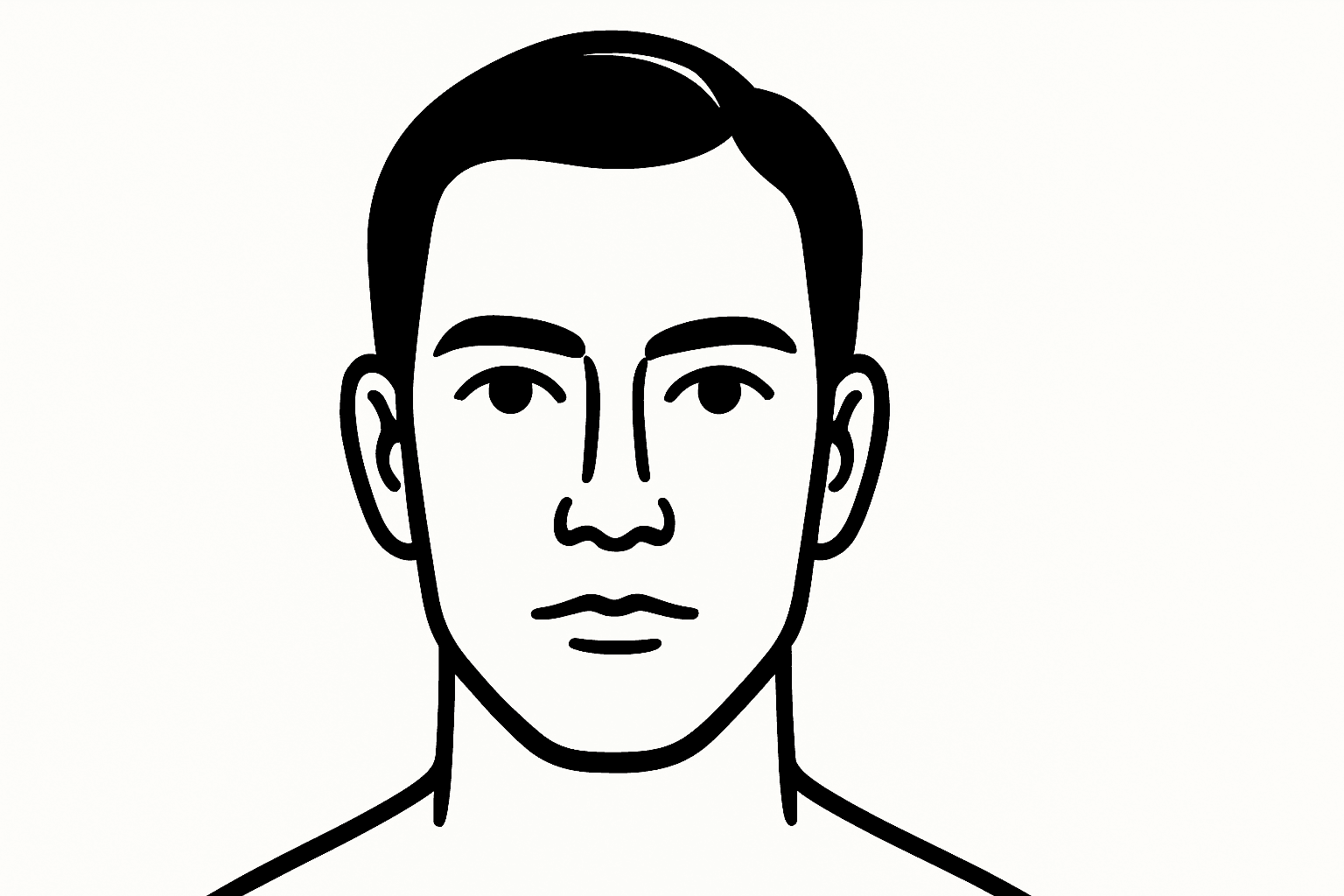
Graphic Line Art Style is a visually striking illustration approach emphasizing clarity and simplicity through well-defined lines. It focuses on outlining forms with precision and minimalistic detail, avoiding heavy shading or elaborate color schemes. This style is popular in editorial illustrations, logos, and iconography due to its crisp readability and modern aesthetic. When incorporated into AI image prompts, it directs the model to produce minimalist visuals that can easily adapt to various themes while maintaining a clean, graphic look. Its simplicity makes it versatile for both monochrome and limited color compositions, suitable for branding, presentations, and artistic sketches where impact comes from form rather than texture or color richness.
Retro Vintage Style
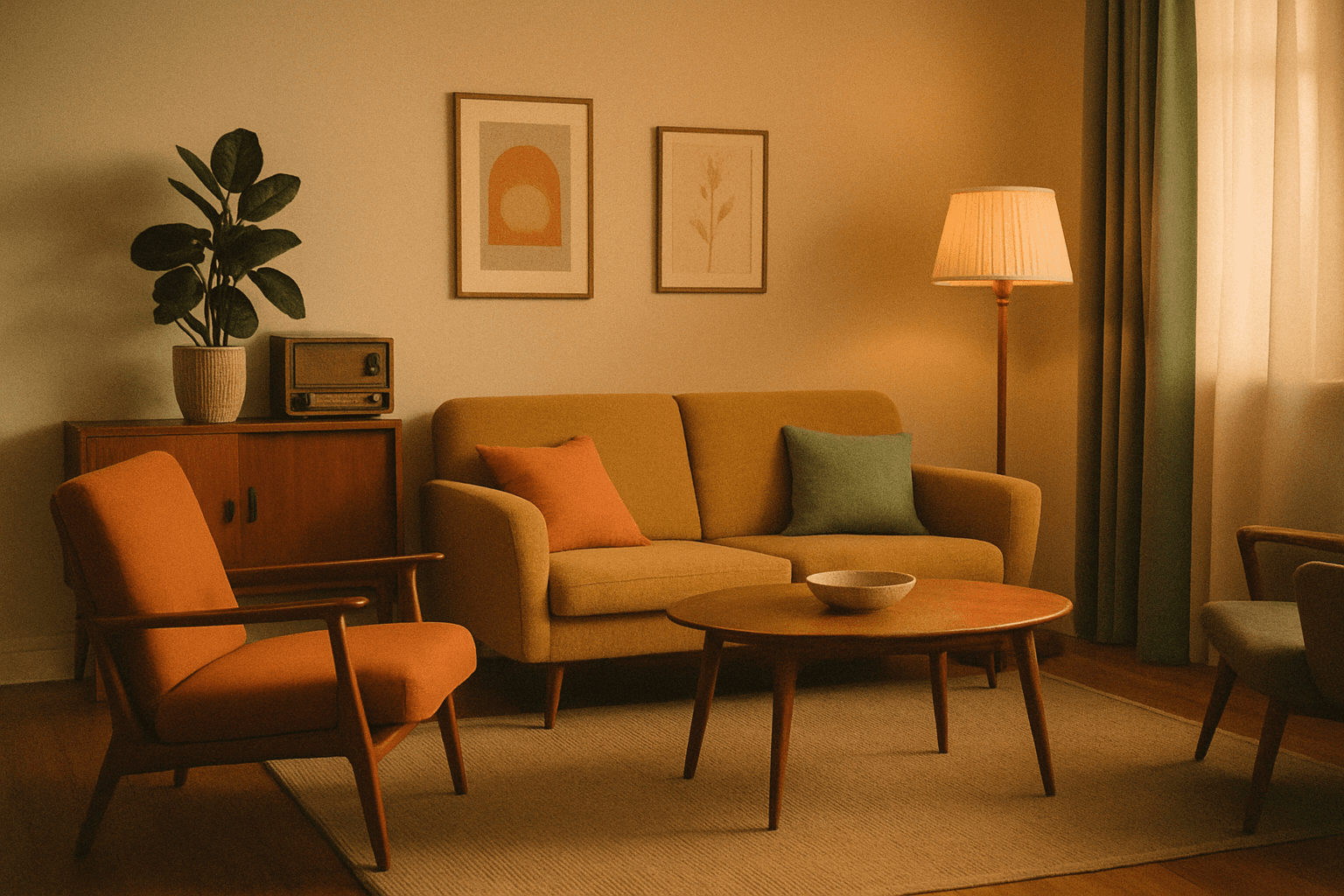
Retro Vintage Style captures the essence of eras past, typically the 1950s through the 1970s, using iconic design traits that evoke nostalgia and warmth. By incorporating this style into AI image prompts, creators can produce images that appear timeless and charming, reflecting the aesthetics popular in mid-century advertising, fashion, and interior decor. The style applies to various subjects, including portraits, product visuals, and environments, often featuring subtle aging effects and color palettes unique to the period. This approach is ideal when a classic, sentimental tone is desired that contrasts with modern minimalism or hyperrealism.
Hand Drawn Sketch Style
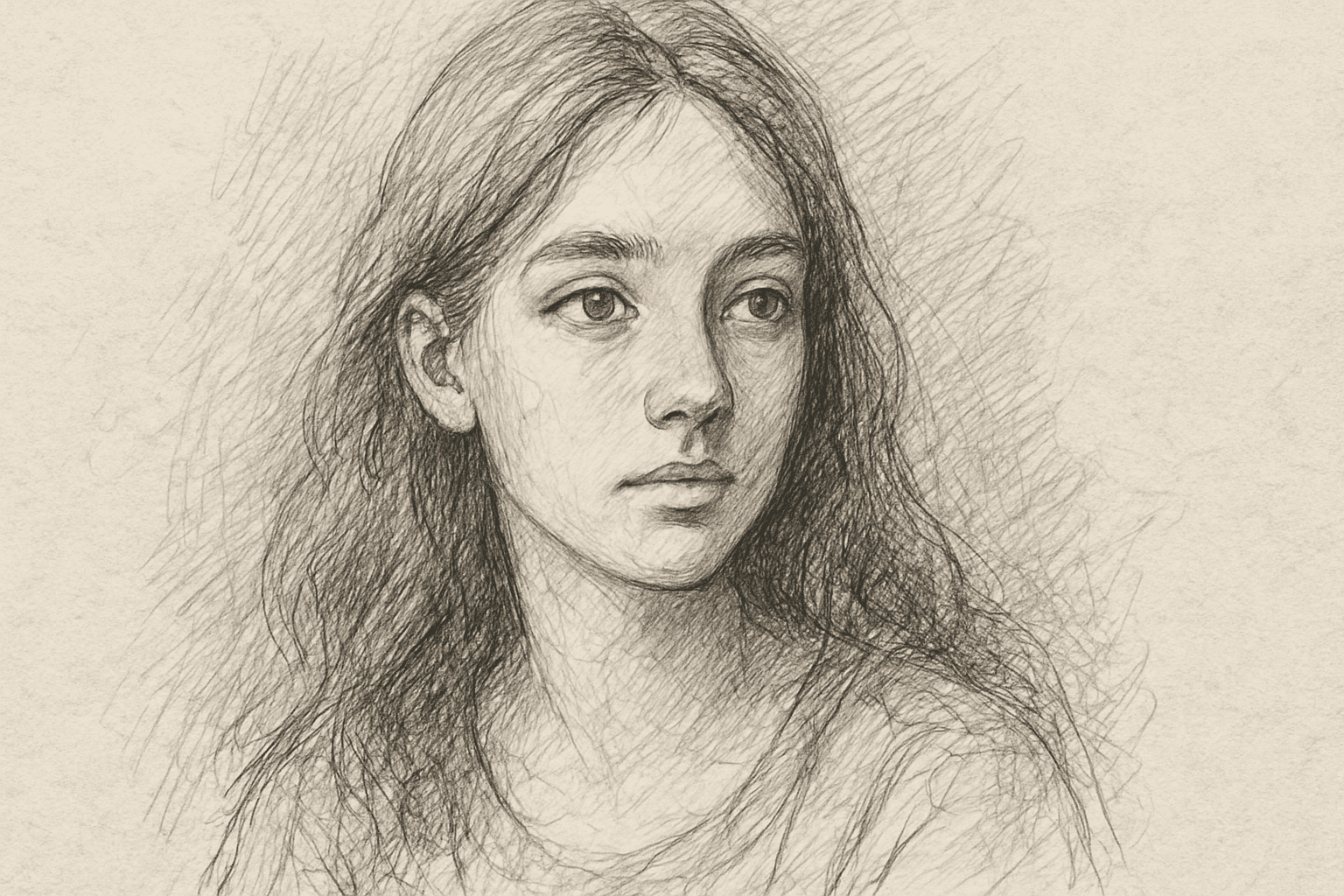
Hand Drawn Sketch Style is a favored artistic approach in AI image generation, evoking the charm and authenticity of manual sketches. This style highlights visible strokes and spontaneous line imperfections, creating images that feel intimate and creative rather than polished. It is ideal for conceptual art, storyboarding, character design, and illustrations where raw expressiveness and personality are prioritized. The style softens digital perfection by emulating paper texture and hand pressure variations, making images appear crafted by an artist’s hand. Artists, designers, and content creators use this style to produce unique visuals that stand out with a traditional artistic touch while leveraging AI speed and flexibility.