Maximalist
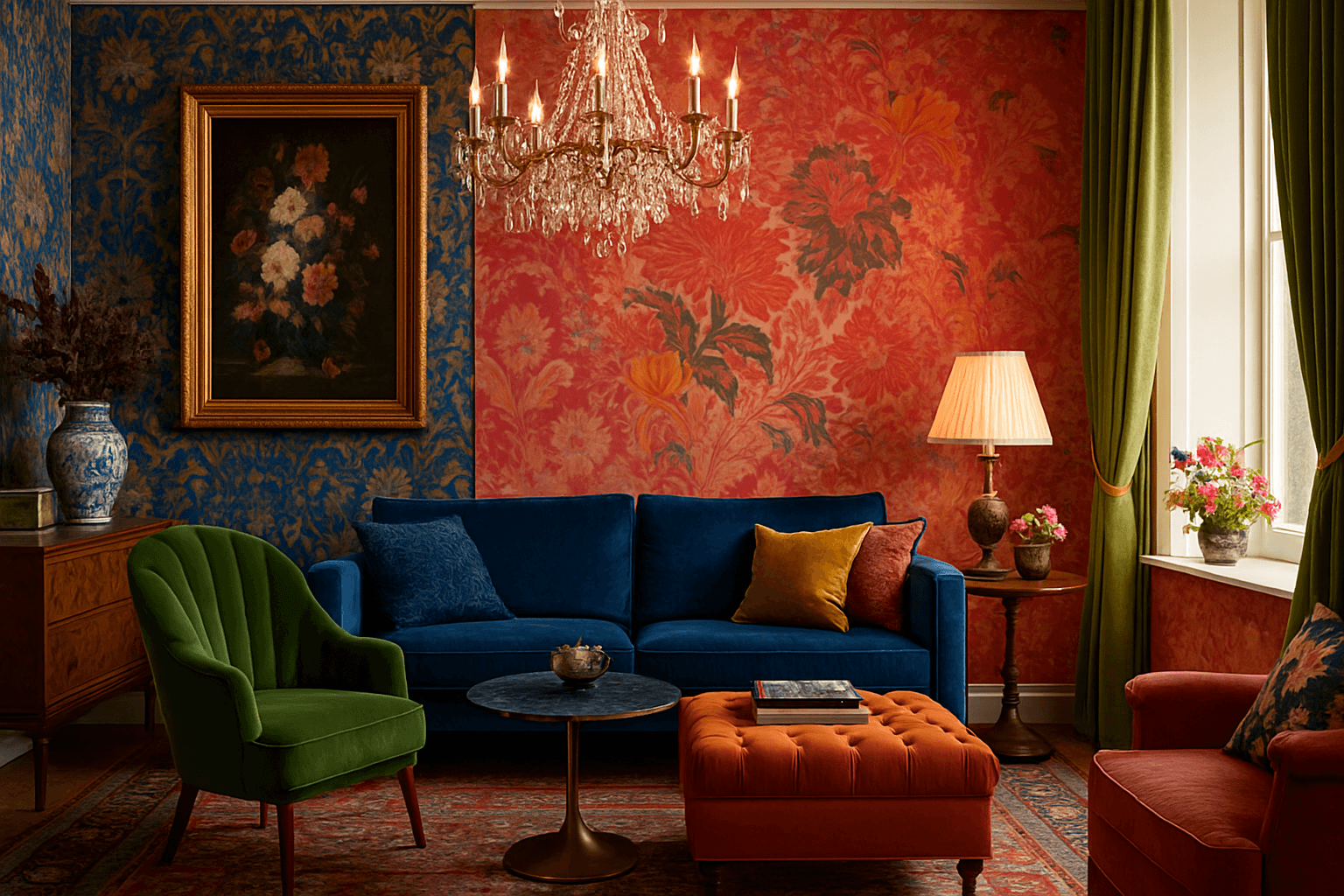
Maximalist style breaks away from minimalist conventions by embracing visual abundance and creative freedom. It is defined by its bold use of color, diverse textures, and intricate layering of patterns and elements, creating a rich and immersive aesthetic. This style celebrates individuality and often combines retro, vintage, and contemporary influences to shape dynamic and expressive environments. Whether in interiors, fashion, or digital art, maximalism invites designers to curate spaces and visuals that feel alive, personalized, and full of narrative depth.
Definition
Maximalist style is a design approach characterized by the use of abundant, vibrant colors, diverse patterns, varied textures, and layered compositions that embrace complexity and expressiveness rather than simplicity or minimalism.
Visual Characteristics
- Rich and bold color palettes
- Intricate layering of patterns and textures
- Eclectic mix of decorative elements
Best Use Cases
- Creating vibrant interior design concepts for boutique hotels
- Designing expressive fashion editorials with bold patterns
- Developing dynamic digital art and illustrations rich in detail
Prompt Examples
- A maximalist living room with layered textiles, bold wallpapers, and eclectic furniture
- An artful maximalist fashion portrait emphasizing clashing colors and intricate patterns
- A vibrant digital collage combining vintage posters, colorful textures, and decorative motifs
Adobe Stock Potential
Maximalist-themed visuals hold strong commercial potential on Adobe Stock due to their appeal in lifestyle, interior design, fashion, and artistic sectors. Their rich detail and vibrant compositions cater well to clients seeking standout images with character and depth, making them ideal for editorial spreads, advertising materials, and conceptual projects needing expressive and premium-quality imagery. The distinctive maximalist aesthetic attracts designers and marketers aiming to invoke creativity and luxury in their campaigns.
FAQ
What is the key difference between maximalist and minimalist styles?
Maximalist style embraces abundance, bold colors, patterns, and layers, while minimalist style focuses on simplicity, clean lines, and minimal elements.
Can maximalism work in digital art?
Yes, maximalism in digital art uses layered compositions, vivid colors, and diverse textures to create complex and engaging visuals.
Is maximalist style suitable for small spaces?
While challenging, incorporating maximalist elements thoughtfully can add personality to small spaces without overwhelming them.
Continue Exploring
Related Prompts
Maximalist Visual Style
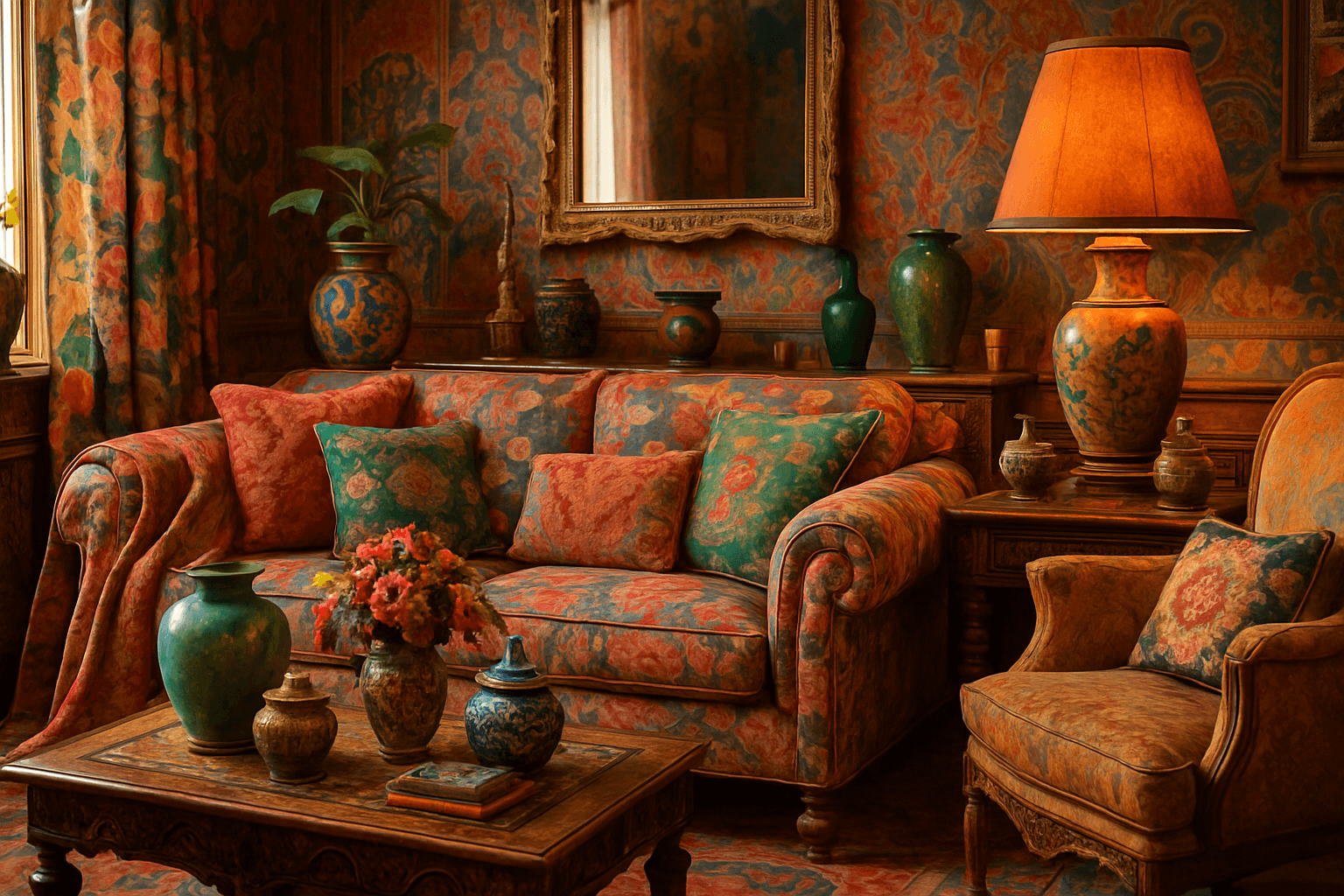
The Maximalist Visual Style embraces complexity and abundance, celebrating the idea that 'more is more.' Unlike minimalist aesthetics that focus on simplicity and negative space, maximalism fills the frame with rich patterns, vivid colors, and diverse visual motifs. When used in AI prompts, this style influences the model to produce images that are dynamic, captivating, and full of personality. It suits artists, designers, and marketers looking to communicate opulence, eclectic taste, or energetic narratives through imagery. The style thrives on harmonious chaos and invites creative layering of unexpected elements, making each composition visually stimulating and memorable.
Retro Vintage Style
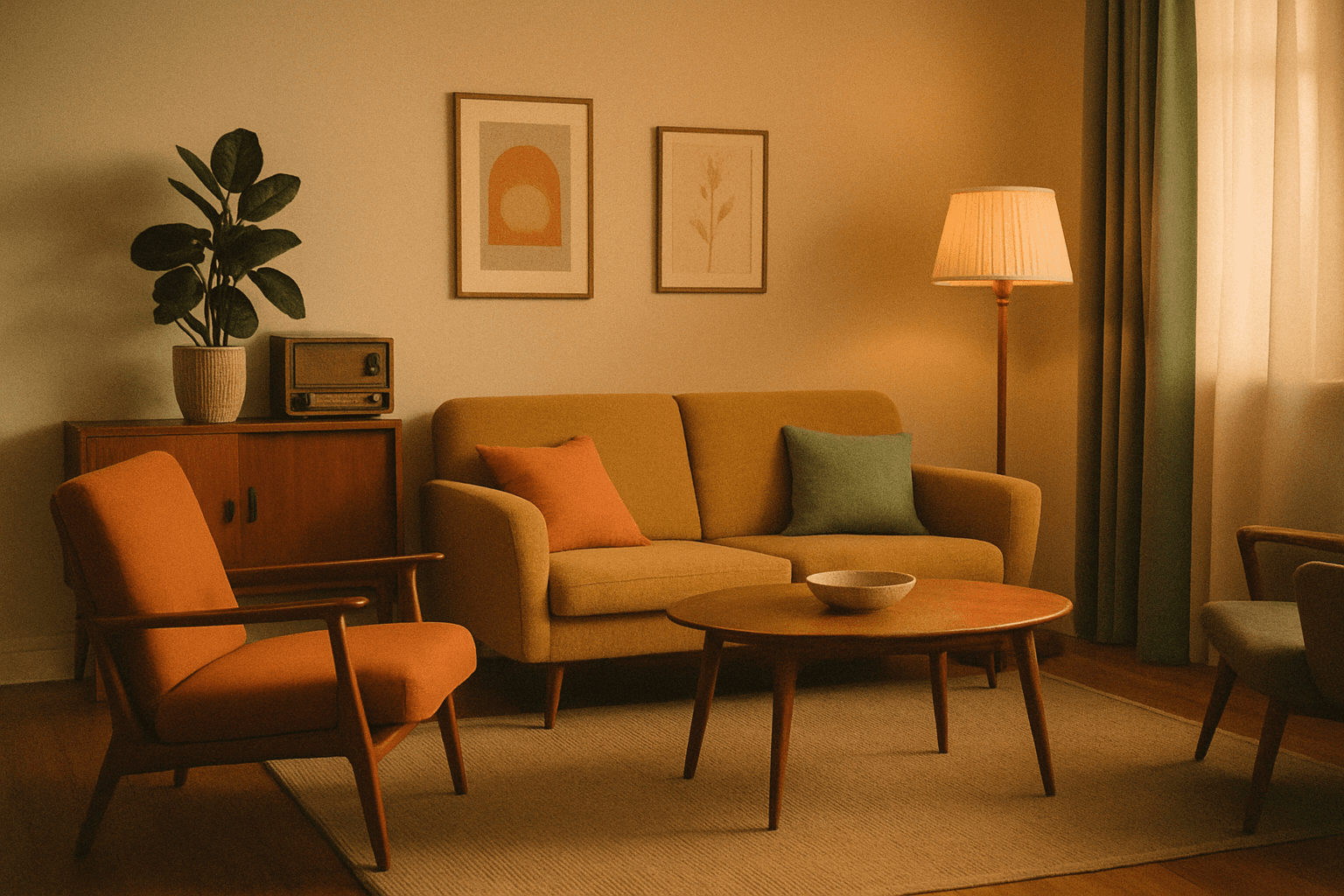
Retro Vintage Style captures the essence of eras past, typically the 1950s through the 1970s, using iconic design traits that evoke nostalgia and warmth. By incorporating this style into AI image prompts, creators can produce images that appear timeless and charming, reflecting the aesthetics popular in mid-century advertising, fashion, and interior decor. The style applies to various subjects, including portraits, product visuals, and environments, often featuring subtle aging effects and color palettes unique to the period. This approach is ideal when a classic, sentimental tone is desired that contrasts with modern minimalism or hyperrealism.
Art Deco
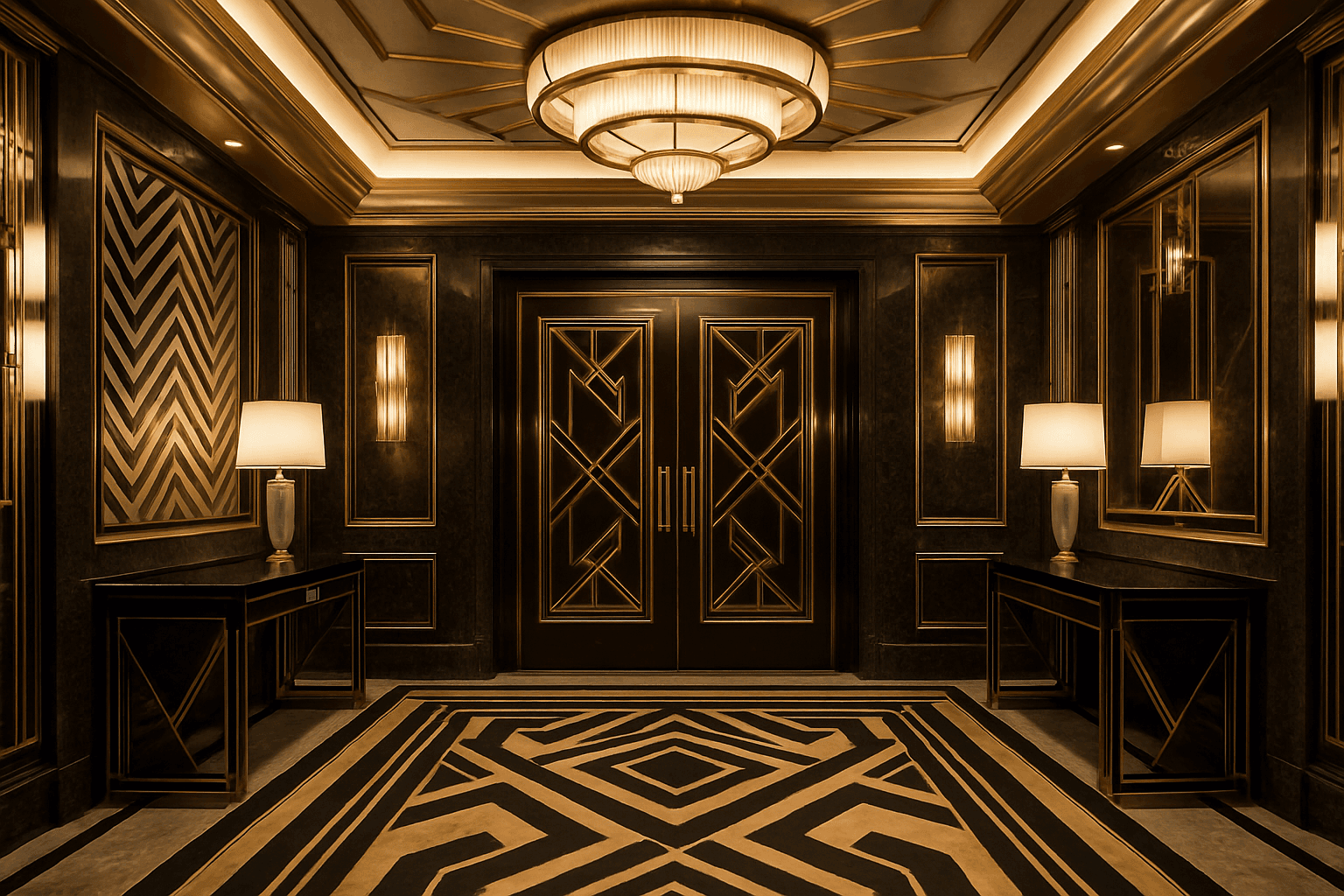
Art Deco is a defining style of the early 20th century, merging modern techniques with opulent aesthetics. It influences architecture, fashion, graphic design, and interior decoration, emphasizing clean lines, decadence, and a futuristic feel. While rooted in the industrial age, Art Deco reflects optimism and luxury, often incorporating motifs inspired by technology, nature, and ancient cultures. Its distinctive approach offers both elegance and dynamic visual rhythm, making it iconic in design history and continually inspiring contemporary creatives.
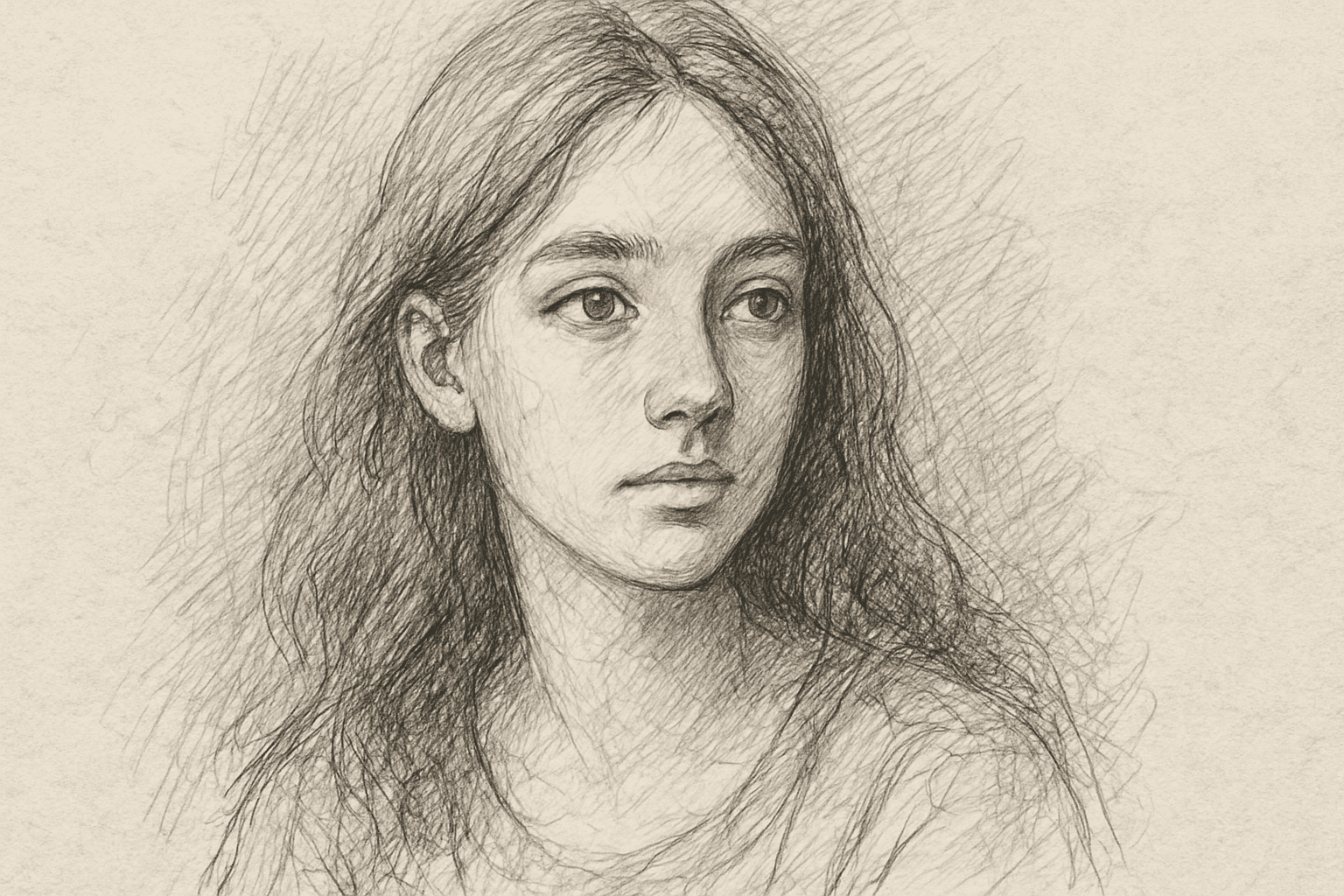
Hand Drawn Sketch Style
Hand Drawn Sketch Style is a favored artistic approach in AI image generation, evoking the charm and authenticity of manual sketches. This style highlights visible strokes and spontaneous line imperfections, creating images that feel intimate and creative rather than polished. It is ideal for conceptual art, storyboarding, character design, and illustrations where raw expressiveness and personality are prioritized. The style softens digital perfection by emulating paper texture and hand pressure variations, making images appear crafted by an artist’s hand. Artists, designers, and content creators use this style to produce unique visuals that stand out with a traditional artistic touch while leveraging AI speed and flexibility.
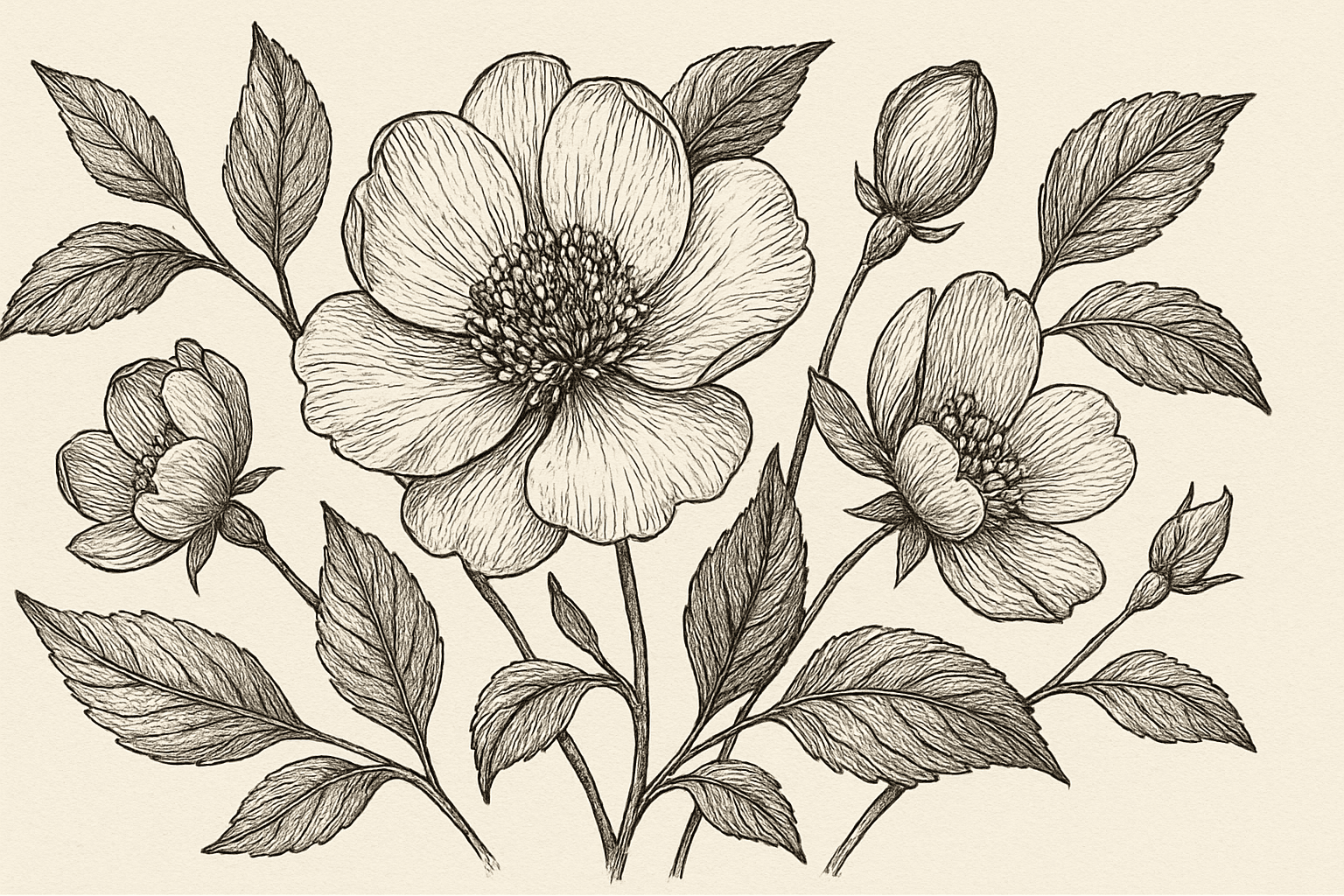
Vintage Linework Style
Vintage Linework Style captures the essence of classical illustration art, featuring intricate line detail and minimal coloring to create a nostalgic, handcrafted feel. This style is ideal for conveying a sense of history, craftsmanship, and elegance by highlighting contour and texture through fine lines rather than color gradients or digital effects. Artists and designers use it to evoke authenticity and sophistication in editorial art, packaging, and storytelling imagery. In AI image generation, specifying this style helps produce artwork reminiscent of old woodcuts, engravings, and book illustrations with a modern clean finish.

Cinematic Color Grading
Cinematic color grading is a popular stylistic approach in AI image creation that mimics the mood-setting colors of major motion pictures. By applying this technique, images gain enhanced emotional impact through controlled color shifts, contrast adjustments, and lighting refinements. When used in prompts, it guides the AI to introduce film-inspired color schemes and a polished finish, adding narrative depth and a professional touch. This style is especially effective for characters, landscapes, or scenes that require a dramatic aesthetic, evocative storytelling, or a nostalgic, vintage cinema vibe. It bridges artistic photography and filmmaking visuals within digital artwork.