Mood Board Creation Tips
Mood board creation is a fundamental practice in design and visual storytelling, used to convey ideas and inspire creativity through a collected set of reference visuals and styles. When applied to AI image prompting, mood board techniques help generate images that share a stylistic harmony and conceptual direction, making visuals more compelling and relevant for commercial use. By carefully selecting descriptive elements and visual cues in prompts, users can guide AI models to produce images that align with specific moods, brand identities, or artistic concepts. This not only elevates the quality of outputs but also streamlines the creative workflow by providing a clear visual reference framework.

Definition
Mood board creation involves compiling complementary visual elements like colors, textures, and imagery to convey a unified creative concept. When applied to AI prompting, it guides the model toward generating images that fit a specific aesthetic or theme, enhancing consistency and mood alignment.
Visual Characteristics
- Unified color schemes harmonizing the image set
- Consistent use of lighting and shadows to establish atmosphere
- Recurrent textures and style motifs strengthening thematic impact
Prompt Formula
Effective mood board prompts combine descriptive elements focusing on color, texture, lighting, and composition. Use a pattern like: "[Mood/Concept] mood board with [color palette], [lighting style], [texture details], and [composition style]." This formula encourages cohesive visuals aligning with the intended atmosphere.
- [Mood/Theme] mood board
- Specify color palettes (e.g., pastel, vibrant, earth tones)
- Describe lighting (e.g., soft natural, dramatic shadows)
- Include textures (e.g., smooth, grainy, fabric)
- Mention composition style (e.g., minimalist, chaotic, balanced)
Best Use Cases
- Building brand conceptual imagery for cohesive marketing assets
- Curating inspiration materials for fashion and interior design projects
- Generating mood-conveying visuals for editorial and advertising purposes
Creative Variations
To avoid repetitive AI outputs, consider altering stylistic parameters such as shifting color schemes between monochrome and vibrant palettes, experimenting with lighting from soft dawn to dramatic spotlight, or changing composition complexity from minimalistic layouts to rich collages. Subject focus can also vary: from abstract patterns to detailed product imagery or environmental scenes, adding fresh creative dimensions while retaining mood board cohesion.
Related Styles
- Color Palette Harmony for consistent hues
- Visual Storytelling to convey narratives visually
- Thematic Composition focusing on unified design elements
Model-Specific Tips
For broad compatibility across AI models, use clear descriptive language rather than model-specific tags. Combine adjectives and nouns that evoke moods and styles, such as 'dreamy soft light' or 'vintage rustic textures.' Avoid overly complex syntax, and test variations of prompt order and specificity to find what best guides your model toward mood board coherence without losing creativity.
FAQ
How does creating a mood board improve AI image generation?
Creating a mood board provides a structured aesthetic framework that helps the AI generate images with consistent style, mood, and thematic unity, resulting in visuals that better align with your creative goals.
Can mood board prompts work across different AI image generators?
Yes, mood board prompts focus on descriptive language about style, color, and lighting, which are widely understood by various AI models, making them versatile and transferable across platforms.
What are common mistakes when using mood board tips in prompts?
Common mistakes include being too vague with descriptions, ignoring compositional balance, or overloading prompts with conflicting visual details, all of which can lead to inconsistent or unfocused outputs.
Continue Exploring
Related Prompts

Visual Storytelling Strategy
Visual Storytelling Strategy is an approach in AI image prompting that prioritizes narrative and emotional impact. Instead of isolated subjects or abstract concepts, prompts using this strategy encourage the generation of images that appear as part of a larger story. This can include characters engaged in meaningful actions, environments that set a mood, and visual cues implying a temporal sequence or context. Using this strategy enhances image engagement, making visuals suitable for editorial features, marketing campaigns, and brand storytelling that rely on capturing viewer interest through story-driven visuals.

Social Media Visual Strategy
Incorporating Social Media Visual Strategy into AI image prompts helps designers and marketers create images tailored for online platforms. This approach emphasizes clarity, brand identity, and engagement potential, adapting visuals to various social channels' unique demands. By targeting platform-appropriate styles—such as Instagram’s vibrant and polished look or LinkedIn’s professional tone—imagery gains effectiveness. Applying this strategy leads to visuals that not only look professional but also strategically support marketing goals and audience interaction in social media spheres.

Brand Identity Visuals
Brand identity visuals play a crucial role in shaping how a brand is perceived by its audience. They encompass the distinct visual language a brand uses to stand out, including logos, color schemes, patterns, and typographic styles. When applied to AI image generation, the 'Brand Identity Visuals' keyword directs the creation of polished, professional images that emphasize clarity, style consistency, and commercial appeal. This is invaluable for designers and marketers who want to rapidly prototype branding concepts or enrich presentations with high-quality visual references.

Editorial Fashion Layout
An editorial fashion layout is a key concept in commercial photography and graphic design that evokes the exclusive, curated aesthetic common in fashion magazines. When used in AI image prompting, it aims to produce images that resemble professional editorial spreads—featuring models, styling, and settings arranged with attention to balance, light, and mood characteristic of premium editorial content. This keyword helps prompt creators get images that look polished, realistic, and fit for use as article hero images or commercial fashion campaigns, reflecting the latest visual trends without extraneous elements like text or logos.

Social Media Visual Branding
Social Media Visual Branding is a critical component in AI image generation that ensures visual content consistently represents a brand’s personality across social platforms. By specifying branding elements—such as color theory, style, mood, and composition—in AI prompts, creators can generate images that resonate with target audiences and enhance brand recognition. This approach helps marketers and designers produce visuals that fit seamlessly within campaigns, improve engagement, and support storytelling efforts. The technique requires understanding branding fundamentals combined with prompt engineering to effectively influence AI outputs for specific marketing needs.
Product Lifestyle Photography
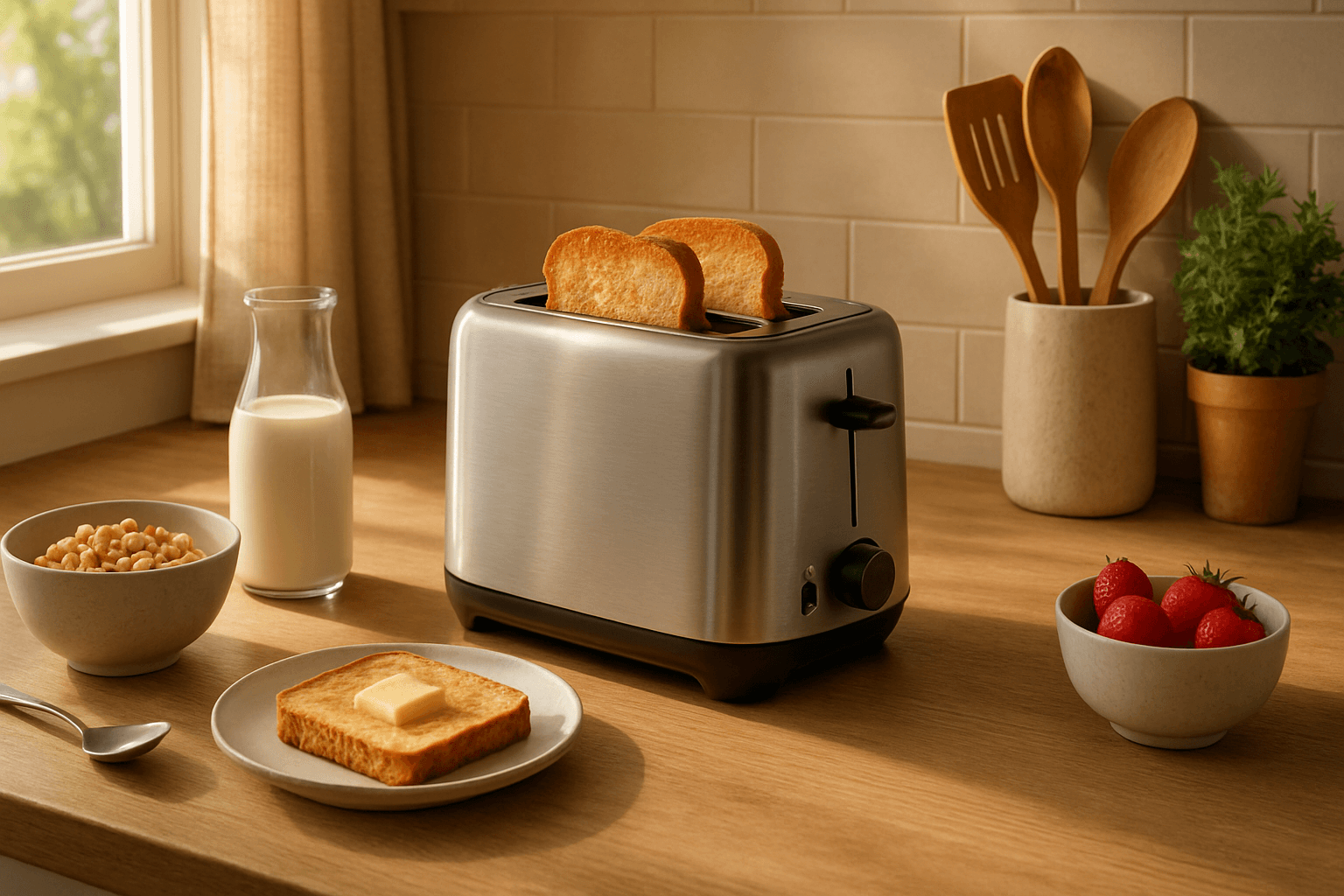
Product lifestyle photography transforms product imagery from static showcases into engaging narratives that convey how a product fits into everyday life. In AI prompt crafting, including this keyword guides the algorithm to generate scenes where products appear naturally integrated within surroundings, often with human subjects or lifestyle props. This approach enhances the emotional connection and desirability of the product by illustrating practical use or aspirational environments, making it ideal for commercial branding and advertising. The style demands attention to realistic details, balanced lighting, and thoughtful composition to evoke authenticity and premium quality suitable for modern editorial and ecommerce visuals.