Negative Space Usage
Negative space usage in AI-generated images is a powerful compositional tool that enhances visual impact by balancing filled and unfilled areas within the frame. By thoughtfully incorporating empty spaces around key elements, artists and designers can guide the viewer's eye, create breathing room, and elevate the subject's importance. When integrated into AI prompts, specifying negative space helps produce cleaner, more refined images that align with modern editorial and premium stock aesthetics. This technique promotes minimal distractions and supports sophisticated, polished results well-suited for professional use and commercial applications.

Definition
Negative space usage refers to the intentional design choice to include empty or unoccupied areas surrounding the main subjects within a composition. In AI image prompts, specifying negative space influences the model to create visuals where the focal elements stand out clearly against simple, uncluttered backgrounds. This approach enhances visual balance and guides viewer attention efficiently.
Prompt Formula
A reusable prompt pattern to emphasize negative space could be: "[subject description], surrounded by [adjective] negative space, [lighting style], [background type], minimalist composition" Examples: - "a sleek modern chair, surrounded by ample white negative space, soft diffused lighting, clean background, minimalist composition" - "portrait of a woman with dramatic expression, framed by dark negative space, moody lighting, simple backdrop" This formula can be adapted by varying the subject, adjectives describing negative space (e.g., spacious, ample, vast), and lighting or background specifics to tailor the final image's mood and style.
Best Use Cases
Negative space usage excels in: - Creating hero images for websites or apps that require a clean, uncluttered visual focus. - Editorial photography and product shots where clarity and simplicity boost viewer engagement. - Branding and advertising visuals relying on minimalism to reinforce sophisticated, premium aesthetics.
- Hero images for websites emphasizing clean modern aesthetics
- Editorial photography and product shots needing clear focus
- Branding visuals that rely on minimalism and spatial balance
Advanced Techniques
Experienced prompt writers can enhance negative space usage by: - Combining negative space with asymmetrical balance to create dynamic compositions. - Specifying contrast levels between subject and negative space to intensify focus. - Using color theory to define negative space with complementary colors or gradients. - Adding environmental context subtly within negative space for storytelling without clutter. - Controlling depth cues through lighting and shadows to make negative space feel tangible yet unobtrusive.
- Combine negative space with asymmetrical balance
- Specify contrast between subject and empty areas
- Use subtle color gradients in negative space
- Incorporate minimal environmental details lightly
- Apply lighting to create depth within negative space
Professional Workflow
A concise workflow for integrating negative space in AI image generation includes: 1. Briefing: Clearly define the desired subject and specify negative space characteristics in the prompt. 2. Generating: Produce multiple image variants emphasizing the balance between subject and surrounding space. 3. Selecting: Review options focusing on clean compositions and proportionate empty areas. 4. Refining: Adjust prompt details to tweak negative space amount, contrast, or background simplicity. 5. Finalizing: Choose images that fit client needs for clarity, focus, and aesthetics, ready for professional use.
- Define subject and negative space in prompt during briefing
- Generate multiple variations emphasizing space balance
- Select compositions with optimal empty space proportions
- Refine prompt to adjust negative space and contrast
- Finalize images meeting professional standards
Related Styles
Negative space usage complements several visual styles and related PromptAtlas keywords, including: - Minimalism, focusing on simplicity and essential elements. - Rule of Thirds, a compositional layout enhancing spatial balance. - Symmetry, where balanced negative space frames matching elements. These adjacent styles provide alternatives or enhancements to negative space for achieving refined, compositionally strong images.
- Minimalism
- Rule of Thirds
- Symmetry
Model-Specific Tips
To maintain consistent negative space results across AI models: - Use clear, unambiguous language describing the amount and style of negative space (e.g., 'ample negative space', 'spacious background'). - Avoid overly complex phrasing that may confuse model understanding. - Include lighting or background modifiers (like 'clean white background') to reinforce empty space depiction. - When available, use model keywords known for compositional accuracy. - Test prompt variations iteratively to find the model's best interpretation of negative space.
- Use clear descriptions like 'ample negative space'
- Avoid confusing or contradictory terms
- Add background and lighting details to reinforce emptiness
- Leverage known keywords for composition accuracy
- Iterate prompts to optimize space depiction
FAQ
What is negative space in AI-generated images?
Negative space is the empty area around and between the main subjects in an image. In AI-generated images, specifying negative space helps create a balanced composition that highlights the subject by leaving uncluttered areas.
How do I specify negative space in my AI image prompts?
You can specify negative space by including phrases like 'ample negative space,' 'spacious background,' or 'minimalist composition' in your prompts to instruct the AI to include empty areas around the subject.
Why is negative space important in composition?
Negative space provides visual breathing room, enhances focus on the main subject, and creates harmony and balance in images, making compositions feel more polished and engaging.
Continue Exploring
Related Prompts

Negative Space Layout
Negative space layout is a vital compositional technique that leverages empty spaces within an image to create visual balance, harmony, and focus. By strategically using negative space, artists and designers can guide the viewer's eye toward the main subject while ensuring the overall design feels uncluttered and elegant. In AI image generation, specifying negative space layout helps produce images with refined balance, preventing overcrowding of elements and enhancing the premium, editorial look. This technique is essential in minimalist art, branding, editorial photography, and modern design where clarity and subtlety are valued.

Strategic White Space Usage
Strategic white space usage is a fundamental aspect of contemporary composition that leverages empty or minimalistic areas to improve image clarity and visual impact in AI-generated art. By emphasizing space around key elements, it guides the AI to produce balanced aesthetics that feel elegant and refined. This technique helps prevent overcrowding, allowing the viewer's eye to rest and naturally focus on important subjects. When integrated thoughtfully in AI prompts, white space enhances storytelling by creating mood and improving the overall legibility of complex scenes. Strategic white space is especially useful in editorial and commercial designs where premium polish and clean visuals are essential.
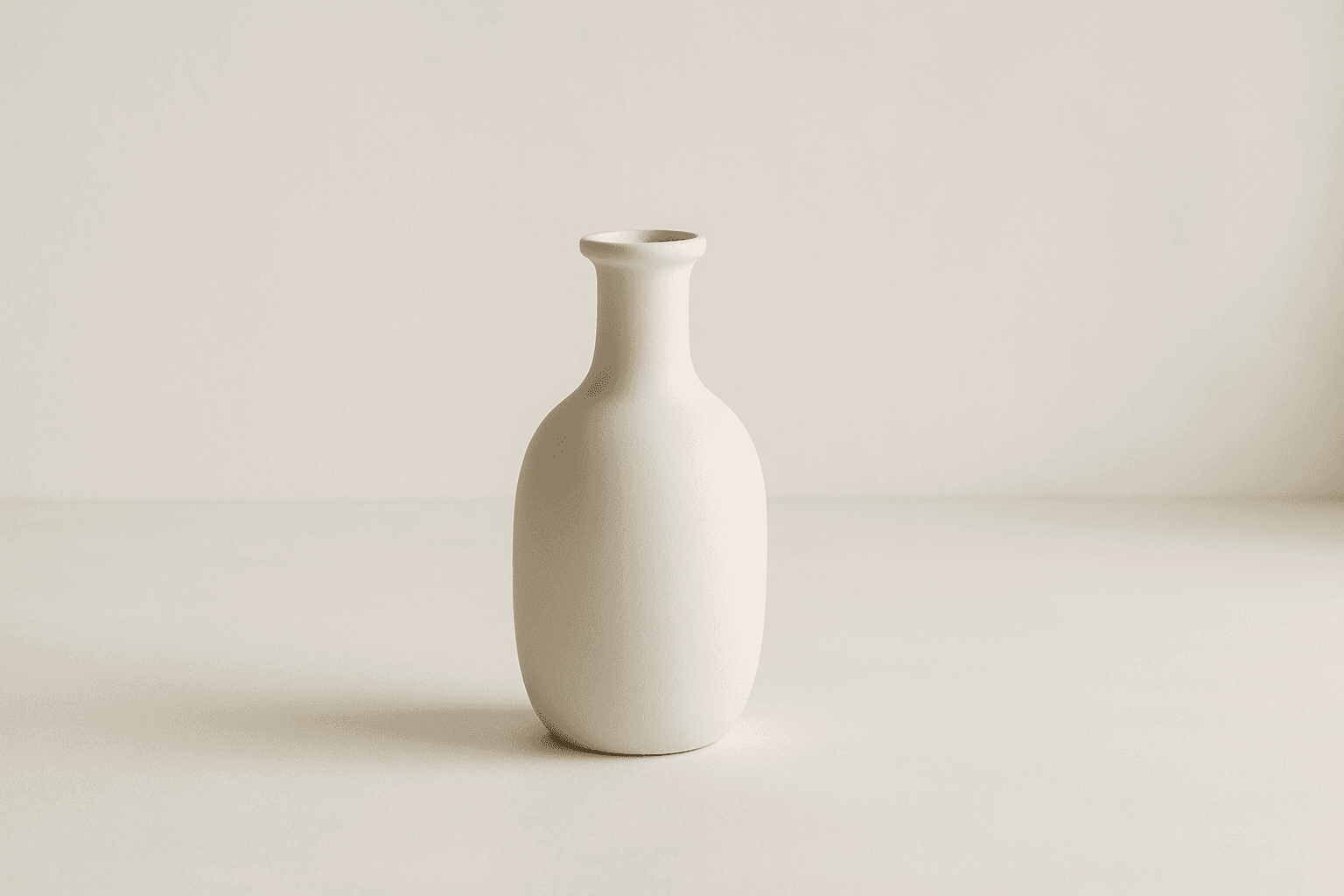
Negative Space Techniques
Negative space techniques are a fundamental compositional tool used to create balance and draw an audience's attention to the subject by embedding meaningful empty space around it. When applied in AI image generation, specifying negative space cues can lead to clean, organized visuals that feel spacious and intentional rather than cluttered. This approach helps guide AI models to distinguish foreground elements from backgrounds effectively, enhancing readability and artistry. Negative space also allows for subtle storytelling, as the voids themselves contribute to the overall message or mood.
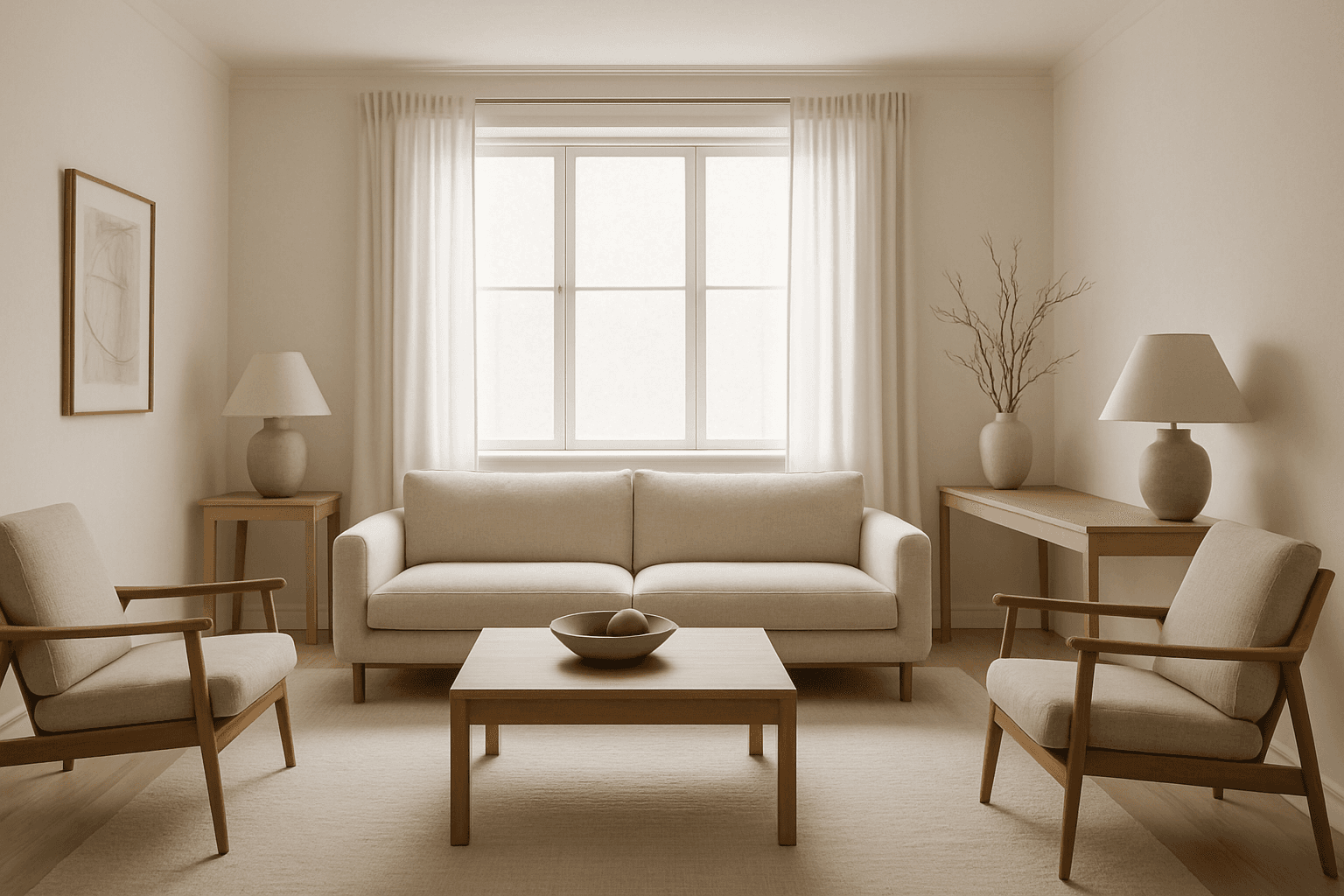
Visual Weight Balance
Visual Weight Balance is a fundamental principle in image composition that ensures harmonious distribution of visual elements across the frame. When crafting AI image prompts, emphasizing this keyword helps in generating images where objects, colors, and contrasts are allocated thoughtfully to prevent lopsided or cluttered scenes. Balanced visuals direct the viewer’s eye across the image naturally, creating a sense of calm and order. This balance is achieved by managing the size, color intensity, and positioning of elements so that no part overwhelms the rest. Using Visual Weight Balance in prompts is essential for editorial, product, or environmental imagery where clarity and coherence are crucial.

Dynamic Asymmetric Layout
Dynamic asymmetric layouts break away from the predictability of centered designs by introducing imbalance that attracts the viewer's eye across the composition. This style is widely used in editorial design, advertising, and digital media to convey energy, modernity, and sophistication. By emphasizing contrast and selective clustering, the layout guides attention strategically without relying on rigid balance. In AI image generation, specifying dynamic asymmetric layout in your prompt encourages the model to produce visually compelling scenes with elements arranged unevenly yet harmoniously, enhancing the overall narrative or mood of the image. This approach works particularly well for premium stock images and design headlines where a clean, polished look with subtle depth is desired.

Negative Space
Negative Space is the empty or quiet area around a subject. In AI prompts, it creates cleaner compositions and gives designers room for text, logos, or layout elements.