Organic Modern
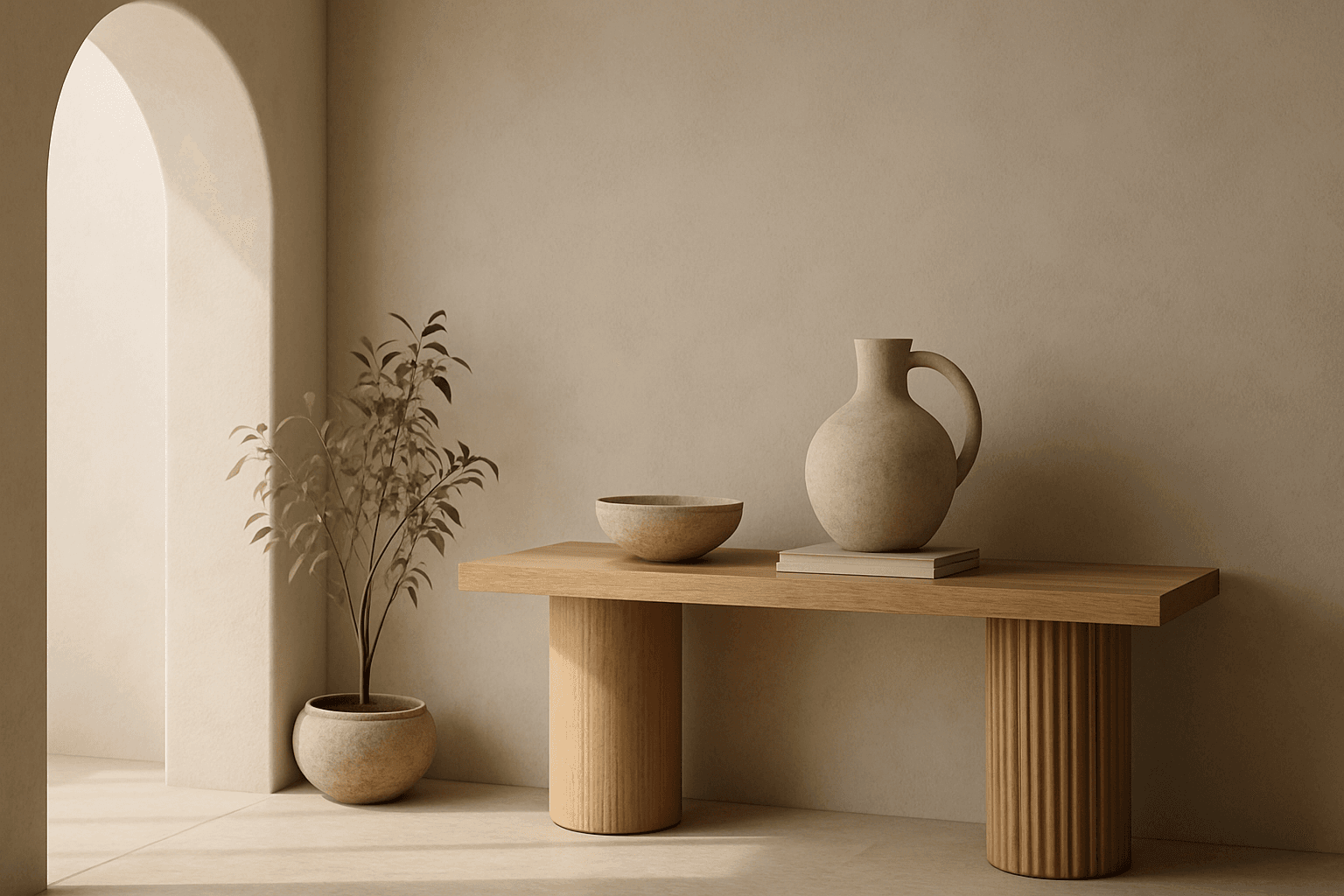
Organic Modern is a contemporary style that blends clean modern design with natural forms, earthy materials, warm neutrals, and tactile textures.
Definition
Organic Modern is a contemporary style that blends clean modern design with natural forms, earthy materials, warm neutrals, and tactile textures.
Visual Characteristics
- Stone, wood, linen, clay, plaster, curved forms, natural light, and earth tones.
- A balance of minimal composition and warm, human, nature-inspired materials.
- Popular in interiors, wellness branding, home decor, and premium lifestyle imagery.
Best Use Cases
- Interior design, spas, bathrooms, kitchens, furniture, ceramics, and wellness products.
- Brand images for natural beauty, sustainable products, hospitality, and home goods.
- Stock concepts about calm living, nature, premium simplicity, and tactile design.
Prompt Examples
- Organic modern bathroom interior with stone sink, earth tones, soft light, natural materials.
- An organic modern living room with curved sofa, plaster walls, wood table, warm neutral palette.
- A wellness product scene, organic modern styling, linen, stone, ceramic, soft shadows.
Adobe Stock Potential
Organic Modern has high stock potential because it matches current interior, wellness, and premium lifestyle trends. Use realistic materials and avoid overly staged perfection.
FAQ
How is organic modern different from minimalist?
Organic modern keeps simplicity but adds warmer natural textures and curved forms.
What materials fit organic modern prompts?
Stone, wood, linen, plaster, clay, ceramic, marble, and natural fibers.
Continue Exploring
Related Prompts
Japandi
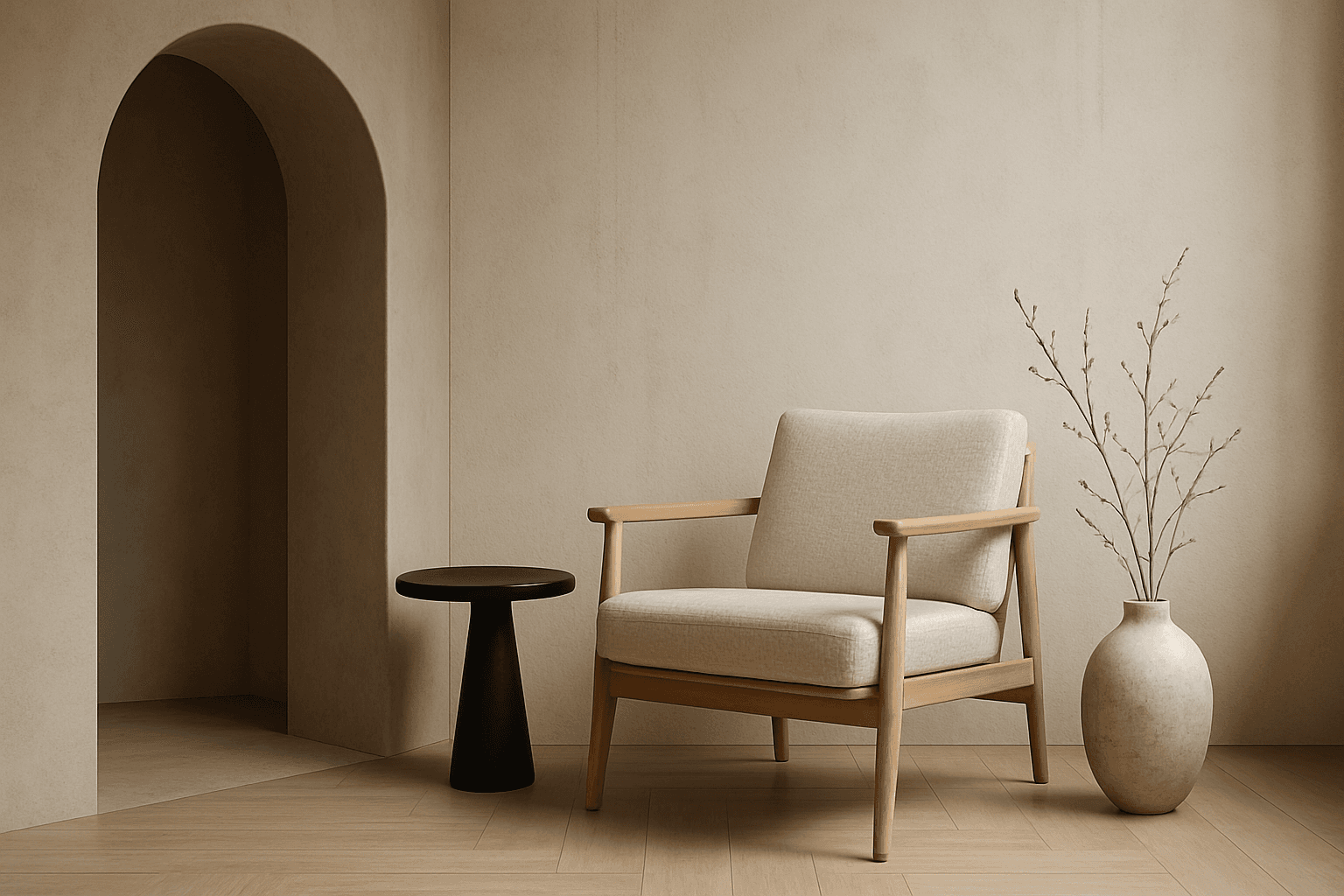
Japandi is a design style blending Japanese restraint with Scandinavian warmth. In AI prompts, it creates calm, natural, minimal interiors with refined materials.
Scandinavian
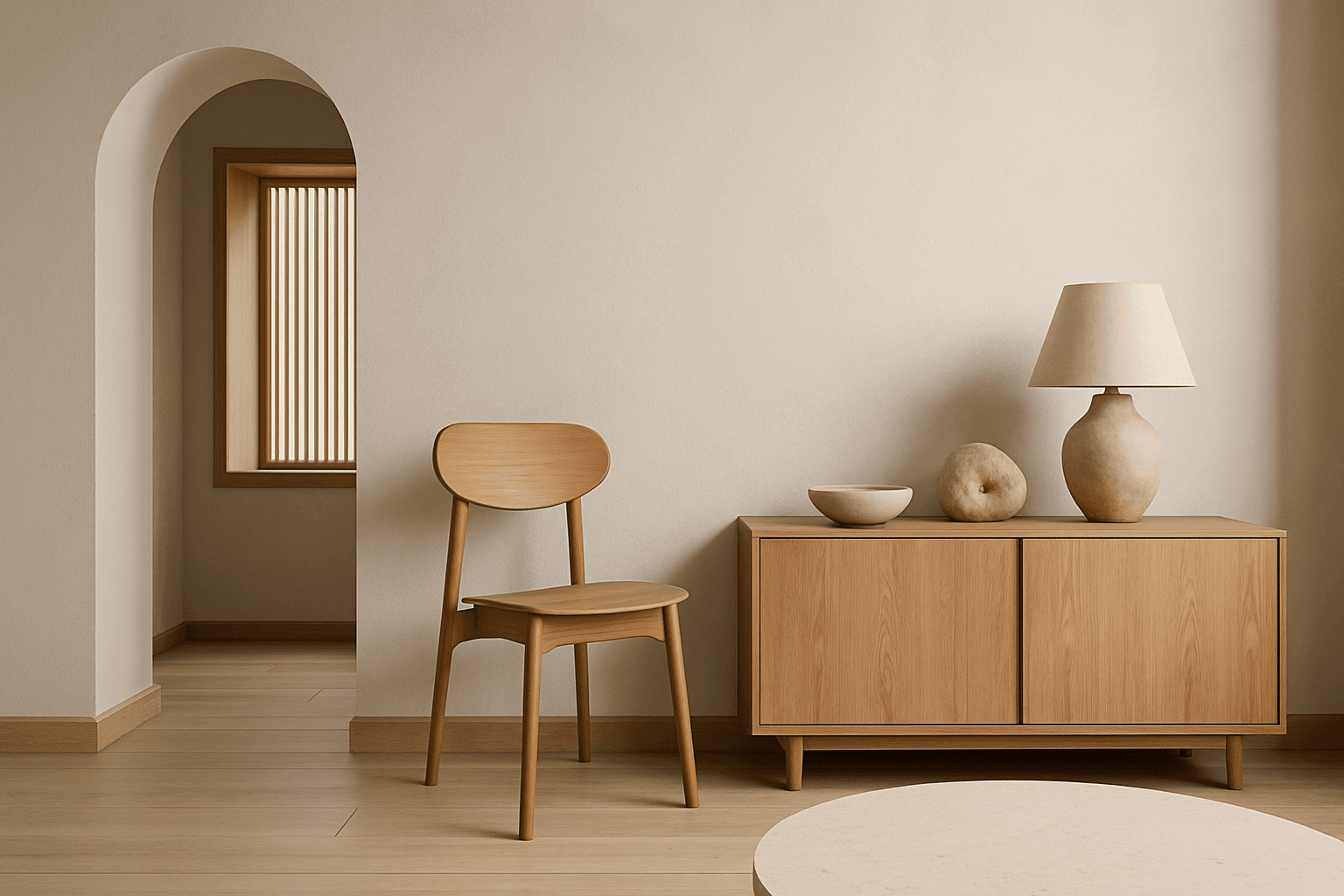
Scandinavian is a bright, functional design style using clean lines, pale wood, natural light, simple furniture, and practical warmth.
Mid Century Modern
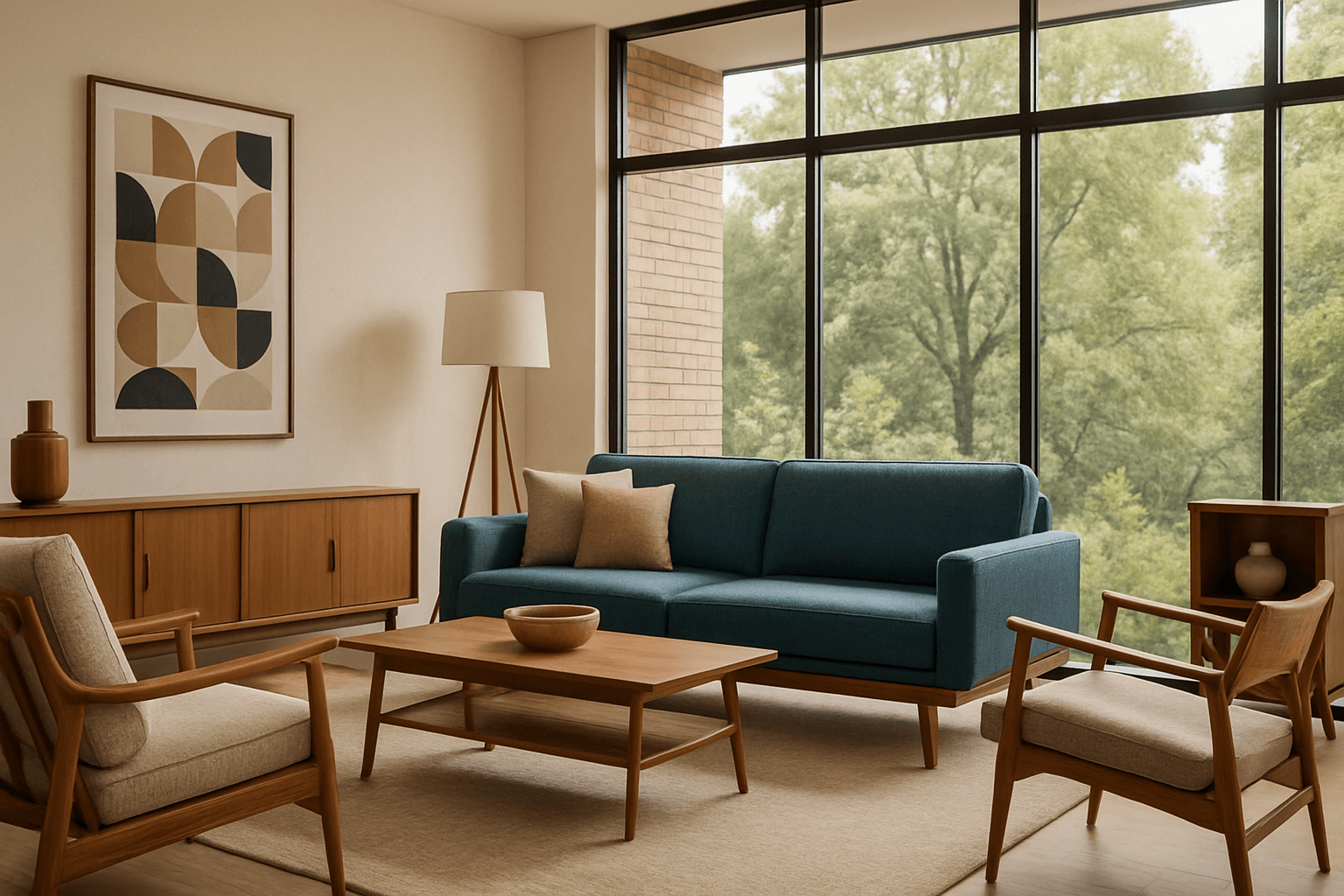
Mid Century Modern is a highly influential design style recognized for its minimalistic approach and timeless elegance. It emerged post-World War II and combines organic influences with technological advances, focusing on simplicity and functionality. The style uses natural materials such as wood, combined with sleek metals and glass to create warm yet modern environments. Its emphasis on clean lines, gentle curves, and open spaces continues to inspire designers across furniture, architecture, and graphic arts. For AI image generation, incorporating Mid Century Modern elements ensures visuals that are both stylish and universally appealing, reflecting a refined, yet approachable aesthetic.
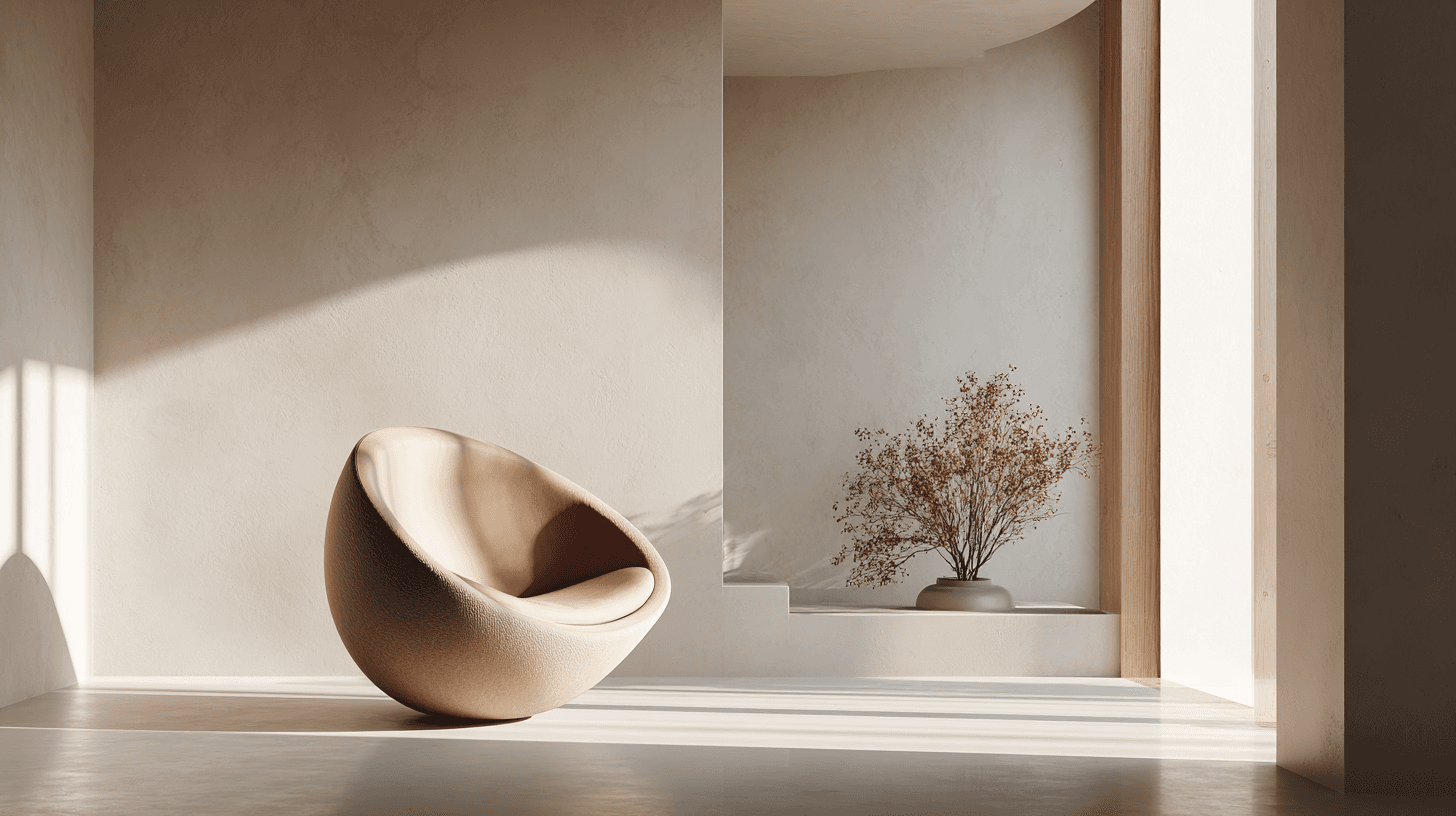
Minimalist
Minimalist is a style keyword that emphasizes simplicity, clarity, and restraint. In AI image prompts, it helps remove visual clutter and creates images that feel calm, modern, and easy to use in real design projects. A minimalist image usually has fewer objects, cleaner backgrounds, more negative space, and a clearer focal point. This makes it especially useful for commercial work because designers often need images that can support text, branding, or layout elements. For beginners, Minimalist is one of the best keywords to use when a generated image feels too busy, decorative, or hard to read.
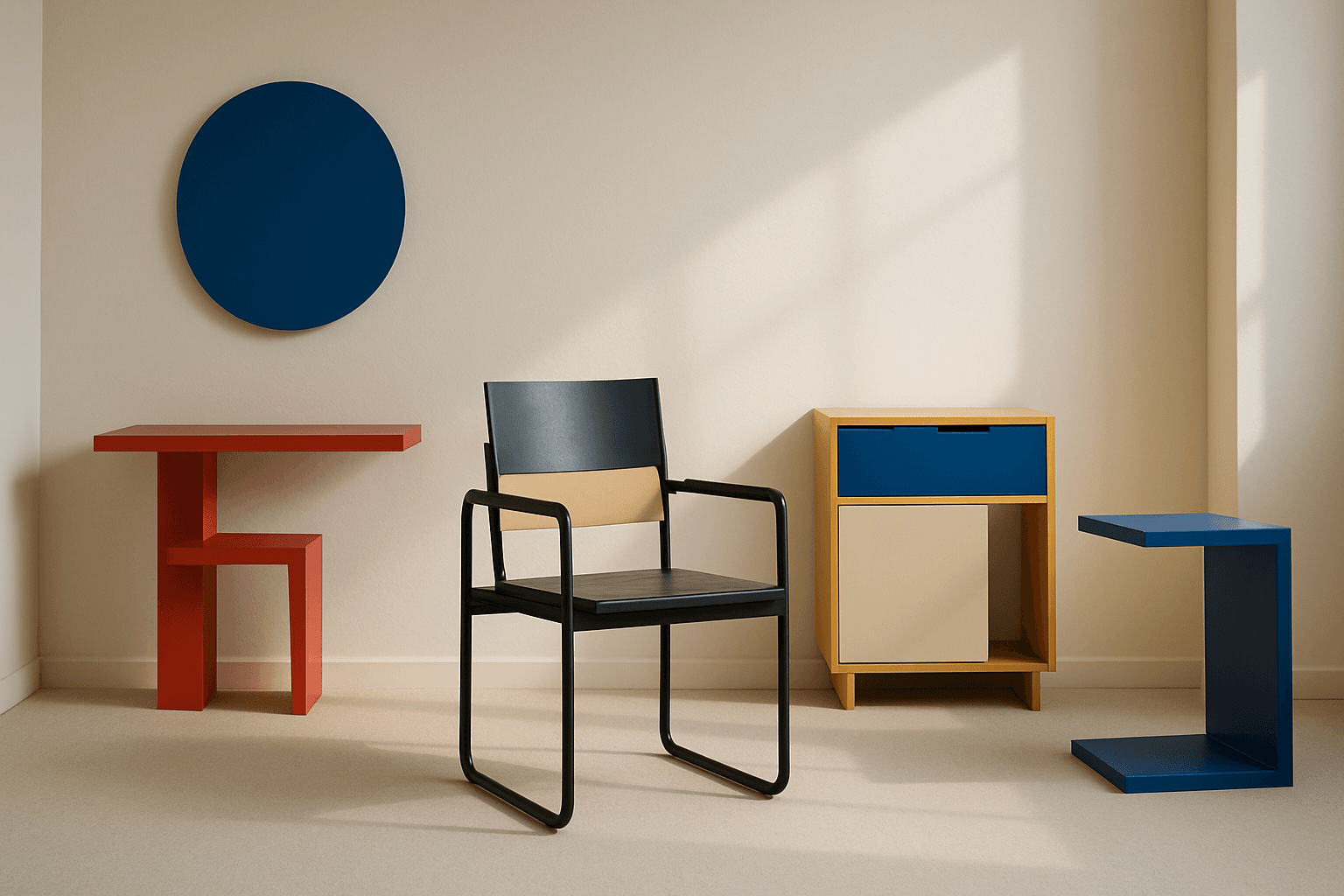
Modern Bauhaus Influence
The Modern Bauhaus Influence brings the legendary design ethos of the early 20th century into a contemporary context, making it a popular style choice for AI-generated visuals. It emphasizes minimalism, function, and simplicity, combining geometric clarity with modern materials and lighting. This results in images that feel structured yet fresh, suitable for editorial, architectural, and product visualization. Unlike traditional decorative styles, Bauhaus-inspired prompts prioritize usability and form, lending themselves well to sleek, professional outputs that communicate clarity and sophistication without excessive detail.
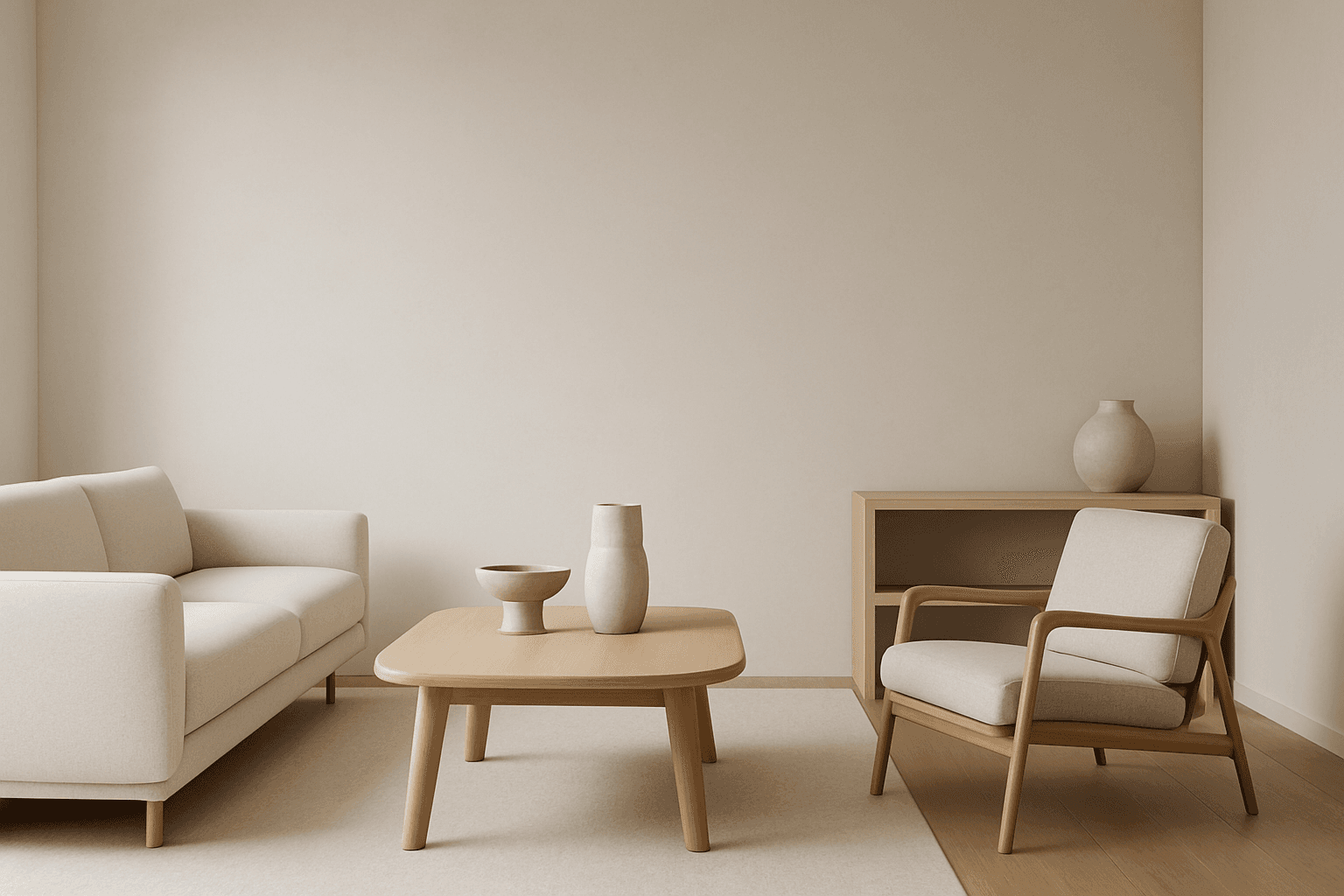
Minimalist Design Style
Minimalist design style is a popular artistic approach that strips visuals down to their fundamental components. It values functionality, clarity, and subtlety rather than embellishment. When used in AI image generation, it leads to creations with harmonious balance, simplicity, and impact. Minimalism favors sleek geometry, reduced ornamentation, and neutral or pastel color schemes. This style communicates sophistication and modern elegance, making it well suited for branding, editorial illustrations, product visuals, and architectural imagery. Adopting minimalist design in prompts guides AI to focus on essential shapes and textures, delivering images with visual calm and refined aesthetics.