Retro Futurism
Retro Futurism is a style that imagines the future through the visual language of the past, especially mid-century space age design, vintage technology, and optimistic poster art.

Definition
Retro Futurism is a style that imagines the future through the visual language of the past, especially mid-century space age design, vintage technology, and optimistic poster art.
Visual Characteristics
- Vintage shapes, space age curves, limited palettes, grain, poster design, and nostalgic sci-fi forms.
- Feels playful, imaginative, nostalgic, and future-facing at the same time.
- Often uses warm colors, pastels, bold typography-like shapes, and clean geometry.
Best Use Cases
- Poster art, editorial illustrations, packaging concepts, merchandise, and entertainment visuals.
- Travel posters for imaginary destinations, space themes, and vintage-inspired campaigns.
- Stock concepts about nostalgia, imagination, innovation history, and playful futurism.
Prompt Examples
- A retro futurism travel poster for a moon hotel, pastel colors, clean geometry, vintage print style.
- A retro futuristic kitchen with rounded appliances, warm color palette, 1960s space age design.
- A retro futurism robot assistant illustration, muted colors, grain texture, editorial poster style.
Adobe Stock Potential
Retro Futurism can be valuable for editorial, merchandise, posters, and themed campaigns. Avoid imitating specific copyrighted franchises or recognizable historic brands.
FAQ
What eras inspire retro futurism?
Mid-century modern, space age, early computer culture, and vintage science fiction are common references.
How do I keep retro futurism commercial?
Use generic shapes, clean composition, and avoid copyrighted characters or logos.
Continue Exploring
Related Prompts
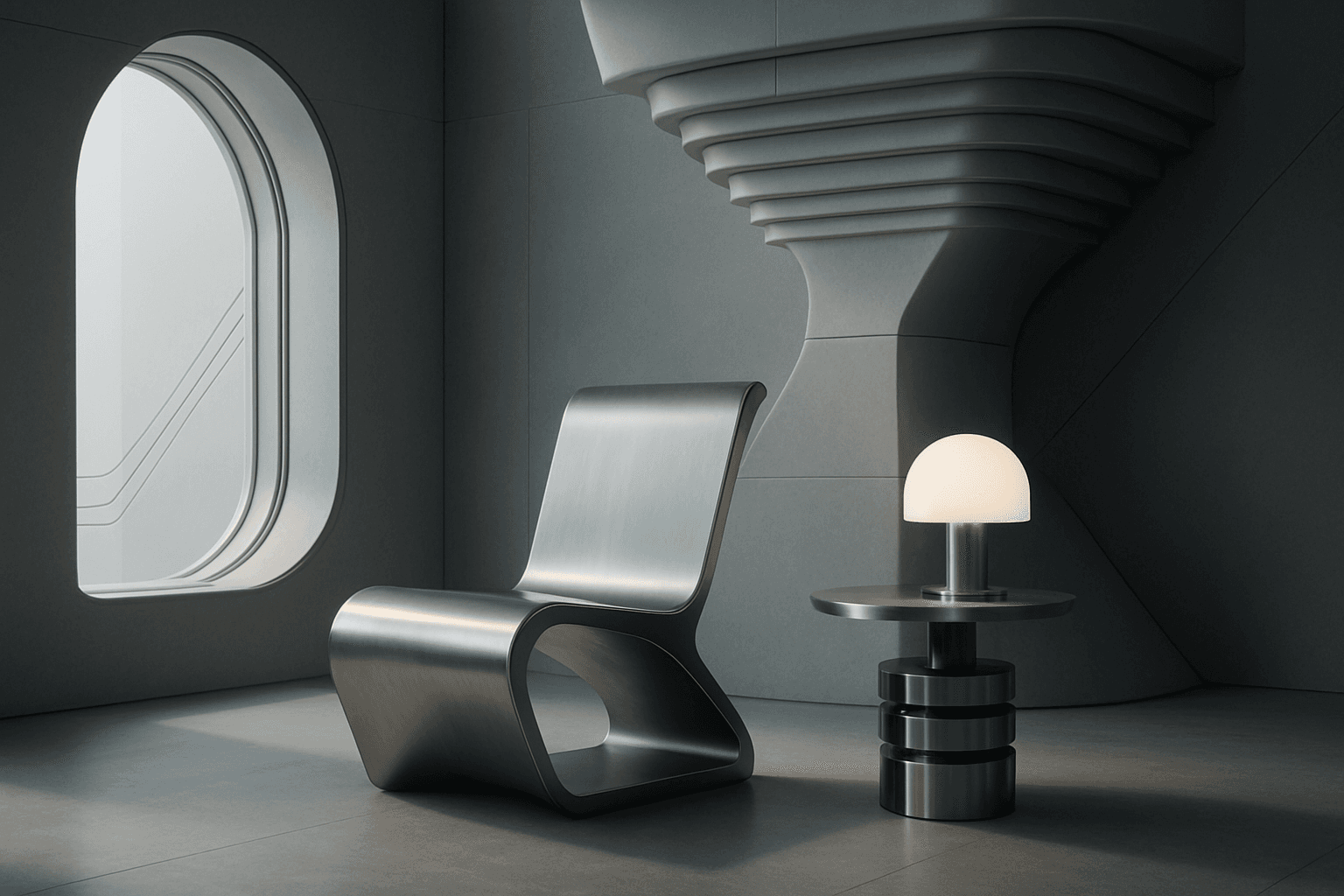
Futuristic
Futuristic is a style keyword for images that suggest advanced technology, sleek design, innovation, and forward-looking environments.
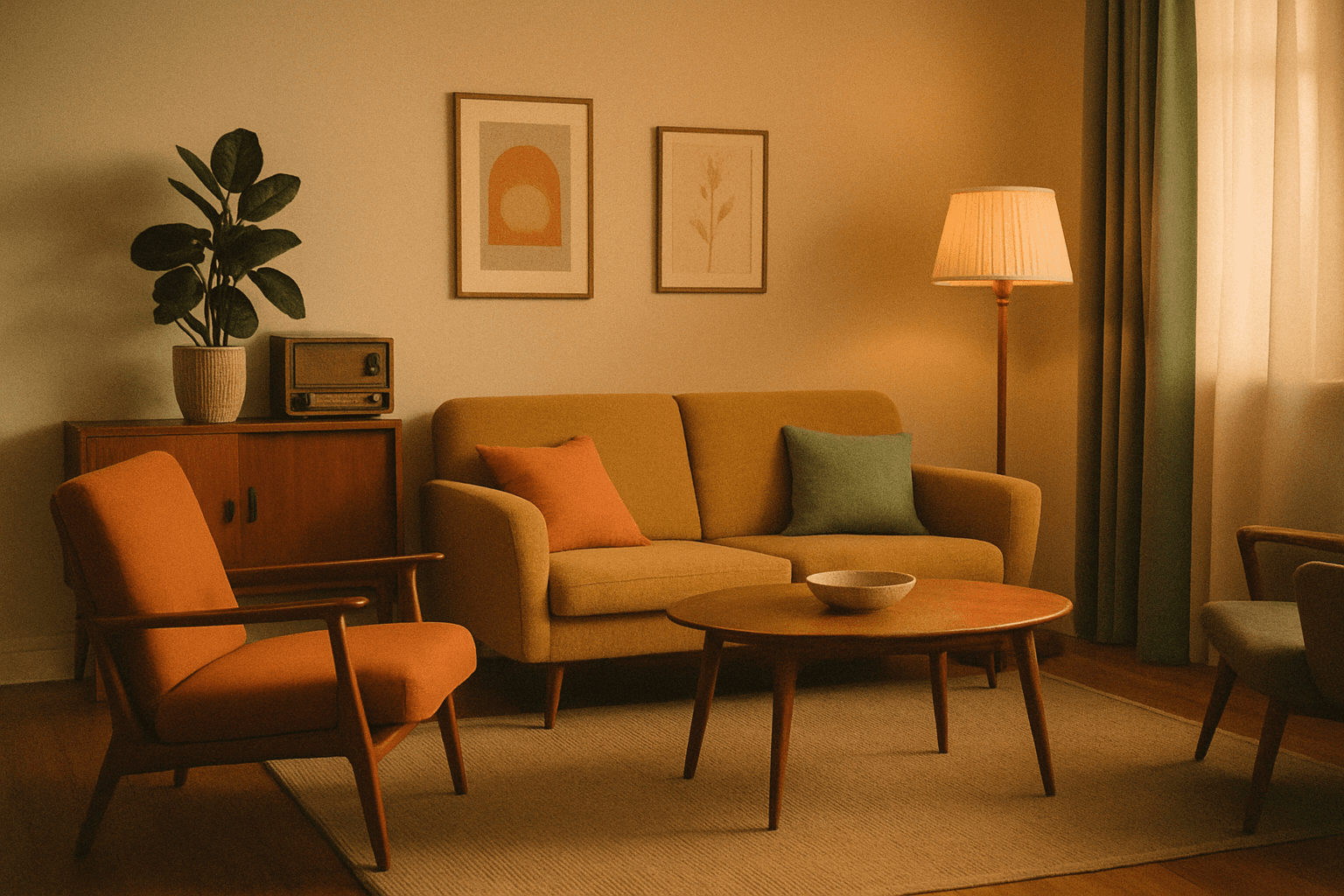
Retro Vintage Style
Retro Vintage Style captures the essence of eras past, typically the 1950s through the 1970s, using iconic design traits that evoke nostalgia and warmth. By incorporating this style into AI image prompts, creators can produce images that appear timeless and charming, reflecting the aesthetics popular in mid-century advertising, fashion, and interior decor. The style applies to various subjects, including portraits, product visuals, and environments, often featuring subtle aging effects and color palettes unique to the period. This approach is ideal when a classic, sentimental tone is desired that contrasts with modern minimalism or hyperrealism.
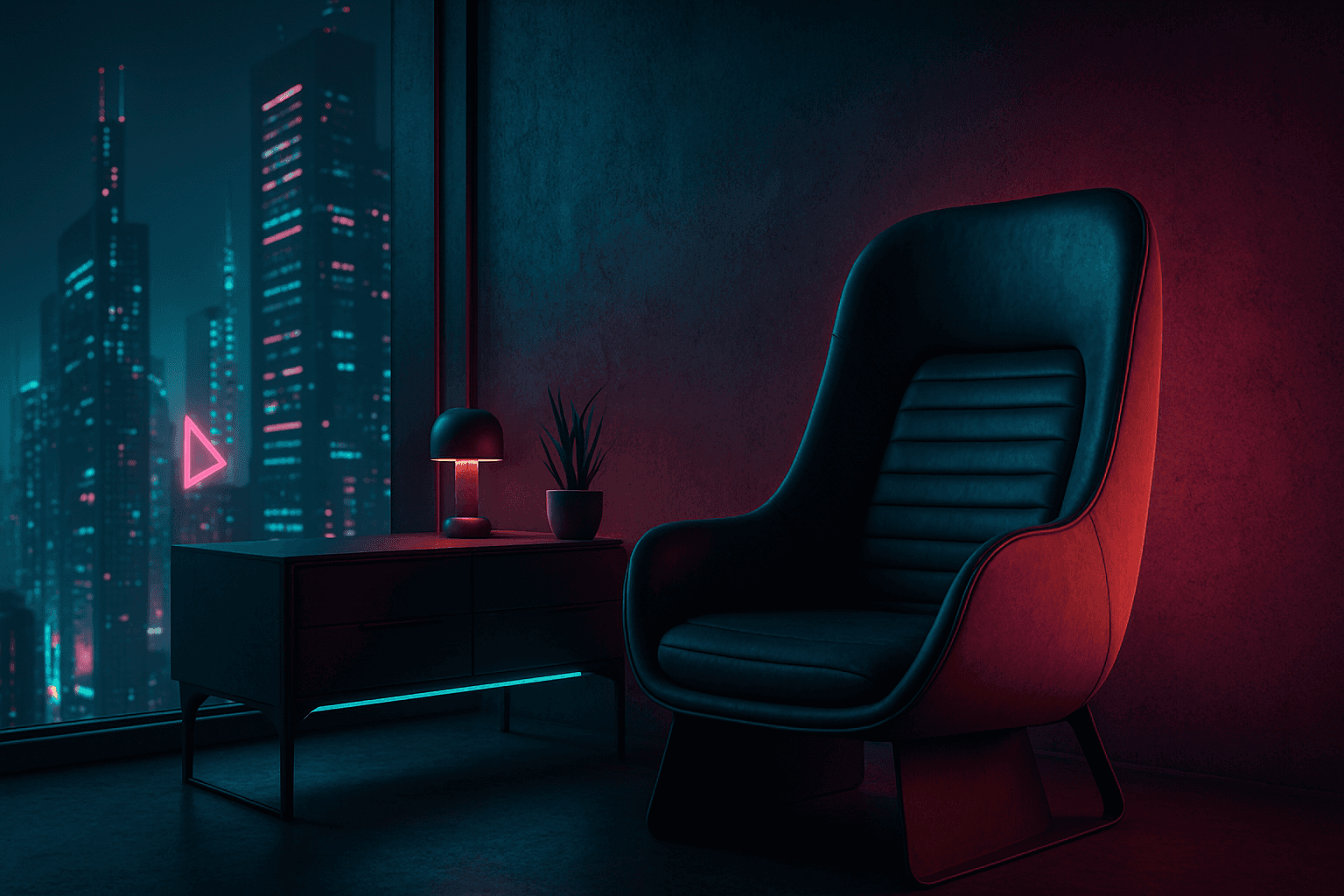
Cyberpunk
Cyberpunk is a futuristic urban style combining advanced technology, neon lighting, dense cities, rain, signage, and a darker sci-fi mood.
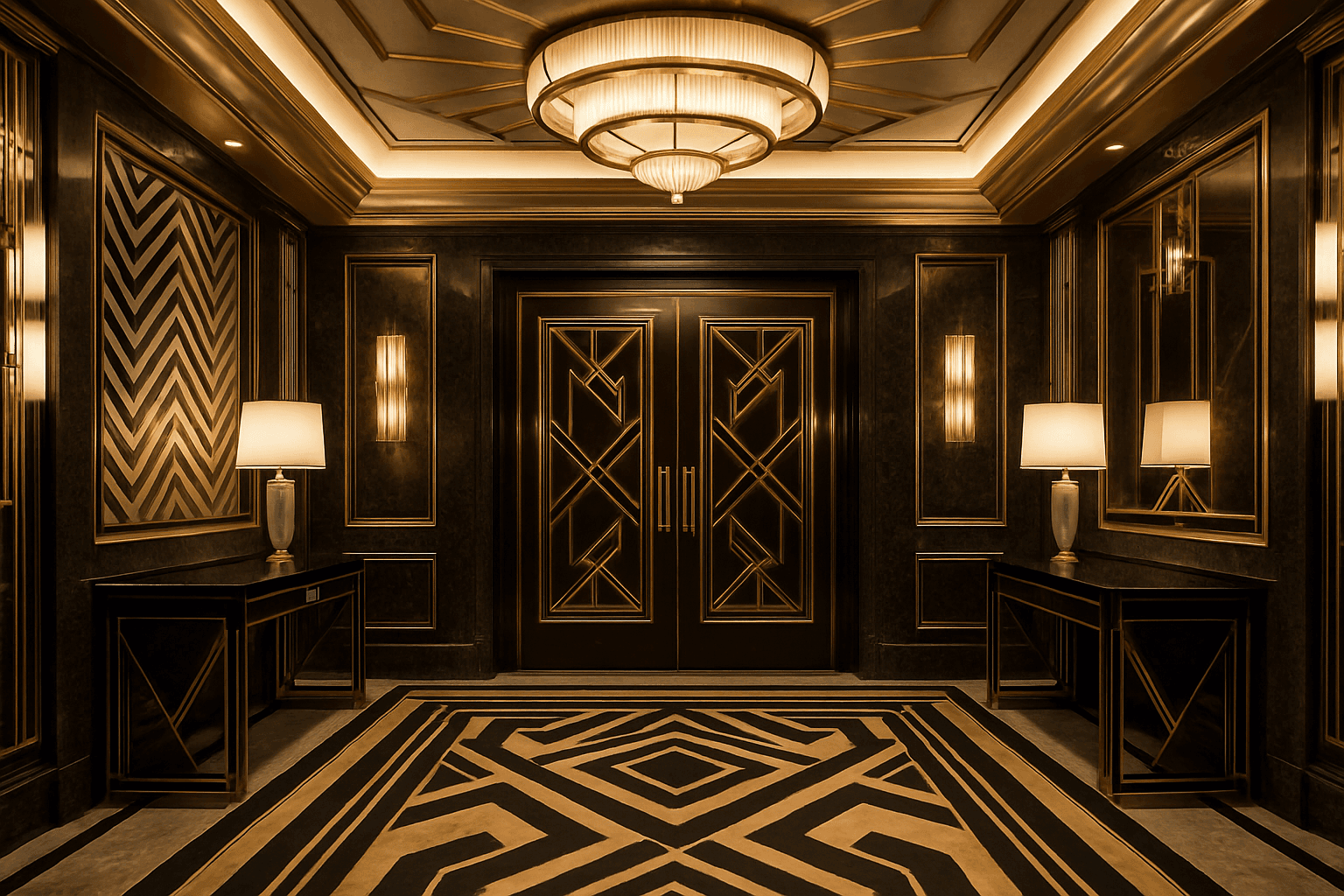
Art Deco
Art Deco is a defining style of the early 20th century, merging modern techniques with opulent aesthetics. It influences architecture, fashion, graphic design, and interior decoration, emphasizing clean lines, decadence, and a futuristic feel. While rooted in the industrial age, Art Deco reflects optimism and luxury, often incorporating motifs inspired by technology, nature, and ancient cultures. Its distinctive approach offers both elegance and dynamic visual rhythm, making it iconic in design history and continually inspiring contemporary creatives.

Flat Graphic Style
The Flat Graphic Style is a popular design approach that emphasizes simplicity and clarity. It removes three-dimensional effects like shadows and highlights, focusing on clean, bold shapes and monochromatic or limited color palettes. This style is widely used in digital and print media for its readability and modern aesthetic. When used in AI prompt engineering, it guides the image generation toward compositions that look graphic and stylized rather than photorealistic. This makes it ideal for editorial illustrations, icons, and various branding materials where clarity and impact are essential.

Graphic Line Art Style
Graphic Line Art Style is a visually striking illustration approach emphasizing clarity and simplicity through well-defined lines. It focuses on outlining forms with precision and minimalistic detail, avoiding heavy shading or elaborate color schemes. This style is popular in editorial illustrations, logos, and iconography due to its crisp readability and modern aesthetic. When incorporated into AI image prompts, it directs the model to produce minimalist visuals that can easily adapt to various themes while maintaining a clean, graphic look. Its simplicity makes it versatile for both monochrome and limited color compositions, suitable for branding, presentations, and artistic sketches where impact comes from form rather than texture or color richness.