Stock Photography Portraits
Stock photography portraits are essential in marketing, advertising, and editorial contexts because they provide universally relatable images of people. When generating AI images, including this keyword informs the model to produce polished, realistic human portraits that fit commercial use standards, such as clear faces, expressive but subtle emotions, and professional lighting. These portraits avoid extreme stylization, favoring naturalism and approachability, which makes them valuable for a variety of purposes including website hero images, brochures, and social media campaigns. The keyword helps the AI balance realism with aesthetic appeal, ensuring images are versatile across industries and demographics.

Definition
Stock photography portraits are digitally generated images that emulate the style and quality of commercially licensed professional portraits. Including this keyword in AI image prompts adjusts the focus toward creating realistic, versatile photos of people that can fit various commercial and editorial needs. These images prioritize clear depiction of subjects with neutral to welcoming expressions, professional lighting, and simple backgrounds, making the final image usable across multiple industries without customization.
Prompt Formula
To craft effective prompts using 'Stock Photography Portraits', combine descriptors to emphasize realism, lighting, and composition. Example formula: [Subject description] + [Emotion or expression] + [Lighting style] + [Background type] + "stock photography portraits" + [additional details] Example: "Portrait of smiling middle-aged woman, soft natural light, clean white background, stock photography portraits, high resolution". This formula ensures outputs meet commercial portrait standards.
- Subject + emotion + lighting + background + 'stock photography portraits' + resolution/detail
- Use adjectives like 'natural', 'soft', 'professional' to describe lighting
- Include subject diversity descriptors: age, ethnicity, gender for variety
- Specify background simplicity to avoid distraction
- Add camera-style details (e.g., 'shallow depth of field') to enhance realism
Best Use Cases
Using the 'Stock Photography Portraits' keyword works best in specific scenarios where polished, realistic human images are needed for broad commercial appeal.
- Corporate headshots and professional profile pictures
- Marketing materials emphasizing trust and approachability
- Editorial articles illustrating human interest or business topics
Common Mistakes
Beginners often overuse stylistic adjectives with this keyword, leading to unnatural images that feel overly posed or artificial. Another pitfall is including cluttered or complex backgrounds that distract from the subject, reducing commercial utility. Additionally, neglecting to specify subject diversity can result in repetitive or biased outputs. Avoid mixing fantasy or artistic portrait styles which conflict with the natural, professional look expected from stock portraits.
- Using conflicting style terms like 'surreal' or 'fantasy' with stock photography portraits
- Adding busy backgrounds instead of simple, neutral settings
- Failing to diversify subjects, causing repetitive imagery
- Inserting broad lighting terms without specifying 'soft' or 'natural' leading to harsh shadows
Advanced Techniques
Experienced users can enhance prompt quality by combining 'Stock Photography Portraits' with lighting and camera-specific terminology such as 'Rembrandt lighting' or '85mm lens, shallow depth of field' to simulate professional photography. Including ethnicity, age range, and emotion yields targeted, authentic portraits. For subtle variations, add style refinements like 'warm color grading' or 'slight vignette' without overpowering the natural look. Constraints like 'no logos, no text, clean background' ensure commercial usability.
- Combine with photographic techniques (e.g., 'softbox lighting', 'natural window light')
- Specify demographic and emotional traits precisely
- Use camera lens and aperture descriptors for depth realism
- Add post-processing adjectives such as 'color graded', 'high resolution'
- Explicitly exclude elements with 'no logos', 'no text' to maintain commercial clarity
Professional Workflow
Start by clearly defining the subject demographics and desired mood for your stock portrait. Craft a precise prompt using the formula combining subject detail, lighting, and background elements with 'stock photography portraits.' Generate multiple variations to compare composition and expression quality. Select images with natural, approachable looks and clean backgrounds. Refine if needed by adjusting prompt details for lighting or pose variations. Finally, verify images meet commercial guidelines including lack of recognizably branded items and appropriate resolution.
Related Styles
'Stock Photography Portraits' complements several adjacent prompt styles ideal for different commercial and editorial portraiture approaches. These include 'Corporate Headshots' for business-focused images with formal attire and direct eye contact, 'Lifestyle Portraits' which add casualness and environmental context, and 'Editorial Portraits' that focus on storytelling with artistic lighting and poses. Blending elements from these styles creates versatile AI-generated images adaptable to various content needs.
- Corporate Headshots for formal business portraits
- Lifestyle Portraits emphasizing candid, natural environments
- Editorial Portraits with creative lighting and narrative composition
FAQ
How can I ensure diversity in AI-generated stock photography portraits?
Include specific demographic details such as age, gender, ethnicity, and sometimes cultural attire explicitly in your prompt. This guides the AI to produce varied representations, reflecting a broad range of subjects suitable for diverse commercial applications.
What’s the best way to avoid artificial-looking portraits?
Use descriptors like 'natural lighting', 'soft shadows', and avoid overly stylized or fantasy-related terms. Request subtle facial expressions and realistic skin textures to capture lifelike images consistent with professional stock photography standards.
Continue Exploring
Related Prompts
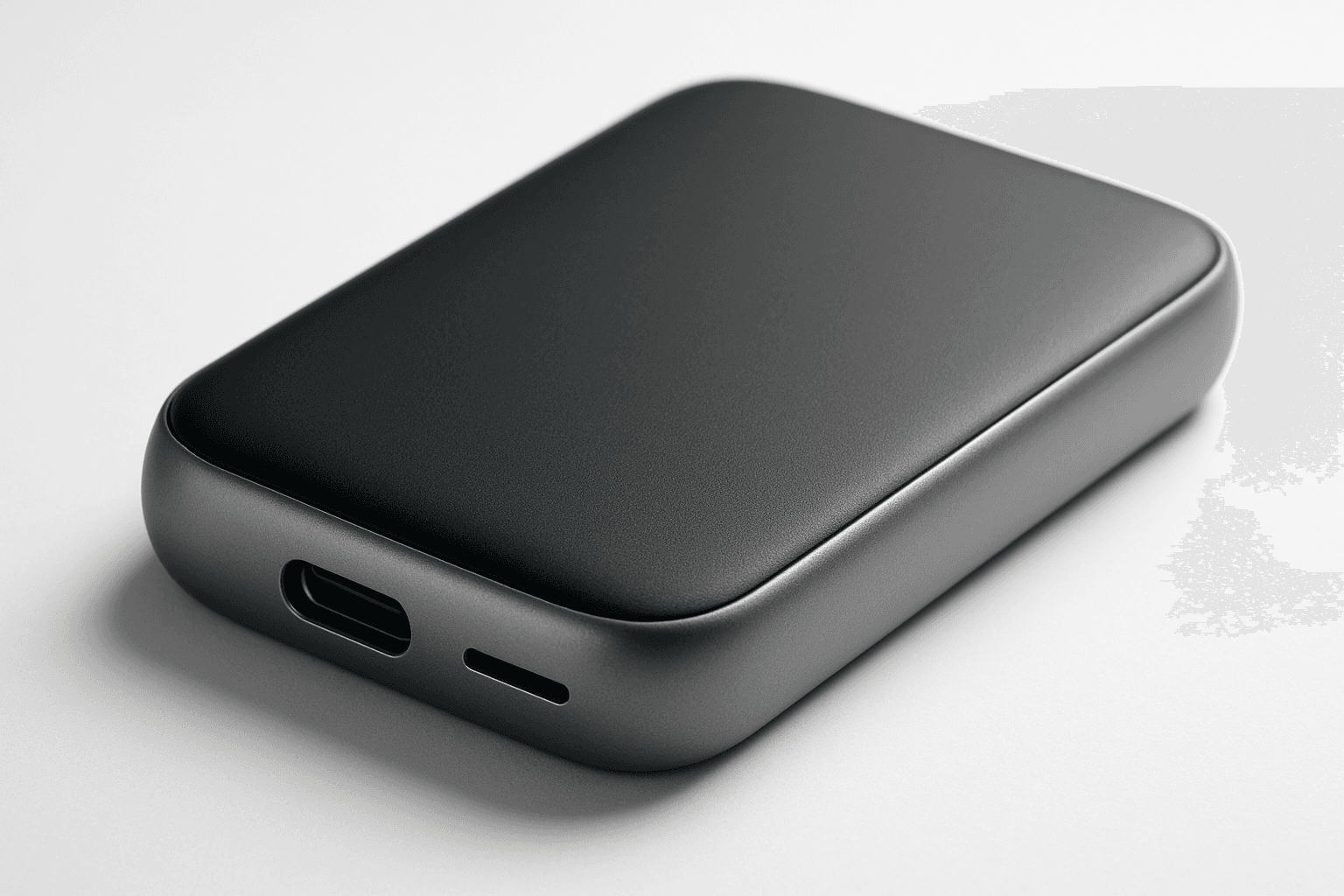
Studio Product Photography
Studio product photography is a popular keyword in AI-generated imagery for showcasing products in a professional, high-quality manner. It emphasizes clarity, precise lighting, and minimalistic composition to reproduce the polished look of commercial studio shots. Using this keyword helps to create images perfect for advertising, ecommerce, and editorial uses where the product's details and features need to stand out precisely and attractively. The style typically involves neutral backgrounds, soft shadows, and realistic textures, ensuring the product is the visual focus without any distractions or stylization that could detract from its presentation.

Stock Photo Editorial Use
Stock photo editorial use is a crucial keyword in AI image generation, especially for creators aiming to produce images suitable for journalistic and editorial content. These images often demand authenticity, contextual relevance, and subtle storytelling elements without overt commercial cues. Incorporating this keyword influences the AI to generate visuals that align with publication standards, avoiding promotional tones or artificial enhancements that could mislead viewers. This makes such images ideal for articles, reports, and blog posts where credibility and clarity are paramount. By understanding stock photo editorial use, content creators can effectively tailor AI prompts to generate images that enhance narrative quality and comply with editorial licensing requirements.

Website Hero Background
Creating a website hero background with AI involves generating a visually striking image that sets the tone for the whole site. These images typically span the full width of the page and must balance aesthetic appeal with clear space for overlaying text or buttons. By guiding AI prompts with the 'Website Hero Background' keyword, designers can generate images that feature clean editorial compositions, realistic lighting, and subtle depth, ensuring they integrate seamlessly into commercial websites. The style emphasizes premium polish similar to high-quality stock photos, removing distractions like text or logos. This approach supports versatile use across various industries, maintaining professionalism and visual harmony.

Editorial Lifestyle Photography
Editorial lifestyle photography combines the authenticity of candid moments with the polish of professional editorial imagery. It focuses on telling relatable stories through visuals, often featuring people engaged in daily activities but styled and lit with attention to detail. Using this keyword in AI image prompts shifts outputs towards well-composed scenes that feel natural yet visually sophisticated. This style is ideal for commercial clients who want to connect emotionally with their audience through believable, aspirational imagery. The prompt encourages a blend of realism and artistry, ensuring images are both genuine and visually compelling for magazines, advertising, and social media content.

Product Photography Guidelines
Product Photography Guidelines serve as a foundational element when crafting AI prompts for commercial product images. They guide the AI to replicate classic photographic techniques—such as clean compositions, premium lighting setups, and subtle depth of field—to emphasize the product as the main subject. These guidelines help avoid clutter and ensure materials look realistic, which is crucial for marketing, ecommerce, and editorial photography. Applying these principles in prompts results in images that look polished and professional, suitable for high-end stock image platforms and advertising campaigns.

Stock Image Marketing Use
Incorporating the keyword 'Stock Image Marketing Use' into your AI image prompts ensures the generated visuals are optimized for commercial marketing applications. This keyword steers the AI towards producing images that embody clarity, professionalism, and adaptability—qualities essential for effective marketing content. It emphasizes a modern, polished aesthetic with clean compositions and realistic textures, suitable for hero images, website banners, or promotional materials. Utilizing this keyword helps designers and marketers quickly obtain images that resonate with target audiences and align with brand standards, eliminating the need for extensive post-processing or adjustments.