Symmetrical Balance Design
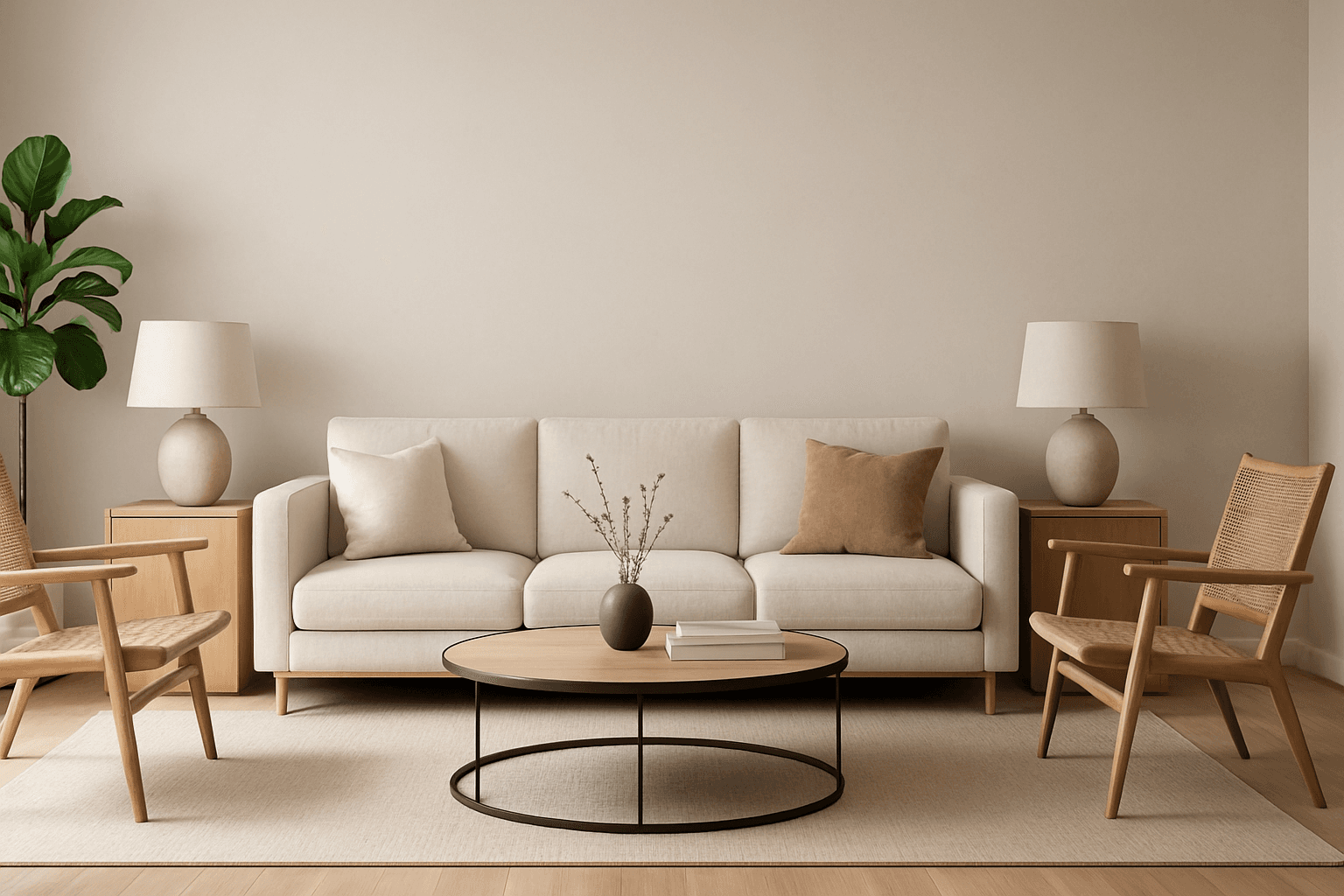
Symmetrical Balance Design is a foundational principle in visual composition, emphasizing harmony and equilibrium by mirroring elements across a central line. When incorporated into AI image prompts, it guides the model to generate images that feel orderly and balanced, appealing especially to designs that require calmness and formal structure. This design approach is commonly applied in architecture, product photography, and graphic design to evoke stability and professionalism. By using symmetrical balance, AI-generated images achieve a refined aesthetic often valued in editorial and commercial visuals, enhancing clarity and visual impact with polished, realistic materials and subtle depth.
Definition
Symmetrical Balance Design is the arrangement of visual elements so that they are evenly balanced on either side of a central axis. This creates a mirror effect that conveys harmony and equilibrium. In AI image prompting, including 'symmetrical balance design' guides the AI to structure the image with formal, organized compositions that appear visually stable and clear. This foundational principle helps generate images with a professional and polished appearance suitable for many design needs.
Visual Characteristics
- Elements equally spaced on left and right sides creating mirror symmetry
- Clear central axis with repeated or reflected forms
- Overall appearance is stable, calm, and orderly without visual tension
Prompt Formula
Use 'symmetrical balance design' alongside descriptors of environment, lighting, and subject to build effective prompts. Combine with scene details to focus AI generation on balanced compositions. Example formula: [Subject] + symmetrical balance design + [lighting style] + [material finish] + [composition style] This pattern helps produce refined images emphasizing clean editorial composition with natural or premium lighting.
- [Subject] with symmetrical balance design, soft natural lighting, realistic materials
- Symmetrical balance design, modern architectural interior, high detail, daylight
- Editorial photo with symmetrical balance design, studio lighting, subtle depth
Best Use Cases
- Ecommerce product imagery emphasizing clear, balanced presentation
- Architecture or interior visuals showcasing formal design layouts
- Editorial hero images requiring appealing and orderly composition
Creative Variations
To introduce variety while maintaining symmetrical balance, alter lighting (golden hour, dramatic shadows), color palettes (monochrome, vibrant accents), or subject matter (organic versus geometric forms). Experiment with camera angles that preserve symmetry but add depth, or mix symmetrical balance with minimalistic backgrounds for a fresh look.
- Warm golden hour lighting for softer symmetry
- Monochromatic color schemes with symmetrical forms
- Symmetrical geometric shapes contrasted with organic textures
Industry Applications
- Advertising campaigns requiring strong, trustworthy visuals
- Ecommerce platforms needing clean product display images
- Interior design portfolios showcasing balanced space arrangements
Common Mistakes
One frequent error is forcing symmetry with elements that do not naturally balance, making the image feel staged or artificial. Overusing symmetry without variation can lead to monotonous images lacking interest. Avoid clutter on one side or inconsistent lighting that breaks the balance. To stay authentic, pair symmetrical layouts with subtle asymmetrical details or textured materials to maintain visual intrigue.
- Forcing symmetry on incompatible subjects causes awkward images
- Ignoring lighting consistency breaks perceived balance
- Overuse leading to repetitive and dull compositions
FAQ
How does symmetrical balance differ from asymmetrical balance?
Symmetrical balance arranges elements equally on both sides of a central axis, creating mirror-like harmony, while asymmetrical balance achieves equilibrium through varied visual weights without exact mirroring.
Can symmetrical balance be combined with other composition principles?
Yes, combining symmetrical balance with principles like the rule of thirds or the golden ratio can add complexity and visual interest while maintaining harmony.
Continue Exploring
Related Prompts

Symmetrical Balance Composition
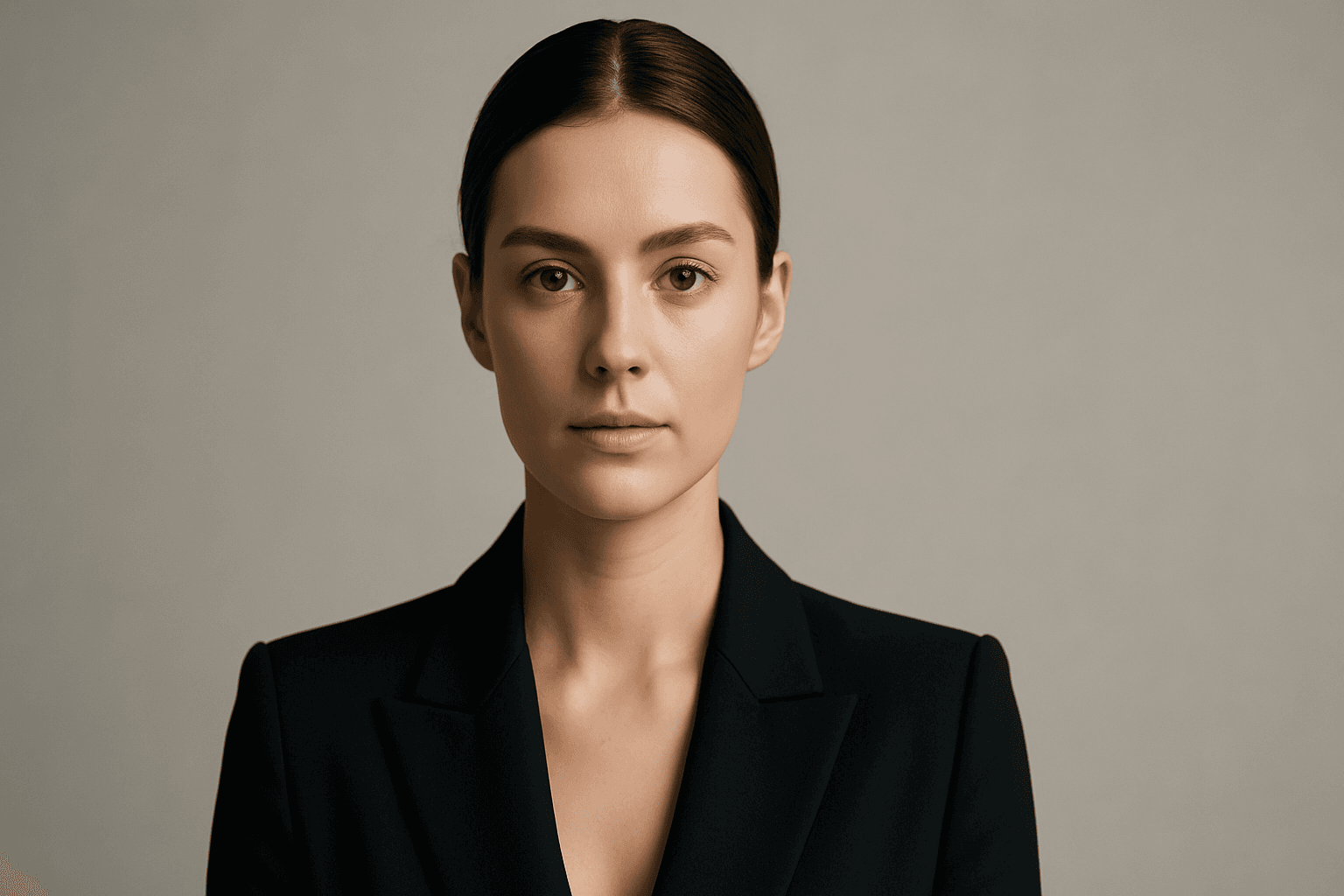
Symmetrical balance composition is a fundamental principle that ensures an image's elements are arranged so both sides mirror each other, giving the viewer a sense of harmony and equilibrium. This approach can be particularly powerful in AI image generation for crafting outstanding visuals that feel orderly and intentional. By specifying symmetrical balance in prompts, creators can achieve polished layouts that emphasize clarity and calmness, often suitable for editorial, commercial, and artistic needs. The balanced nature brings focus and often highlights a central subject elegantly, making images instantly engaging and aesthetically pleasing.
Symmetrical Balance Layout
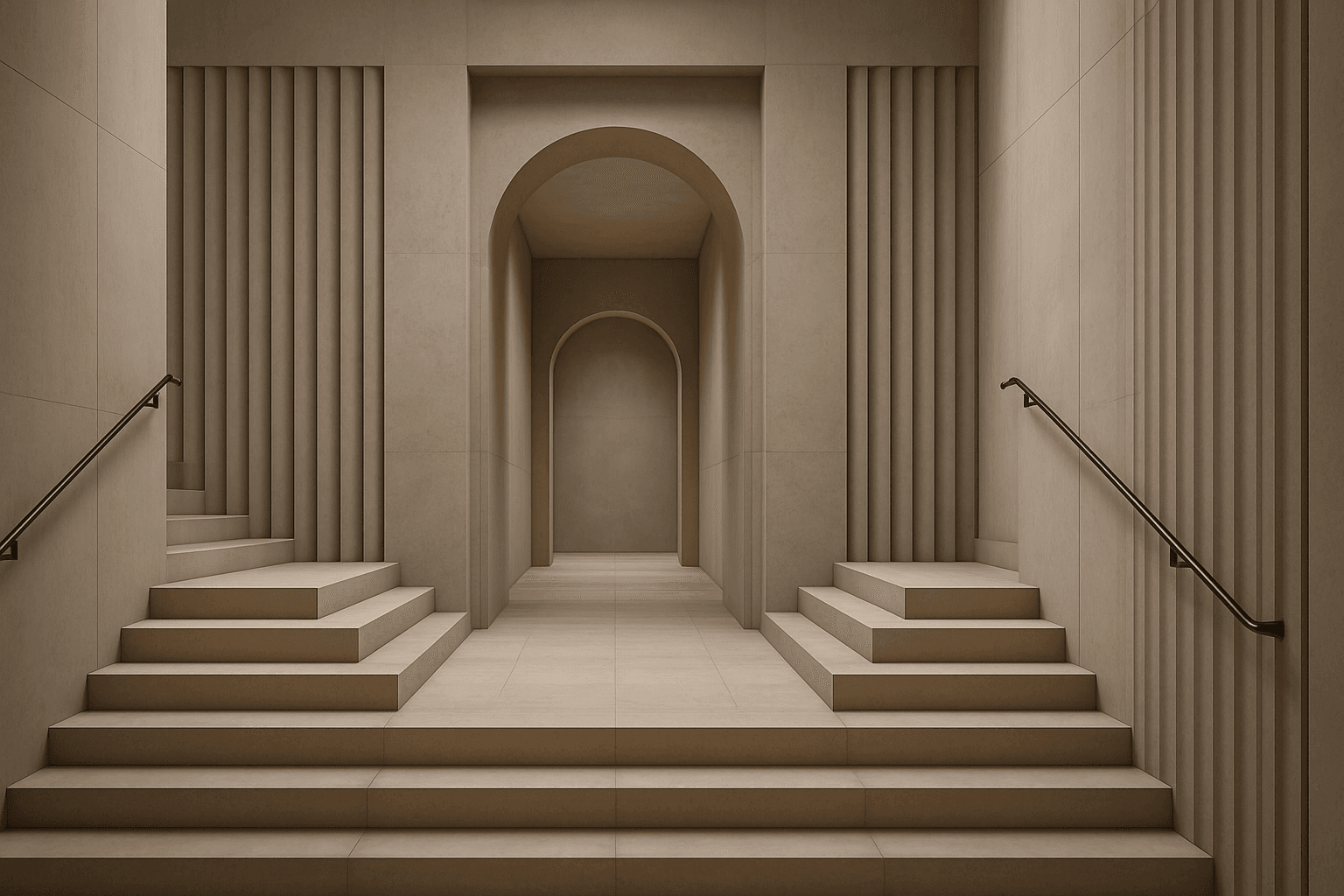
Symmetrical Balance Layout is a foundational principle in visual composition that organizes imagery so that both halves reflect one another, conveying stability and formality. When included in AI image prompts, it instructs generative models to produce images where subjects, shapes, and lighting are harmoniously balanced on either side of an imaginary central line. This layout enhances the viewer’s perception of order and calm, making it ideal for editorial hero images, brand presentations, and premium commercial photography. It often results in compositions that feel polished and visually coherent, aligning well with clean and modern design aesthetics.
Symmetrical Visual Balance
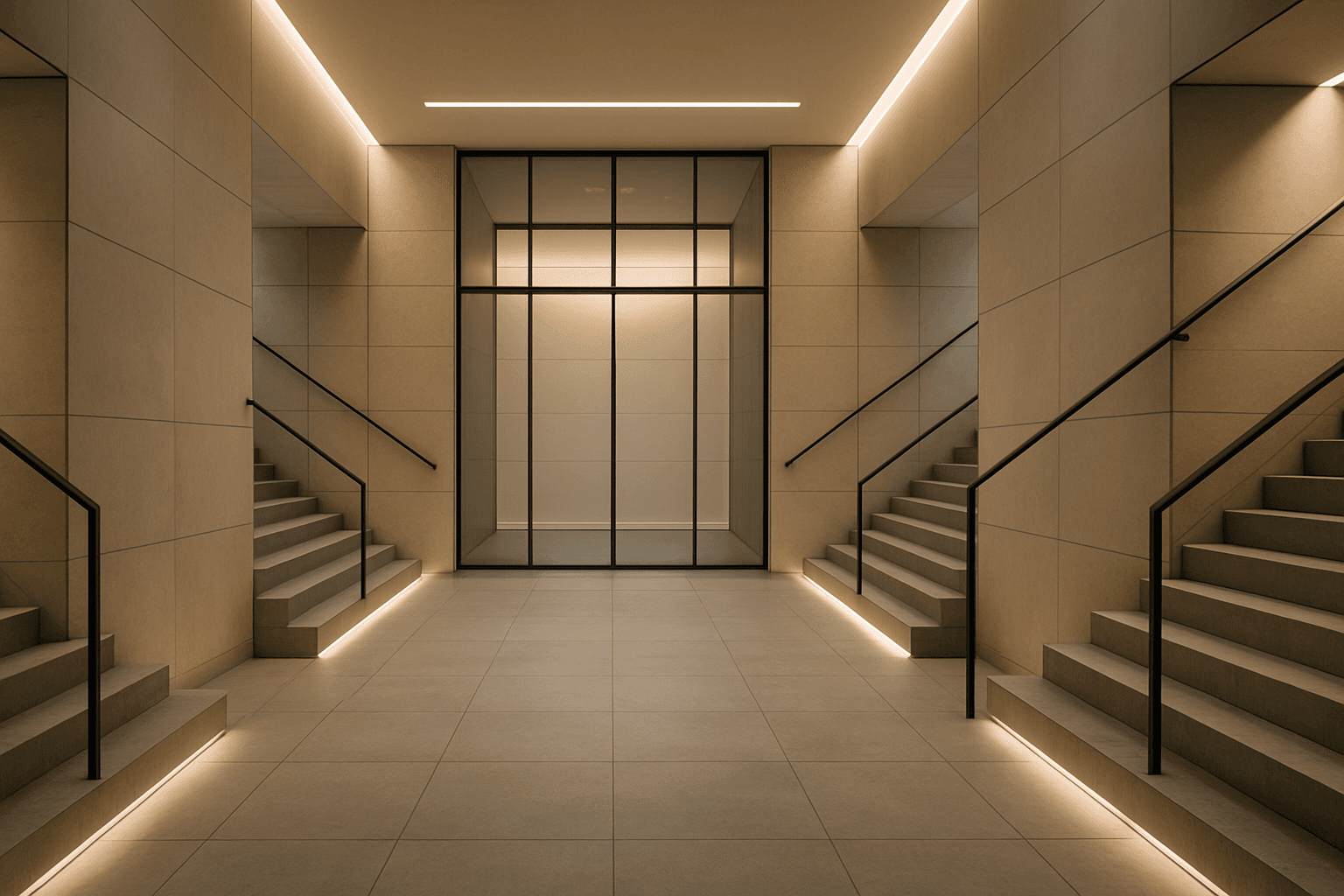
Symmetrical visual balance is a fundamental principle of composition that guides AI image generation toward harmonious and stable designs. By specifying this keyword, users encourage the visual content to be evenly arranged on both sides of a central axis, which can evoke feelings of calmness and structure. This approach suits a range of imagery, from portraits and architecture to product photography, giving a refined and polished look. When applied in prompts, it helps achieve clean editorial styles with subtle depth and premium polish, making the results ideal for hero images or thumbnails in a modern content library.
Symmetry And Balance
Symmetry and balance are foundational principles in visual arts and crucial for composing captivating AI-generated images. Using these keywords prompts AI models to structure scenes with mirrored or harmoniously weighted elements, creating aesthetically pleasing and organized visuals. Balanced compositions evoke feelings of stability and calm, while symmetry creates formal harmony admired in architecture, product photography, and portraiture. Incorporating these concepts refines the image's coherence and appeal, benefiting creatives who require polished, professional results. Whether applied to landscapes, objects, or abstract designs, symmetry, and balance guide the AI toward harmonious imagery that resonates with viewers on a subconscious level.

Asymmetrical Balance Composition
Asymmetrical balance composition is a powerful design principle that infuses AI-generated images with dynamic harmony and visual interest. Unlike traditional symmetrical layouts, this technique balances elements of varying sizes, colors, or textures to create a cohesive whole without mirroring. Within AI prompting, directing the model to apply asymmetrical balance produces images that feel organic and engaging, often enhancing storytelling and emotional impact. This composition style is widely used in editorial design, contemporary art, and photography to avoid predictability and add depth. For AI creatives, mastering asymmetrical balance opens new pathways to dynamic, polished, and visually compelling imagery.
Golden Ratio Layout
The Golden Ratio Layout is a timeless compositional principle found in nature, art, and design, used to establish visually harmonious and aesthetically compelling images. Applying this concept to AI image generation helps create compositions where the subject placement and background elements follow the golden section, improving viewer engagement and creating a sense of balance and flow. This layout is especially favored in editorial photography, branding visuals, and architectural renders to evoke sophistication and natural beauty. By including the Golden Ratio Layout keyword in your prompts, you encourage AI models to prioritize this balanced and elegant arrangement, enhancing the professional quality of outputs.