Symmetrical Framing Composition
Symmetrical framing composition is a powerful design technique that places visual elements evenly on either side of a central axis, resulting in an image that feels balanced and harmonious. This approach often highlights a main subject by placing it centrally and reflecting supporting elements symmetrically around it. Including this composition style in AI prompts helps generate images with clear order and structure, which are both aesthetically pleasing and easy to interpret. This is ideal for hero shots, architectural visuals, portraits, and product photography where balance enhances the subject's prominence.

Definition
Symmetrical framing composition involves aligning visual elements so that one side mirrors the other across a central axis, creating balanced and harmonious images. In AI prompts, specifying this guides the generation toward images with equal visual weight and clean symmetry. This enhances the clarity and focus of the composition by organizing elements in a balanced manner.
Prompt Formula
To build prompts emphasizing symmetrical framing composition, include descriptive phrases that specify balance and mirroring. Use structures like: "a symmetrical framing composition of [subject], centered, balanced elements, mirror-like arrangement, clean lines, [lighting style]" or "[subject] with symmetrical framing, equal halves, focal point centered, harmonious layout."
- a symmetrical framing composition of [subject], centered, clean lines
- [subject] with symmetrical framing, balanced elements
- mirror-like symmetrical framing, central focus, soft lighting
Best Use Cases
This keyword excels in scenarios where balance and focus enhance the image's impact. Use it in architectural photography to emphasize facades, in portraits to center subjects harmoniously, or in product shots to present items with clarity and precision.
- Architectural facades showcasing symmetry and structure
- Portraits with centered subjects and mirrored backgrounds
- Product photography highlighting balanced presentation and shadows
Related Styles
Symmetrical framing composition pairs well with Balanced Composition, Central Composition, and Mirror Symmetry. These adjacent styles share emphasis on balance and spatial harmony, and help diversify AI prompt strategies for well-ordered images.
- Balanced Composition
- Central Composition
- Mirror Symmetry
Model-Specific Tips
To effectively generate symmetrical compositions across different AI models, explicitly include terms like “symmetrical framing” and specify central focal points. Use adjectives such as “mirror-like,” “balanced,” or “equal halves” to reinforce symmetry. Avoid ambiguous wording and combine with clear subject descriptions to ensure consistent results.
- Explicitly state “symmetrical framing” to highlight structure
- Use descriptive terms like “mirror-like” and “balanced”
- Pair with centered subjects and clear spatial cues
- Avoid vague composition terms to prevent asymmetry
- Adapt prompt length to balance detail and clarity
FAQ
What is symmetrical framing composition in AI image prompts?
It is a prompt technique that directs the AI to create images with elements arranged symmetrically around a central axis, resulting in balanced and harmonious visuals.
How can I make my AI-generated images symmetrical?
Include keywords like “symmetrical framing,” “mirror-like,” and “balanced composition” in your prompt, along with instructions to place the subject centrally and align elements evenly.
Which types of images benefit most from symmetrical framing?
Architectural photos, centered portraits, and product shots typically gain enhanced visual appeal and clarity when using symmetrical framing.
Continue Exploring
Related Prompts
Symmetrical Grid Composition
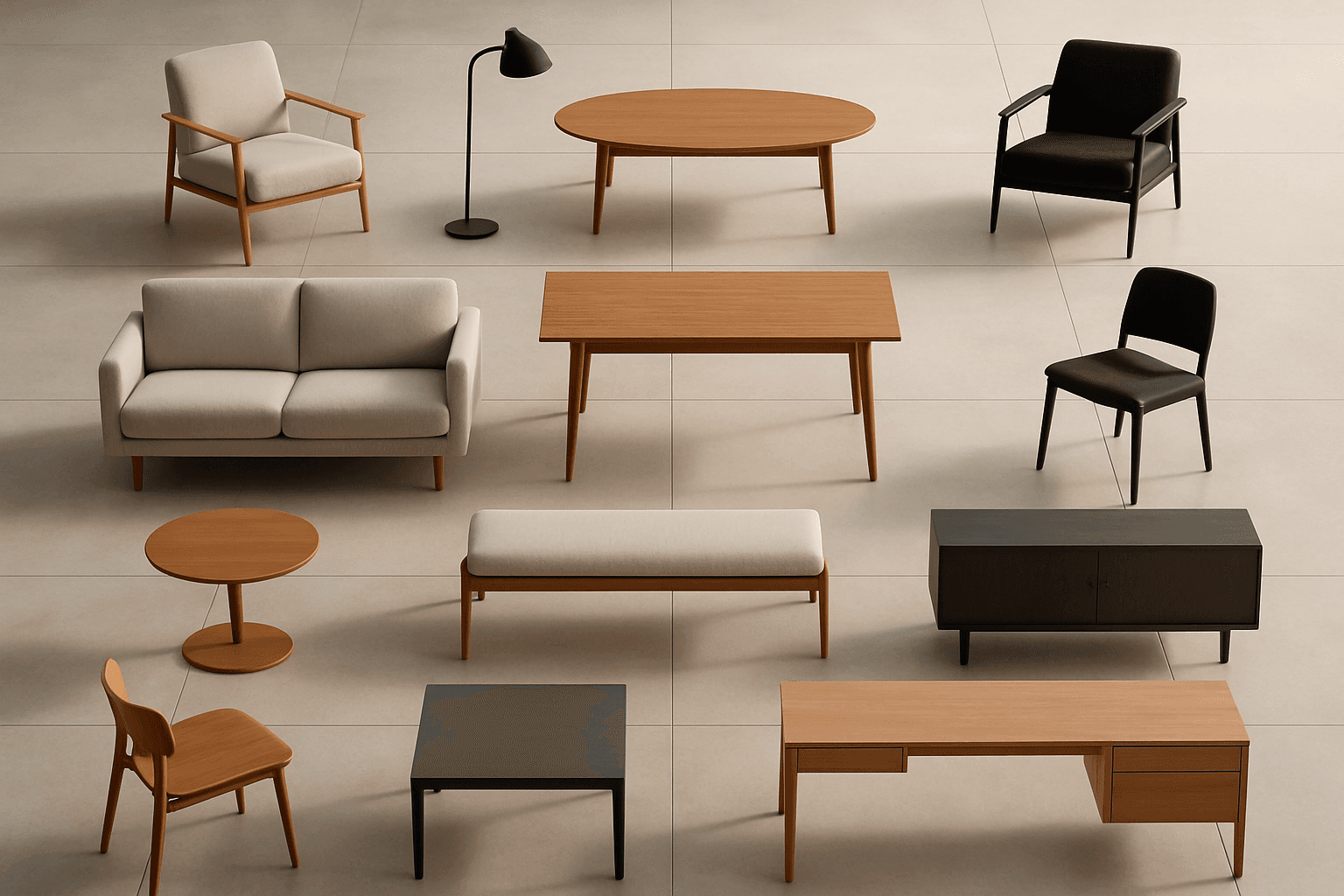
Symmetrical Grid Composition offers a systematic approach to organizing visual elements, which appeals to the eye by providing balance and stability. This composition style applies equally spaced, duplicated, or mirrored components arranged within a grid structure, often used to enhance clarity and order in images. When used in AI art prompts, it encourages the generation of clean, structured scenes that evoke professionalism and calm consistency. Designers and content creators leverage this style to produce visuals that are visually digestible and ideal for editorial layouts, product presentations, and architectural renderings. Incorporating symmetrical grids increases compositional harmony, making images easier to interpret and more engaging at first glance.

Symmetrical Balance Composition
Symmetrical balance composition is a fundamental principle that ensures an image's elements are arranged so both sides mirror each other, giving the viewer a sense of harmony and equilibrium. This approach can be particularly powerful in AI image generation for crafting outstanding visuals that feel orderly and intentional. By specifying symmetrical balance in prompts, creators can achieve polished layouts that emphasize clarity and calmness, often suitable for editorial, commercial, and artistic needs. The balanced nature brings focus and often highlights a central subject elegantly, making images instantly engaging and aesthetically pleasing.

Symmetrical Balance Layout
Symmetrical Balance Layout is a foundational principle in visual composition that organizes imagery so that both halves reflect one another, conveying stability and formality. When included in AI image prompts, it instructs generative models to produce images where subjects, shapes, and lighting are harmoniously balanced on either side of an imaginary central line. This layout enhances the viewer’s perception of order and calm, making it ideal for editorial hero images, brand presentations, and premium commercial photography. It often results in compositions that feel polished and visually coherent, aligning well with clean and modern design aesthetics.

Hierarchy In Visual Composition
Hierarchy in visual composition is a foundational design principle that structures the visual narrative by establishing the importance of elements within an image. It ensures that the viewer naturally notices the intended focal points first, then progresses logically through supporting details. Employing hierarchy strategically in AI image prompting enhances readability and engagement by controlling contrast, scale, color, and placement of objects. This guides viewers through a clean editorial composition with premium polish, subtle lighting, and realistic materials. Proper hierarchy avoids clutter and confusion, giving images a professional, refined aesthetic suitable for hero visuals and thumbnails.
Symmetrical Visual Balance
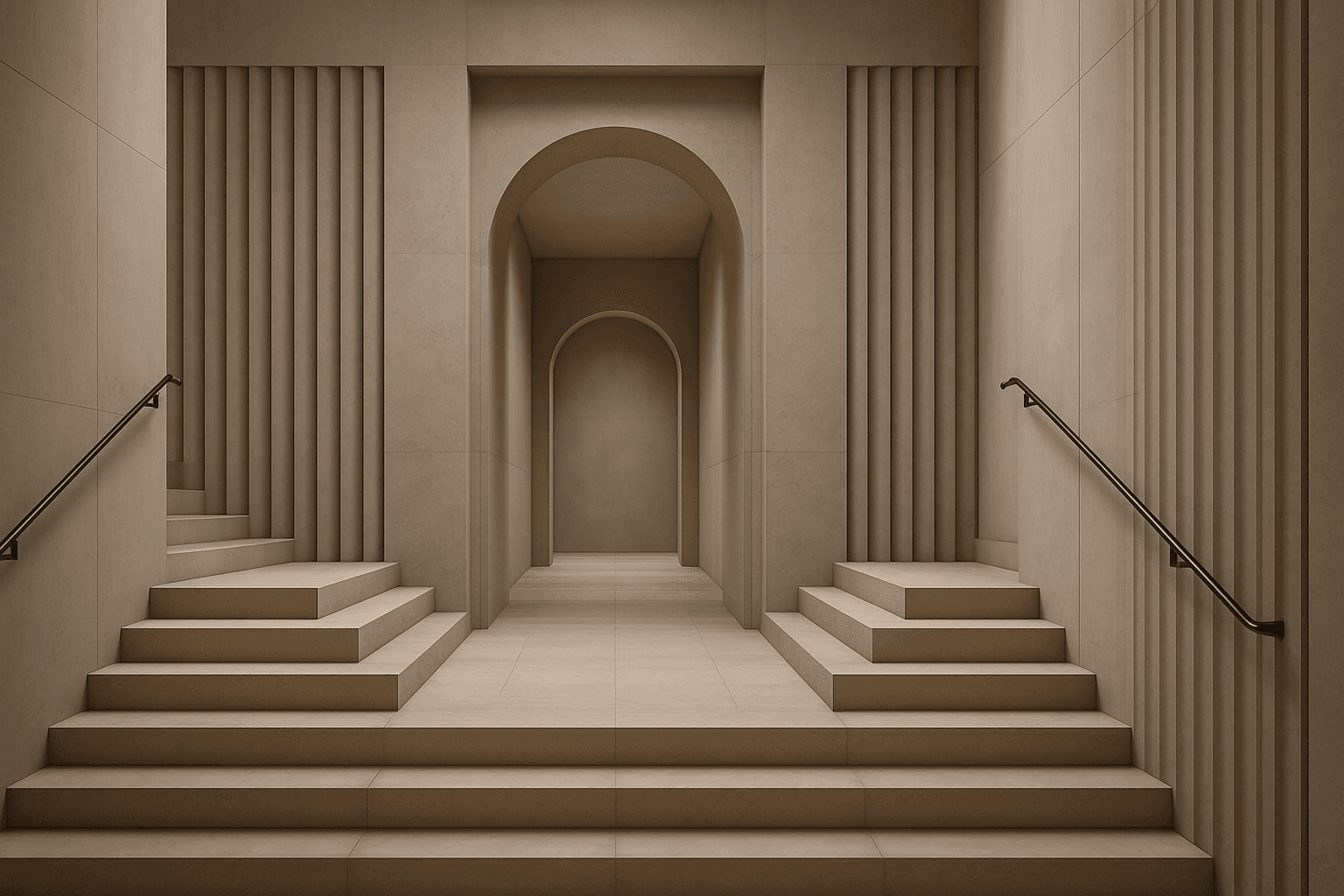
Symmetrical visual balance is a fundamental principle of composition that guides AI image generation toward harmonious and stable designs. By specifying this keyword, users encourage the visual content to be evenly arranged on both sides of a central axis, which can evoke feelings of calmness and structure. This approach suits a range of imagery, from portraits and architecture to product photography, giving a refined and polished look. When applied in prompts, it helps achieve clean editorial styles with subtle depth and premium polish, making the results ideal for hero images or thumbnails in a modern content library.

Minimalist Spatial Composition
Minimalist Spatial Composition is a design principle that enhances images by focusing on simplicity and the deliberate use of space. In AI-generated images, it results in visuals where subjects are isolated with ample negative space, creating a calm, airy atmosphere. This style avoids overcrowding, allowing key visual elements to stand out and command attention. It's ideal for crafting modern, elegant visuals that convey clarity and focus, making images versatile for editorial, advertising, or web design purposes. Incorporating this concept into AI prompts helps produce refined compositions that emphasize form and balance.