Hierarchy In Visual Composition
Hierarchy in visual composition is a foundational design principle that structures the visual narrative by establishing the importance of elements within an image. It ensures that the viewer naturally notices the intended focal points first, then progresses logically through supporting details. Employing hierarchy strategically in AI image prompting enhances readability and engagement by controlling contrast, scale, color, and placement of objects. This guides viewers through a clean editorial composition with premium polish, subtle lighting, and realistic materials. Proper hierarchy avoids clutter and confusion, giving images a professional, refined aesthetic suitable for hero visuals and thumbnails.

Definition
Hierarchy in visual composition is the strategic ordering of visual elements to guide the viewer's attention, ensuring the most important items stand out clearly. For AI image prompts, this means specifying elements to carry prominence through size, contrast, brightness, or placement, enabling the AI to balance the scene for effective storytelling and clarity.
Prompt Formula
Craft prompts by indicating primary focal elements, their relative prominence, and modifiers for contrast and depth. Use patterns like: "[Main subject] in [lighting style], prominently in foreground, sharp focus, with [secondary elements] softly blurred in background, balanced composition, subtle depth of field."
- [Main subject], large and clear, crisp details
- Surrounding elements, smaller and muted, softer focus
- Use of lighting and shadow to emphasize main subject
- Balanced spatial arrangement to create flow
Best Use Cases
- Creating hero images where one subject dominates the frame
- Designing ecommerce visuals that highlight key products
- Producing editorial layouts with clear visual narrative flow
Industry Applications
Hierarchy plays a pivotal role across industries by improving clarity and impact of visual communication. In advertising, it ensures brand and message prominence. Ecommerce benefits from product focus that drives purchase decisions. Editorial design uses hierarchy to guide reader engagement and storytelling through compelling covers and feature images.
- Advertising campaigns focusing on brand or product prominence
- Ecommerce product display photography with clear focus
- Editorial content needing dynamic, readable cover images
Common Mistakes
A frequent error is overcrowding the scene with equally weighted elements, causing visual confusion and lack of focus. Overusing contrast or color can overwhelm viewers, while poor spatial arrangement disrupts flow. Avoid vague prompts that fail to indicate hierarchical priorities, leading to generic or flat images.
- Ignoring focal point specification, resulting in chaotic compositions
- Overcomplicating scenes with too many competing elements
- Insufficient contrast or lighting variations that flatten the image
Advanced Techniques
Refine hierarchy by layering prompts with detailed modifiers for lighting, texture, and positioning. Specify depth of field effects and contrast gradients to sculpt visual flow. Combine hierarchy with color theory instructions to subtly prioritize elements while maintaining harmony, creating more nuanced and sophisticated compositions.
- Use selective focus and blur to separate layers
- Employ graded lighting to highlight hierarchy levels
- Incorporate complementary color schemes to reinforce focal points
FAQ
How does hierarchy influence AI image generation?
Hierarchy guides the AI in emphasizing certain elements over others by controlling attributes like size, focus, brightness, and placement, resulting in compositions with clear visual priority and flow.
What should I specify in my prompt to create hierarchy?
Include explicit instructions about which elements are most important, their size or scale, lighting emphasis, and positioning to help the AI prioritize and arrange elements effectively.
Continue Exploring
Related Prompts

Visual Hierarchy Principles
Visual Hierarchy Principles fundamentally shape how elements within an image are perceived and prioritized. By applying these principles in AI-generated images, prompt writers can ensure the composition directs the viewer's gaze naturally, improving clarity and emotional impact. Effective hierarchy balances size, color contrast, brightness, and positioning to create focal points and guide the eye smoothly. Understanding this concept benefits creators aiming for professional-quality compositions, enhancing storytelling through visual prioritization.

Circular Composition Layout
The Circular Composition Layout is essential for artists and designers who want to create images with natural balance and dynamic flow. By structuring elements around a central axis or circle, this composition draws viewers’ attention evenly across the image, often leading them to a central focus. In AI-generated art, specifying circular composition helps produce images with a polished aesthetic and organic movement, suitable for varied creative applications such as editorial visuals, product showcases, and social content. The layout promotes symmetry while still allowing visual complexity and interest, making images feel complete and professionally composed.

Layered Composition
Layered Composition is a foundational technique in photography, graphic design, and digital art used to add dimensionality to images. By strategically layering visual elements, artists create scenes that feel immersive and dynamic rather than flat. This technique leverages natural cues like perspective and lighting contrasts along with careful arrangement to differentiate layers. It helps convey complex narratives effectively, as each layer contributes unique information or mood. Modern digital tools further allow nuanced control over layering with adjustable opacity and blending modes, enhancing refinement. Layered compositions captivate viewers by guiding their attention sequentially through scenes with depth, fostering richer engagement and storytelling potential.

Symmetrical Framing Composition
Symmetrical framing composition is a powerful design technique that places visual elements evenly on either side of a central axis, resulting in an image that feels balanced and harmonious. This approach often highlights a main subject by placing it centrally and reflecting supporting elements symmetrically around it. Including this composition style in AI prompts helps generate images with clear order and structure, which are both aesthetically pleasing and easy to interpret. This is ideal for hero shots, architectural visuals, portraits, and product photography where balance enhances the subject's prominence.

Tonal Contrast Composition
Tonal Contrast Composition is a fundamental principle in visual arts that governs how light and shadow interact within a scene. When applied in AI image generation, it helps create images with dramatic depth, where brighter areas attract attention and darker zones provide complementary framing. This interplay guides the viewer's eye naturally across the composition and emphasizes key elements without overwhelming color use. By focusing on tonal values, generated images gain a refined, realistic appearance reminiscent of premium editorial photography. Implementing tonal contrast thoughtfully results in believable textures, nuanced lighting, and a polished look suitable for professional design, advertising, and fine art applications.
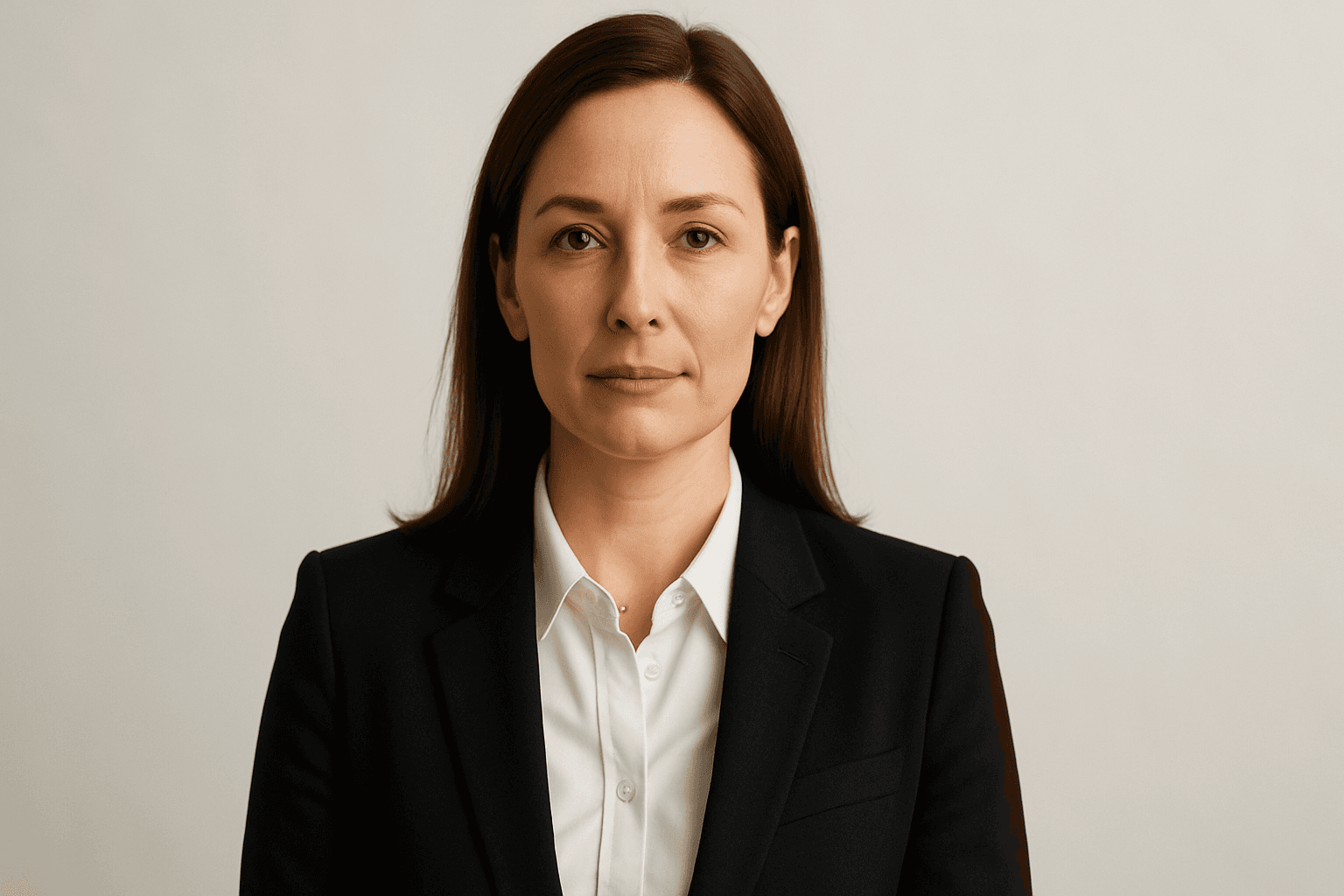
Centered Focus Composition
Centered Focus Composition is a fundamental technique in visual art and photography where the main subject is aligned precisely at the center of the frame. This method draws the viewer's eye directly to the focal point, emphasizing clarity and simplicity. In AI image generation, including terms related to 'centered focus' guides the model to replicate this balanced layout. This composition is effective for portraits, product shots, and editorial imagery where impact and emphasis are key. Centered framing exudes a formal, stable aesthetic and reduces visual clutter, making it ideal for high-quality, professional visuals guided by refined lighting and realistic materials.