Bright Cheerful Mood
Bright Cheerful Mood transforms AI images to radiate happiness and energy, utilizing lighting, color, and composition to evoke uplifting emotions. This mood creates inviting scenes that appear warm and engaging, perfect for uplifting visual storytelling. Incorporating brightness and vivid hues enhances the overall sense of joy, making the image feel lively and optimistic. Whether used in portraits, lifestyle shots, or product presentations, this mood effectively boosts viewer connection, creating a positive first impression.

Definition
The Bright Cheerful Mood describes an image atmosphere characterized by radiant light, vivid warm colors, and subjects or environments that communicate joy and positivity. In AI image prompts, it acts as a modifier instructing the model to generate scenes full of life and optimism, often through the use of warm natural or artificial lighting, smiling faces, and dynamic compositions that feel uplifting and inviting.
Prompt Formula
Use a combination of descriptive terms to reliably invoke a bright cheerful mood in AI image generation. Common formulas include pairing lighting descriptors with color and emotional cues.
- "bright cheerful mood, vibrant lighting, warm color palette"
- "sunlit scene, happy expression, soft shadows, bright cheerful mood"
- "colorful environment, joyful atmosphere, bright cheerful mood"
Best Use Cases
- Creating lifestyle imagery that radiates positivity and warmth for marketing materials
- Designing product shots that highlight consumer happiness and usability
- Illustrating editorial content with happy, welcoming environments
Creative Variations
To keep outputs fresh, experiment with different lighting times, color intensities, and compositions while retaining the core cheerful energy of the mood. Try dawn or golden hour lighting for softer warmth or increase saturation for a more vivid expression. Vary subject interactions and scene dynamics to avoid repetition.
- Golden hour light for a softer warm glow
- High saturation colors for vivid, eye-catching images
- Dynamic group interactions conveying happiness
- Incorporate reflective surfaces to enhance brightness
Industry Applications
Bright Cheerful Mood images are highly valuable in commercial sectors that depend on emotional engagement. Advertising leverages them to create positive brand associations; editorial content benefits from their engaging energy to support articles on lifestyle and wellbeing; ecommerce uses these visuals to present products in uplifting, use-case-driven contexts.
- Advertising campaigns promoting lifestyle and happiness
- Editorial stories on wellness and positivity
- Ecommerce product promotions showcasing joyful user experience
Common Mistakes
Prompt writers sometimes overuse generic bright terms leading to washed-out images lacking contrast or depth. Another pitfall is pairing 'bright cheerful' with inappropriate subjects, causing dissonance. To avoid flat or unrealistic results, balance brightness with subtle shadows and choose subjects compatible with joyful moods.
- Overexposed lighting causing loss of detail
- Mismatch between cheerful mood and somber subjects
- Using overly saturated colors without tonal balance
Advanced Techniques
Combine 'bright cheerful mood' with specific light sources or weather conditions such as soft sunlight or clear skies to create nuanced atmospheres. Use constraints like 'diffused shadows' or 'warm highlights' to refine lighting. Introduce complementary emotions or settings to deepen emotional complexity without losing the overall positivity.
- Add modifiers like 'soft morning light' or 'golden hour glow'
- Specify 'warm shadows' to increase realism
- Combine with 'joyful candid expressions' to enhance human connection
Professional Workflow
Begin by briefing the intended emotional impact and target audience to define the role of the bright cheerful mood. Generate image batches using varied prompt modifiers to explore mood expression. Select outputs balancing brightness and depth, refine by adjusting lighting and color specificity, then retest. Final images should be edited for consistency and polished for use across design assets.
- Specify target emotional tone in briefing
- Generate multiple prompt variants including lighting and color
- Select images with balanced brightness and contrast
- Refine prompts with lighting and color adjustments
- Edit final outputs to achieve consistent, polished look
FAQ
How can I ensure the bright cheerful mood appears natural in AI-generated images?
Use modifiers specifying natural light sources like 'soft sunlight' or 'golden hour' and balance bright colors with subtle shadows to maintain realistic depth and avoid overexposure.
Can bright cheerful mood work with indoor scenes?
Yes, by incorporating warm artificial lighting, natural window light, and lively subjects or decor, you can create an inviting indoor setting with a bright cheerful atmosphere.
Continue Exploring
Related Prompts
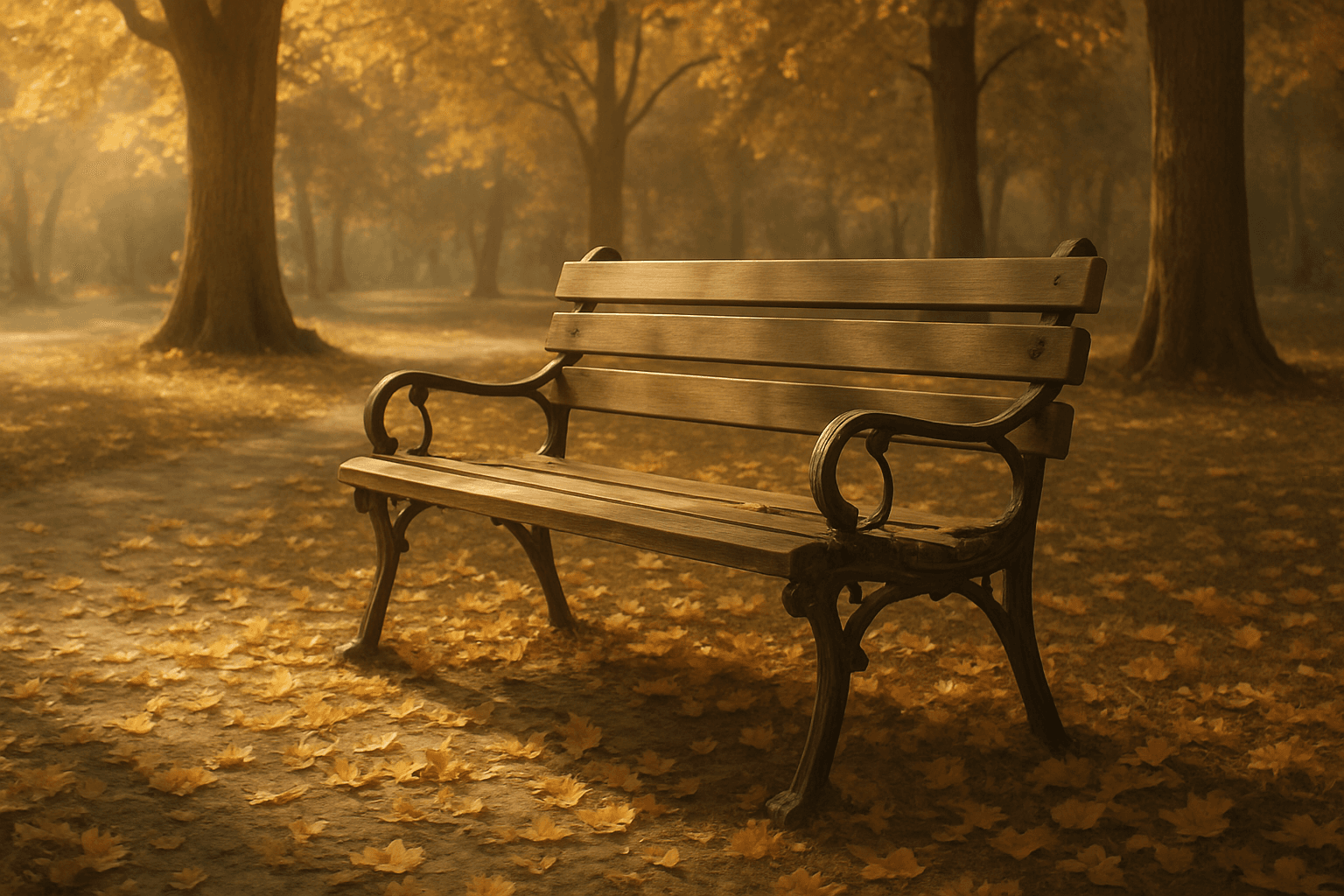
Nostalgic Mood
The Nostalgic Mood in AI image generation centers around creating visuals that elicit feelings of fond remembrance and emotional warmth. This atmosphere leverages warm and muted tones, soft focus or gentle lighting, and subtle vintage or retro elements to create a connection to the past. It is widely used to convey stories or moments that recall simpler times, cherished memories, or timeless beauty. Incorporating Nostalgic Mood enhances the emotional depth of an image, making it resonate deeply with viewers by sparking familiar feelings of comfort and reminiscence.

Dusk Twilight Mood
Dusk Twilight Mood captures the enchanting moments shortly after sunset when natural light softens and the sky transitions into peaceful gradients of blue and orange hues. This keyword enhances AI-generated images by infusing subtle warmth and fading daylight effects, creating contemplative and gentle moods. Its application suits a wide range of subjects from landscapes drenched in pastel skies to intimate portraits highlighted by soft shadows. The mood encourages a sense of calm and introspection, often reflecting the day's end and the approach of night. Using this keyword, artists can simulate realistic twilight lighting with refined contrast and balanced saturation, delivering evocative images with a premium editorial quality.
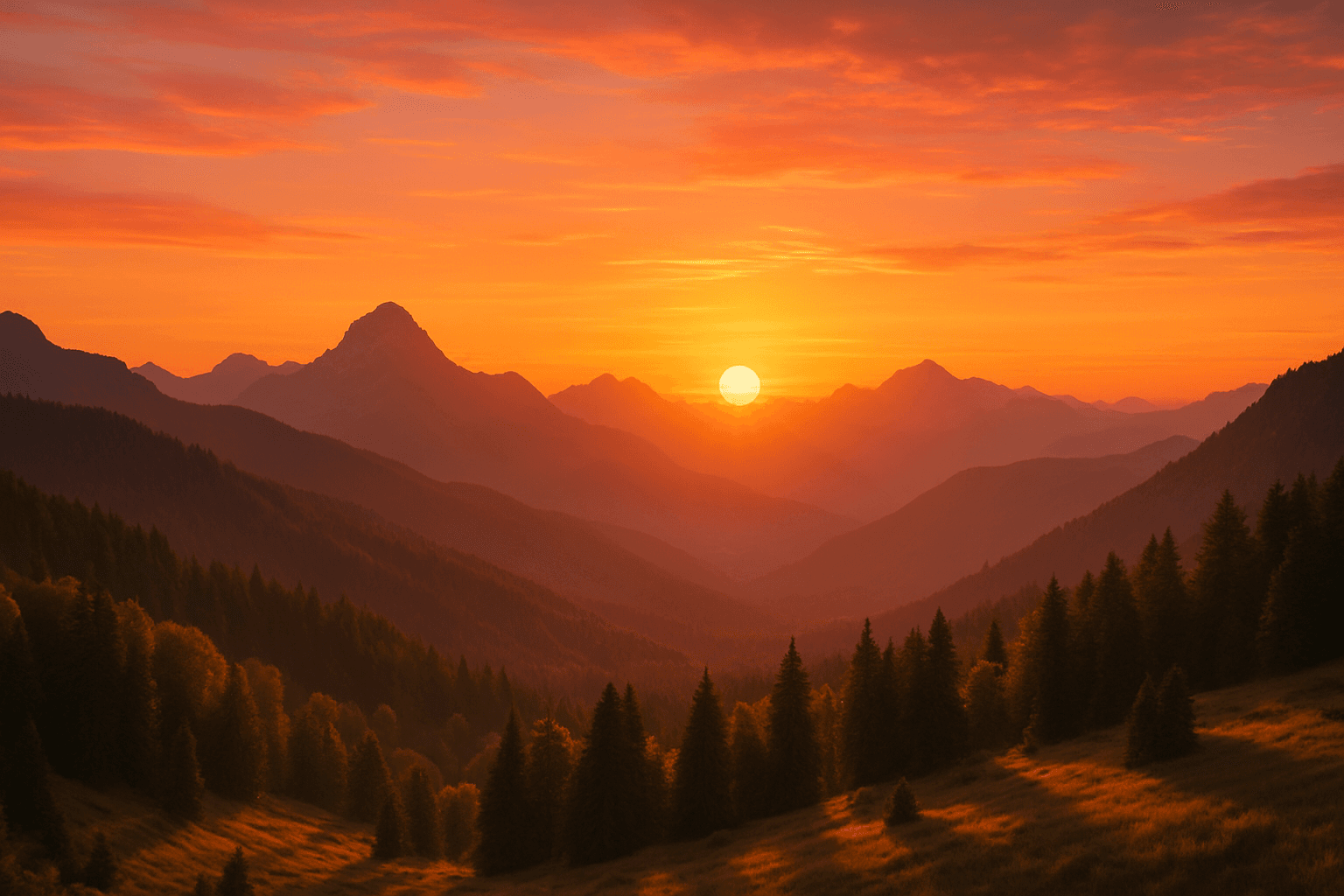
Sunset Glow Atmosphere
The 'Sunset Glow Atmosphere' keyword is used in AI image generation to evoke the distinctive lighting and coloration seen during the sunset hour. This effect creates rich, warm tones that enhance mood and beauty, often bathing scenes in orange, pink, and purple shades. It adds depth through long shadows and soft light transitions, lending images a natural and emotive ambiance. Incorporating this atmosphere is especially effective for outdoor scenes, portraits, or landscapes where golden-hour light can accentuate texture and color. By specifying this keyword, users guide AI models to prioritize visually compelling warm hues and glow effects, resulting in images that feel both realistic and artistically vibrant.
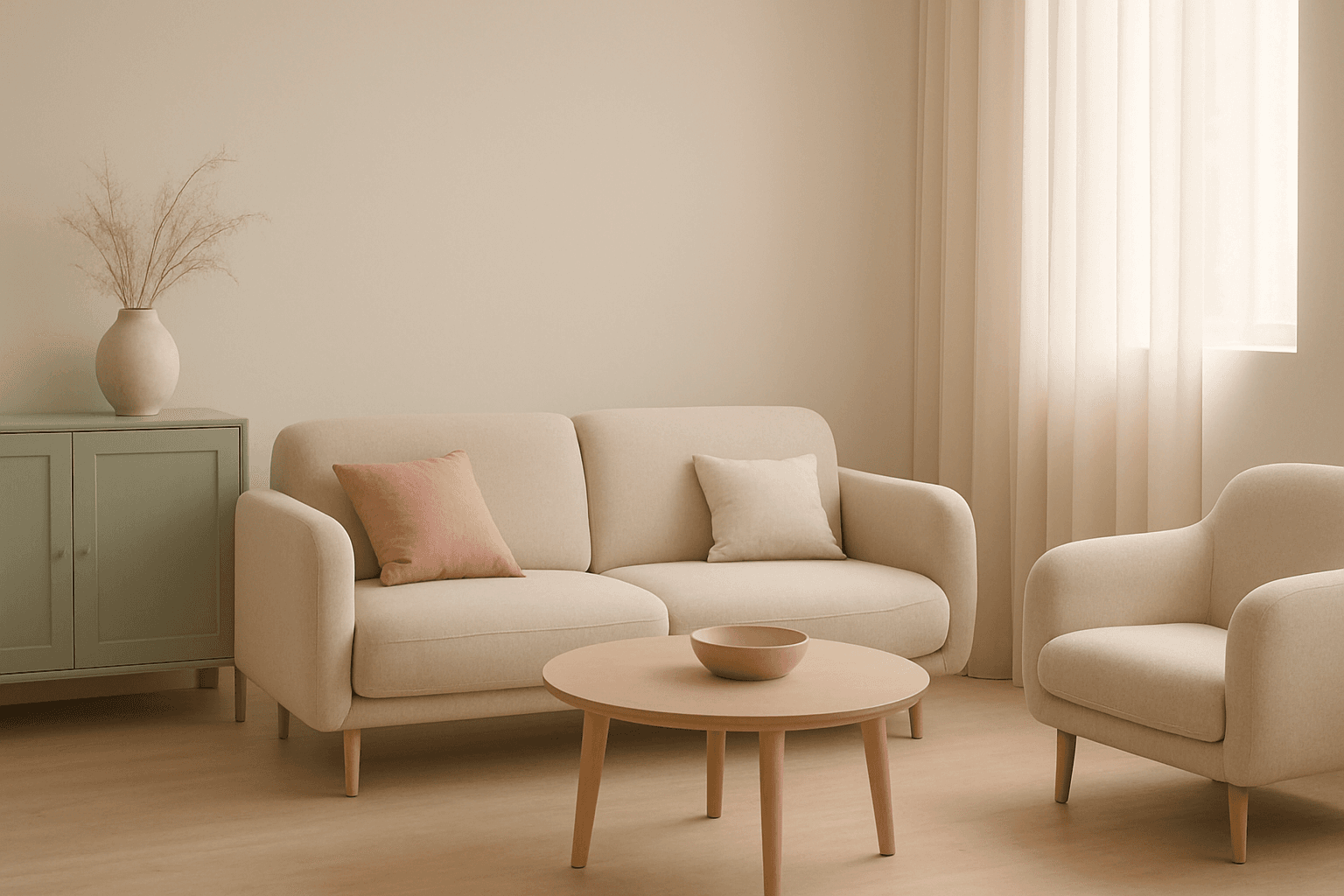
Calm Serene Mood
Incorporating a 'Calm Serene Mood' into AI-generated images sets the tone for peaceful and soothing visuals that invite viewers into a state of relaxation. This mood emphasizes gentle lighting conditions, balanced compositions, and color schemes that reduce visual tension. Artists and creators use this keyword to achieve imagery that feels reflective and harmonious, often found in wellness, nature, and minimalist themes. Implementing 'Calm Serene Mood' helps AI models prioritize visual elements that evoke calmness and suppress chaotic or aggressive details, making images more inviting and emotionally comforting.
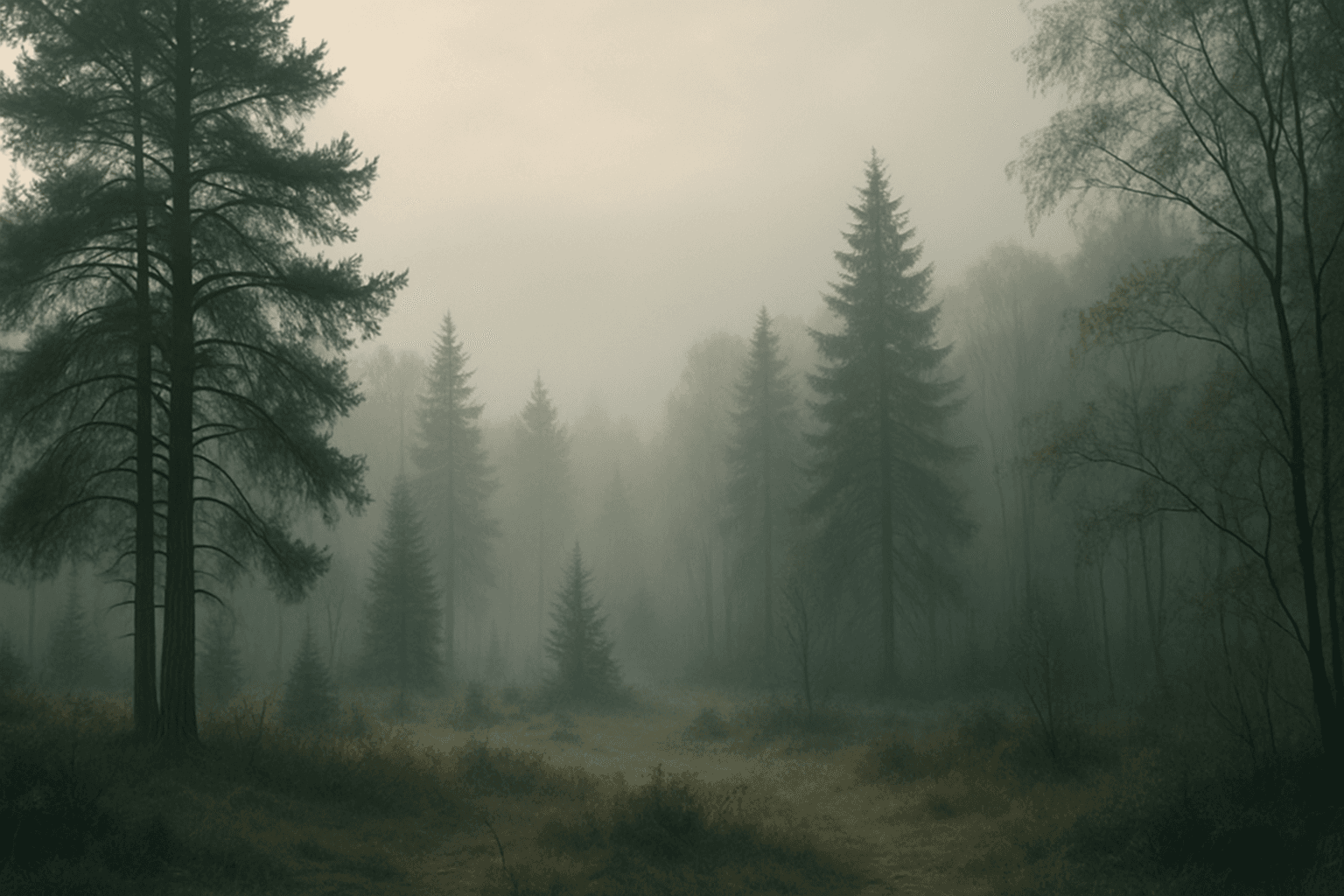
Foggy Landscape Mood
The Foggy Landscape Mood keyword is essential for generating serene and ethereal nature scenes using AI image models. By introducing fog or mist, images gain a layered depth and emotional resonance, often invoking feelings of quiet solitude or mystery. This mood softens sharp details and shadows, lending a dreamy or suspenseful tone that works well for forest, mountain, or waterfront environments. Artists and designers leverage this effect to create immersive atmospheres that feel both natural and cinematic, making it suitable for editorial, fine art, or conceptual visuals.
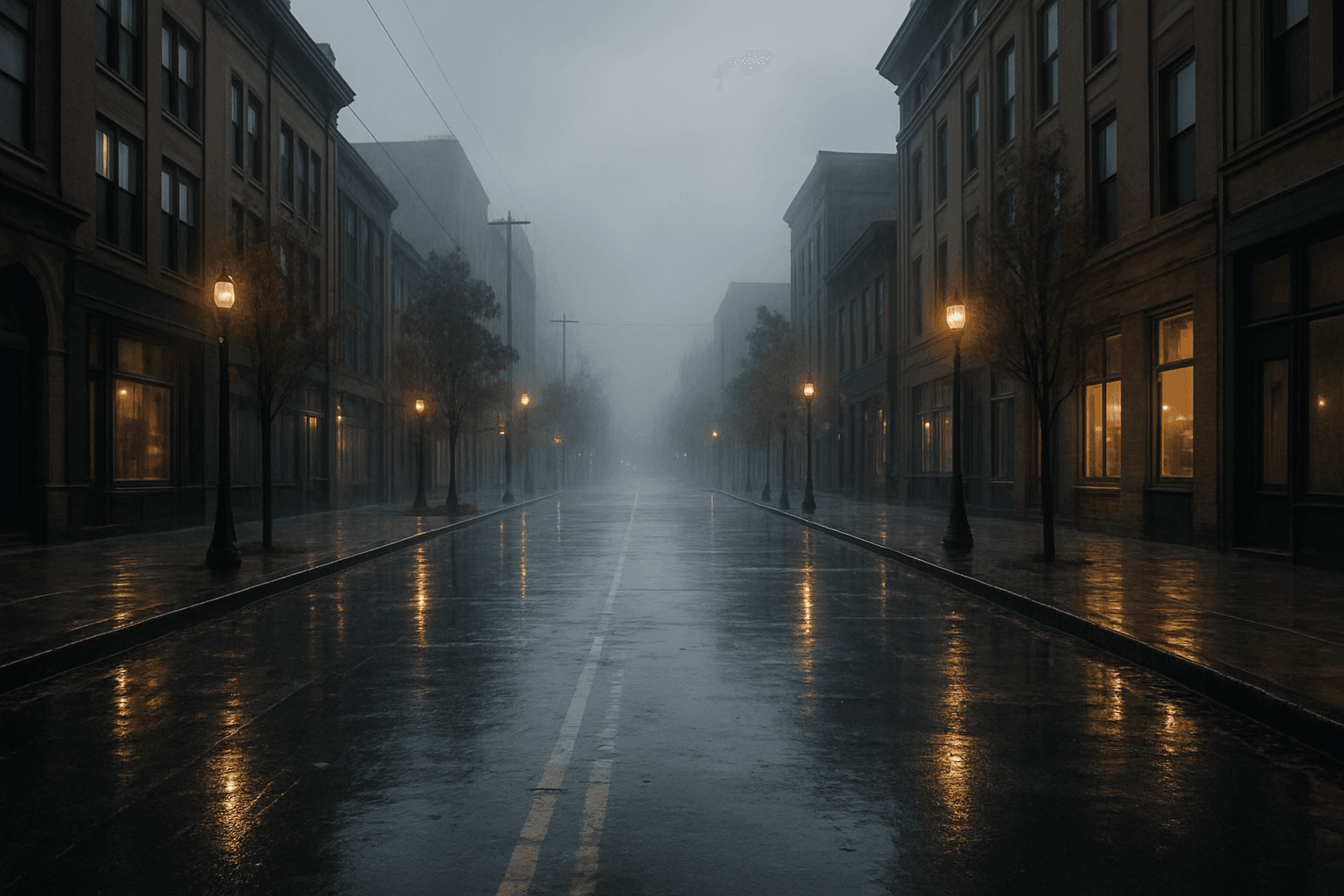
Rainy Day Mood
The Rainy Day Mood keyword enables AI image generators to craft scenes imbued with the ambiance of rainfall and its associated emotions. Including this keyword results in imagery where wet streets reflect city lights, characters might wear raincoats or hold umbrellas, and environments appear misty or gray. This atmosphere often conveys feelings of nostalgia, introspection, or tranquility. By integrating Rainy Day Mood, artists can shift the mood of their work towards more introspective or cinematic visuals. This keyword is especially useful for illustrating stories, editorial content, or artistic portraits where mood and environment play significant roles. Its subtle cues subtly influence lighting, color grading, and texture to evoke a realistic rainy setting.