Cinematic Lighting
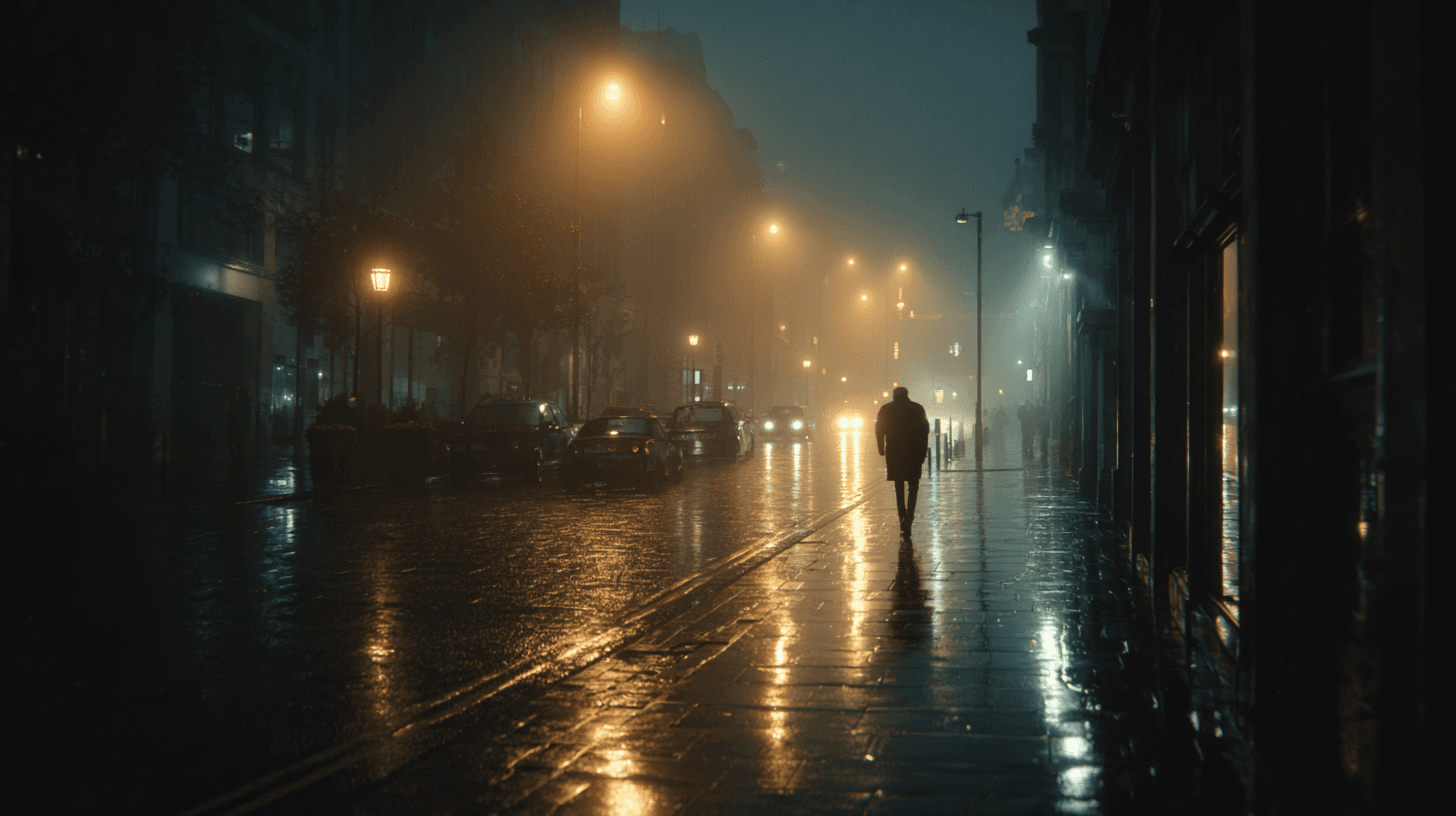
Cinematic Lighting is one of the most useful prompt keywords for making AI-generated images feel intentional, polished, and story-driven. Instead of asking for a flat, evenly lit image, this keyword signals that the scene should feel as if it was lit for a film, commercial, or high-end editorial shoot. The result often includes stronger direction in the light source, more purposeful shadows, richer contrast, and a clearer sense of atmosphere. For beginners, it is a reliable way to move an image away from a generic render and toward something that feels composed, dramatic, and visually memorable.
Overview
Cinematic Lighting is one of the most useful prompt keywords for making AI-generated images feel intentional, polished, and story-driven. Instead of asking for a flat, evenly lit image, this keyword signals that the scene should feel as if it was lit for a film, commercial, or high-end editorial shoot. The result often includes stronger direction in the light source, more purposeful shadows, richer contrast, and a clearer sense of atmosphere. For beginners, it is a reliable way to move an image away from a generic render and toward something that feels composed, dramatic, and visually memorable.
What It Does
In a prompt, Cinematic Lighting helps the model think about light as part of the storytelling. It can create a bright key light on the main subject, a darker background, subtle rim highlights, glowing practical lights, or a soft falloff from light into shadow. This keyword also tends to improve depth because it separates the subject from the environment. A portrait may feel more emotional, a product may feel more premium, and an interior may feel more atmospheric. It does not automatically mean dark or moody; cinematic lighting can be warm, clean, romantic, futuristic, or suspenseful depending on the other keywords around it. Pair it with phrases like soft shadows, dramatic contrast, golden hour, rim light, volumetric haze, or studio setup to guide the exact mood.
Best Use Cases
- Portraits and character images where the face, pose, or expression needs emotional weight. Cinematic Lighting can make a simple subject feel like a still frame from a larger story.
- Product hero images for watches, perfume, headphones, beverages, skincare, and luxury packaging. The keyword helps add premium highlights, controlled reflections, and stronger visual focus.
- Editorial, advertising, and landing page visuals that need to look more designed than ordinary stock photography. It works especially well when combined with negative space for text placement.
- Atmospheric interiors, restaurants, hotels, offices, studios, and architectural scenes where light should shape the room instead of merely revealing it.
Example Prompt
Adobe Stock Potential
Cinematic Lighting has strong Adobe Stock potential because it supports many evergreen commercial needs: product hero images, business portraits, technology concepts, luxury branding, entertainment posters, lifestyle campaigns, and dramatic website headers. Buyers often look for images that already feel premium and usable in a layout. This keyword can help create visuals with strong focal points, appealing contrast, and space for copy. To improve stock usefulness, avoid copyrighted characters, logos, recognizable brands, and overly specific movie references. Keep the subject clear, the composition flexible, and the lighting polished. Images using Cinematic Lighting can perform especially well when paired with practical commercial themes such as innovation, leadership, wellness, fashion, hospitality, finance, or premium consumer goods.
Continue Exploring
Related Prompts
Moody Lighting
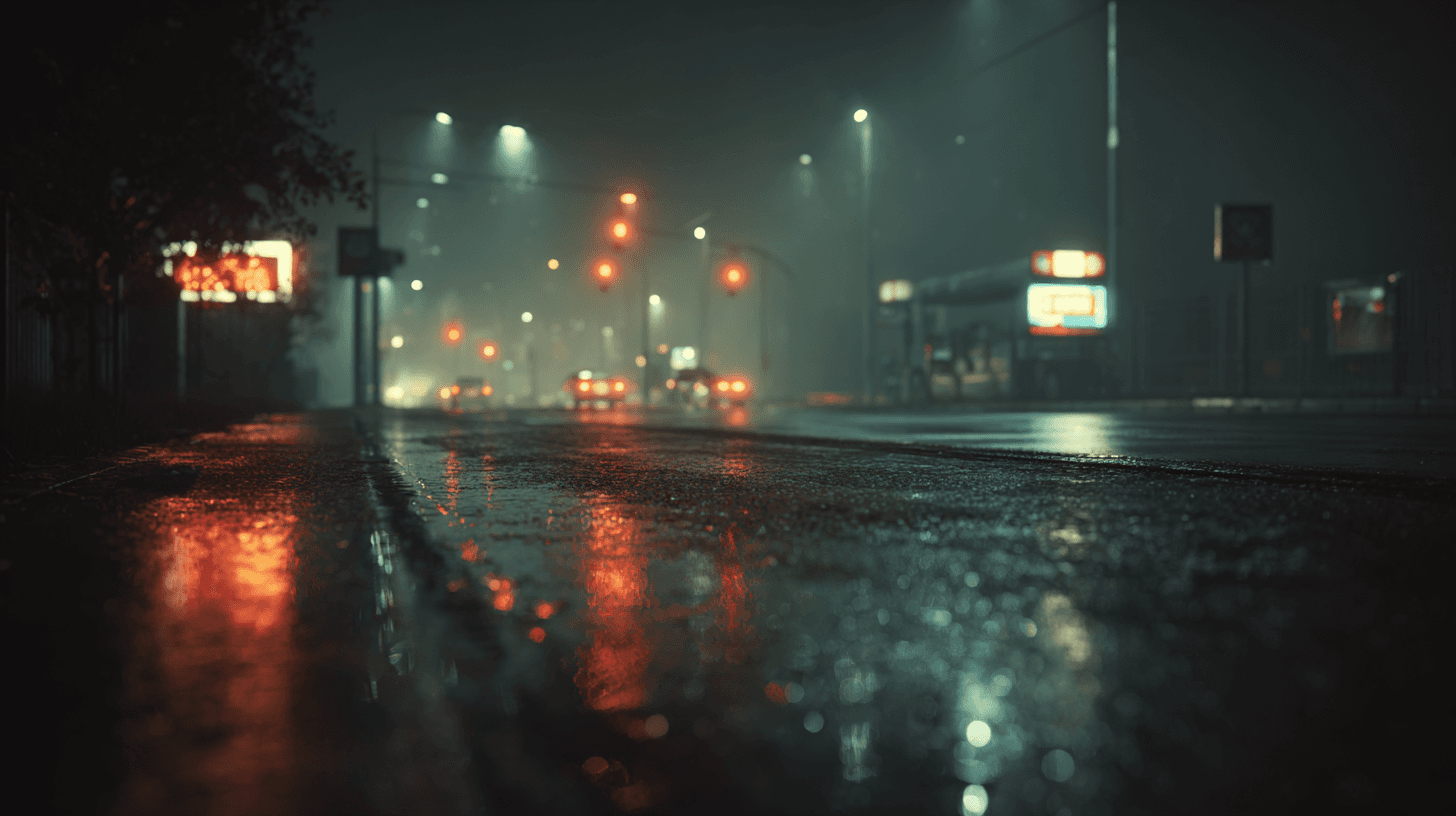
Moody Lighting is a prompt keyword for images with atmosphere, emotional depth, and a more restrained lighting style. It often includes darker tones, directional light, muted colors, and visible shadow areas, but it does not have to be as dark as Low Key Lighting. In AI image generation, Moody Lighting is useful when you want a scene to feel thoughtful, cinematic, intimate, elegant, or mysterious. It is common in editorial portraits, luxury interiors, coffee shop scenes, rainy windows, fashion campaigns, and premium product photography. Beginners can use it to add feeling and story to otherwise plain images.
Volumetric Lighting
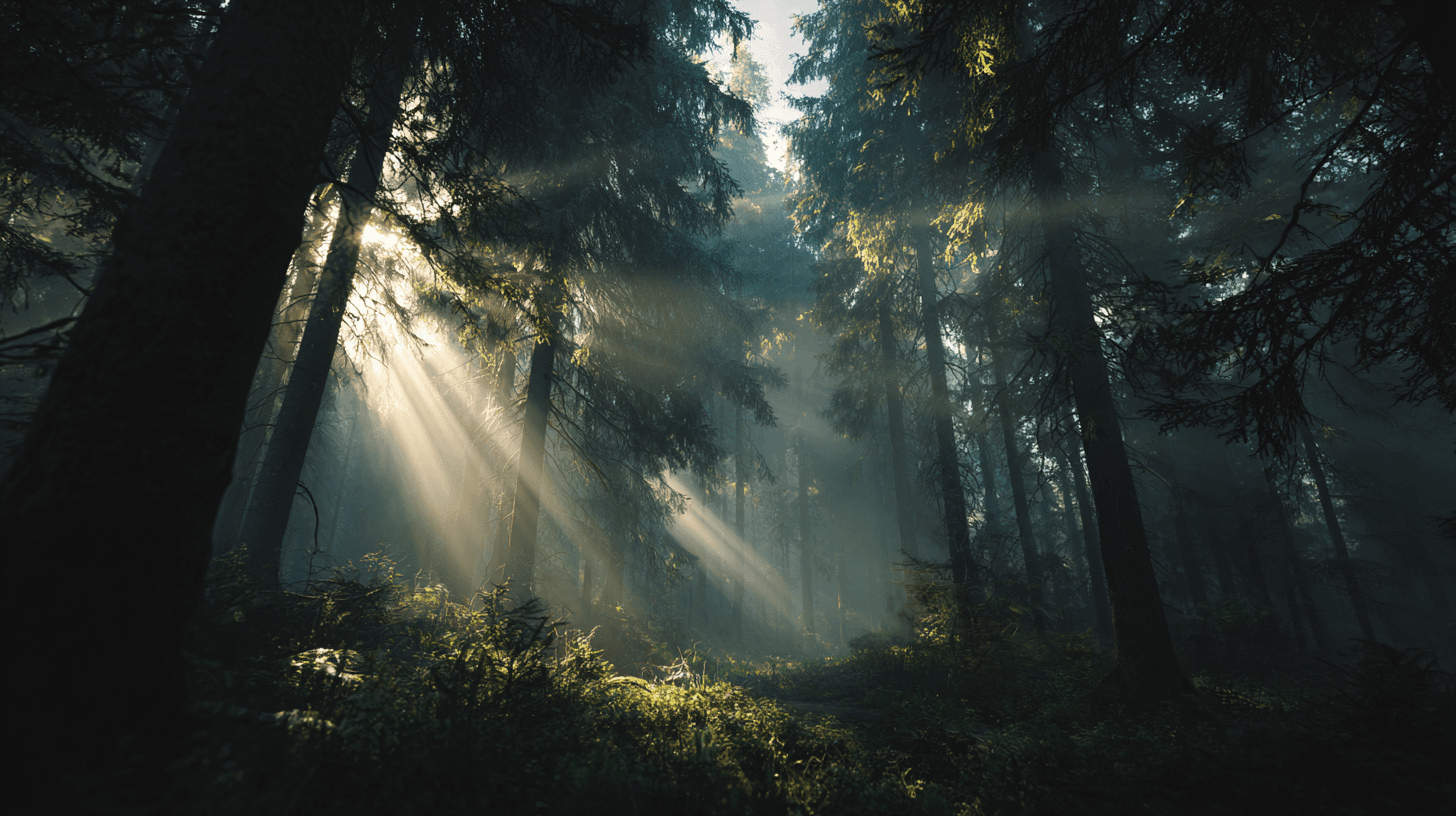
Volumetric Lighting describes visible beams of light traveling through particles in the air, such as mist, dust, smoke, fog, or atmospheric haze. In AI image generation, it is a powerful keyword for adding depth and drama. Instead of light simply landing on objects, the light itself becomes visible inside the scene. This can make an image feel cinematic, mysterious, sacred, futuristic, or magical depending on the setting. Beginners can use Volumetric Lighting when a prompt feels flat or lacks atmosphere. It is especially useful when you want the viewer to feel the scale of a space, the direction of the light, or the mood of an environment.
Golden Hour
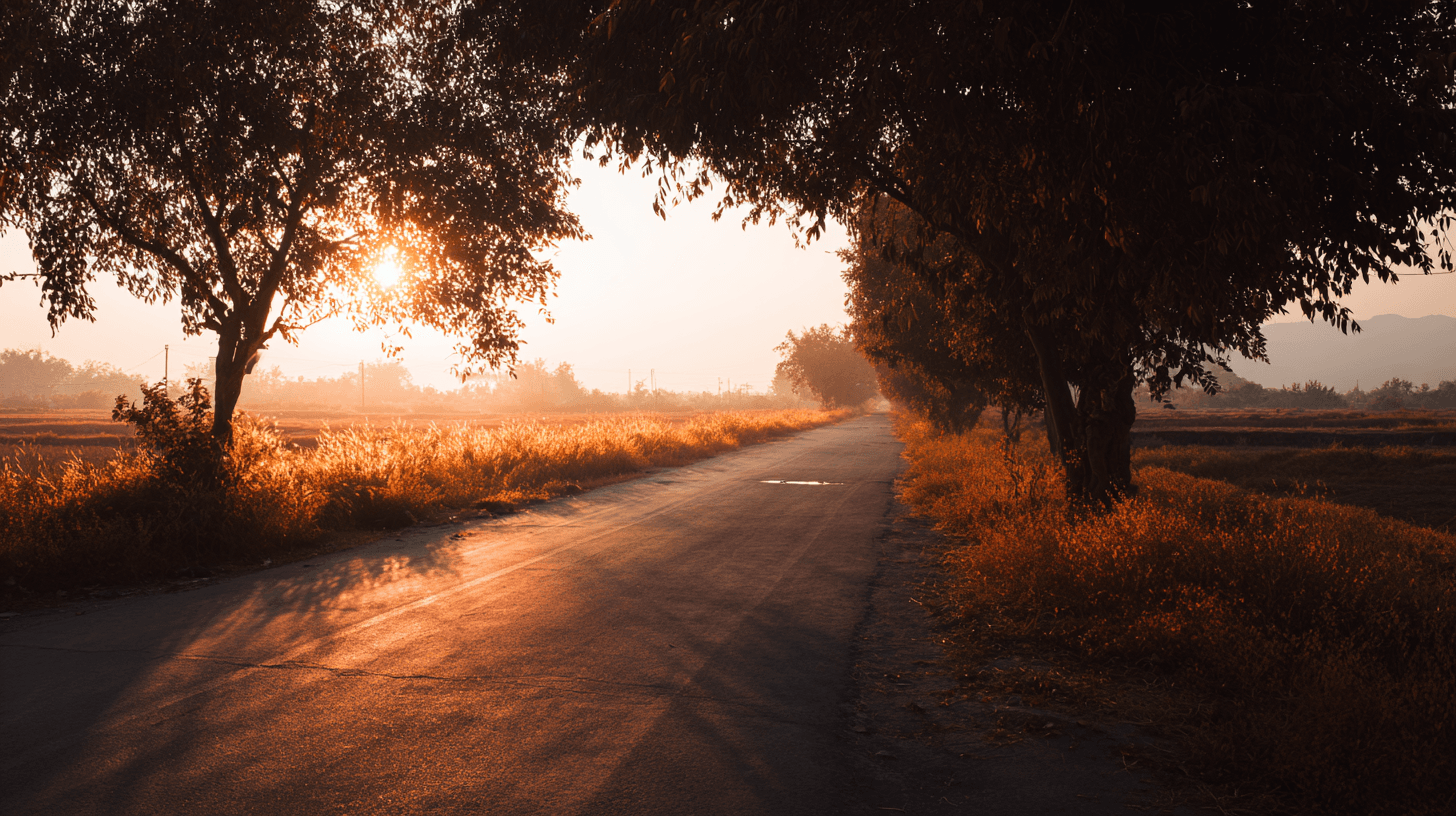
Golden Hour is a lighting keyword that refers to the warm, low-angle sunlight shortly after sunrise or shortly before sunset. In AI image prompts, it is one of the easiest ways to make a scene feel natural, emotional, and commercially appealing. The light is usually softer than midday sun, the shadows are longer, and the color temperature leans warm. This makes subjects feel more flattering and environments feel more inviting. For beginners, Golden Hour is a dependable keyword because it improves mood without requiring a complicated lighting setup. It works for people, landscapes, products, interiors, food, travel scenes, and lifestyle imagery.
Low Key Lighting
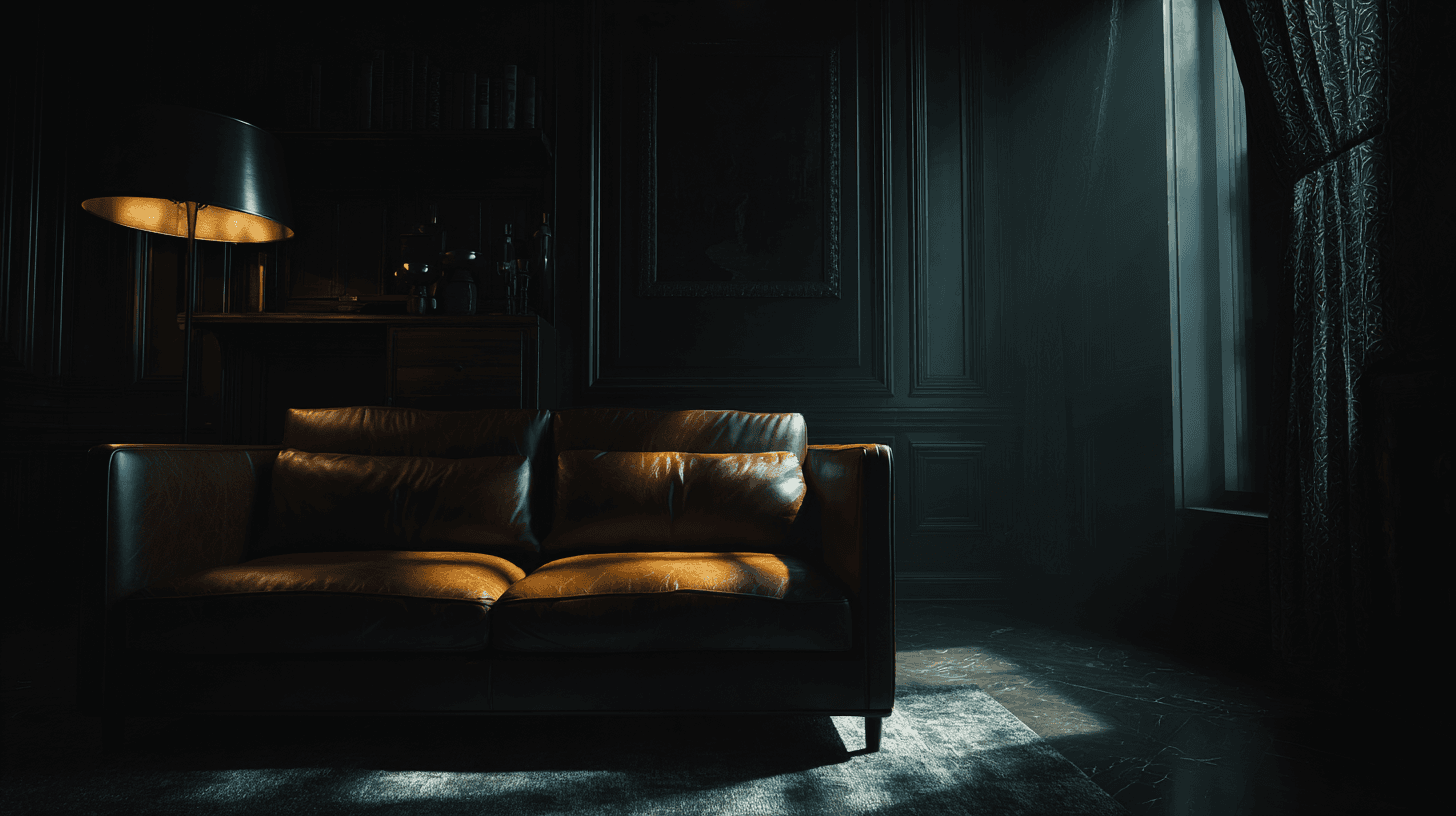
Low Key Lighting is a lighting style built around darkness, contrast, and selective illumination. In AI image prompts, it usually creates images with deep shadows, darker backgrounds, and a small amount of focused light on the subject. The result can feel dramatic, mysterious, premium, serious, or cinematic. Low Key Lighting is often used in luxury product photography, film posters, athletic portraits, music visuals, and editorial images. For beginners, it is a useful keyword when you want more mood and depth, but it needs a clear subject so the image does not become too dark to read.
Backlight
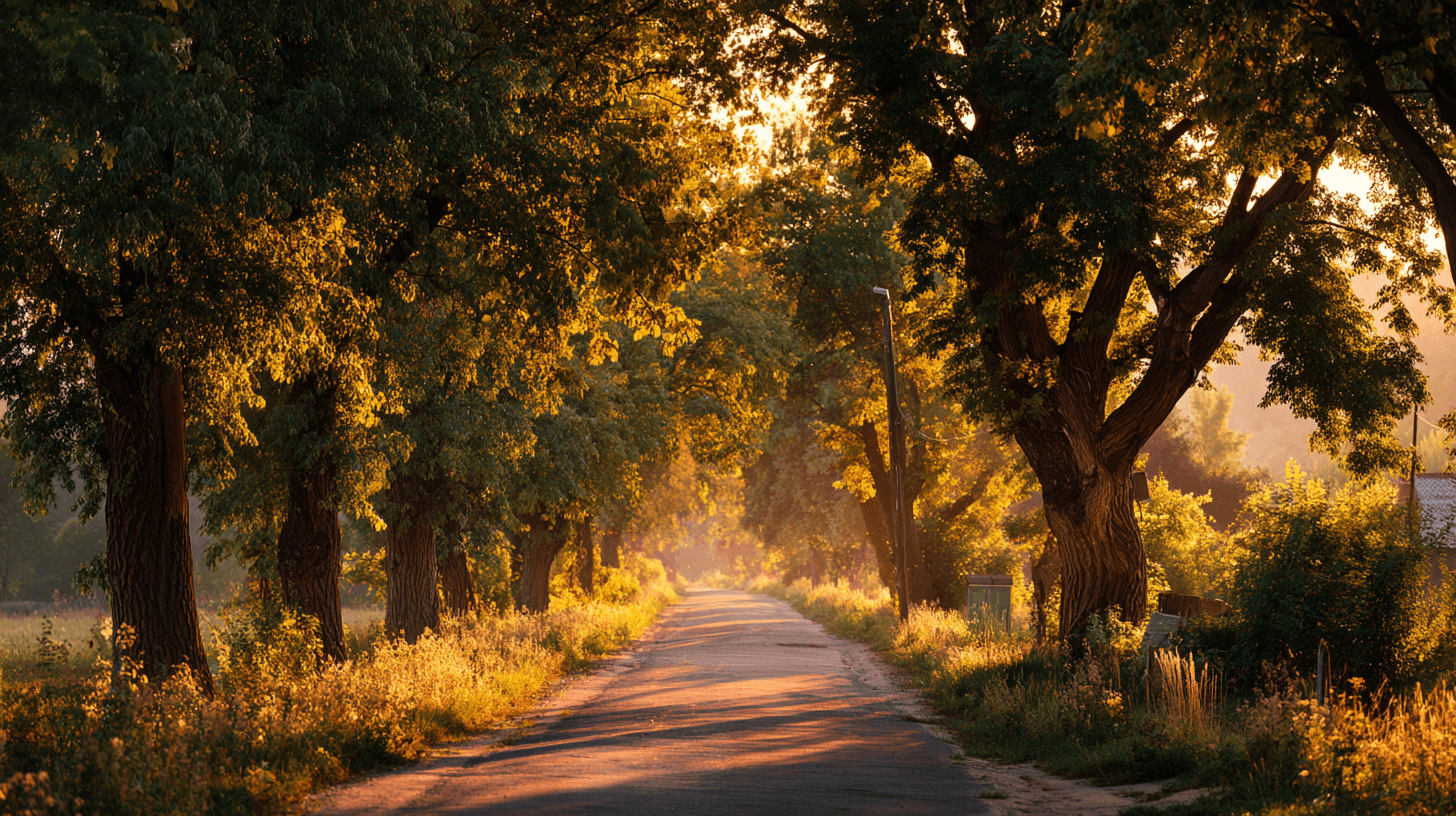
Backlight is a lighting direction where the main light source sits behind the subject, facing toward the camera. It can create glowing edges, silhouettes, translucent materials, and a strong sense of atmosphere. In AI image prompts, Backlight is useful when you want an image to feel warm, emotional, mysterious, or visually layered. It is common in outdoor lifestyle photography, travel imagery, nature scenes, music videos, and cinematic portraits. Beginners can use Backlight to make a simple scene feel more dramatic without needing complicated camera or lighting language.
Rim Light
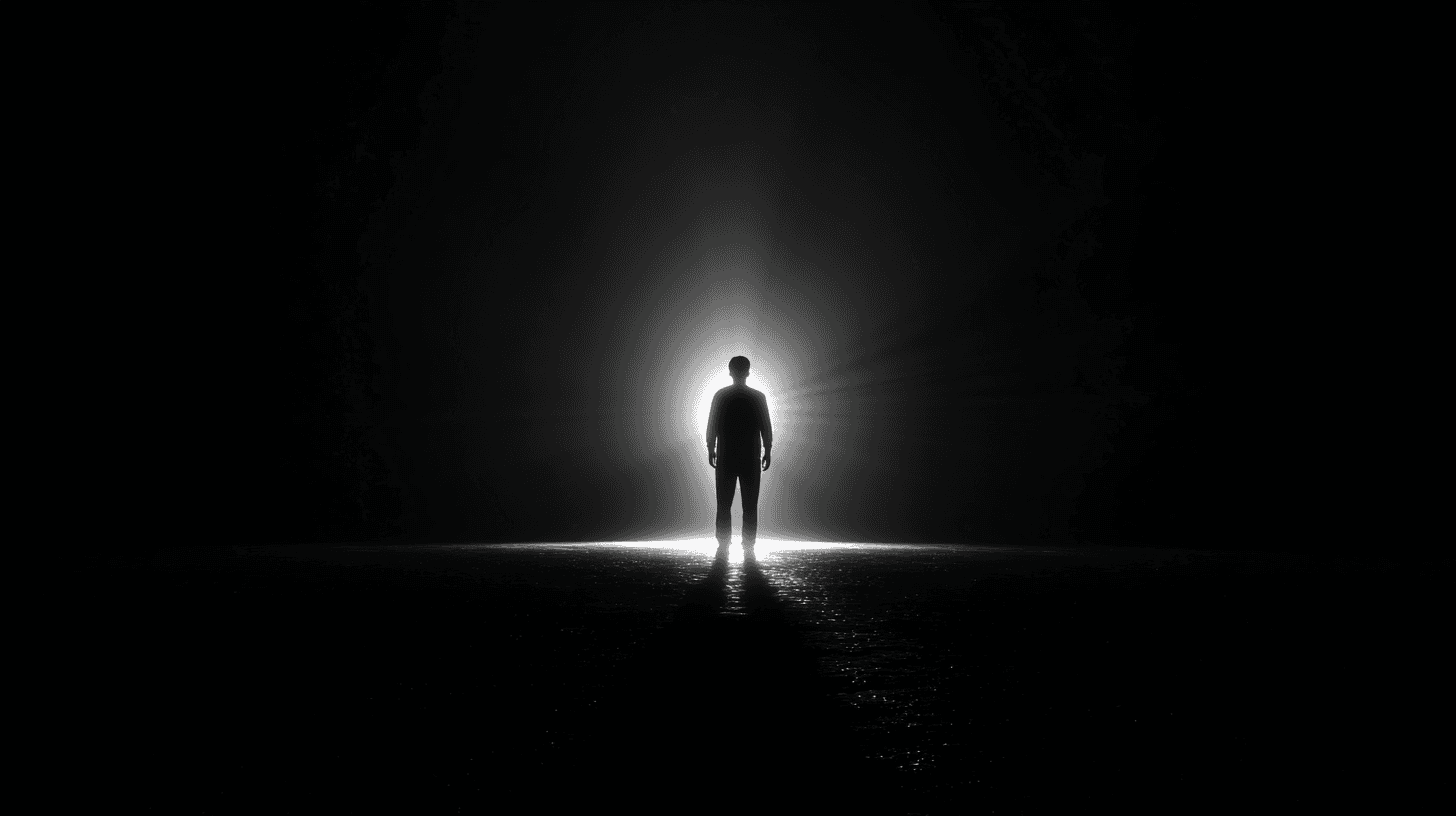
Rim Light is a lighting keyword that describes a bright edge of light around a subject. The light usually comes from behind or slightly behind the subject, catching the outline of hair, shoulders, products, glass, metal, or other edges. In AI image generation, Rim Light is useful when the subject blends into the background or when you want a more professional, cinematic result. It adds separation, depth, and polish. For beginners, Rim Light is a practical keyword because it solves a common problem: flat images where the subject does not stand out clearly.